
Review · LONDON
London: Modern Architecture & Building Guided Walking Tour
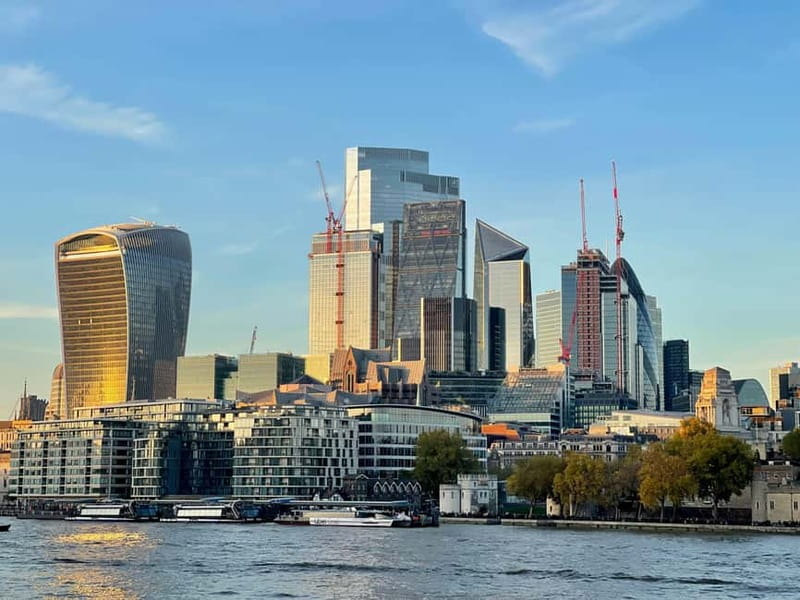
London’s modern skyline is best understood from street level. On this two-hour walk, you’ll move from the Thames into the City of London, looking up at the Shard, Walkie Talkie, Gherkin, Cheesegrater, Lloyd’s, Barbican, and other bold structures while guide Sam explains how they were designed and built.
I like the way the tour connects eye-catching buildings with the engineering beneath London’s streets. I also like the finish at the NLA, where free scale models help you see how the City fits together and where future building projects may go. The main drawback is practical: it is not suitable for wheelchair users or people with mobility impairments, and the NLA is closed on Sundays, Mondays, and during evening tours.
Key points to know before you book
- A construction professional leads the walk: Sam’s background in construction management gives the tour useful technical detail without making it feel like a lecture.
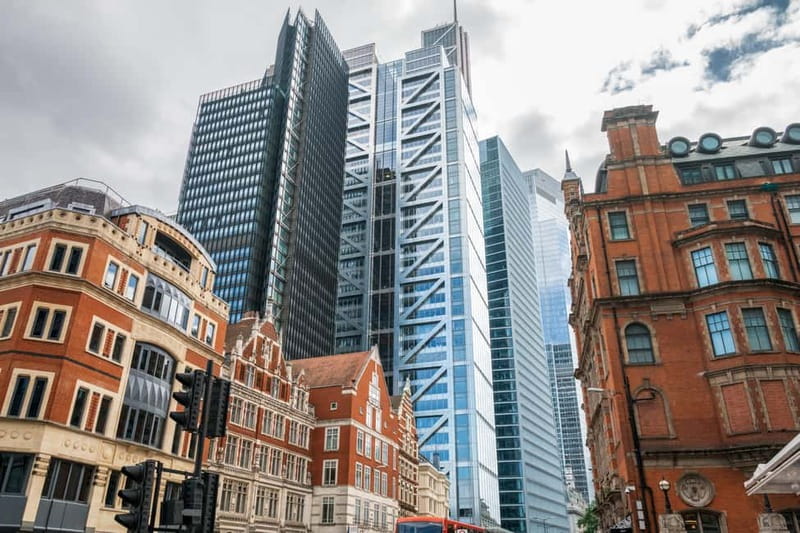
- The route covers famous modern buildings: You’ll see the Shard, City Hall, the Walkie Talkie, Lloyd’s, the Cheesegrater, the Gherkin, the Can of Ham, Liverpool Street Station, and the Barbican.
- London’s underground engineering gets proper attention: The tour looks below street level as well as at the towers above it.
- The NLA adds valuable context: You can view scale models of London’s skyline after the walk, with free entry Tuesday through Saturday until 17:00.
- The pace suits curious visitors: The walk lasts about two hours, with time for questions and explanations.
- Bring practical gear: Comfortable shoes, water, a camera, and clothing for changing weather will make the outing easier.
Why this walk gives London’s skyline more meaning
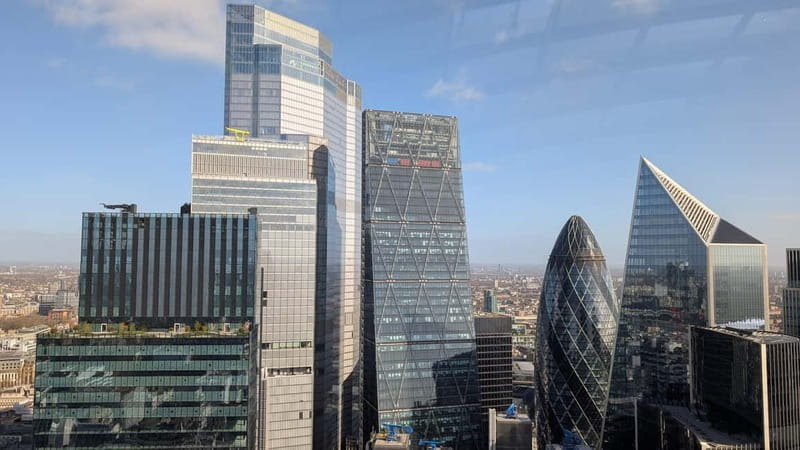
It is easy to see the City of London as a collection of shiny towers. The Shard points upward, the Gherkin curves inward, and the Walkie Talkie spreads across the sky, but a quick look rarely tells you why these buildings look the way they do.
This tour gives you that missing layer. You hear about the buildings, their architects, their engineering choices, and the way new construction has changed the City. You also get a look at major projects below ground, which matters in a place where transport, foundations, utilities, and old structures all compete for limited space.
Sam’s construction management background is a useful part of the experience. You can ask technical questions about building methods, but the explanations are also clear enough if architecture is not your main interest. The tour works best as a conversation with plenty to look at, rather than as a formal architectural lecture.
At $52 per person, this is not the cheapest London walking tour. The value comes from the specialist subject, the number of major buildings covered, and the chance to finish at the NLA with free access to skyline models. If you only want quick photographs, you may find the price high. If you want to understand what you are seeing, it is a fair price for a focused two-hour tour.
More Walking Tours in the world:
- The Official Art Deco Walking Tour by The Miami Design Preservation League
★ 5.0 · 1,580 reviews - Lecce: Baroque Architecture and Underground Walking Tour
★ 4.6 · 1,248 reviews - Chicago in a Day: Food, History & Architecture Walking Tour
★ 5.0 · 1,153 reviews
Starting at Sugar Quay and City Hall
The meeting point is Sugar Quay Jetty, near the Tower of London on the northern side of the Thames. This gives you an immediate sense of contrast: historic London is close by, while the modern City rises across and beyond the river.
City Hall is the first listed sight. Its rounded, glass-covered form gives the guide a good opening subject because it raises questions about shape, public buildings, and London’s changing riverfront. You also get views along the Thames before turning toward the financial district.
The river setting helps you see London from a wider angle. Instead of standing beneath a tower and craning your neck, you begin with open views and a chance to understand how the buildings gather around the City.
You should arrive ready to walk as soon as the tour begins. The route is outdoors from start to finish, and the tour continues except in extreme weather, so a forecast check is worthwhile.
The Shard and the Thames view
The Shard is one of the clearest markers on London’s skyline. Its narrow, pointed form is easy to recognize from many parts of the city, but seeing it close up gives you a better sense of its height and surface.
The tour uses the building as more than a photo stop. You hear the story behind its design and how it fits into the broader growth of the area around London Bridge. The guide also places it beside the other towers you will see later, helping you compare different approaches to modern construction.
You do not enter the Shard on this tour. That is true for every building on the route, so you should book this experience for exterior views and explanation rather than access to observation decks or interiors.
The Walkie Talkie and the changing City

The Fenchurch Building, better known by its nickname the Walkie Talkie, is another building that looks different from almost every angle. Its upper floors widen as they rise, creating a strong visual contrast with the slimmer towers nearby.
This is the sort of building that benefits from a guide. You can photograph its shape on your own, but Sam adds the design and construction background that makes the form easier to understand. You also get a chance to think about how a large structure affects the surrounding streets and skyline.
The tour’s value here is not just naming landmarks. Sam explains interesting facts about the buildings and the City’s development, giving you a reason to look at details you might otherwise pass without noticing.
More Guided Tours around the world:
- Chicago River: 1.5-Hour Guided Architecture Cruise
★ 4.8 · 8,046 reviews - Park Güell: Guided Tour with Optional Gaudí Experience Entry
★ 4.1 · 832 reviews - Barcelona: Gaudi’s Casa Vicens Guided Tour
★ 4.8 · 401 reviews - Charleston: History and Architecture Guided Walking Tour
★ 4.8 · 349 reviews
Lloyd’s of London, the Cheesegrater, and the Gherkin
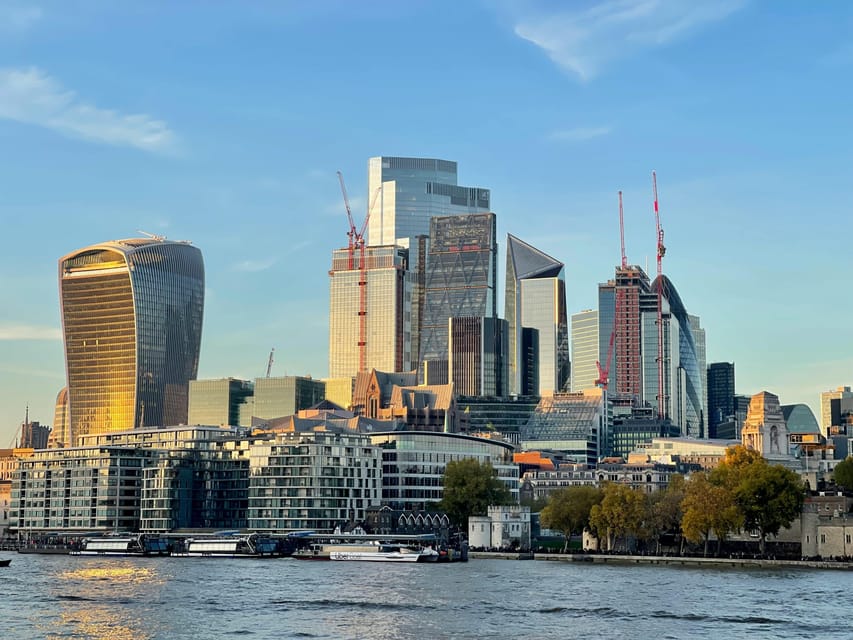
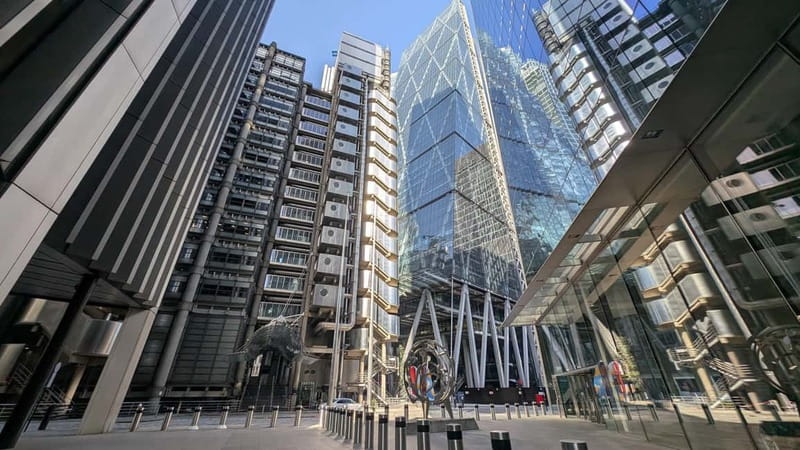
The City’s modern architecture becomes especially varied as the route continues. Lloyd’s of London is known for placing much of its functional equipment and services on the outside of the building, giving it a bold industrial appearance.
The Leadenhall Building, often called the Cheesegrater, has a very different profile. Its sloping side creates a memorable shape and reflects the practical demands of its site. These two buildings make a useful pair because they show how modern architecture can respond to structure, space, and nearby landmarks in very different ways.
Then comes 30 St Mary Axe, the Gherkin. Its rounded body and narrowing ends have made it one of London’s most recognizable towers. You will hear about its design and the reasons it became such a strong part of the City’s identity.
I like this middle section because the buildings are close enough in concept to compare but different enough to keep the walk fresh. You are not looking at one style repeated over and over. Each stop offers another way to think about structure, shape, and the practical limits of building in central London.
The Can of Ham and the smaller details
At 70 St Mary Axe, known as the Can of Ham, the route adds another distinctive modern building to the mix. Its nickname tells you what to expect visually, but the guide’s explanation gives the shape more context.
A benefit of a specialist walking tour is that it includes buildings you may not have chosen as individual sightseeing stops. The Can of Ham is less famous than the Gherkin, yet it helps show how quickly the City has changed and how many different forms now sit within a small area.
Sam also uses extra material on a portable screen during the walk. That can help when a structure is hard to understand from street level or when a planned development is easier to explain with an image than with words alone.
Liverpool Street Station and the engineering below

Liverpool Street Station brings the tour back to the link between old infrastructure and new construction. Stations are not simply buildings to admire. They must handle movement, access, services, and large amounts of engineering in a dense urban setting.
This is where the tour’s attention to what lies beneath London becomes especially useful. You learn about past and present civil engineering projects under the streets, and how the city has been shaped by work that most people never see.
That underground focus makes the experience different from a standard architecture walk. London’s visible towers are only part of the story. Foundations, tunnels, utilities, transport systems, and other hidden works determine what can be built above them.
The information is technical enough to satisfy someone who enjoys construction, but the tone remains accessible. One person in a couple can ask detailed questions while the other still follows the larger story without needing a professional background.
The Barbican and a different idea of modern London
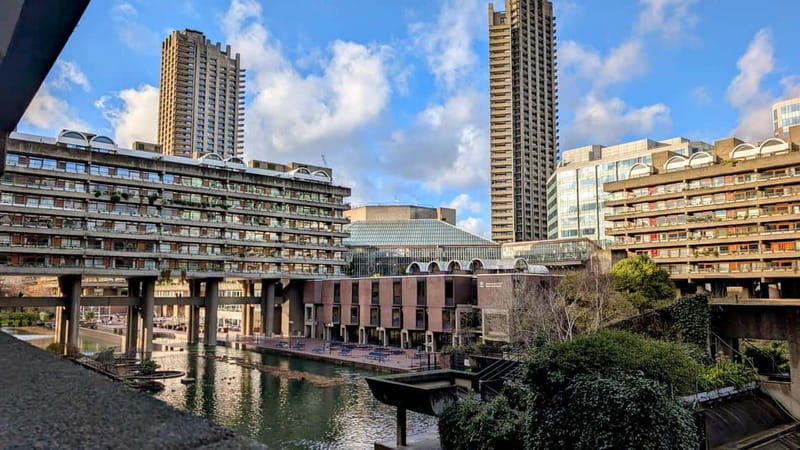
The Barbican changes the mood of the route. Instead of focusing only on commercial towers, the tour brings you to a large residential and cultural complex with its own strong architectural character.
Its concrete forms and carefully planned spaces offer a useful counterpoint to the glass towers around the financial district. Here, modern architecture is not just about height or office space. It is also about housing, public areas, culture, and how people use a built environment.
The Barbican can be difficult to grasp when you pass through quickly. Sam’s explanations help you read the shapes and spaces rather than treating the complex as simply a maze of concrete walkways.
By this stage, the tour has covered several types of modern building: offices, public buildings, transport infrastructure, housing, and cultural space. That range gives the walk more substance than a simple list of famous towers.
Finishing at the NLA and looking ahead
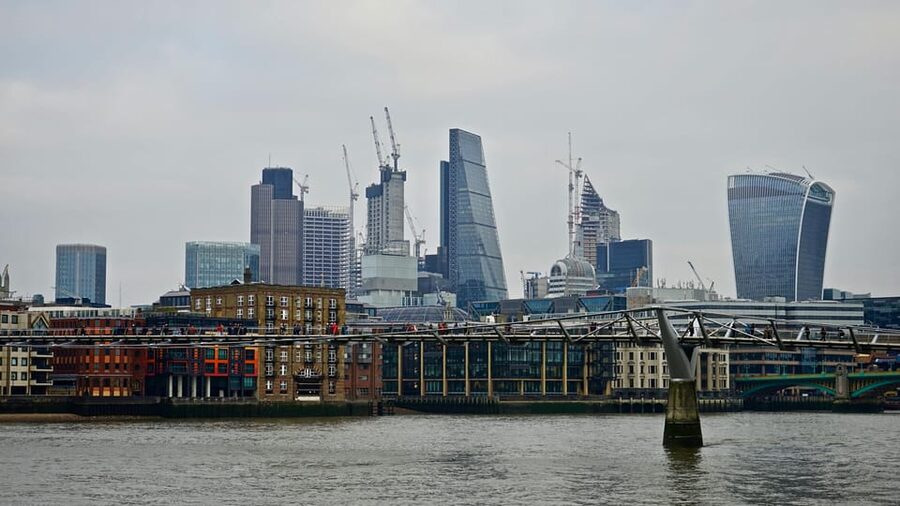
The tour ends at the NLA, within The London Centre. Entry is free, and you can stay after the guided walk to read more information and examine scale models of London.
Allow an extra 15 to 30 minutes here. The models are useful because they show the City as a connected whole, not as isolated buildings. You can see how existing towers fit together and get a clearer sense of current and future development plans.
This final stop is one of the strongest reasons to choose this particular tour. After two hours of looking upward and moving through the streets, the models give you a wider view. They also help you place buildings you may have seen earlier in the day from other parts of London.
There is an important timing catch. The NLA is open Tuesday through Saturday until 17:00. Sunday, Monday, and evening tours cannot include entry, so check the start time if this part matters to you.
Pace, comfort, and practical limits
The walk lasts about two hours, and the pace is designed to leave room for questions. You should still expect to be on your feet for the full outing, so comfortable shoes are essential.
The route is outdoors and continues in ordinary bad weather. Bring water, a camera, and clothing suited to the forecast. London weather can shift quickly, and there is no promise of a dry day simply because the skyline looks clear at breakfast.
The experience is not suitable for people with mobility impairments or wheelchair users. That is an important limitation because this is a walking route through central London, not a vehicle-based sightseeing experience.
The tour is in English and includes a live guide. Sam’s clear explanations make it suitable for people with different levels of interest, from a casual visitor who wants a new way to see London to someone who enjoys questions about construction techniques.
Who will get the most from the $52 price
I would choose this tour if you have already seen the major historic sights and want to understand the newer side of London. It is also a good fit if you like city planning, engineering, architecture, or the practical story behind famous buildings.
It works well for couples or mixed-interest groups. One person can enjoy the photographs and city views, while another asks about building methods, design decisions, and underground projects.
You may want to skip it if your main goal is entering buildings. No interior admission is included, and the focus is on exterior sightseeing, explanation, and the NLA models at the end.
The price makes more sense when you count the route as a guided subject tour rather than a basic walk. You get a professional guide, a concentrated look at many important buildings, technical context, and a free exhibition stop when the timing allows. Free cancellation up to 24 hours before the activity and a reserve-now, pay-later option also make planning less risky.
Should you book this modern architecture walk?
Book it if you want London’s towers to make more sense, not just appear in your camera roll. Sam brings a construction background, the itinerary covers a strong mix of famous and less familiar buildings, and the NLA finish gives you a helpful view of future development.
I would especially recommend it for first-time visitors who want a different side of central London, architecture fans, and anyone curious about the engineering below the streets. Check the weather, wear good shoes, and choose a Tuesday to Saturday daytime tour if you want the full NLA experience.
Skip it if you need step-free access, dislike outdoor walking, or prefer to go inside landmarks. For everyone else, $52 buys a focused and unusually practical look at how modern London is built.
FAQ
How long does the London modern architecture tour last?
The guided walking tour lasts approximately two hours. You should allow another 15 to 30 minutes if you want time at the NLA afterward.
Where does the tour start?
The meeting point is Sugar Quay Jetty, near the Tower of London, on the northern side of the River Thames.
Where does the tour finish?
The walk finishes at the NLA, within The London Centre.
Which buildings can I see on the tour?
The route includes City Hall, the Shard, the Fenchurch Building known as the Walkie Talkie, Lloyd’s of London, the Leadenhall Building known as the Cheesegrater, the Gherkin, the Can of Ham, Liverpool Street Station, and the Barbican.
Can I go inside the buildings?
No. Entry into the buildings seen on the tour is not included. The experience focuses on exterior sightseeing and guided explanations.
Is NLA entry included?
Yes. Entry to the NLA is free, although access is only possible Tuesday through Saturday until 17:00. Sunday, Monday, and evening tours cannot enter.
Who leads the tour?
The live English-speaking guide is Sam, who has a background in construction management in London and Sydney.
What should I bring?
Bring comfortable shoes, water, a camera, and weather-appropriate clothing.
Does the tour run in bad weather?
The tour proceeds in normal weather conditions and is canceled only in extreme conditions. Check the forecast and dress appropriately.
Is the tour suitable for wheelchair users?
No. The activity is not suitable for wheelchair users or people with mobility impairments.
New to the itinerary around the world
- Washington, DC: Georgetown Architecture Walking Tour★ 5.0 · 8 reviews
- Wilmington History and Architecture Tour★ 4.8 · 18 reviews
- Washington DC: Dupont Circle & Embassy Row Architecture Tour★ 5.0 · 6 reviews
- New Orleans : Garden District Architecture Walking tour★ 4.8 · 5 reviews
- Walk & Discover KL’s Architectural and Heritage Gems★ 5.0 · 7 reviews
- Unveiling Brno: History, Culture & Architectural Delights★ 5.0 · 2 reviews
- Vicenza: Palladian Architecture Private Walking Tour★ 3.3 · 3 reviews
- Private Colonial Williamsburg Architectural Tour★ 5.0 · 5 reviews
London Architecture Tours, compared.

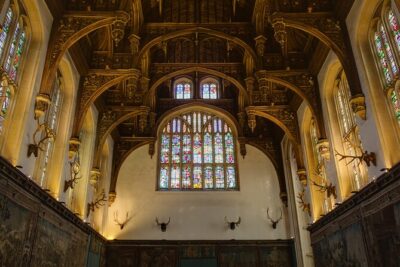
Private Tour of Hampton Court Palace with Award-Winning Architectural Historian
Read our review →

Official Natural History Museum Tour – Architecture
Read our review →Other lists with this tour