
Review · CHARLESTON
Charleston: History and Architecture Guided Walking Tour
Charleston’s best stories often sit behind its pretty façades. This 90-minute walking tour takes you through the French Quarter and South of Broad, then slips into three quiet alleys before ending at Pineapple Fountain.
I like the mix of architecture and human stories, and I like that the route includes possible interior visits to St Michael’s Church, Dock Street Theatre, and the Old Exchange. Guides including Jeff, Emerson, Jackson, and Paige are praised for clear storytelling, humor, and local insight.
The main consideration is pace and access. You cover about one mile with frequent stops, but the tour departs rain or shine, and the listed information both calls it wheelchair accessible and says it is not suitable for people with mobility impairments. Confirm the current route before booking if that matters to you.
Key points at a glance
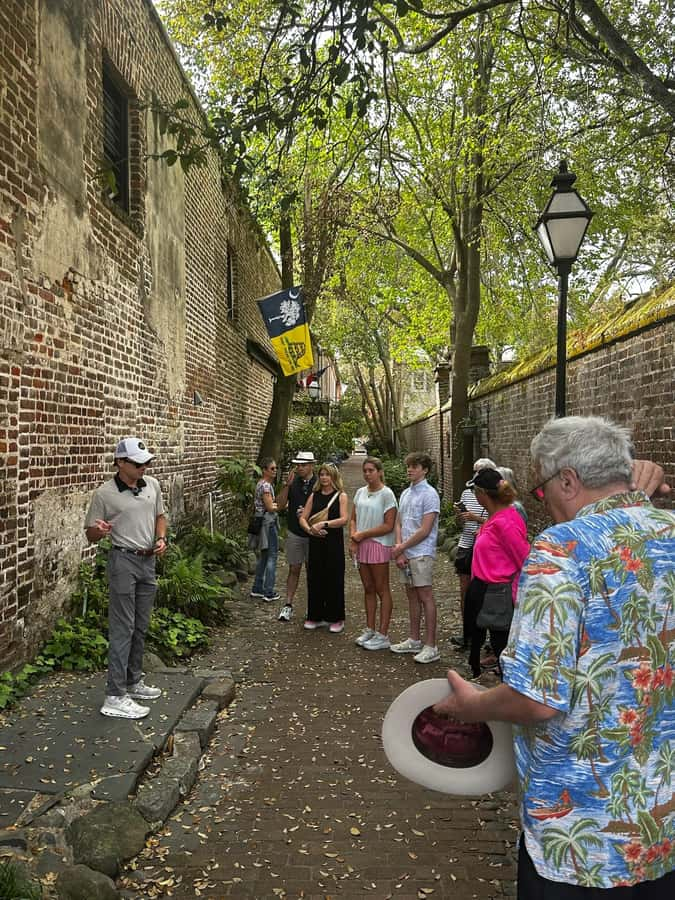
- Three secret alleys: See quieter passages that are easy to miss when you explore Charleston on your own.
- Historic interiors when available: Enter St Michael’s Church, Dock Street Theatre, and the Old Exchange Building, subject to opening and access conditions.
- Two classic districts: Walk through the French Quarter and South of Broad, with their old homes, gates, churches, and streets.
- A strong guide lineup: Jeff, Emerson, Jackson, Paige, Jaxson, and Philip have all led praised tours, with humor and local context.
- Good introductory length: The one-mile route takes 90 minutes, enough for an overview without using up half your day.
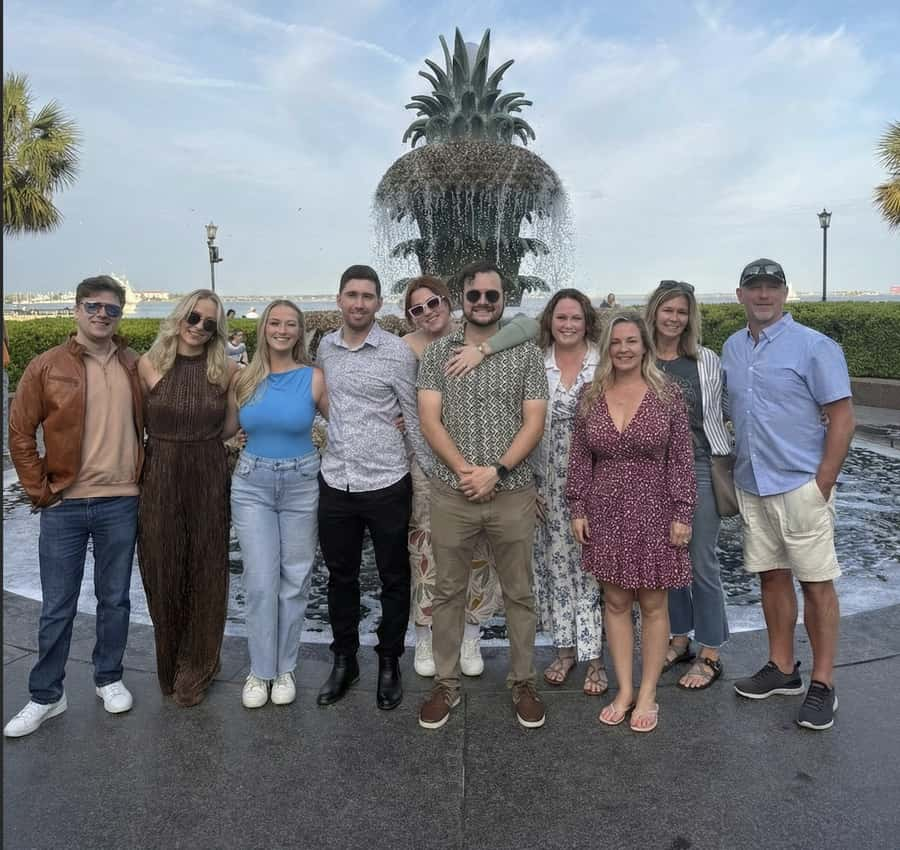
- A useful final stop: The walk ends at Pineapple Fountain, giving you an easy place to continue exploring.
Why this Charleston walk works so well
Charleston can be tricky to read at street level. You see pastel homes, old churches, iron gates, and cobbled-looking lanes, but without context they can blur into a pleasant collection of façades. This tour gives those places a storyline.
You walk through the Historic Downtown, the French Quarter, and South of Broad. The route is not built around one single attraction. Instead, it links the city’s streets, buildings, alleys, religious landmarks, public spaces, and waterfront setting into one compact introduction.
I see this as a useful first-day activity. It helps you get oriented before visiting museums, restaurants, and larger historic sites on your own. At $29 per person, the price is modest for a guided walk that includes possible entry to three major buildings. The value depends partly on access that day, since the interior visits are subject to availability, but the outdoor route still covers a lot of ground.
The strongest part is the guide. Recent departures have been led by people such as Jeff, Emerson, Jackson, Paige, Jaxson, and Philip. Jeff is often noted for entertaining anecdotes and a clear affection for Charleston. Emerson brings a strong history background. Jackson is described as easygoing and lively, while Paige is praised for explaining Charleston’s beginnings and the Gullah Geechee people.
That range matters. A good Charleston walk should not feel like a string of dates and architectural labels. You want someone who can answer questions, explain why a building looks the way it does, and connect the city’s past with the streets in front of you.
More Walking Tours in the USA
- The Official Art Deco Walking Tour by The Miami Design Preservation League
★ 5.0 · 1,580 reviews - Chicago in a Day: Food, History & Architecture Walking Tour
★ 5.0 · 1,153 reviews - Miami South Beach Art Deco Walking Tour
★ 5.0 · 1,039 reviews
Starting in the French Quarter and South of Broad
The walk begins in Charleston’s Historic Downtown and moves through two of the city’s most recognizable districts. The French Quarter gives you a concentrated look at old churches, galleries, homes, public buildings, and narrow lanes. South of Broad brings a different feel, with grand residences, carefully kept façades, gates, and streets tied closely to Charleston’s image.
You should expect frequent stops rather than a fast march. The route covers about one mile, so the distance is manageable, but the guide pauses to explain buildings and details. That makes the walk suitable for anyone who enjoys looking closely rather than simply checking off landmarks.
Pay attention to the ironwork. The tour highlights beautiful wrought iron on gates that are centuries old. These details are easy to pass without a guide, especially when your eyes are drawn to colorful walls or large porches. The gates give you a more specific way to read Charleston’s architecture, and they show how much of the city’s character is found at the edge of a property rather than on its main façade.
The guide also points out historic homes and buildings along the way. The focus is not just on who lived where. You get a sense of how the city developed, how its streets functioned, and why preservation matters to the appearance of modern Charleston.
Three alleys that change the view
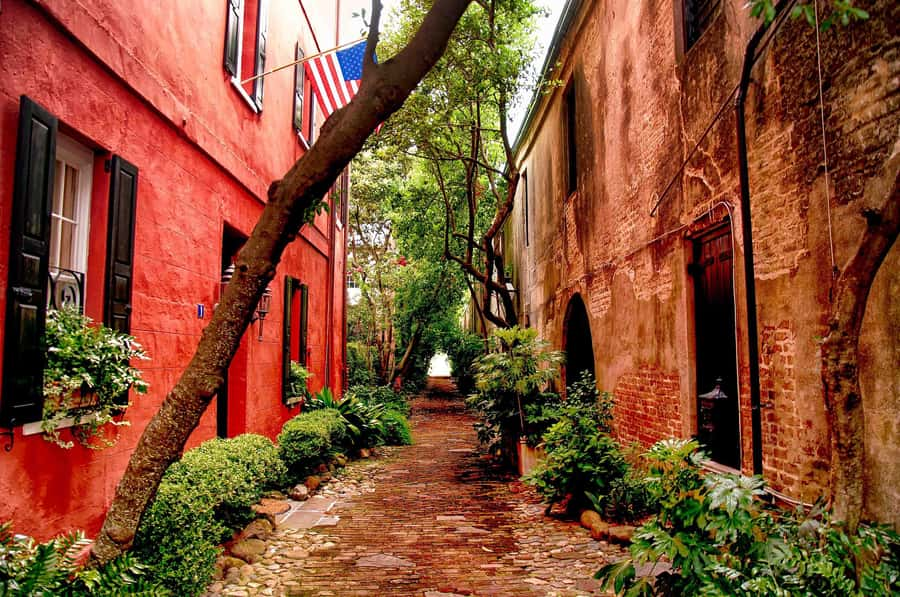
The three secret alleys are one of the tour’s most useful features. Charleston’s main streets are easy to find, but these narrower passages give you a different scale. They help you see how much of the city’s appeal lies just outside the standard route.
I like this part because it adds discovery without requiring a long walk. You are not being taken far outside the center. Instead, the guide shows you small spaces that you could easily overlook, then supplies the background that makes them memorable.
Do not expect all three alleys to feel identical. The point is the contrast between public streets and tucked-away corridors. After seeing grand homes and formal churches, a narrow passage can make the city feel more intimate. It also gives you a few places to revisit later if you want photographs or a quieter stroll.
The alleys are particularly valuable for first-time visitors. If you explore alone, you might walk past an entrance without realizing it leads somewhere worth seeing. With a guide, the route becomes less about wandering randomly and more about noticing how the city is put together.
St Michael’s Church, Dock Street Theatre, and the Old Exchange
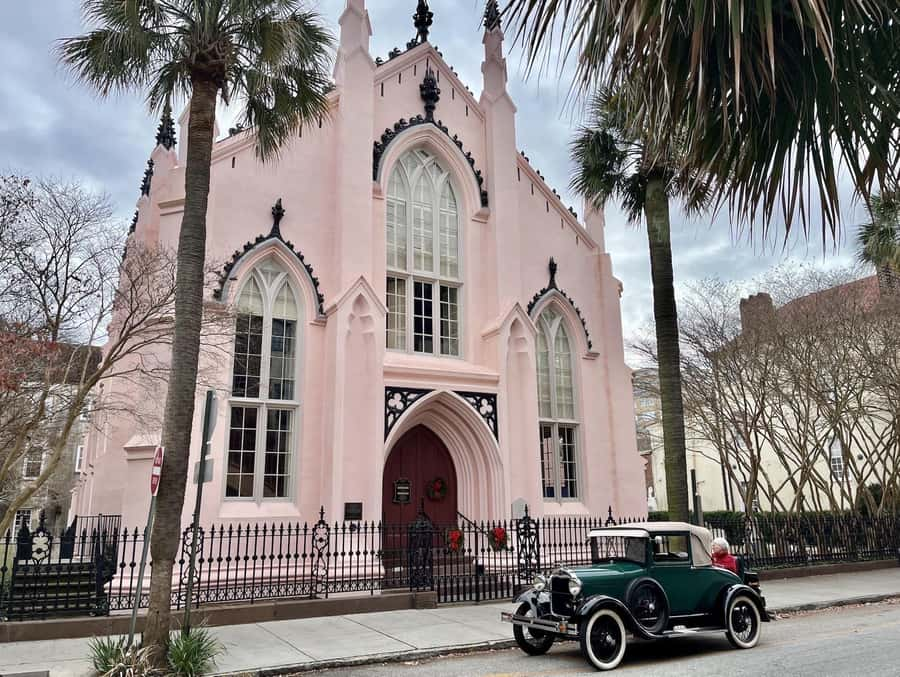
The tour includes entrance to the interior of St Michael’s Church, the Old Exchange Building, and Dock Street Theatre, but access is not guaranteed. Opening hours, services, events, or other conditions can affect what you enter, so treat these as possible additions rather than fixed promises.
St Michael’s Church gives the tour a strong architectural and civic landmark. The exterior is already an important part of the downtown walk, but entering changes your sense of scale and purpose. You can better understand the building as a working church rather than just a photogenic stop.
Dock Street Theatre adds a performance and cultural angle. The tour does not only focus on homes and churches. It also shows how Charleston’s older buildings continue to connect with public life and the arts.
The Old Exchange adds another layer of civic history. Together, these three interiors give the walk more range than a standard exterior-only tour. You move from residential architecture to religious space, theater, and public buildings.
Still, keep your expectations practical. Since entry is subject to availability, the guide cannot control every door. If one interior is unavailable, the outdoor sites and explanations remain the core of the tour. I would book this for the full walk, not solely for guaranteed access to one particular building.
Same streets, read through a different style:
- Chicago Architecture River Cruise
★ 5.0 · 15,756 reviews - Chicago River 90-Minute Architecture Tour
★ 4.5 · 9,629 reviews - Chicago River: 1.5-Hour Guided Architecture Cruise
★ 4.8 · 8,046 reviews - Chicago Architecture Center River Cruise aboard First Lady
★ 5.0 · 5,536 reviews
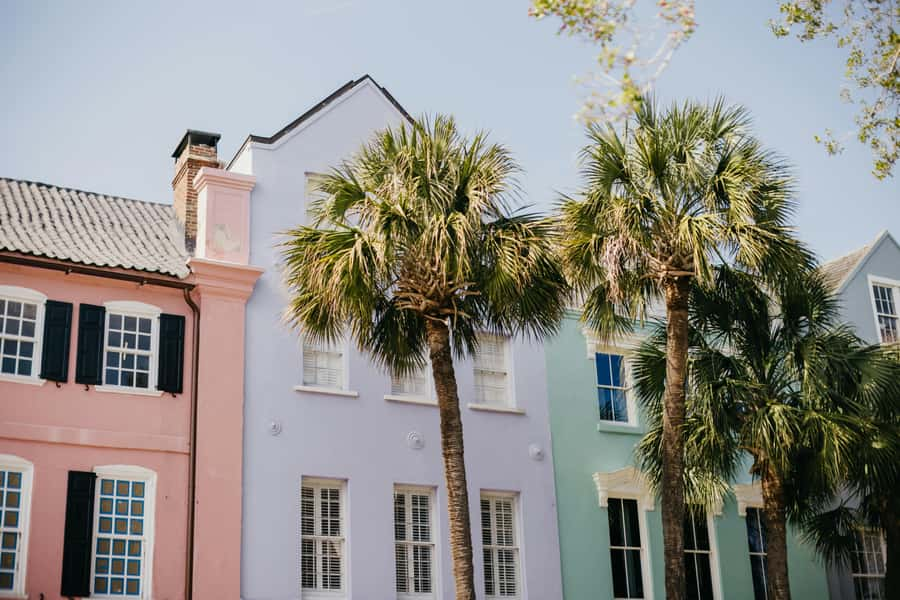
Rainbow Row, City Market, and St Philip’s Church
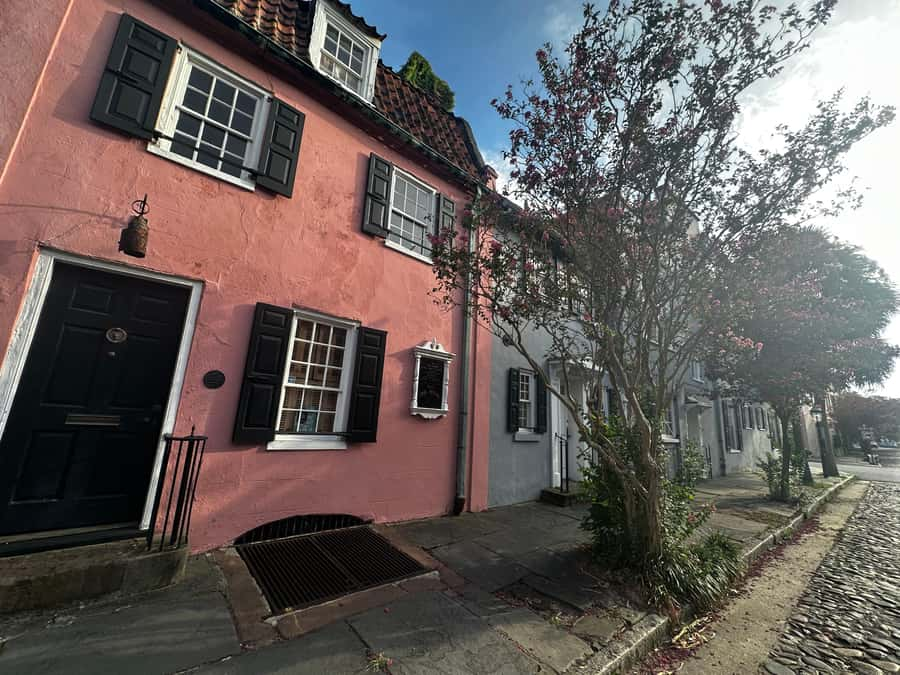
Rainbow Row is among Charleston’s most recognizable sights, with its run of colorful historic buildings. It is an obvious photo stop, but the guide adds value by explaining what you are seeing rather than leaving you with a row of attractive façades and no context.
City Market brings a more public, commercial setting into the route. After the quieter alleys and residential streets, it gives you a sense of Charleston as a place of movement and trade. The walk includes the market area, but you should not assume the tour provides a long shopping visit. Its purpose is to place this famous site within the larger downtown story.
St Philip’s Church adds another major religious landmark. Along with St Michael’s, it helps you compare important buildings and understand how churches shape Charleston’s streetscape. The tour’s architecture focus works best here, where the guide can point out details that are hard to interpret at a glance.
One useful feature is the balance between famous stops and less obvious ones. Rainbow Row and City Market are easy to find on a map. The alleys and ironwork make the experience feel more personal, while the churches and civic buildings provide structure.
History, slavery, and the stories that need care
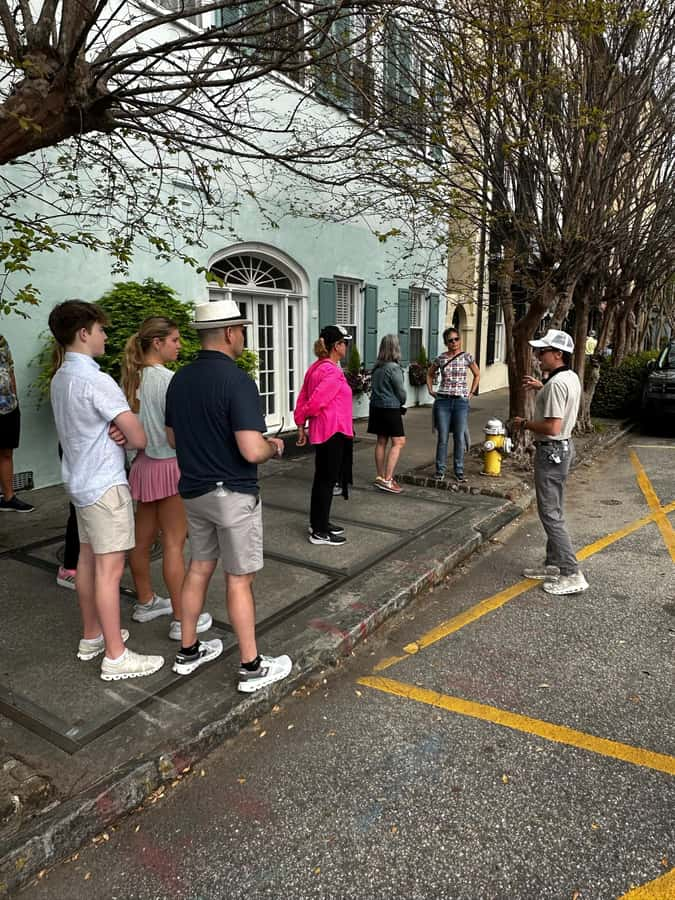
Charleston’s past includes wealth, commerce, religion, politics, architecture, and the enslavement of African people. A responsible tour should help you connect the city’s elegant streets with the labor and systems that shaped them.
The route includes discussion of Charleston’s past and the Gullah Geechee people. That is important context, and Paige in particular has been praised for keeping the history direct while explaining the city’s origins. At the same time, one departure was criticized for giving too little attention to the history of the slave trade.
I would keep that limitation in mind. This is a 90-minute overview with a wide route and many stops, not a dedicated African American history tour or slavery-focused program. The guide may address those subjects, but the amount of time given to them can vary by guide and group conversation.
If this part of Charleston’s story is central to your visit, use this walk as an introduction and add a specialized experience focused on slavery, Black history, or the Gullah Geechee tradition. If you want a broad first look at the city, the tour can still provide useful context, especially when the guide makes time for questions.
What the guide adds to the buildings
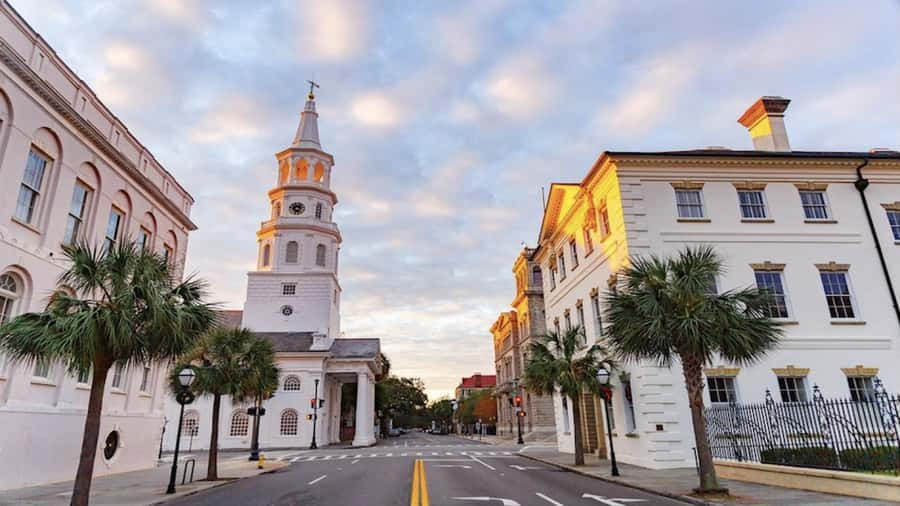
The repeated strength of this experience is not the number of stops. Charleston has plenty of beautiful places. The difference is the person explaining them.
Jeff has been praised for local stories, humor, and answers to questions. Emerson is described as especially strong on history, with a background that shows in his explanations. Jackson is known for an engaging manner and local connection. Paige brings energy to the city’s early story and its architecture. Jaxson is praised for keeping the walk moving while still explaining details, and Philip is noted for a patient pace.
Those qualities matter because the route contains a lot of information in a short time. A stiff presentation could make 90 minutes feel long. A guide who welcomes questions and uses anecdotes can make the same schedule feel lively.
I would listen for practical details about food and drink history, local customs, preservation, and the stories behind individual buildings. One guide has been praised for adding that kind of extra context. You may also find that the tour becomes a conversation, rather than a one-way speech, if your group asks questions.
Group size can affect the experience. One departure was considered a little too large, even though the guide was highly praised. If a private group is available and your budget allows it, that option may suit you if you want more questions or a slower exchange. For most visitors, the standard tour should still offer a solid introduction.
Timing, shoes, weather, and access
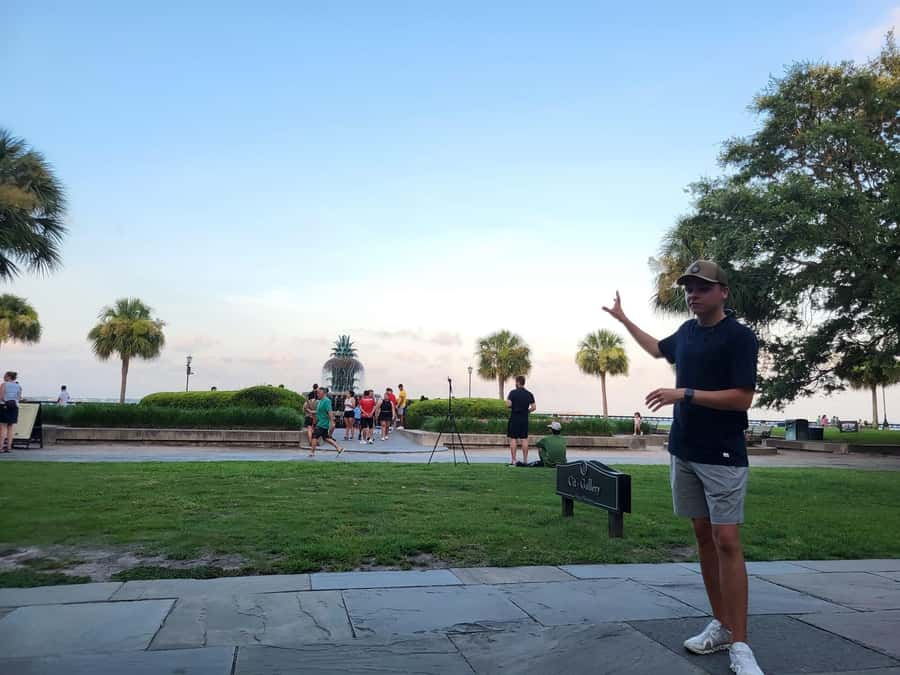
Plan to arrive about 10 minutes early at the meeting point, underneath the awning in front of the Charleston Tours & Activities windows. Guides typically arrive around 15 minutes before departure, so arriving very early may mean waiting briefly.
Wear comfortable shoes. The route is a leisurely stroll, but it covers about one mile on city streets and includes frequent stops. Weather-appropriate clothing matters because the tour runs rain or shine. Charleston’s charm does not disappear in poor weather, but wet streets and heat can affect your comfort.
The activity information lists the tour as wheelchair accessible, but it also says it is not suitable for people with mobility impairments. Those statements do not fit neatly together. If you use a wheelchair, walker, or have difficulty with uneven streets, ask the operator to confirm the exact route and interior access before paying.
There is no transportation between stops. You walk the entire route, which is part of the appeal. You see the transitions between districts instead of being carried from one isolated sight to another.
The tour is conducted in English. A private group option is available, which may be useful for families, friends, or anyone who wants a more tailored pace.
Is $29 a fair price?
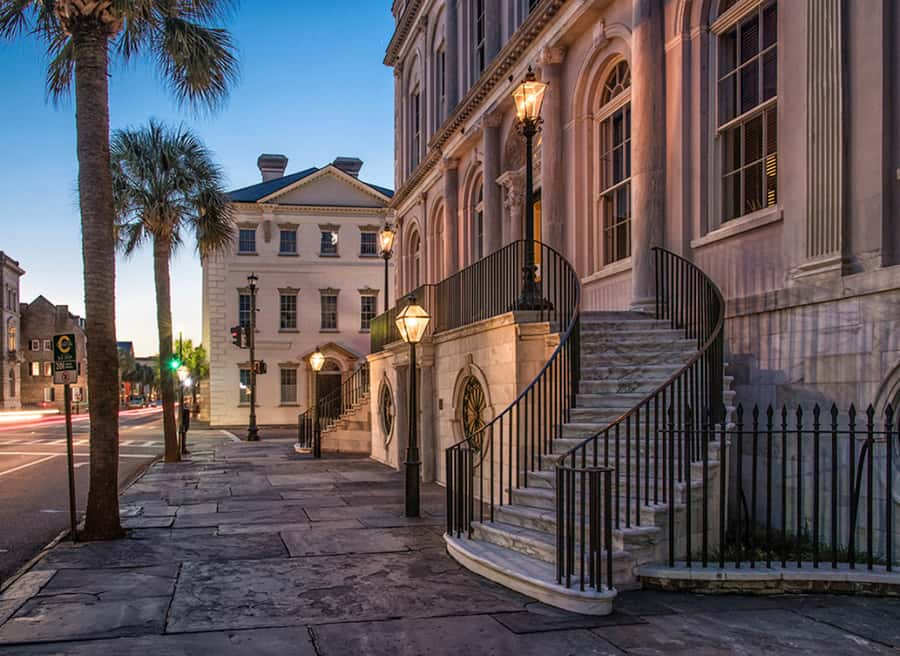
Yes, for most visitors. At $29, you are paying for a 90-minute guided walk, an expert local guide, three alleys, and possible entry to three significant buildings. Even without all interior visits, the route includes several major downtown sights and a useful introduction to Charleston’s layout.
The strongest value comes if this is your first visit. You gain a map in your head, a list of places to return to, and enough background to make the rest of your time in Charleston more rewarding. The walk can also prevent you from spending your first morning simply taking pictures of buildings without understanding them.
The value is less clear if you already know Charleston well or want a long, specialized treatment of one subject. Ninety minutes goes quickly, and some people may wish the tour lasted longer or spent more time on architectural detail.
You can cancel up to 24 hours in advance for a full refund, and you can reserve now and pay later. Those terms make it easier to fit the walk into a changing trip schedule.
Who should book this Charleston walking tour?
I would choose this tour if you want a short, guided introduction to Charleston’s central historic districts. It suits first-time visitors, couples, families with older children, architecture fans, and anyone who prefers stories to silent sightseeing.
It is also a good choice if you want a local guide who can answer questions. The guide lineup has a strong record for clear explanations, humor, and personal connection to the city.
I would look elsewhere if you want a dedicated slavery history tour, a long architectural survey, or a guaranteed visit inside every listed landmark. I would also confirm access details before booking if mobility is a concern.
Should you book it?
Book it if you want to see Charleston’s famous sights while also finding three quieter alleys and noticing the ironwork, churches, and building details you might otherwise miss. The route is short, the price is fair, and the guide can turn a pretty walk into a useful lesson in how the city grew.
Go in knowing that interior access may change, group size can vary, and the treatment of slavery history may not be as extensive as you want. For a first look at Charleston, though, this is a practical and enjoyable way to get your bearings, hear local stories, and finish near Pineapple Fountain with the rest of the day still ahead.
FAQ
How long is the Charleston History and Architecture Guided Walking Tour?
The tour lasts 90 minutes and covers about one mile at a leisurely pace with frequent stops.
Where does the tour meet?
Your guide meets you underneath the awning in front of the Charleston Tours & Activities windows. The coordinates are 32.7797147, -79.9273302.
Which areas of Charleston does the tour visit?
The route begins in Historic Downtown and goes through the French Quarter and South of Broad districts. It finishes at Pineapple Fountain.
Does the tour include interior visits?
Entrance to St Michael’s Church, the Old Exchange Building, and Dock Street Theatre is included when available. Interior access is subject to availability.
What landmarks will I see?
The route includes three secret alleys, Rainbow Row, City Market, St Philip’s Church, historic homes, old gates with wrought ironwork, and the listed landmark interiors when available.
Is the tour wheelchair accessible?
The activity information lists it as wheelchair accessible but also says it is not suitable for people with mobility impairments. Confirm the current route and access arrangements with the operator before booking.
What happens if it rains?
The tour departs rain or shine. Bring weather-appropriate clothing and comfortable shoes.
More History Walks around the USA
- Charleston’s Best Highlights: History, Culture & Architecture
★ 5.0 · 422 reviews - Palm Springs Modernism Architecture & History Bike Tour
★ 5.0 · 359 reviews - Historic Georgetown: History, Gossip, & Architecture Walking Tour
★ 5.0 · 321 reviews - Charleston History, Homes, and Architecture Guided Walking Tour
★ 5.0 · 267 reviews
New to the itinerary around the USA
- Washington, DC: Georgetown Architecture Walking Tour★ 5.0 · 8 reviews
- Wilmington History and Architecture Tour★ 4.8 · 18 reviews
- Washington DC: Dupont Circle & Embassy Row Architecture Tour★ 5.0 · 6 reviews
- New Orleans : Garden District Architecture Walking tour★ 4.8 · 5 reviews
- Tulsa: Art Deco Walking Tour of Tulsa★ 5.0 · 8 reviews
- Private Colonial Williamsburg Architectural Tour★ 5.0 · 5 reviews
- Castle to Capitol: Museums of the National Mall Architecture Tour★ 4.5 · 9 reviews
- Monuments and Memorials Architectural Walking Tour★ 5.0 · 17 reviews
Charleston Architecture Tours, compared.

Charleston’s Best Highlights: History, Culture & Architecture
Read our review →
Charleston History, Homes, and Architecture Guided Walking Tour
Read our review →
Charleston History and Architecture Walking Tour
Read our review →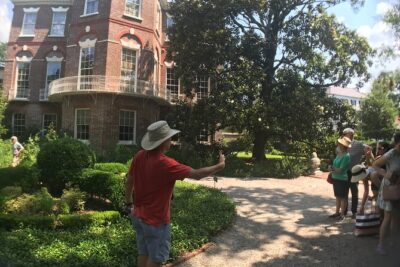
Historic Charleston: The Battery, Rainbow Row, St. Michael Church
Read our review →
Other lists with this tour