
Review · LONDON
London: Brutalist Architecture & History Walking Tour
London’s Brutalist buildings do not ask politely for your attention. They block the sky, expose their concrete frames, and divide opinion. This 2.5-hour walk takes you straight into that argument, using places such as the National Theatre and Institute of Education to explain why post-war London looked the way it did.
I like the small group of six, which gives you room to ask questions, and I like Evan’s ability to connect buildings with social and political events. The main drawback is that this is an exterior architecture tour, with no interior visits, and one reviewer found parts of the discussion more general than the buildings themselves.
Key points to know before booking
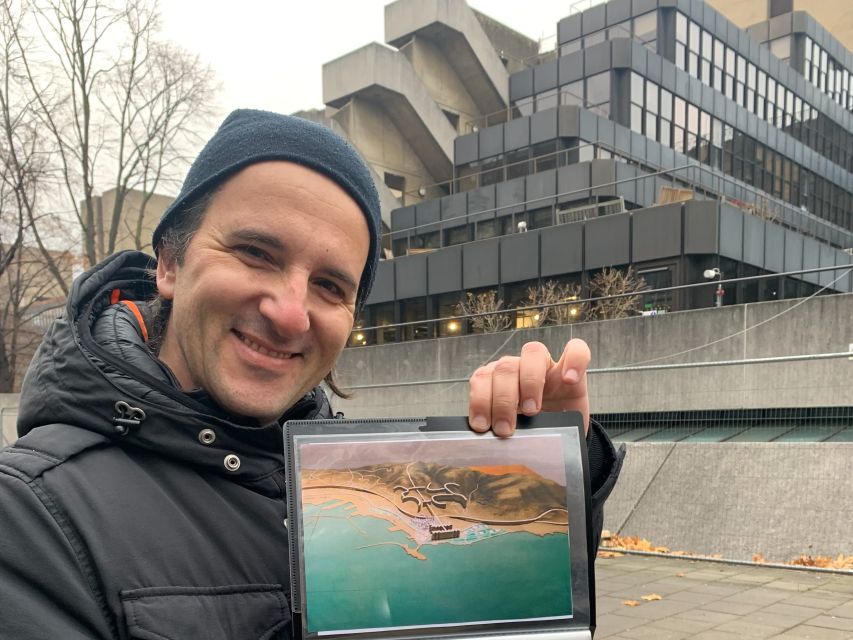
- Evan is the named guide: He brings a strong interest in Brutalism and adjusts the discussion to the group’s level.
- The National Theatre is a major highlight: You’ll examine one of London’s best-known concrete buildings and the arguments around its design.
- The tour links architecture to politics: Post-war rebuilding, Modernist ideas, public housing, economics, and preservation all enter the conversation.
- Expect a short Tube ride: The tour uses public transport once, so bring a Zone 1 ticket or enough credit.
- The group is limited to six people: This suits visitors who want conversation rather than a large scripted walk.
- The walk is not fully accessible: It is unsuitable for people with mobility impairments and children under 16.
Why London’s concrete deserves a closer look
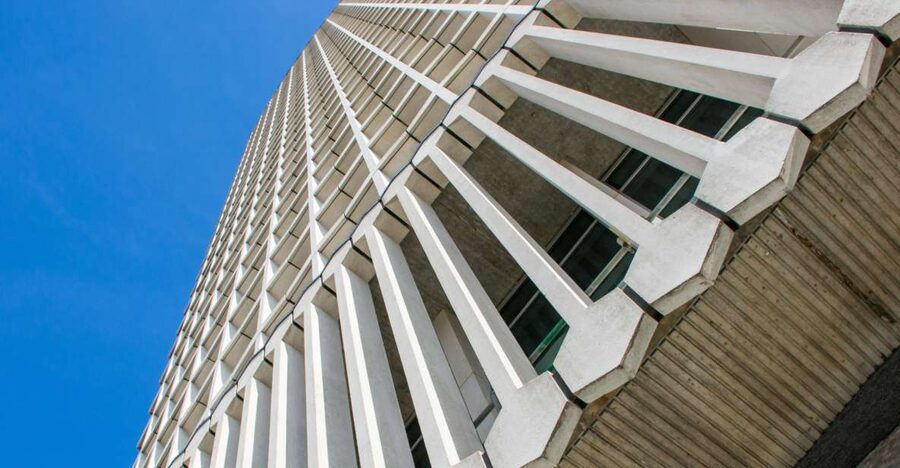
Brutalism is often reduced to a simple visual recipe: large concrete forms, small windows, and an air of civic seriousness. That misses the point. On this walk, you look at Brutalism as a response to a particular period, when London was rebuilding after war and public bodies wanted durable, modern buildings for education, culture, housing, and government.
The word can sound harsher than the architecture itself. It comes from béton brut, French for raw concrete, rather than from the idea that the buildings are brutal to people. Still, the style can feel imposing. You may admire its strong shapes one minute and wonder why anyone approved it the next.
That tension is part of the appeal. Evan’s approach, based on the experience described by participants, is not simply to point at a concrete wall and name the architect. He explains the forces behind the building, then gives you space to decide if the result works.
More Bauhaus and Brutalist Architecture Tours in the world:
- Brutalist Tbilisi: Urban exploration and untold stories
★ 5.0 · 82 reviews - Le Corbusier’s Chandigarh : A Complete Architecture Tour
★ 4.7 · 25 reviews - Architecture of New Belgrade – Brutalism Decoded
★ 4.5 · 24 reviews
Starting outside Russell Square Underground Station
The meeting point is outside Russell Square Underground Station on the Piccadilly Line. That is useful for planning, since Russell Square has direct connections with several central London areas, but you should allow enough time to find the correct exit and gather before the start.
The tour is in English and is limited to six people. I see that as a real advantage here. Brutalist architecture rewards questions about materials, scale, politics, and design choices. In a large group, the walk could become a lecture. With six people, Evan can adapt the level of detail, as he did for one participant touring with a parent who had less background in the subject.
Bring comfortable shoes and a public transport ticket or contactless credit for one short Tube trip in Zone 1. The walking itself is the main event, but the Tube connection helps link different parts of central London without turning the tour into a long march.
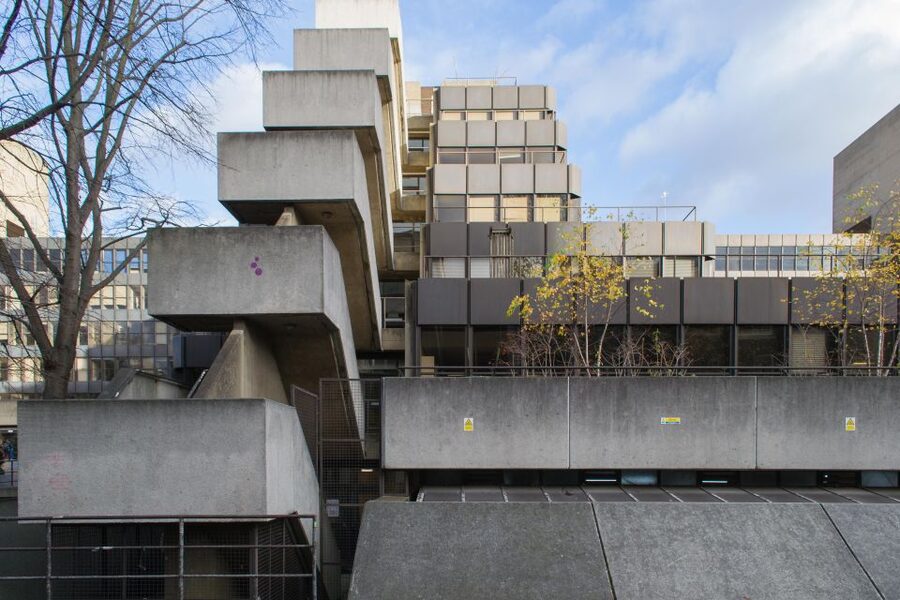
Reading the Institute of Education from the street
The Institute of Education is one of the important early examples on the route. From outside, you can study the relationship between concrete, windows, open space, and the building’s monumental scale.
This is where a guide adds value. A photograph can show you the shape, but it cannot explain why public institutions embraced such a forceful style after the war. The discussion covers Modernist monumental architecture and the practical use of concrete in engineering and construction.
You should expect to remain outside. The interiors are not visited, so this stop is about sightlines, structure, setting, and the ideas expressed by the exterior. If you hoped to compare corridors, staircases, or interior finishes, this tour will not provide that.
For photographers, the building offers the kind of geometry that makes Brutalism so appealing: repeated forms, hard edges, deep shadows, and a strong contrast with older London streets. The weather matters here. Gray skies can suit the subject, but rain can make the walk less pleasant, and poor conditions may lead to a postponement or cancellation.
Understanding concrete beyond the surface
One of the most useful parts of the tour is the focus on concrete as an engineering and architectural material. Brutalism is not only about appearance. Concrete allowed architects to create heavy-looking forms, broad spans, projecting sections, and structures that could serve large public needs.
That does not mean every concrete building was successful. Construction methods, budgets, maintenance, planning decisions, and local politics all shaped the final result. A strong tour should help you see both the ambition and the compromises, and this walk aims to do that through discussion of Modernism and post-war development.
One four-star assessment wanted more direct explanation of construction methods, building materials, and the practical compromises behind the buildings. That is worth keeping in mind. Evan appears especially good at placing Brutalism in its wider setting, but visitors who want a technical building survey should ask specific questions as the walk goes along.
More Walking Tours in the world:
- The Official Art Deco Walking Tour by The Miami Design Preservation League
★ 5.0 · 1,580 reviews - Lecce: Baroque Architecture and Underground Walking Tour
★ 4.6 · 1,248 reviews - Chicago in a Day: Food, History & Architecture Walking Tour
★ 5.0 · 1,153 reviews - Miami South Beach Art Deco Walking Tour
★ 5.0 · 1,039 reviews
The National Theatre and the public fight over design
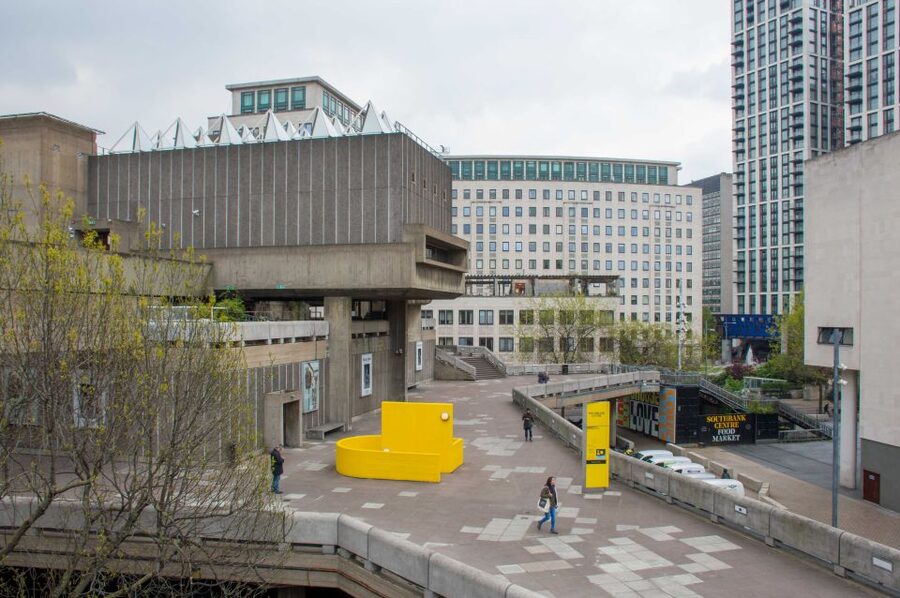
The National Theatre is the tour’s obvious star. It is famous, central, and difficult to ignore. Its broad concrete terraces and layered forms create an urban presence that can feel grand, severe, or strangely welcoming, depending on where you stand.
The building works well as a case study because it is more than an object for photographs. It raises questions about public culture, national identity, access, and taste. Why should a theatre look monumental? Should a public building blend into its surroundings or announce itself? How much maintenance should a concrete structure require? These are the kinds of questions that make the stop more useful than a quick photo opportunity.
You can expect to hear about the social, political, and economic conditions that allowed major Brutalist buildings to be commissioned. The discussion also covers how opinions changed over time. Buildings once dismissed as ugly or unfriendly can later be treated as significant works worthy of protection.
That change in attitude is one of the most interesting threads in London’s Brutalist story. Preservation groups, local authorities, and residents do not always agree about what should happen next. Some people want to protect the original design. Others see expensive maintenance, difficult public spaces, or buildings that no longer fit modern needs.
The Brunswick and the value of close observation
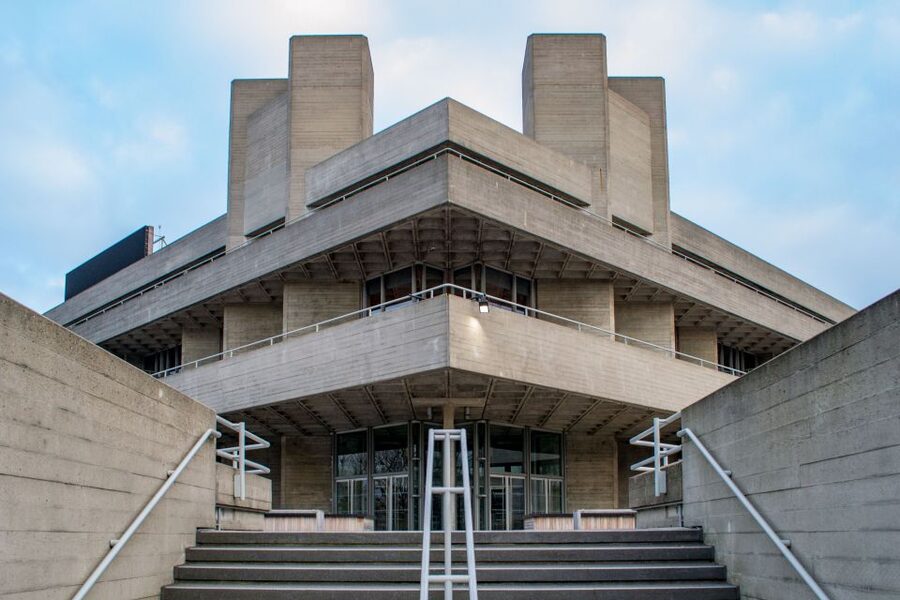
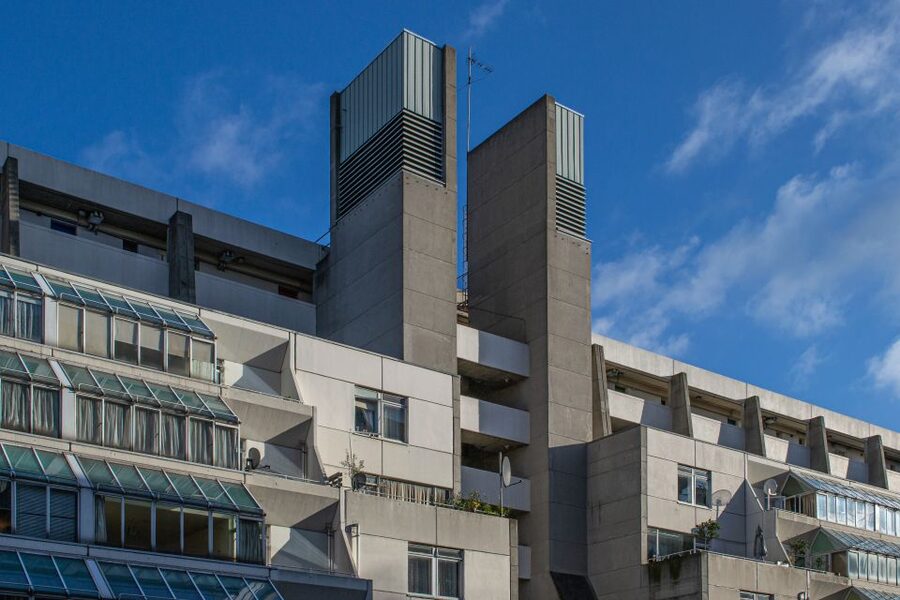
The Brunswick is singled out in one assessment as a particularly strong part of the tour, with Evan showing a good eye for detail. That suggests a more focused experience here than simply hearing another overview of architectural Modernism.
The building gives you a chance to consider how Brutalist ideas work at a larger residential and commercial scale. Look for the relationship between the repeated units, the overall mass, and the way the structure meets the surrounding streets. The point is not just to decide if you like the appearance. It is to see how the design tries to organize daily life.
This is also where you may get the most from asking about compromises. How does a bold design cope with practical needs? What happens when a building is expensive to repair or difficult to alter? The supplied information does not promise a detailed construction workshop, so keep your questions ready if materials and engineering are your main interest.
From London buildings to European Modernism
The walk is not limited to a list of London addresses. Evan discusses key figures in European Modernism and the global events that influenced London’s post-war architecture.
That broader frame matters. London’s Brutalism did not develop in isolation. Architects and public planners were responding to international ideas, wartime destruction, housing pressure, new construction methods, and changing views about what public institutions should provide.
You will also hear about the cultural and environmental effects of Modernist monumental architecture. That can lead the conversation beyond style. Concrete has a strong visual identity, but its production and long-term upkeep raise real environmental questions. A building’s cultural value may be considerable, while its maintenance costs remain difficult.
The best way to approach this section is with an open mind. If you already know a great deal about Brutalism, some of the historical discussion may feel broad. One participant noted errors in a couple of historical points, including an oversimplified explanation of window tax and an inaccurate political description of Isaac Hayward. That does not erase the value of the walk, but it is a reminder to treat the tour as an engaging field discussion rather than a final academic authority.
What the small group changes
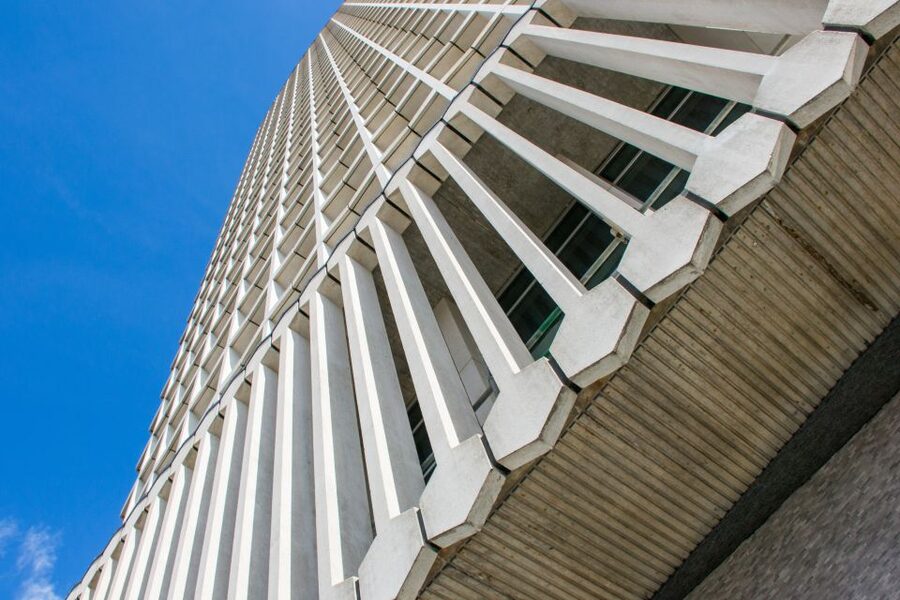
A maximum of six participants is one of the strongest practical features. You are not likely to be lost at the back of a crowd, and the guide can adjust the balance between architecture, history, and questions.
This matters because the subject attracts different kinds of people. You may arrive as a photographer interested in texture and form. Someone else may care about post-war politics. Another person may want to understand why buildings that were once unpopular are now protected.
Evan has been praised for being friendly, enthusiastic, and able to adapt his explanations. That personal quality matters on a subject that can become dry if presented as a string of dates and architectural names. The tone appears informal, but the content is serious.
The group size also means you should be comfortable standing outdoors and talking with other people. This is not a private tour, though six is small enough to feel personal.
Is $47 good value for 2.5 hours?
At $47 per person, the tour costs more than a self-guided walk, but the comparison is not entirely fair. You can photograph the National Theatre for free, yet you cannot easily reconstruct the political, cultural, and architectural connections on your own during one morning.
I consider the price reasonable if you have a real interest in architecture, urban planning, London’s post-war development, or photography. The value rests heavily on Evan’s explanations. A strong guide can make ordinary-looking details legible and help you understand why preservation debates matter.
The price does not include public transport, though only one short Tube journey is required. It also does not include access to building interiors. If you want a broad sightseeing tour with many famous London attractions, $47 may feel high for a walk focused on a single architectural style.
If you compare it with expensive specialist architecture tours, the cost looks more favorable. One participant considered the experience comparable with much pricier architecture tours. I would still book it for the subject rather than for general sightseeing.
Who will enjoy this walk most?
I would recommend it most strongly to:
- People who already like Brutalist or Modernist buildings
- Visitors who want a different view of central London
- Architecture and urban planning students
- Photographers interested in concrete, geometry, and shadow
- Repeat visitors who have already seen London’s main historic sights
- Curious readers who enjoy arguments about preservation and public design
You do not need technical training. The walk is designed to be educational, and Evan can adapt the discussion. But you should bring some curiosity. If large concrete buildings leave you cold, two and a half hours focused on them may feel long.
It is not suitable for children under 16 or people with mobility impairments. Since the tour takes place outdoors and may be postponed in bad weather, check the forecast and dress for a central London walk.
Practical details that affect your morning
The tour lasts 2.5 hours, so plan another activity afterward rather than trying to squeeze in a tight timed admission. The exact starting time varies, and you need to check availability when booking.
Wear shoes suitable for walking and bring enough Zone 1 credit for the Tube journey. Since interiors are not included, you can focus on exteriors, public spaces, and street-level views, but you should not expect shelter at every stop.
Free cancellation is available up to 24 hours before the start for a full refund. You can also reserve and pay later, which is useful if your London plans are still shifting.
The overall rating is 4.8 from 42 reviews, with especially strong praise for Evan’s enthusiasm, clear explanations, friendliness, and ability to connect buildings with wider events. The useful caution is that the tour may feel more historical and conceptual than technical at times.
Should you book the London Brutalist Architecture and History Walking Tour?
Book it if you want to understand why London contains such bold, divisive public buildings, not just photograph them. The small group, the focus on the National Theatre and Institute of Education, and Evan’s enthusiasm make this a strong choice for anyone interested in Modernism and post-war London.
Skip it if you need interior access, a fully technical study of construction, or a general tour of London’s main sights. Go with realistic expectations, ask about the building details that interest you, and allow the wider discussion to shape your view of the city. At $47, it offers good value for a specialist walk led by a guide who clearly cares about the subject.
FAQ
Where does the tour meet?
The meeting point is outside Russell Square Underground Station on the Piccadilly Line.
How long does the tour last?
The walking tour lasts 2.5 hours.
What does the tour cost?
The price is $47 per person.
Is the tour conducted in English?
Yes. The tour has a live English-speaking guide.
Who is the guide?
The guide is Evan.
How many people are in the group?
The group is limited to six participants.
Does the tour use public transport?
Yes. The tour uses the Tube once for a short journey within Zone 1. Public transportation costs are not included.
Do I need a public transport ticket?
Yes. You should bring a public transport ticket or enough credit to cover one Zone 1 trip.
Are building interiors included?
No. The tour visits buildings from the outside and does not include interior visits.
Is the tour suitable for children or people with mobility impairments?
The tour is not suitable for children under 16 or people with mobility impairments. It may also be postponed or canceled if weather conditions are unfavorable.
More History Walks around the world
- Charleston’s Best Highlights: History, Culture & Architecture
★ 5.0 · 422 reviews - Palm Springs Modernism Architecture & History Bike Tour
★ 5.0 · 359 reviews - Charleston: History and Architecture Guided Walking Tour
★ 4.8 · 349 reviews - Historic Georgetown: History, Gossip, & Architecture Walking Tour
★ 5.0 · 321 reviews
New to the itinerary around the world
- Washington, DC: Georgetown Architecture Walking Tour★ 5.0 · 8 reviews
- Wilmington History and Architecture Tour★ 4.8 · 18 reviews
- Washington DC: Dupont Circle & Embassy Row Architecture Tour★ 5.0 · 6 reviews
- New Orleans : Garden District Architecture Walking tour★ 4.8 · 5 reviews
- Walk & Discover KL’s Architectural and Heritage Gems★ 5.0 · 7 reviews
- Unveiling Brno: History, Culture & Architectural Delights★ 5.0 · 2 reviews
- Vicenza: Palladian Architecture Private Walking Tour★ 3.3 · 3 reviews
- Private Colonial Williamsburg Architectural Tour★ 5.0 · 5 reviews
Bauhaus and Brutalist Architecture Tours, compared.
Brutalist Tbilisi: Urban exploration and untold stories
Read our review →
Le Corbusier’s Chandigarh : A Complete Architecture Tour
Read our review →
Architecture of New Belgrade – Brutalism Decoded
Read our review →
Secret Split: Socialist Architecture & brutalism – Urban Utopia
Read our review →
Tashkent Soviet Architecture (Modernism) and Subway station tour.
Read our review →
Belgrade: Space architecture tour – brutalist architecture
Read our review →
USSR History, Soviet Architects ,Statues & Mosaics
Read our review →
Brutal Tbilisi — Night Edition: Dark Side of Soviet Architecture
Read our review →Other lists with this tour