
Review · USA
Tulsa: Art Deco Walking Tour of Tulsa
Tulsa’s downtown is a fine place to see how Art Deco turned a city into a work of art. On this two-hour walk, you’ll study geometric forms, bold decoration, and the older styles that helped shape the movement. I like the focus on design details, and I like that the tour also explains Tulsa’s wider story instead of treating the buildings as pretty façades.
The main drawback is simple: this is a walking tour with no food, drinks, or hotel pickup included. You’ll need to arrive at 511 South Boston Avenue, and the experience works best if you are comfortable spending two hours on city streets.
Key points to know before you book
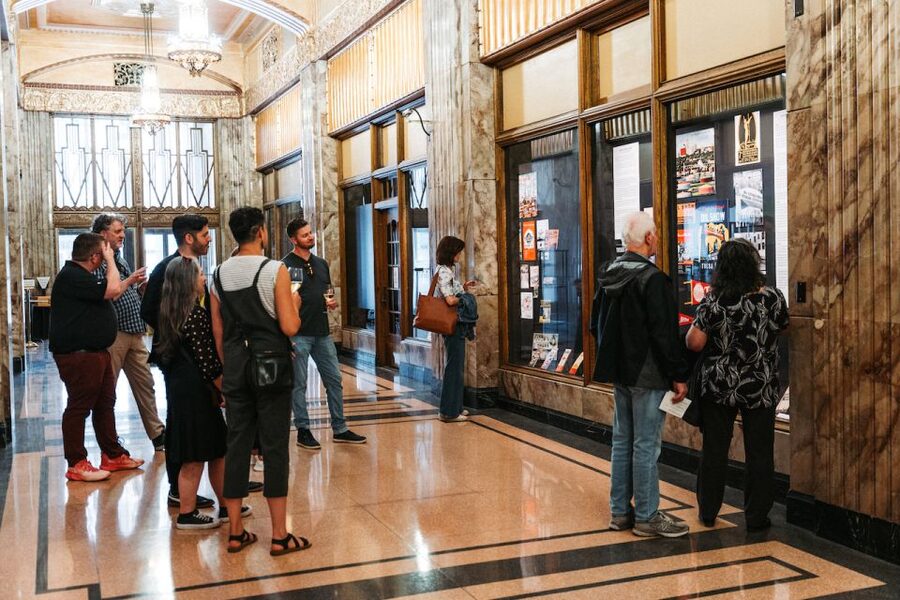
- The walk begins inside the Philcade Building, at the street-facing tour office beside Topeca Coffee.
- You’ll learn the styles before Art Deco, which gives the buildings a useful place in architectural history.
- The tour lasts two hours, long enough for context without taking up your entire day.
- Guides such as Jeffrey add humor and warmth, along with clear explanations of Tulsa’s architecture and past.
- The $54 price buys a focused city lesson, not transportation, meals, or entry to a separate attraction.
- Free weekend street parking makes the meeting point easier to reach by car.
Why Tulsa is such a good Art Deco city
Tulsa may not be the first American city that comes to mind for architecture, but that is part of the fun. The city has an unusually strong collection of Art Deco work, and this tour gives you a way to read it instead of simply walking past it.
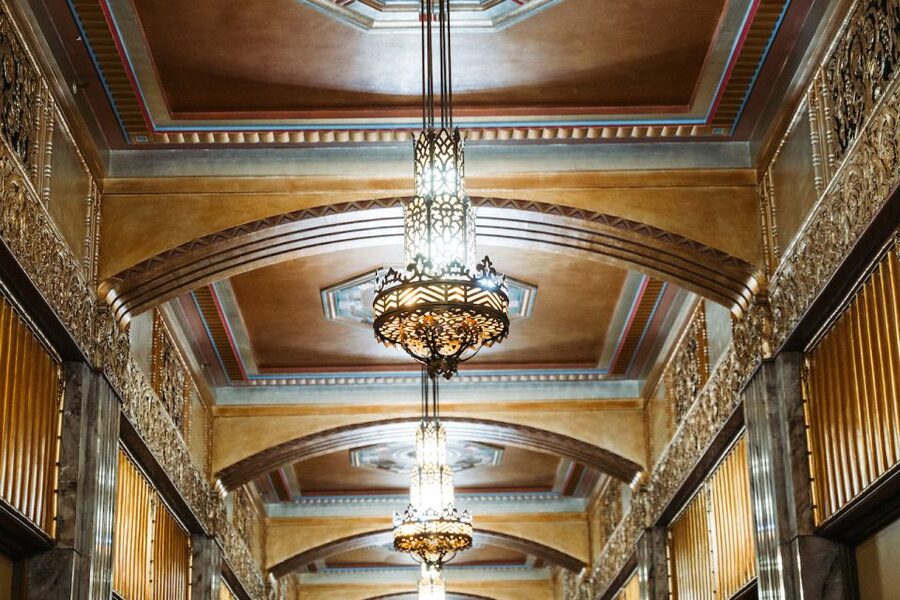
Art Deco is easy to recognize once someone points out its language. Look for strong geometry, repeated patterns, symmetry, and carefully placed ornament. These buildings often feel both modern and formal. Their decoration is not random. Lines, panels, curves, and shapes work together to make the structure look fast, solid, and new.
The period also reflects changing ideas about technology and progress. Tulsa’s early twentieth-century growth gave it the money and confidence to build on a large scale. A guide can connect that growth to the buildings around you, helping you understand why Art Deco appeared here when it did.
I especially like that the tour does not begin and end with the phrase Art Deco. You first learn about styles that came before it. That matters because architecture makes more sense when you can compare one period with another. Instead of memorizing a label, you start to see the shift in shapes, materials, decoration, and mood.
More Art Deco Tours in the USA
- The Official Art Deco Walking Tour by The Miami Design Preservation League
★ 5.0 · 1,580 reviews - Miami South Beach Art Deco Walking Tour
★ 5.0 · 1,039 reviews - Miami Beach Food and Art Deco Walking Tour
★ 4.5 · 245 reviews
Starting at the Philcade Building on South Boston Avenue
Your meeting point is 511 South Boston Avenue, beside Topeca Coffee, in the Philcade Building. That is a fitting place to begin because you are not meeting in a generic parking lot or outside a bus stop. You start in a downtown building tied directly to the city’s architectural story.
The office is street-facing, so it should be straightforward to locate. I would arrive a little early, especially if you want coffee before the walk or need a moment to find parking. Street parking is free on weekends, which is a useful detail for anyone driving into central Tulsa.
The meeting point also gives you a practical advantage. You can begin looking upward before the guide says a word. Downtown architecture rewards attention, and the first few minutes are a good time to notice entrances, window arrangements, stonework, and patterns around the building.
There is no hotel pickup and drop-off. You are responsible for reaching the starting point, and food and drinks are not included. That keeps the tour simple, but you should plan around it. Have water with you if the weather is warm, and wear shoes suited to a two-hour city walk.
Learning the styles that came before Art Deco
The strongest part of the tour may be the introduction to architectural history before Art Deco. A building is easier to understand when you know what it is reacting to or replacing.
Your guide explains the origins of Art Deco and the styles that came before it. That background turns the walk into more than a search for decorative details. You learn why certain shapes appear, why ornament changes, and how architects created a modern look without abandoning decoration.
I like this approach because it gives you a simple tool for the rest of your Tulsa visit. After the tour, you can look at another building and ask what details make it Art Deco, what details belong to an earlier style, and how the two ideas meet.
The subject could become dry in the wrong hands. The available feedback points to guides who keep the material lively, with Jeffrey receiving special praise for humor, hospitality, and clear explanations. Daniel described the tour as informative, while another participant highlighted the guide’s enthusiasm and strong command of the subject. Those comments suggest a good balance between facts and personality.
Still, this is not a theatrical show. The appeal depends on your interest in buildings, city history, and close observation. If you want a fast sightseeing loop with constant entertainment, two hours of architectural discussion may feel slow. If you enjoy learning how a place was built, the pace should suit you.
Reading Tulsa’s downtown façades
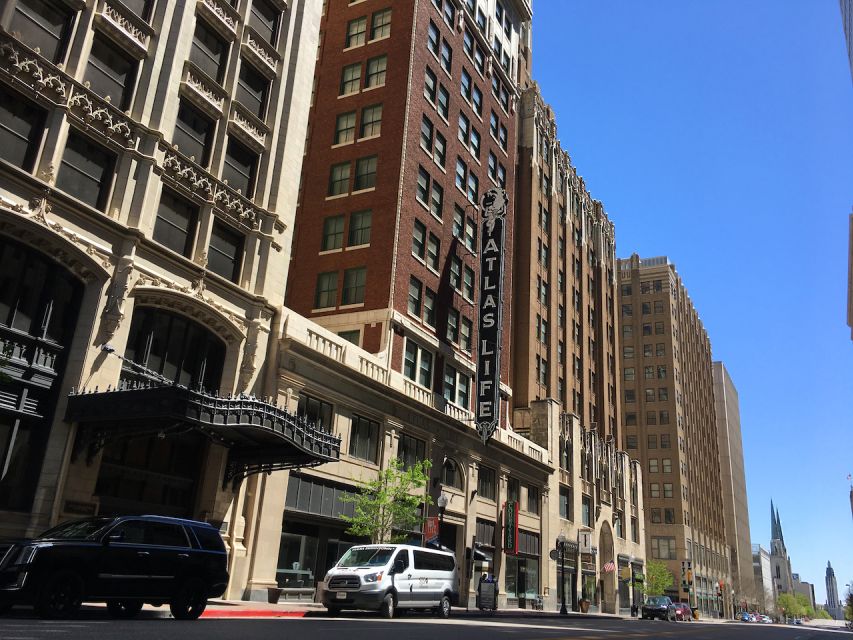
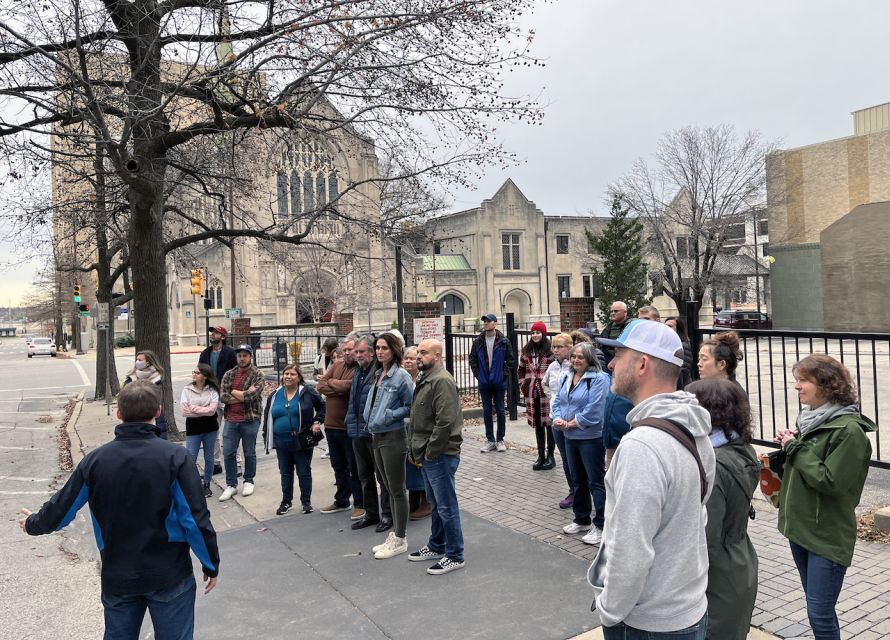
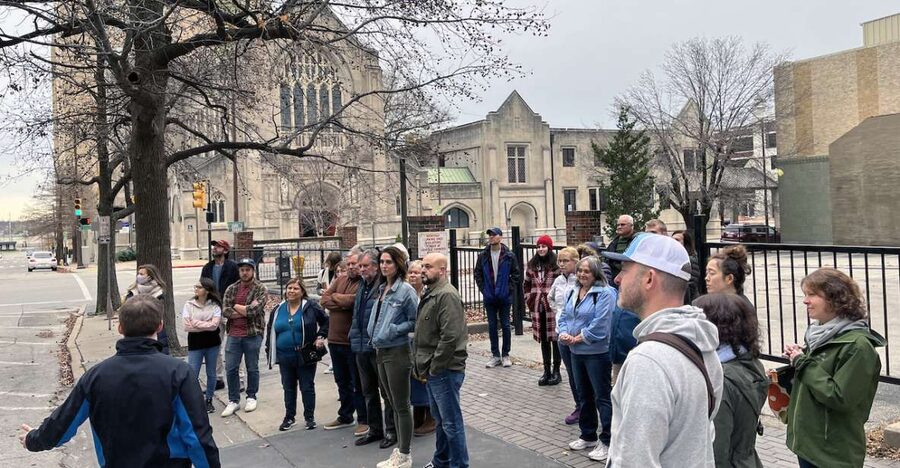
The exact sequence of buildings can vary with the guide and street conditions, so you should not expect a fixed list of interior visits. The heart of the experience is the downtown walk, where the guide points out architectural features that are easy to miss on your own.
You might examine geometric decoration and bold shapes that give Art Deco its familiar look. You may also see how cultural influences shaped Tulsa’s buildings, a detail that helps explain why the city’s version of Art Deco is not simply a copy of work elsewhere.
The value comes from learning where to look. A casual walk might reveal a grand entrance, but a guided walk can draw your eye to the border around a window, the arrangement of repeated forms, or the way ornament frames a vertical line. These small features often tell you more than a wide photograph does.
You will also hear how the buildings fit into Tulsa’s development. The tour is not only about architects and dates. It connects the city’s skyline with the people, money, and ambitions that shaped it. That is why the experience can give you a quick sense of Tulsa beyond its individual façades.
Do not expect every stop to be a grand landmark with a dramatic reveal. Some of the pleasure comes from details on ordinary stretches of downtown street. The guide’s job is to make those details visible, and the best moments may be the ones you would have walked past without help.
More Walking Tours in the USA
- Chicago in a Day: Food, History & Architecture Walking Tour
★ 5.0 · 1,153 reviews - Chicago’s Secret Interiors Architectural Walking Tour
★ 5.0 · 635 reviews - Chicago: Secret Interiors Architecture Walking Tour
★ 4.9 · 498 reviews - Charleston: History and Architecture Guided Walking Tour
★ 4.8 · 349 reviews
What makes the guide important
A walking tour rises or falls on its guide. Here, the guide is your interpreter, storyteller, and practical link between a building and its setting.
Jeffrey is named in the strongest personal comments, with particular praise for his humor and hospitality. Another participant simply noted that Jeffrey did a wonderful job. The feedback also points to guides who are pleasant, engaging, and able to cover a lot of information in a short period.
That last point matters. Two hours is not enough for every building or every chapter of Tulsa’s past. A good guide must choose carefully, explain clearly, and keep the group moving. The tour’s format appears designed for that kind of compact introduction.
You should feel free to ask questions during the walk. The subject offers plenty of openings: Why did Art Deco favor symmetry? What came before it? How did Tulsa’s growth affect its architecture? Which details are structural, and which are decoration? Even if the group has a set route, questions can make the experience more useful to you.
The guide speaks English, and the tour is offered in English only. Keep that in mind if you need another language or prefer to learn through written material.
Is two hours enough for $54?
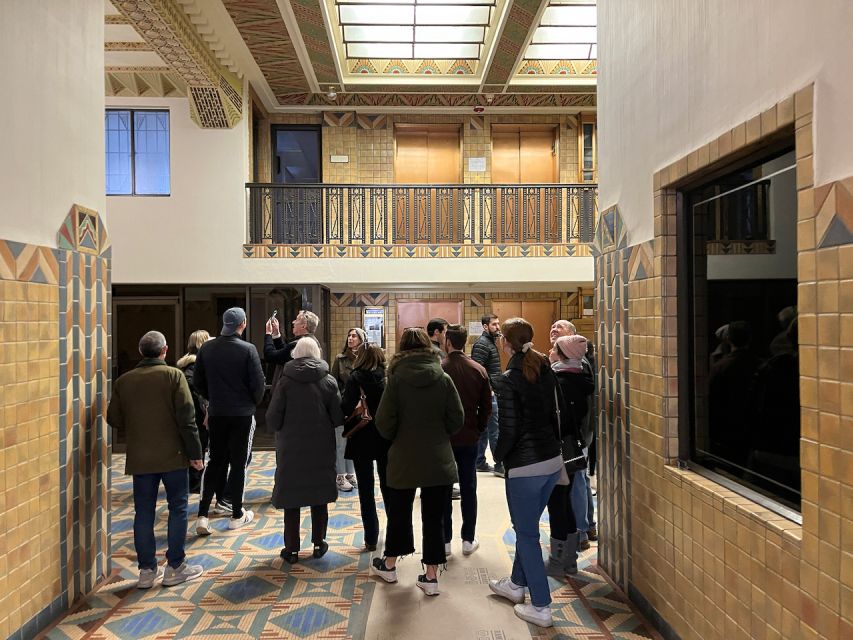
The price is $54 per person. That is not the cheapest way to spend two hours in a city, but the value depends on how much you want from a guide-led experience.
You are paying for a focused lesson, a walking route through downtown, and access to a guide who can explain the buildings in real time. You are not paying for transport, meals, hotel service, or a ticketed interior attraction. If you would otherwise stroll downtown without knowing what you were seeing, the guide can add real value.
I would compare the cost with your interests. Architecture fans, photographers, students of American cities, and first-time visitors who want a useful orientation will likely find the price reasonable. If you are mainly looking for free sightseeing or prefer to explore at your own pace, you may want to walk downtown independently and use the tour only if the subject genuinely appeals to you.
The two-hour length helps the value. It is long enough to build a clear picture of Tulsa’s Art Deco character, but short enough to fit before lunch, after another downtown activity, or during a compact city stay. You get a concentrated experience rather than an all-day commitment.
The reserve-now-and-pay-later option also helps with planning. You can hold a place without paying immediately, and cancellation is free up to 24 hours before the tour for a full refund. Those terms are useful if your Tulsa plans are still shifting.
Who will enjoy this walk most
I would recommend the tour first to anyone who notices buildings. You do not need formal training in architecture. Curiosity is enough, especially if you like learning why a city looks the way it does.
It also suits visitors who want a quick introduction to Tulsa. The guide does more than identify decoration. You get a short lesson in the forces that shaped the city, which can help you make sense of other downtown sights later.
Photographers may find the walk useful because it directs attention toward patterns and details. You might arrive expecting to photograph whole buildings and leave looking for smaller compositions: a doorway, a repeated motif, or a line of ornament.
Families with older children and teenagers could enjoy it if they are open to a history walk. Younger children may find two hours of architectural discussion demanding, particularly if they need constant activity. The tour is also a good fit for solo visitors who want structure without committing to a full-day group program.
I would be less quick to recommend it to someone with limited walking comfort, since the experience takes place on city streets for two hours. The supplied information does not specify an accessible route or seating arrangements, so ask the operator about your needs before booking.
Practical ways to make the most of it
Arrive at the Philcade Building with enough time to find the office. The tour starts at a specific street address, and arriving late could be awkward once the group has moved onto the route.
Wear comfortable shoes and check the weather. The tour takes place outdoors, and Tulsa conditions can change your comfort more than the buildings do. Bring water, since drinks are not included.
If you are driving, weekend street parking is free. On other days, check local signs and allow extra time. The meeting point beside Topeca Coffee gives you an easy landmark, but you should still use the full address when planning your arrival.
Keep your phone or camera ready, but do not let photography replace looking. The guide will be showing you details that are easy to miss through a screen. I would take a few photos, then put the phone away for the explanation.
Plan another downtown activity before or after the walk if you want a fuller day. The tour is a compact experience, not a complete Tulsa sightseeing program. Its strength is focus, and you can build the rest of your schedule around that.
How the tour fits into a Tulsa visit
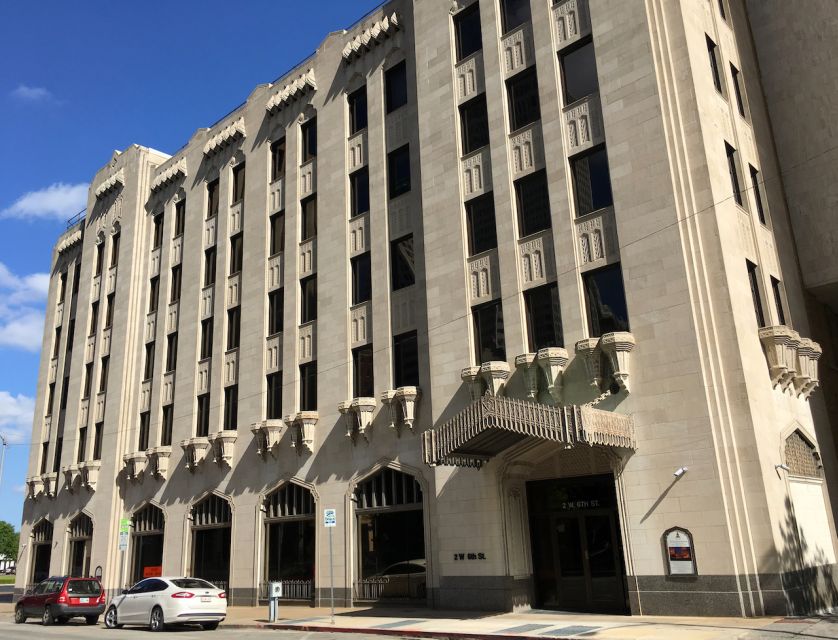
This experience works well near the start of a Tulsa stay. Once you understand the city’s Art Deco vocabulary, later walks become more rewarding. You may notice patterns and design choices that would have meant little before the tour.
It can also work near the end of a visit, when you want a thoughtful final look at downtown. The guide helps tie separate buildings together, giving the city a more coherent shape in your mind.
I would not book it simply because the word Art Deco appears in a travel plan. Book it because you want to spend two hours paying attention to architecture. The tour asks you to look closely, listen, and connect design with local history.
The strongest praise centers on the guides’ energy, humor, and ability to explain a lot in a short time. That is important because architecture tours can become a list of dates and names. Here, the personal touch appears to make the information easier to absorb.
Should you book Tulsa’s Art Deco walking tour?
Book this tour if you want an informed, human introduction to downtown Tulsa and enjoy seeing the reasons behind a city’s appearance. At $54, it offers solid value for a two-hour guided walk, especially with guides such as Jeffrey bringing humor and warmth to the subject.
Skip it if you want transportation, meals, indoor attractions, or a highly flexible route. You will need to reach the Philcade Building yourself and spend two hours walking outdoors.
For most architecture-minded visitors, I would put it on the shortlist. Tulsa’s Art Deco is easy to overlook when you do not know what to see. This tour gives you the vocabulary, context, and local connection to notice it.
FAQ
Where does the Tulsa Art Deco walking tour meet?
Meet at the street-facing tour office at 511 South Boston Avenue, next to Topeca Coffee in the Philcade Building.
How long does the tour last?
The tour lasts two hours.
What language is the tour offered in?
The live tour guide speaks English, and English is the listed tour language.
Is hotel pickup and drop-off included?
No. Hotel pickup and drop-off are not included, so you need to reach the meeting point yourself.
Are food and drinks included?
No. Food and drinks are not included.
Is parking available near the meeting point?
Street parking is free on weekends.
Can I cancel for a full refund?
Yes. You can cancel up to 24 hours in advance for a full refund.
Do I have to pay when I reserve?
No. The reserve-now-and-pay-later option lets you book your place without paying immediately.
New to the itinerary around the USA
- Washington, DC: Georgetown Architecture Walking Tour★ 5.0 · 8 reviews
- Wilmington History and Architecture Tour★ 4.8 · 18 reviews
- Washington DC: Dupont Circle & Embassy Row Architecture Tour★ 5.0 · 6 reviews
- New Orleans : Garden District Architecture Walking tour★ 4.8 · 5 reviews
- Private Colonial Williamsburg Architectural Tour★ 5.0 · 5 reviews
- Castle to Capitol: Museums of the National Mall Architecture Tour★ 4.5 · 9 reviews
- Monuments and Memorials Architectural Walking Tour★ 5.0 · 17 reviews
- Saint Augustine Evening Architectural Photo Tour★ 5.0 · 15 reviews
Art Deco Tours, compared.

The Official Art Deco Walking Tour by The Miami Design Preservation League
Read our review →
Guided 10am Morning Art Deco Walk From Napier Art Deco Trust
Read our review →
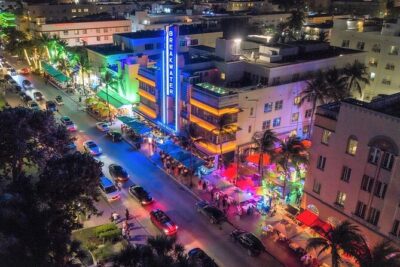
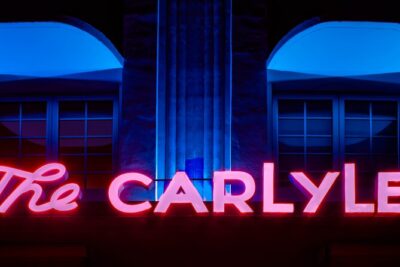
Award-winning Art Deco & Neon Lights Walking Tour in Miami Beach
Read our review →
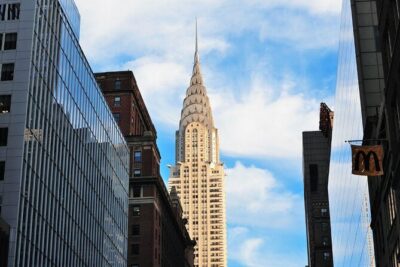
Art Deco and Architecture Midtown Landmarks Tour
Read our review →Other lists with this tour