
Review · CHARLESTON
Charleston History, Homes, and Architecture Guided Walking Tour
Charleston’s story comes alive best on foot, where grand homes, churches, seawalls, and old commercial buildings sit close enough to connect in one walk. This two-hour tour links Rainbow Row, St. Michael’s Church, the Old Exchange, and the Battery with the people and events that shaped the city, from the American Revolution through the Civil War and beyond.
I like the small maximum group of 20, which makes it easier to hear the guide and ask questions. I also like the included entry to the Powder Magazine Museum, a useful bonus for anyone who wants more Charleston history after the walk. The main consideration is weather: you will be outdoors for most of two hours, and the tour operates in rain or shine unless conditions force cancellation.
Key points
- See Charleston’s Four Corners of Law: Begin outside City Hall and learn why this intersection mattered to the city’s early civic life.
- Walk the French Quarter and South of Broad: The route brings together churches, colorful row houses, grand residences, and quieter residential streets.
- Hear local stories, not just dates: Guides including Dennis, Al, Duggard, Evans, Mark, and Lawrence bring personal detail and humor to the city’s past.
- Visit famous landmarks without rushing: The pace includes stops for explanation, photographs, shade, and rest.
- Get Powder Magazine admission included: Explore the museum on your own time after the guided walk.
- Pay $28 for a useful orientation: The tour costs less than many specialty excursions and helps you decide what to revisit independently.
Why this two-hour walk works in Charleston
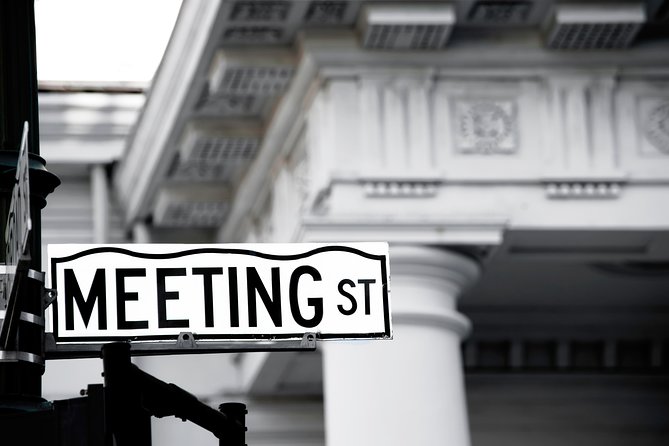
Charleston’s historic center can look easy to understand on a map. In practice, it is a layered town where a church may explain early government, a house row may reveal changing trade patterns, and a seawall may open a conversation about war, wealth, and slavery.
That is where a guided walk earns its fee. You are not simply passing attractive buildings. A licensed local guide points out architectural details and links them to Charleston’s political and social past. The tour covers the French Quarter and South of Broad, two areas where the city’s appearance and history are tightly connected.
The group limit of 20 is helpful. Charleston’s streets can be busy, and a giant group would make it harder to hear or gather around a doorway. With a smaller party, the guide can adjust the pace and answer questions without turning every stop into a traffic jam.
I would plan this for early in your Charleston visit. It gives you a useful map of downtown, then leaves you with ideas for places to revisit at your own speed. Morning and afternoon departures also make it easy to fit around a museum, meal, or harbor activity.
More Walking Tours in the USA
- The Official Art Deco Walking Tour by The Miami Design Preservation League
★ 5.0 · 1,580 reviews - Chicago in a Day: Food, History & Architecture Walking Tour
★ 5.0 · 1,153 reviews - Miami South Beach Art Deco Walking Tour
★ 5.0 · 1,039 reviews
City Hall and the Four Corners of Law
The walk begins outside Charleston City Hall at 80 Broad Street. This is not just a convenient meeting point. City Hall forms one part of the Four Corners of Law, a famous downtown intersection associated with the city’s civic and religious institutions.
Your guide begins by placing Charleston in context. Expect an introduction to the city’s development and to the forces that shaped its public center. The stop lasts about 10 minutes, so it is long enough for orientation without using too much of the tour at the starting point.
Arrive early. The operator asks you to be there 15 minutes before departure, and the group leaves promptly. One missed departure resulted from arriving five minutes late, so do not count on catching up at the next stop.
Washington Square and St. Michael’s Church

A short stop at Washington Square follows. The park provides a change from the surrounding streets and gives the guide room to explain its place in Charleston’s civic life.
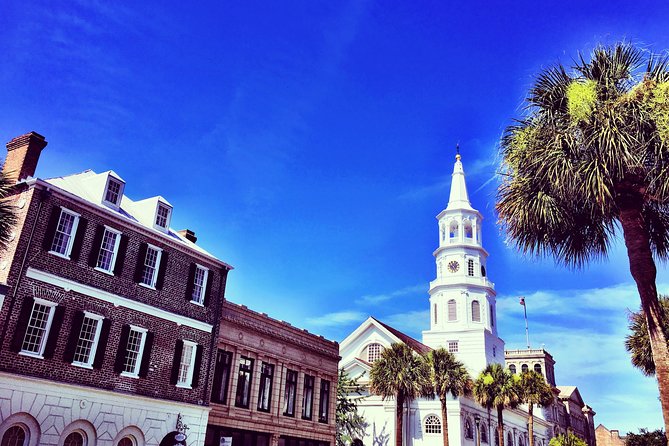
Then the route reaches St. Michael’s Episcopal Church, one of the city’s most important religious landmarks. George Washington worshipped here, and the church is described as Charleston’s oldest surviving religious structure.
This is a good example of what the tour does well. The building is attractive on its own, but the guide adds the human connection that makes it memorable. You are not only looking at an old church. You are considering how national political figures moved through Charleston and how religion fit into public life.
The stop lasts around 10 minutes. That should give you time to take in the exterior and hear the story, though this is a walking tour rather than an extended interior visit. If entering the church is especially important to you, confirm the day’s access separately.
Rainbow Row and Charleston’s colorful homes
Rainbow Row is the photographic favorite for many people, and the tour gives it a proper place in the route. These colorful Georgian houses along East Bay Street are among Charleston’s best-known facades.
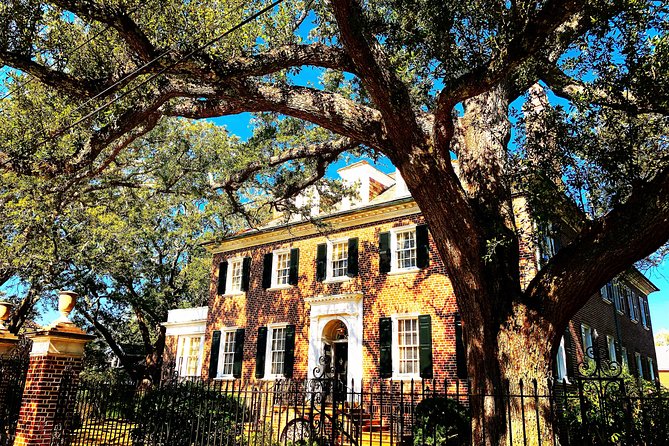
The value here is not simply getting a photograph. Your guide explains how the row fits into the city’s architecture and changing fortunes. The tour also takes you through nearby residential streets, including South of Broad, where you can see how Charleston’s grand homes relate to narrower lanes, gardens, churches, and the waterfront.
The Rainbow Row stop takes about 10 minutes. That is enough for a clear explanation and photographs, but not a full architectural lecture on every house. If you want detailed information about individual interiors or restoration methods, you will need a more specialized house tour.
Still, this is a strong portion of the walk for anyone interested in design. The route helps you notice shutters, porches, proportions, and the way buildings respond to heat and city streets. A guide can point out details you might otherwise walk past.
Same streets, read through a different style:
- Chicago Architecture River Cruise
★ 5.0 · 15,756 reviews - Chicago River 90-Minute Architecture Tour
★ 4.5 · 9,629 reviews - Chicago River: 1.5-Hour Guided Architecture Cruise
★ 4.8 · 8,046 reviews - Chicago Architecture Center River Cruise aboard First Lady
★ 5.0 · 5,536 reviews
The Old Exchange and Provost Dungeon
The Old Exchange and Provost Dungeon brings the route into Charleston’s colonial and revolutionary past. It is described as South Carolina’s most historic building, with a 300-year story involving pirates, patriots, and presidents.
The stop itself lasts about five minutes, so expect an overview rather than a long museum visit during the walking portion. The guide uses the building to explain Charleston’s importance in the colonial period and in the American Revolution.
The included Powder Magazine admission is separate from this quick exterior or route stop. You can explore that museum at your leisure, which gives you a chance to spend more time with Charleston’s military past after the group walk ends. That flexibility is useful. A guided group must keep moving, but a museum visit lets you read displays at your own speed.
If you prefer every included attraction to be visited as part of the escorted route, note this distinction. The walking tour and museum admission work together, but the Powder Magazine is not presented as a long guided stop within the two-hour circuit.
The Battery and White Point Gardens
The final major stop is the Battery and White Point Gardens, where the route follows the seawall and looks toward the stately homes of South of Broad. The stop lasts roughly 15 minutes, making it one of the longer pauses.
This is where Charleston’s architecture and geography come together. You can see how the city meets the water, how the seawall frames the neighborhood, and how large residences face one of the city’s most recognizable public spaces.
The guide also discusses the people connected with these homes. That matters because the Battery can otherwise become a parade of handsome facades without much social context. The tour uses the buildings to talk about wealth, status, and the forces that changed Charleston over time.
The walk ends near 94 Battery Place, usually only a few blocks from the starting point. The exact finish can vary with the route and guide. If you need to return to City Hall, the guide will walk you back when requested.
The guide makes the difference
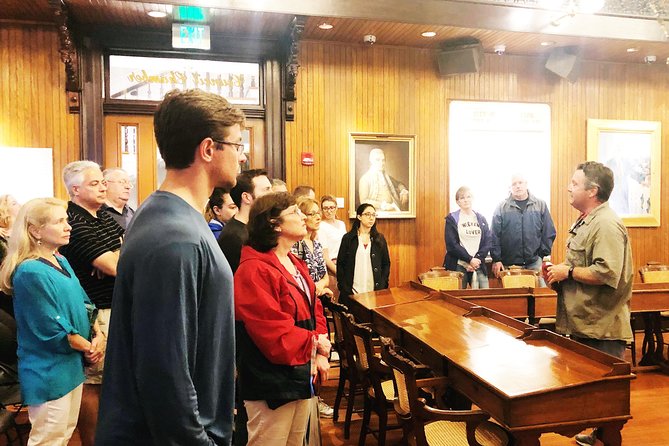
This experience depends heavily on the person leading it. Guides named in the supplied material include Dennis, Al, Duggard, Evans, Mark, and Lawrence. Their common strengths are clear storytelling, local perspective, humor, and attention to the group’s comfort.
Dennis is associated with a steady pace, bathroom planning, and thoughtful discussion of difficult subjects, including Charleston’s connection to slavery. He has also been described as a South Carolina native with a strong feel for local history. Al is noted for explaining small details you might otherwise miss while keeping the mood light.
Duggard, also spelled Duggar in some material, has led tours with plenty of historical information, personal details, and humor. Evans is known for bringing stories to life and offering suggestions for places to explore afterward. Mark and Lawrence are also praised for an engaging, well-paced approach.
Guide quality can vary on any scheduled walking tour. One guide may tell longer stories than another, and one person’s favorite joke may not work for everyone. The overall format is strongest if you like conversation and context rather than a fast checklist of landmarks.
The subject matter also requires care. Charleston’s history includes slavery, war, political conflict, and profound inequality. A good guide needs to address those subjects directly without turning the walk into either a shallow sightseeing trip or a lecture disconnected from the buildings around you.
Pace, comfort, and what to bring
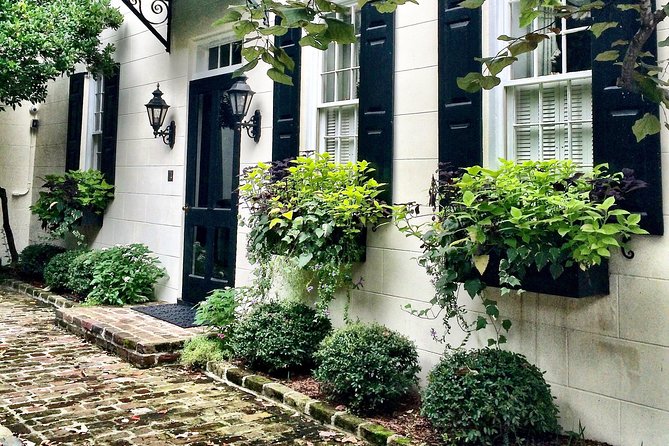
The route is described as a slow walk with several planned stops. That makes it more manageable than a continuous march, and guides may pause for rest or bathroom needs. Still, two hours outdoors requires some preparation.
Wear comfortable shoes and bring water. This advice matters especially in warm weather, when Charleston’s streets and exposed waterfront can feel demanding. Some guides work to keep the group in shade when possible, but shade cannot be guaranteed along every section.
The tour runs in all weather conditions unless poor weather causes cancellation. Dress for the forecast and remember that the Battery portion is open and exposed. If conditions are unsafe, the operator offers another date or a full refund.
Children must be accompanied by an adult. Service animals are allowed, the meeting area is near public transportation, and most people can participate. The supplied information does not promise a fully accessible route, so anyone with specific mobility concerns should confirm details before booking.
Is $28 a fair price?
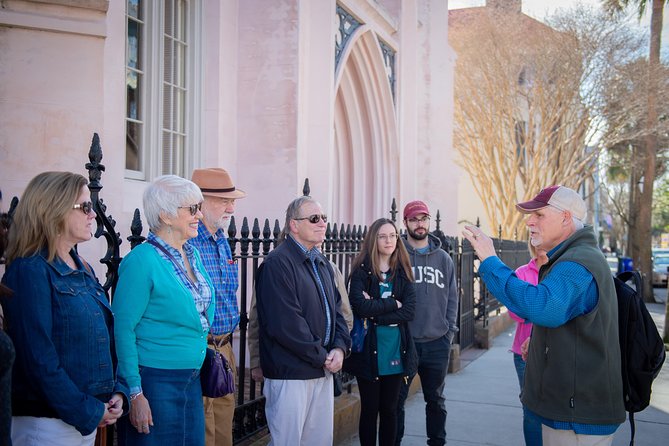
At $28 per person, this is a reasonable introduction to central Charleston. You get about two hours with a licensed local guide, a route through several major districts, and admission to the Powder Magazine Museum.
The value is strongest if you are new to Charleston or want a clear historical framework before exploring on your own. A guide can help you understand why City Hall, St. Michael’s, Rainbow Row, the Old Exchange, and the Battery belong in the same story.
It is less useful if you have already taken several downtown walks and want access to private house interiors, a specialized architecture lecture, or a long visit inside each attraction. This is a broad orientation, not a mansion tour or a dedicated Civil War seminar.
The included museum ticket improves the calculation. You can take the guided walk, then return to the Powder Magazine when you have more time. At $28, that combination offers a practical way to cover the city’s main historic core without paying for a much longer excursion.
Who should book this Charleston walk?
I would recommend it to first-time visitors, families with older children, couples who want a gentle introduction, and anyone who enjoys architecture but wants more than photographs. It also suits people who prefer a guide’s explanation to reading plaques at every stop.
History fans will appreciate the links to the American Revolution, Civil War, colonial Charleston, and the city’s religious and civic institutions. Architecture fans will get colorful houses, churches, grand residences, and the streets of South of Broad.
You should think twice if you dislike walking in uncertain weather, need a guaranteed indoor experience, or want a very narrow subject focus. The tour covers a lot in two hours, so some stops are introductions rather than detailed visits.
Book this tour if you want to get your bearings fast while still hearing the human stories behind Charleston’s most recognizable streets. Skip it only if you already know downtown well or need a fully indoor and highly specialized experience. For most first visits, the combination of a manageable route, strong local guides, and Powder Magazine admission makes it a sound $28 starting point.
FAQ
Where does the Charleston walking tour begin?
The tour begins outside Charleston City Hall at 80 Broad Street, Charleston, South Carolina 29401.
Where does the tour end?
It ends at 94 Battery Place or another nearby point depending on the route. The end is usually only a few blocks from the start, and the guide will walk you back to City Hall if you request it.
How long does the tour last?
The guided walking tour lasts approximately two hours.
What landmarks are included?
The route includes City Hall, Washington Square, St. Michael’s Episcopal Church, Rainbow Row, the Old Exchange and Provost Dungeon, the Battery, White Point Gardens, the French Quarter, and South of Broad.
Is Powder Magazine Museum admission included?
Yes. Admission is included, and you can explore the Powder Magazine Museum at your leisure.
What should I bring?
Wear comfortable shoes and bring a water bottle. Dress appropriately because the tour operates in all weather conditions unless poor weather causes cancellation.
Can I cancel for a full refund?
Yes. You can cancel at least 24 hours before the local start time for a full refund. Cancellations or changes made within 24 hours are not refunded or accepted.
More History Walks around the USA
- Charleston’s Best Highlights: History, Culture & Architecture
★ 5.0 · 422 reviews - Palm Springs Modernism Architecture & History Bike Tour
★ 5.0 · 359 reviews - Charleston: History and Architecture Guided Walking Tour
★ 4.8 · 349 reviews - Historic Georgetown: History, Gossip, & Architecture Walking Tour
★ 5.0 · 321 reviews
New to the itinerary around the USA
- Washington, DC: Georgetown Architecture Walking Tour★ 5.0 · 8 reviews
- Wilmington History and Architecture Tour★ 4.8 · 18 reviews
- Washington DC: Dupont Circle & Embassy Row Architecture Tour★ 5.0 · 6 reviews
- New Orleans : Garden District Architecture Walking tour★ 4.8 · 5 reviews
- Private Colonial Williamsburg Architectural Tour★ 5.0 · 5 reviews
- Tulsa: Art Deco Walking Tour of Tulsa★ 5.0 · 8 reviews
- Castle to Capitol: Museums of the National Mall Architecture Tour★ 4.5 · 9 reviews
- Monuments and Memorials Architectural Walking Tour★ 5.0 · 17 reviews
Charleston Architecture Tours, compared.

Charleston’s Best Highlights: History, Culture & Architecture
Read our review →
Charleston: History and Architecture Guided Walking Tour
Read our review →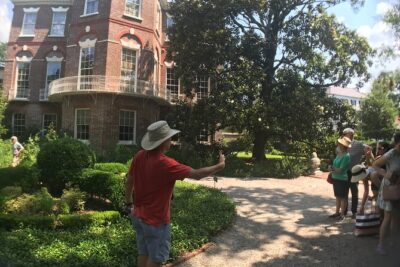
Historic Charleston: The Battery, Rainbow Row, St. Michael Church
Read our review →
Other lists with this tour