
Review · INDIA
British Architecture Walk, an immersive walking tour in Chennai
Chennai’s old railway stations, civic buildings, bridges, and university halls reveal how British rule shaped the city’s public face. This 2.5-hour walking tour links those buildings from Egmore to the Marina area, giving you a useful story rather than a string of photo stops.
I like the small maximum group of 15, which gives guides such as Hareesh and Satish room to explain details and answer questions. I also like the included coffee or tea and snacks, a modest touch that makes a city walk more pleasant. The main drawback is that most stops are exterior visits, and the route ends away from the starting point at the University of Madras.
Key points at a glance
- Eight very different landmarks: See railway stations, a public hall, a city office, a bridge, a university building, and a war memorial in one route.
- A useful architectural mix: Compare Gothic Revival, Indo-Saracenic, and other British-era styles instead of viewing only one type of building.
- A practical small-group format: The group is capped at 15 people, so it should be easier to hear the guide in city streets.
- Local guides add the color: Hareesh and Satish are named guides associated with this experience, and both are described as enthusiastic and clear in their explanations.
- Coffee, tea, and snacks are included: You do not need to pay extra for the basic refreshments provided during the walk.
- Simple route planning: Start at Chennai Egmore and finish near the Marina at the University of Madras, with optional hotel transfers available.
Why this Chennai architecture walk is worth your time
The best reason to book this experience is its route. Chennai’s colonial-era architecture is spread across several parts of the city, and seeing the buildings in sequence helps you understand the city’s growth. You begin with transport buildings at Egmore and Central, move through civic and railway offices, then finish near the coast with the university, bridge, and war memorial.
That progression gives the walk a clear shape. The railway stations show how the British built transport links and grand arrival points. Ripon Building and Victoria Public Hall show the civic side of colonial Chennai. Senate House and the Victory War Memorial bring in education and military memory.
I would not choose this tour only for access inside every building. Several stops are best appreciated from outside, and the supplied details do not promise interior admission at most locations. Choose it for the guide’s explanation, the range of architecture, and the chance to connect parts of central Chennai on foot.
The price is $55 per person. That is not a cheap self-guided stroll, but the fee covers a local guide, taxes, coffee or tea, snacks, and a tightly planned route. For a first visit to Chennai, the value comes from the context. You can photograph buildings on your own, but it is harder to understand why Egmore, Ripon Building, and Senate House look so different without someone explaining the styles and dates.
More Walking Tours in India:
- Mumbai heritage walk- Story of Gothic and Art Deco buildings
★ 5.0 · 33 reviews - Victorian Gothic Heritage Quarter and Art Deco Walking Tour
★ 4.9 · 14 reviews - Victorian Gothic Heritage Quarter and Art Deco Walking Tour
★ 4.5 · 13 reviews
Starting at Egmore Railway Station
The walk begins at Chennai Egmore on Gandhi Irwin Road. This station is more than a century old and is associated with the Indo-Saracenic style, a blend often used for major public buildings in British India.
The station was designed by Henry Irwin and was intended to be larger than Charing Cross station in London. That comparison gives you a sense of the ambition behind the building. Egmore was not treated as a plain transport shed. It was designed as a grand point of arrival.
You spend about 20 minutes here, with admission included. That is enough time to look at the exterior and hear the guide set up the architectural story without using up too much of the tour at one location.
Starting at Egmore also makes practical sense. The station is near public transportation, and the meeting point is specific: Gandhi Irwin Road, Egmore, Chennai, Tamil Nadu 600008. Check the exact meeting instructions at booking so you are not searching around a busy station at the last minute.
Chennai Central and the drama of a Gothic station
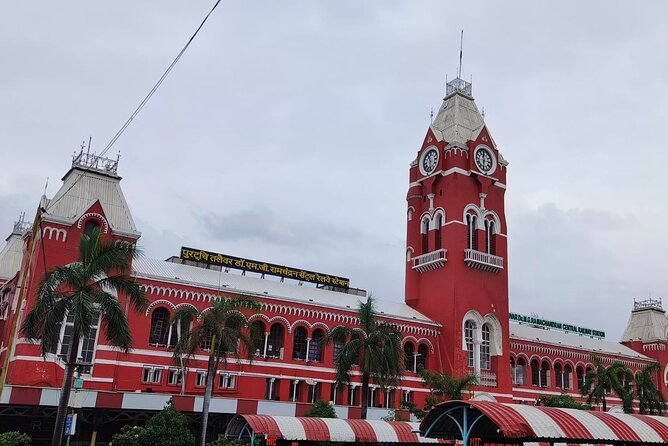
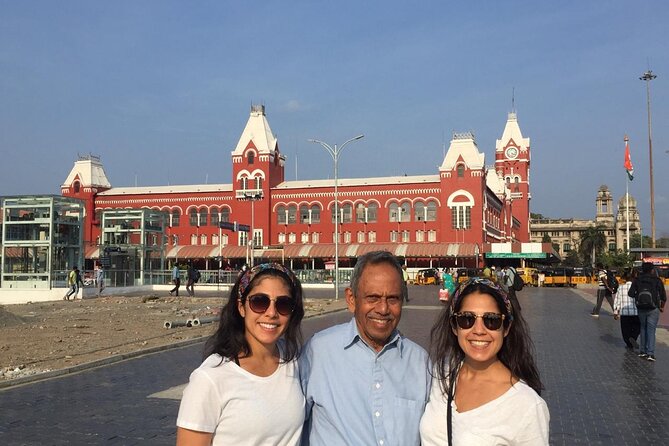
The next stop is Chennai Central Railway Station, where the tour spends about 30 minutes. The original station was built in 1873 in Gothic Revival style by British architect George Harding. Robert Chisholm later modified it, adding the central clock tower and Travancore caps on the main structure.
This is a useful contrast with Egmore. Instead of seeing two old stations as similar, you can compare their shapes, decoration, and design language. The longer stop also gives the guide time to explain how the building changed over time.
Admission is included at this stop. Since Central remains a working railway station, the setting is practical as well as historic. You are looking at architecture that was built for public movement and continues to serve that role.
I like this part of the route because it makes the subject easy to grasp. You do not need a background in architectural history. One station is explained beside another, and the differences become visible.
Victoria Public Hall and Chennai’s civic life
Victoria Public Hall opened in 1887 to mark Queen Victoria’s Golden Jubilee. The hall was named for the queen and hosted public meetings and entertainment.
The tour allows about 20 minutes here. The admission ticket is not included, so you should treat this as a stop where the guide explains the building and its place in the city rather than assuming an interior visit.
The hall adds a human side to the walk. Railway stations tell you how people arrived and departed. A public hall tells you where civic gatherings and events took place. Together, the buildings show how colonial institutions shaped daily public life.
This is also one of the places where the tour’s limits matter. If you want a long interior visit, ask about access before booking. The published details do not guarantee entry, and the walking schedule gives only a short window at each stop.
More Architecture Tours around India:
- The Hipster Chandigarh Architecture History Tour
★ 5.0 · 54 reviews - Jaipur City Heritage and Architecture Tour
★ 5.0 · 32 reviews - Le Corbusier’s Chandigarh : A Complete Architecture Tour
★ 4.7 · 25 reviews - Day trip from Bangalore to Lepakshi for Temple architecture & paintings
★ 5.0 · 15 reviews
Ripon Building, a white civic landmark
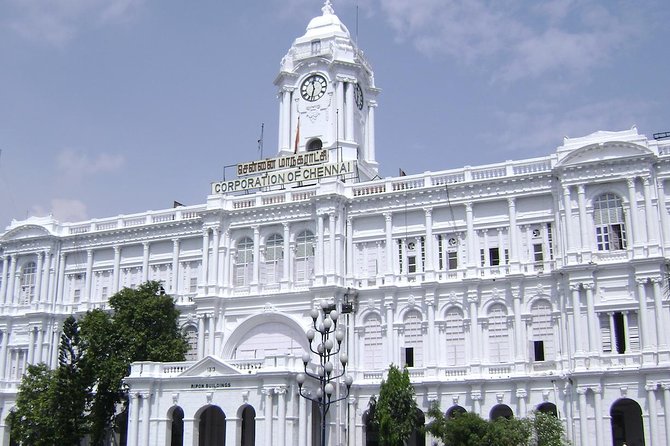
The route continues to the Greater Chennai Corporation Office, better known as Ripon Building. It was commissioned in 1913, designed by G. S. T. Harris, and built by Loganatha Mudaliar. The building was named after Lord Ripon, a Governor-General.
You get about 15 minutes here, with admission not included. The short stop is well suited to an exterior view and a focused explanation of the building’s purpose and design.
Ripon Building is an important change of pace after the railway stations. It was made for civic administration rather than transport, so it helps you see how British-era architecture also shaped the machinery of local government.
I would keep your expectations realistic. Fifteen minutes is not enough for a detailed architectural study, and interior access is not promised. Still, the building works well as part of the route because the guide can place it beside Victoria Public Hall and the railway headquarters rather than treating it as an isolated monument.
Southern Railway Headquarters and Indo-Saracenic detail
The Southern Railway Headquarters is the next stop, with about 15 minutes set aside. Designed by N. Grayson and built by Samynada Pillai, it was completed in 1921 and uses the Indo-Saracenic style.
This building gives the tour another useful comparison. Egmore is also linked with Indo-Saracenic design, but the two buildings belong to different moments and serve different roles. Looking at both helps you understand that the style was not a single fixed formula.
Admission is not included. As with several other stops, the value lies in seeing the structure in context and hearing how the guide connects its date, use, and design.
The stop also keeps the tour from becoming a simple list of famous British names. The building’s designers include Indian figures as well as British ones, which gives the architectural story more range. The supplied information does not claim that the walk offers a full account of colonial politics, so you should see it primarily as an architecture and city-history tour.
Napier Bridge and the route toward the coast
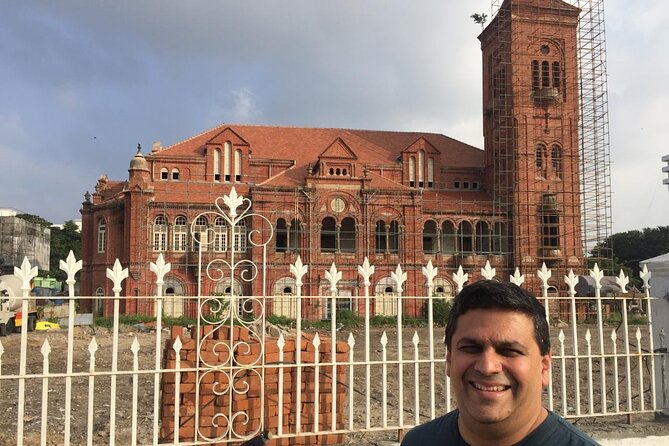
Napier Bridge was built in 1869 across the Coovum River. It is named after Francis Napier, the British governor of Fort St George, and connects Marina Beach with Fort St George.
The bridge is an included stop and takes about 15 minutes. It is a welcome change from large masonry buildings. Here, the guide can explain how a piece of infrastructure helped link important parts of Chennai.
The bridge also marks a shift in the walk. You are moving from the central railway and government district toward the Marina and university area. That change makes the route feel like a journey across the city, not a cluster of nearby façades.
Because this is a street-based walk, the bridge stop may be more about position, views, and explanation than a formal monument visit. The tour information does not promise special access or a long pause, so bring your camera, listen closely, and be ready to keep moving.
Senate House at the University of Madras
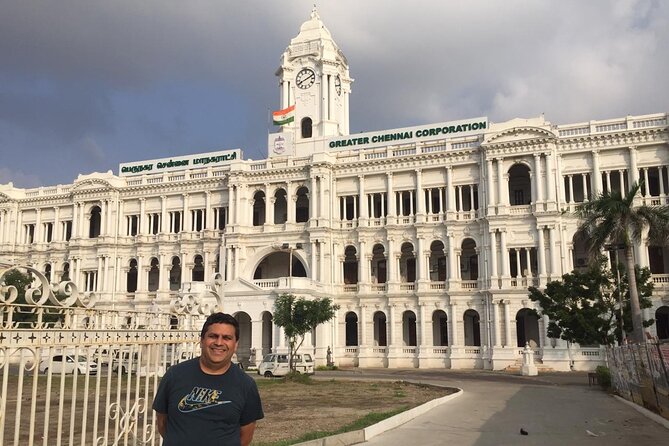
The University of Madras is the final major architectural stop before the war memorial. Its Senate House is the university’s administrative center and sits along Marina Beach.
Designed by Robert Chisholm, the Senate building is considered a major example of Indo-Saracenic architecture. This makes it a fitting late stop, since you have already seen other buildings connected with the same broad style.
About 15 minutes are planned here, and admission is not included. The end point is listed as the University of Madras, Navalar Nagar, Chepauk, Triplicane, Chennai 600005.
The finish is useful if you plan to continue toward Marina Beach or explore the Chepauk and Triplicane area afterward. It also means you should plan your onward transport from the end point rather than assuming you will return to Egmore. Optional hotel transfers are available, but hotel pickup and drop-off are not included unless you select that option.
The Victory War Memorial and the final note
The Victory War Memorial was formerly called Cupid’s Bow. It commemorates the Allied victory in World War I from 1914 to 1918 and later became known as the Victory War Memorial.
The tour spends about 15 minutes here, and admission is included. This final stop broadens the story beyond buildings made for transport, government, or education. It shows how public spaces were also used to record military events and political memory.
I appreciate this ending because it leaves you with a question about what cities choose to remember in stone. The walk is not presented as a full political history, but the memorial gives the guide a chance to explain another side of British influence in Chennai.
What the guide and group size add
The group is limited to 15 people. That is small enough to make a real difference on a walking tour, especially when you are standing near roads, station entrances, or large public buildings.
Hareesh is one named guide associated with the experience. A direct account of his guiding describes a history-focused walk with fascinating facts, and he even bought an Indian coffee during the route. Satish is another named guide, described as informative and enthusiastic about Chennai’s buildings.
Those details point to the kind of guiding you can expect: local explanation, architectural facts, and some room for small personal touches. The coffee purchase was an individual gesture in that account, so do not assume every guide will buy one for you. Coffee or tea is included as part of the tour, along with snacks.
The format suits you if you enjoy asking questions and looking closely at buildings. It may be less suitable if you want a private tour, a long stop at each site, or a route built around indoor museum visits.
Timing, walking, and practical value
The official duration is about 2 hours and 30 minutes. Eight stops are included, so the schedule allows roughly 15 to 30 minutes at each place, with time between them for walking and explanation.
That pace is brisk but reasonable for a city architecture walk. Chennai’s heat can make any outdoor route feel harder than the clock suggests, so comfortable walking shoes and suitable clothing are sensible choices. The tour information confirms that most people can participate and that the route is near public transportation.
The starting and ending points are different. You begin at Egmore and finish at the University of Madras, so plan your next move in advance. Pickup can be arranged as an optional extra, but hotel pickup and drop-off are not included in the standard price.
The tour is usually booked about 29 days ahead. That does not mean you must book a month early, but it is a useful sign that you should not leave a preferred date until the last minute, especially if you want a small group.
Free cancellation is available when you cancel at least 24 hours before the start time. Changes or cancellations inside that window are not accepted for a refund.
Who should book this Chennai walk?
I would recommend it to first-time visitors who want a clear introduction to Chennai’s British-era architecture without spending a full day in museums. It also suits people interested in railways, civic buildings, architectural styles, and the way public spaces shape a city.
The route works well for anyone who wants to see several districts in a short period. It is also a good choice if you prefer a local guide to explain details that are easy to miss, such as dates, designers, changes to the buildings, and the difference between Gothic Revival and Indo-Saracenic styles.
You may want to skip it if you dislike walking in warm weather, need guaranteed indoor entry, or prefer to explore at your own pace. The stops are timed, several admission tickets are not included, and the group route ends at a different location from where it begins.
At $55 per person, I see fair value if the guide is your main reason for booking. The included refreshments help, but the real benefit is the connected story and the chance to compare eight buildings in one outing.
Should you book the British Architecture Walk?
Book it if you want a compact, guided look at Chennai’s British-era public architecture, especially if this is your first time in the city. The combination of Egmore, Central, Victoria Public Hall, Ripon Building, Southern Railway Headquarters, Napier Bridge, Senate House, and the Victory War Memorial gives you a broad view in just two and a half hours.
I would choose this tour for the small group, the named local guides, and the route’s variety. Just remember that it is mainly an exterior walking experience, that several stops do not include admission, and that you must arrange your own plans after finishing at the University of Madras.
FAQ
Where does the British Architecture Walk begin?
The tour begins at Chennai Egmore, on Gandhi Irwin Road, Egmore, Chennai, Tamil Nadu 600008, India.
Where does the tour finish?
The walk ends at the University of Madras, Navalar Nagar, Chepauk, Triplicane, Chennai, Tamil Nadu 600005, India.
How long does the tour last?
The experience lasts approximately 2 hours and 30 minutes.
How much does the tour cost?
The listed price is $55 per person.
What is the maximum group size?
The tour accepts a maximum of 15 travelers.
Is hotel pickup included?
Hotel pickup and drop-off are not included unless you select the optional hotel transfer option.
Are snacks included?
Yes. Snacks are provided at no extra cost.
Is coffee or tea included?
Yes. Coffee or tea is included in the tour.
What buildings are visited?
The route includes Chennai Egmore, Chennai Central Railway Station, Victoria Public Hall, the Greater Chennai Corporation Office at Ripon Building, Southern Railway Headquarters, Napier Bridge, the University of Madras, and the Victory War Memorial.
Can I cancel for a full refund?
Yes, if you cancel at least 24 hours before the experience start time. Cancellations or changes made less than 24 hours before the start time are not eligible for a refund.
New to the itinerary around India
- New Delhi: Mughal’s architecture tour with transfers★ 4.0 · 7 reviews
- 2 day tour from Mumbai to architectural wonder of Mandu★ 5.0 · 2 reviews
- Goa Walking tour: History, Culture, Art and architecture★ 4.5 · 2 reviews
- South India Tour- Temple Architecture and Backwaters★ 5.0 · 7 reviews
- British Architecture Walk in Chennai by Wonder tours★ 5.0 · 10 reviews
- Day trip from Bangalore to Lepakshi for Temple architecture & paintings★ 5.0 · 15 reviews
- Old & New Delhi Culture & Architecture City Private Tour★ 4.9 · 9 reviews
- Kanchipuram: Temple Architecture & Silk Weaving from Chennai★ 4.8 · 3 reviews
India Architecture Tours, compared.

Delhi Hidden Gems: Mehrauli, Lodhi Art & Sunder Nursery
Read our review →
The Hipster Chandigarh Architecture History Tour
Read our review →
Mumbai heritage walk- Story of Gothic and Art Deco buildings
Read our review →
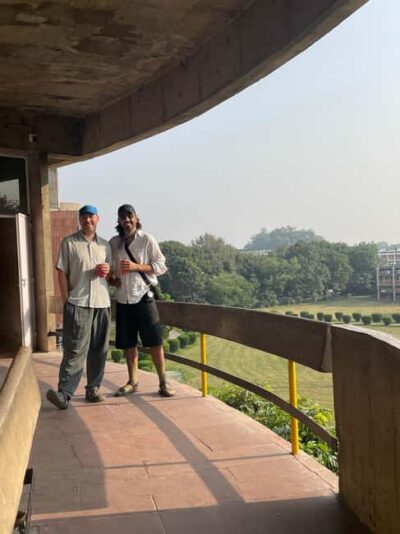
Le Corbusier’s Chandigarh : A Complete Architecture Tour
Read our review →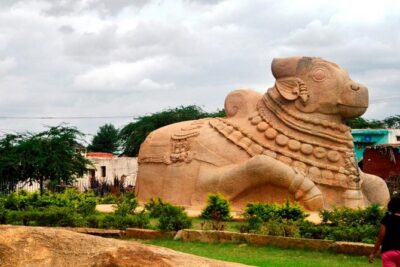
Day trip from Bangalore to Lepakshi for Temple architecture & paintings
Read our review →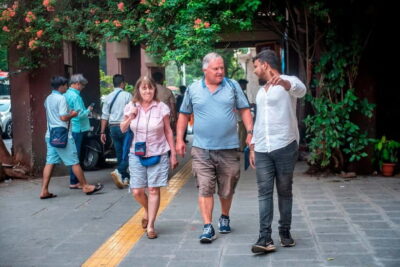
Victorian Gothic Heritage Quarter and Art Deco Walking Tour
Read our review →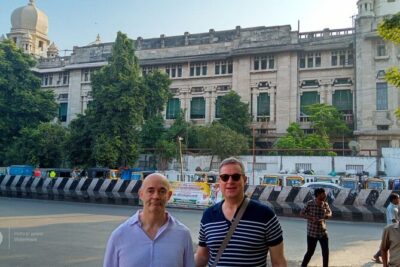
British Architecture Walk in Chennai by Wonder tours
Read our review →Other lists with this tour