

Review · MUMBAI
Mumbai heritage walk- Story of Gothic and Art Deco buildings
Mumbai’s architectural story unfolds in stone, stucco, clock towers, cinemas, libraries, and apartment blocks. This three-hour walk begins at Chhatrapati Shivaji Terminus, one of India’s finest Victorian Gothic buildings, then links it with the city’s elegant Art Deco landmarks and grand colonial-era institutions.
I like the small group limit of 15 and the way the walk connects architecture with Mumbai’s rise as a trading center. I also like the human details, such as the reason behind Rajabai Clock Tower’s chimes and the status once attached to Art Deco apartments. The main consideration is that most buildings are viewed from outside, so this is better for architectural context than for seeing grand interiors.
Key points to know before you book
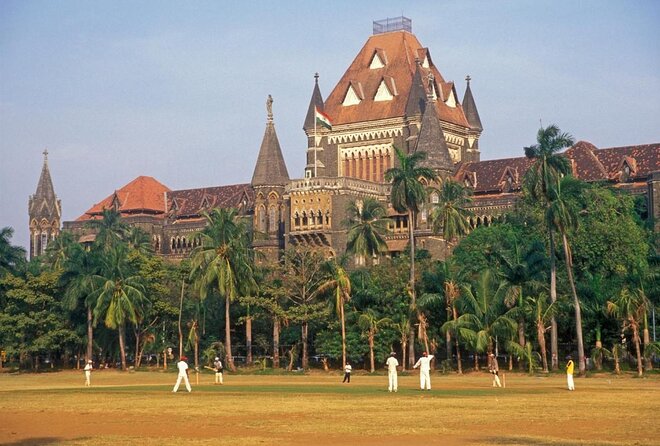
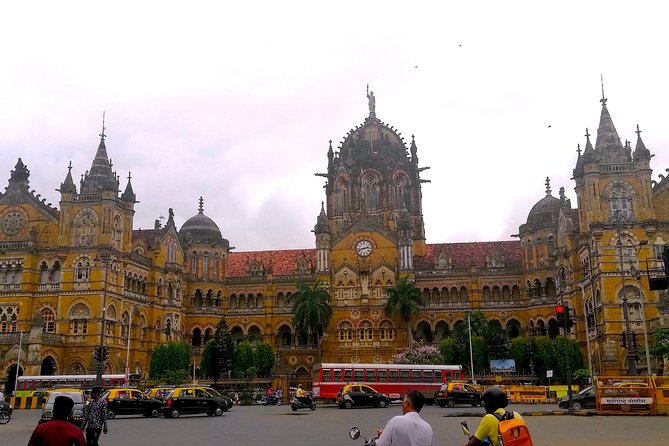
- CST gives the walk a powerful start: You begin with a UNESCO-listed Gothic landmark blending European and Indian design ideas.
- Pankaj is the named guide: His friendly, well-informed storytelling covers Mumbai’s architecture and wider past.
- Art Deco gets equal billing: Eros Cinema and Empress Court show how modern Mumbai presented wealth and style.
- Most visits are exterior stops: The High Court, Rajabai Clock Tower, and Elphinstone College are mainly seen from the street.
- A small group helps: The maximum of 15 people leaves more room for questions and conversation.
- Snacks add a welcome local touch: Food is provided during the walk, and the tour costs $35 per person.
Why Mumbai’s Gothic and Art Deco mix matters
Mumbai can feel like several cities placed side by side. This walk helps you understand why. The Gothic buildings reflect the ambitions of the British colonial period and the city’s growing role in trade, law, education, and administration. The Art Deco buildings point to a later age, when Mumbai looked toward cinema, modern design, and fashionable urban living.
That change is easier to grasp on foot than from a passing vehicle. You move from pointed Gothic arches and carved stonework to curved façades, horizontal lines, and stepped forms. The contrast is not just visual. It shows how the city’s ambitions changed over time.
I especially like that this is not a tour of isolated monuments. The route links railway architecture, courts, schools, libraries, cinemas, apartments, and museums. You get a sense of how the same central part of Mumbai served commuters, students, judges, readers, filmgoers, and wealthy residents.
The tour costs $35 per person. That is a fair price if you value a good guide and want the stories behind buildings you might otherwise photograph and pass. The fee also includes snacks, and the group size is limited to 15. Still, the value depends on your expectations. If you want interior visits or museum time, this walk may feel light on admission-based sightseeing. If you want a clear introduction to Mumbai’s built history, the price is easier to justify.
More Art Deco Tours in India:
- Victorian Gothic Heritage Quarter and Art Deco Walking Tour
★ 4.9 · 14 reviews - Victorian Gothic Heritage Quarter and Art Deco Walking Tour
★ 4.5 · 13 reviews - The Official Art Deco Walking Tour by The Miami Design Preservation League
★ 5.0 · 1,580 reviews
Starting at Chhatrapati Shivaji Terminus
The walk begins at Chhatrapati Shivaji Terminus, usually known as CST. Allow yourself enough time to arrive at the correct meeting point in the CST area, since the station complex is a major city landmark and a busy transport hub.
You get about 30 minutes here, with admission included. That is useful because CST deserves more than a quick look from across the road. Its Victorian Gothic Revival design is dramatic, but the most interesting point is the blending of Gothic features with themes drawn from Indian traditions.
The building tells you a great deal about Mumbai’s development. A major railway terminal was not only a place for trains. It also projected the city’s importance, showing that Mumbai had the money and ambition to build on a grand scale.
This is one of the strongest stops for photographs, but listen before you start snapping. The guide’s explanation gives the details some meaning. Without that context, the building can seem like a grand European station transplanted to India. With it, you can see the local references and the way architecture was used to express power and progress.
Eros Cinema and the city’s Art Deco turn
From Gothic railway architecture, the route shifts to Eros Cinema. You see the cinema from outside, and the stop lasts about 30 minutes. The building is a fine example of Mumbai’s Art Deco style, with a shape that resembles a wedding cake as its tiers rise toward a semi-circular tower.
This is a good place to notice how different Art Deco feels from Gothic architecture. Instead of pointed arches and medieval references, Art Deco favors clean geometry, curves, stepped forms, and a sleek modern image. A cinema was a fitting home for that style. Film represented a new kind of entertainment and a new urban mood.
The drawback is simple: admission is not included, and the visit is exterior. You are there to understand the building’s design and place in Mumbai, not to watch a film or inspect the auditorium.
Even so, I think this stop earns its time. Eros helps explain why Art Deco mattered to the city. It was not merely decoration. It suggested modern living, international taste, and confidence in the future.
Empress Court and the meaning of Art Deco status
The next stop is Empress Court, an impressive residential Art Deco building seen from outside. The visit takes about 15 minutes.
Here, the guide discusses how living in an Art Deco building once signaled wealth and status. That detail gives the style a social angle. You are not only looking at façades. You are considering who could afford to live in them and what those buildings communicated about their residents.
Empress Court also helps you read Art Deco beyond cinemas and public buildings. Apartments brought the style into daily life. Curved corners, carefully arranged façades, and modern proportions could turn an ordinary home into a public statement.
Because this is a short exterior stop, it works best if you are interested in how architecture reflects society. If you want extensive detail on residential interiors, you will not get that here. The value is in the comparison with Eros and in the discussion of status, not in entering the building.
More Walking Tours in India:
- British Architecture Walk, an immersive walking tour in Chennai
★ 5.0 · 60 reviews - British Architecture Walk in Chennai by Wonder tours
★ 5.0 · 10 reviews - Goa Walking tour: History, Culture, Art and architecture
★ 4.5 · 2 reviews - Lecce: Baroque Architecture and Underground Walking Tour
★ 4.6 · 1,248 reviews
The Bombay High Court and its Gothic symbols
The Bombay High Court is another exterior visit, with about 30 minutes devoted to the building. It is a splendid Gothic structure, and the guide points out the statues of Justice and Mercy on top.
Those figures add a human and moral dimension to the architecture. A court can be intimidating, but the symbols give you something specific to look for. You can connect the building’s appearance with the ideals it was meant to represent.
This stop is also a reminder that Mumbai’s Gothic buildings were not all designed for the same purpose. CST expressed transport and trade. The High Court expressed law and authority. Both use the Gothic style, but they served different parts of the growing city.
You will see the building from outside, so the discussion matters more than access. I would pay attention to the upper sections and roofline rather than only the main entrance. The statues of Justice and Mercy are the detail that makes this stop more than another grand façade.
Rajabai Clock Tower, Mumbai’s Big Ben
The route continues to Rajabai Clock Tower, described during the walk as Mumbai’s Big Ben. You spend about 30 minutes here, viewing the building from outside.
The most appealing detail is the story of how the tower was financed. Its patron wanted his visually challenged mother to hear the chimes and keep her fasts punctually. That small personal reason gives the tower a warmer story than its size and form might suggest.
Large civic buildings often seem impersonal. Rajabai becomes easier to remember when you connect it with a family decision and the sound of the clock. This is exactly the kind of detail that can turn a sightseeing stop into a story you carry with you.
The tower also fits the tour’s wider theme. Mumbai’s grand architecture was shaped by money, faith, education, family, trade, and public ambition. You see the exterior, but the reason behind the building makes the stop feel more personal.
David Sassoon Library and Reading Room

The David Sassoon Library and Reading Room gives the walk another change of pace. Instead of a railway station, cinema, court, or clock tower, you visit a Gothic library built by David Sassoon, a Jewish banker.
The building is a magnificent Gothic structure, but access is limited. Only members are allowed inside, so the tour views it from the lobby. That restriction is worth knowing before you book. You should not expect a full guided visit through the reading rooms.
Still, the stop has real value. The library shows how private wealth helped create public and educational institutions in Mumbai. It also brings a different community into the city’s architectural story. The building is not simply colonial Gothic decoration. It is tied to a banker, a library, and the importance of reading and learning in the city center.
The lobby view will be brief compared with a full interior tour, but the building remains one of the route’s most distinctive examples. I would treat this as a stop for context and exterior detail rather than a library admission.
Elphinstone College and Mumbai’s intellectual life
Elphinstone College is another Gothic landmark, seen from outside during a 15-minute stop. The institution has an impressive list of alumni, including Bal Gangadhar Tilak, Dr. B. R. Ambedkar, and Jamshedji Tata.
That list changes the way you look at the building. It is not just an attractive Gothic façade. It represents education and the people who helped shape modern India in politics, social reform, industry, and public life.
The stop is short, so you will not get an extended campus visit. But its placement after the library works well. Together, the two buildings show how Mumbai’s center supported reading, education, and public debate as the city grew.
For anyone interested in India’s political and intellectual past, Elphinstone College may be one of the most meaningful stops. The architecture sets the scene, while the alumni connect the building to much larger national stories.
Ending at the Prince of Wales Museum
The walk ends at the Chhatrapati Shivaji Maharaj Vastu Sangrahalaya, also known as the Prince of Wales Museum. The final stop lasts about 10 minutes, and the building is viewed from outside.
The museum occupies a magnificent heritage building, and its position makes a useful closing point. After seeing railway, legal, educational, residential, and entertainment buildings, you finish with a major cultural institution.
Do not expect a museum visit as part of the walk. The focus is the exterior and the building’s place in Mumbai’s heritage. If you want to see the collections, you would need to arrange that separately, since the tour does not include admission.
The end point is practical for continuing your sightseeing in the Fort area. The tour begins at CST and finishes on Mahatma Gandhi Road near Lion Gate, so you cover a substantial part of central Mumbai on foot rather than returning to the starting point.
What the three-hour format feels like
The planned stops add up to roughly three hours, and the walk keeps moving between major buildings. That makes it a good choice for a morning or afternoon when you want structure without giving up an entire day.
You should expect regular standing and walking. The information provided says most people can participate, and the route is near public transportation. A mobile ticket makes entry to the experience straightforward, while the maximum group size of 15 should keep the walk from feeling like a large procession.
Snacks are provided during the walk. That is a small feature, but it matters during a three-hour city walk, especially when the schedule moves from one stop to the next.
The tour requires good weather. If poor weather forces cancellation, you are offered another date or a full refund. You can also cancel for a full refund up to 24 hours before the start time. If you are setting a tight Mumbai schedule, that policy gives you some useful flexibility.
Who will get the most from this walk
I would choose this experience if you like architecture, city history, photography, or the way buildings reveal social change. It also suits anyone who wants an organized introduction to the Fort area without trying to decode every landmark alone.
Pankaj is the named guide, and his role seems especially important here. The strongest material is not simply the appearance of a building. It is the story behind it, from Rajabai’s chimes to the social status of Art Deco apartments. Pankaj has been described as friendly, enthusiastic, and able to answer questions, so come ready to ask them.
This is less suitable if your main goal is interior access. CST includes admission, but Eros Cinema, Empress Court, the High Court, Rajabai Clock Tower, and Elphinstone College are viewed from outside. David Sassoon Library is seen from the lobby, and the museum stop does not include entry.
Book well ahead if your dates are fixed. The experience is booked, on average, 14 days in advance, and the small group cap may limit late availability. Group discounts are offered, which can help if you are booking for several people.
Should you book Mumbai’s Gothic and Art Deco walk?
Book it if you want the city’s major buildings to make sense as part of one story. The mix of Gothic institutions and Art Deco cinemas and apartments gives you a clear picture of Mumbai’s changing ambitions, while the three-hour length fits neatly into a busy visit.
Skip it if you need extensive interior access or prefer to explore at your own pace. For most people interested in architecture, though, the combination of CST, Eros Cinema, Empress Court, the High Court, Rajabai Clock Tower, David Sassoon Library, Elphinstone College, and the Prince of Wales Museum offers solid value at $35, especially with snacks and a group limited to 15.
FAQ
How long does the Mumbai heritage walk last?
The walk lasts approximately three hours.
What is the price of the experience?
The price is $35 per person.
Where does the walk begin?
It begins at Chhatrapati Shivaji Terminus in the CST area of Fort, Mumbai.
Where does the walk end?
It ends at the Chhatrapati Shivaji Maharaj Vastu Sangrahalaya, also known as the Prince of Wales Museum, at 159-161 Mahatma Gandhi Road.
Who guides the walk?
Pankaj is the guide named in the available tour information.
How many people can join the tour?
The group has a maximum of 15 participants.
Is food provided?
Yes. Snacks are provided during the walk.
Are building admissions included?
Admission is included for Chhatrapati Shivaji Terminus. The other listed stops are viewed from outside or, in the case of David Sassoon Library, from the lobby.
Is the walk near public transportation?
Yes. The experience is near public transportation, and it begins at CST, a major transport landmark.
Can I cancel for a refund?
Yes. You can cancel at least 24 hours before the start time for a full refund. Cancellations made less than 24 hours before the start time are not refunded. If poor weather cancels the walk, you are offered another date or a full refund.
More History Walks around India
- The Hipster Chandigarh Architecture History Tour
★ 5.0 · 54 reviews - Jaipur City Heritage and Architecture Tour
★ 5.0 · 32 reviews - Chicago in a Day: Food, History & Architecture Walking Tour
★ 5.0 · 1,153 reviews - Charleston’s Best Highlights: History, Culture & Architecture
★ 5.0 · 422 reviews
New to the itinerary around India
- New Delhi: Mughal’s architecture tour with transfers★ 4.0 · 7 reviews
- 2 day tour from Mumbai to architectural wonder of Mandu★ 5.0 · 2 reviews
- Goa Walking tour: History, Culture, Art and architecture★ 4.5 · 2 reviews
- South India Tour- Temple Architecture and Backwaters★ 5.0 · 7 reviews
- British Architecture Walk in Chennai by Wonder tours★ 5.0 · 10 reviews
- Day trip from Bangalore to Lepakshi for Temple architecture & paintings★ 5.0 · 15 reviews
- Old & New Delhi Culture & Architecture City Private Tour★ 4.9 · 9 reviews
- Kanchipuram: Temple Architecture & Silk Weaving from Chennai★ 4.8 · 3 reviews
Art Deco Tours, compared.

The Official Art Deco Walking Tour by The Miami Design Preservation League
Read our review →

Guided 10am Morning Art Deco Walk From Napier Art Deco Trust
Read our review →


Award-winning Art Deco & Neon Lights Walking Tour in Miami Beach
Read our review →

Art Deco and Architecture Midtown Landmarks Tour
Read our review →Other lists with this tour