
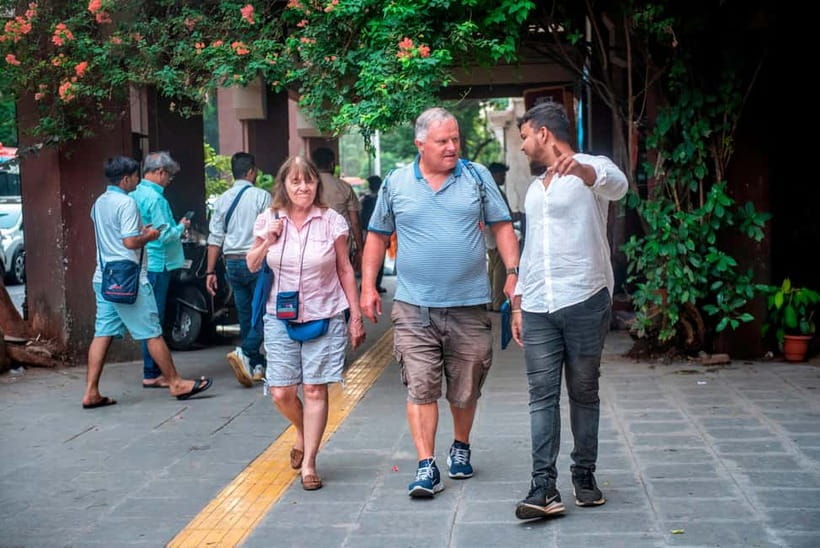
Review · MUMBAI
Victorian Gothic Heritage Quarter and Art Deco Walking Tour
Mumbai’s architectural story is easiest to grasp at Oval Maidan, where Victorian Gothic buildings face a sweep of Art Deco facades. This tour puts that contrast at the center, then ties it to Mumbai’s shift from colonial port city to modern metropolis. You’ll see the High Court, Mumbai University, Rajabai Clock Tower, Chhatrapati Shivaji Maharaj Terminus, and Eros Cinema rather than simply passing them in a car.
I like two things here. First, the $16 price includes street food tastings, so the walk connects grand stone buildings with everyday Mumbai life. Second, the guides, including Sharon and Jawwad, have been praised for clear explanations, safe navigation, patience with breaks, and answers to questions. The main drawback is the heat: one guest found the approach toward noon uncomfortable, so an earlier start is the smarter choice when available.
Key points at a glance
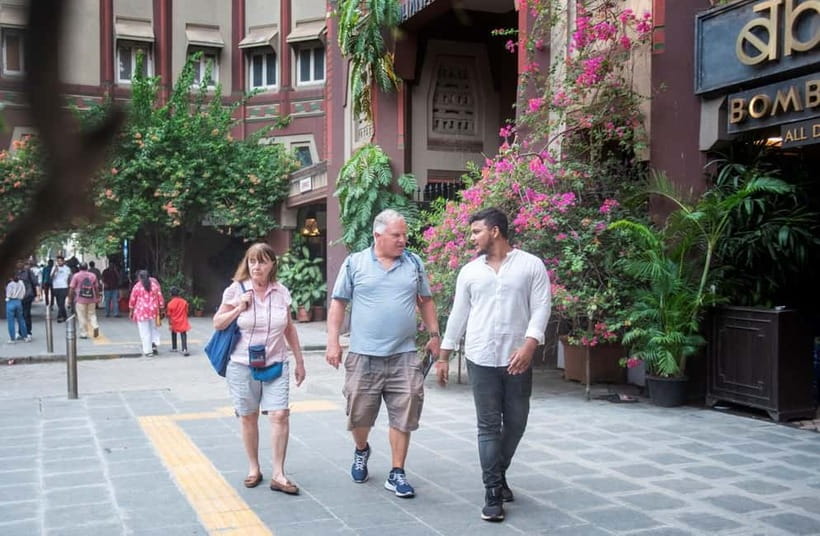
- Oval Maidan gives you the clearest architectural comparison, with Victorian Gothic buildings on one side and Art Deco structures on the other.
- The walk includes major landmarks, including Chhatrapati Shivaji Maharaj Terminus, the High Court, Mumbai University, Rajabai Clock Tower, and Eros Cinema.
- Street food is part of the experience, with vada pav, pani puri, and other local tastes included.
- Sharon and Jawwad are especially strong guide choices, based on their patient explanations and willingness to adapt the pace.
- The route lasts 2.5 hours, begins at PizzaExpress in Colaba, and finishes at Churchgate Station.
- Heat is the practical concern, especially later in the morning. Carry water, wear comfortable shoes, and choose an early start if possible.
Why Mumbai’s architecture makes a good walking tour

Mumbai can feel like several cities pressed into one. Colonial government buildings, railway architecture, cinemas, offices, universities, and public squares sit close together. On foot, you can compare these styles in a way that is hard to grasp from a taxi window.
The Victorian Gothic buildings use pointed arches, elaborate stonework, towers, and dramatic vertical lines. They reflect the public face of 19th-century colonial Mumbai. The Art Deco buildings came later, with cleaner curves, geometric decoration, and a more modern outlook. Together, they show a city looking backward and forward at the same time.
The tour is not only about façades. Your English-speaking guide explains how Mumbai changed from a colonial port into a major modern city, and why architecture became part of that story. That wider context matters. Without it, the buildings can blur into a parade of impressive stone and concrete. With it, you can read them as signs of changing power, taste, technology, and ambition.
More Art Deco Tours in India:
- Mumbai heritage walk- Story of Gothic and Art Deco buildings
★ 5.0 · 33 reviews - Victorian Gothic Heritage Quarter and Art Deco Walking Tour
★ 4.5 · 13 reviews - The Official Art Deco Walking Tour by The Miami Design Preservation League
★ 5.0 · 1,580 reviews
Starting in Colaba near PizzaExpress
You meet the guide at PizzaExpress in Colaba. This is a practical starting point for visitors staying in or exploring the southern part of Mumbai, and the tour then moves through some of the city’s best-known historic areas.
The exact stop order gives you several different views of Mumbai. The route includes a guided stop at the Gateway of India, photo opportunities, major Gothic landmarks, Oval Maidan, Chhatrapati Shivaji Maharaj Terminus, and a finish at Churchgate Station. The route description also places the great railway terminus at the beginning of the architectural story, so confirm the day’s walking order with your guide when you meet.
That small check is useful because the named stops cover a broad section of South Mumbai. You want to know when the longer stretches happen and where you can pause. The guides Sharon and Jawwad have been praised for making room for rests, purchases, and special requests, which is helpful on a warm day.
The Gateway of India and Mumbai’s grand public face
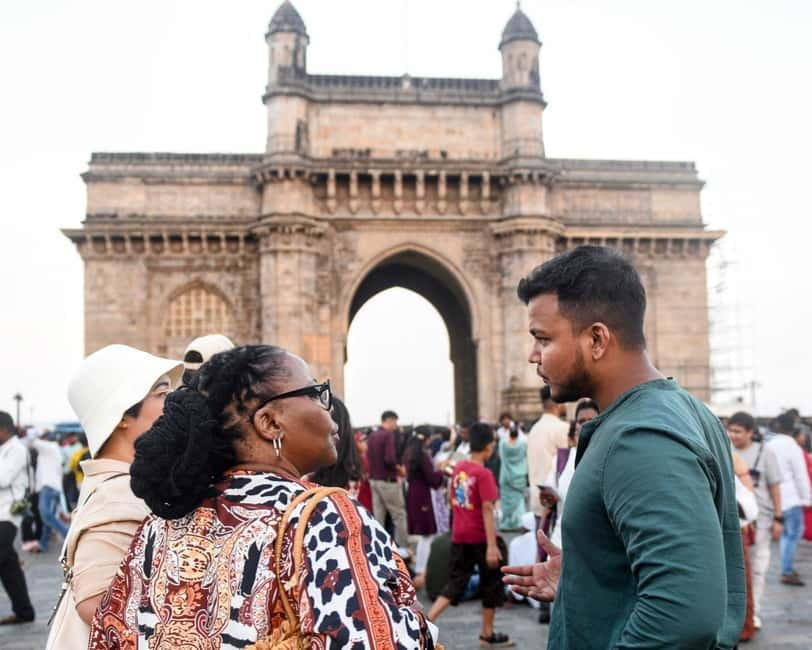
The Gateway of India receives about 15 minutes of guided attention. It is not the main focus of the tour, but it gives you a useful opening scene: a monumental landmark built to face the water and represent Mumbai to the outside world.
Expect a short explanation and time to look around rather than a long museum-style visit. The stop works best as a piece of the larger story. Mumbai’s public architecture often had to send a message, whether that message concerned imperial authority, civic pride, transport, commerce, or modern living.
There is also a photo stop and visit listed as part of this section of the walk. Since the experience is on foot, you can take in the scale of the surrounding district more naturally than you would from a vehicle. Keep your attention on the guide, though. South Mumbai has plenty of visual distractions, and the tour’s value comes from understanding how the buildings relate to one another.
Gothic towers at the High Court and Mumbai University
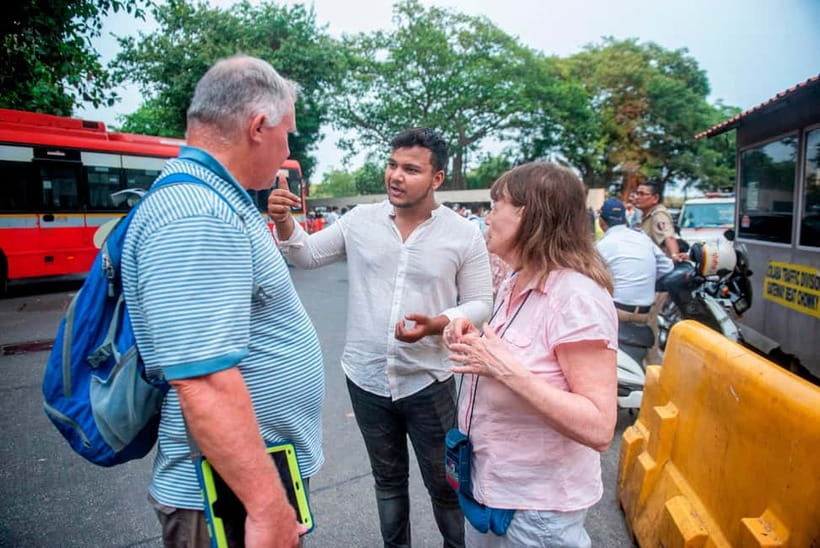
The High Court and Mumbai University are two of the strongest Gothic Revival stops. Each helps show why this style became so important in 19th-century Mumbai.
Look for the vertical emphasis, pointed forms, and decorative detail that give these buildings their theatrical quality. The tour allows about 15 minutes for a guided visit here, enough for an overview and questions. You are not simply being told that the buildings are old or beautiful. The guide points out architectural features and connects them to the city’s colonial past.
Rajabai Clock Tower is another highlight in this part of the historic quarter. Its height and ornament make it one of the easiest structures to recognize from a distance, while its connection with Mumbai University gives the surrounding area a sense of civic and educational importance.
This is a good section for people who enjoy close observation. You can spend the walk noticing windows, towers, stone patterns, and the way buildings frame the streets. If architecture is not normally your main interest, the guide’s stories help prevent the tour from becoming a technical lecture.
More Walking Tours in India:
- British Architecture Walk, an immersive walking tour in Chennai
★ 5.0 · 60 reviews - British Architecture Walk in Chennai by Wonder tours
★ 5.0 · 10 reviews - Goa Walking tour: History, Culture, Art and architecture
★ 4.5 · 2 reviews - Lecce: Baroque Architecture and Underground Walking Tour
★ 4.6 · 1,248 reviews
Oval Maidan, where two eras face each other

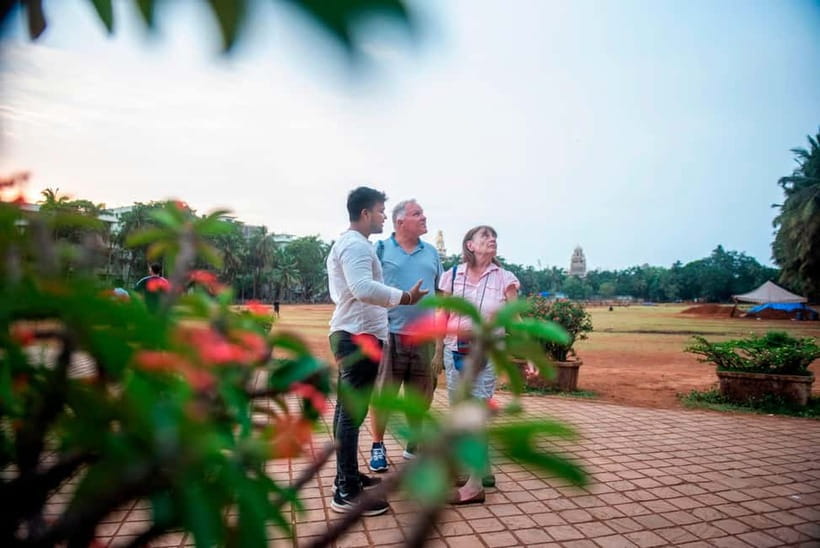
Oval Maidan is the clearest visual lesson of the entire experience. From this open space, you can look toward Victorian Gothic buildings on one side and Art Deco structures on the other.
That direct comparison is what makes the stop valuable. You do not need a long explanation to sense the difference. Gothic architecture reaches upward and uses ornament to create a formal, historic mood. Art Deco feels more streamlined, with a smoother and more geometric appearance. The tour explains the cultural meaning of both styles and how they reflect different periods in Mumbai’s growth.
The planned stop includes about 10 minutes for photos and guiding. That is enough to frame the contrast, but not enough for a slow architectural survey of every building. If you are a serious architecture fan, you may want to return later with more time. For most people, this short stop gives the essential visual lesson without slowing the whole walk.
It is also the point where the tour’s central idea becomes easy to remember: Mumbai did not discard its older identity when it modernized. The Gothic and Art Deco districts sit in conversation with each other.
Chhatrapati Shivaji Maharaj Terminus and the railway story
Chhatrapati Shivaji Maharaj Terminus receives about 20 minutes, the longest named stop in the route. It is a UNESCO World Heritage site and one of Mumbai’s most important examples of Victorian Gothic design.
The station’s importance goes beyond its ornate exterior. Railway stations are places of movement, work, arrival, departure, and daily routine. Here, the grand architecture meets the practical energy of a working transport hub. That contrast gives the building more meaning than a quiet historic monument would have.
Your guide explains the architectural features and the role the station plays in Mumbai’s past. You should expect a concise guided visit rather than an extended interior tour. The space is active, and the tour has a fixed length, so stay close to the guide and keep your photo stops efficient.
This is one of the strongest reasons to take the walk instead of trying to identify the buildings alone. You get the visual impact of the terminus and the explanation of why it matters within Mumbai’s wider development.
Eros Cinema and the Art Deco finish
The walk concludes at Eros Cinema, described as an Art Deco masterpiece. Ending here makes good visual sense. After the Gothic towers and stone ornament earlier in the tour, Eros gives you a cleaner, more modern architectural vocabulary.
A cinema also adds a cultural layer to the Art Deco story. This style was not limited to offices or public administration. It shaped places connected with leisure, entertainment, and the city’s modern aspirations. The stop helps you see Art Deco as part of daily urban life, not just a collection of façades for architecture fans.
The finish is at Churchgate Station. That makes the end point practical for continuing your day, though you should remember that this is a walking experience, not a private transport tour. You arrange your own way to PizzaExpress and your own onward travel from Churchgate.
Street food brings the city down to street level
The included tastings of vada pav, pani puri, and other local snacks are more than a bonus. They give the tour a useful change of scale.
The buildings tell you about institutions and civic ambition. Street food shows how the city is experienced by people moving through it every day. A soft bread roll with spiced potato, or a crisp pani puri filled with flavored water, adds taste and texture to an otherwise visual tour.
The food also helps break up the walking. You receive bottled water as well, which is important in Mumbai’s heat. Still, do not treat that bottle as your entire hydration plan if the day is warm. The tour lasts 2.5 hours, and one person specifically wished for an earlier start because the temperature rose toward noon.
The guides: Sharon, Jawwad, and the value of a good pace
The guide can make or break a city walk. Here, Sharon and Jawwad receive the strongest praise.
Sharon is described as informative about both the stops and Mumbai as a whole. She is also praised for answering questions, navigating carefully, and helping people feel safe and comfortable. That combination suits a first visit, when you may need both historical context and practical help finding your way through an unfamiliar city.
Jawwad, also called Jay, is praised for lively explanations, strong subject knowledge, and a flexible pace. He has been described as making time for rests, shopping, and specific requests. That matters because a 2.5-hour walk sounds easy on paper, but heat, traffic, and the sheer amount of visual information can wear you down.
The experience is offered in English. Group size is not specified, so do not book expecting a private tour unless that is confirmed separately. The guide-led format is best for you if you want questions answered as you walk rather than reading signs on your own.
Price, timing, and who gets the most value
At $16 per person, this is a good-value introduction to South Mumbai’s architecture. You receive 2.5 hours with a professional English-speaking guide, bottled water, and several street food tastings. You also cover landmarks that would cost time and effort to connect independently.
The price is especially fair if you are new to Mumbai. A guide gives you a framework for the city, points out details you could easily miss, and helps you make sense of the relationship between Gothic and Art Deco styles. The value is less clear for someone who has already studied these districts or wants long, detailed access inside each building.
Plan on walking the full route. Private transportation, pickup, and drop-off are not included. Comfortable shoes are sensible, and an early start is preferable when available. You can cancel up to 24 hours before the activity for a full refund, and the reserve-now, pay-later option keeps your plans flexible.
Is this Mumbai walking tour right for you?
Book it if you want a compact introduction to Mumbai’s historic center, enjoy architecture with a human story attached, and like the idea of pairing grand buildings with street food. It is also a strong first-day activity because Sharon, Jawwad, or another English-speaking guide can help you understand the city beyond the headline sights.
Think twice if you dislike walking in warm weather, need private transportation, or want extensive interior visits. The tour moves across a substantial part of South Mumbai, and the 2.5-hour format favors a clear overview rather than slow study.
For $16, I would choose it for the Gothic versus Art Deco comparison, the food tastings, and the chance to learn from a guide who can adjust to questions and rest breaks. Start early, bring curiosity, and let the buildings and snacks tell two sides of Mumbai’s story.
FAQ
How long does the tour last?
The tour lasts 2.5 hours.
Where does the tour begin?
You meet the guide at PizzaExpress in Colaba.
Where does the tour finish?
The tour finishes at Churchgate Station.
What language is the tour offered in?
The tour is offered with a live English-speaking guide.
Which landmarks are included?
The route includes the Gateway of India, High Court, Mumbai University, Rajabai Clock Tower, Oval Maidan, Chhatrapati Shivaji Maharaj Terminus, and Eros Cinema.
Are food and drinks included?
Yes. Street food tastings such as vada pav and pani puri, along with bottled water, are included.
Is transportation included?
No. Private transportation, pickup, and drop-off are not included.
More History Walks around India
- The Hipster Chandigarh Architecture History Tour
★ 5.0 · 54 reviews - Jaipur City Heritage and Architecture Tour
★ 5.0 · 32 reviews - Chicago in a Day: Food, History & Architecture Walking Tour
★ 5.0 · 1,153 reviews - Charleston’s Best Highlights: History, Culture & Architecture
★ 5.0 · 422 reviews
New to the itinerary around India
- New Delhi: Mughal’s architecture tour with transfers★ 4.0 · 7 reviews
- 2 day tour from Mumbai to architectural wonder of Mandu★ 5.0 · 2 reviews
- Goa Walking tour: History, Culture, Art and architecture★ 4.5 · 2 reviews
- South India Tour- Temple Architecture and Backwaters★ 5.0 · 7 reviews
- British Architecture Walk in Chennai by Wonder tours★ 5.0 · 10 reviews
- Day trip from Bangalore to Lepakshi for Temple architecture & paintings★ 5.0 · 15 reviews
- Old & New Delhi Culture & Architecture City Private Tour★ 4.9 · 9 reviews
- Kanchipuram: Temple Architecture & Silk Weaving from Chennai★ 4.8 · 3 reviews
Art Deco Tours, compared.

The Official Art Deco Walking Tour by The Miami Design Preservation League
Read our review →

Guided 10am Morning Art Deco Walk From Napier Art Deco Trust
Read our review →

Award-winning Art Deco & Neon Lights Walking Tour in Miami Beach
Read our review →

Art Deco and Architecture Midtown Landmarks Tour
Read our review →Other lists with this tour