
Review · INDIA
South India Tour- Temple Architecture and Backwaters
South India reveals two very different worlds in one well-packed journey. In Tamil Nadu, stone temples, palace courtyards, markets, and old mansions tell the story. In Kerala, tea hills give way to forests, lakes, rice paddies, and palm-fringed waterways. The contrast is the main attraction, and the route keeps changing before the scenery has time to grow stale.
I like the private air-conditioned vehicle, which gives you much more control than a large coach, and I like the careful mix of major sights and smaller cultural stops, from Chettinad mansions to Pondicherry’s French and Indian quarters. The main drawback is the pace: several driving days are long, and the $1,750 price does not include monument or national park entry fees.
Key details before you book
- Tamil Nadu’s temple circuit: See the Shore Temple at Mahabalipuram, the Brihadisvara Temple area in Thanjavur, the Rock Fort and Srirangam at Tiruchirappalli, and Madurai’s Meenakshi Temple.
- A sharp change of scenery: Munnar shifts the trip from stone carvings and city streets to tea plantations, waterfalls, and mountain roads.
- Private travel with daily assistance: Your group travels in an air-conditioned vehicle with an English-speaking guide for sightseeing.
- A proper Kerala houseboat night: The boat serves lunch, evening tea or coffee with snacks, and dinner onboard before anchoring near a village.
- Meals and lodging included: The package covers 12 nights in 3-star hotels, plus all meals during the houseboat stay.
- Important extra costs: Monument fees, Periyar National Park entry, personal expenses, insurance, tips, and optional meals are separate.
Why this route works so well
I like this trip because it gives you a clear sense of place rather than treating South India as one single culture. Tamil Nadu is about temple towers, devotional rituals, classical traditions, and grand stonework. Kerala brings tea gardens, spice country, wildlife, and water-based life. The change is dramatic enough to keep a 13-day trip fresh.
The other strength is the private format. You are not locked into a large group’s pace, and the vehicle is available for the listed sightseeing stops. That matters in southern India, where a short distance on the map can take much longer by road. The company team members named in the trip material include Santosh, Azhar, and Prachi Varma, with additional praise for careful planning, safe driving, and organized support. An Italian-speaking guide was also praised in one account, though you should confirm language arrangements before booking if that matters to you.
The tradeoff is that this is a sightseeing trip first and a slow holiday second. You change hotels often, spend several hours on the road, and have only limited free time in some places. I would choose it if you want a broad first look at both states. If your ideal holiday means sleeping in one resort for a week, this route will feel busy.
More Architecture Tours around India:
- British Architecture Walk, an immersive walking tour in Chennai
★ 5.0 · 60 reviews - The Hipster Chandigarh Architecture History Tour
★ 5.0 · 54 reviews - Mumbai heritage walk- Story of Gothic and Art Deco buildings
★ 5.0 · 33 reviews
Chennai to Mahabalipuram: an easy start among stone temples
Your first day is mainly an arrival day. A representative meets you at Chennai International Airport and assists with the transfer to your hotel. You then have time to rest, which is welcome after a long international flight.
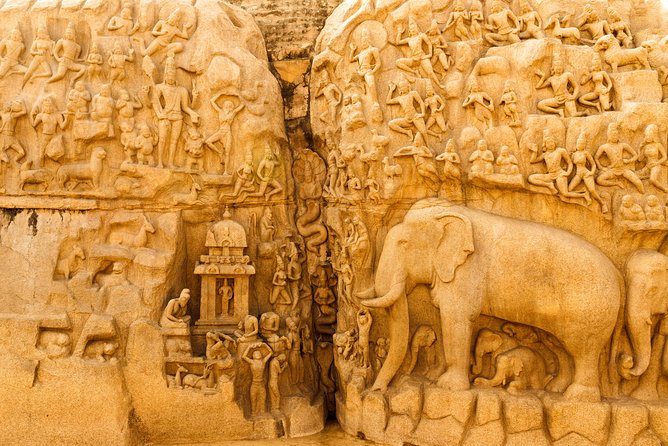
The next morning, you drive to Mahabalipuram, also called Mamallapuram. This UNESCO World Heritage Site is one of Tamil Nadu’s best introductions because its temples were carved from living rock. The Shore Temple sits beside the sea, while Arjuna’s Penance presents a large carved panel filled with figures and movement. The rock-cut temples show how early builders used the natural shape of the stone rather than simply stacking blocks.
The visit is listed at about three hours, so you will see the main monuments without spending an entire day here. I would wear shoes that are easy to remove if required, use sun protection, and carry water. Monument fees are not included, so keep some money available for entrance charges.
You stay in Mahabalipuram that night rather than returning to Chennai. That saves backtracking and lets the route move south in a sensible direction.
Pondicherry: two cultures in one town
Pondicherry, now officially Puducherry, gives the trip a different rhythm. The town is divided into a French White City and an Indian quarter, often called Black City in the description of the tour. The contrast is useful to see on foot because the streets, buildings, temples, and daily life shift noticeably from one area to the other.
The planned sightseeing includes Sri Aurobindo Ashram, Auroville, Sri Ganesha Temple, and Manakula Vinayagar Temple. The two Ganesh temples are especially useful stops if you want to see how active worship fits into an urban setting. This is not just an architectural visit. You will see a living religious town alongside the traces of French rule.
The sightseeing time is about three hours. That makes this a compact introduction rather than an in-depth stay. I would use any free time to walk, since the town’s appeal is found in the change between neighborhoods as much as in individual sights. You spend the night in Pondicherry.
Thanjavur and Tiruchirappalli: the grand temple heartland
The road then leads to Thanjavur, also known as Tanjore. The town is known for its paintings, silk weaving, and Bharatanatyam dance, but the main reason to stop is its temple tradition. This is a place where art, worship, music, and royal patronage come together.
The day is described as a drive and hotel check-in, with about three hours assigned to the stop. That timing suggests you should not expect a slow museum day or a full workshop visit. Still, Thanjavur adds useful cultural context to the monuments you have already seen. If the guide has time, ask about the local painting style and how it differs from ordinary decorative art.
The following day takes you to Tiruchirappalli, usually shortened to Trichy. The Rock Fort Temple rises above the city and gives you a high viewpoint, though climbing temple steps can be tiring in hot weather. You also visit Srirangam, one of the major temple complexes in the region, then walk through China Bazaar, Grand Bazaar, and nearby side streets.
This is one of the better days for seeing everyday life. The markets are not presented as a staged cultural show. You get a look at commerce, religious activity, and crowded city streets at close range. I would keep your belongings secure and wear comfortable shoes for the walking portions.
Same streets, read through a different style:
- Delhi Hidden Gems: Mehrauli, Lodhi Art & Sunder Nursery
★ 5.0 · 108 reviews - Jaipur City Heritage and Architecture Tour
★ 5.0 · 32 reviews - Le Corbusier’s Chandigarh : A Complete Architecture Tour
★ 4.7 · 25 reviews - Day trip from Bangalore to Lepakshi for Temple architecture & paintings
★ 5.0 · 15 reviews
Chettinad: mansions, courtyards, and a slower cultural pause
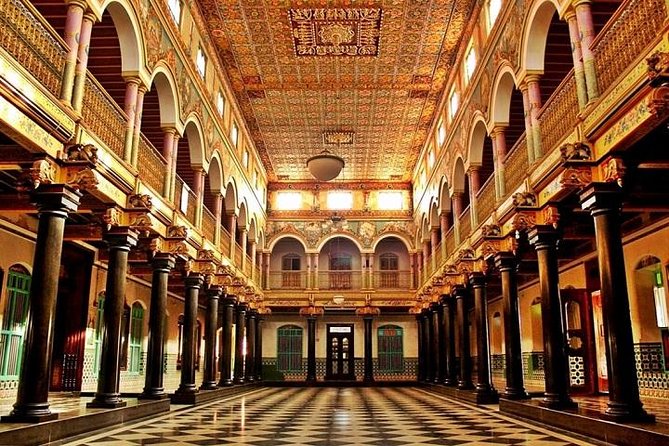
Chettinad breaks up the temple sequence with a very different kind of architecture. The area is known for Chettiar mansions built with marble, Burma teak, wide courtyards, and large interior rooms. The scale tells you that these were homes for prosperous families, not modest village houses.
A traditional detail described here is especially memorable: walls were said to be polished with a paste made from egg white to create a smooth finish. You visit the Chettiar mansions and a museum, though the museum admission fee is not included.
The planned stop lasts about three hours, but Chettinad benefits from a relaxed eye. Look at doorways, columns, tiled surfaces, courtyards, and the way houses are arranged around shared space. You do not need a long lecture to understand that this region had its own style and wealth.
This is also a practical point in the trip. After several major temples, Chettinad gives you a quieter architectural subject. I would ask in advance which mansion or museum is included and how much time is available, since entry arrangements can affect the visit.
Madurai: temple worship after dark
Madurai is one of the strongest stops on the route. The Meenakshi Temple is not a silent ruin. It is an active place of worship, and the scale of its towers, halls, and religious activity can feel overwhelming in the best way.
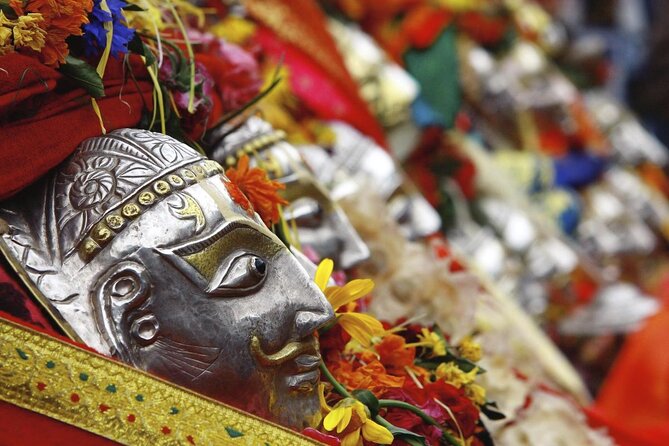
You also visit Vandiyur Mariamman Teppakulam, a large temple tank, and Thirumalai Nayak Palace. The palace adds a royal counterpoint to the temple’s religious focus. In the evening, you attend the Aarti ceremony at Meenakshi Temple. That timing matters. The ritual gives you a chance to see the temple functioning as a place of faith rather than only as a historic monument.
The sightseeing period is about four hours, but the day can feel longer because of the heat, crowds, and temple walking. Dress respectfully and follow local instructions about photography and footwear. Monument and entrance charges are not covered, so confirm the current arrangements with your guide.
Madurai is a good place to slow down mentally, even though the schedule remains active. I would treat the evening ceremony as one of the central moments of the whole trip, not as an extra item squeezed in after sightseeing.
Munnar: from carved stone to tea hills
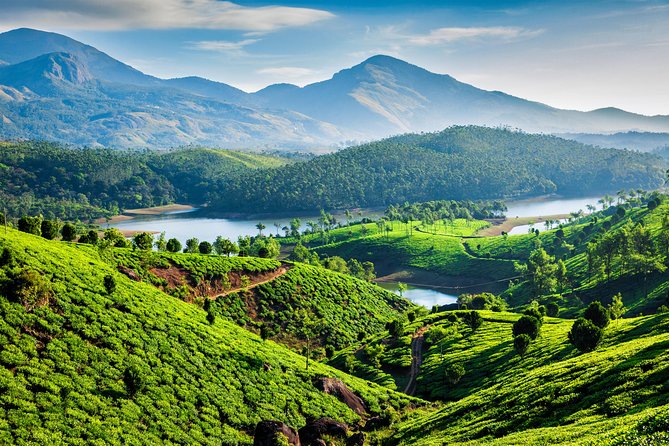
The drive to Munnar takes about five hours. This is one of the longer road sections, but it delivers the biggest visual change. Munnar is associated with the meeting of three rivers, Madhurapuzha, Nallathanni, and Kundaly, and with hills covered by tea plantations.
You leave behind Tamil Nadu’s temple towns and enter Kerala’s higher country. The road journey itself becomes part of the experience, though you should be realistic about the time spent in the vehicle. If you are prone to motion sickness, prepare accordingly.
The next day includes Atukkad Cascades, Chithirapuram tea plantations, a floriculture center, and a tea museum. This combination gives you several ways to understand Munnar. The plantation visit shows how tea shapes the local economy and scenery. The museum offers context, while the waterfall and flower center provide variety.
The stop lasts about four hours. It is not a demanding trek, but the tour does not promise an extended plantation walk or a long wilderness hike. Ask your guide how much walking is involved at each location. I like this section because it gives you a break from temples without abandoning cultural learning.
Thekkady and Periyar Lake: wildlife with a practical warning
From Munnar, you drive about three hours to Thekkady and the Periyar Wildlife Sanctuary. After checking in, you take a boat ride on Periyar Lake.
The boat ride is a pleasant way to see the sanctuary from the water, but you should keep expectations sensible. Wildlife sightings are not guaranteed, and the ride depends on access and operating conditions. Entry to Periyar National Park is not included, and the boat or park ride is subject to availability.
This is one of the places where the private format has limits. Your vehicle and guide are arranged for the tour, but the sanctuary operates under its own rules. I would confirm the boat schedule and entry costs before departure, especially if this stop is important to you.
Kumarakom and Alleppey: Kerala’s water country
Kumarakom is mainly a rest stop in this schedule. After the drive and hotel check-in, the day is free at leisure. That free time is useful because the trip has been moving steadily since Chennai. Services of the vehicle are not included during leisure time or after scheduled sightseeing, so do not assume you can add unlimited local excursions without arranging them separately.
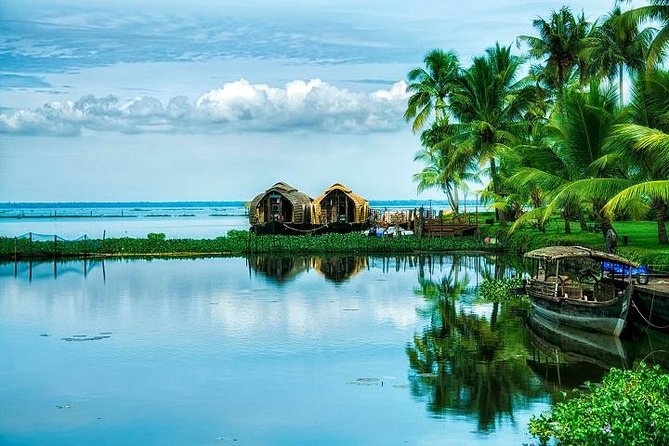
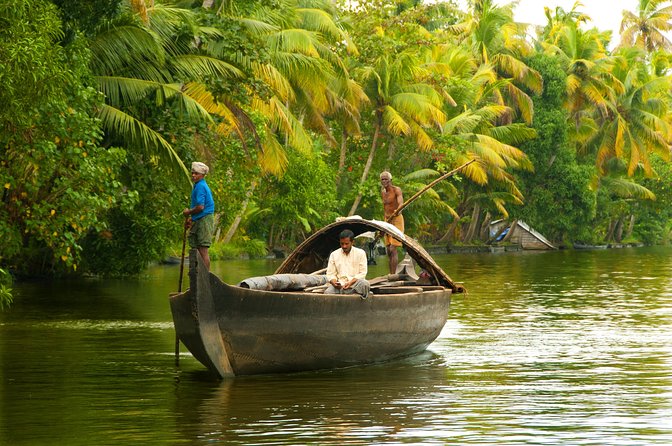
The next day takes you to Alappuzha, also called Alleppey, where you board the houseboat. This is the signature Kerala experience. The boat cruises through the backwaters, passing rice paddies and village areas, then anchors for the night.
The operating details are worth knowing. The boat anchors near rice fields for lunch, then resumes cruising. In the evening, tea or coffee and snacks are served. At night, the boat anchors near a village because cruising is not possible after dark, when local fishermen set their nets. Dinner is served onboard, and all meals are included during the houseboat stay.
This is not a nonstop cruise until bedtime. It is a working waterway with fishing, farming, and village life, and the pauses are part of the experience. Cruising depends on the weather, so a change in conditions can affect the route. I like that the overnight stay is built into the trip rather than treated as a quick afternoon ride.
What the $1,750 price really covers
At $1,750 per person, the price is easiest to judge by looking at what is bundled together. You receive 12 nights of 3-star accommodation, meals listed as breakfast, lunch, and dinner, private air-conditioned transport for scheduled sightseeing, airport transfers in Chennai and Kochi, English-speaking guides, one Periyar boat ride, and a houseboat night with all meals.
That is a useful package for someone who wants one company handling a complicated point-to-point route. A private vehicle, driver, hotel changes, guides, and airport transfers can add up quickly when booked separately. The three-star category also keeps the trip below luxury pricing.
Still, the advertised figure is not the final spending figure. Add monument fees, Periyar National Park entry, tips, insurance, drinks, laundry, telephone calls, optional meals, and personal purchases. The tour also does not cover costs caused by weather, illness, roadblocks, or flight changes.
I would compare the price with the value of time and organization. If you enjoy arranging each hotel, transfer, and ticket yourself, you may find a custom plan more flexible. If you want a single point of contact and a private road route through two states, the package is easier to manage.
Who will enjoy this South India route
I would recommend this tour to you if you want:
- A first visit that combines Tamil Nadu and Kerala
- Temple architecture with active religious ceremonies
- A private vehicle instead of a large coach
- A planned route with hotels, meals, and transfers handled
- Several different settings, including cities, plantations, forest, and backwaters
- A houseboat night without arranging the boat separately
I would be more cautious if you dislike long drives, frequent hotel changes, heat, walking, or fixed schedules. The tour suits most people who can participate in ordinary sightseeing, but comfort will depend on your tolerance for road travel and busy temple visits.
The private format helps, yet it does not turn every day into a slow custom holiday. It gives you privacy and easier coordination, not unlimited free time.
Final verdict: book it for contrast and convenience
I would book this tour if my goal were to see the main cultural highlights of Tamil Nadu and the classic natural sights of Kerala in one organized trip. The strongest moments are likely to be Mahabalipuram’s rock temples, Madurai’s evening Aarti, the Chettinad mansions, Munnar’s tea country, and the overnight houseboat near the rice paddies.
I would not book it without first checking the exact hotel names, monument fees, Periyar access, language arrangements, and what is included in the single, twin, or triple room plan. The cancellation policy is strict: the experience is non-refundable and cannot be changed after booking.
For the right person, the $1,750 cost buys a useful balance of private transport, local guidance, meals, and variety. Just bring patience for the roads, sensible expectations about wildlife, and enough room in your schedule to appreciate the places between the major sights.
FAQ
How long is the South India tour?
The tour lasts approximately 13 days and includes 12 nights of accommodation.
Where does the tour start and finish?
The tour starts with arrival at Chennai International Airport and ends with a transfer to Cochin International Airport in Kochi.
Is transportation private?
Yes. Sightseeing is provided in an air-conditioned private vehicle for your group.
Are meals included?
Breakfast is included during the hotel stays, and the package also lists lunch and dinner. All meals are included during the houseboat stay in Alleppey.
Are monument entrance fees included?
No. Monument fees and entry fees are not included in the price.
Is the Periyar boat ride guaranteed?
One boat ride in Thekkady is included, but the boat or park ride depends on accessibility and operating conditions. Entry to Periyar National Park is separate.
Can the tour be canceled or changed for a refund?
No. The experience is non-refundable and cannot be changed for any reason after booking.
New to the itinerary around India
- New Delhi: Mughal’s architecture tour with transfers★ 4.0 · 7 reviews
- 2 day tour from Mumbai to architectural wonder of Mandu★ 5.0 · 2 reviews
- Goa Walking tour: History, Culture, Art and architecture★ 4.5 · 2 reviews
- British Architecture Walk in Chennai by Wonder tours★ 5.0 · 10 reviews
- Day trip from Bangalore to Lepakshi for Temple architecture & paintings★ 5.0 · 15 reviews
- Old & New Delhi Culture & Architecture City Private Tour★ 4.9 · 9 reviews
- Kanchipuram: Temple Architecture & Silk Weaving from Chennai★ 4.8 · 3 reviews
- Mumbai: Story of Mumbai through its architecture★ 5.0 · 2 reviews
India Architecture Tours, compared.

Delhi Hidden Gems: Mehrauli, Lodhi Art & Sunder Nursery
Read our review →
British Architecture Walk, an immersive walking tour in Chennai
Read our review →
The Hipster Chandigarh Architecture History Tour
Read our review →
Mumbai heritage walk- Story of Gothic and Art Deco buildings
Read our review →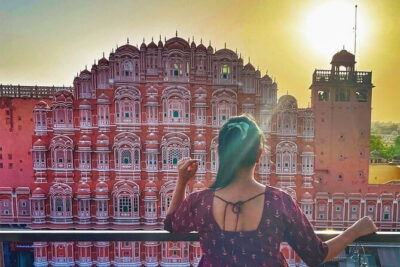
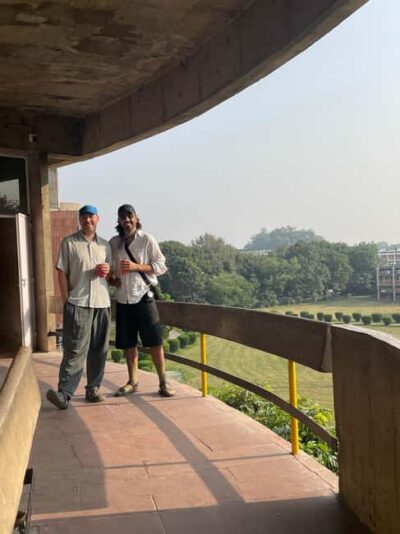
Le Corbusier’s Chandigarh : A Complete Architecture Tour
Read our review →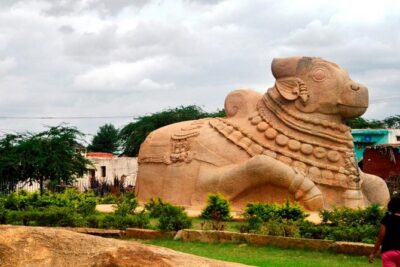
Day trip from Bangalore to Lepakshi for Temple architecture & paintings
Read our review →
Victorian Gothic Heritage Quarter and Art Deco Walking Tour
Read our review →Other lists with this tour