
Review · ITALY
Discover Coppedè in Rome: Liberty architecture, symbols, and jewels
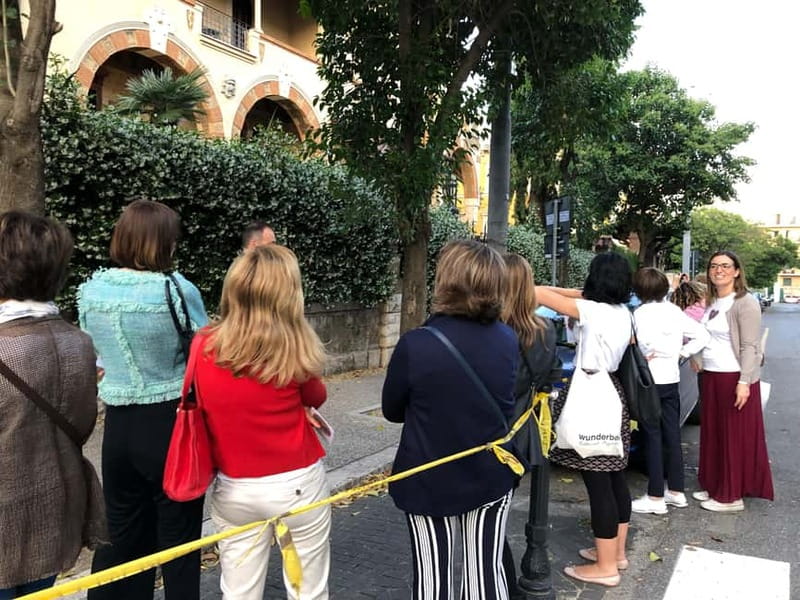
Coppedè is Rome’s architectural oddball, a compact district where frogs, bees, and spiders appear among palaces and villas. This walk makes the area even more unusual by linking those creatures to the symbols used by famous jewelry houses.
I like the tour’s small group of eight and its unusual art-to-jewelry theme. Laura Galloppo keeps the walk active and personal, with materials to consult and a free postcard. The main consideration is its niche subject: if you want ancient Rome or major monuments, this is not the right outing. The two-hour walk also has no food stop or indoor ticketed attraction.
Key points to know before booking
- Gino Coppedè’s Rome: See the Florentine architect’s personal mix of Liberty, fantasy, and architectural symbols.
- Animals with meaning: Look for frogs on the fountain, carved bees, and the spider linked to the Palazzo del Ragno.
- Art meets jewelry: Connect Coppedè’s creatures with Cartier’s panther, Bulgari’s snake, Chanel’s lion, and other design symbols.
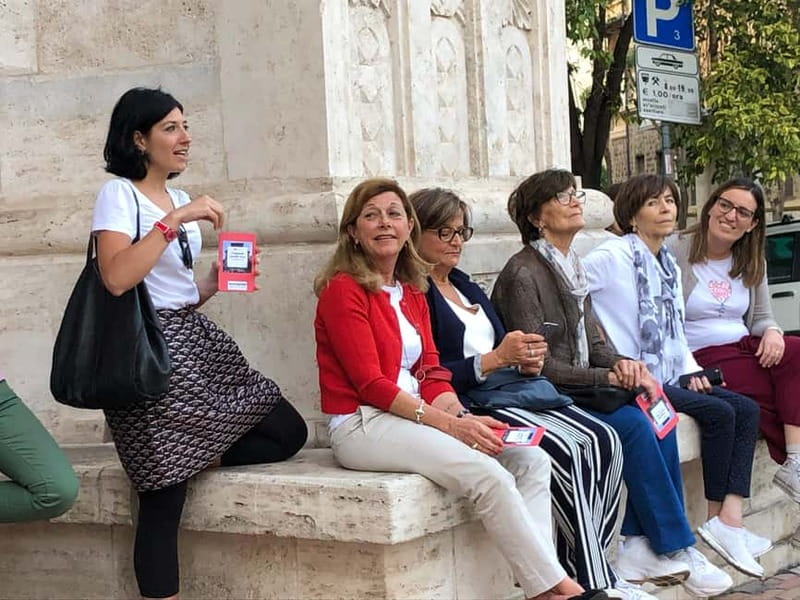
- A small, active group: The tour is limited to eight people, giving you a better chance to ask questions and follow the visual details.
- Simple walking logistics: Meet under the monumental arch at Via Tagliamento and Via Dora for a two-hour walk on flat ground.
- Useful extras: The experience includes tour materials, creative content, and a free souvenir postcard.
Why Coppedè feels unlike the rest of Rome
Rome is full of famous ruins, grand churches, and Baroque squares. Coppedè offers something different: a small architectural quarter shaped by one designer’s imagination.
The district takes its name from Gino Coppedè, a Florentine architect who challenged the usual design rules of his period. His work here combines Liberty architecture with medieval-looking details, fantasy creatures, decorative stonework, and theatrical entrances. The result does not settle neatly into one style.
That uncertainty is part of the fun. You are not simply looking at handsome buildings. You are trying to work out what each detail is doing there, what it might mean, and how the parts fit together.
Laura Galloppo’s approach gives you a useful way into the district. Instead of treating the buildings as isolated façades, she connects the architecture to animal symbolism and then to jewelry. That creates a clear thread for the walk. You begin with stone and plaster, move to stories and symbols, and finish with precious materials and famous design houses.
This is a smart choice if you have already seen Rome’s headline sights and want an outing built around close observation. You will spend less time ticking off monuments and more time noticing small details that are easy to miss on your own.
More Architecture Tours around Italy:
- Lecce: Baroque Architecture and Underground Walking Tour
★ 4.6 · 1,248 reviews - Experience Florence’s Art and Architecture on a Walking Tour
★ 5.0 · 318 reviews - Palermo: Art and Architecture Walking Tour
★ 4.7 · 136 reviews
Meeting beneath Coppedè’s monumental arch
The tour begins at the corner of Via Tagliamento and Via Dora, under the monumental arch of the Coppedè district. This meeting point is more than a convenient marker. It introduces you to the district’s mood right away.
The arch frames the entrance and prepares you for the unusual buildings ahead. Rather than starting with a long history lecture, the setting itself gives you something to inspect. Look up, study the decorative forms, and expect Laura to use the architecture around you as part of her introduction.
The location is in Rome’s northern Coppedè area, away from the city’s main tourist circuit. The supplied information does not give a travel time from central Rome or specify a recommended bus, tram, or metro route, so check your route before setting out. Allow enough time to arrive at the exact corner, especially if you are unfamiliar with the neighborhood.
The address is precise, but the meeting point is outdoors. It is wise to arrive ready for a walking tour rather than expecting a staffed office or indoor welcome desk.
A 30-minute look at Coppedè’s buildings
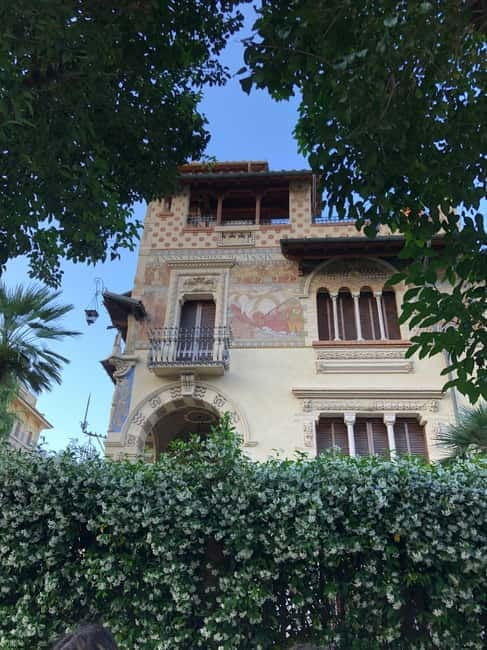
The listed itinerary includes a 30-minute section for a photo stop, visit, guided tour, and walk. That portion gives you time to take in the district’s key visual details, while the full activity lasts two hours.
The buildings are the real starting point for the story. Coppedè’s villas and palaces were shaped by a designer who did not want architecture to behave politely. Decorative elements compete for your attention, and the experience rewards slow looking.
You might first notice the broad forms of a building, then a carved detail, then an animal hidden in the design. That gradual discovery is important. If you rush through Coppedè, the area can seem like a collection of strange façades. With guidance, the details become part of a larger system of signs.
The photo stop is useful for anyone who enjoys architecture photography, but you should keep your camera in its place. The tour’s value is not just in collecting pictures. Laura’s explanations are meant to show why a particular creature or ornament matters.
Because no entrance ticket is required, the experience takes place in the public area. You will not be touring private interiors or paying to enter a museum. That keeps the outing straightforward, though it also means the focus remains on exterior architecture and street-level observation.
Frogs, bees, and the spider of Coppedè
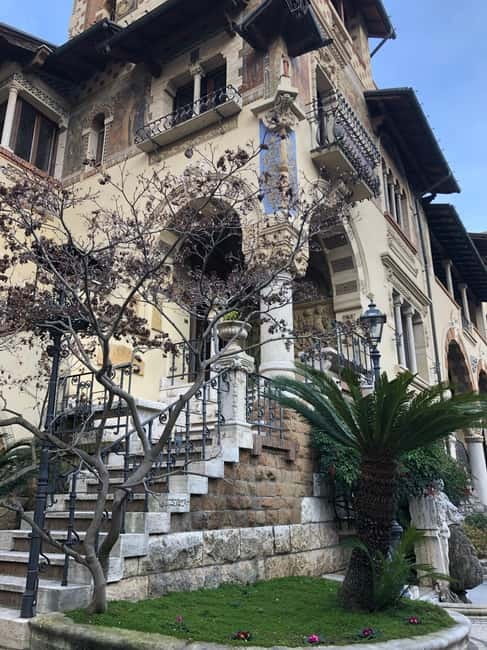
The animal symbols give this walk its strongest hook.
At Piazza Mincio, frogs top the fountain. They are playful details, but they also invite a larger question: why place animals in architecture, and how do those creatures change the way you read a public space?
You will also see bees carved into rock. Bees can suggest work, order, community, and activity, although the tour’s purpose is not simply to assign one fixed meaning to every image. The point is to notice how symbols operate and how a designer can make architecture feel alive.
Then comes the protective spider associated with the Palazzo del Ragno, or Spider Palace. The spider is especially effective as a symbol because it can seem both decorative and watchful. Its presence gives the building a character of its own.
These are the kinds of details you might walk past without help. Coppedè is not a district where every attraction announces itself with a large sign. Laura’s route turns your attention toward small carved forms and explains how they contribute to the atmosphere.
The tour blends documented architectural ideas with the legends and stories that have grown around the district. That combination should appeal to you if you like a little mystery, but it is worth knowing that the experience is not presented as a conventional academic architecture lecture. It uses storytelling, symbols, and connections between fields to keep the walk moving.
Same streets, read through a different style:
- Naples: San Gaudioso Catacombs Guided Tour
★ 4.7 · 1,105 reviews - Caprarola: Villa Farnese, masterpiece of Renaissance architecture
★ 4.5 · 28 reviews - Best of Bologna in one day : Food, architecture, art and history
★ 5.0 · 27 reviews - Private Tour: Venice Art and Architecture Walking Tour
★ 4.0 · 22 reviews
From architecture to famous jewelry symbols
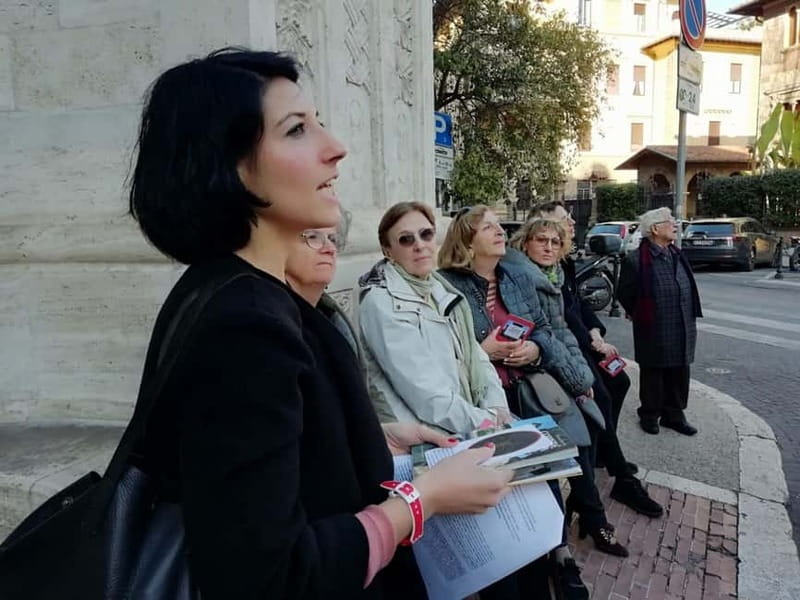
The most original part of the experience comes when the animals leave the buildings and enter the world of jewelry.
Laura connects Coppedè’s creatures with the symbolic animals used by major jewelry brands. The examples include Chanel’s lion, Cartier’s panther, and Bulgari’s snake. These are not random decorations. Animal figures can suggest strength, protection, sensuality, independence, danger, or transformation.
That connection makes the second half of the walk feel practical rather than tacked on. You begin to understand why a person might form a lasting emotional bond with a ring, necklace, bracelet, or brooch. Jewelry can carry personal memories, but it can also borrow meaning from an animal, stone, myth, or family tradition.
The route also covers the historical origin of precious stones. The supplied details do not name specific stones or promise a jewelry display, so you should expect explanation rather than a shopping visit or museum collection. This is about the ideas behind jewelry and the way designers use symbols.
I like this theme because it gives the tour a reason to exist beyond a standard neighborhood walk. Many architecture tours stop at style and dates. Many jewelry discussions stop at brands and materials. This experience places the two subjects beside each other and asks you to compare how buildings and jewelry communicate.
It is also a useful reminder that symbols are not limited to one medium. A frog carved into a fountain and a panther used by a jewelry house may serve different purposes, yet both can shape how you feel about an object or place.
What the two-hour format feels like
Two hours is a good length for this kind of walk. You have enough time to move through the district, stop for photographs, hear the main stories, and follow the transition from architecture to jewelry without turning the outing into a full-day commitment.
The terrain is flat and described as suitable for everyone, with no previous experience needed. You should still wear comfortable shoes because the activity is entirely on foot. The information provided does not give a detailed stop-by-stop schedule, so expect the pace and order of the discussion to depend on the guide and the group.
This is a live tour in English or Italian. Some content is shown in its original language, which may matter if you want every piece of written or visual material translated. Ask Laura for clarification during the walk if a phrase or source is not clear.
The group limit of eight is one of the tour’s practical strengths. A small group makes it easier to gather around a detail, hear the guide, and ask about an animal or building. It also suits a subject where the best moments may come from a quick question or a shared observation.
The experience is wheelchair accessible, and the walk is on flat terrain. Still, accessibility can depend on the exact street conditions and the group’s movement, so contact the provider if you need more specific information than the general accessibility statement.
Materials, creative content, and the postcard
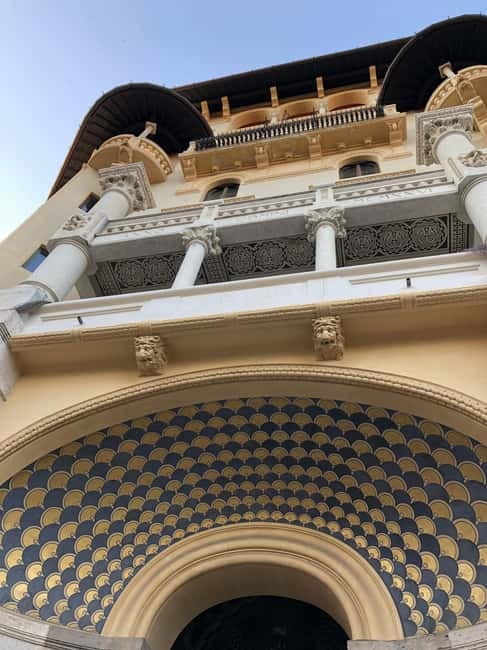
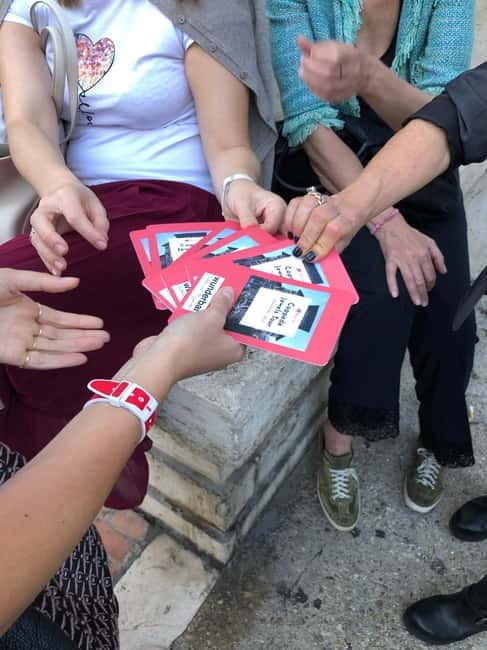
The tour includes materials to consult, creative content, and a free souvenir postcard. These extras fit the subject well.
Printed or visual materials can help you compare an architectural animal with its jewelry counterpart. They also give you something to revisit after the walk, when you may notice that a symbol has stayed in your mind more clearly than a building name.
The phrase creative content suggests that the presentation is not limited to a standard guided script. You can expect an interactive style rather than a purely one-way lecture. The experience description emphasizes interaction and dynamism, so be ready to look closely, respond, and follow the connections Laura introduces.
The postcard is modest, but useful. It gives you a physical reminder of a district that many Rome itineraries leave out. It may also help you remember the tour’s central idea: architecture and jewelry both use images to create feeling.
There is no food included. Since the activity lasts two hours, that is not a major problem, but plan your meal or coffee separately. There are also no entrance tickets because the route uses public areas.
Is $35 a fair price?
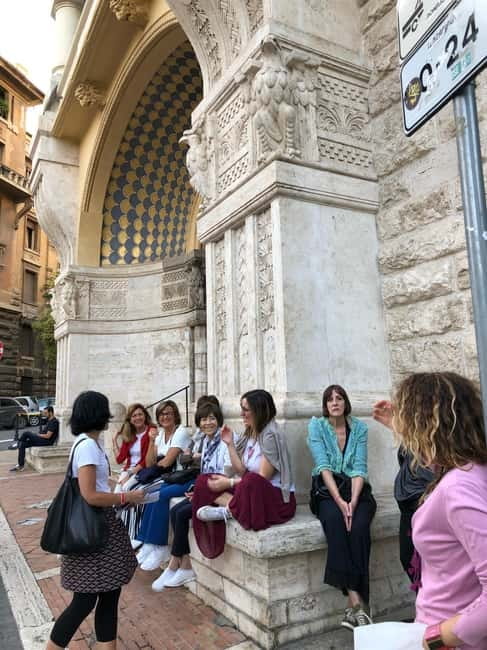
At $35 per person, this is not the cheapest way to take a walk in Rome. You can stroll through Coppedè without paying an admission fee. The question is what you gain from having Laura guide you.
The value rests in the interpretation. Without a guide, you can photograph the fountain, the arch, the palaces, and the decorative animals. With this tour, you get a focused story linking those details to the history of precious stones and the animal symbols of major jewelry brands.
The small group improves that value. Eight people is a manageable number for a specialist subject, and the guide can keep the walk responsive. The materials and postcard add a little practical value, though they should not be the reason you book.
I would consider the price fair if you enjoy architecture, design, fashion, jewelry, or unusual Rome neighborhoods. It is less compelling if you only want to see as many major monuments as possible in a short stay. The tour earns its price through its subject and presentation, not through an included attraction or meal.
Free cancellation up to 24 hours before the start gives you some flexibility, and you can reserve now and pay later. Those terms are useful if your Rome schedule is still changing.
Who should book this Coppedè walk?
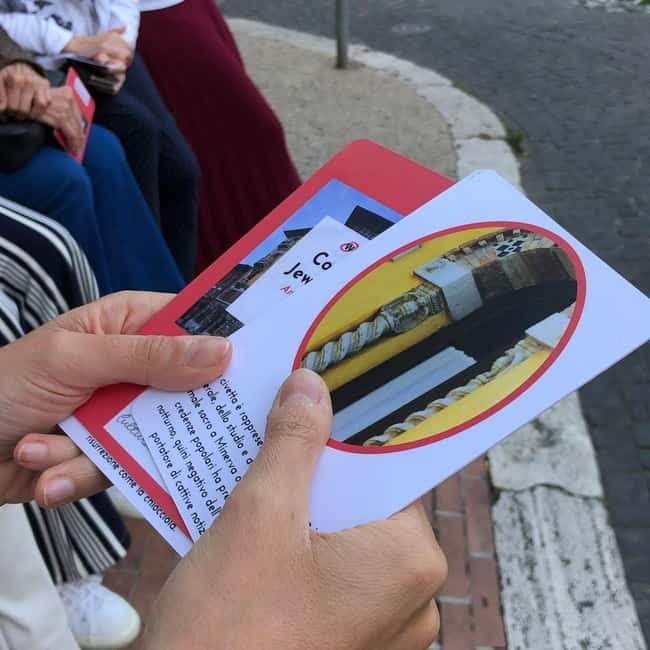
This experience is a strong match for you if you like:
- Architecture that breaks the usual rules
- Art Nouveau and Liberty design
- Symbolism, myths, and visual storytelling
- Jewelry brands and the meanings behind their animal motifs
- Small-group tours with a live guide
- Rome neighborhoods outside the main sightseeing route
It should also suit couples, solo visitors, and friends who want a shared subject to discuss as they walk. The content is unusual enough to make the outing feel different from another tour of churches, ruins, or piazzas.
Families may enjoy the frogs, bees, and spider, especially if children like spotting creatures in buildings. Still, the jewelry history and symbolic discussion may appeal more to older children and adults. The supplied information does not give a minimum age, so check before booking if that matters to your group.
I would not choose this tour as your first and only Rome experience. It does not replace the Colosseum, the Roman Forum, or the Vatican. It works better as a second-layer experience, once you want to see how a quieter part of the city expresses ideas through design.
Final call: book it for a different side of Rome
Book this tour if you want a focused, two-hour look at Coppedè and like the idea of moving from architectural animals to jewelry symbols. Laura Galloppo’s English or Italian tour gives you a clear theme, a small group, creative materials, and a postcard, all without an entrance fee.
Skip it if your interests are limited to ancient history or major monuments. Coppedè rewards curiosity, and the tour asks you to care about carved bees, fountain frogs, a protective spider, and the emotional meaning of jewelry.
For the right audience, that is exactly the appeal. You leave with a new way to read both a building and a piece of jewelry, which is a useful souvenir from Rome.
FAQ
Where does the Coppedè tour meet?
The meeting point is under the monumental arch of the Coppedè district, at Via Tagliamento on the corner of Via Dora.
How long does the tour last?
The guided walking tour lasts two hours.
Is the tour offered in English?
Yes. The tour is available in English and Italian. Some content is shown in its original language.
Is the walk suitable for wheelchair users?
The activity is listed as wheelchair accessible and takes place on flat terrain suitable for everyone.
What is included in the price?
The price includes the guided walking tour, tour materials to consult, creative content, and a free souvenir postcard.
Are entrance tickets or food included?
No food is included, and no entrance ticket is needed because the tour takes place in a public area.
New to the itinerary around Italy
- Vicenza: Palladian Architecture Private Walking Tour★ 3.3 · 3 reviews
- Architectural Milan: Private Tour with a Local Expert★ 4.5 · 2 reviews
- The Architect’s Water★ 4.5 · 11 reviews
- Architectural Florence: Private Tour with a Local Expert★ 5.0 · 3 reviews
- Rione Sanità: tour among street art, architecture, folklore★ 4.5 · 2 reviews
- Palermo Tour: Magnificent Mixture Of Architectural Styles★ 4.2 · 6 reviews
- Bologna: Guided Architecture Walking Tour★ 4.5 · 2 reviews
- Borgo Parrini Gaudí-style: a walking tour in a colorful art village★ 4.8 · 9 reviews
Italy Architecture Tours, compared.
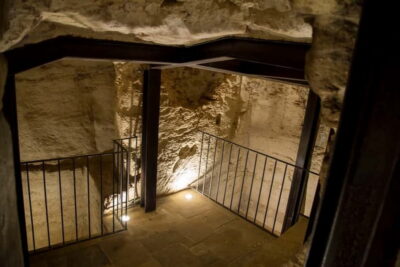
Lecce: Baroque Architecture and Underground Walking Tour
Read our review →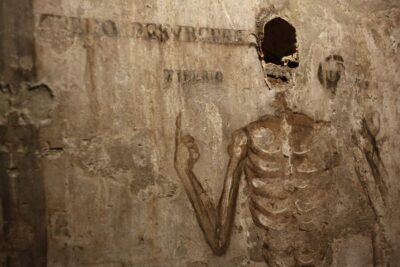
Experience Florence’s Art and Architecture on a Walking Tour
Read our review →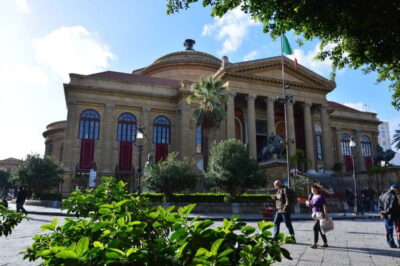
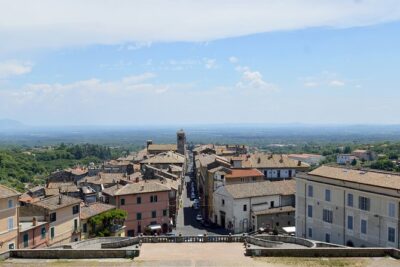
Caprarola: Villa Farnese, masterpiece of Renaissance architecture
Read our review →
Best of Bologna in one day : Food, architecture, art and history
Read our review →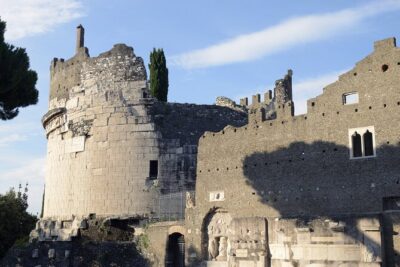
City Walk with Architect: Private walking tour of Rome
Read our review →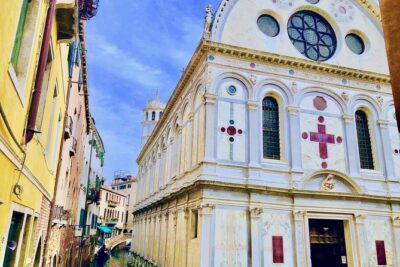
Private Tour: Venice Art and Architecture Walking Tour
Read our review →Other lists with this tour