
Review · ITALY
The Architect’s Water
The best part of The Architect’s Water is that it gets you away from Lucca’s crowded center and into the countryside by bike. You follow the long Lorenzo Nottolini Aqueduct toward Guamo Valley, seeing an 1812 work of engineering that many visitors miss.
I like the relaxed, small-group format and the fact that the route is roughly 15 kilometers, mostly on bike paths. I also like the practical setup: you can rent a standard bike or e-bike at the meeting point, and guides such as Alessandro and Federica add context along the way.
The main caution is that the ride is not entirely effortless. A short road section and stairs near a major highway can be awkward, especially if you are a casual cyclist or using a heavy rental bike.
Key points to know before you book
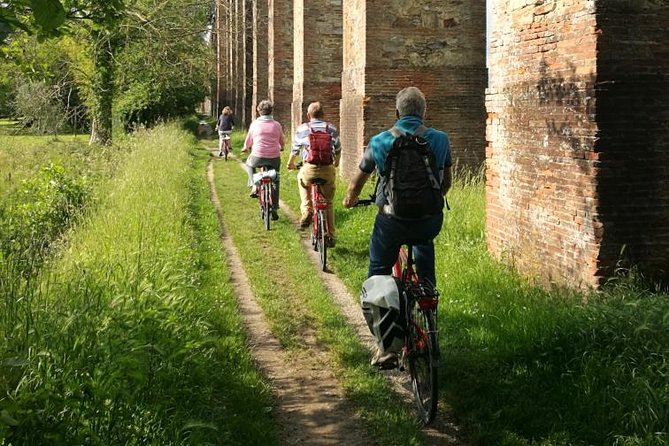
- Follow the Nottolini Aqueduct: The route traces a striking 1812 aqueduct toward the small Guamo Valley.
- Ride beyond central Lucca: You trade city streets and crowds for open countryside and a quieter pace.
- Plan on about 15 kilometers: The cycling is generally manageable, but some parts require care.
- Budget separately for the bike: Standard rental costs €15 for three hours, while an e-bike costs €30.
- Small groups keep the ride personal: The maximum is 12 people, with live commentary from a local guide.
- Weather matters: Poor conditions can lead to a new date or a full refund.
Why this ride shows you a different side of Lucca
Lucca is famous for its intact city walls, narrow lanes, and handsome churches. Those sights deserve your time, but the city can feel busy, especially when several tour groups gather around the same central landmarks.
This three-hour bike outing gives you a useful change of pace. You leave the center, head toward the slopes of Monte Pisano, and follow the route of water instead of following the usual sightseeing circuit. That shift is the point. You are not simply adding another monument to your list. You are seeing how Lucca’s surrounding countryside connects with the city’s architecture and engineering.
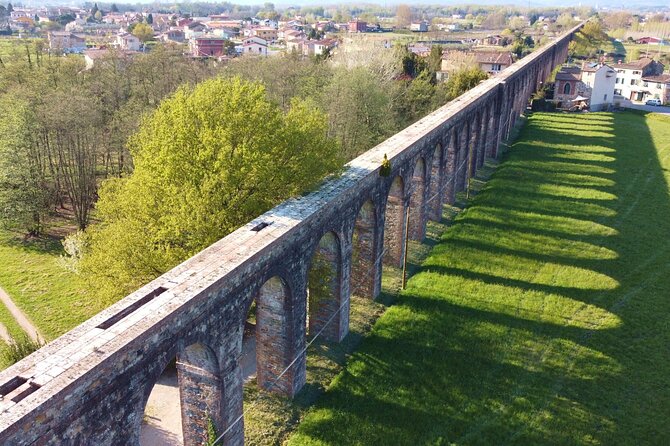
The aqueduct is the star. It is not an ancient Roman structure, so you should not book this expecting classical ruins. The Lorenzo Nottolini Aqueduct was built around 1812, and its long line of arches still gives the ride a strong visual focus. It is a reminder that useful public works can also shape a place’s identity.
I find the experience most appealing for visitors who have already spent time inside Lucca and want a few hours outdoors. It also works early in a stay if you want an overview of the area before returning to the city’s museums and churches.
More Architecture Tours around Italy:
- Lecce: Baroque Architecture and Underground Walking Tour
★ 4.6 · 1,248 reviews - Experience Florence’s Art and Architecture on a Walking Tour
★ 5.0 · 318 reviews - Palermo: Art and Architecture Walking Tour
★ 4.7 · 136 reviews
Starting at Pro Classic Cycle
You meet at Pro Classic Cycle on Via Fontana 31, in Lucca. The bike rental arrangement is handled at the starting point, which keeps the morning or afternoon fairly simple. You do not need to arrange a separate transfer to reach a distant trailhead.
The tour price is listed at $100.88 per person, but the bicycle is extra. A standard bike costs €15 for three hours, and an e-bike costs €30. That distinction matters when you compare the total cost with other Lucca activities. You are paying for a local guide, route planning, commentary, and a small-group outing, then adding the equipment that gets you moving.
Wear comfortable, close-fitting clothes. Loose clothing can be annoying around bicycle pedals and wheels, while practical clothes make the ride easier. Children must be accompanied by an adult, and the activity requires at least two people per booking.
The group can include up to 12 people. That is small enough for a guide to offer useful instructions and answer questions, though the exact feel will depend on how many places are filled.
Leaving Lucca for the Monte Pisano slopes
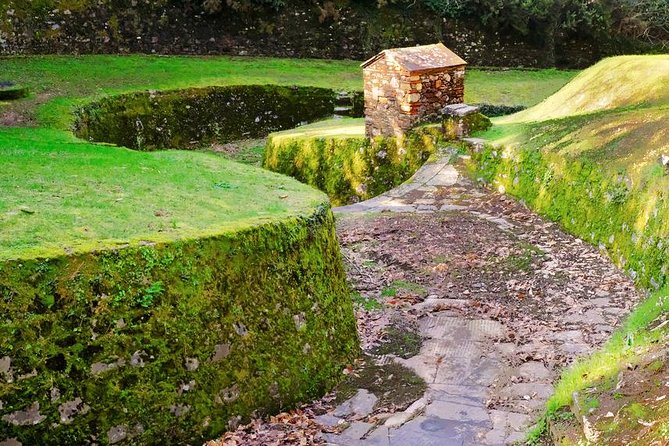
The ride leads away from the city center toward the slopes of Monte Pisano. You gradually exchange urban streets for a more open setting, with the route focused on countryside, waterways, and the aqueduct.
This is not presented as a hard athletic ride. The total distance is about 15 kilometers, and one useful description of the route notes that the cycling is not difficult for most casual riders. Much of the route uses bike paths, with only a very short stretch on a road.
That said, not difficult does not mean completely flat or effortless. You will be cycling for around three hours, including stops and commentary, so you should be comfortable sitting on a bike for a sustained outing. If you rarely cycle, ask about the e-bike before setting off. The extra €15 may be worthwhile if you prefer help on any inclines or simply want to conserve energy.
The route’s appeal is its scale. You cover enough ground to see more than you could on foot, but you are not racing from point to point. Your guide can talk about the aqueduct and the countryside as you go, rather than saving every explanation for one crowded stop.
Acquedotto del Nottolini and the route to Guamo Valley
The main stop is the Acquedotto del Nottolini, also called the Lorenzo Nottolini Aqueduct. You follow its line toward the small valley of Guamo, with the aqueduct’s arches providing a clear thread through the ride.
You should allow about 30 minutes for the aqueduct stop itself. There is no separate admission ticket, so the experience is centered on the setting and the guide’s explanation rather than an indoor exhibit or formal visitor center.
The aqueduct is interesting precisely because it is practical. Built around 1812, it belongs to a later period than the Roman structures often associated with Italy. Its value comes from the way it carries architecture into the countryside, making water management visible on a grand scale.
The stop also gives you a useful point of contrast. In Lucca, you may spend much of your sightseeing time looking at walls, towers, and churches. Here, you are looking at infrastructure. The arches, water route, and surrounding valley show a quieter side of local history.
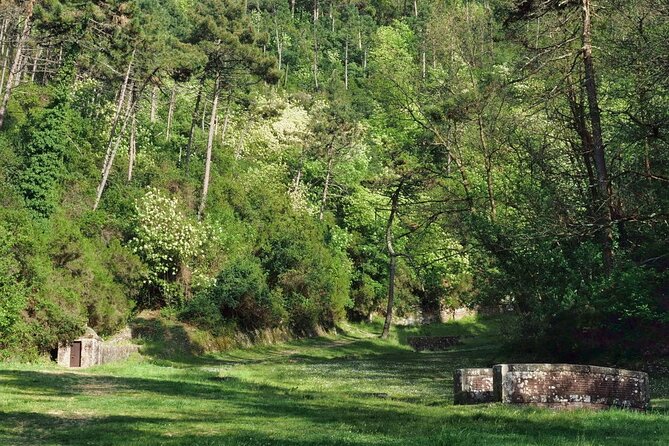
The Guamo Valley adds the countryside setting that makes the tour worthwhile. You are not stopping at the aqueduct and immediately turning back. The route uses the structure as a guide toward a smaller rural area, where the pace feels less urban.
One practical point deserves attention. A portion of the ride requires hauling yourself and possibly your bike up and down stairs near a major highway. This is the clearest physical drawback in the available route information. It may be brief, but stairs can feel awkward with a rental bicycle, and an e-bike is heavier than a standard bike. If this would be a serious problem for you, ask the provider about the current route before booking.
Same streets, read through a different style:
- Naples: San Gaudioso Catacombs Guided Tour
★ 4.7 · 1,105 reviews - Caprarola: Villa Farnese, masterpiece of Renaissance architecture
★ 4.5 · 28 reviews - Best of Bologna in one day : Food, architecture, art and history
★ 5.0 · 27 reviews - Private Tour: Venice Art and Architecture Walking Tour
★ 4.0 · 22 reviews
What the local guide adds
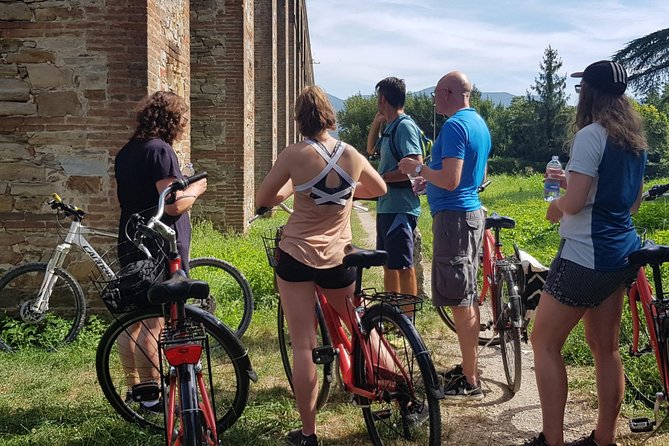
The tour includes live commentary from a local guide. That changes the outing from a simple bike rental into a guided look at Lucca’s water system and countryside.
Alessandro is described as careful and informative, with attention to safe riding. Federica is also noted as a helpful leader who explains the aqueducts and points out other things along the way. Since guides can vary by date, you should not assume a particular person will lead your departure, but these names give you a sense of the local team involved.
Good guiding matters on a route like this because the aqueduct is easy to appreciate visually but harder to understand in context. The guide helps connect the structure to the flow of water, the surrounding land, and the smaller features along the route.
The commentary also keeps the ride from becoming a silent transfer between Lucca and Guamo. You have someone to help with directions, explain what you are seeing, and set a sensible pace for the group. That is especially useful when people have different levels of cycling experience.
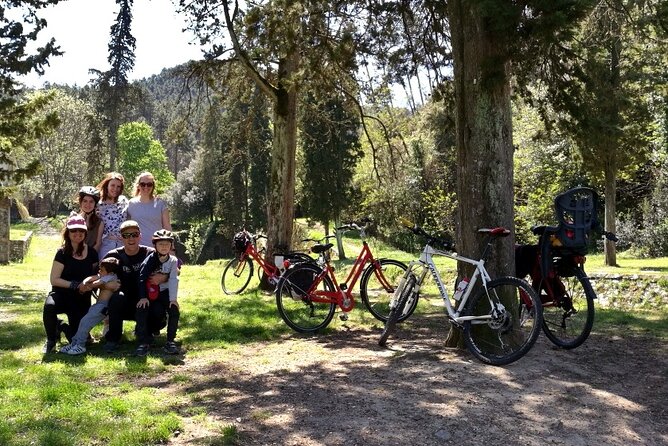
A small group makes conversation easier. With a maximum of 12 participants, the guide is not addressing a huge procession of cyclists. You can ask questions without holding up a large crowd, and the ride should feel more personal than an open-ended rental.
Bike rental, e-bike choice, and physical effort
The bicycle is not included in the listed tour price. Standard bike rental is €15 for three hours, and an e-bike costs €30. You rent at the meeting point, which is convenient, but remember to add this cost when calculating the final price.
For a regular cyclist, the standard bike should be the natural choice. The route is about 15 kilometers and is described as manageable, with most of the riding on bike paths. You will still need basic balance, awareness, and comfort around a short section of road.
An e-bike makes more sense if you are uncertain about the slopes near Monte Pisano, dislike exertion in warm weather, or simply want to focus on the scenery. The price difference is €15, which is modest compared with the total tour cost. The tradeoff is weight, especially when dealing with the stairs mentioned above.
I would not choose an e-bike automatically for every rider. If carrying a heavier bike is difficult for you, the standard model may actually be easier in that one awkward section. The right choice depends on your strength, cycling habits, and comfort with hills.
The tour is suitable for many casual cyclists, but it is not a sightseeing bus with a few pedals added. You should be ready to ride for much of the three-hour period and manage your bicycle safely.
Coffee, timing, and the overall value
Coffee or tea is included. It is a small detail, but a stop at a local cafe can break up the ride and give you time to rest before continuing. One route account describes stopping at a little cafe on the way down, which fits the tour’s easygoing character.
At $100.88 per person, plus the bike rental, this is not the cheapest way to see the area. The value depends on what you want from your time in Lucca.
If you only want a quick look at the aqueduct, a self-guided rental may cost less. But you would need to plan your own route, find your way into the countryside, and supply the background information yourself. The guided price pays for those practical pieces, along with a small group, a local leader, and a route that reaches places less convenient to visit on foot.
The tour is also a better value for people who enjoy active sightseeing. You get transportation, a countryside outing, and historical context in one package. It saves you from spending the entire day indoors or repeating the same central Lucca streets.
Group discounts may be available, which can improve the price for people booking together. The provider also offers free cancellation up to 24 hours before the start time, giving you some flexibility if your plans change.
Weather and planning around your Lucca stay
The activity depends on favorable weather. If poor weather forces a cancellation, you can choose another date or receive a full refund. That policy is useful, but you should still avoid placing the tour on the only free afternoon of a short visit if rain is likely.
The meeting point is near public transportation, so reaching Pro Classic Cycle should be practical from elsewhere in Lucca. The activity ends back at the same location, which makes it easier to plan lunch, an evening reservation, or another visit afterward.
Confirmation is sent within 48 hours of booking, subject to availability. A minimum of two people is required, and the provider can cancel after confirmation if there are not enough participants. In that case, you are offered another date or a full refund.
This is worth keeping in mind for solo visitors. You cannot book for one person alone under the stated conditions, and even a confirmed departure can depend on the minimum group size. Couples, friends, and families with an adult accompanying each child have a simpler setup.
Who will enjoy this bike tour most
I would recommend The Architect’s Water to you if you want to:
- See more of Lucca than the central historic streets
- Spend a few hours outdoors without committing to a demanding athletic trip
- Learn about the Nottolini Aqueduct from a local guide
- Visit the Guamo Valley by a practical means of transport
- Ride mostly on bike paths
- Join a small group rather than a large city tour
It is less suitable if you want ancient Roman ruins, a completely flat route, or a fully effortless sightseeing experience. The aqueduct is from around 1812, not Roman times, and the stairs near the highway are a real consideration.
It may also be a poor match if you dislike cycling in any form. Renting an e-bike helps with effort, but it does not remove the need to handle a bicycle for several hours.
Should you book The Architect’s Water?
Book it if you have already enjoyed Lucca’s main sights and want a quieter, more active look at the area. The combination of the Nottolini Aqueduct, Guamo Valley, bike paths, and local commentary gives you a side of Lucca that is easy to miss on a standard city visit.
I especially like the balance between structure and free air. You have a clear route and a guide, but the experience is not confined to a museum or a tight schedule of indoor stops. The roughly 15-kilometer ride is manageable for many casual cyclists, and the small group keeps it from feeling like a procession.
Think carefully about the extra bicycle cost and the brief section involving stairs. Choose an e-bike if hills concern you, but remember that it may be heavier to move. If those points suit your abilities and the forecast looks good, this is a worthwhile way to trade Lucca’s crowds for its waterworks and countryside.
FAQ
How long does The Architect’s Water last?
The tour lasts approximately three hours.
Where does the tour start and finish?
It starts at Pro Classic Cycle, Via Fontana 31, 55100 Lucca, Italy, and ends back at the same meeting point.
Is the bicycle included in the tour price?
No. Bicycle rental is separate. A standard bike costs €15 for three hours, and an e-bike costs €30.
How far do you cycle?
The route is approximately 15 kilometers in total.
What is the main landmark on the route?
The main landmark is the Acquedotto del Nottolini, or Lorenzo Nottolini Aqueduct. The route continues toward the small Guamo Valley.
Is the tour suitable for children?
Children may participate, but they must be accompanied by an adult.
How many people can join the group?
The maximum group size is 12 people. A minimum of two people per booking is required.
What happens if bad weather cancels the tour?
You will be offered an alternative date or a full refund if the activity is canceled because of poor weather.
New to the itinerary around Italy
- Vicenza: Palladian Architecture Private Walking Tour★ 3.3 · 3 reviews
- Architectural Milan: Private Tour with a Local Expert★ 4.5 · 2 reviews
- Architectural Florence: Private Tour with a Local Expert★ 5.0 · 3 reviews
- Rione Sanità: tour among street art, architecture, folklore★ 4.5 · 2 reviews
- Palermo Tour: Magnificent Mixture Of Architectural Styles★ 4.2 · 6 reviews
- Discover Coppedè in Rome: Liberty architecture, symbols, and jewels★ 5.0 · 2 reviews
- Bologna: Guided Architecture Walking Tour★ 4.5 · 2 reviews
- Borgo Parrini Gaudí-style: a walking tour in a colorful art village★ 4.8 · 9 reviews
Italy Architecture Tours, compared.
Lecce: Baroque Architecture and Underground Walking Tour
Read our review →
Experience Florence’s Art and Architecture on a Walking Tour
Read our review →
Caprarola: Villa Farnese, masterpiece of Renaissance architecture
Read our review →
Best of Bologna in one day : Food, architecture, art and history
Read our review →
City Walk with Architect: Private walking tour of Rome
Read our review →
Private Tour: Venice Art and Architecture Walking Tour
Read our review →Other lists with this tour