Review · VENICE
Private Tour: Venice Art and Architecture Walking Tour
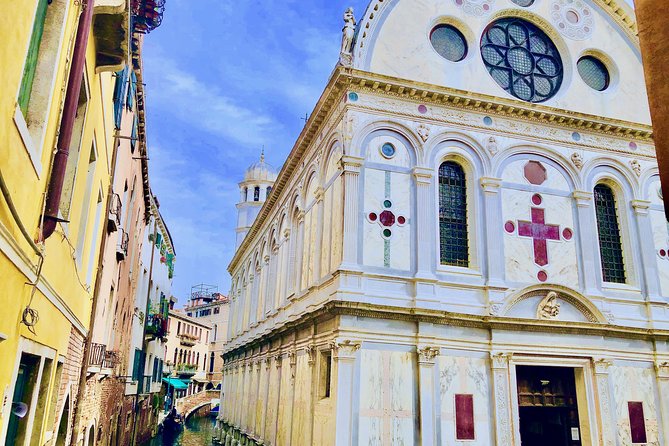
Venice’s best architectural surprises often sit away from St. Mark’s Square. This private two-hour walk leads you through quieter lanes to San Giovanni e Paolo, with its Gothic design and huge stained-glass window, then to the finely patterned façade of Santa Maria dei Miracoli.
I like the private format, since your guide can adjust the pace and answer your questions. I also like the route through narrow canals, small campos, and footbridges that many first-time visitors miss. The main caution is that the experience may lean more toward general Venetian history than close art study, and some guides may spend a large share of the time inside San Giovanni.
Key points to know before you book
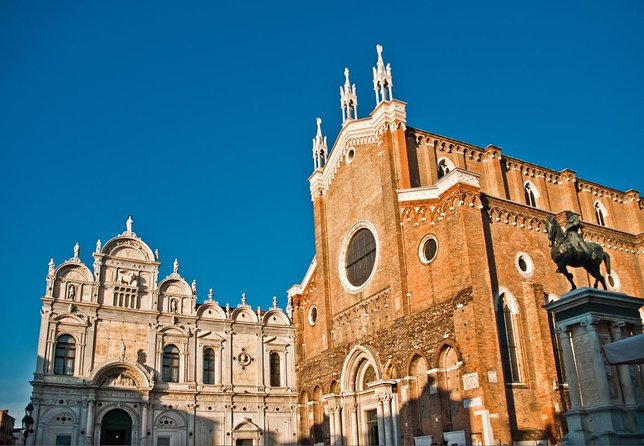
- San Giovanni e Paolo takes center stage: Expect a close look at one of Venice’s major Gothic churches and its enormous stained-glass window.
- Santa Maria dei Miracoli adds a sharp artistic contrast: Its early Renaissance marble façade is compact, polished, and very different from San Giovanni.
- The route avoids the usual crowds: You walk through back streets around Rialto and the northern part of central Venice.
- Private means flexible: Guides such as Lucia, Marie Therese, Iffygenia, Alessandra, and Antonella have led this experience, though your assigned guide will vary.
- The meeting point needs attention: Campo San Bartolomeo is central but can be confusing to find among Venice’s lanes.
- Church entry is extra: Food, drinks, and admission fees are not included in the $343.17 per-person price.
A quieter introduction to Venice’s built-in beauty
This is not a museum tour with a long checklist of paintings. It is a walking lesson in how Venice took shape, using churches, homes, public squares, and canals as the classroom.
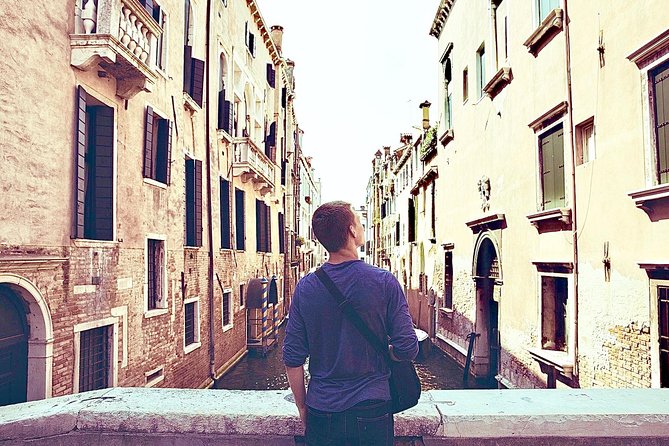
You begin in Campo San Bartolomeo, near the Rialto area. From there, the route moves through a part of Venice that feels less tied to the grand postcard sights. You cross small bridges, follow narrow passages, and pause at buildings that can be easy to ignore when you are trying to reach St. Mark’s Square.
That setting matters. Venice can feel like a stage set if you only follow the main route between Rialto and San Marco. On this walk, you get more help reading the city around you. Your guide may explain how religion, commerce, politics, and changing artistic tastes shaped what you are seeing.
The experience lasts about two hours. That is long enough to make several meaningful stops, but short enough to fit before dinner, after arrival, or around a visit to another major sight. It is a brisk introduction rather than a full art course.
More Private Architecture Tours in Italy
- City Walk with Architect: Private walking tour of Rome
★ 5.0 · 22 reviews - Venice Art and Architecture Private Walking Tour
★ 4.5 · 11 reviews - Private Personalized Architecture Tour of Rome with an Architect
★ 5.0 · 5 reviews
Campo San Bartolomeo and the first look at local life
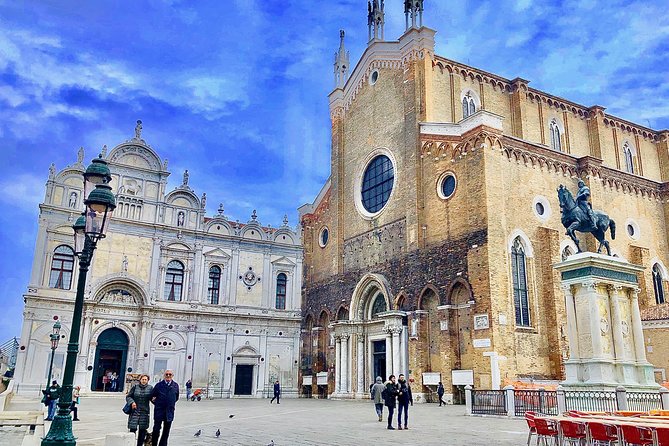
The starting point, Campo San Bartolomeo, is a useful place to begin because it gives you an immediate sense of Venice as a working city rather than only a collection of famous monuments.
The campo is associated with the statue of Venetian playwright Carlo Goldoni. Your guide uses the square as a first pause, setting the scene for the walk and helping you notice the way public spaces function in Venice.
Allow extra time to find the meeting point. One of the practical complaints about the tour is that Campo San Bartolomeo is not as obvious as a major landmark. Venice’s signs can be inconsistent, and a short walk on a map may involve several turns and bridges.
The optional hotel pickup is limited to hotels in the Rialto area. If you are staying elsewhere, you should plan to reach Campo San Bartolomeo independently. A mobile ticket is provided, and confirmation arrives at booking.
Marco Polo’s house and the city of trade
The next stop is the former home of Marco Polo, the Venetian merchant and explorer. The house is important less as a grand interior attraction than as a way to connect Venice’s architecture with its commercial past.
Admission to the house is not included, so do not assume that you will enter. The stop may instead focus on the building’s location, its connection with Marco Polo, and the role of merchants in Venetian society.
This is one place where the guide’s skill makes a real difference. A short explanation can turn an ordinary-looking façade into a clue about the city’s old trading networks. A less focused explanation may leave you feeling that you only paused to hear a date and a name.
The private setup gives you a chance to ask for more. If trade, travel, or the Polo family interests you, say so early. Your guide can shape the discussion around the topics you care about, though the amount of detail will depend on the individual guide.
San Giovanni e Paolo, the main architectural stop
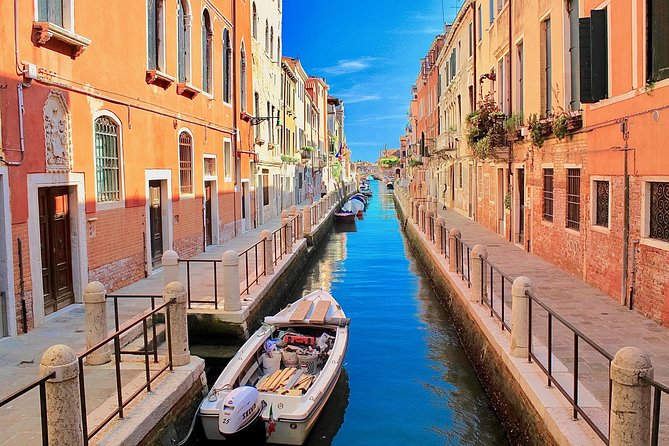
San Giovanni e Paolo is the heavyweight stop on the route. The church is known for its large Gothic structure and what is described as the largest stained-glass window in Venice. The surrounding Campo dei Santi Giovanni e Paolo is also one of the city’s most memorable open spaces.
Inside, you can expect the guide to point out architectural features, religious art, sculpture, and details that are easy to miss on your own. Several guides have been praised for making the church easier to understand, including one architect who used illustrations to explain how Venetian buildings were constructed.
This is where the tour can be especially useful for first-time art and architecture students. Instead of simply hearing that a feature is old or beautiful, you can ask why it was made that way, how it fits a particular period, or what it tells you about Venice.
But this stop also creates the biggest risk. Some guides spend more than an hour at San Giovanni, leaving less time for the other places. If you want an even split between art, architecture, and street life, tell your guide at the start.
The content can also vary. Some people have received careful explanations of individual works and architectural styles. Others found the information too general, with many objects described but not interpreted. If you have a specific interest in sculpture, religious art, Gothic design, or stained glass, name it clearly.
Church entry fees are not included. You should also dress and behave appropriately for a religious site. The supplied information does not state a formal dress code, so check current church requirements if this matters to you.
More Walking Tours in Italy
- Lecce: Baroque Architecture and Underground Walking Tour
★ 4.6 · 1,248 reviews - Experience Florence’s Art and Architecture on a Walking Tour
★ 5.0 · 318 reviews - Palermo: Art and Architecture Walking Tour
★ 4.7 · 136 reviews - Walking tour in Venice with an architect
★ 5.0 · 16 reviews
Santa Maria dei Miracoli and early Renaissance detail
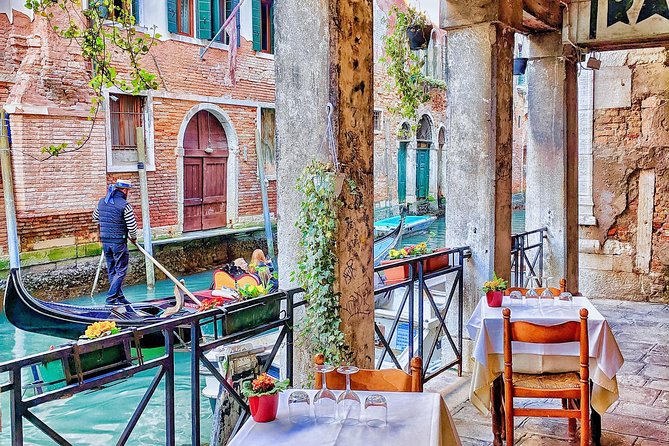
Santa Maria dei Miracoli provides a pleasing change of scale. Compared with the larger San Giovanni, it is narrow and highly finished, with a beautifully restored early Renaissance façade.
The church sits beside the suggestive Campo Santa Maria Nova. Its exterior is especially rewarding for anyone who likes surface detail. The careful marble work gives you something to study at close range, while the compact setting lets you see the building as part of its neighborhood rather than as an isolated monument.
This stop helps explain that Venetian architecture is not one single style. On one short walk, you may encounter Gothic massing at San Giovanni, early Renaissance order at the Miracoli church, and local building traditions shaped by water, limited ground, and the city’s trading wealth.
Again, admission is extra. The tour price does not cover church or museum entry, so carry a little money for any entrances your guide includes. The exact access on a given day may depend on opening conditions and church use.
What the private format really adds
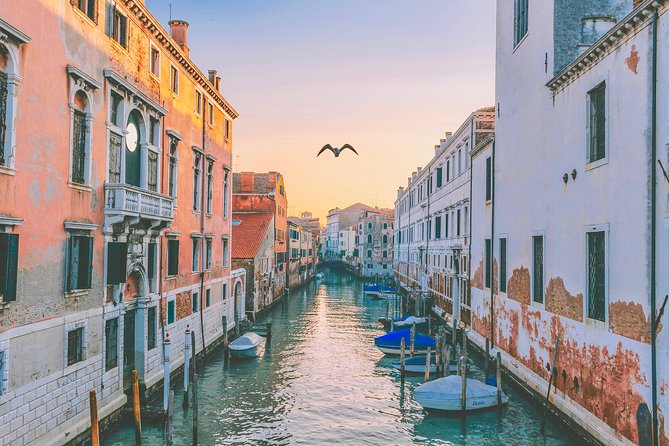
The tour is private, so only your group participates. That is its strongest practical feature.
In a large group, a church explanation can turn into a struggle to hear. Here, you can ask questions without holding up dozens of people. You can request more detail about a façade, slow down for an older member of your group, or tell the guide that your children need a change of pace.
One family found that a guide adjusted the walk for an 80-year-old participant and finished near St. Mark’s Square, where the group continued for coffee. That kind of flexibility is one of the clearest reasons to consider a private booking.
A private tour is also useful for families with mixed interests. Children may enjoy the stories of Marco Polo and Venice’s canals, while adults focus on architectural styles and church art. One family with children aged eight and thirteen found the discussion engaging because the guide adapted to their questions.
There is one practical issue for anyone with hearing difficulty. A small group did not use voice amplification, which made it hard for one participant to follow. A private setting helps, but it does not guarantee a microphone or listening device. Contact the provider before booking if clear amplification is essential.
Guide quality can shape the entire experience
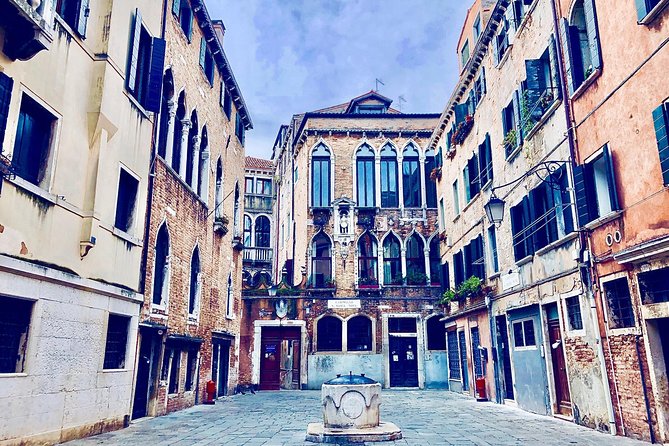
The guide is the variable you cannot choose in advance. The tour is offered in English, French, German, Italian, or Spanish, and individual guides named in past experiences include Lucia, Marie Therese, Iffygenia, Alessandra, and Antonella.
Several guides have been praised for clear English, patience, flexibility, and strong knowledge of Venetian history and architecture. One guide offered restaurant and drink suggestions for later, while another adjusted the pace and explained different styles to a group with little architectural background.
That said, the quality is not uniform. Some visitors found the delivery flat or felt that explanations were hard to follow. One person expected more analysis of art and architecture and instead received a broad cultural history of Venice.
I would approach the tour with a few questions ready:
- What features show that San Giovanni is Gothic?
- How does Santa Maria dei Miracoli differ from Venetian Gothic buildings?
- What can we learn from Marco Polo’s house?
- Which sculptures or artworks inside the church deserve the closest look?
- How did water, trade, and limited space affect building design?
These questions encourage the guide to explain meaning, not only names and dates.
Does the $343.17 price make sense?
At $343.17 per person, this is expensive for a two-hour walk. The value depends heavily on your group size and how much you want personal attention.
For a couple, the cost is a major splurge. You are paying for a private guide, not for entry tickets, food, drinks, or a long day of sightseeing. If you mainly want to hear a few facts while seeing the exteriors, a less expensive shared walk or a guidebook may offer better value.
For a larger family or friend group, the price can feel more reasonable because the guide’s time is dedicated to everyone together. The group discount feature may also reduce the per-person cost, though the exact saving is not provided.
The best value comes when you use the private format actively. Ask questions, request a focus on architecture, and tell the guide if you want less general history. A passive two-hour walk may not justify the price. A tailored discussion with a strong guide can.
The rating is 4 out of 5 from 22 ratings, which suggests a generally positive but not flawless experience. The strongest praise centers on guides who bring buildings to life, find less familiar corners, and adjust the route to the group. The weakest experiences focus on limited art analysis, unclear language, and too much time at one church.
Timing, walking, and meeting details
You can choose a morning or afternoon departure. Morning may suit you if you want to start sightseeing before a busy day, while an afternoon walk can work after a museum visit or lunch. The exact advantage depends on your schedule, since no crowd forecast or fixed departure time is provided.
Expect continuous walking over Venice’s narrow lanes and footbridges. The information says most people can participate, but it does not promise a fully step-free route. If stairs, bridges, or long periods on your feet are a concern, ask the provider before booking.
The walk begins at Campo San Bartolomeo and ends at Campo dei Santi Giovanni e Paolo. Hotel pickup is available only if your hotel is in the Rialto area. The endpoint is useful because you finish close to the main church stop rather than returning to the starting point.
The tour is near public transportation, though in Venice that usually means using the city’s water transport system or walking from a nearby area. Build in extra time for navigation. A map pin is helpful, but you should not cut it close.
Day visitors from outside Venice may need to pay a €5 access fee on certain dates. Exemptions and applicable dates can change, so check the official Venice access information before your visit.
Who should book this Venice walk?
I would recommend it most strongly to you if you:
- Want a private guide rather than a large group
- Prefer quieter streets to a standard central-city route
- Are curious about churches, building styles, and Venetian urban design
- Have children or older relatives and need some flexibility
- Have already seen St. Mark’s Square and want a different part of central Venice
- Enjoy asking questions and shaping the discussion
I would be more cautious if you want a tightly planned art lecture, a museum-heavy experience, or guaranteed detailed analysis of every building. The tour can provide that level of attention with the right guide, but it is not assured.
It is also not the best choice if you have already taken a broad Venice walking tour. One person found that the route repeated some areas covered the previous day. Tell the guide what you have already seen so the walk can move beyond familiar ground.
Should you book it?
Book this tour if you want to look beyond the standard Venice route and value a private guide who can adjust the walk to your interests. San Giovanni e Paolo and Santa Maria dei Miracoli give you two strong architectural anchors, while the canals, campos, and Marco Polo connection add local texture.
Before paying, accept two limits: the price is high, and the art commentary may vary. Ask for an architecture-focused guide if possible, confirm the language you need, and state that you want interpretation rather than a list of dates and names.
For a family, a small group, or an architecture-minded visitor, this can be a very good use of two hours. For a budget-conscious couple seeking a polished art lesson, it may not be.
FAQ
How long is the private Venice art and architecture tour?
The walking tour lasts approximately two hours.
Where does the tour start and finish?
It starts at Campo San Bartolomeo in central Venice and ends at Campo dei Santi Giovanni e Paolo.
Is hotel pickup available?
Optional hotel pickup is available when your hotel is in the Rialto area.
Which languages are offered?
The guide can provide the tour in English, French, German, Italian, or Spanish.
Are church and museum admission fees included?
No. Entrance fees to churches or museums, along with food and drinks, are not included.
Can I cancel for a full refund?
Yes. You can receive a full refund if you cancel at least 24 hours before the experience start time. Cancellations or changes made less than 24 hours in advance are not accepted for a refund.
New to the itinerary around Italy
- Vicenza: Palladian Architecture Private Walking Tour★ 3.3 · 3 reviews
- Architectural Milan: Private Tour with a Local Expert★ 4.5 · 2 reviews
- The Architect’s Water★ 4.5 · 11 reviews
- Architectural Florence: Private Tour with a Local Expert★ 5.0 · 3 reviews
- Rione Sanità: tour among street art, architecture, folklore★ 4.5 · 2 reviews
- Palermo Tour: Magnificent Mixture Of Architectural Styles★ 4.2 · 6 reviews
- Discover Coppedè in Rome: Liberty architecture, symbols, and jewels★ 5.0 · 2 reviews
- Bologna: Guided Architecture Walking Tour★ 4.5 · 2 reviews
Private Architecture Tours, compared.
Sagrada Familia & Gaudi Tour Private or Small Group with Tickets
Read our review →
Barcelona 1.5h Private Old Town, Gothic & Ramblas Walking Tour
Read our review →
Treasures of Barcelona: Private Gaudi Walking Tour
Read our review →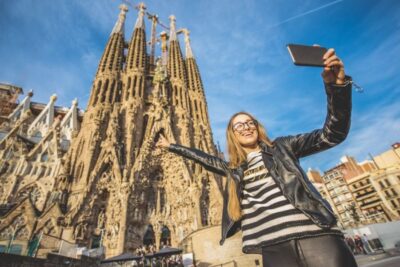
Sagrada Familia & Gaudi Guided Tour Private or Small Groups
Read our review →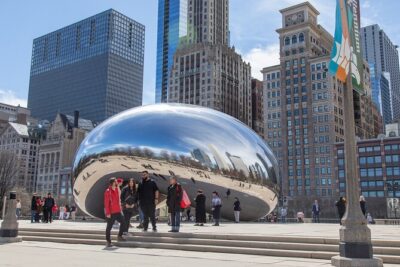
Best of Chicago: Architecture & Highlights City Private Tour
Read our review →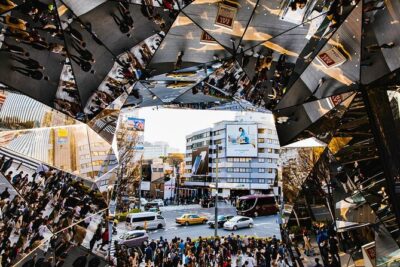
Private Harajuku Omotesando Architecture Walking Tour
Read our review →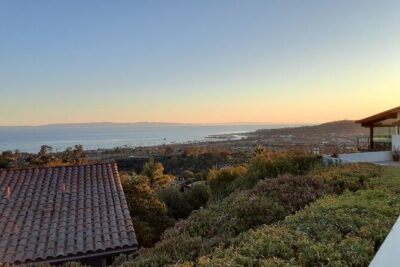
Private Santa Barbara History and Architecture Walking Tour
Read our review →