
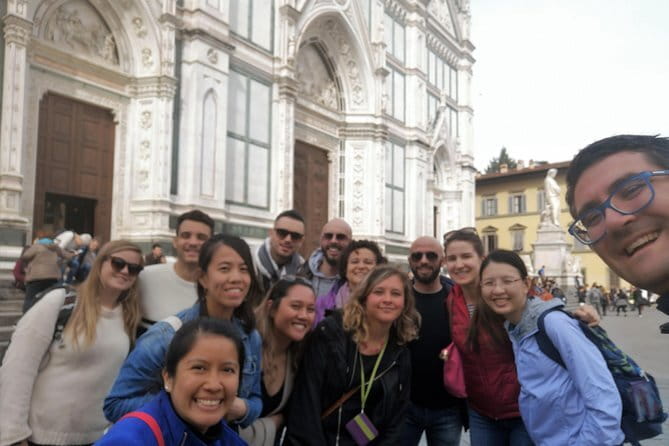
Review · ITALY
Experience Florence’s Art and Architecture on a Walking Tour
Florence’s compact center makes it perfect for a quick orientation on foot. This 2-hour-15-minute tour links Santa Maria Novella, the Duomo, Piazza della Signoria, and Santa Croce, while adding smaller details such as the city’s old wine windows. It is a useful first look before you decide which museums and churches deserve more of your time.
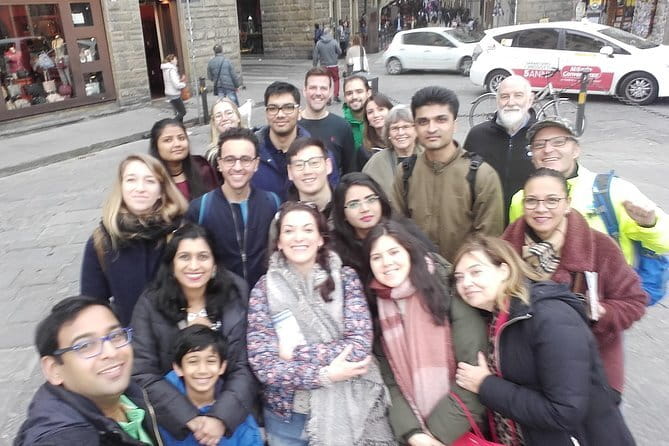
I like the very low price, which makes this an easy way to get basic bearings, and I like the guides’ focus on art, architecture, Medici power, food tips, toilets, and places you might miss on your own. The main concern is sound: on a busy day, a mini-speaker may not be enough, and one reported August group grew far beyond the advertised maximum of 20 people.
Key points to know before booking
- A fast route through central Florence: Seven major stops fit into one morning.
- Strong local storytelling: Ludi, Ludovica, and Natalia are praised for clear English, warmth, and detailed knowledge of Florence.
- More than famous façades: Look for wine windows, Medici connections, sculpture details, and less-used streets.
- The Duomo is an outside stop: Entry to the cathedral complex is not included.
- The group should be limited to 20: This matters because hearing the guide can be difficult in noisy streets.
- The price is a starting point, not the whole cost: It is promoted as a free tour, with a tip left to your judgment.
Why this Florence walk works as a first morning
Florence can feel confusing at first. The big sights sit close together, but the streets twist, the piazzas open suddenly, and the same names keep appearing: Medici, Brunelleschi, Donatello, Vecchio, Santa Croce. A guide gives those names a place in the city.
This tour moves from Santa Maria Novella toward the Duomo, then across the historic center to Piazza della Signoria and Santa Croce. The route is compact, with little dependence on public transport. You get a useful outline of Florence in one morning, then you can return to the places that caught your eye.
The pace is brisk but not extreme. The scheduled stops add up to about 70 minutes, leaving the rest of the 2 hours and 15 minutes for walking, explanations, photographs, and transitions between squares. That makes this more of an orientation walk than a museum visit.
The guides most often singled out by name are Ludi, also referred to as Ludovica, and Natalia. Their approach appears to mix standard Florence history with practical help: where to find a good view, where to use a toilet, what food to try, and how to notice small features such as the wine windows. That combination is useful because Florence is not only a collection of famous buildings. It is also a city of small street details.
More Walking Tours in Italy
- Lecce: Baroque Architecture and Underground Walking Tour
★ 4.6 · 1,248 reviews - Palermo: Art and Architecture Walking Tour
★ 4.7 · 136 reviews - City Walk with Architect: Private walking tour of Rome
★ 5.0 · 22 reviews
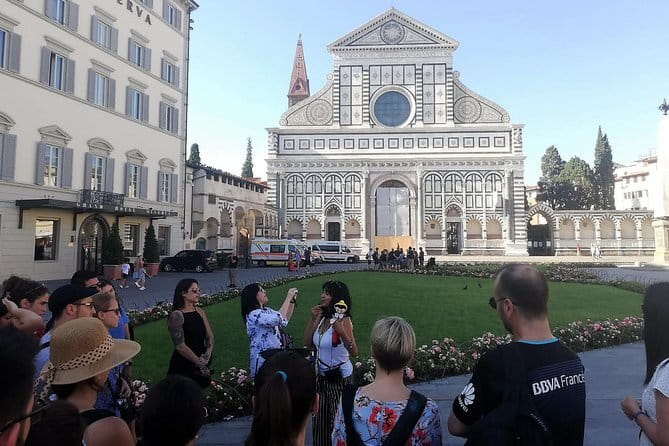
Starting at Santa Maria Novella
Meet at 10:30 am in front of the Basilica of Santa Maria Novella, at Piazza di Santa Maria Novella, 4n. This is a sensible starting point because the church sits beside Florence’s main railway station and is easy to reach by public transport.
The first stop lasts about 10 minutes. You hear the story of the basilica and get your first lesson in Florentine art and architecture. The exterior is already worth a close look, with its orderly marble patterns and strong geometric design.
The stop is free, but do not confuse that with an included church visit. The schedule lists no admission charge for the stop, yet the tour gives you only a short introduction. If Santa Maria Novella matters to you, plan a separate return visit with enough time to look inside.
Starting here also helps you avoid the usual first-day mistake: walking straight toward the Duomo without understanding how the center fits together. By the end of the first section, you are already moving through Florence with a basic mental map.
Via de’ Tornabuoni and Florence’s polished side
The walk continues along Via de’ Tornabuoni, one of the city’s best-known shopping streets. The 10-minute stop includes Piazza Antinori, Palazzo Strozzi, and Piazza Santa Trinita.
This section shows a different side of Florence. The city is famous for medieval lanes, Renaissance churches, and large museums, but Via de’ Tornabuoni brings in fashion, elegant palaces, and the commercial life of the historic center. Palazzo Strozzi also gives the guide a chance to explain how powerful families used buildings and public spaces to signal status.
I like this part because it prevents the tour from becoming a simple checklist of churches. You see how Florence worked as a city of merchants, bankers, artists, and ruling families. The walk is short, so it will not replace a proper visit to Palazzo Strozzi, but it helps you understand why this street belongs on your route.
Piazza della Repubblica and Roman Florence
Piazza della Repubblica gets only about five minutes, but the stop adds an important layer. The subject is Roman Florence.
The wide square looks more modern and open than many nearby streets. That contrast gives you a useful reminder: present-day Florence sits on top of several different cities. Roman foundations, medieval neighborhoods, Renaissance power, and later urban changes all overlap here.
Five minutes is enough for orientation, not detailed archaeology. You will get the point, take a few photographs, and move on. If you enjoy urban history, listen closely here because the square makes more sense once you know that Florence was not created all at once.
Same streets, read through a different style:
- Naples: San Gaudioso Catacombs Guided Tour
★ 4.7 · 1,105 reviews - Caprarola: Villa Farnese, masterpiece of Renaissance architecture
★ 4.5 · 28 reviews - Best of Bologna in one day : Food, architecture, art and history
★ 5.0 · 27 reviews - Private Tour: Venice Art and Architecture Walking Tour
★ 4.0 · 22 reviews
The Duomo complex in a ten-minute snapshot
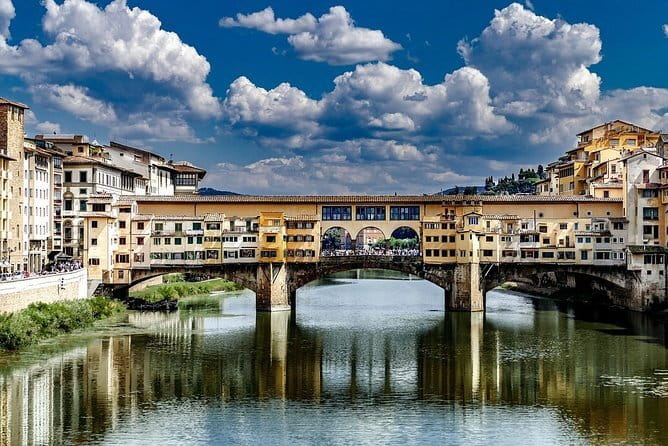
The Cathedral of Santa Maria del Fiore is the visual center of the route. The stop covers the cathedral, the Baptistery, Giotto’s Campanile, and Brunelleschi’s dome.
This is the moment when many people want to slow down. The schedule allows about 10 minutes, so expect an explanation from outside rather than a full cathedral visit, dome climb, or museum stop. Admission is not included.
That limitation is important. The tour can explain why the buildings matter and point out the main parts of the complex, but it cannot give you time to study the marble façade or enter the monuments. You should plan a separate visit if you want the interior, the dome, the bell tower, or the Opera del Duomo museum.
Still, a guide is useful here. The Duomo complex is easy to photograph and surprisingly easy to misunderstand. A short explanation can help you tell the cathedral from the Baptistery, understand the role of Giotto’s Campanile, and place Brunelleschi’s dome within Florence’s artistic story.
The square can also be crowded and noisy. This is one of the places where sound may become a problem, especially if the group is larger than planned. Stay close to the guide and position yourself where you can see the speaker’s face.
Orsanmichele and Florence’s sculpted saints
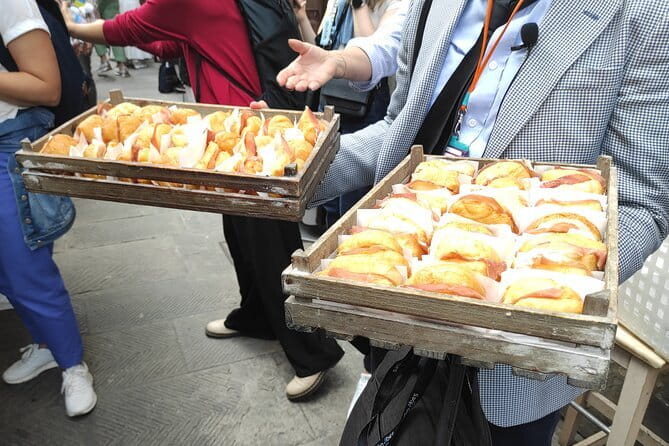
The next stop is the Church and Museum of Orsanmichele, scheduled for about 10 minutes. The listed works and artists include Donatello, Ghiberti, Giambologna, Brunelleschi, Verrocchio, Sangallo, and Orcagna.
That is an impressive list for a short stop. Orsanmichele is especially useful for showing how art served the city’s guilds and public life. Here, sculpture is not just decoration. It connects trade, religion, civic pride, and competition among Florence’s powerful working groups.
The stop is listed as free. You should still expect a brief introduction rather than a full museum visit. The best use of the time is to listen for the names and themes you want to explore later. If Donatello or Ghiberti catches your attention, write it down. Florence rewards repeat visits because you cannot absorb every sculpture in one pass.
This is also one of the more rewarding parts for people who have already seen the headline sights. The Duomo is impossible to miss. Orsanmichele asks you to pay closer attention.
Piazza della Signoria, where Florence put power on display
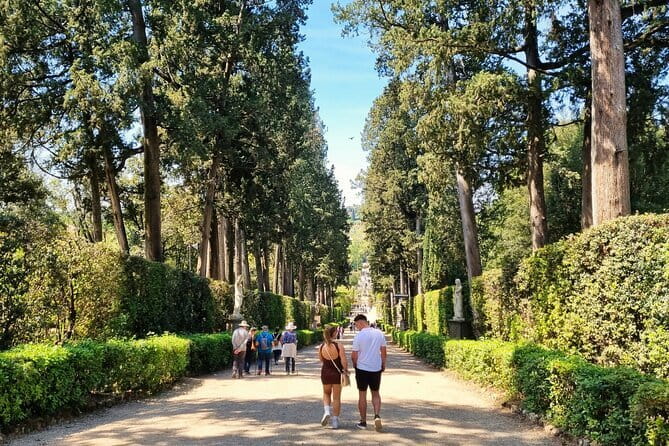
Piazza della Signoria receives the longest stop, about 15 minutes. The guide covers Palazzo Vecchio, the Uffizi, Ponte Vecchio, the Loggia dei Lanzi, the Torre di Arnolfo, and several famous sculptures, including David, Marzocco, Cosimo de’ Medici, Perseus by Cellini, and works connected with Florence’s ruling family.
This is the political heart of the walk. The square brings together government, art, military symbols, and Medici authority. It is also one of the best places to see how Florence used public art to make political messages visible to everyone.
The famous David here is a copy, not Michelangelo’s original. The tour’s value is not only in pointing that out. It is in helping you read the square as a public stage. The Loggia dei Lanzi functions as an open sculpture display, Palazzo Vecchio represents civic government, and the nearby Uffizi connects the square to the Medici family’s art collection and administration.
The area is often full of people, street activity, and competing sounds. That makes the guide’s position important. The group may pause near the sculptures or along the edge of the square rather than gather in one perfectly quiet spot.
From here, you also get a sense of Florence’s walkability. The Uffizi, Ponte Vecchio, and Palazzo Vecchio are packed into a small area. A map can show that fact, but walking it with someone who explains the connections makes it easier to remember.
Santa Croce, Dante, and the end of the route
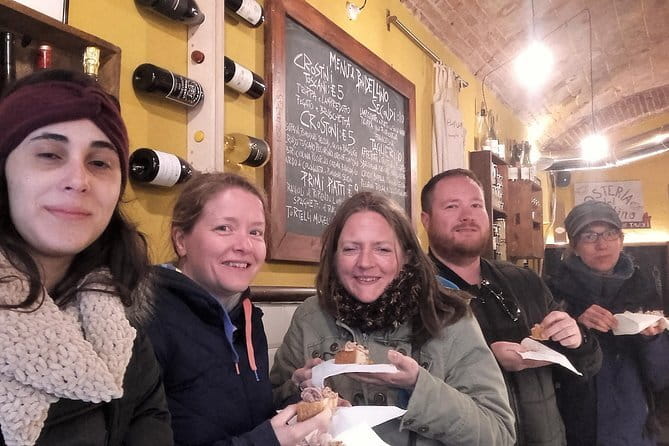
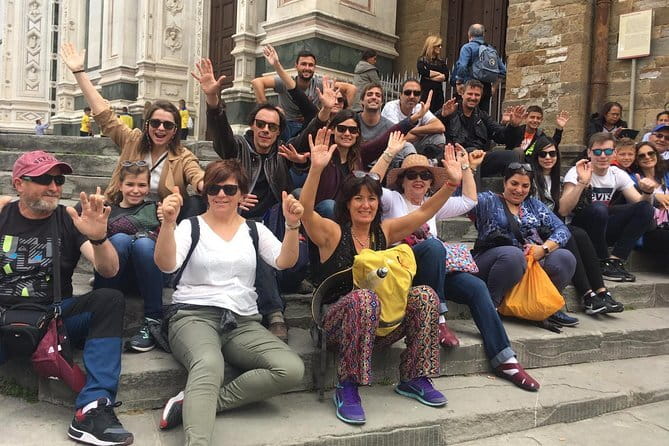
The tour finishes at the Basilica of Santa Croce, in front of the church at Piazza di Santa Croce, 18R. The final scheduled stop lasts about 10 minutes and includes the basilica’s story and the monument to Dante.
Santa Croce makes a fitting end because it brings the route back to art, religion, and famous Florentines. The basilica is closely tied to the city’s cultural identity, and the Dante monument gives the guide a chance to connect Florence with one of Italy’s best-known writers.
The tour ends outside. Admission to the basilica is not listed as part of the experience, so plan a separate visit if you want to go inside. Ending here is practical because Santa Croce is a good base for continuing your day on foot, though no onward route is included.
I like the ending because it leaves you near a major sight instead of sending you back to the starting point. You can continue exploring, stop for lunch, or return to the Duomo and museums with a better sense of direction.
What the low price really means
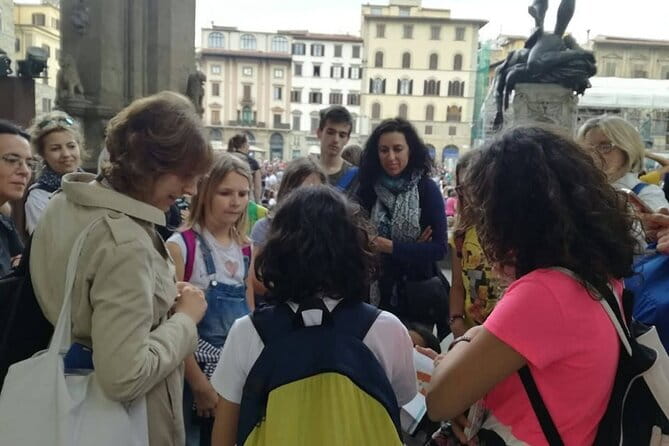
The listed price is $3.63 per person, an unusually small amount for more than two hours with an English-speaking guide. The experience is presented as a free tour, which means the guide’s payment is based partly on the tip you choose to leave.
Think of the price as an access fee or reservation charge, not as the full value of the guide’s time. If you find the tour useful, prepare to tip according to the quality and length of the work. The low upfront cost is attractive, but it should not lead you to expect a fully private or fully equipped tour.
At this price, the walk offers strong value if you want orientation, stories, and a list of places to revisit. It is less suitable if you expect admission to the Duomo, Santa Croce, Santa Maria Novella, or other museums. Those visits are separate.
The tour earns a 4.8 rating from 318 ratings, with 97 percent recommending it. The strongest praise centers on the guides’ energy, clear English, warmth, and ability to cover a lot in a short time. That fits the format well: the guide is the main product, while the city itself supplies the monuments.
Group size, sound, and the practical drawbacks
The stated maximum is 20 people. That is a reasonable size for a walking tour in Florence, though even 20 can be hard to keep together near the Duomo or Piazza della Signoria.
Sound is the main practical weakness. A guide may use a small speaker, but the city can be loud, and one person had difficulty hearing enough to stay with the tour. A separate account described a group of more than 40 during a busy August period, despite the normal limit being much smaller.
That appears to be an exception rather than the stated operating rule, but it is worth taking seriously. If clear sound matters to you, arrive early, stay near the guide, and speak up immediately if you cannot hear. The tour is offered in English, and several guides are praised for speaking it clearly.
The route suits most people, and service animals are allowed. It runs outdoors and requires walking between stops, so hot weather can affect your comfort. One guide reportedly looked for shade during a very hot day, but you should still bring water and protect yourself from the sun.
The experience requires good weather and a minimum number of bookings. If poor weather or low demand cancels it, you are offered another date or activity, or a full refund. You can cancel for a full refund up to 24 hours before the start time. Changes or cancellations inside that 24-hour window are not accepted.
Who should book this Florence walking tour
I would choose this tour for a first morning in Florence, especially if you want a quick outline before spending money on museum tickets. It also suits a short stay, a first visit with a friend, or a final-day walk when you want one last look at the city without committing to a long formal tour.
It is a good match for you if you want:
- A low-cost introduction to Florence
- Major sights explained in one compact route
- Stories about the Medici, artists, and city government
- Practical suggestions about food, toilets, views, and less obvious details
- An English-speaking guide rather than a self-guided map
I would choose something else if you want long stops inside churches, detailed sculpture analysis, or guaranteed use of personal headsets. This tour gives you the city’s framework. You supply the extra time for the monuments that interest you most.
Should you book it?
Yes, if you treat it as a fast, inexpensive orientation walk, not as a substitute for Florence’s museums and church interiors. The route is well chosen, the price is hard to beat, and guides such as Ludi, Ludovica, and Natalia bring the city’s art and Medici stories to life.
Book with realistic expectations about sound and group size. The advertised limit of 20 is important, and you should be ready to stay close to the guide in crowded squares. If that suits you, this is a smart first step into Florence, with enough practical detail to shape the rest of your visit.
FAQ
How long is the Florence walking tour?
The tour lasts approximately 2 hours and 15 minutes.
Where does the tour start?
It starts at 10:30 am in front of the Basilica of Santa Maria Novella at Piazza di Santa Maria Novella, 4n, Florence.
Where does the tour end?
The tour ends in front of the Basilica of Santa Croce at Piazza di Santa Croce, 18R.
Is admission to the monuments included?
Admission is not included for the Cathedral of Santa Maria del Fiore. The scheduled stops at Santa Maria Novella, Via de’ Tornabuoni, Piazza della Repubblica, Orsanmichele, Piazza della Signoria, and Santa Croce are listed as free stops, but the tour does not promise interior visits to every site.
Is the tour offered in English?
Yes. The experience is offered in English.
Can I cancel for a refund?
Yes. You can cancel at least 24 hours before the start time for a full refund. Cancellations or changes made less than 24 hours before the tour are not accepted.
New to the itinerary around Italy
- Vicenza: Palladian Architecture Private Walking Tour★ 3.3 · 3 reviews
- Architectural Milan: Private Tour with a Local Expert★ 4.5 · 2 reviews
- The Architect’s Water★ 4.5 · 11 reviews
- Architectural Florence: Private Tour with a Local Expert★ 5.0 · 3 reviews
- Rione Sanità: tour among street art, architecture, folklore★ 4.5 · 2 reviews
- Palermo Tour: Magnificent Mixture Of Architectural Styles★ 4.2 · 6 reviews
- Discover Coppedè in Rome: Liberty architecture, symbols, and jewels★ 5.0 · 2 reviews
- Bologna: Guided Architecture Walking Tour★ 4.5 · 2 reviews
Italy Architecture Tours, compared.
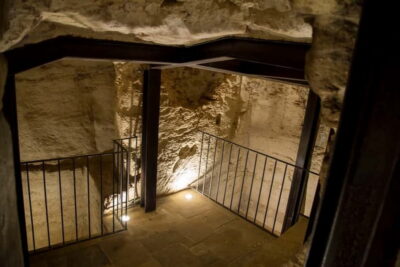
Lecce: Baroque Architecture and Underground Walking Tour
Read our review →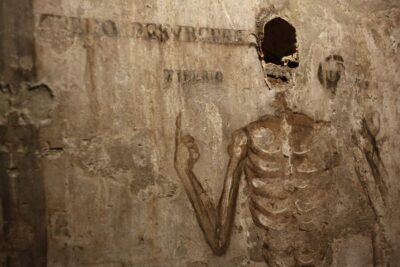
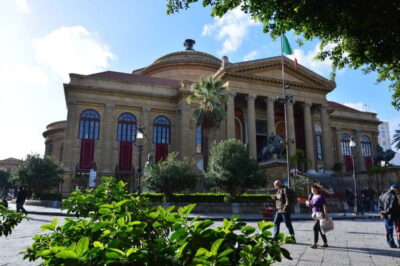
Caprarola: Villa Farnese, masterpiece of Renaissance architecture
Read our review →
Best of Bologna in one day : Food, architecture, art and history
Read our review →
City Walk with Architect: Private walking tour of Rome
Read our review →
Private Tour: Venice Art and Architecture Walking Tour
Read our review →
Basilica San Marco and the Pala d’Oro with Architect Guide
Read our review →Other lists with this tour