
Review · USA
Tulsa Art Deco and Architecture with Expert Guide Walking Tour
Tulsa’s Deco District packs a surprising amount of design into a few downtown blocks. On this two-hour walk, you’ll see glittering Art Deco details, Neo-Gothic towers, and the oil-era buildings that helped give Tulsa its nickname as the Oil Capital of the World. The best part is that the tour looks beyond the facades, with access to select interiors that you might otherwise pass by.
I like the chronological approach, which helps you see how Tulsa’s architecture changed as the city grew. I also like the small-group limit of 25 people, plus guides such as Becky, Jeff, and Jeffrey, who explain the buildings clearly and keep the pace easy.
The main consideration is simple: this is a walking tour, and some stairs are involved. Tulsa weather can also be a factor, since the tour requires good conditions and offers a new date or full refund if poor weather causes a cancellation.
Key points about Tulsa’s Art Deco walking tour
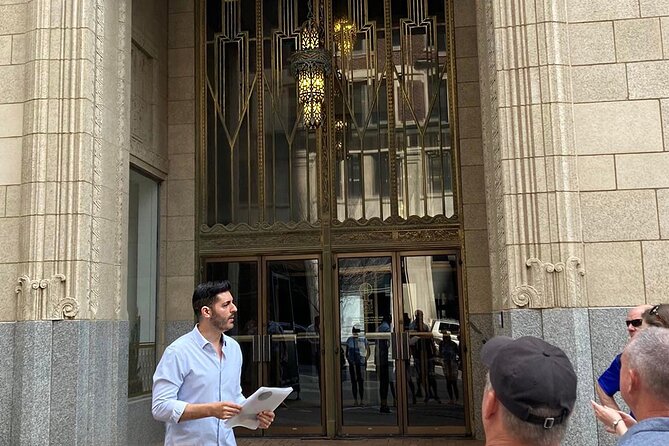
- Nine major buildings: Study the Atlas Life, Philtower, Tulsa Club, Southwestern Bell, ARCO, PSO, Pythian, Sinclair, and Philcade.
- Architecture with a timeline: Move from Neo-Gothic forms toward the geometric lines, zigzags, and ornament of Art Deco.
- A chance to enter locked buildings: Guides have taken guests inside interiors that are not easy to see on your own.
- An easy two-hour pace: The walk covers a compact downtown district without turning into an all-day march.
- A small group of up to 25: You have a better chance of hearing the guide than on a large city tour.
- Good value at $52: The fee pays for an expert-led experience, with no separate admission charge for the buildings discussed.
Why Tulsa has so much Art Deco
Tulsa’s Art Deco story is tied to money, ambition, and timing. The city expanded quickly during the oil boom, and wealthy oilmen wanted offices, hotels, clubs, and banks that looked modern and important. Art Deco gave them a style that felt new, confident, and unmistakably urban.
That makes Tulsa an especially good place to study the movement. You are not just looking at isolated decorative details. You are seeing how a growing American city used architecture to announce its future.
Your guide explains where Art Deco came from and why it took such a strong hold in Tulsa. You’ll also see other styles, including Neo-Gothic, so the walk does not treat every ornate building as Art Deco. That distinction matters. The pointed forms and vertical emphasis of Neo-Gothic create a very different mood from Art Deco’s symmetry, stepped shapes, metallic touches, and geometric patterns.
I like this approach because it gives you a way to read the buildings after the tour ends. Instead of taking home a list of names, you begin to notice the clues: a zigzag border, a stylized plant, a strong vertical line, or a carefully arranged pattern above a doorway.
More Art Deco Tours in the USA
- The Official Art Deco Walking Tour by The Miami Design Preservation League
★ 5.0 · 1,580 reviews - Miami South Beach Art Deco Walking Tour
★ 5.0 · 1,039 reviews - Miami Beach Food and Art Deco Walking Tour
★ 4.5 · 245 reviews
Starting at 511 South Boston Avenue
The tour begins at 511 S Boston Ave, in the middle of the downtown district. It also ends back at the same meeting point, which makes planning easier. You do not need to arrange a pickup or figure out how to return to a distant hotel or parking area after the walk.
The tour lasts about two hours. That is long enough for detailed explanations without taking over an entire day in Tulsa. I would schedule it early in your downtown visit if possible. You’ll gain a useful sense of the city center, then have context for any buildings or streets you pass later.
This is an outdoor walking experience, so comfortable shoes make sense. The pace is described as easy, but this is still a city walk with some stairs. If stairs are a concern, ask the guide about the route before setting out.
The group can include up to 25 people. That is not a private tour, but it is still a manageable size for an urban walk. Clear sound matters in a downtown setting, and the tour has been praised for being easy to hear, with little traffic noise during the explanations.
The Atlas Life and Tulsa’s early urban ambition
The Atlas Life is one of the buildings discussed along the route. Its name connects it to Tulsa’s commercial and insurance world, while its design helps show how downtown development moved beyond simple low-rise storefronts.
At this stop, your guide puts the building into the broader story of Tulsa’s growth. Look for the details that make a business building feel important rather than plain: the arrangement of its windows, its vertical shape, and any ornament that frames the entrances or upper levels.
The value here is not only the building itself. It is the comparison. As you move through the district, the Atlas Life helps you see how the city’s business center took shape during a period when companies wanted a stronger public image.
The Philtower and Tulsa’s grand vertical statement
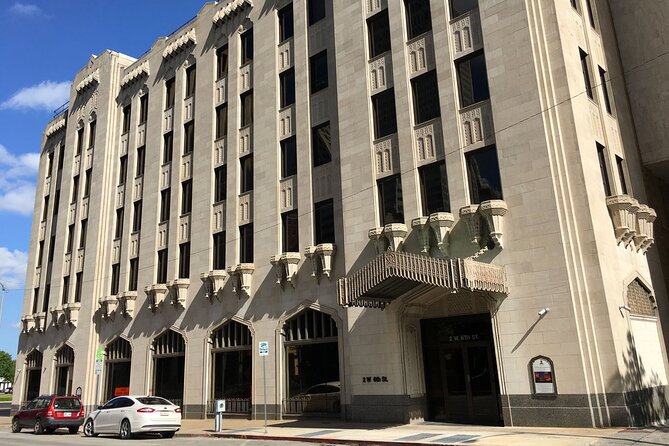
The Philtower is one of the major highlights of the walk. Its height and decorative treatment make it a natural stop for discussing Tulsa’s oil-era confidence. You’ll learn about the people and money behind the building, as well as the design choices that made it a memorable part of the skyline.
A guide can point out details that are easy to miss from street level. That is one reason an architecture walk earns its price. You might notice the general shape on your own, but you are less likely to understand why particular ornament was used or how the tower fits into the city’s building boom.
The Philtower also helps set up the contrast between practical commercial space and architecture designed to impress. Tulsa’s oil wealth did not just produce offices. It produced buildings meant to signal success.
More Walking Tours in the USA
- Chicago in a Day: Food, History & Architecture Walking Tour
★ 5.0 · 1,153 reviews - Chicago’s Secret Interiors Architectural Walking Tour
★ 5.0 · 635 reviews - Chicago: Secret Interiors Architecture Walking Tour
★ 4.9 · 498 reviews - Charleston: History and Architecture Guided Walking Tour
★ 4.8 · 349 reviews
The Tulsa Club and the social side of the oil boom
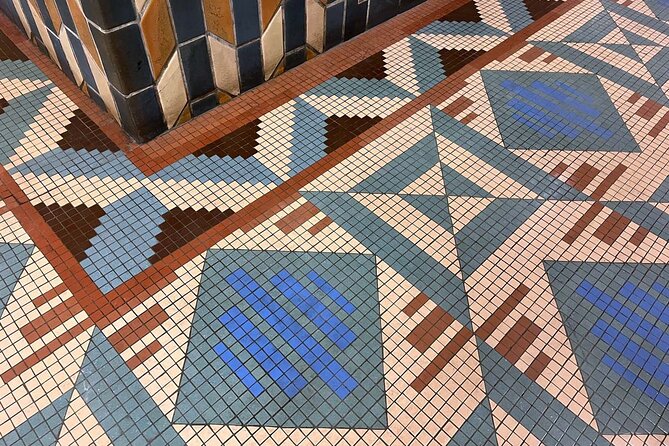
The Tulsa Club adds a different layer to the tour. Rather than focusing only on office space, it points toward the social world created by Tulsa’s wealth. The building’s story connects architecture with the city’s elite clubs, business relationships, and public image.
This is where the tour’s stories about wealthy oilmen become especially useful. Architecture can look detached from daily life when you study it only as decoration. The guide helps connect each building to the people who commissioned it, used it, and wanted it to say something about Tulsa.
If you enjoy old hotels, clubs, and civic buildings, you’ll likely find this stop rewarding. If you want only a strict Art Deco checklist, the social history may feel like a side route, but it is part of what makes the district understandable.
Southwestern Bell, ARCO, and the working city
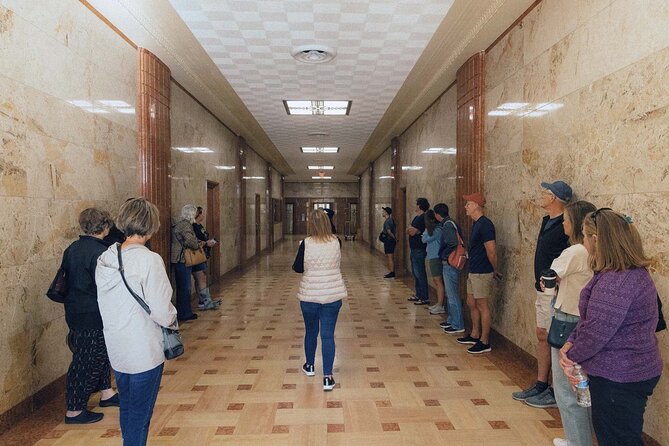
The Southwestern Bell and ARCO buildings show how different companies claimed space in the same growing downtown. Their presence reflects Tulsa as a working business center, not just a collection of grand towers built by oil barons.
Your guide discusses how companies used architecture to project reliability, power, and modern thinking. A telecommunications building, an energy company, and an office tower may serve different purposes, yet all contribute to the visual competition of downtown.
This part of the route is useful for comparing details. Instead of looking at one building in isolation, you can ask why one facade feels sleek while another seems more formal, or why one uses strong vertical lines while another emphasizes geometric ornament.
PSO, Pythian, and the range of styles
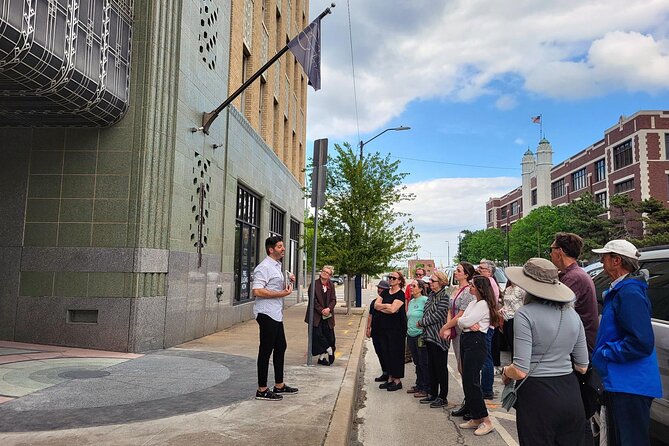
The PSO and Pythian buildings add more variety to the route. They help show that Tulsa’s architectural identity is not limited to one famous style. You’ll continue to see Art Deco, but the walk also points out Neo-Gothic elements and other design changes that appeared as the city expanded.
The Pythian building is a good reminder that an architectural district is best understood as a collection of different voices. Some buildings aim for height and drama. Others use ornament at a smaller scale. Some rely on repeated geometric patterns, while others draw on older European forms.
I appreciate that the tour does not flatten these differences. You are given a framework for seeing how styles overlap, change, and compete. That makes the walk more useful than a simple photo stop at the prettiest tower.
Sinclair and Philcade, the decorative payoff
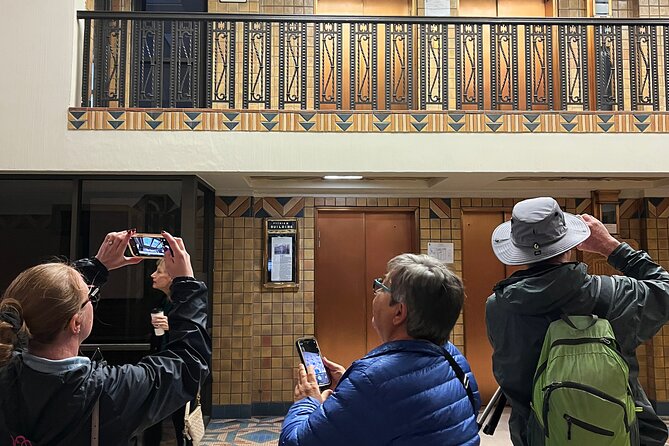
The Sinclair and Philcade buildings bring the tour back to some of the district’s strongest Art Deco character. These stops are especially good for paying attention to decorative details, including the kind of geometric design and stylized ornament that define the period.
Philcade is also an important part of the oil-era story. Its name and design connect it to the city’s petroleum wealth, while its appearance shows how commercial architecture could become a public statement.
This is the point where the earlier explanations begin to pay off. You can look at the facade and identify more than just an attractive old building. You can see the period’s taste for order, symmetry, repeated forms, and carefully controlled decoration.
The interiors make this more than a sidewalk tour
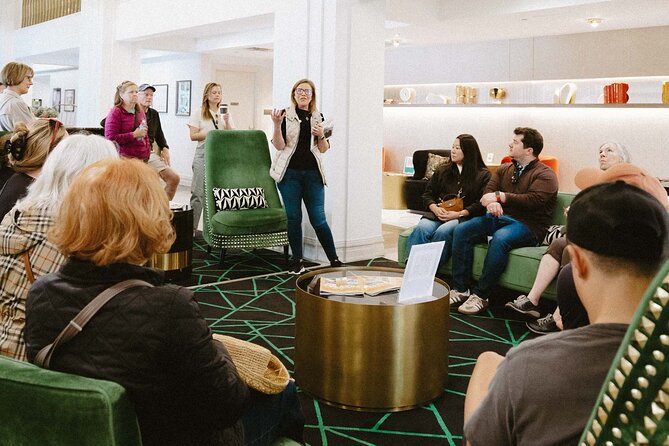
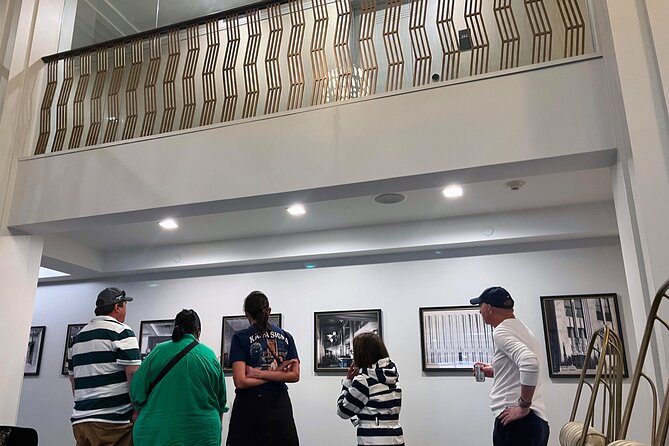
One of the strongest features is the possibility of entering some buildings that are otherwise locked. Access depends on what is available during your visit, but guides have taken groups inside spaces that would be difficult to see independently.
That changes the experience. Street facades tell you how a building presented itself to the public. Interior details can reveal how the same building functioned, from decorative finishes to the way the entrance or lobby directed people through the space.
You should not assume every building will be open or that an interior visit is guaranteed. Still, the chance to step inside gives this tour an advantage over walking around downtown with a guidebook. It also explains why a local guide is useful even if you already know something about Art Deco.
What the guides add to the walk
The experience is shaped heavily by the person leading it. Guides named in the feedback include Becky, Jeff, and Jeffrey. Their styles may differ, but the useful qualities are clear: strong knowledge of the buildings, clear speaking, humor, and a willingness to answer questions.
Jeff has been praised for allowing back-and-forth discussion rather than delivering a fixed speech. That suits this type of tour. You can ask about a detail, a building’s use, or the people connected to Tulsa’s oil boom while you are looking directly at the subject.
One practical strength is sound. Downtown tours can fail when a guide is hard to hear over traffic and people. Here, the experience has been described as clear, with little sound pollution on the route. That matters more than it may seem, since two hours of missed sentences can leave you with attractive photographs but little understanding.
Some guides also adapt to the weather by keeping the group in the shade when possible. Still, you should prepare for an outdoor walk. Tulsa can be hot, and the tour does not promise shade at every point.
Is $52 a fair price?
At $52 per person, this is not the cheapest way to spend two hours in downtown Tulsa. You can walk past the buildings for free. The question is what you gain from paying.
You gain an expert explanation of nine notable buildings, a clear account of Tulsa’s architectural development, and the possibility of seeing interiors that are not normally open to casual visitors. You also avoid spending your own time researching which buildings matter and how they connect.
The value is strongest if you care about design, city history, or the people behind Tulsa’s oil-era growth. It is less compelling if you prefer to explore at your own pace, take photos without stopping, or already have access to a detailed architectural guide.
There is no separate admission charge for the buildings discussed, and gratuity for the guide is optional. I would treat the price as payment for the guide’s preparation, access, interpretation, and time rather than as an admission ticket.
Who will enjoy this Tulsa tour most?
This walk suits first-time visitors who want a focused introduction to downtown Tulsa. It also works well for couples, solo visitors, families with older children, and anyone who enjoys looking closely at buildings rather than rushing between attractions.
You do not need to be an architecture specialist. The guide explains the styles in plain terms, and the two-hour length keeps the subject approachable. If you already know Art Deco well, you may still appreciate the Tulsa-specific stories and the chance to see interiors.
Families should remember the walking and stairs. Most people can take part, and service animals are allowed, but the route is not a seated sightseeing tour.
The tour also makes a good afternoon activity. It is long enough to feel substantial, yet short enough to leave room for a meal, another downtown stop, or independent exploring.
Booking, weather, and practical details
You receive confirmation when booking, and the experience is offered in English with a mobile ticket. The tour starts and ends at 511 S Boston Ave, Tulsa, Oklahoma 74103.
It is often booked around 17 days ahead, so I would not leave it until the last moment if your Tulsa dates are fixed. The maximum group size is 25 people.
Free cancellation is available until 24 hours before the start time for a full refund. Changes or cancellations made inside that 24-hour window are not accepted for a refund. Since good weather is required, a weather cancellation brings the choice of another date or a full refund.
Bring comfortable shoes and plan for an outdoor walk with some stairs. The guide may find shade, but you should still dress for the day’s conditions.
Should you book it?
Book this tour if you want Tulsa’s Art Deco buildings to make sense, not just look good in photographs. The strongest reasons are the compact route, the clear explanations, the oil-era stories, and the possibility of seeing locked interiors.
Skip it if you want a completely self-guided stroll or if two hours of architecture sounds like too much standing and walking. For most visitors interested in Tulsa’s downtown past, $52 is a fair price for a focused introduction, especially when a good guide such as Becky, Jeff, or Jeffrey turns the facades into stories you can remember.
FAQ
How long does the Tulsa Art Deco walking tour last?
The tour lasts approximately two hours.
Where does the tour begin and end?
It begins at 511 S Boston Ave, Tulsa, OK 74103, and ends back at the same meeting point.
What buildings are included?
The tour discusses the Atlas Life, Philtower, Tulsa Club, Southwestern Bell, ARCO, PSO, Pythian, Sinclair, and Philcade buildings.
Is the tour offered in English?
Yes. The tour is offered in English.
How many people can join the tour?
The maximum group size is 25 people.
Is the tour accessible to most participants?
Most travelers can participate, but the walk includes some stairs. Service animals are allowed.
What happens if bad weather cancels the tour?
If poor weather causes a cancellation, you’ll be offered another date or a full refund. You can also cancel up to 24 hours before the start time for a full refund.
New to the itinerary around the USA
- Washington, DC: Georgetown Architecture Walking Tour★ 5.0 · 8 reviews
- Wilmington History and Architecture Tour★ 4.8 · 18 reviews
- Washington DC: Dupont Circle & Embassy Row Architecture Tour★ 5.0 · 6 reviews
- New Orleans : Garden District Architecture Walking tour★ 4.8 · 5 reviews
- Private Colonial Williamsburg Architectural Tour★ 5.0 · 5 reviews
- Tulsa: Art Deco Walking Tour of Tulsa★ 5.0 · 8 reviews
- Castle to Capitol: Museums of the National Mall Architecture Tour★ 4.5 · 9 reviews
- Monuments and Memorials Architectural Walking Tour★ 5.0 · 17 reviews
Art Deco Tours, compared.

The Official Art Deco Walking Tour by The Miami Design Preservation League
Read our review →
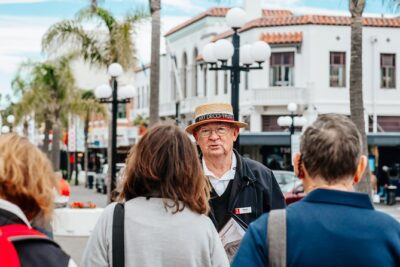
Guided 10am Morning Art Deco Walk From Napier Art Deco Trust
Read our review →
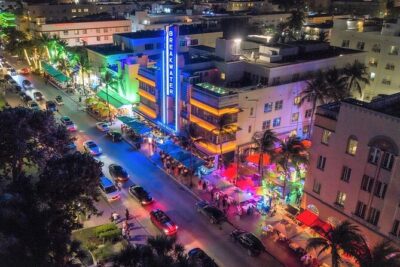
Award-winning Art Deco & Neon Lights Walking Tour in Miami Beach
Read our review →
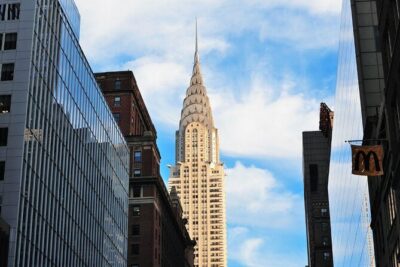
Art Deco and Architecture Midtown Landmarks Tour
Read our review →Other lists with this tour