Review · CHICAGO
Chicago: Secret Interiors Architecture Walking Tour
Chicago saves some of its best architecture for the inside. This two-hour walk takes you from Union Station through the Loop to grand lobbies, shining mosaics, domes, and decorative details you could easily miss from the sidewalk. I especially like the mix of famous buildings and less obvious interiors, along with the way guides connect design to Chicago’s industrial fortunes and colorful characters.
I also like that the tour explains practical problems, not just pretty surfaces: how architects brought daylight into deep buildings and how engineers supported the first generation of tall city structures. The main drawback is simple: much of the tour takes place outdoors, so winter visitors need serious layers, and the brisk walk may not suit everyone.
Key points to know before you book
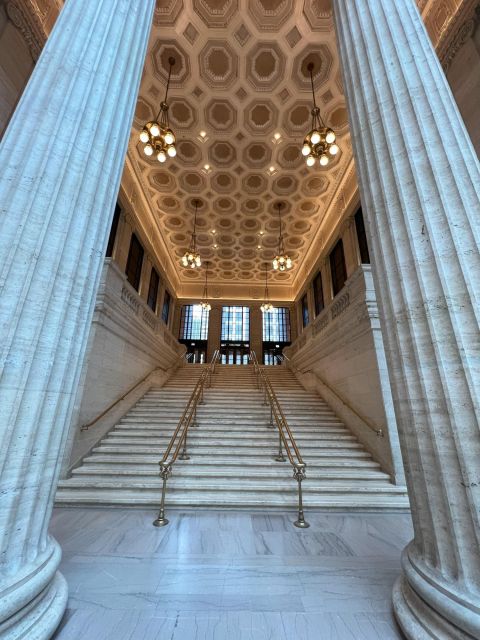
- The tour begins in Union Station’s Great Hall, under the Clinton Street sign, then heads into the Loop.
- You see interiors most people walk past, including the Rookery, Field Building, Marquette Building, and major downtown landmarks.
- The focus goes beyond decoration, covering lighting, structural problems, architectural styles, and Chicago’s role in modern building design.
- Grant, Talia, Annie, Angel, and other guides have earned praise for clear storytelling, humor, and practical local advice.
- Plan for outdoor walking and possible stairs, even though the activity is listed as wheelchair accessible.
- Sundays require a change of plan, since the Rookery is closed and another stop is used instead.
Why Chicago’s interiors are worth your time
Many first-time visitors see Chicago from the river, where the skyline tells the big story. That is a fine introduction, but this walking tour brings you down to eye level, through entrance halls and public spaces where architecture becomes more personal.
You notice the materials close up. A mosaic is no longer a patch of color on a distant wall. A doorway reveals how much thought went into a building’s welcome. A domed ceiling shows how architects used ornament to make a business address feel almost ceremonial.
The tour also gives you a useful sense of sequence. Chicago’s buildings are not a single style. The Loop contains early skyscrapers, Beaux-Arts grandeur, Art Deco detail, modernist restraint, and later changes layered over older work. The guide explains how those shifts reflect new construction methods, changing business needs, and the city’s desire to make a mark far beyond Illinois.
I find that context especially useful if you already plan to take a river architecture cruise. The boat gives you the outside walls and the skyline. This walk gives you the doorways, ceilings, lobbies, and stories behind them. One does not replace the other.
More Walking Tours in Chicago
- Chicago in a Day: Food, History & Architecture Walking Tour
★ 5.0 · 1,153 reviews - Chicago’s Secret Interiors Architectural Walking Tour
★ 5.0 · 635 reviews - Chicago Walking Tour: Art Deco Skyscrapers Loop
★ 5.0 · 138 reviews
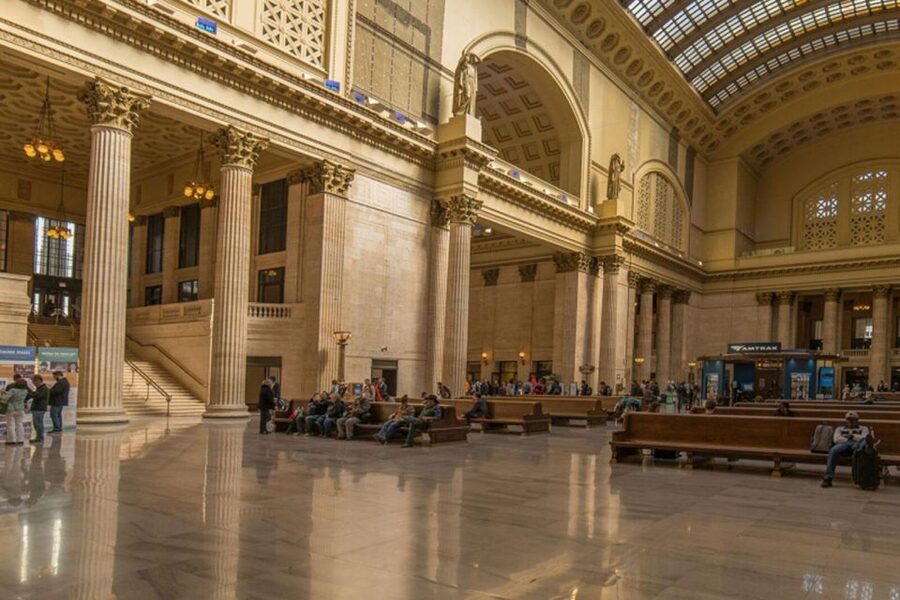
Meeting at Union Station’s Great Hall
Your guide meets you inside Union Station’s Great Hall, beneath the Clinton Street sign. This is a sensible starting point. The room immediately puts you in the right frame of mind, with its scale and formal design before the tour has even begun.
Arrive ready to walk, not to wait around in a bus or gather at a single attraction. The tour is a continuous route through the Loop, with stops for commentary, photographs, and interior visits. Comfortable shoes are essential. One guide covered a large area at a brisk but manageable pace, while another group found the pace easy and unhurried. That difference can depend on the guide, the group, and your own legs.
The tour is conducted in English. Guides named in recent bookings include Grant, Talia, Annie, Angel, Avery, and Matthew. Their styles vary, but the strongest pattern is clear: guides explain the buildings in conversational terms, welcome questions, and add stories about the people who used these spaces.
A small group can make a real difference. With fewer people, you have a better chance to ask about a doorway, a carving, or a detail that catches your eye. Larger groups may require you to stay close so you can hear clearly, especially outside in city traffic.
South La Salle Street and the birth of the tall city
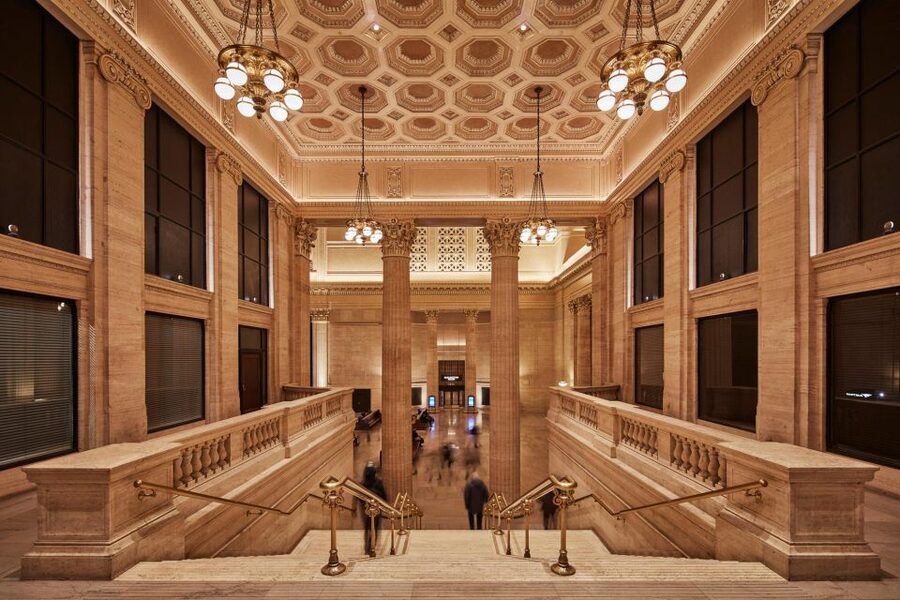
South La Salle Street helps establish the central theme: Chicago’s architecture was shaped by ambition, money, engineering, and competition. This is not simply a walk past handsome facades. You learn why Chicago became such a testing ground for new building ideas.
The area brings together the commercial power of the Loop and the architecture that served it. Industrial magnates, financiers, hotel patrons, office workers, and public figures all moved through these corridors during the Gilded Age and the Roaring Twenties. The guide uses those stories to make the buildings feel occupied rather than frozen in a textbook.
You also hear about the problems architects faced. Tall buildings needed dependable structural systems, useful daylight, and interiors that did not feel like dark shafts. The solutions were often ingenious. Steel framing, carefully planned windows, light courts, and decorative surfaces all played a part.
This stop is a good reminder that style and engineering cannot be separated in Chicago. The ornament may attract your eye, but the structure made the height possible.
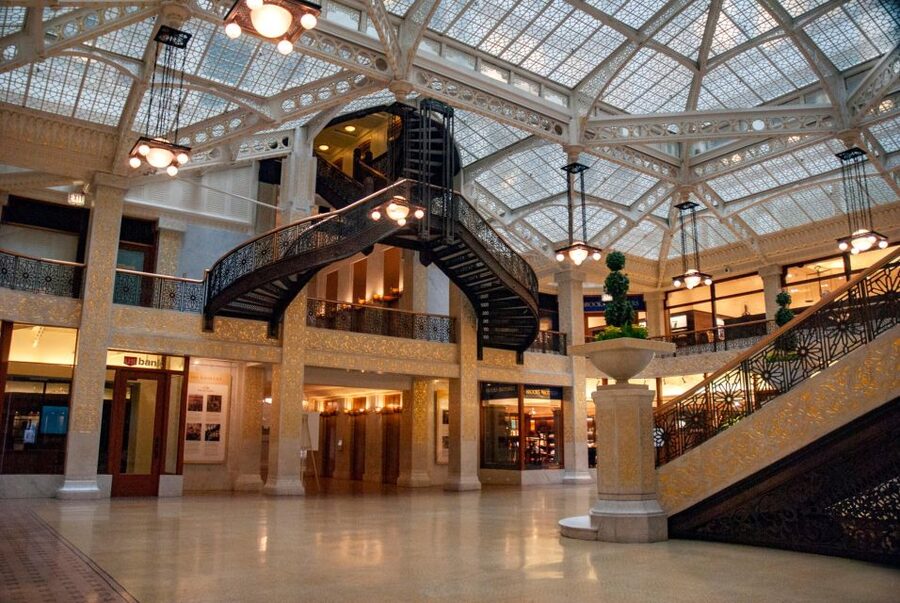
The Rookery Building and its luminous center
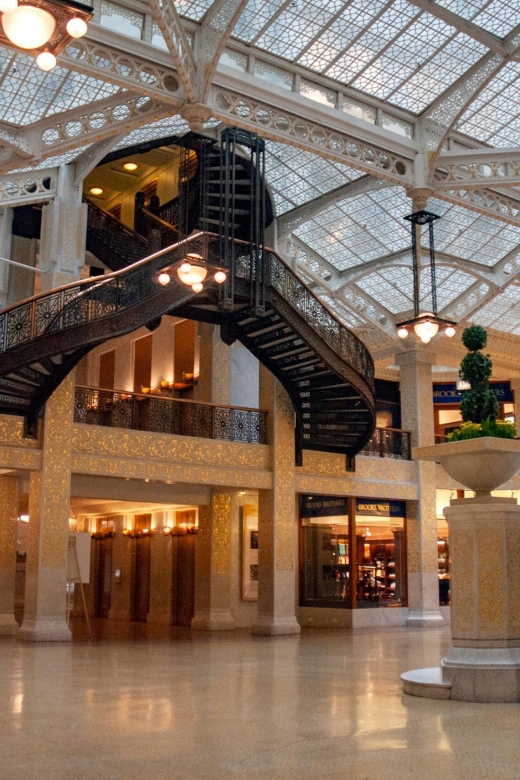
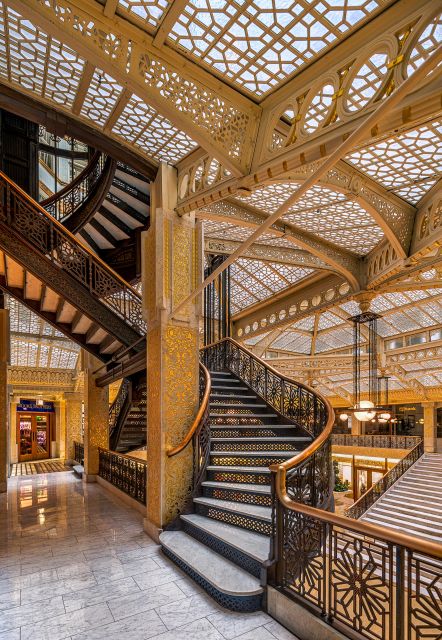
The Rookery is one of the major reasons to book this tour. Its interior is known for elaborate craftsmanship and a central light-filled space that shows how architects tried to make a large commercial building feel open and dignified.
The building has a strong connection to Chicago’s early skyscraper period. You can expect the guide to point out how the design balances practical office use with decorative ambition. The details reward close attention: look upward, check the edges of openings, and notice how surfaces guide your eye toward the center.
The Rookery is closed on Sundays. On that day, the tour includes an alternative stop, so do not book Sunday expecting the exact same interior sequence. If this building is your top priority, choose another day and confirm the current schedule when you reserve.
This is also one of the places where the tour’s name makes sense. You may pass the building and admire its exterior without realizing how much work is waiting inside. The guide provides the reason to enter and the background that helps the space make sense.
More Walking Tours in the USA
- Chicago Architecture Walking Tour: Incredible Art Deco Interiors
★ 5.0 · 85 reviews - Chicago Architecture Walking Tour: What’s New
★ 5.0 · 64 reviews - Chicago Walking Tour: Art Deco Skyscrapers Riverfront
★ 5.0 · 53 reviews - Chicago in a Day: Food and Architecture Private Walking Tour
★ 5.0 · 53 reviews
The Field Building and practical elegance
The Field Building offers another lesson in how Chicago combined business efficiency with polished design. Its interior gives you a chance to compare a working commercial building with the more theatrical spaces elsewhere on the route.
The guide may draw your attention to the organization of the lobby, the materials, and the way light moves through the space. These are not decorative choices made at random. They helped create a sense of permanence and trust for companies conducting serious business.
I like this kind of stop because it slows the tour down. Grand domes and mosaics are easy to admire, but a building’s everyday design can tell you just as much about its era. You see what architects thought an office entrance should communicate to employees, clients, and owners.
The Marquette Building’s stories in tile and stone
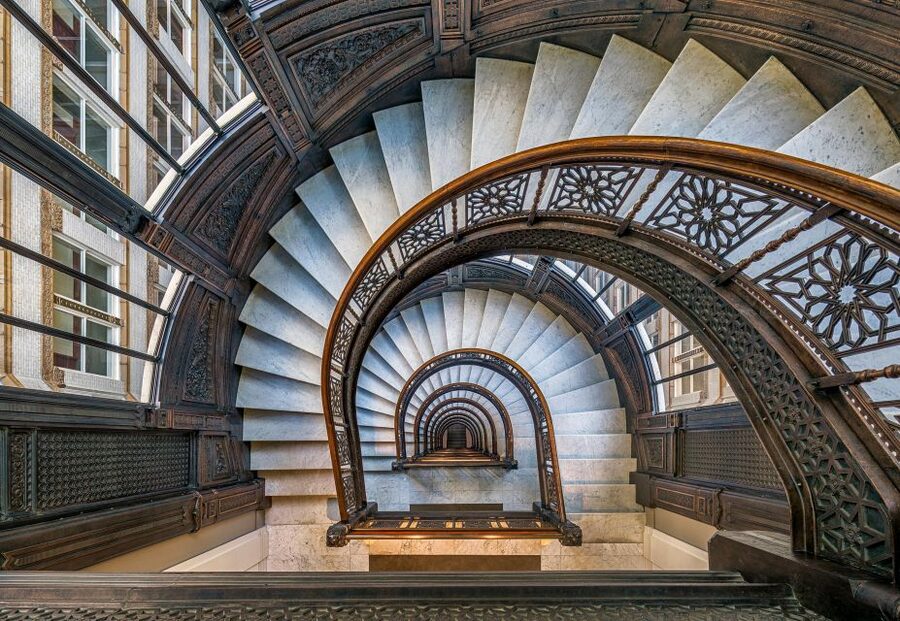
The Marquette Building is one of the tour’s more memorable interiors because decoration carries meaning. Its mosaics and architectural details connect the building to Chicago’s past, rather than treating ornament as simple surface dressing.
The guide explains what to look for and why certain figures, patterns, or materials appear where they do. Without that explanation, you might notice beauty but miss the message. With it, the lobby becomes a visual account of civic pride, commerce, and the city’s place in American expansion.
This is a good stop for anyone interested in decorative arts, not just skyscrapers. The craftsmanship is close enough to study, and the building shows how interior design could turn a business environment into a public statement.
Palmer House and the drama of a grand hotel
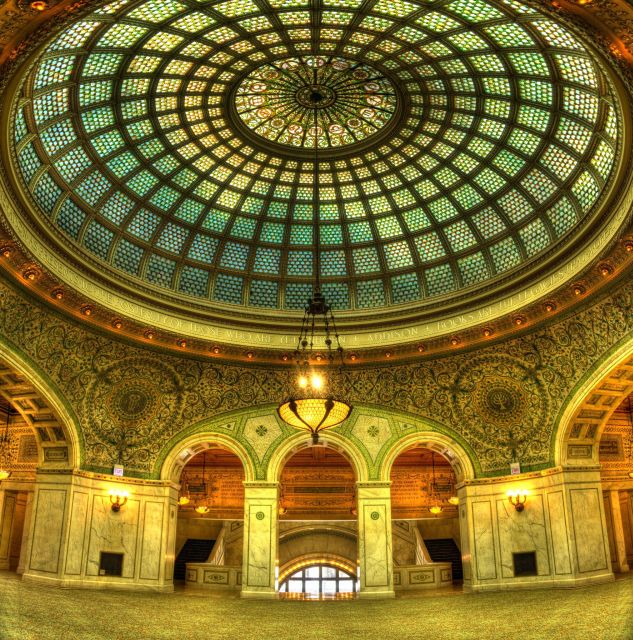
Palmer House adds a different mood. Hotels were designed to impress, and this one lets you see how architecture served hospitality, status, and social life.
Expect a more theatrical interior experience, with decorative details intended to make arrival feel special. The guide puts the hotel into the broader story of Chicago’s famous visitors, business figures, and public personalities. The building becomes a setting for ambition and reputation, not just a place to sleep.
It is also a useful contrast with the office buildings. In an office lobby, the message may be stability and efficiency. In a grand hotel, the message is ceremony. The tour helps you notice how the same city used different architectural languages for different kinds of power.
Since this is an operating hotel, access and the exact amount of time inside can depend on current conditions. Your guide manages the visit as part of the walking route, so keep your attention on the commentary and respect the working building around you.
Chicago Cultural Center and the pleasure of looking up
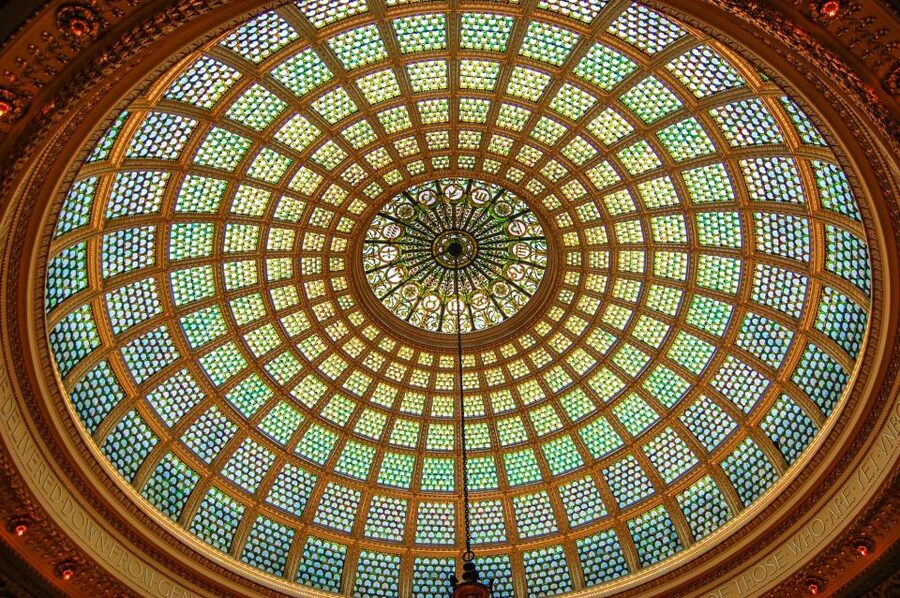
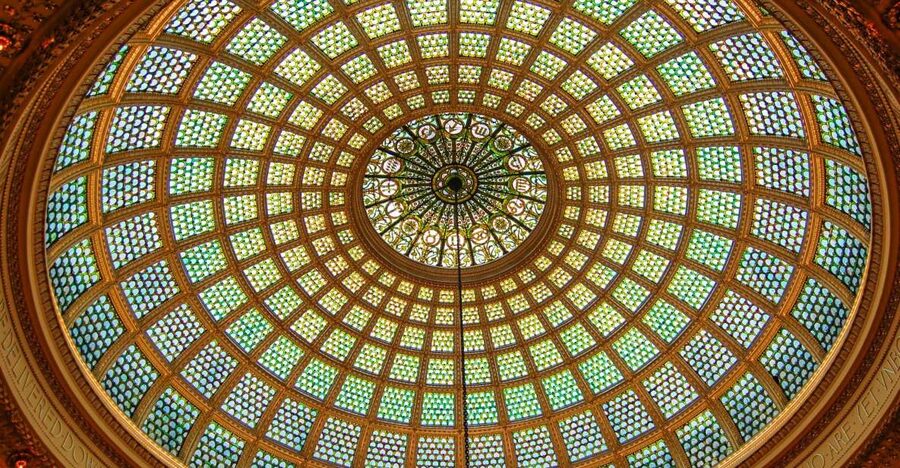
The Chicago Cultural Center is a natural highlight for anyone who enjoys mosaics, domes, and fine interior work. It gives the tour a public and civic dimension, in contrast to the commercial buildings earlier in the walk.
Look up. The overhead decoration is the sort of feature that rewards a quiet pause, even during a guided visit. The guide can point out materials, patterns, and design choices that are easy to miss if you enter only to cross the building or escape the weather.
This stop also shows how architectural beauty can serve the public. You are not seeing only a private office or hotel entrance. You are seeing a civic interior designed to make culture and public life feel important.
If you enjoy Art Deco, historic interiors, or decorative ceilings, this stop should appeal strongly. One booking was made specifically by someone interested in Art Deco, and the tour’s range gives that interest plenty of material, even though the route is not limited to one style.
Marshall Field and Company Building: a fitting finish
The former Marshall Field and Company Building is the final stop. Its scale and commercial history make it a fitting place to end a tour about ambition, design, and Chicago’s changing city center.
Department stores once treated shopping as a grand public experience. The architecture helped create that feeling, using space, materials, and detail to make everyday commerce feel important. Your guide explains how the building fit into the city’s business culture and points out features that make it more than a large retail address.
Ending here also gives you a chance to continue exploring after the tour. The route finishes at the building rather than returning to Union Station, so you are already in a central part of the Loop. That makes it easy to continue sightseeing, find food, or revisit a detail you want to study more closely.
What guides add to the buildings
The strongest part of this experience is the human voice between the buildings. Grant is repeatedly described as clear, engaging, and full of historical detail. He has a background as a high school history teacher and has even offered dining suggestions after a tour.
Talia is praised for her warmth, humor, patience, and care with group comfort. Annie brings strong city knowledge and useful recommendations for food and drinks. Angel is noted for enthusiasm and a talent for making Chicago’s design story approachable. Matthew has been described as friendly and entertaining, with plenty of unusual facts.
Those details matter because architecture tours can become a list of dates and names. The best guides turn the city into a chain of choices and consequences: someone wanted more light, someone needed a stronger structure, someone wanted a hotel to impress, and someone wanted a company headquarters to project confidence.
Do ask questions. One guide gave fuller explanations when prompted about decorations, doorways, and other passing details. You may get more from the tour if you point to the feature that interests you instead of waiting for the guide to cover everything.
Walking conditions, weather, and accessibility
The walk lasts about two hours and covers a substantial part of the Loop. It is not an athletic event, but you should expect regular movement between buildings and a pace that can feel brisk for some people.
Winter deserves special attention. One January participant estimated that about 90 percent of the experience was outside. That makes a cold-weather booking possible, but only if you wear a warm coat, gloves, and suitable shoes. Summer and shoulder seasons should be more comfortable, though the same outdoor exposure applies.
The activity is listed as wheelchair accessible. At the same time, a participant reported many stairs in and out of buildings. That means accessibility may vary by stop or by the route used that day. If stairs would create a problem for you, contact the provider before booking and ask how the current route handles each interior.
Is $35 a fair price?
At $35 per person, the tour is reasonably priced for two hours with a live guide and access to several major interiors. You are paying less for a single admission and more for the connection between buildings: the route, interpretation, historical setting, and chance to enter places you might otherwise pass.
The value is strongest if you are curious about how buildings work and why their details matter. A person who only wants exterior photographs may prefer a free self-guided walk. But if you want someone to explain structural challenges, lighting solutions, decorative programs, and the people behind the buildings, the fee is easier to justify.
The reserve-now, pay-later option also helps if your Chicago schedule is still shifting. Cancellation is available up to 24 hours before the tour for a full refund, according to the booking terms.
Who should book this Loop architecture walk?
I would choose this tour for a first or second Chicago visit, especially if you already plan to see the skyline from the river. It is also a strong choice for local residents. Several long-time area residents discovered buildings they had never entered, which is exactly the point of a city walk like this.
You will get the most from it if you:
- Like architecture, design, engineering, or city history
- Enjoy guided storytelling rather than reading plaques alone
- Want interiors as well as exterior views
- Can walk outdoors for much of two hours
- Are happy to ask questions and look closely at small details
- Want a compact introduction to several Loop buildings
You may want another activity if your priority is a slow, purely indoor visit, a full technical lecture, or a tour devoted only to one architectural style. The pace is comfortable for many people, but not everyone. The boat architecture tour is also a better single choice if you want the widest view of Chicago’s full riverfront skyline.
Should you book the Secret Interiors Architecture Walking Tour?
Yes, if you want Chicago’s buildings to become more than impressive backdrops. The route gives you grand rooms, practical design lessons, stories of wealth and ambition, and a closer look at the city’s architectural experiments.
Book it on a day when the weather suits you, wear shoes made for walking, and choose a non-Sunday date if the Rookery is a priority. If possible, request or hope for a guide such as Grant, Talia, Annie, or Angel, but the tour’s real strength is the route itself. For $35, it is a useful, focused way to see the Loop from the inside.
FAQ
Where does the Chicago Secret Interiors Architecture Walking Tour begin?
Meet your guide inside Union Station’s Great Hall, under the Clinton Street sign.
How long does the tour last?
The walking tour lasts two hours.
What buildings does the tour visit?
The route includes South La Salle Street, the Rookery Building, Field Building, Marquette Building, Palmer House, Chicago Cultural Center, and Marshall Field and Company Building. The Rookery is replaced by an alternative stop on Sundays.
Is the tour conducted in English?
Yes. The tour includes a live English-speaking guide.
What should I bring?
Bring comfortable shoes. You should also dress for outdoor weather because much of the tour takes place outside.
Is the tour wheelchair accessible?
The activity is listed as wheelchair accessible. However, one participant reported many stairs in and out of buildings, so contact the provider before booking if you need step-free access at every stop.
More Hidden Gems Architecture Tours in Chicago
- Tokyo: Shibuya Highlights Walking Tour & Secret View Spot
★ 5.0 · 287 reviews - Delhi Hidden Gems: Mehrauli, Lodhi Art & Sunder Nursery
★ 5.0 · 108 reviews - Miami Beach Art Deco & Hidden Gems Bike Tour with Local Historian
★ 5.0 · 78 reviews - Barcelona: Exploring Gaudí’s Hidden Gem, Bellesguard Tower
★ 4.7 · 37 reviews
New to the itinerary around Chicago
- Private Chicago Architecture Tour★ 5.0 · 5 reviews
- Private Frank Lloyd Wright Architectural Tour by Luxury Vehicle★ 3.5 · 7 reviews
- Chicago Luxury Minibus City Tour and Architecture River Cruise★ 4.5 · 8 reviews
- Private Chicago Architecture Walking Tour★ 5.0 · 6 reviews
- Chicago History and Architecture Walking Tour with Boat Cruise★ 4.5 · 10 reviews
- Small Group History And Architecture Walking Tour of Chicago★ 4.5 · 8 reviews
- Chicago: History and Architecture Guided Kayak Tour★ 5.0 · 3 reviews
- Chicago Walking Tour: See Inside Art Deco Masterpieces★ 4.9 · 8 reviews
Hidden Gems Architecture Tours, compared.
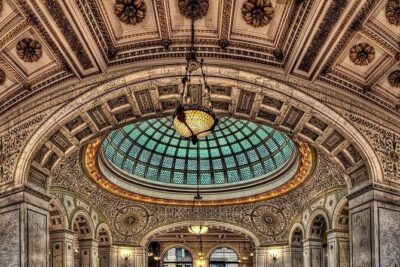
Chicago’s Secret Interiors Architectural Walking Tour
Read our review →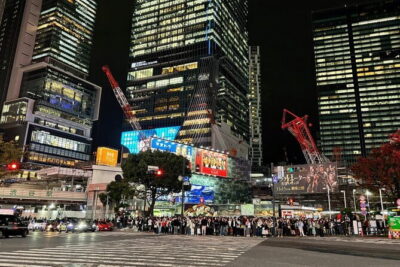
Shibuya Highlights Walking Tour & Secret View Spot
Read our review →
Delhi Hidden Gems: Mehrauli, Lodhi Art & Sunder Nursery
Read our review →
Miami Beach Art Deco & Hidden Gems Bike Tour with Local Historian
Read our review →

Detroit: Architectural Beauty and Hidden Gems Walking Tour
Read our review →
Secret Split: Socialist Architecture & brutalism – Urban Utopia
Read our review →