
Review · ITALY
Private Personalized Architecture Tour of Rome with an Architect
Rome makes more sense when you look up. This private walking tour treats the city as an open-air architecture lesson, linking Baroque fountains, ancient theaters, medieval churches, and grand 19th-century monuments. You can shape the route around your interests instead of following a fixed group schedule.
I like the private format, which gives you room to ask why a building looks the way it does, not just when it was built. I also like the church stops, especially Sant’Ignazio and Santa Maria in Trastevere, where the details can be more rewarding than another quick photo of a famous square.
The main caution is that the tour covers a lot of ground in roughly 3 hours and 40 minutes. The Colosseum is viewed from outside on the stated route, and the Pantheon may require a wait and an extra €5 ticket. Confirm the ticket details before booking, since the included information refers to a Colosseum ticket even though the route says you will not enter.
Key points to know before booking
- An architect leads the walk: Expect attention to design, structure, decoration, and the way Rome’s buildings changed over time.
- Ten major stops fit into one outing: The route moves from the Spanish Steps through central Rome and ends at the Colosseum.
- The Pantheon costs extra: Entry is not included, and a line may slow the tour.
- The Colosseum is an exterior visit: You receive an architectural and historical explanation, but the arena interior is not part of the stated route.
- Churches are a major theme: Sant’Ignazio, Santa Maria in Aracoeli, and Santa Maria in Trastevere reward visitors who enjoy interiors and religious art.
- The private group format suits questions: You can ask for more churches, ancient Roman buildings, or photography stops, time permitting.
Why an architect changes the way you see Rome
A standard city walk often gives you dates and famous names. This experience aims at something more useful: helping you read the buildings around you. An architect can point out proportions, columns, arches, façades, false perspective, and the way later buildings borrowed from ancient Rome.
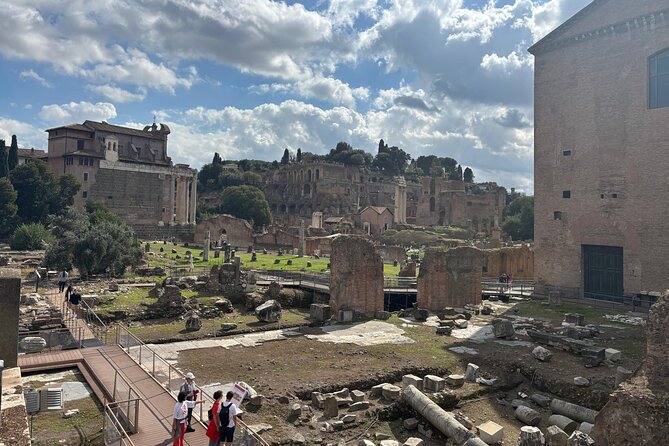
That approach is especially useful here because the route crosses several periods. You move from the Baroque Spanish Steps and Trevi Fountain to Roman ruins, medieval churches, and the enormous Monumento a Vittorio Emanuele II. The city’s odd mix begins to feel less random.
The guide is described as tailoring the walk to your interests. You should use that option early. If you care most about ancient engineering, ask for more time around the Colosseum, Teatro di Marcello, and Portico of Octavia. If church interiors appeal to you, say so at the start. One guide associated with the experience, Bado, is praised for architectural and historical knowledge and for a warm manner.
The route is private, so your questions do not have to wait while a large group moves on. That matters at places such as Sant’Ignazio, where a quick glance misses the optical tricks inside the church.
More Private Architecture Tours in Italy
- City Walk with Architect: Private walking tour of Rome
★ 5.0 · 22 reviews - Private Tour: Venice Art and Architecture Walking Tour
★ 4.0 · 22 reviews - Venice Art and Architecture Private Walking Tour
★ 4.5 · 11 reviews
Starting above Rome at the Spanish Steps
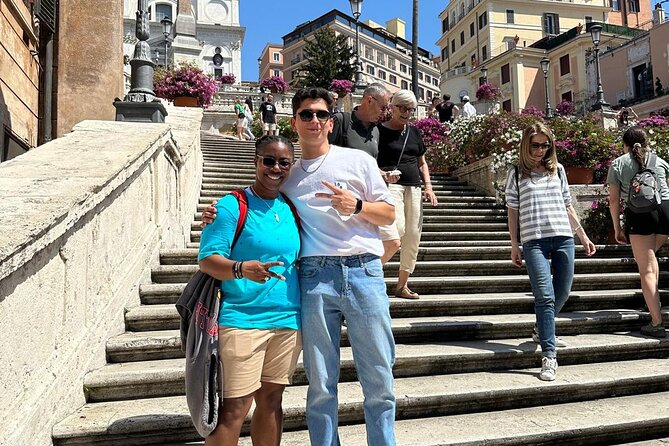
The meeting point is Piazza di Spagna, with the walk beginning at the Spanish Steps. You climb toward Trinità dei Monti, spending about 20 minutes here.
The best reason to begin at this spot is the view. From the upper part of the steps, you get a useful look across Rome’s rooftops and a sense of the city’s hills and church domes. Your guide can also set the tone for the rest of the walk by explaining how the area combines urban planning, monumental stairs, and Rome’s long tradition of dramatic public spaces.
There is no admission charge for this stop. Still, the steps can be crowded, and 20 minutes is enough for orientation and photographs rather than a detailed study of every feature. Wear shoes suitable for walking and climbing.
The Pantheon, with a ticket and possible wait
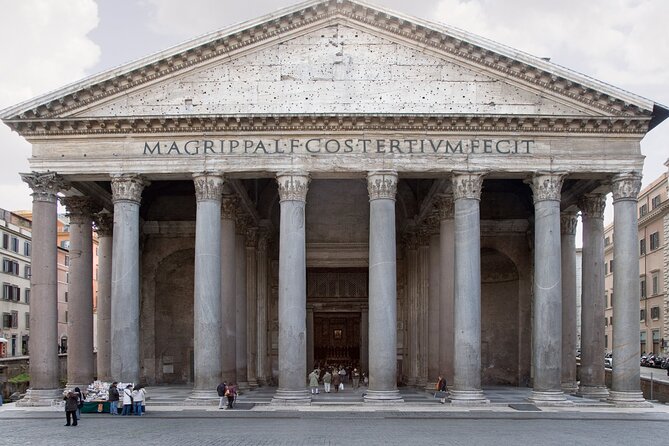
The Pantheon receives about 20 minutes. You step inside if you choose to pay the €5 admission charge, but the tour information warns that the line can be long.
This is one place where the architect’s viewpoint can add real value. The building’s design is not just an impressive façade. Inside, you can look at the huge dome, the circular interior, and the opening at the top that brings in daylight and weather. The structure’s scale is easy to underestimate from the outside.
The timing is tight if you wait in line. Ask your guide how the stop will fit into the schedule before joining the queue. The Pantheon ticket is not included, and the information provided says that no other ticket is needed for the route, apart from this €5 entry. That statement conflicts slightly with the separate note about a Colosseum ticket being included, so confirm what is covered when you book.
Sant’Ignazio and Rome’s optical surprise
The Chiesa di Sant’Ignazio di Loyola gets about 10 minutes. That may sound brief, but the interior has one feature worth making time for: a famous mirror used to photograph the church’s ceiling.
Sant’Ignazio is known here for its architectural effect and decorative interior, not just its religious role. The mirror gives you a way to see and photograph the ceiling without craning your neck. There is usually a line for the mirror, so you may need to choose between waiting for the photograph and spending more time looking around.
This stop also reveals the focus of the tour. The guide associated with the experience specializes in church architecture, so you should expect churches to receive serious attention. That is a strength for visitors who enjoy interiors, frescoes, and design. It may feel less balanced if your ideal Rome tour is mostly ruins and food stops.
Same streets, read through a different style:
- Lecce: Baroque Architecture and Underground Walking Tour
★ 4.6 · 1,248 reviews - Naples: San Gaudioso Catacombs Guided Tour
★ 4.7 · 1,105 reviews - Experience Florence’s Art and Architecture on a Walking Tour
★ 5.0 · 318 reviews - Palermo: Art and Architecture Walking Tour
★ 4.7 · 136 reviews
Trevi Fountain and Baroque theater
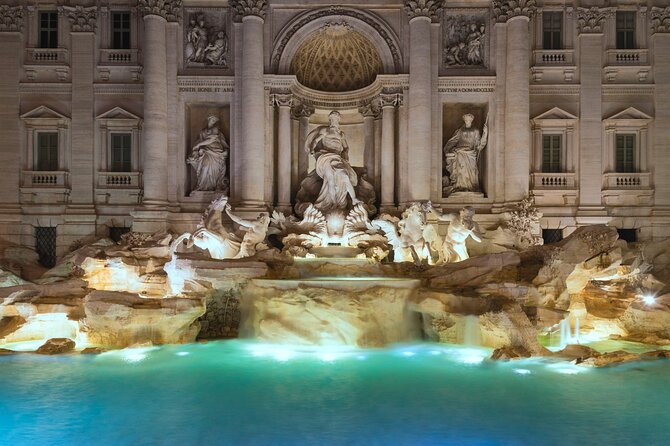
The Trevi Fountain takes about 10 minutes. You can admire the carved figures, flowing water, and theatrical Baroque design, then take part in the familiar coin-toss tradition.
The short stop works for seeing the fountain and hearing its architectural story. It does not leave much time for a quiet visit, especially when the area is crowded. Keep your belongings secure and stay alert around the pool area.
The guide’s role here is to draw your eye beyond the famous photograph. Look at how the fountain uses stone, water, movement, and scale to turn a city wall into a stage. That is the kind of detail this tour is designed to bring forward.
The Vittorio Emanuele II Monument and Piazza Venezia
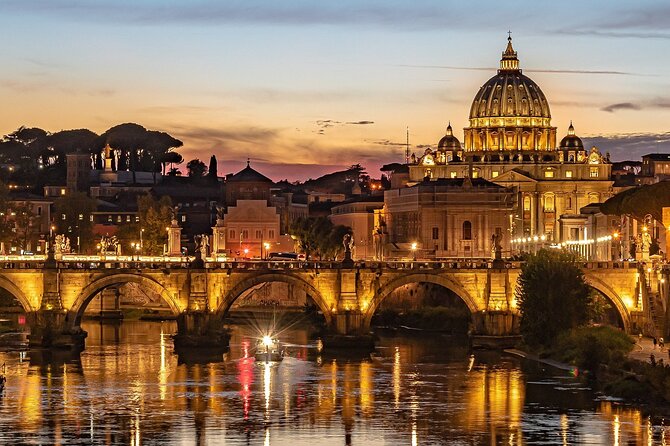
The Monumento a Vittorio Emanuele II receives about 20 minutes. It sits on Via Nazionale near Piazza Venezia and honors Italy’s first king.
The bright white monument is hard to miss. Its huge columns, sculpted decoration, and broad stairs make it one of Rome’s most imposing modern-era landmarks, though not everyone finds it beautiful. Your guide can explain its role in the creation of a unified Italian state and its place in the city center.
This is also a good photo stop. The monument gives you wide views toward the busy center of Rome, and its size helps you understand the scale of the surrounding streets. Twenty minutes should be enough for an exterior explanation and photographs.
The Colosseum from the outside
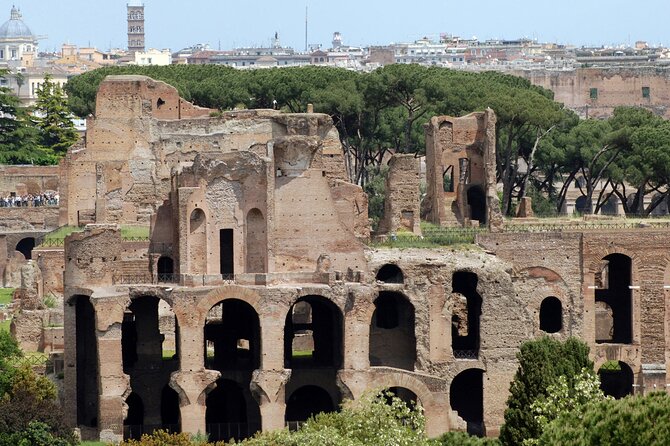
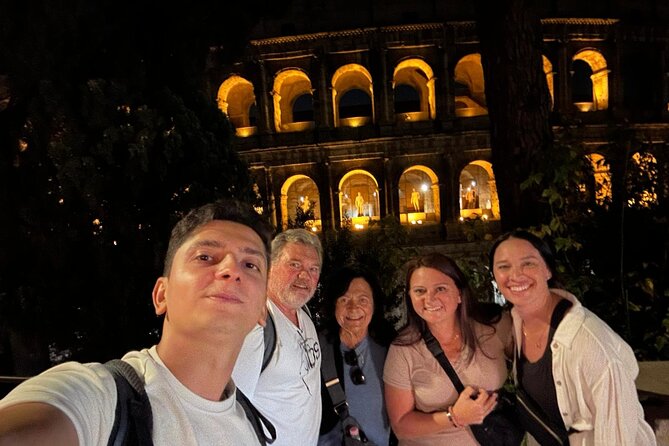
The Colosseum receives about 30 minutes, making it the longest single stop on the route. You do not enter the arena on this tour. Instead, your guide explains its architecture, use, and place in ancient Rome.
That distinction matters. If walking inside the Colosseum is a top priority, you need a separate visit or a different tour. The included information says that a Colosseum entrance ticket valued at €18 and a €2 reservation fee are included, yet the itinerary clearly says the group will not enter. Treat the exterior visit as the reliable feature and ask for clarification about the ticket before paying.
From outside, you can still study the stacked arches, repeated openings, and massive stone structure. The guide can also connect its form to Teatro di Marcello, which came earlier and influenced later Roman theater and amphitheater design. The Colosseum stop works best as part of that architectural comparison.
The end point is Piazza del Colosseo, beside the Colosseum. That is practical, since public transport is nearby and you do not have to find your way back across the city after a long walk.
Portico of Octavia and the former Jewish Ghetto
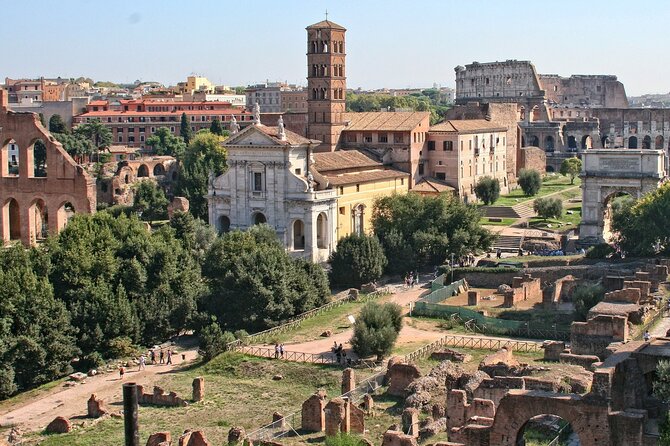
The Portico of Octavia receives about 20 minutes. This ancient structure dates from the 2nd century BC and once served as the entrance to a large temple complex.
Today, the remaining Corinthian columns and fragments offer a compact lesson in how Rome reuses its past. Your guide can explain the monument’s ancient purpose, its later connection to the medieval Jewish Ghetto, and the marketplace that once occupied the site.
This stop is valuable because it is not simply an isolated ruin. It shows how one place can change function over centuries. You are looking at ancient Roman construction in a setting shaped by later communities and daily trade.
Teatro di Marcello, an older cousin of the Colosseum
Teatro di Marcello receives another 20 minutes. Julius Caesar began the project, and Augustus completed it. The theater once held performances and later became part of a medieval residence.
Its curved arches make the connection with the Colosseum easy to see. The two buildings are not identical, but Teatro di Marcello helps explain the Roman use of repeated arches and tiered public structures. It also demonstrates how ancient buildings were adapted rather than simply abandoned.
This is a strong stop for anyone interested in construction and urban change. You can compare the theater with the Colosseum before reaching the final stop. The guide’s explanation should help you see the ancient structure as part of a living city, not just a freestanding ruin.
Santa Maria in Aracoeli on Capitoline Hill
The Basilica di Santa Maria in Aracoeli gets about 20 minutes. It sits on Capitoline Hill and occupies a site with ancient Roman connections before becoming a medieval church.
Inside, look for the frescoes and the statue of the Santo Bambino. The church offers a different experience from the open-air ruins: cooler, quieter, and filled with layers of religious art and building changes.
The steps and hill setting add some physical effort to the route. If you have limited mobility, ask about the exact path before booking, even though most participants can take part and service animals are allowed. The tour is described as suitable for most people, but it remains a walking experience with stairs and uneven historic areas.
Santa Maria in Trastevere and its golden mosaics
The final church stop is Basilica di Santa Maria in Trastevere, with about 20 minutes inside. It is among Rome’s oldest churches and is known for golden mosaics, Romanesque features, and early Christian roots.
This stop gives the tour a calm finish before the route ends at the Colosseum. The mosaics catch the light and make the interior feel very different from the classical monuments earlier in the day.
You should not expect a long service, art-history lecture, or extended quiet visit in 20 minutes. Instead, use the guide’s explanation to identify the main architectural elements, then return later if the church becomes one of your priorities.
Is the $113.56 price good value?
At $113.56 per person, this is not the cheapest way to see Rome’s headline sights. The value depends on how much you want from the guide.
For a private group, the price buys a tailored route and direct attention from an architect. That can be worthwhile for a couple, family, or small group with a clear interest in buildings and church interiors. Group discounts may improve the cost for larger parties.
The price does not cover meals. The Pantheon also requires an extra €5 if you enter. The Colosseum ticket information needs clarification because one part says an entrance ticket and reservation fee are included, while the route says the arena is not entered.
You are paying for interpretation more than admission. If you only want a quick checklist of famous sights, a regular group walk may cost less. If you want to understand why Roman buildings look the way they do, the private format offers better value.
Timing, pickup, and practical details
The advertised duration is approximately 3 hours and 40 minutes. The meeting point is Piazza di Spagna, and the stated end point is Piazza del Colosseo. Pickup is offered, and you can contact the guide using the supplied phone number and email. The guide says they will make contact one hour and one day before pickup time.
The tour is offered in English and includes a mobile ticket. Confirmation arrives at booking, and the activity is private, so only your group participates.
The route includes ten stops, with listed stop times adding up to roughly three hours and ten minutes. The remaining time likely allows for walking between locations, questions, and any ticket queue, but you should not expect long visits at every site.
Free cancellation is available if you cancel at least 24 hours before the start time. Changes or cancellations made inside that period are not accepted for a refund.
Who should book this Rome architecture walk?
I would choose this experience if you want a private guide, enjoy churches and historic buildings, and prefer explanations that connect one monument to another. It is especially useful for a first visit when you want a broad introduction without joining a large group.
It also suits repeat visitors. The guide can focus on details you missed before, such as the Sant’Ignazio mirror, the structure of Teatro di Marcello, or the changes around the Portico of Octavia.
I would not book it as your only Colosseum visit if entering the arena is essential. I would also think twice if you dislike churches or need a slow pace. The schedule is compact, and the city’s traffic, crowds, stairs, and queues can reduce time at each stop.
FAQ
How long does the private architecture tour last?
The tour lasts approximately 3 hours and 40 minutes.
Where does the tour start?
It starts at Piazza di Spagna, at the Spanish Steps in Rome.
Where does the tour end?
It ends at Piazza del Colosseo, beside the Colosseum.
Is the tour private?
Yes. Only your group participates in the activity.
Is the guide an architect?
The experience is presented as a private architecture tour with an architect guide. Guide Bado is identified among the guides associated with the experience.
What language is the tour offered in?
The tour is offered in English.
Is the Pantheon ticket included?
No. Pantheon admission is not included, and the stated price is €5. A line may also be required.
Do you enter the Colosseum?
The stated route does not enter the Colosseum. The guide explains the building from outside, and a separate tour is available for interior access.
Are meals included?
No. Meals are not included.
Can I cancel for a full refund?
Yes, if you cancel at least 24 hours before the experience start time. Cancellations made less than 24 hours before the start time are not refunded.
Should you book it?
Book this tour if you want Rome explained through architecture, prefer a private guide, and like the idea of linking famous sights with churches and lesser-known ancient structures. The strongest parts are the tailored format, the church interiors, the comparison between Teatro di Marcello and the Colosseum, and the chance to ask focused questions.
Before booking, confirm two points: the exact pickup arrangement and the conflicting Colosseum ticket information. If you accept that the Colosseum is an exterior stop and the Pantheon costs extra, this can be a thoughtful, efficient introduction to Rome’s many layers.
New to the itinerary around Italy
- Vicenza: Palladian Architecture Private Walking Tour★ 3.3 · 3 reviews
- Architectural Milan: Private Tour with a Local Expert★ 4.5 · 2 reviews
- The Architect’s Water★ 4.5 · 11 reviews
- Architectural Florence: Private Tour with a Local Expert★ 5.0 · 3 reviews
- Rione Sanità: tour among street art, architecture, folklore★ 4.5 · 2 reviews
- Palermo Tour: Magnificent Mixture Of Architectural Styles★ 4.2 · 6 reviews
- Discover Coppedè in Rome: Liberty architecture, symbols, and jewels★ 5.0 · 2 reviews
- Bologna: Guided Architecture Walking Tour★ 4.5 · 2 reviews
Private Architecture Tours, compared.
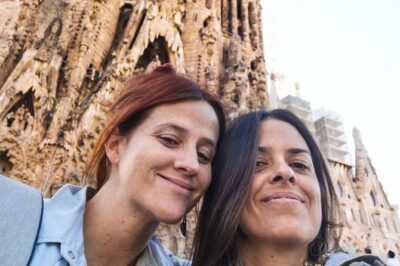
Sagrada Familia & Gaudi Tour Private or Small Group with Tickets
Read our review →
Barcelona 1.5h Private Old Town, Gothic & Ramblas Walking Tour
Read our review →
Treasures of Barcelona: Private Gaudi Walking Tour
Read our review →
Sagrada Familia & Gaudi Guided Tour Private or Small Groups
Read our review →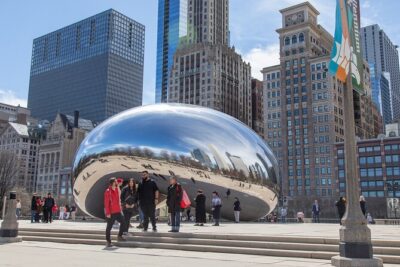
Best of Chicago: Architecture & Highlights City Private Tour
Read our review →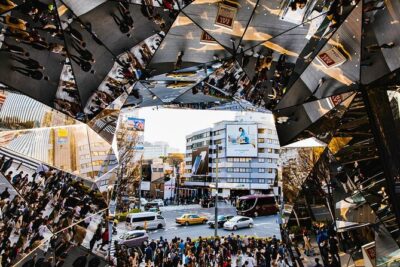
Private Harajuku Omotesando Architecture Walking Tour
Read our review →
Private Santa Barbara History and Architecture Walking Tour
Read our review →
Private Barcelona Modernism and Gaudí Walking Tour
Read our review →Other lists with this tour