
Review · TOKYO
Private Edo-Tokyo Open Air Architectural Museum Tour
The most interesting part of this private tour is the way it turns Tokyo architecture into a story of change. You move from traditional Japanese residences to European-influenced design, then into the modern work of Kunio Maekawa, who worked with Le Corbusier and Antonin Raymond. The setting also has a gentle Studio Ghibli feel, thanks to its old bathhouse, train, and Shitamachi streets.
I like the personal guide and the wide time span. Guides such as Yuichi and Yuki can shape the visit around your interest in tea rooms, gardens, or modern architecture, while the museum shows Tokyo from the end of the samurai era through the Meiji Restoration and Showa period. I also like that you reach the museum by ordinary train and bus, not in a sealed tour vehicle. The tradeoff is the $193 per-person price, plus about 700 JPY each way for transport, so this makes the most sense if you want detailed explanations rather than a quick museum stop.
Key points to know before booking
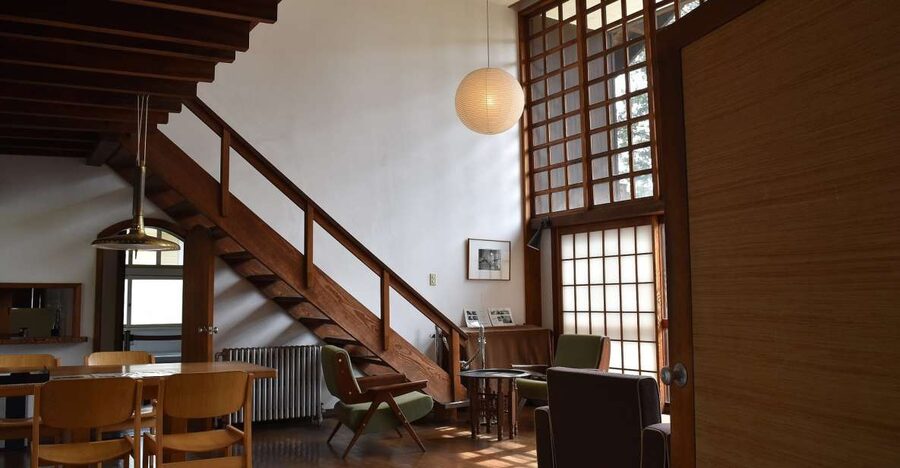
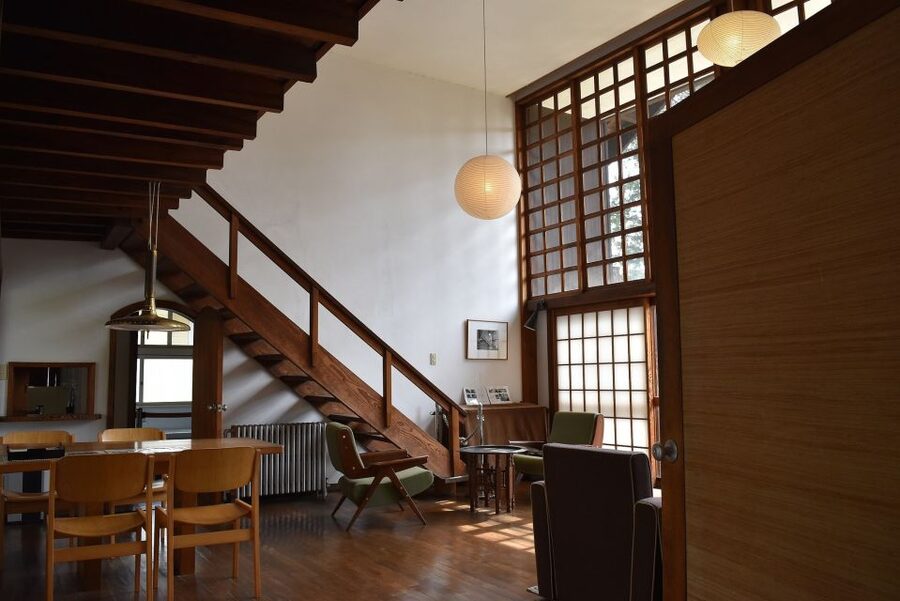
- Maekawa’s wartime home: See a sophisticated modern house designed by a Japanese architect shaped by Le Corbusier and Antonin Raymond.
- Horiguchi’s 1925 experiment: Find Dutch influence, Art Deco forms, and De Stijl compositions inside rooms that still use Japanese traditions.
- A private five-hour visit: Your English-speaking guide can adjust the pace and subject matter to your interests.
- A rescued slice of old Tokyo: Walk through a Shitamachi-style area with a traditional bathhouse and an old train.
- Train and bus travel included in the experience: Transport fares are separate, and the route offers practical help with Tokyo’s public transit.
- Not the Ghibli Museum: The animation-like atmosphere is part of the outdoor museum setting, but the famous Ghibli Museum is not visited.
Why the Edo-Tokyo Open Air Museum works so well
The Edo-Tokyo Open Air Architectural Museum is more than a collection of old houses. It lets you compare buildings that belong to very different chapters of Japanese life, all within one visit.
That matters because Tokyo can feel like a city built in layers. A traditional house, an imported European idea, and a modernist concrete home may seem unrelated when seen in different parts of the city. Here, your guide can place them side by side and explain how Japanese architects borrowed, adapted, and reshaped outside ideas.
I find the private format especially useful at a museum like this. You are not just being led from one building to the next. You can ask why a room is arranged in a certain way, how a Western style was modified for Japan, or what changed between the Meiji and Showa periods. If your main interest is Japanese architecture, this is far more useful than simply taking photographs and reading a few signs.
The tour lasts five hours, which gives you time for a serious visit without making the museum the only thing you do in Tokyo that day. It is still a substantial outing, so you should be ready for walking, moving between buildings, and removing your shoes several times.
More Private Architecture Tours in Japan:
- Private Harajuku Omotesando Architecture Walking Tour
★ 5.0 · 67 reviews - Private Ginza Architecture Walking Tour
★ 5.0 · 50 reviews - Private Harajuku Omotesando Architecture Tour
★ 4.9 · 18 reviews
Starting with Kunio Maekawa’s modern Japanese home
The first major stop is a house designed by Kunio Maekawa. His name matters because he helped shape modern architecture in Japan after working under Le Corbusier and Antonin Raymond. Those connections place him within an international architectural story, but the house is not simply a copy of European modernism.
The building was constructed during the Second World War. That makes its sophistication more striking. You can look for the balance between practical wartime conditions and the ambitious design ideas Maekawa brought into Japanese architecture.
This is a strong opening because it gives you a question to carry through the rest of the museum: what happens when an architect trained in international modernism works within Japan’s materials, habits, and domestic customs?
Your guide can help you read the house as more than an attractive old building. The point is not only the shape of the structure, but also how Japan’s modern architectural identity developed. If you are mainly interested in famous traditional roofs and tatami rooms, this first stop may feel less immediately familiar. Give it time. It provides the key context for understanding the European connections that appear later.
Horiguchi’s 1925 blend of Japan and Europe
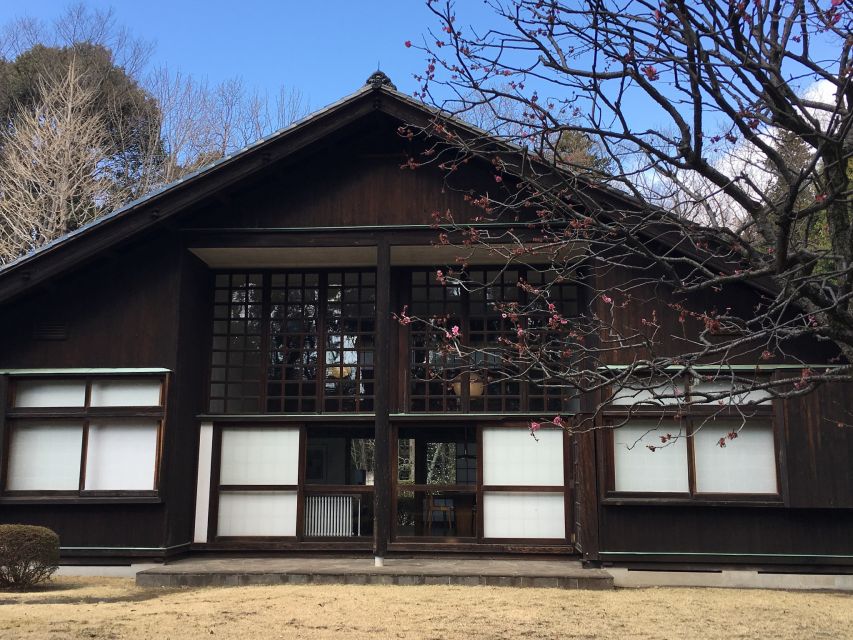
The next important house was designed by Sutemi Horiguchi in 1925, shortly after he returned from Europe. Horiguchi is associated with introducing Dutch architecture to Japan, and this residence shows how quickly European design ideas could be adapted to local life.
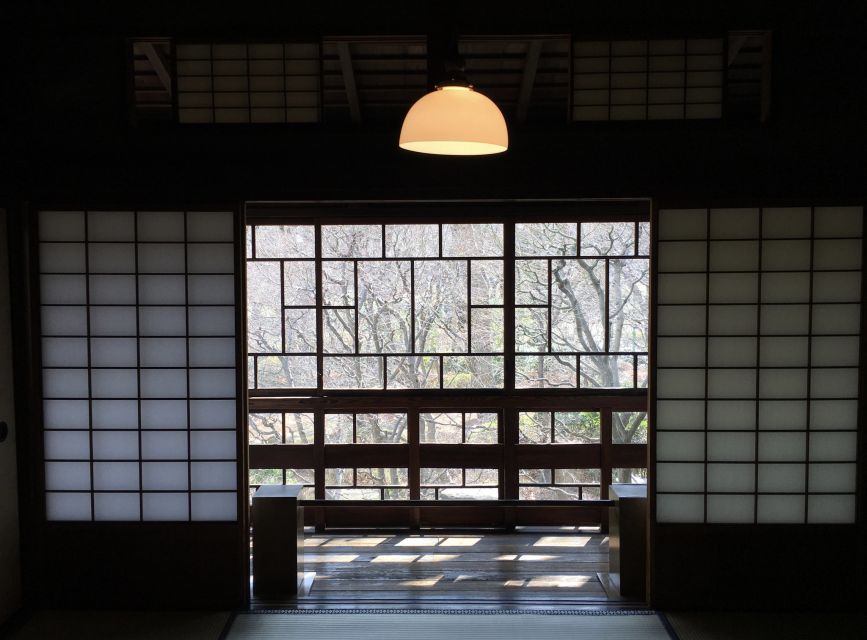
The house includes Art Deco details and De Stijl, or The Style, compositions. Yet you also find traditional Japanese rooms. That mix is the real attraction. Horiguchi did not simply replace Japanese design with a foreign model. He placed new visual ideas alongside familiar domestic forms.
I would pay close attention here to the contrast between formal European composition and the quiet order of Japanese rooms. A guide can explain what you are seeing in a way that a quick walk-through cannot. This is also one of the best stops for anyone curious about how Western European architecture entered Japan without wiping out older customs.
The house may appeal to you most if you enjoy design details. Art Deco and De Stijl are not just labels in this setting. They help explain the clean lines, decorative choices, and visual balance that make the residence different from a much older Japanese home.
The Mitsui residence and the private world of wealth
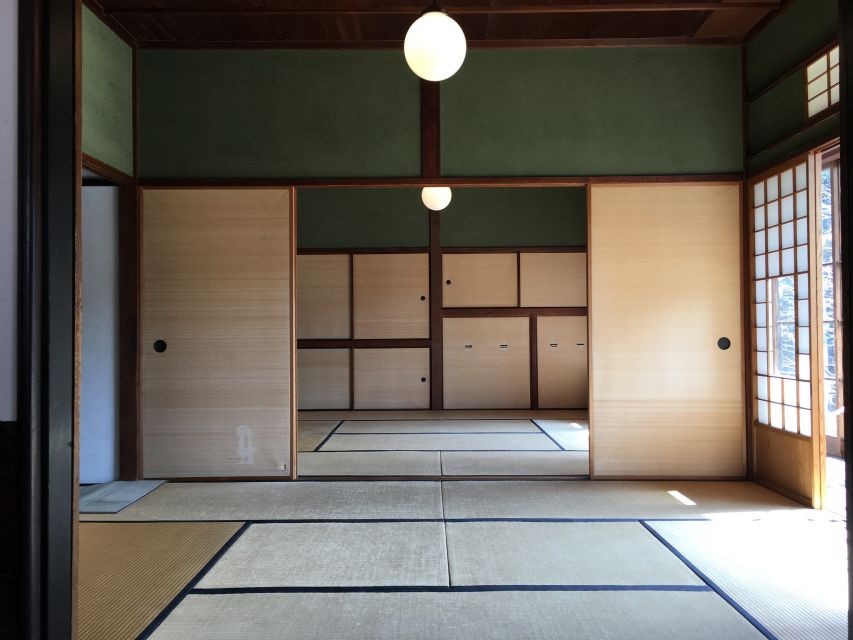
The Mitsui family residence offers a look at luxury on a different scale. The Mitsui family was said to be one of the wealthiest in Japan, and the interior decoration reflects that position.
This stop helps broaden the tour beyond architectural movements. Buildings also tell you who had money, how domestic spaces were used, and how social status appeared inside a home. The residence gives you a chance to compare elite surroundings with more ordinary traditional buildings elsewhere in the museum.
I like having this house in the itinerary because it stops the tour from becoming a narrow lesson in famous architects. You see taste, wealth, craftsmanship, and daily life in the same place. Your guide can also connect the house to wider changes in Tokyo, including the shift from the older city into the modern capital.
The key point is comparison. Do not rush through this residence simply because another architect’s name sounds more famous. The interiors may tell you just as much about Japanese society as the exterior design tells you about architecture.
More Museum Visits around Japan:
- Barcelona: Park Güell and Gaudí House Museum Entry Ticket
★ 4.5 · 6,326 reviews - Chelsea Galleries and High Line; Art, Architecture and History
★ 5.0 · 14 reviews - Castle to Capitol: Museums of the National Mall Architecture Tour
★ 4.5 · 9 reviews - Amsterdam: Architecture Museum Het Schip Entry Ticket & Tour
★ 3.7 · 8 reviews
Shitamachi streets with a Studio Ghibli feel
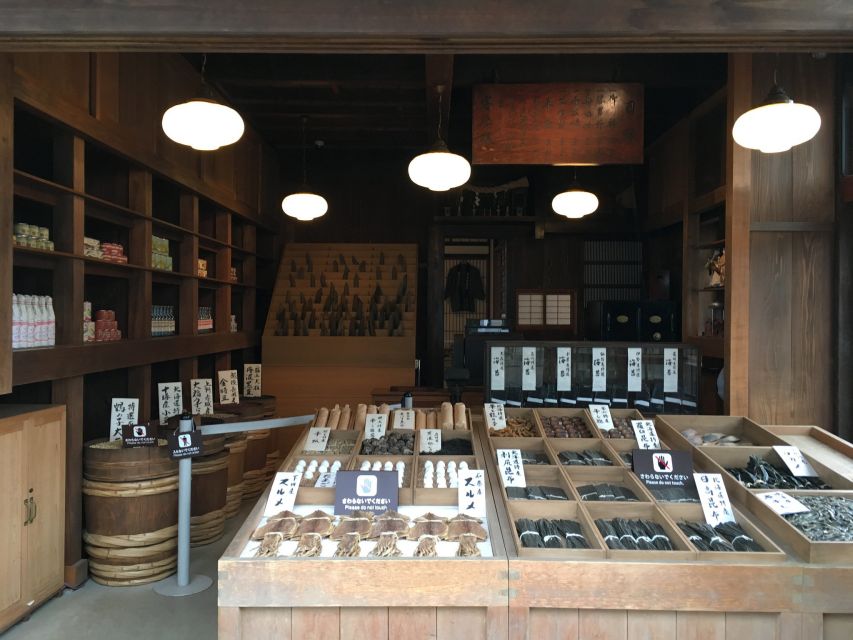
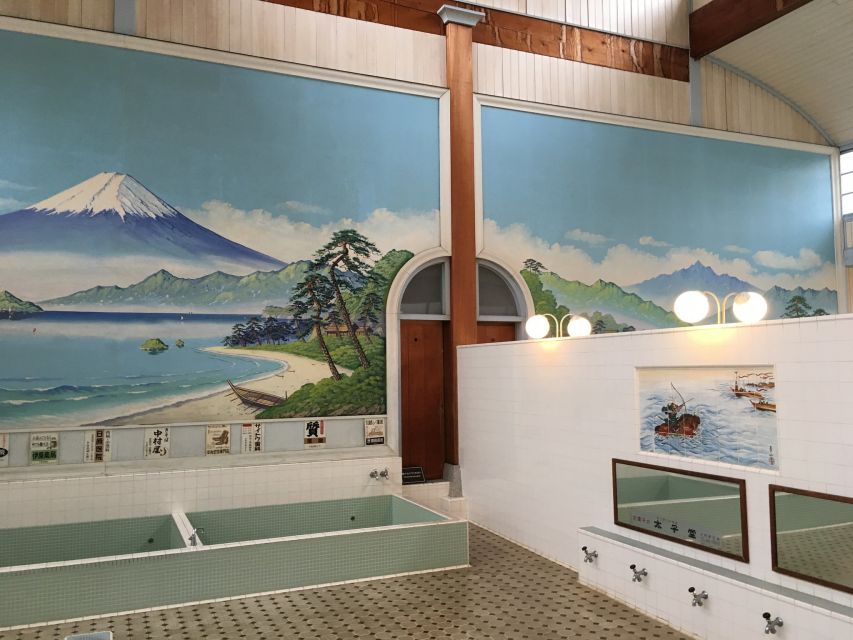
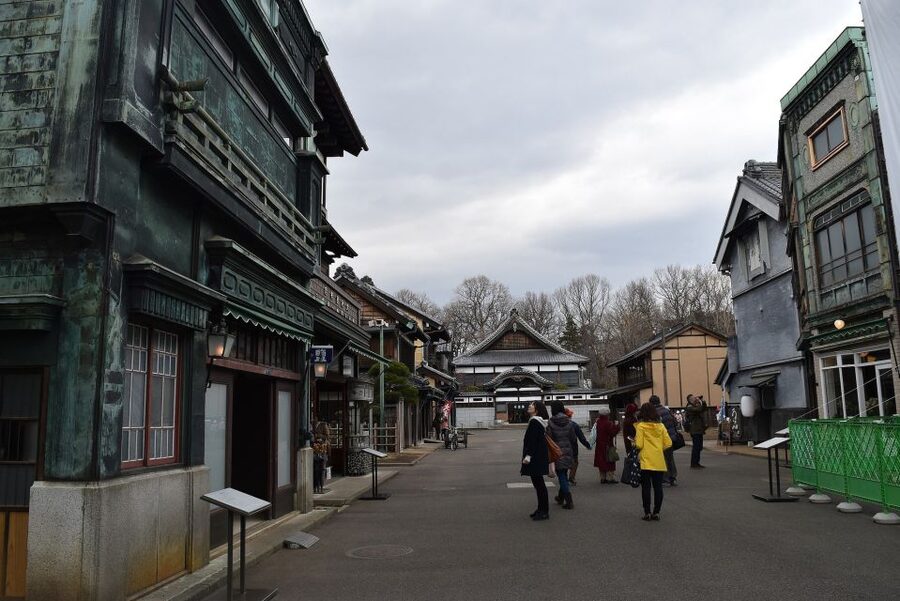
The latter half of the visit moves into a Shitamachi-style area. Shitamachi refers to the older eastern part of Tokyo, traditionally associated with working communities and everyday urban life. Here, the buildings create a very different mood from the formal residences.
This is the part most likely to appeal to Studio Ghibli fans. The old streets, traditional buildings, bathhouse, and train can look as if they belong in an animated story. The resemblance is atmospheric rather than a direct connection to a film, so keep your expectations clear: this is not a movie set and the tour does not visit the Ghibli Museum.
The bathhouse is one of the most memorable details in this section. It gives you a sense of the shared public spaces that once played a larger role in neighborhood life. The old train adds another layer, linking the area to Tokyo’s changing transport network and to the city’s everyday past.
I like this shift in mood. The first buildings ask you to think about architects and design movements. Shitamachi asks you to notice street life, public buildings, and the visual character of old Tokyo. You can enjoy it as an architecture enthusiast, but you do not need formal design training to appreciate it.
A guide who can shape the visit around you
The private format is the tour’s biggest practical advantage. Guides such as Yuichi and Yuki have been praised for clear English, patience, and strong interest in architecture. Yuichi, in particular, can tailor the discussion to subjects such as traditional Japanese architecture, tea rooms, and gardens.
That flexibility matters because the museum covers a lot of ground. One person may want to spend extra time on Maekawa’s modernism. Another may care more about gardens, traditional rooms, or the cultural meaning of the bathhouse. A private guide can respond to those priorities instead of following a fixed script for a large group.
The guide also helps with the route to the museum. You meet at Tokyo Station’s Marunouchi Front Plaza, near the Marunouchi Central Gates. Look for the carriage porch with a Japanese flag on each side and a guide carrying a bag marked with an illustration of the Nakagin Capsule Tower.
From there, you use trains and buses. Your transport fare is not included, and the estimated cost is about 700 JPY each way. Tokyo transit can be confusing on a first visit, so having an English-speaking guide beside you is useful. It also means the journey takes part of the five-hour schedule, rather than being an instant transfer to the entrance.
One point deserves careful attention: the meeting information provided for this tour specifies Tokyo Station, while some booking descriptions may use broader pickup wording. Confirm the exact meeting arrangement when you book so you do not wait at the wrong place.
What the five-hour timing means
Five hours is long enough to give the museum proper attention, but it is not a lazy afternoon. You will spend time walking between buildings, listening to explanations, and entering homes where shoes must be removed.
Wear shoes that slip on and off easily. This small choice will make a real difference. Shoes with complicated laces can become annoying when you repeat the process at several historic buildings.
The museum visit also works best when you accept a slower pace. Traditional rooms are not designed for a quick modern scan. Floor plans, thresholds, gardens, and the relationship between rooms matter. If you race through, you will see the buildings but miss much of what makes them useful as a group.
I would book this early in your Tokyo stay if architecture is a major interest. The guide can help you understand later buildings and neighborhoods, and the transit practice may make the city feel less intimidating. If you have limited time in Tokyo and want famous landmarks, you may find five hours too much for a single open-air museum.
Is $193 per person a fair price?
At $193 per person, this is not a budget museum visit. You also pay for transportation to and from Tatemono-en, with an estimated fare of about 700 JPY each way. The price is easier to justify for a private group than for a solo visitor simply looking for entry to the museum.
You are paying for more than admission. The value comes from the guide’s time, English explanations, help with trains and buses, and the ability to focus on your interests. The museum’s buildings cover several periods and design approaches, so a good guide can prevent the visit from feeling like a disconnected collection of old homes.
I would consider it good value for two types of visitors. First, it suits people who already care about architecture and want informed discussion of Maekawa, Horiguchi, European influence, and traditional Japanese design. Second, it suits anyone who feels uneasy navigating Tokyo transit and wants a private escort from the station.
The price is harder to defend if you mainly want a casual look at old buildings, if you are happy using a self-guided visit, or if your budget is tight. You should also remember that the Ghibli Museum is not included. The old bathhouse and train provide a Ghibli-like mood, but they are part of the architectural museum itself.
Who should book this tour?
I would recommend it to architecture students, design fans, history-minded visitors, and anyone who wants to understand how Tokyo changed from the end of the samurai era through the Meiji and Showa periods. It also suits repeat visitors who have already seen central Tokyo’s famous sights and want a quieter, more focused outing.
Families with a strong Studio Ghibli interest may enjoy the Shitamachi section, especially the bathhouse and old train. Still, I would not book this solely as a Ghibli attraction. The tour’s main subject is architecture, and the guide’s explanations are central to the experience.
It is also a good choice for travelers who want help with public transport. You do not get a private car, and you must pay the train and bus fares, but you do get a guide who can lead the route and explain what you are seeing along the way.
The tour may not suit you if walking and removing shoes are difficult, or if you prefer a short, independent museum visit. The five-hour schedule asks for attention, and the private-tour price reflects that.
The final call
Book this tour if you want Tokyo’s buildings explained as part of a larger story. Maekawa’s wartime modernism, Horiguchi’s European influences, the Mitsui family’s interiors, and the Shitamachi bathhouse create a useful chain of connections that is hard to get from a quick visit alone.
I especially like the chance to work with a guide such as Yuichi or Yuki, who can adjust the conversation to your interests and help you handle the train and bus route. The main cautions are the price, separate transport fares, shoe removal, and the fact that this is not the Ghibli Museum.
For a serious look at Japanese architecture with a human guide beside you, I would book it. For a low-cost outing or a dedicated Ghibli visit, I would choose something else.
FAQ
Where does the tour meet?
The stated meeting point is Tokyo Station’s Marunouchi Front Plaza. After exiting through the JR Tokyo Station Marunouchi Central Gates, go toward the center of the station building and look for the carriage porch with Japanese flags.
Is the Ghibli Museum included?
No. The tour visits the Edo-Tokyo Open Air Architectural Museum. Its Shitamachi area, bathhouse, old train, and traditional buildings can have an animation-like atmosphere, but the Ghibli Museum is not part of the tour.
How long does the experience last?
The tour lasts five hours, including the guided museum visit and travel by train and bus to and from Tatemono-en.
Is transportation included in the price?
No. The guide uses trains and buses with you, but your transportation fares are separate. The estimated cost is about 700 JPY each way.
What language does the guide speak?
The tour is conducted in English by a licensed guide. Guides named in the tour information include Yuichi and Yuki.
What should I wear?
Wear comfortable shoes that are easy to slip on and off. Several historic buildings require you to remove your shoes before entering.
New to the itinerary around Japan
- Tokyo Architecture and Contemporary Art Walking Tour with a local guide★ 5.0 · 15 reviews
- Small-Group Architecture Tour in Ginza, Tokyo★ 5.0 · 6 reviews
- Private Ueno Park Architecture Walking Tour★ 5.0 · 8 reviews
- Japanese Garden & Western Architecture: Akasaka exploration tour★ 5.0 · 9 reviews
- [Aomori Prefecture] Tour the history and architecture in Towada City, the art city★ 5.0 · 6 reviews
- Private Ueno Park Architecture Tour★ 5.0 · 5 reviews
- Private Ginza Architecture Tour★ 5.0 · 3 reviews
- Kyoto: Nijo Castle & Gardens 2-Hour Guided Tour★ 4.5 · 2 reviews
Private Architecture Tours, compared.

Sagrada Familia & Gaudi Tour Private or Small Group with Tickets
Read our review →
Barcelona 1.5h Private Old Town, Gothic & Ramblas Walking Tour
Read our review →
Treasures of Barcelona: Private Gaudi Walking Tour
Read our review →
Sagrada Familia & Gaudi Guided Tour Private or Small Groups
Read our review →
Best of Chicago: Architecture & Highlights City Private Tour
Read our review →
Private Harajuku Omotesando Architecture Walking Tour
Read our review →
Private Santa Barbara History and Architecture Walking Tour
Read our review →
Private Barcelona Modernism and Gaudí Walking Tour
Read our review →Other lists with this tour