
Review · TOKYO
Private Ginza Architecture Tour
Ginza’s best architecture is not confined to one grand avenue. This private walk links an Indian-style Buddhist temple, a traditional Kabuki theater, polished international storefronts, and bold Japanese modernism. The most surprising feature is the contrast between famous buildings and a quieter backstreet neighborhood that shows another side of the district.
I like the strong architectural range, from Tsukiji Hongwan-ji’s unusual Indian exterior and church-like interior to the Metabolism movement’s futuristic ideas. I also like the private format, since your guide can keep the pace and explanations suited to your interests. The main drawback is that $129 per person is a serious price for a walking tour, especially if you are mainly looking for sightseeing rather than design.
The three-and-a-half-hour route covers a lot of ground, so comfortable shoes matter. You will need to reach Tsukiji on your own, pay for your transport to and from the Ginza area, and arrange your own meal. A break with drinks is included.
Key points to know before booking
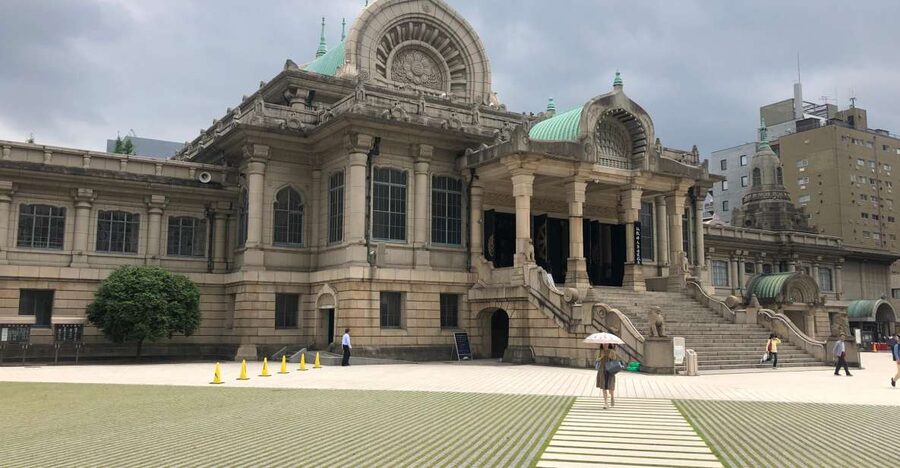
- Tsukiji Hongwan-ji begins the tour with a surprise: its Indian-inspired outer design gives way to a European church-like interior.
- Kabuki-za connects old and new: the 2013 theater carries forward traditional design in a newly built setting.
- Ginza’s modern face comes in many forms: Maison Hermès, Tokyu Plaza Ginza, and Mikimoto Ginza 2 each add a different take on polished city architecture.
- The Okuno Building offers a different mood: its older character helps balance Ginza’s newer commercial buildings.
- The secret side trip matters: a backstreet neighborhood gives you more than the formal Ginza avenues and showcase facades.
- The route ends at Wako: the famous SEIKO watch building anchors the Ginza 4-chome intersection.
Why this Ginza walk is different
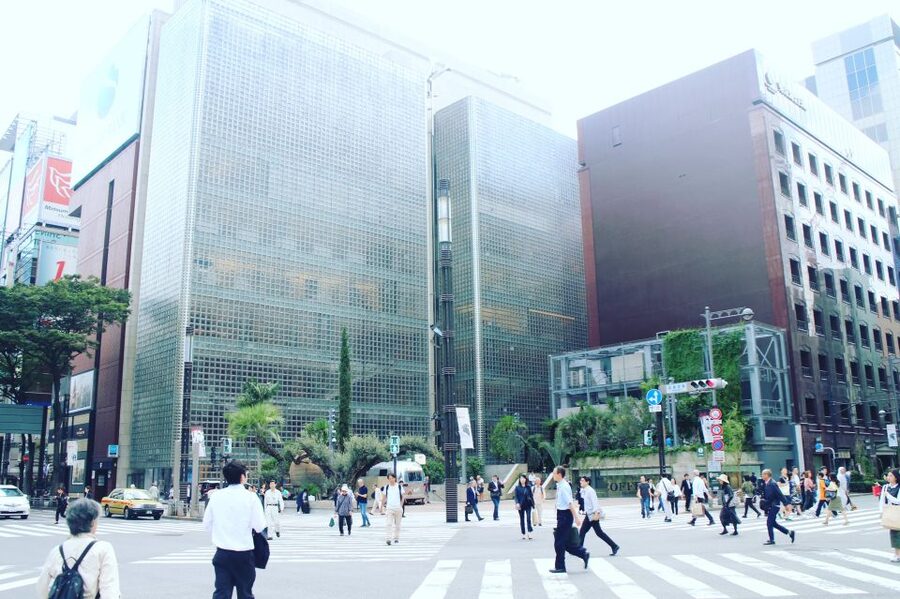
Many Ginza outings focus on department stores, luxury shopping, cafés, and the famous crossing. This tour asks you to look up and pay attention to the buildings themselves. That changes the district from a shopping stop into a lesson in how Tokyo handles tradition, commerce, and new design in a tight urban space.
You begin outside central Ginza at Tsukiji Hongwan-ji, then move toward the better-known Ginza streets. That progression is useful. It lets you see how the area shifts from a religious landmark to entertainment architecture, then to luxury retail and modern commercial design.
The route also covers several architectural periods without turning the walk into a museum visit. You are outside for most of the tour, seeing buildings in their working city setting. That means traffic, pedestrians, shop signs, and daily business remain part of the picture. If you want quiet time at each building, the pace may feel brisk. If you want to connect several major sights in one outing, the format makes good sense.
The guide speaks English, and the private-group setup gives you a better chance to ask questions as they arise. The available feedback describes the guide as highly capable and pleasant, which fits the kind of tour where clear explanations matter as much as the buildings.
More Private Architecture Tours in Japan:
- Private Harajuku Omotesando Architecture Walking Tour
★ 5.0 · 67 reviews - Private Ginza Architecture Walking Tour
★ 5.0 · 50 reviews - Private Harajuku Omotesando Architecture Tour
★ 4.9 · 18 reviews
Starting at Tsukiji Hongwan-ji
The meeting point is in front of the main gate of Tsukiji Hongwan-ji temple. Getting there is simple: leave Exit 1 of Tsukiji Station on the Tokyo Metro Hibiya Line, turn left, and walk straight for less than a minute.
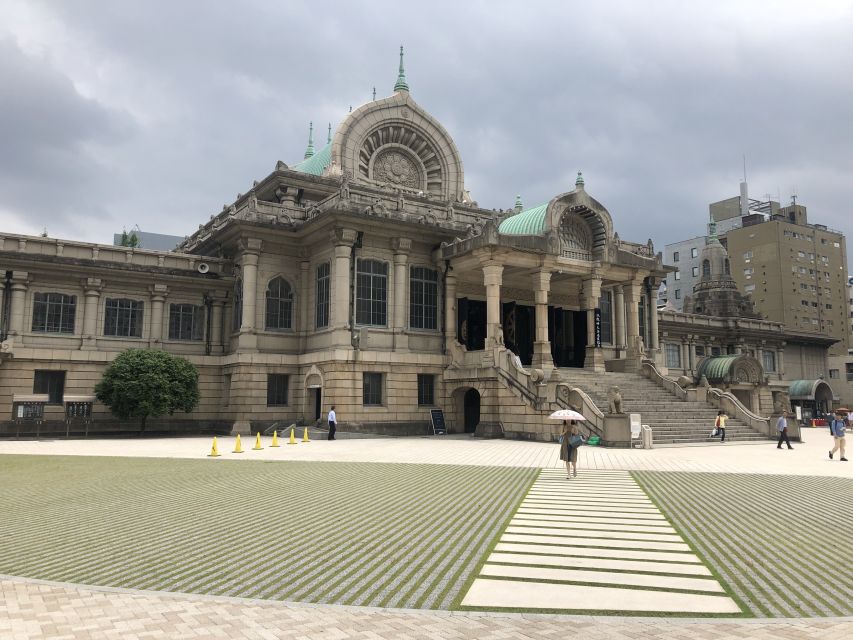
This is an excellent opening stop because it immediately breaks your expectations. The exterior has an Indian style, while the interior resembles a European church. That mixture makes the temple more than a quick photo stop. It gives your guide a clear way to explain how Japanese architecture can absorb outside forms and reshape them for a local setting.
You should allow a little time before the scheduled start to find the correct station exit and meeting gate. The tour does not begin in the center of the Ginza shopping district, so do not head straight to Ginza 4-chome and expect to meet the guide there.
Tsukiji is also useful for visitors who know the name only from the former fish market. This tour points out that the area has more to offer than food stalls and market memories. The temple gives the morning, or afternoon, a strong architectural beginning.
Kabuki-za and the problem of building new tradition
The next major stop is the Kabuki theater built in 2013. Its purpose is not simply to replace an older theater with a modern box. The new building inherited traditional style from earlier generations, so you can compare the idea of continuity with the practical fact of new construction.
That makes Kabuki-za one of the most valuable stops for anyone interested in Japan’s approach to tradition. You are not looking at an old building preserved under glass. You are looking at a newer theater that uses familiar visual language while serving a current purpose.
The stop also gives the tour a cultural layer. Even if you know little about Kabuki, the building shows how performance, public identity, and architecture can overlap. Your guide can help you notice the elements that connect the present structure with its predecessors.
Do not expect an extended theater performance or an interior tour based on the information provided. The value here is the exterior and the architectural story. If you want to see a show, that would be a separate plan.
The Metabolism movement in a real city
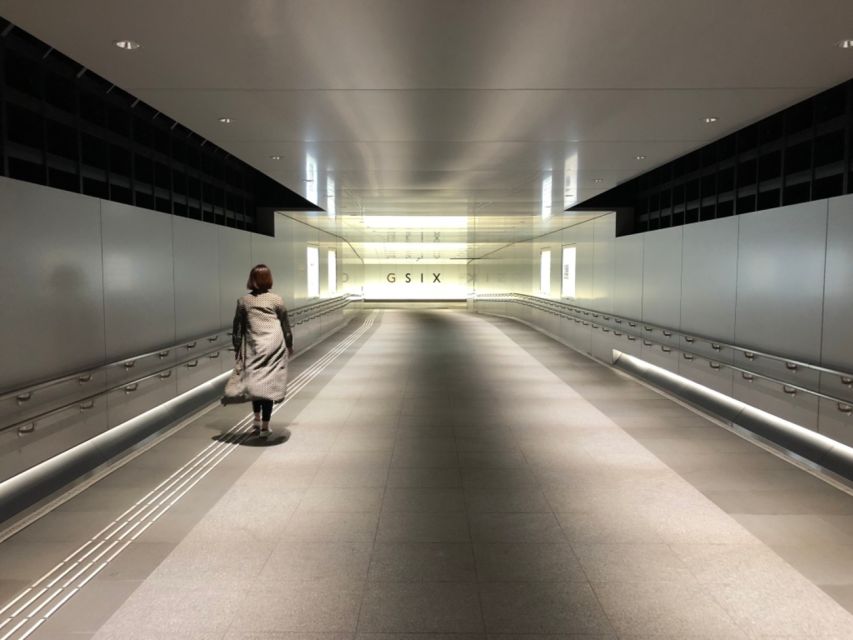
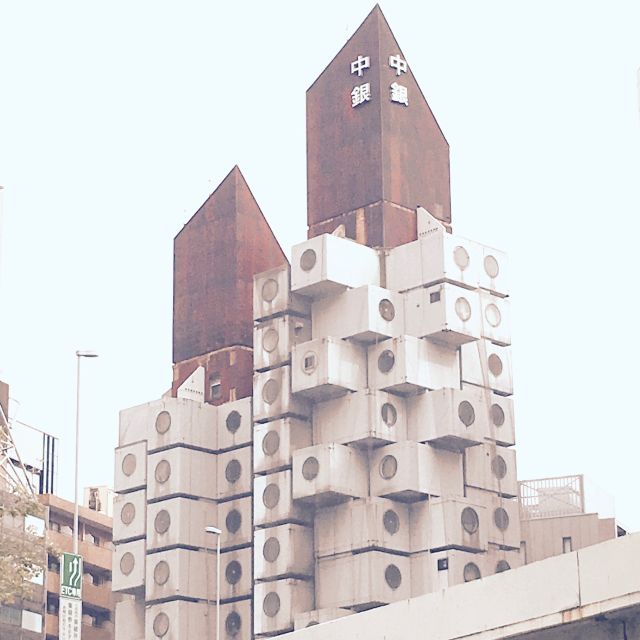
One of the tour’s main themes is the Japanese Metabolism movement, a group of ideas from the 1960s and 1970s that proposed new forms of urban life. The movement is important because it treated cities as systems that might grow, change, and adapt rather than remain fixed.
You will admire a masterpiece connected with this movement during the walk. The supplied details do not identify the exact building, so you should ask your guide to explain which work represents the movement and what features to watch for.
This part of the tour adds needed context to Ginza’s commercial buildings. Without it, modern architecture can look like a collection of unusual shapes. With it, you can consider the larger question: how should a dense city make room for change?
I like that the tour does not limit itself to the most famous, polished structures. The focus on emerging architects and newer works suggests a broader view of architecture. You will see established landmarks, but you will also be encouraged to notice ideas that may become more important in the future.
More Architecture Tours around Japan:
- Tokyo Architecture and Contemporary Art Walking Tour with a local guide
★ 5.0 · 15 reviews - Private Edo-Tokyo Open Air Architectural Museum Tour
★ 4.8 · 15 reviews - Japanese Garden & Western Architecture: Akasaka exploration tour
★ 5.0 · 9 reviews - Private Ueno Park Architecture Walking Tour
★ 5.0 · 8 reviews
Maison Hermès and the polished Ginza storefront
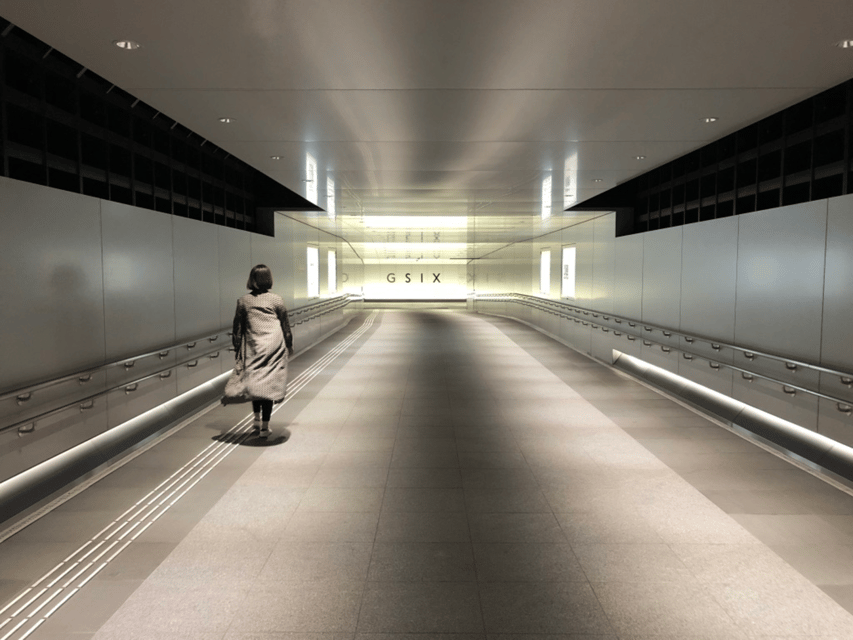
Maison Hermès brings you into Ginza’s luxury retail zone. Here, the building itself is part of the brand’s identity. You are not only looking at a shop. You are examining how a commercial building uses its exterior to create a particular mood and public presence.
This stop works well after Kabuki-za because the contrast is easy to grasp. Kabuki-za refers to Japanese tradition and performance, while Maison Hermès presents a modern international image. Both depend on a carefully controlled exterior, but they communicate very different ideas.
A guide can help you look past the name on the facade and consider proportion, materials, light, and the way the building meets the street. That is the practical strength of an architecture-focused walk: you begin to notice choices that are easy to miss when you are simply moving between shops.
The drawback is that some stops may feel more meaningful to design-minded visitors than to people who want a standard sightseeing route. You will not be collecting interior attractions. You will be reading the city from outside.
Tokyu Plaza Ginza and Mikimoto Ginza 2
Tokyu Plaza Ginza continues the tour’s look at newer commercial architecture. The building offers another example of how Ginza uses bold design to attract attention in a crowded retail district. Your guide will help place it beside the other buildings rather than treating it as an isolated photo opportunity.
Mikimoto Ginza 2 adds another polished retail facade to the route. Seeing it after Maison Hermès and Tokyu Plaza Ginza is useful because you can compare three different approaches to high-end commercial architecture. The buildings share a setting, but they do not need to look alike.
This is where the tour’s well-balanced structure pays off. You move from traditional religious architecture to theater, then through international and Japanese retail design. No single building has to carry the entire lesson.
You should also expect a fair amount of standing and walking between stops. The duration is 210 minutes, and the route includes several buildings plus the backstreet detour. The included drink break gives you a chance to rest, but this is still an active city walk rather than a seated lecture.
The Okuno Building and Ginza’s older character
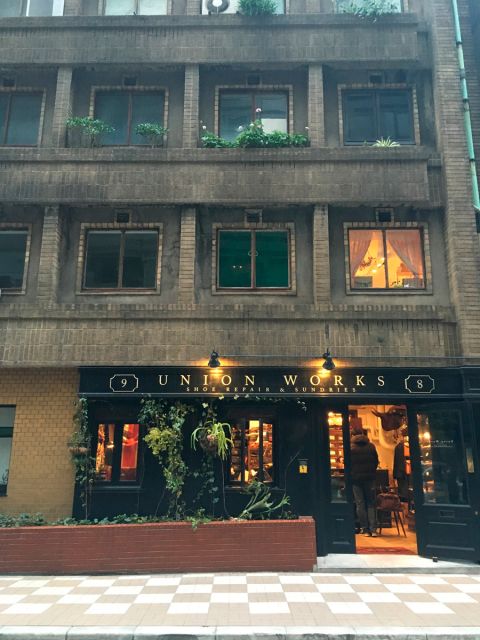
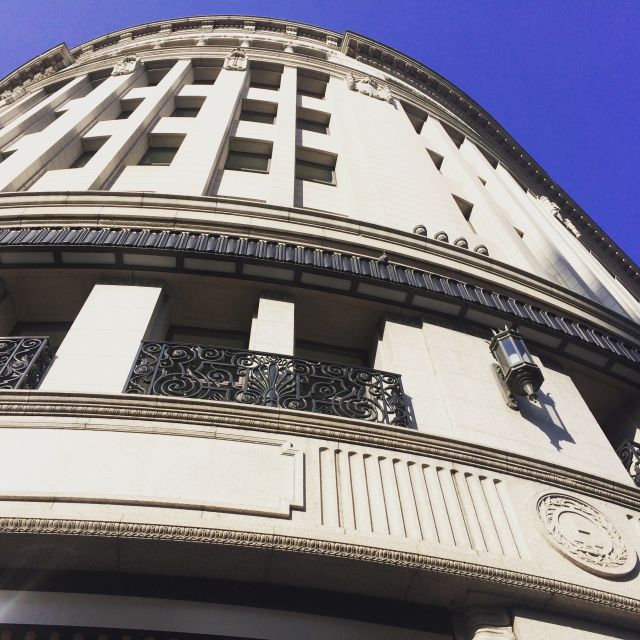
The Okuno Building changes the visual rhythm. After several newer and highly finished commercial structures, an older building can make Ginza feel less uniform. Its presence helps you see that the district is not only a display of current luxury brands.
This stop is important for anyone who wants a sense of time passing through the neighborhood. New buildings often attract the eye first, but older structures explain how a commercial district gains layers. The Okuno Building also gives your guide a chance to discuss balance: modern Ginza does not erase every earlier form.
The information provided does not specify which parts of the building you will enter or whether interior access is included. Plan to appreciate it as part of the walking route rather than counting on a full indoor visit.
That distinction is worth keeping in mind throughout the tour. The experience is about observing architecture in place. It is not an admission-based tour of every building.
The backstreet detour
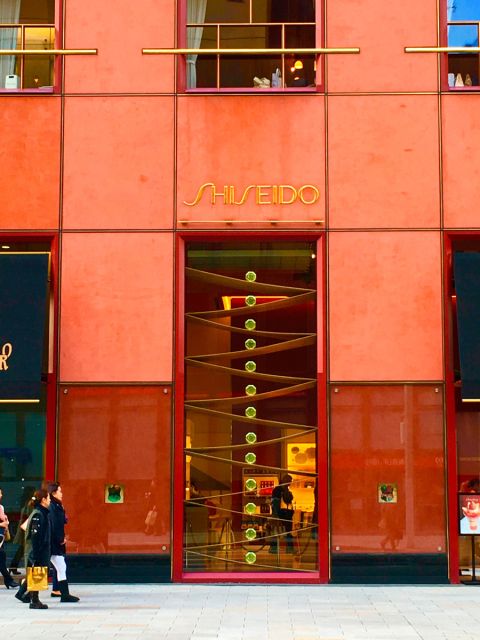
The secret side trip to a backstreet neighborhood is one of the route’s smartest elements. Ginza’s major avenues are carefully presented, bright, and commercial. A quieter side street can show a less formal face of the same area.
This detour also gives you a break from the predictable sequence of famous buildings. You may find that the contrast helps you understand the main streets better. A district is not defined only by its headline facades. Its smaller streets, neighboring buildings, and everyday spaces matter too.
The exact side street is not named in the tour details, which is part of the point. You should not book this expecting a separately advertised neighborhood attraction with a fixed list of stops. Think of it as a guide-led change of view.
For me, this is the detail that keeps the walk from feeling like a checklist. You get the major architecture you came to see, then a glimpse of the area’s quieter side.
Ending at Wako and Ginza 4-chome
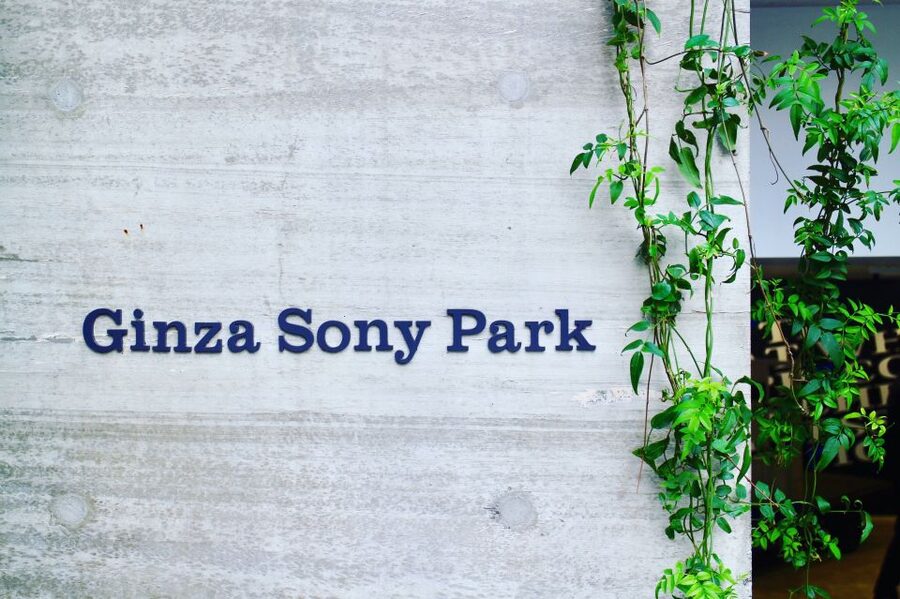
The tour finishes at the intersection of Ginza 4-chome, where the Wako building, associated with SEIKO watches, provides a fitting final landmark. This is one of Ginza’s best-known urban settings, and the building gives the walk a clear endpoint.
Ending here also creates a useful visual summary. You have seen traditional references, experimental ideas, luxury storefronts, and older city fabric. Wako brings those themes together in a building that is closely tied to Ginza’s public image.
Since the tour ends in a central Ginza location, you can continue with your own plans afterward. The activity does not include meals, so you may want to arrange lunch or dinner before booking, depending on the start time. The drink break is included, but it should not be treated as a full refreshment stop.
Is $129 per person a fair price?
At $129 per person, this is not a budget walking tour. The price makes more sense if you value a private guide, English explanations, a carefully linked route, and the chance to ask questions about specific buildings.
You are paying for interpretation rather than entry tickets. The supplied details do not list admission to interiors, and the tour is primarily a walk through public streets. If you are happy to photograph buildings and read about them later, you can spend less by exploring independently.
I would consider the price reasonable for a private architecture-focused outing if you have a strong interest in Japanese design or limited time in Tokyo. A private group can make the difference, especially when you want to compare the Metabolism movement with traditional forms instead of receiving only general sightseeing commentary.
The value is weaker for someone who simply wants to see Ginza’s famous shopping streets. That person may prefer a self-guided walk and use the $129 for a meal or attraction.
Timing, booking, and who should choose it
The tour lasts 210 minutes and offers several starting times, depending on availability. You can cancel up to 24 hours in advance for a full refund, and the reserve-now, pay-later option keeps your plans flexible.
You should wear comfortable shoes and arrive at the Tsukiji Hongwan-ji main gate, not at the final Ginza intersection. Transport to and from the Ginza area is not included, and neither are meals.
This tour suits you best if you:
- Care about architecture, urban planning, or Japanese design
- Want a private English-language guide
- Prefer a focused walk over a broad city tour
- Like comparing old, traditional, and new buildings
- Want both famous landmarks and a quieter side-street view
It may not suit you if you need frequent indoor stops, dislike walking, or want a food-centered Tsukiji and Ginza outing. The route is also less useful if you are not interested in why buildings look the way they do.
Should you book the Private Ginza Architecture Tour?
Book it if you want Ginza explained through its buildings, not just used as a shopping district. The route has a good arc, beginning with the unexpected Tsukiji Hongwan-ji, moving through Kabuki-za and modern design, and ending at Wako.
The strongest reasons to choose it are the private format, the English-speaking guide, the Metabolism focus, and the backstreet detour. The main reason to hesitate is the price, since you are paying $129 for guiding and interpretation rather than included admissions or meals.
For an architecture-minded visit to Tokyo, I would book it. For a casual first look at Ginza, I would compare the cost with a self-guided walk first.
FAQ
Where does the tour meet?
Meet in front of the main gate of Tsukiji Hongwan-ji temple. From Exit 1 of Tsukiji Station on the Tokyo Metro Hibiya Line, turn left and walk straight for less than a minute.
How long does the tour last?
The tour lasts 210 minutes, or three and a half hours.
What language is the tour conducted in?
The live guide conducts the tour in English.
Is this a private tour?
Yes. It is offered for a private group.
What is included in the price?
The price includes the guide, the walking tour, and a break with drinks.
Are meals and transport included?
No. Meals and transportation fees to and from the Ginza area are not included.
Can I cancel the booking?
You can cancel up to 24 hours in advance for a full refund. You can also reserve now and pay later.
New to the itinerary around Japan
- Tokyo Architecture and Contemporary Art Walking Tour with a local guide★ 5.0 · 15 reviews
- Small-Group Architecture Tour in Ginza, Tokyo★ 5.0 · 6 reviews
- Private Ueno Park Architecture Walking Tour★ 5.0 · 8 reviews
- Japanese Garden & Western Architecture: Akasaka exploration tour★ 5.0 · 9 reviews
- [Aomori Prefecture] Tour the history and architecture in Towada City, the art city★ 5.0 · 6 reviews
- Private Ueno Park Architecture Tour★ 5.0 · 5 reviews
- Kyoto: Nijo Castle & Gardens 2-Hour Guided Tour★ 4.5 · 2 reviews
- Private Edo-Tokyo Open Air Architectural Museum Tour★ 4.8 · 15 reviews
Private Architecture Tours, compared.

Sagrada Familia & Gaudi Tour Private or Small Group with Tickets
Read our review →
Barcelona 1.5h Private Old Town, Gothic & Ramblas Walking Tour
Read our review →
Treasures of Barcelona: Private Gaudi Walking Tour
Read our review →
Sagrada Familia & Gaudi Guided Tour Private or Small Groups
Read our review →
Best of Chicago: Architecture & Highlights City Private Tour
Read our review →
Private Harajuku Omotesando Architecture Walking Tour
Read our review →
Private Santa Barbara History and Architecture Walking Tour
Read our review →
Private Barcelona Modernism and Gaudí Walking Tour
Read our review →Other lists with this tour