
Review · TOKYO
Private Harajuku Omotesando Architecture Tour
Harajuku and Omotesando make a fine lesson in how Tokyo can be playful, polished, historic, and residential within a few blocks. This private walk links the Meiji Shrine area with bold works by architects behind Prada, Dior, Louis Vuitton, Sunny Hills, and The Iceberg, then slips into quieter back streets.
I like the private format, since the route can bend toward your interests, and I like the chance to study buildings rather than simply photograph their storefronts. The cafe break helps, too. The main caution is pace: 210 minutes on foot covers a lot, so comfortable shoes are essential, and serious architecture fans may wish the walk lasted longer.
Key points to know before booking
- Begin at Meiji Shrine: Meet at Café Mori no Terrace beside the large wooden entrance gate, not inside the shrine.
- See major works in one walk: The route includes Yoyogi Gymnasium, The Iceberg, Dior, Louis Vuitton, Sunny Hills, and Prada.
- Compare Omotesando with Ginza: Your guide explains why this district attracts designers and architects in a different way.
- Go beyond the polished streets: A side trip into the back streets and Cat Street adds everyday neighborhoods to the designer storefronts.
- Ask for an interest-led route: Guides including Taka, Fuki, Yoshi, Hal, and Mari Sakai have adapted walks to guests’ questions and architectural interests.
- Plan around walking: The tour lasts 210 minutes, includes drinks and a break, and is listed as wheelchair accessible.
Why this part of Tokyo deserves an architecture walk
At first glance, Omotesando can look like a long shopping avenue lined with expensive labels. Harajuku can seem like its younger, more colorful neighbor. That first impression misses the point.
The appeal lies in the way architecture, retail, street life, and ordinary Tokyo living sit next to one another. A designer building is not isolated in a museum district. It is part of a working shopping street, a cafe area, a side road, and a neighborhood where people live.
That makes this tour useful for anyone who wants more than a list of famous shops. You can learn why architects are drawn to Omotesando, how each brand uses its building to express an identity, and how the area differs from Ginza.
Ginza is often associated with grand department stores, established luxury brands, and a more formal shopping atmosphere. Omotesando feels more experimental in its architecture. The buildings compete for attention, but they do so through form, materials, angles, and unusual facades rather than only through large signs.
Your guide gives you a way to read those details. You can ask why a building looks the way it does, what makes a particular architect important, or how Japanese architects helped shape modern Tokyo.
More Private Architecture Tours in Japan:
- Private Harajuku Omotesando Architecture Walking Tour
★ 5.0 · 67 reviews - Private Ginza Architecture Walking Tour
★ 5.0 · 50 reviews - Private Edo-Tokyo Open Air Architectural Museum Tour
★ 4.8 · 15 reviews
Starting beside Meiji Shrine at Café Mori no Terrace
The meeting point is in front of Café Mori no Terrace, located in the open area beside the large wooden entrance gate of Meiji Shrine. This detail matters because there is another cafe with a similar name inside the shrine grounds.
From JR Harajuku Station, leave through the Omotesando exit and walk toward the forest. You do not need to pass through a Shinto gate to reach the meeting point. If you are using a taxi or map app, the address is 1 Yoyogikamizonocho, Shibuya City, Tokyo 151-0052.
This is a sensible place to begin. Meiji Shrine gives you a quiet, wooded setting before the tour moves into one of Tokyo’s most polished commercial districts. The contrast helps explain the area’s character from the start.
Take a moment to get oriented before setting off. The tour is private, so your guide can usually spend time on the topics that matter most to you. If you are interested in modern architecture, say so early. If you also want Harajuku street life, photography, or a look at residential lanes, mention that as well.
Yoyogi Gymnasium and Tokyo’s architectural story
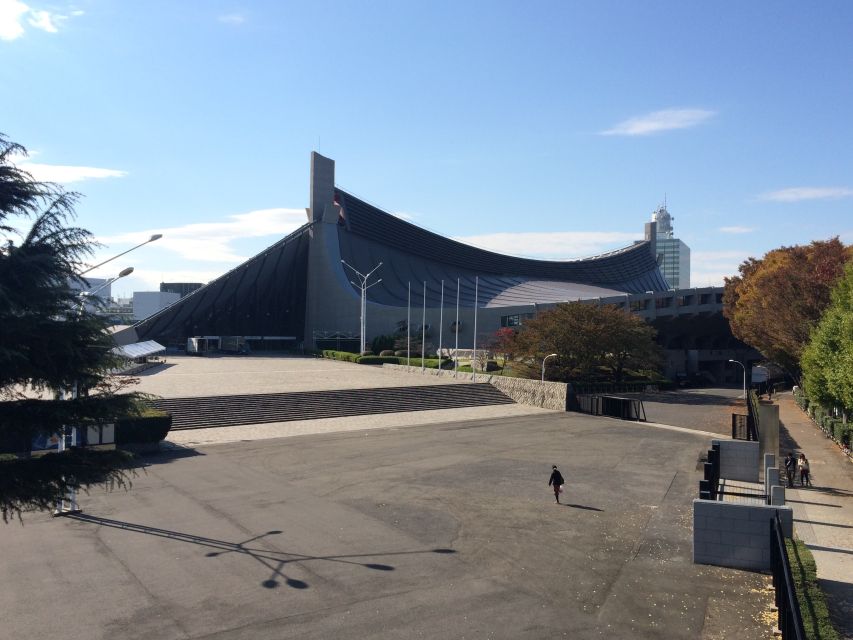
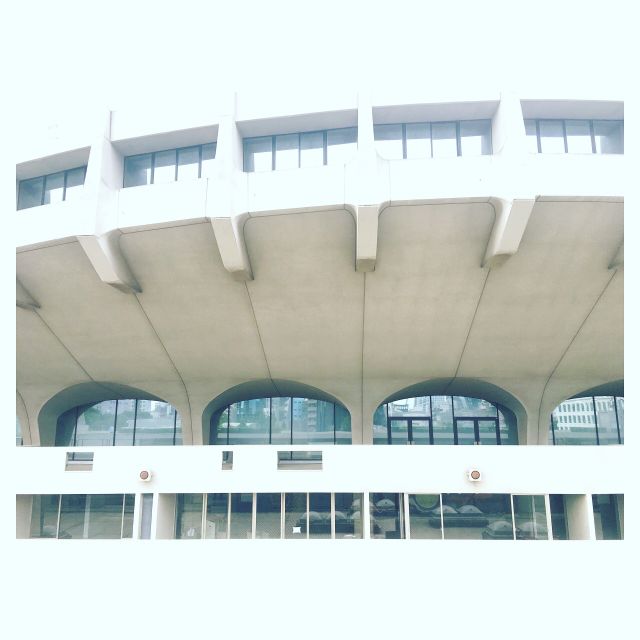
One of the first major sights is Yoyogi Gymnasium, viewed from a distance. It is not presented simply as another photo stop. It helps place the rest of the route in the larger story of Japanese design and city building.
The guide can connect the gymnasium to the architects and ideas that shaped Tokyo. Several people who took the tour especially valued learning about Japanese architects, including those who later received Pritzker Prizes. That makes the walk more useful than a route based only on brand names.
You may not spend a long time at every building. That is part of the tradeoff. The tour aims to cover many important works within 210 minutes, so some stops are best understood as short explanations and viewing points rather than extended architectural inspections.
For photographers, the quick pace can still work well. The route offers changing angles, street-level views, and buildings that look different depending on where you stand. Your guide can help you notice the details that are easy to miss when you are simply walking past.
Prada, Dior, and the architecture of luxury
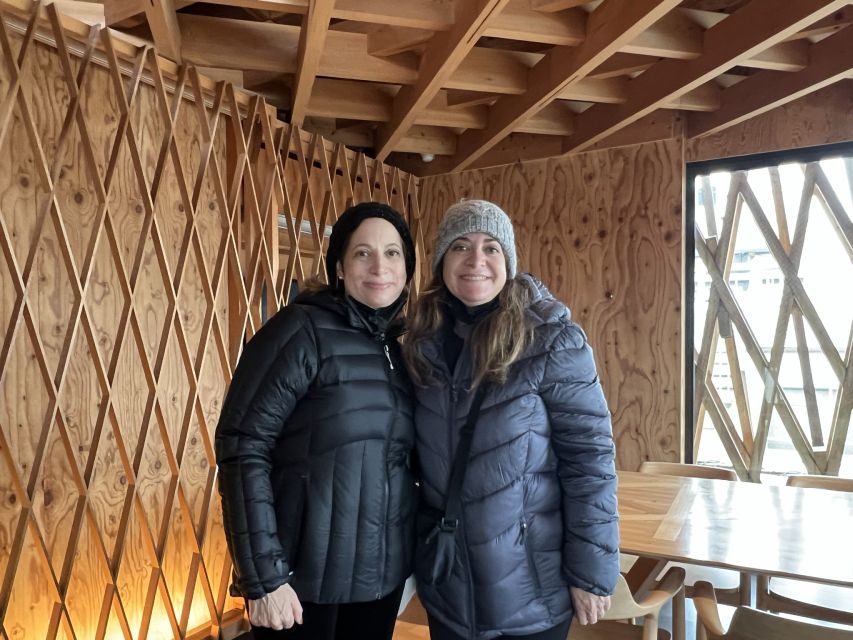
The Omotesando section brings you to some of the area’s most recognizable designer buildings. Prada, Dior, and Louis Vuitton each use architecture as part of their public identity, not merely as a container for merchandise.
Prada is a natural highlight for architecture fans. Its structure gives you a chance to think about how glass, geometry, and the shape of a facade affect the way people experience a shop from the street. You are not just looking at a luxury label. You are looking at a building designed to be noticed.
Dior offers another useful comparison. The guide can explain how a brand presents itself through its building and how that approach fits the wider street. Louis Vuitton adds a different example, showing how a major international company can use its Tokyo address to create a distinct architectural presence.
The value here is in comparison. Seeing several buildings close together lets you ask what changes from one architect or brand to another. You can compare the treatment of light, the street frontage, the scale, and the relationship between the building and the pedestrian.
This is also where the guide’s background matters. Past guides have included Taka, a retired urban planner who studied at MIT, and other guides with professional experience in architecture or related fields. The current guide is not specified in advance, but the tour is built around live explanation rather than a recorded script.
More Architecture Tours around Japan:
- Tokyo Architecture and Contemporary Art Walking Tour with a local guide
★ 5.0 · 15 reviews - Japanese Garden & Western Architecture: Akasaka exploration tour
★ 5.0 · 9 reviews - Private Ueno Park Architecture Walking Tour
★ 5.0 · 8 reviews - Small-Group Architecture Tour in Ginza, Tokyo
★ 5.0 · 6 reviews
The Iceberg and Sunny Hills: unexpected shapes on familiar streets
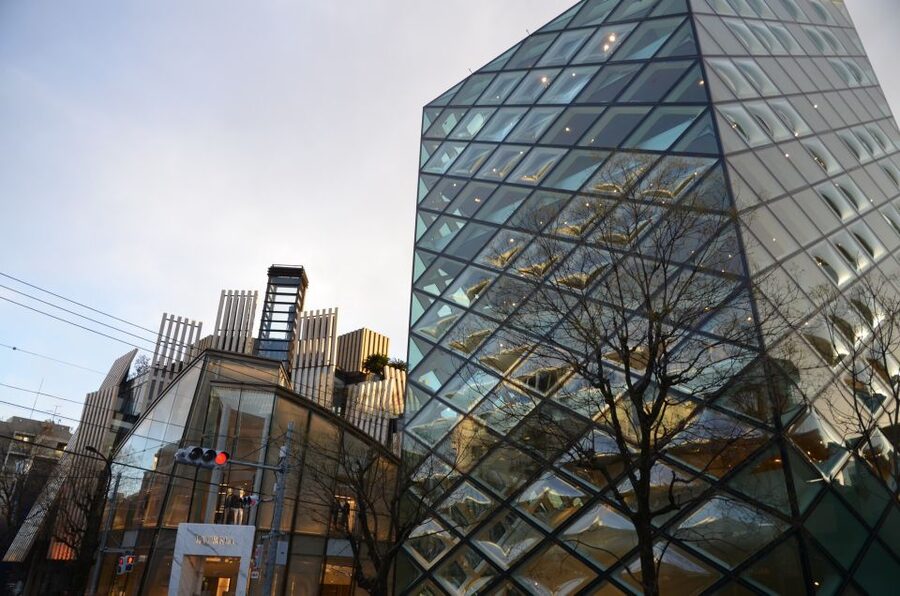
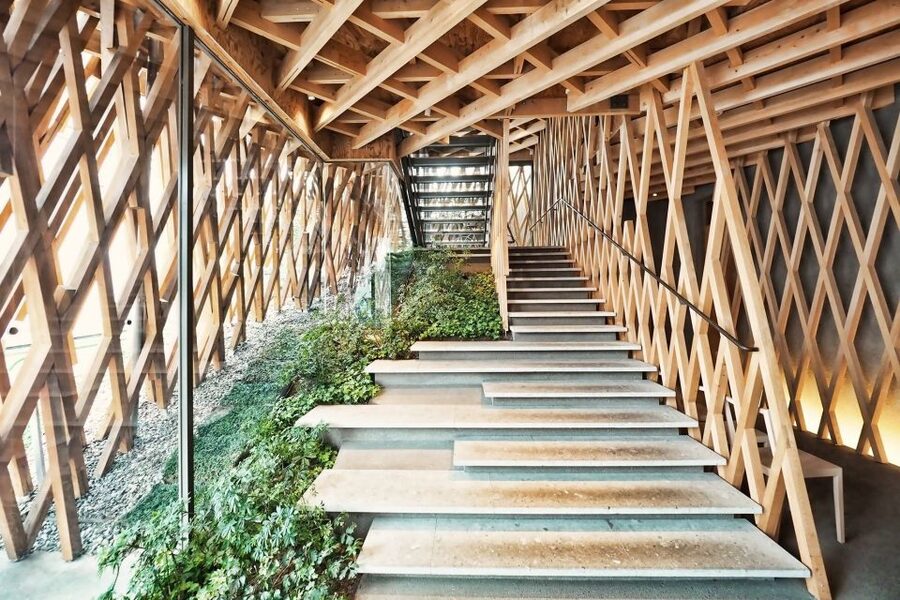
The Iceberg and Sunny Hills bring more variety to the route. These buildings are not simply versions of the same luxury storefront. Their forms and materials help show why Omotesando attracts architects who want freedom to make a strong visual statement.
Sunny Hills is especially useful as a contrast to the larger international labels. Its building gives you another way to consider how structure and surface can express a company’s character. Your guide can point out what makes it different from the neighboring works.
The Iceberg adds another memorable stop and another photo opportunity. You can expect to move between major buildings rather than remain in one formal viewing area, so the walk itself becomes part of the lesson.
This section is best for people who enjoy looking closely. Notice how each building meets the pavement, how people enter, and how the facade changes as you move. A guide can explain what is difficult to understand from a single photograph.
Harajuku back streets and Cat Street
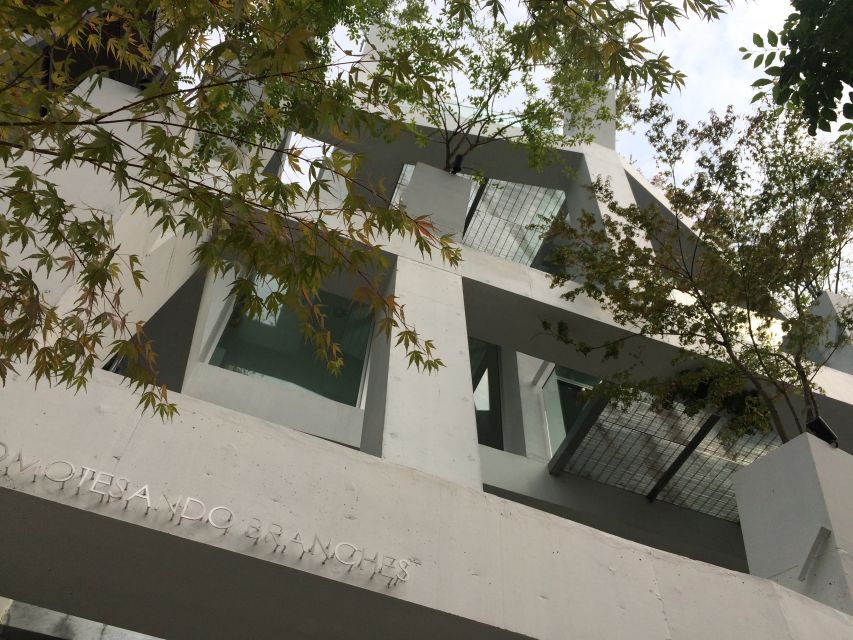
The route does not stay on the main avenue. A side trip into the back streets shows a less polished side of the district, with a wider range of Japanese lifestyles and a different pace from the luxury storefronts.
This is one of the strongest parts of the experience for anyone who worries that Omotesando will feel too commercial. The back streets add context. You see that this is not just a parade of international brands, but a district with local routines and smaller-scale streets.
Cat Street is another key stop. It is lively and offers a more relaxed neighborhood feel than the main Omotesando corridor. One guide, Fuki, was able to include specific buildings requested in advance and also took the group through Cat Street. That suggests a useful approach for you: prepare a short list of buildings or subjects you care about, then discuss it at the start.
The contrast between the main street and Cat Street also explains why the private format has value. A large group may need to follow a fixed route. A private guide can spend more or less time in the areas that interest you, within the limits of the 210-minute schedule.
A cafe break keeps the walk manageable
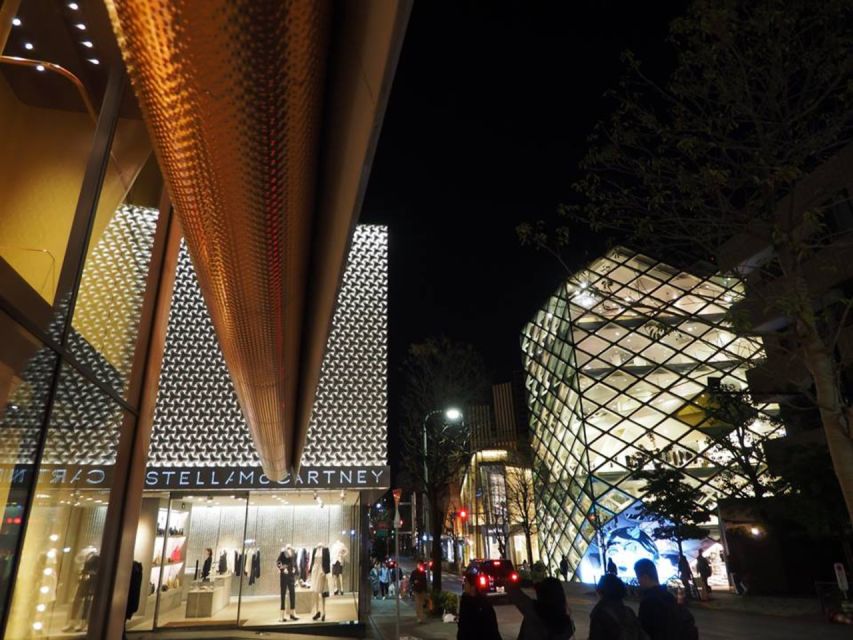
The tour includes a break with drinks at a cafe. That is a small feature, but it matters after several hours on foot.
You are not paying for meals, so do not expect lunch or a full food experience. The included break is meant to give you time to rest, talk with the guide, and enjoy people passing along the sleek Omotesando streets.
Use this pause well. It is a good time to ask follow-up questions about buildings you have already seen or request a slight change to the rest of the route. The tour description allows room for personal interests, and the break gives you a natural point to make those preferences clear.
What the private format is worth at $129
At $129 per person, this is not a cheap orientation walk. The price pays for a private English-speaking guide, a 210-minute route, architectural interpretation, and the freedom to ask questions without sharing the guide with a larger group.
The value improves if you are traveling as a small private party and have a real interest in architecture, urban planning, photography, or design. A guide can explain why a building matters, not just identify it. Past guides have included people such as Mari Sakai, Yoshi, Hal, Fuki, and Taka, and the strongest feedback focused on their fluency, preparation, professional background, and enthusiasm.
The value is less clear if you only want to shop or take a quick look at famous facades. You can walk through Omotesando without a guide, and many storefronts are visible on your own. In that case, the cost may feel high.
For a solo participant, the private price is also a bigger commitment. One solo participant still appreciated the ability to shape the route around personal questions, but you should decide if that level of attention is worth the per-person rate.
Transportation to and from the Harajuku Omotesando area is not included. You also pay for any meals beyond the included drinks. The tour is listed as wheelchair accessible, but the route includes streets and backstreet areas, so it is sensible to confirm the exact path when booking if you have specific mobility needs.
When to go and what to bring
The tour can be taken during the day or at night. Daylight helps you study building surfaces, structure, and the relationship between architecture and the street. Night changes the experience, with illuminated facades and a different view of the same buildings.
Night is especially appealing if photography is a priority, though the available starting time depends on the date you choose. If you want the best chance to study fine architectural details, daytime is the safer choice. If you have already seen Omotesando by day, an evening walk offers a fresh angle.
Wear comfortable shoes. Three and a half hours is a substantial walking period, even with a cafe break. Bring a camera or phone with enough battery for repeated stops, since the route is built around photo opportunities at many corners.
The tour is conducted in English. Because the group is private, you can ask your guide to slow down for a technical explanation or move more quickly through a shopfront that does not interest you.
Who will enjoy this tour most
I would recommend it most strongly to:
- Architecture students and professionals
- Visitors curious about Japanese architects and city design
- Photographers looking for striking modern buildings
- First-time visitors who want context for Harajuku and Omotesando
- Couples or families who prefer a private guide
- Solo visitors who enjoy asking detailed questions
- Shoppers who want to understand the design behind the brands
It is less suited to you if you want a food tour, a dedicated shopping session, or a short sightseeing loop. The guide can pass through areas with many shops, but shopping is not the main purpose.
It also may not satisfy someone who wants an exhaustive architectural study of every building. The route covers many major works in 210 minutes. That makes it broad and useful, but not slow or academic at every stop.
Should you book the Harajuku Omotesando architecture tour?
Book it if you want to understand why this corner of Tokyo looks the way it does. The best parts are the comparisons between major buildings, the move into ordinary back streets, and the chance to ask a guide about Japanese architects, design, and urban planning.
At $129 per person, it makes the most sense when you value private attention and plan to take part in the conversation. Contact the operator with your interests before the walk, especially if you want particular buildings, Cat Street, photography, or a stronger focus on architectural history.
Skip it if you only need directions to the shops or prefer to explore at your own pace. For everyone else, this is a smart way to turn a fashionable shopping district into a readable, memorable part of Tokyo.
FAQ
Where does the tour meet?
Meet in front of Café Mori no Terrace in the large open space beside the wooden entrance gate of Meiji Shrine. The address is 1 Yoyogikamizonocho, Shibuya City, Tokyo 151-0052.
How do I reach the meeting point from JR Harajuku Station?
Leave JR Harajuku Station through the Omotesando exit and walk toward the forest. You do not pass through a Shinto gate to reach the cafe.
How long does the tour last?
The tour lasts 210 minutes, or three and a half hours.
What language is the tour conducted in?
The tour is conducted in English by a live English-speaking guide.
Is the tour private?
Yes. It is offered as a private group experience, so the route can be adjusted to your interests.
What buildings and areas are included?
The route includes a view of Yoyogi Gymnasium, The Iceberg, Dior, Louis Vuitton, Sunny Hills, Prada, Harajuku, Omotesando, and backstreet areas including Cat Street.
Are drinks included?
Yes. The tour includes break time with drinks. Meals are not included.
What should I bring?
Bring comfortable shoes for the walking route.
New to the itinerary around Japan
- Tokyo Architecture and Contemporary Art Walking Tour with a local guide★ 5.0 · 15 reviews
- Small-Group Architecture Tour in Ginza, Tokyo★ 5.0 · 6 reviews
- Private Ueno Park Architecture Walking Tour★ 5.0 · 8 reviews
- Japanese Garden & Western Architecture: Akasaka exploration tour★ 5.0 · 9 reviews
- [Aomori Prefecture] Tour the history and architecture in Towada City, the art city★ 5.0 · 6 reviews
- Private Ueno Park Architecture Tour★ 5.0 · 5 reviews
- Private Ginza Architecture Tour★ 5.0 · 3 reviews
- Kyoto: Nijo Castle & Gardens 2-Hour Guided Tour★ 4.5 · 2 reviews
Private Architecture Tours, compared.
Sagrada Familia & Gaudi Tour Private or Small Group with Tickets
Read our review →
Barcelona 1.5h Private Old Town, Gothic & Ramblas Walking Tour
Read our review →
Treasures of Barcelona: Private Gaudi Walking Tour
Read our review →
Sagrada Familia & Gaudi Guided Tour Private or Small Groups
Read our review →
Best of Chicago: Architecture & Highlights City Private Tour
Read our review →
Private Harajuku Omotesando Architecture Walking Tour
Read our review →
Private Santa Barbara History and Architecture Walking Tour
Read our review →
Private Barcelona Modernism and Gaudí Walking Tour
Read our review →Other lists with this tour