
Review · COPENHAGEN
Copenhagen: Danish Design and Architecture Walking Tour
Copenhagen’s design story is easiest to grasp at street level, where old harbor buildings, modern cultural spaces, bridges, furniture, and everyday objects share the same tidy logic. This walk connects the Opera House, Nyhavn, Rosenborg Castle, and Designmuseum Danmark, so you see Danish style in both grand public buildings and small practical things.
I especially like two parts of the plan. First, the route shows how Copenhagen fits new architecture beside older buildings without treating the past as untouchable. Second, the hands-on look at three iconic Danish design objects gives the talk a useful link to daily life. The main drawback is the timing: the activity is described as both two hours and about two and a half hours, so check the exact departure details before booking.
- Starts on Holmen: Meet at the Royal Danish Academy, Architecture, Design and Conservation, an apt setting for a tour about how spaces and objects are shaped.
- Opera House focus: Spend about 20 minutes considering light, space, and the building’s place beside the harbor.
- Classic Copenhagen in one route: Walk across Inderhavnsbroen, pause at Nyhavn, and visit Rosenborg Castle and King’s Garden.
- Design beyond buildings: Discuss how Danish principles apply to objects you use every day, not just famous structures.
- Finishes at a museum: The route ends at Designmuseum Danmark, with about 15 minutes of free time.
- English and flexible booking: The tour is led in English, costs $63 per person, and allows cancellation up to 24 hours before departure for a full refund.
A design lesson that begins on Holmen

The tour starts at Det Kongelige Akademi, the Royal Danish Academy of Architecture, Design and Conservation, on Holmen. That choice gives the experience a clear purpose from the first minute. You are not simply meeting near a convenient square and then walking toward pretty buildings. You begin at a place tied directly to the study and practice of design.
Your guide sets out the main ideas behind Danish design: function, clean form, careful use of space, and beauty that does not get in the way of daily use. The value here is not in memorizing names or dates. It is in learning a way to look. A chair, bridge, room, or public building can be judged by how well it works, how people move through it, and how it feels to occupy.
This is also where the guide can connect architecture with ordinary objects. The tour includes a hands-on experience with three iconic Danish design objects, so the subject does not stay at the scale of grand buildings. You get a chance to consider the shape, purpose, and feel of objects that reflect the same ideas found in Copenhagen’s public spaces.
Arrive 10 minutes early. The meeting point is on Holmen, and the tour does not include transportation to the start. That matters if you are coming from central Copenhagen with a tight schedule.
The Opera House and the art of controlled space

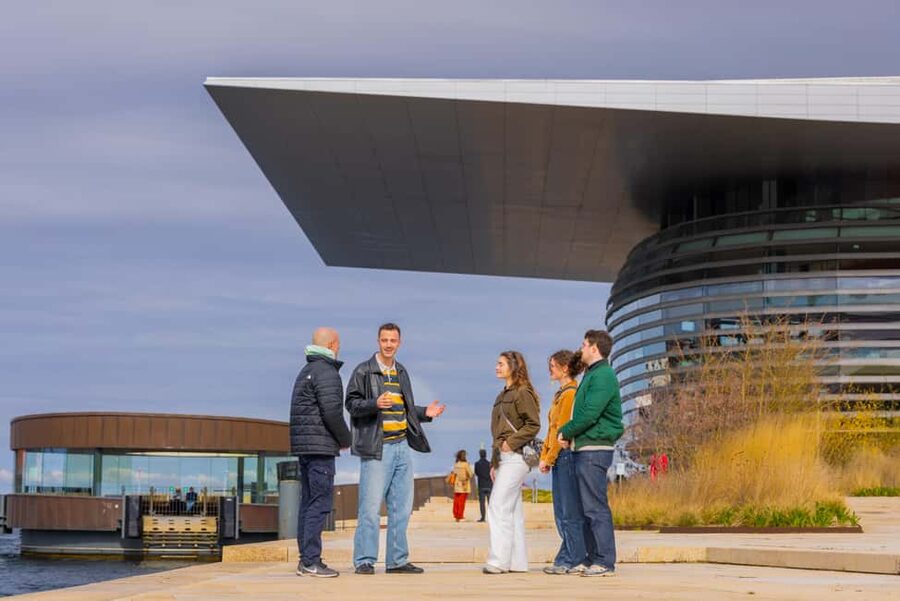
The Copenhagen Opera House is the first major stop, with about 20 minutes to look at the building and its setting. The focus is on the way light and space work together. That is more useful than a quick photo stop because it encourages you to notice how a building directs your eye and shapes your sense of movement.
The Opera House also introduces one of the tour’s central themes: modern architecture can feel bold without becoming disconnected from its surroundings. From the harbor, you can consider the relationship between the building, the water, and the older parts of the city across the channel.
Do not expect a full interior visit or a performance-related experience. The supplied details describe a guided look at the architecture, not admission to an attraction. Entrance fees are not included, so the stop is best understood as an outdoor architectural visit.
This part should suit you if you like buildings but sometimes find architecture tours too technical. The guide’s job is to turn materials, lines, light, and scale into observations you can use for the rest of the walk.
More Walking Tours in the world:
- The Official Art Deco Walking Tour by The Miami Design Preservation League
★ 5.0 · 1,580 reviews - Lecce: Baroque Architecture and Underground Walking Tour
★ 4.6 · 1,248 reviews - Chicago in a Day: Food, History & Architecture Walking Tour
★ 5.0 · 1,153 reviews
Crossing Inderhavnsbroen toward the old harbor
The route then takes about 15 minutes on foot across Inderhavnsbroen. This bridge is not treated as a separate lecture hall. It is a useful transition between Copenhagen’s newer harbor architecture and its older waterfront streets.
As you walk, the subject shifts from a single major building to the city as a whole. You can think about how people cross water, how public routes connect districts, and how a bridge becomes part of everyday urban life. The walk also gives the tour a practical rhythm: listen for a while, move through the city, then stop again.
Comfortable shoes matter here. The experience lasts around two hours according to one part of the booking information, while the detailed plan describes approximately two and a half hours. Either way, this is a walking tour with several stops, not a short orientation stroll.
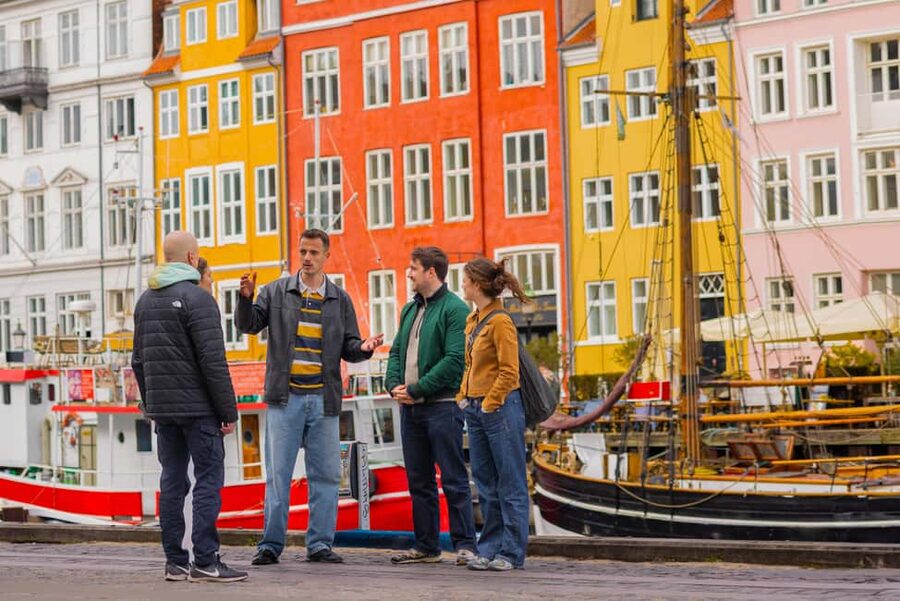
Nyhavn shows old Copenhagen in a new conversation

At Nyhavn, the group spends about 20 minutes. The colorful waterfront is one of Copenhagen’s most recognizable scenes, but the design value lies beyond the bright facades. Here, the guide can explain how older buildings and harbor spaces continue to function in a modern city.
The point is not simply that old and new buildings exist near one another. It is how a city keeps traditional architecture in use while adding contemporary functions, routes, and public spaces around it. That makes Nyhavn a good counterpoint to the Opera House. One stop gives you a modern cultural building; the other lets you read an older urban setting through the same questions of use, proportion, and appearance.
Nyhavn can be visually busy, so this is one place where a guide adds real value. Without context, you may take a few photographs and move on. With the design framework in mind, you can look at facades, waterfront edges, and the way people use the space.
The guide also brings the conversation back to daily objects. Danish design is not presented as a style reserved for museums. It is shown as a set of choices about how things should work and how they should fit into human life.
Rosenborg Castle and King’s Garden slow the pace
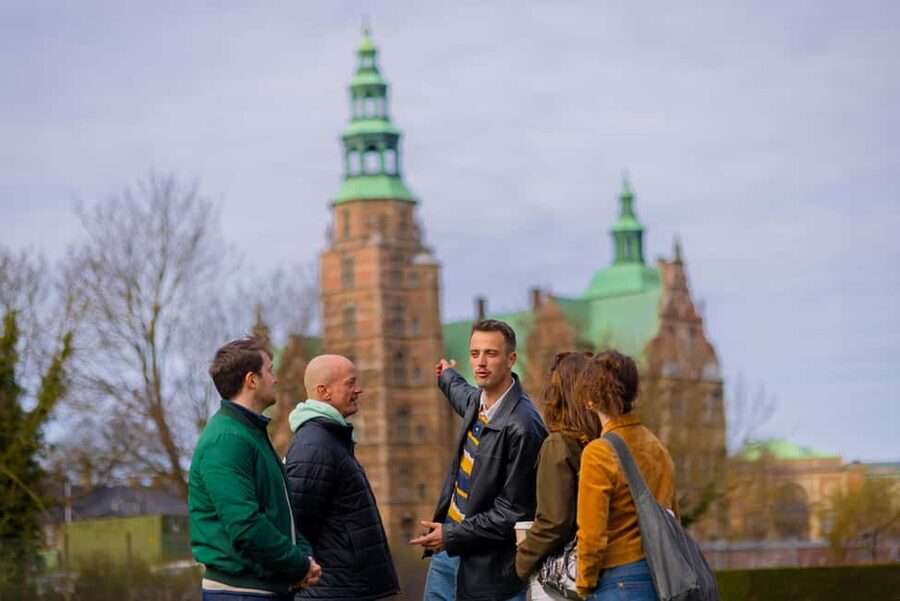
The itinerary includes a short break and about 15 minutes at Rosenborg Castle, followed by approximately 25 minutes in King’s Garden. This section changes the mood. After the harbor and bridge, you move into a setting where historical architecture, open space, and public use can be considered together.
The castle gives the guide a chance to discuss traditional architecture and the way it remains part of present-day Copenhagen. The tour does not include an entrance fee, so do not assume that the castle interior is part of the experience. The listed stop is a visit and break, with no promise of admission.
King’s Garden adds room to think about the relationship between buildings and the spaces around them. A well-designed city is not made only from structures. Paths, gardens, views, and places to pause also shape how you experience it. The 25-minute visit should be enough for a focused explanation and a breather, though it is not a long garden exploration.
This is a helpful section for anyone who wants more than a parade of modern buildings. The route keeps returning to the question of how Copenhagen layers different periods without making the city feel like a collection of unrelated pieces.
More Architecture Tours around the world:
- Chicago Architecture River Cruise
★ 5.0 · 15,756 reviews - Chicago River 90-Minute Architecture Tour
★ 4.5 · 9,629 reviews - Chicago River: 1.5-Hour Guided Architecture Cruise
★ 4.8 · 8,046 reviews - Barcelona: Park Güell and Gaudí House Museum Entry Ticket
★ 4.5 · 6,326 reviews
Designmuseum Danmark brings buildings down to human scale

The walk finishes at Designmuseum Danmark, where you have about 15 minutes of free time. The museum is a fitting endpoint because it shifts attention from architecture to objects and design ideas that can be held, used, and examined more closely.
The tour’s three-object activity is especially useful here. Danish design is often reduced to pale wood, simple chairs, and neat interiors. The guide gives you a broader way to assess it by asking what an object does, how it feels to use, and why its form serves its purpose.
The free time is short, so think of it as an introduction rather than a full museum visit. If you want to explore the museum at length, you may need a separate visit and a separate admission. Entrance fees are not included in the walking tour.
Ending here makes practical sense. You finish with a place where you can continue the subject on your own, rather than ending at a random street corner. It also gives you a clear choice: leave with a better way to read Copenhagen, or stay on for more design after the guide’s portion ends.
What the guide adds to the city walk

The guide is the difference between a pleasant route and a useful design tour. The experience is conducted in English, and Linnea is one named guide associated with the walk. The available feedback describes the guide as friendly and well informed, with particular praise for the way Danish architectural history and art were connected across different periods.
That praise fits the structure of the route. You are not shown only one era or one famous architect. You move from the academy to a modern opera house, across a bridge, through the old harbor, past a castle, into a garden, and finally to a design museum. The guide’s explanations give those stops a shared thread.
Still, expectations matter. This is a two to two and a half hour introduction, not a specialist seminar. If you want detailed architectural drawings, extensive building interiors, or a long museum visit, this will feel brief. If you want a clear framework for seeing Copenhagen during your first days in the city, the pace should work well.
Is $63 a fair price?

At $63 per person, this tour costs more than a simple self-guided walk but includes more than directions between famous sights. You are paying for a live English-speaking guide, a planned route, explanations of Danish design principles, and the chance to handle or examine three iconic objects.
The value depends on how much you want interpretation. You can walk past the Opera House, Inderhavnsbroen, Nyhavn, Rosenborg Castle, King’s Garden, and Designmuseum Danmark on your own. What you cannot easily reproduce is the connecting argument about function, beauty, old buildings, new buildings, and the objects used in everyday life.
The price does not cover food, drinks, transport to the meeting point, or admission fees. That keeps the cost clear, but you should budget separately if you want to enter attractions or spend more time at the museum. Because the walk ends at Designmuseum Danmark, you can decide afterward if you want to continue there.
The booking terms also help if your schedule may change. You can cancel up to 24 hours before the start for a full refund, and the reserve now, pay later option means you do not pay at once. Those policies are useful, but they do not change the main question: will you value a design-focused guide enough to pay for one?
Who should book this Copenhagen walk?
I would recommend it to you if you enjoy cities through their buildings, public spaces, furniture, and small details. It is particularly useful early in a Copenhagen visit because the ideas from the tour can shape what you notice afterward.
It also suits first-time visitors who want several central sights linked by a single theme. You get the harbor, historic streets, a castle, a garden, and a museum without spending the whole session inside one attraction.
You may want a different activity if your main goal is royal interiors, museum collections, food, or a long architectural tour with extensive access inside buildings. This route is primarily a guided outdoor walk, with a short museum finish.
The mobility information needs careful attention. One part of the details says the tour is wheelchair accessible, while another says it is not suitable for people with mobility impairments or wheelchair users. Because the route includes several walking sections and a bridge, contact the provider before booking and ask for a current accessibility assessment.
Bring comfortable shoes, weather-appropriate clothing, and a camera. Smoking is not allowed during the activity.
Should you book it?
Book this tour if you want Copenhagen to make more sense as a designed city, not just a collection of attractive stops. The strongest features are the clear route, the link between architecture and daily objects, and the guide’s focus on Danish design principles across several centuries.
I would be cautious if you need a strictly two-hour schedule, since the description also gives an approximate duration of two and a half hours. Confirm the exact time, meeting details, and accessibility before paying.
For most design-curious visitors, $63 is reasonable if you value explanation and a well-planned route. You will see familiar Copenhagen sights, but the real benefit is learning how to look at them.
FAQ
Where does the Copenhagen design tour start?
It starts at Det Kongelige Akademi, the Royal Danish Academy of Architecture, Design and Conservation, on Holmen.
Where does the tour finish?
The tour finishes at Designmuseum Danmark.
How long does the walking tour last?
The activity details give a duration of two hours, while the fuller description says approximately two and a half hours. Check the available start time and current duration when booking.
What language is the tour conducted in?
The live tour guide conducts the experience in English.
What sights are included on the route?
The route includes the Copenhagen Opera House, Inderhavnsbroen, Nyhavn, Rosenborg Castle, King’s Garden, and Designmuseum Danmark.
Are attraction entrance fees included?
No. Entrance fees to attractions are not included in the price.
Is transportation to the meeting point included?
No. You need to arrange your own transportation to the Royal Danish Academy on Holmen.
What should I bring?
Bring comfortable shoes, a camera, and clothing suitable for the weather.
Can I cancel the booking?
Yes. You can cancel up to 24 hours in advance for a full refund.
Is the tour wheelchair accessible?
The information gives conflicting guidance. One section says it is wheelchair accessible, while another says it is not suitable for wheelchair users or people with mobility impairments. Contact the provider before booking to confirm the current arrangements.
New to the itinerary around the world
- Washington, DC: Georgetown Architecture Walking Tour★ 5.0 · 8 reviews
- Wilmington History and Architecture Tour★ 4.8 · 18 reviews
- Walk & Discover KL’s Architectural and Heritage Gems★ 5.0 · 7 reviews
- Washington DC: Dupont Circle & Embassy Row Architecture Tour★ 5.0 · 6 reviews
- New Orleans : Garden District Architecture Walking tour★ 4.8 · 5 reviews
- Unveiling Brno: History, Culture & Architectural Delights★ 5.0 · 2 reviews
- Vicenza: Palladian Architecture Private Walking Tour★ 3.3 · 3 reviews
- Private Colonial Williamsburg Architectural Tour★ 5.0 · 5 reviews
Copenhagen Architecture Tours, compared.

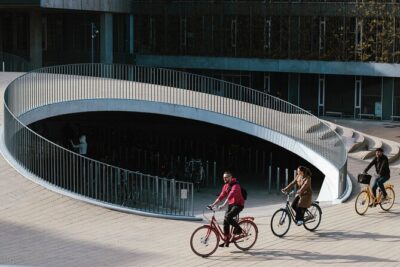
Copenhagen Architecture and Sustainability Tour with local Guide
Read our review →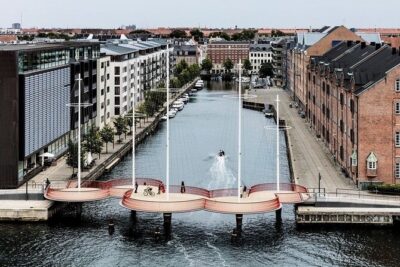
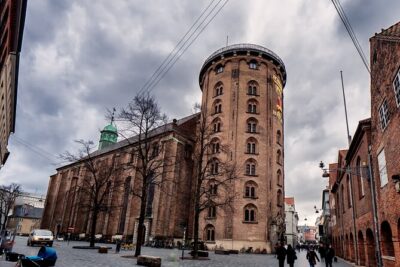
Copenhagen City, Old Town, Nyhavn, Architecture Walking Tour
Read our review →Other lists with this tour