
Review · COPENHAGEN
Copenhagen: Danish Architecture Center Entrance Ticket
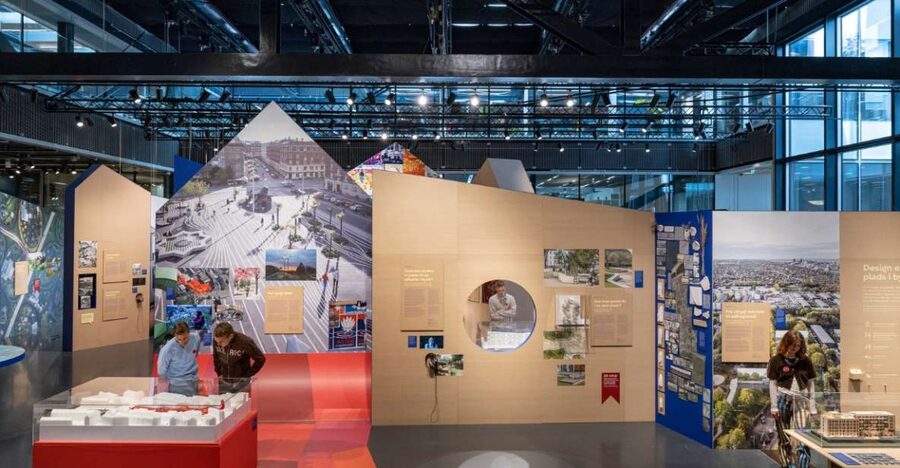
The Danish Architecture Center, or DAC, turns architecture into something you can see, touch, and understand rather than simply admire from a distance. Inside the striking BLOX building beside Copenhagen’s harbor, you’ll find exhibitions linking Danish design to daily life, from Viking-era building traditions to modern welfare architecture. I especially like the 40-meter DAC Slide and the chance to pair thoughtful displays with a rooftop view over the harbor and cycle bridges.
I also like the freedom of a one-day ticket. You can take your time with the exhibitions, bring children along, and use the center as a useful indoor stop in central Copenhagen. The main consideration is that this is a self-guided cultural visit, not a timed tour with a named expert leading you from room to room. If you want a personal guide or a tightly planned itinerary, DAC may feel quiet and open-ended.
Key points to know before you go

- Architecture from Viking times to today: The exhibitions connect buildings, design, society, and everyday life across Danish history.
- A 40-meter indoor slide: DAC Slide adds a playful edge, especially for families and anyone who likes a little motion with their culture.
- Harborfront location in BLOX: You’ll look out toward historic Copenhagen, cycle bridges, and the harbor baths.
- Changing exhibitions: The subject matter shifts, so each visit may focus on a different part of Danish architecture and design.
- Rooftop café access included: You can reach the café and enjoy the view, but food and drinks cost extra.
- Easy planning: The ticket is valid for one day, supports Danish and English, and allows free cancellation up to 24 hours before the visit.
Why DAC is more than a building museum

I find DAC most useful when I want to understand how Copenhagen works. The center does not treat architecture as a collection of pretty façades. Its exhibitions ask how buildings shape work, family life, public space, movement, and community.
That makes the experience relevant even if you cannot tell a functionalist building from a baroque one. You’ll see how function, art, and design come together in the idea of welfare architecture, a subject closely tied to Danish society. The point is not only what a building looks like, but also what it lets people do.
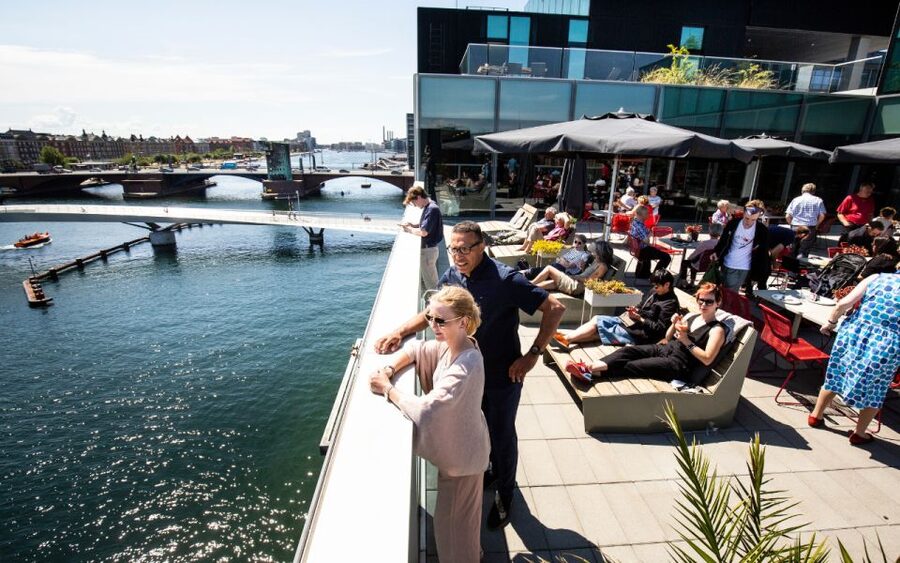
The setting helps. DAC occupies the BLOX building directly on the harbor, below street level at the entrance and close to the center of Copenhagen. From the building and rooftop area, you can look toward the historic city, cycle bridges, and harbor baths. It is a good place to connect the displays inside with the city outside.
I would set aside at least a couple of hours if you want to read the displays and make time for the rooftop. The ticket is valid for one day, so you are not forced into a quick pass. You can also plan it around other central Copenhagen sights instead of treating it as a full-day commitment.
More Entry Tickets around the world:
- Barcelona: Park Güell and Gaudí House Museum Entry Ticket
★ 4.5 · 6,326 reviews - Barcelona: Gaudi’s Casa Vicens Skip-the-Line Entrance Ticket
★ 4.7 · 4,541 reviews - Barcelona: Gaudí’s Park Güell Tour with Fast-Track Ticket
★ 4.8 · 4,512 reviews
Finding the entrance below BLOX
The entrance can be slightly less obvious than you might expect. DAC is below ground, so head to Bryghuspladsen and use the stairs or escalators down to the center. This matters because the large BLOX building and the harbor setting can make the entrance feel less like a traditional museum doorway.
Once inside, the layout is part of the experience. The architecture center is housed in a building designed to attract attention, but the exhibitions are the real reason to enter. I would not plan to arrive, take one quick photograph, and leave. The value comes from spending time with the displays and thinking about how the examples relate to Copenhagen.
The center welcomes both adults and children. That mix is useful for families because architecture can be a hard subject to sell to younger children. The slide gives them a clear reason to enjoy the building, while the exhibitions give adults more to consider.
The host languages are Danish and English. If you need help finding your way around, you can expect support in one of those languages. The activity is wheelchair accessible, an important practical point for anyone planning a central Copenhagen museum visit.
Following Danish architecture from the Viking age onward

One of the most interesting parts of DAC is the broad time span. You can discover Danish architecture from the Viking age to the present, which gives the subject a long historical frame instead of presenting modern Danish design as if it appeared from nowhere.
I like this approach because it helps you see change over time. Buildings respond to practical needs, available materials, social ideas, and artistic taste. Even when an exhibition focuses on contemporary design, the larger story reminds you that Danish architecture has always been tied to how people live.
The displays are designed for more than architecture specialists. You do not need a technical background to get something from them. The center presents architecture as part of society and history, which makes the material easier to connect with than a room full of plans and professional terms.
The exact subjects depend on the changing exhibitions open during your visit. That is both a benefit and a limitation. The benefit is variety, since the center can show different sides of Danish architecture and design. The limitation is that you should not assume every visit will cover one particular topic in the same way.
If you have a special interest in one exhibition, check what is open before booking. The ticket includes all open exhibitions, but the available displays can change.
Welfare architecture and the design of everyday life
DAC’s focus on welfare architecture is especially helpful for understanding Denmark beyond the usual design clichés. Danish design is often reduced to chairs, lamps, and clean lines. Here, you get a wider picture of how design and architecture can support public life.
The center looks at situations where function and beauty work together. That might mean considering how a building serves a community, how design affects access, or how a space shapes daily routines. The supplied information does not promise a single fixed display, so I would think of welfare architecture as one of the main ideas you may encounter rather than a guaranteed room-by-room route.
This is where DAC has value for a first visit to Copenhagen. You can learn something about Danish society through its buildings. One strong visit can change how you look at schools, public spaces, housing, bridges, and waterfront areas during the rest of your trip.
I also appreciate that the subject is not limited to famous landmarks. Architecture becomes something ordinary and useful. You are encouraged to notice the framework of daily life, not just the spectacular building in front of you.
More Architecture Tours around the world:
- Chicago Architecture River Cruise
★ 5.0 · 15,756 reviews - Chicago River 90-Minute Architecture Tour
★ 4.5 · 9,629 reviews - Chicago River: 1.5-Hour Guided Architecture Cruise
★ 4.8 · 8,046 reviews - Chicago Architecture Center River Cruise aboard First Lady
★ 5.0 · 5,536 reviews
The DAC Slide adds a welcome change of pace
The 40-meter DAC Slide is the center’s most memorable playful feature. You can ride down it as part of your admission, so there is no separate ticket to buy for this attraction.
The slide gives the visit a different rhythm. After reading about buildings, design, and social planning, you can do something physical and quick. Families will likely value this change of pace most, but adults do not need to feel that the slide is only for children. It is an unusual feature in an architecture center and gives the BLOX visit some personality.
I would treat the slide as a highlight, not the main reason to buy the ticket. The exhibitions provide the cultural value, while the slide makes the center more approachable and memorable. If the attraction appeals to you, ask about its current operation when you arrive, since the provided information confirms access but does not give a running schedule or age rules.
The slide also helps explain why DAC suits mixed groups. One person can spend time with design displays while another looks forward to the ride. That flexibility is harder to find in a strictly formal museum.
Rooftop views over Copenhagen’s harbor

Access to the rooftop café is included with the ticket. You do not need to buy food or a drink to use the admission, but anything you order there costs extra.
The rooftop is worth making time for because it changes your view of the city. From up there, you can look across the harbor toward historic Copenhagen, cycle bridges, and harbor baths. The view gives you a practical reminder that architecture is not just what is inside the center. The city itself becomes the final exhibit.
I like to visit the rooftop after seeing the displays. Ideas about bridges, public spaces, and waterfront design become easier to understand when you can look directly at the surrounding city. Even a short stop can make the visit feel less like a standard indoor museum outing.
Keep your expectations sensible. The ticket promises access to the rooftop café and the view, not a meal. Food and drink purchases are separate, and the information provided does not specify a particular menu, table guarantee, or length of time you can spend there.
What the $19 ticket is really worth

At $19 per person, DAC sits in the range of a moderate Copenhagen cultural attraction. I think the price works best if you plan to use the whole combination: exhibitions, slide, and rooftop.
If you only want a quick look at the building or a single harbor photograph, the ticket may feel less worthwhile. The value improves when you spend time with the displays and use the one-day validity to avoid rushing. Since the admission includes every open exhibition and the DAC Slide, you do not face a series of small add-on charges once inside.
The ticket also gives you a useful indoor option in the heart of the city. If you are already near the harbor, the location saves you a separate trip across town. For families, the mix of culture and the slide may justify the cost more easily than a quiet museum with no hands-on or playful element.
I would compare DAC with your other planned museum stops. If your schedule is already packed with architecture and design museums, you may prefer to choose one center and give it enough time. If you want a clear introduction to Danish architecture and society, DAC offers a good blend of history, current design, city views, and recreation.
Who will enjoy DAC most
I would recommend DAC to first-time Copenhagen visitors who want more context for the city they are exploring. It works particularly well if you are curious about how architecture affects society rather than interested only in famous buildings.
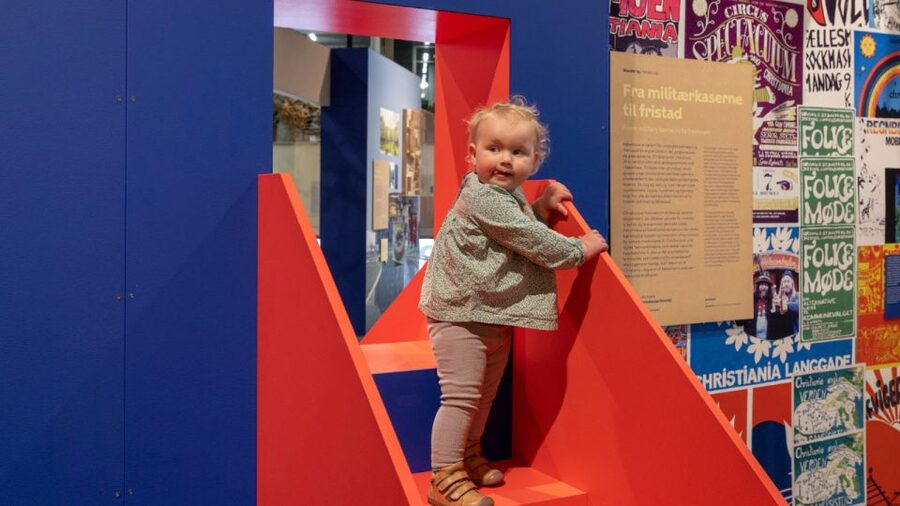
Families can also make good use of the visit. The exhibits are intended for children and adults, and the 40-meter slide gives younger visitors a strong point of interest. Still, you should be ready to spend some time reading and looking, since the cultural side of the center is central to the experience.
Architecture lovers will find the changing exhibitions useful, especially if they want to see Danish design presented through social and historical ideas. The center also suits anyone who wants a short indoor activity near Copenhagen’s harbor.
You may want to skip it if you dislike museums without a fixed guided route. There is no named guide attached to the experience. Danish and English support is available, but the visit is built around your own pace and the exhibitions open on the day.
Practical planning for a smoother visit
The activity is valid for one day, with starting times shown when you check availability. Since the ticket does not describe a timed, guided itinerary, I would choose a time that leaves room for the exhibitions and rooftop stop rather than squeezing DAC between two fixed appointments.
The meeting point is the center entrance below ground, reached from Bryghuspladsen by stairs or escalators. The visit ends back at the same meeting point, so you can continue exploring Copenhagen from there.
You can reserve now and pay later, which helps if your schedule is still changing. Free cancellation is available up to 24 hours in advance for a full refund. The center is wheelchair accessible, but the entrance arrangement includes stairs or escalators, so it is sensible to confirm the best accessible route when planning your visit.
Should you book the Danish Architecture Center?
I would book DAC if you want an approachable look at Danish architecture, design, and society, especially if you are visiting Copenhagen for the first time. The changing exhibitions, harbor views, and unusual slide give the $19 ticket more range than a standard architecture display.
I would skip it only if you want a fully guided tour or have little interest in architecture and city design. For everyone else, plan enough time to read the exhibitions, ride the slide, and reach the rooftop. That combination turns DAC into a useful and enjoyable way to understand Copenhagen from the inside out.
FAQ
Where is the Danish Architecture Center located?
The Danish Architecture Center is in the BLOX building in central Copenhagen, directly beside the harbor.
How do I find the entrance?
The entrance is below ground. Go to Bryghuspladsen and use the stairs or escalators to reach the center.
What does the admission ticket include?
The ticket includes entry to DAC, all open exhibitions, the DAC Slide, and access to the rooftop café.
Is the 40-meter DAC Slide included?
Yes. Access to the DAC Slide is included in the admission ticket.
Are food and drinks included?
No. You can access the rooftop café, but food and drinks must be purchased separately.
How long is the ticket valid?
The ticket is valid for one day. Check availability for the available starting times.
Is the center wheelchair accessible?
Yes, the activity is wheelchair accessible.
Can I cancel my booking?
Yes. You can cancel up to 24 hours in advance for a full refund. You can also reserve now and pay later.
New to the itinerary around the world
- Washington, DC: Georgetown Architecture Walking Tour★ 5.0 · 8 reviews
- Wilmington History and Architecture Tour★ 4.8 · 18 reviews
- Walk & Discover KL’s Architectural and Heritage Gems★ 5.0 · 7 reviews
- Washington DC: Dupont Circle & Embassy Row Architecture Tour★ 5.0 · 6 reviews
- New Orleans : Garden District Architecture Walking tour★ 4.8 · 5 reviews
- Unveiling Brno: History, Culture & Architectural Delights★ 5.0 · 2 reviews
- Vicenza: Palladian Architecture Private Walking Tour★ 3.3 · 3 reviews
- Tulsa: Art Deco Walking Tour of Tulsa★ 5.0 · 8 reviews
Copenhagen Architecture Tours, compared.

Copenhagen Architecture and Sustainability Tour with local Guide
Read our review →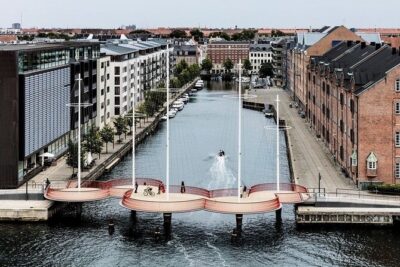

Copenhagen City, Old Town, Nyhavn, Architecture Walking Tour
Read our review →
Other lists with this tour