
Review · ROTTERDAM
Rotterdam Architecture: Centre and South Bank with watertaxi
Rotterdam makes more sense from the river, and this tour saves the crossing for a watertaxi ride beneath the Erasmus Bridge. Before that splashy finale, you walk through the city center with an architect guide, moving from post-war modernism to the Cube Houses and the Markthal.
I like the clear architectural route and the chance to hear how Rotterdam is changing, not just how it looked in the past. I also like that guide Tania has given useful tips for the rest of a Rotterdam visit. The main drawback is the 4-kilometer walk, which can be a lot after a full day of sightseeing.
Key points to know before booking
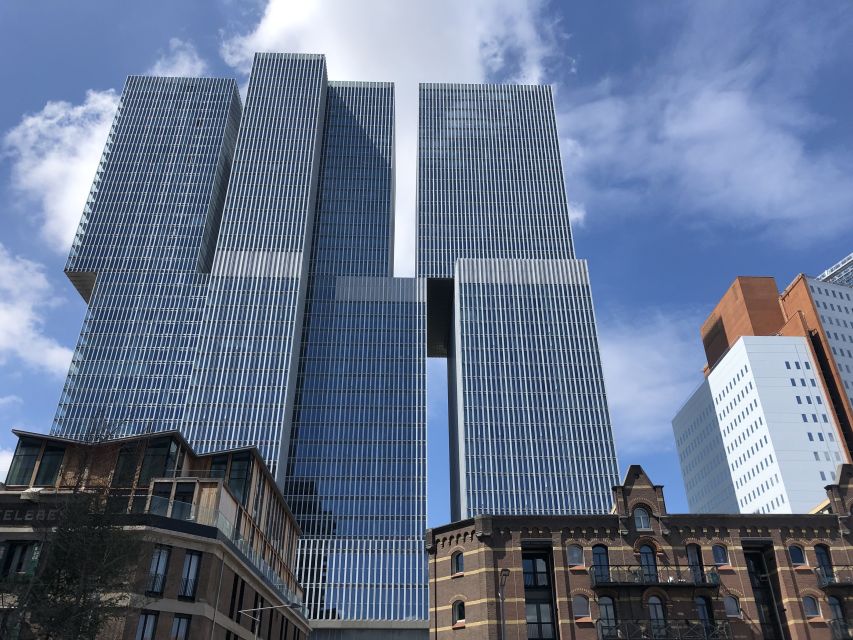
- A city-center route with a clear design story: See Central Station, Lijnbaan, Timmerhuis, St. Laurens Church, Markthal, and the Cube Houses in one walk.
- An architect leads the way: The English-speaking guide explains both famous buildings and future plans for the city.
- The watertaxi is part of the experience: Cross the river by speedboat rather than taking an ordinary transit connection.
- The South Bank adds a different side of Rotterdam: See the Erasmus Bridge, Hotel New York, Fenixloods, Fenix Food Factory, and the former harbor district.
- The walk is substantial: Allow three hours and wear comfortable shoes. Large bags and luggage are not allowed.
- Good value for an architecture-minded first visit: At $82 per person, the price includes the guide and watertaxi fee, but not drinks or hotel transport.
Why this route explains Rotterdam so well
Rotterdam is not a city you understand from one old square. Its center was rebuilt after wartime destruction, and its identity now comes from bold modern buildings, working-waterfront memories, and new neighborhoods along the river.
This tour gives you that story in a sensible order. You begin at the newly built Central Station, walk through the core, then cross to the South Bank by boat. That sequence matters because it lets you see Rotterdam as a city of change rather than a collection of unrelated sights.
I especially like the balance between famous photo stops and design context. The guide does not simply point out unusual shapes. You learn about Rotterdam’s culture, traditions, post-war rebuilding, and plans for the former harbor district.
The English-language tour lasts three hours. That is long enough for a useful overview but short enough to fit into a day that also includes museums, markets, or independent exploring.
More Architecture Tours around Netherlands:
- Rotterdam: Architectural Highlights Guided Walking Tour
★ 4.8 · 215 reviews - Rotterdam: Highlights, Gems, Architecture & History Walk
★ 5.0 · 191 reviews - Rotterdam Walk: Hilights, Gems, Architecture & WWII | 2 or 3hrs
★ 5.0 · 149 reviews
Meeting under the Central Station clock
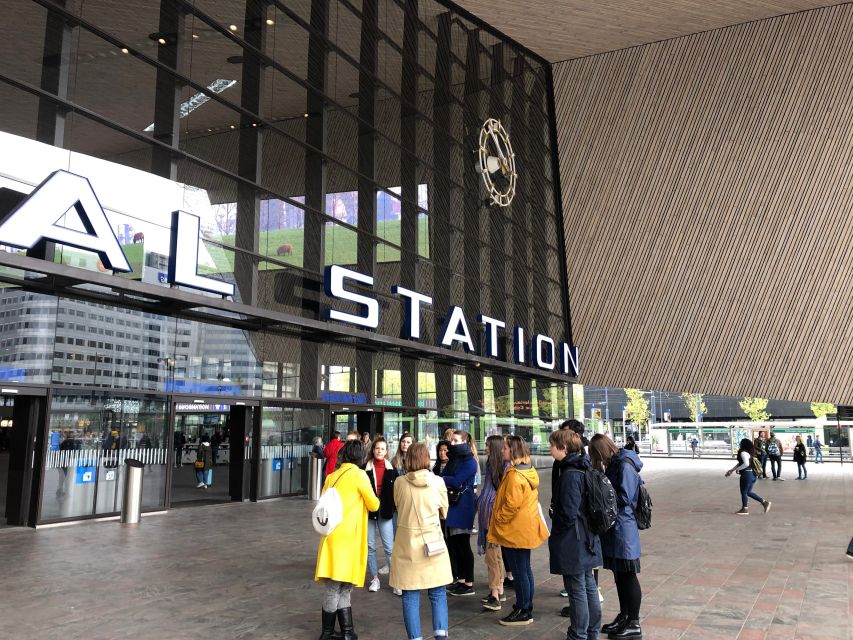
Your starting point is under the station clock, next to the main entrance on the outside. This is a practical meeting spot, but give yourself enough time to find the correct side of the station. Central Station is large, and arriving early will keep the opening minutes from turning into a rushed search.
The station itself sets the tone. Rotterdam’s newer architecture is not treated as a backdrop here. It is part of the city’s daily life, with trains, pedestrians, shops, and street connections flowing through the building.
From this point, the route heads into the city center. The walking pace should allow for explanations and stops, but you still need shoes that can handle four kilometers on city streets. This is not a short photo loop.
The tour does not include hotel pickup or drop-off. You meet and finish as part of the city route, so it works best if you are already spending the day in central Rotterdam.
Lijnbaan and the practical side of post-war modernism
One of the early stops is Lijnbaan, Rotterdam’s famous post-war modernist shopping area. It helps explain a key part of the city’s character: Rotterdam often chose fresh planning and new forms instead of trying to recreate an older center.
Lijnbaan is not simply an architectural monument that you view from a distance. It remains a shopping area, which makes the design easier to understand in use. You can consider how planners imagined pedestrian space, commerce, and movement in the decades after the war.
This stop is useful for visitors who might otherwise see Rotterdam’s modern buildings as a series of strange shapes. The guide connects the appearance of the area with the practical needs of a rebuilt city.
If you prefer old European streets, Lijnbaan may feel less romantic than historic centers in Amsterdam, Delft, or Leiden. That is also the point. Rotterdam offers a different kind of city experience, and this tour gives you the background to appreciate it.
Timmerhuis and Rotterdam’s newer design language
The route continues to Timmerhuis, a striking project designed by OMA, the Rotterdam-based architecture firm known around the world. The building is an important example of how the city keeps experimenting with large-scale design.
Your guide can help you look past the first impression and notice how Timmerhuis relates to the surrounding center. The value here is not just the building’s appearance. It is the chance to hear how a major contemporary project fits into a city that has rebuilt and reworked itself many times.
This is one of the places where an architect guide makes a real difference. A general city tour might identify Timmerhuis and move on. An architecture-focused guide can explain why its form matters and how it reflects Rotterdam’s wider approach to city planning.
The tour also covers future developments. That is a useful feature if you are curious about where Rotterdam is heading, not only what is already finished. Guide Tania was praised for explaining future plans and offering sightseeing suggestions for the rest of a visit.
Same streets, read through a different style:
- Rotterdam Architecture Highlights Walking Tour
★ 5.0 · 66 reviews - The rise of Haarlem: Culture, History, Art and Architecture Walking Tour
★ 5.0 · 59 reviews - Rotterdam Must Do Tour: Highlights, History, WW2 and Architecture
★ 5.0 · 20 reviews - Rotterdam: Architecture Highlights Tour including the Depot
★ 4.6 · 17 reviews
St. Laurens Church, a reminder of what survived
St. Laurens Church brings an older layer into the route. In a city strongly associated with post-war construction, the church helps you see that Rotterdam is not entirely new.
Its presence gives the walk a helpful pause. Instead of viewing modern buildings as the whole story, you get a contrast between an older religious landmark and the newer city around it. That contrast is central to Rotterdam’s appeal.
The stop also supports the tour’s broader cultural focus. You are not only looking at materials, angles, and urban planning. You are seeing how Rotterdam’s traditions and older identity fit into a city that has changed dramatically.
The information provided does not promise an interior visit, so you should think of St. Laurens Church as a stop on the walking route rather than a separate church tour. The guide’s explanation is the main feature here.
Markthal and the Cube Houses
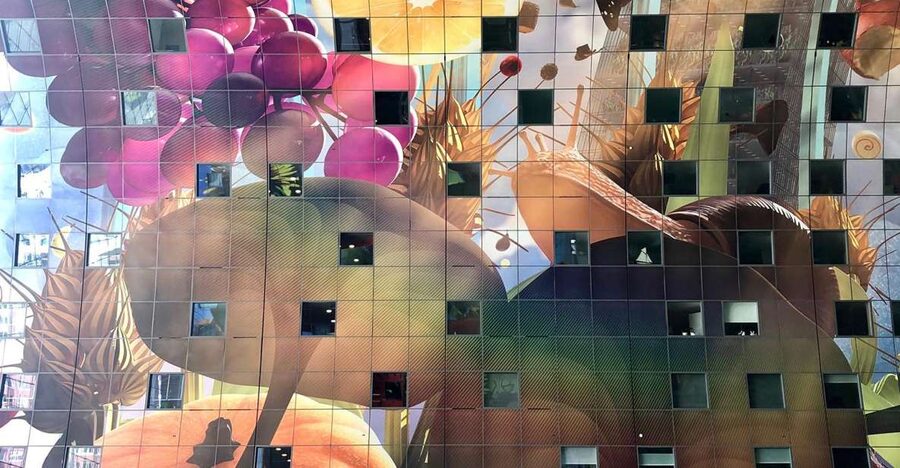
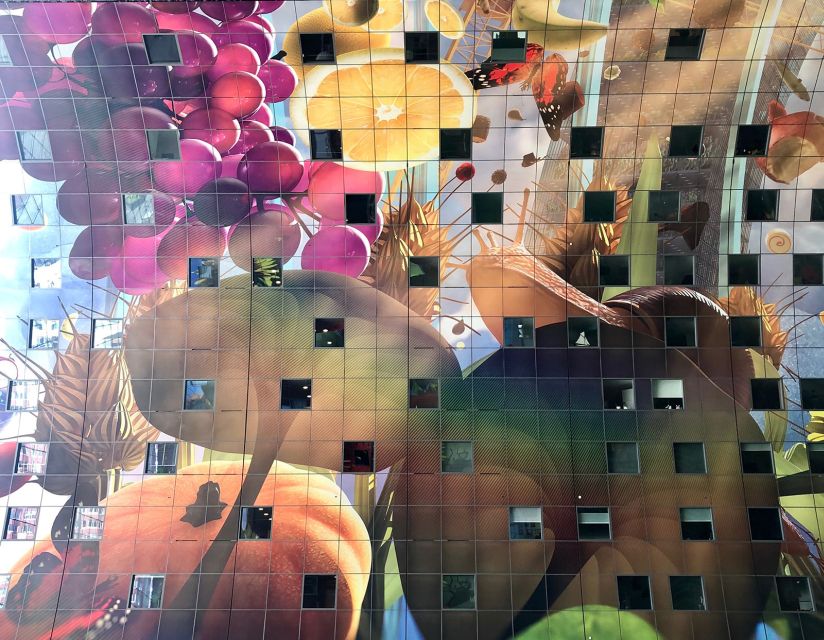
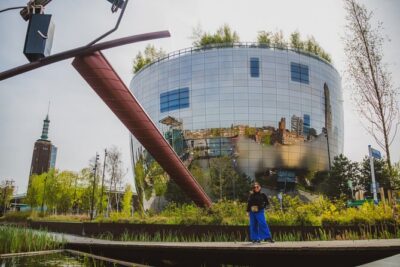
The Markthal is one of the route’s most recognizable stops. It is described as one of Europe’s most unique indoor markets, and its position near the Cube Houses makes this part of the walk especially lively.
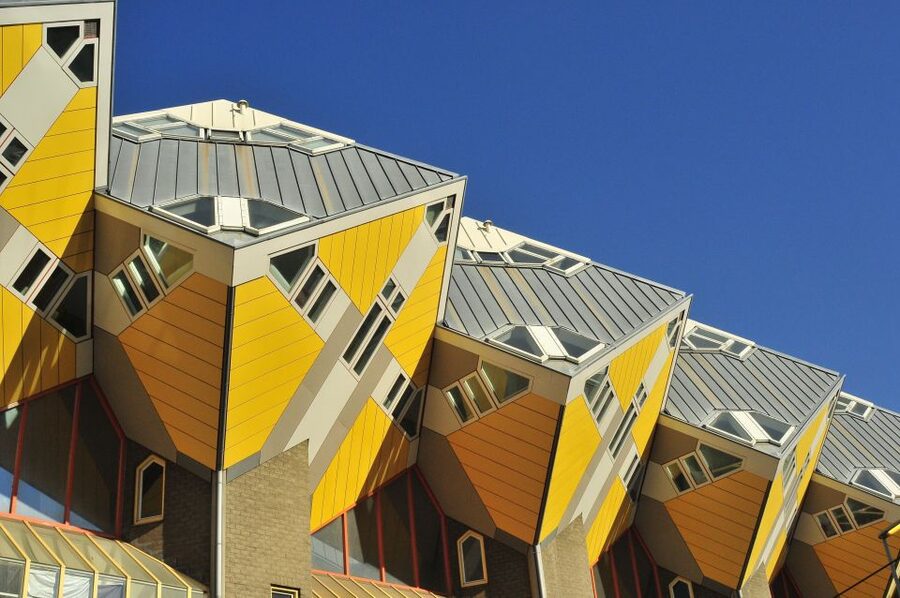
You get a useful pairing here. The Markthal shows a large, public building built around food and daily use, while the Cube Houses challenge ordinary ideas about how homes should look and work. Together, they show Rotterdam’s taste for architecture that is meant to be seen, discussed, and used.
The Cube Houses are likely to be one of the tour’s most memorable photo stops. Their tilted forms are easy to recognize, but a guide adds the practical question: how do people actually live in buildings shaped this way?
That question makes the stop more than a quick picture. You can consider the tradeoff between bold design and everyday comfort. The tour data does not specify an interior visit, so do not book this experience expecting a separate house museum entry unless the guide confirms it.
The Markthal also gives you a chance to notice Rotterdam’s food culture in passing. Drinks are not included, and the tour is not presented as a food tasting, but the market can help you decide where to return later.
The watertaxi under the Erasmus Bridge
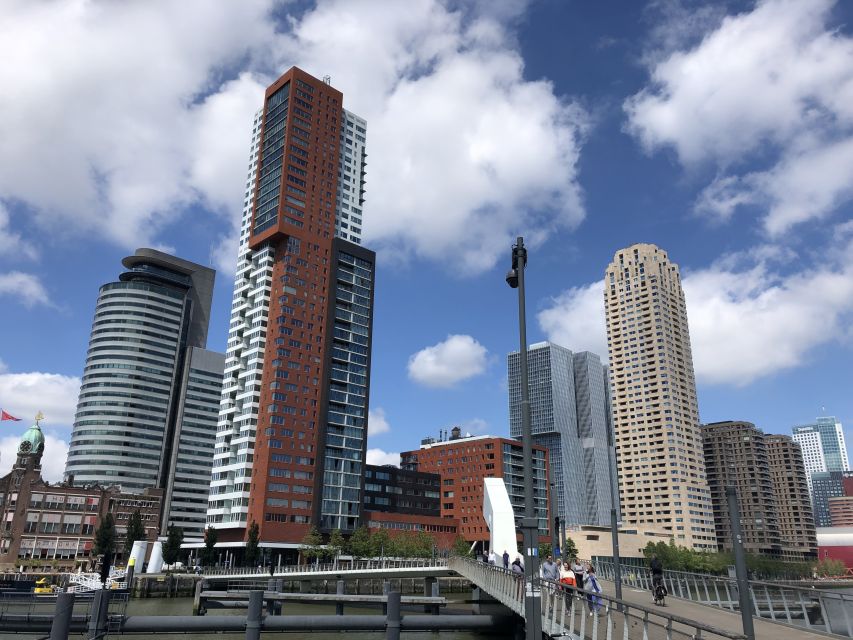
At the riverside, you board a watertaxi for the crossing to the South Bank. This is not just a practical transfer. The ride is one of the tour’s main attractions, offering a fast, low-level view of Rotterdam from the water.
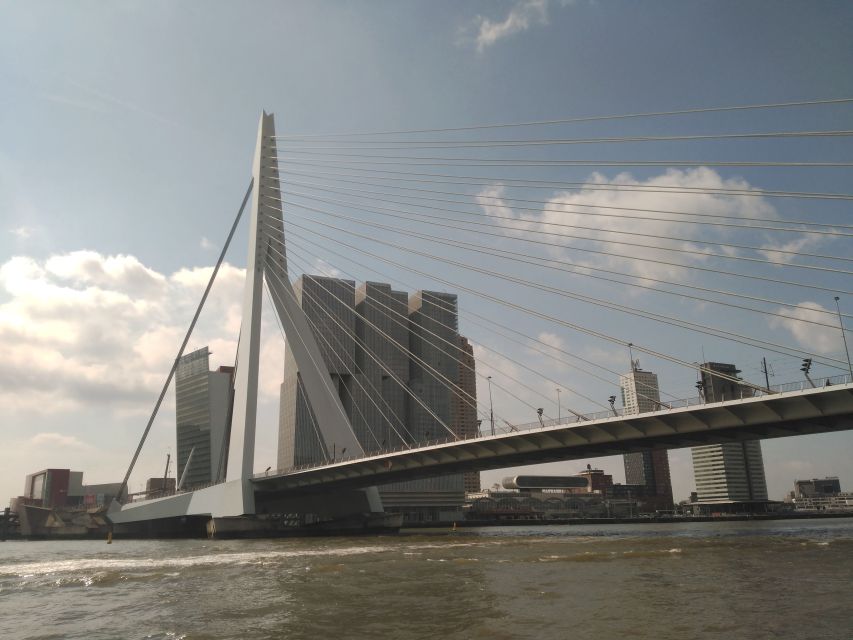
Passing under the Erasmus Bridge gives you a memorable change of angle. From the streets, the bridge is a major city landmark. From the boat, you see its scale and relationship to the river, the skyline, and the districts on both banks.
The speedboat ride should appeal to anyone who likes a little movement in a sightseeing day. It also breaks up the four-kilometer walk at a useful point. The crossing is included in the $82 price, so you are not paying for the tour and then adding a separate boat fare.
Still, it is worth keeping expectations realistic. This is a short urban crossing within a three-hour tour, not a long harbor cruise. Its value comes from the view and the change in perspective, not from hours spent on the water.
Large bags and luggage are not allowed. Bring only what you need for the walk and boat ride, and keep your hands free as much as possible.
The South Bank, from old harbor to new district
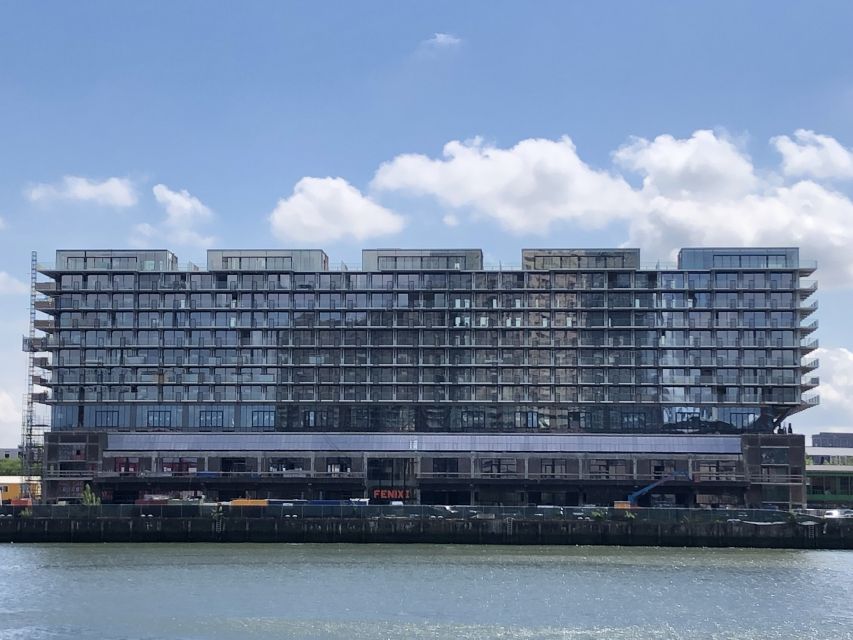
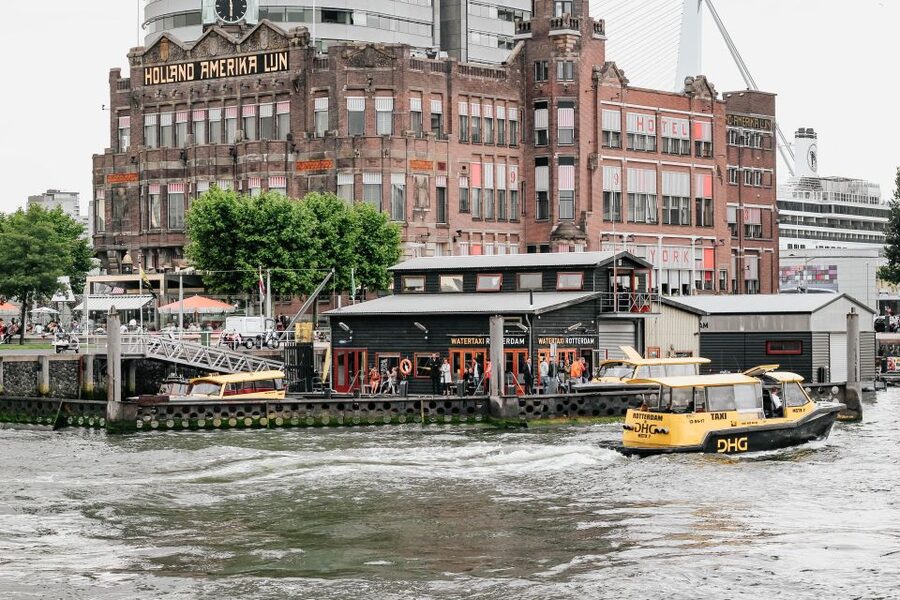
The South Bank offers a different mood from the city center. This former harbor area has developed into a popular part of Rotterdam, with high-end architecture, cafes, restaurants, and reminders of its working past.
The tour explains the district’s history and future plans. That makes the South Bank especially useful for visitors who want to understand how old port areas are being reused. You see the tension between preservation, new construction, business, and public life.
The route includes the Rotterdam OMA building, another important connection to the city’s design culture. You also see Hotel New York, a historic building with strong ties to Rotterdam’s waterfront story.
Fenixloods and Fenix Food Factory add a more informal side to the district. They help keep the South Bank from feeling like a parade of polished new buildings. The former harbor setting, food, and old industrial references give the area a more layered feel.
The information provided does not include a meal or food tasting. You may see cafes and restaurants and receive recommendations, but plan to pay separately if you want something to eat or drink during or after the tour.
What the $82 price gets you
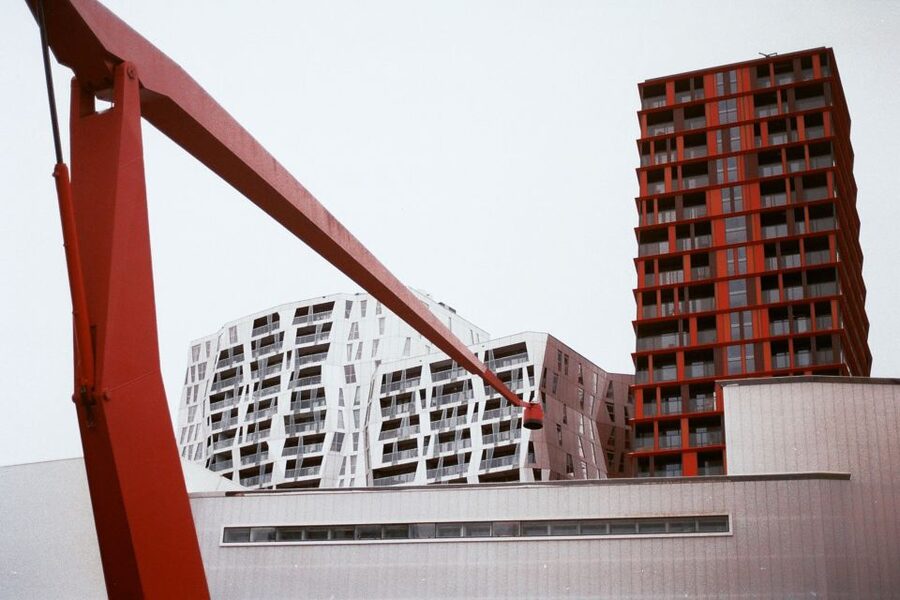
At $82 per person, this tour is not the cheapest way to see central Rotterdam. You are paying for three things: an English-speaking architect guide, a structured 4-kilometer route, and the watertaxi crossing.
The guide is the main value. Rotterdam’s buildings are easy to photograph but not always easy to interpret. A local architect can explain why the city looks the way it does, how post-war rebuilding shaped the center, and what is planned for the South Bank.
The route also saves you from arranging several stops yourself. In three hours, you cover Central Station, Lijnbaan, Timmerhuis, St. Laurens Church, Markthal, Cube Houses, the Erasmus Bridge area, Hotel New York, Fenixloods, and Fenix Food Factory.
I would consider the price fair if architecture is a main reason for your visit or if you have only a short time in Rotterdam. It is less compelling if you prefer to explore slowly, shop, eat, or spend long periods inside individual attractions.
Children under 12 can participate free of charge. The listed child price covers only the speedboat fee, which makes this a more reasonable family option if younger children can manage the walking distance.
Walking, accessibility, and the small print that matters
Comfortable shoes are essential. Four kilometers is manageable for many people, but the route includes several stops, standing, and a boat transfer, so it may feel longer than the number suggests.
The activity information lists the tour as wheelchair accessible but also says it is not suitable for people with mobility impairments. Those details do not fully match. If you use a wheelchair or have difficulty walking, contact the provider before booking and ask about the exact route, boarding conditions, and whether the full walk can be adapted.
The tour is also listed as unsuitable for people with visual impairments. That may be important because the experience depends heavily on seeing buildings, streets, bridge views, and design details.
Free cancellation is available up to 24 hours before the start time, and you can reserve now and pay later. These terms are useful if your schedule is still changing, but they do not remove the need to check the start time and meet under the correct station clock.
Who will get the most from this tour
I would choose this experience if you want an introduction to Rotterdam’s architecture without spending a full day in museums. It suits first-time visitors, design students, urban planning fans, and anyone who wants context before exploring alone.
It also works well early in a visit. The route covers many central reference points, and guide Tania’s sightseeing suggestions can help you plan the rest of your stay. You can return later to the Markthal, South Bank, cafes, or other buildings that caught your attention.
I would hesitate if your priority is a relaxed pace. The route covers a lot of ground, and the three-hour schedule leaves limited time for lingering. I would also think twice if you are traveling with large luggage, have serious walking limitations, or mainly want a food tour.
Should you book Rotterdam Architecture: Centre and South Bank?
Book it if you want Rotterdam explained through its buildings, not just photographed. The combination of architect guidance, major city-center sights, a watertaxi ride, and the South Bank’s former harbor setting gives you a strong overview in three hours.
Skip it if you want long interior visits, a seated boat cruise, or an easy stroll. For the right visitor, the $82 cost is justified by the guide and the carefully connected route. Wear good shoes, bring a small bag, and treat the watertaxi as the lively finish to a serious look at a fascinating city.
FAQ
How long is the Rotterdam architecture tour?
The tour lasts three hours and includes approximately 4 kilometers of walking.
Where do I meet the guide?
Meet under the station clock next to the main entrance of Rotterdam Central Station, on the outside.
Is the watertaxi ride included?
Yes. The watertaxi fee is included in the tour price.
What language is the tour conducted in?
The live tour guide speaks English.
Can children join the tour?
Yes. Children under 12 can participate free of charge, although the listed price covers the speedboat fee.
What should I bring, and what is not allowed?
Bring comfortable shoes. Luggage and large bags are not allowed.
New to the itinerary around Netherlands
- Escape Room – l’Architecte★ 4.5 · 13 reviews
- Private Rotterdam Walking Tour – guided by Architects★ 5.0 · 2 reviews
- Rotterdam Must Do Tour: Highlights, History, WW2 and Architecture★ 5.0 · 20 reviews
- Rotterdam Architecture and Highlights Walking Tour (TOP RATED)★ 4.5 · 14 reviews
- Maastricht Highlights, Architecture & Heritage Tour★ 5.0 · 7 reviews
- Gouda Private Walking Tour: History, Architecture & Cheese★ 4.5 · 8 reviews
- Amsterdam Walking Tour. All about History, Architecture, Traditions & Anecdotes.★ 5.0 · 2 reviews
- Rotterdam: Art and Architecture Highlights Walking Tour★ 4.9 · 10 reviews
Netherlands Architecture Tours, compared.
Rotterdam Walk: Hilights, Gems, Architecture & WWII | 2 or 3hrs
Read our review →
The rise of Haarlem: Culture, History, Art and Architecture Walking Tour
Read our review →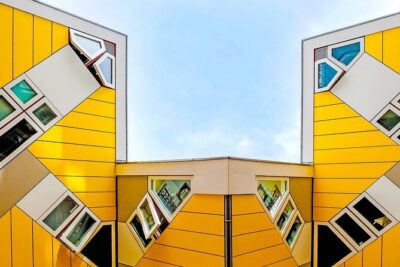
Rotterdam Must Do Tour: Highlights, History, WW2 and Architecture
Read our review →
Walking Tour about Golden Age Architecture, private local guide
Read our review →Other lists with this tour