
Review · ROTTERDAM
Rotterdam Walk: Hilights, Gems, Architecture & WWII | 2 or 3hrs
Rotterdam’s story is one of destruction, invention, and sheer nerve. This walking tour connects the city’s wartime past with its sharp-edged modern architecture, moving from the mirrored Depot Boijmans Van Beuningen to the Maas, the Erasmus Bridge, the old harbor, the cube houses, and the colorful Markthal.
I like the way the route combines WWII history with modern design, rather than treating them as separate subjects. I also like the small maximum of 15 people and the use of photos and visual aids, which help explain how Rotterdam changed after the bombardment. The main consideration is pace: you cover a lot in two to three hours, so this is an introduction, not a slow museum visit.
Key points to know
- See Rotterdam’s biggest landmarks in one continuous walk, from Museumpark to the Markthal.
- WWII and reconstruction are central themes, with photos used to show how the city changed.
- Yoreh is the main guide named in the feedback, with Elmore also leading some departures.
- The route includes free outdoor stops, but the tour does not include extended interior visits.
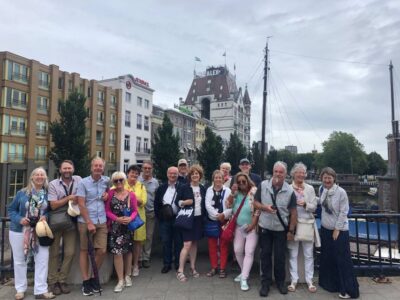
- The maximum group size is 15, small enough for questions and conversation.
- The finish inside the Markthal is useful, since you can stay for food and visit the nearby demo cube house afterward.
Why Rotterdam’s story works best on foot

Rotterdam can feel confusing at first. Its city center has few old streets compared with Amsterdam or Delft, yet that absence is the point. Much of the center was destroyed in May 1940, and the city chose to rebuild in a modern style instead of copying its lost past.
This walk gives you a way to read that decision. You see old harbor traces beside experimental housing, historic ships beside glass towers, and a memorial to wartime destruction near some of the Netherlands’ most playful buildings.
Yoreh is the guide most often named in the feedback, and the tour’s strength seems to be his personal connection to Rotterdam. He is described as a lifelong local who explains not only what a building is, but why the city made certain choices. Elmore also leads some departures and is praised for keeping the pace comfortable and answering questions.
The use of photos is especially helpful. Rotterdam’s wartime story can be hard to picture when you are surrounded by postwar buildings. Seeing images of the old city beside the present one makes the scale of the loss and rebuilding much easier to understand.
More Walking Tours in Netherlands:
- Rotterdam: Architectural Highlights Guided Walking Tour
★ 4.8 · 215 reviews - Rotterdam: Highlights, Gems, Architecture & History Walk
★ 5.0 · 191 reviews - Rotterdam Architecture Highlights Walking Tour
★ 5.0 · 66 reviews
Starting at Museumpark and the mirrored art depot
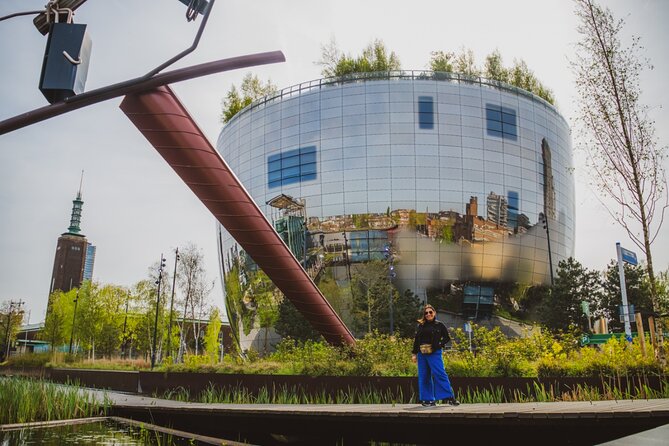
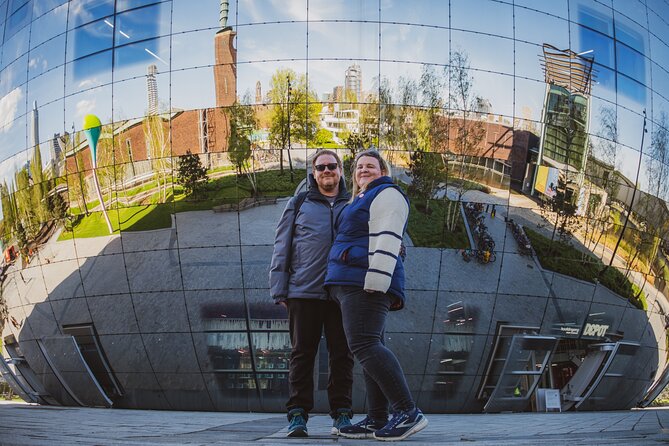
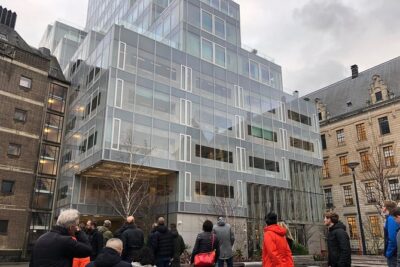
The meeting point is at the Vaimoo deelfietsstation beside Museumpark, at Museumpark 20. The walk begins near the Depot Boijmans Van Beuningen, the striking mirrored building that stores and displays the collection of the Museum Boijmans Van Beuningen.
You do not enter the depot as part of the tour, and no admission ticket is included or needed for this outdoor stop. Instead, the guide uses the building and the surrounding Museum District to explain Rotterdam’s cultural quarter and the former Land of Hoboken.
The depot is a good opening because it introduces one of Rotterdam’s defining habits: making practical buildings visually daring. Its mirrored exterior reflects the park and nearby city, creating a building that changes as you walk around it.
You spend about 15 minutes here. That is enough for an orientation and some photographs, but not enough for a detailed museum discussion. If the depot interests you, plan a separate visit at another time.
Nieuwe Werk and the wide view of the Maas
From Museumpark, the route heads toward Nieuwe Werk and the Scheepvaartkwartier, also called the Shipping Quarter. This part of the city is less obvious than the central landmarks, and the walk gives you a change of mood.
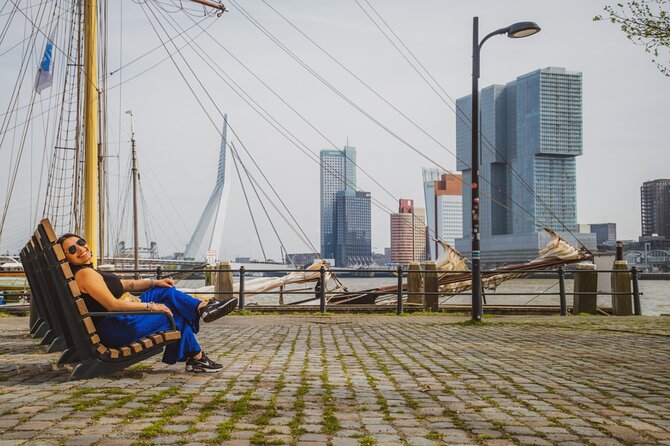
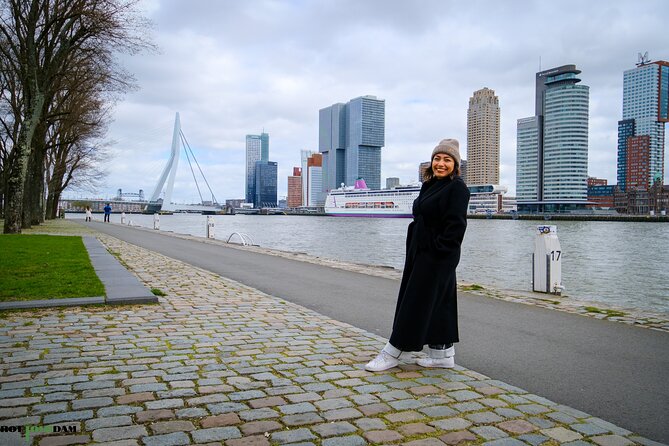
Here Rotterdam opens toward the Maas. From the river side, you can see Hotel New York, the former headquarters of the Holland-America Line, the steamship Rotterdam, and the Erasmus Bridge. The point is not just to collect photographs. The view helps explain Rotterdam as a port city shaped by ships, trade, migration, and water.
I like this section because it gives the tour some breathing room after the architecture around Museumpark. You get a sense of the city’s scale and its outward-looking character.
The stop lasts about 30 minutes, making it one of the longer pauses. That gives the guide time to point out several landmarks and explain the waterfront. Keep in mind that the route is outdoors, so wind and rain can affect how pleasant this part feels.
Crossing the wartime story at Erasmus Bridge
The Erasmus Bridge is one of Rotterdam’s most recognizable structures. Its white pylon and sweeping cables connect the northern and southern parts of the city across the Maas.
The bridge is also where the tour turns clearly toward WWII. You hear about the invasion, the bombing of Rotterdam, and the consequences for the city center. This is an important part of the walk because the modern skyline can hide how much of the older city disappeared.
A guide-led explanation adds useful context here. On your own, it is easy to see the bridge as a design object and move on. With the wartime story attached to it, the bridge becomes part of a larger account of Rotterdam’s recovery and growth.
The stop lasts around 20 minutes. You will not cross the entire bridge as a separate activity, and this is not a bridge photography tour. Instead, expect a focused explanation with views across the river.
More Architecture Tours around Netherlands:
- The rise of Haarlem: Culture, History, Art and Architecture Walking Tour
★ 5.0 · 59 reviews - Rotterdam Must Do Tour: Highlights, History, WW2 and Architecture
★ 5.0 · 20 reviews - Rotterdam: Architecture Highlights Tour including the Depot
★ 4.6 · 17 reviews - Walking Tour about Golden Age Architecture, private local guide
★ 5.0 · 15 reviews
The Maritime District’s outdoor collection
Near the Maritime Museum, the route passes through the Maritime District. The tour treats the area as an open-air collection of historic boats, including vessels more than 100 years old and some described as the last of their kind.
This stop lasts only about 10 minutes, but it adds a useful layer to the city. Rotterdam is not only a city of futuristic buildings. Its working waterfront and maritime equipment are still part of the urban fabric.
You do not spend time inside the Maritime Museum during the walk. If you want displays and longer explanations, you would need to visit separately. The tour’s approach is better for getting a quick sense of the harbor’s surviving pieces without stopping for a full museum session.
The Destroyed City and Rotterdam’s wound
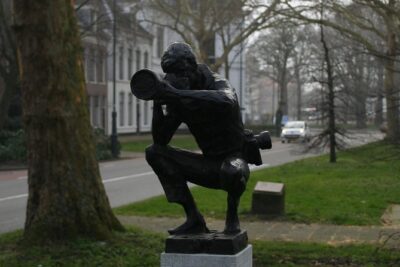
At Square 1940, you see Ossip Zadkine’s sculpture The Destroyed City. It is one of Rotterdam’s most important WWII memorials, and the guide explains its meaning and connection to the city.
This is likely to be one of the most affecting stops, even though it is brief. After hearing about the bombardment, the sculpture gives the subject a physical focus. It is not just a date or a story about buildings. It is a public expression of grief and loss.
The stop takes about 10 minutes. That is enough to understand the basic symbolism, but you may want to return later if you prefer to study the sculpture quietly. The tour keeps moving, so anyone wanting long periods of reflection should allow extra time after the walk.
Witte Huis and the old harbor
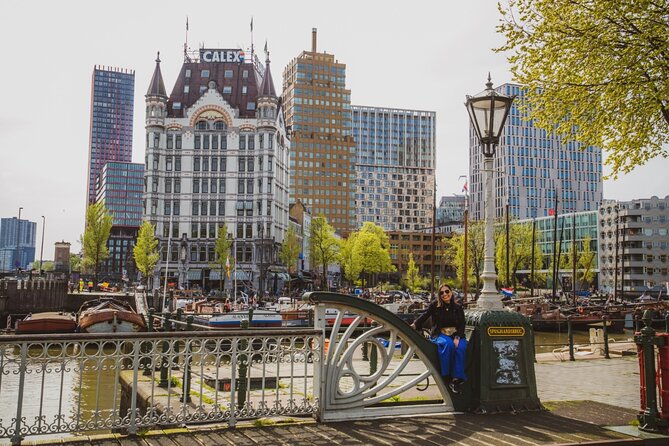
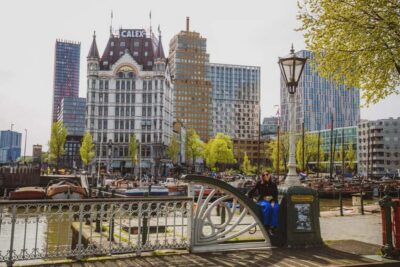
The Witte Huis, or White House, offers a different view of Rotterdam’s past. Built as an early office tower, it was once the tallest office building in Europe. Its historic presence is especially interesting in a city now known for tall, modern buildings.
The guide uses the building to show that Rotterdam was already ambitious before WWII. The city’s urge to build upward and experiment did not begin with the postwar reconstruction. The modern skyline has older roots.
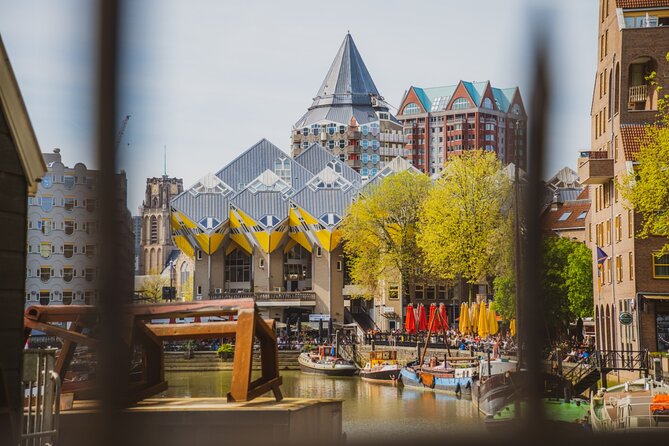
From there, the route continues to Oude Haven, one of the oldest harbors in the Netherlands. This is one of the more relaxed places on the walk, with a cozy waterfront atmosphere and a direct view of the cube houses.
The contrast is the attraction. You can look from a historic harbor toward the tilted yellow homes of the 1970s. Few city views explain Rotterdam’s mixture of old and new so quickly.
The Witte Huis stop is about 15 minutes, and Oude Haven gets another 15 minutes. You have time for photographs and questions, but not for a drink or a long waterfront break unless the group pauses longer than expected.
Walking through the cube houses
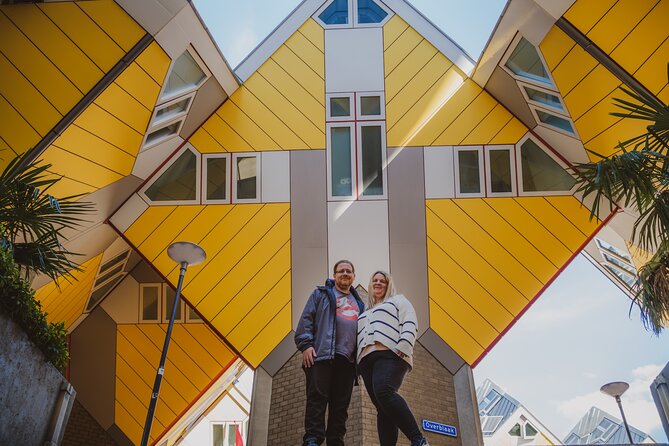
The cube houses are among Rotterdam’s best-known sights, and the route takes you directly through Overblaak, the street beneath them. Their angled walls and raised form create an unusual public space that feels more like a constructed puzzle than a normal residential block.
The guide explains why the houses were designed this way, how they work, and what the architecture is trying to achieve. That explanation matters because the buildings can otherwise seem like a quick photo stop.
You walk through the so-called concrete forest on the way toward the market square. The stop lasts about 10 minutes, so expect an explanation from outside rather than a detailed look inside a home.
The demo cube house can be visited independently after the tour. Since the walk ends nearby, this is a useful chance to see how the interior layout works if you want more than exterior photographs. Admission to that separate visit is not included in the walking tour.
Finishing beneath the Markthal mural
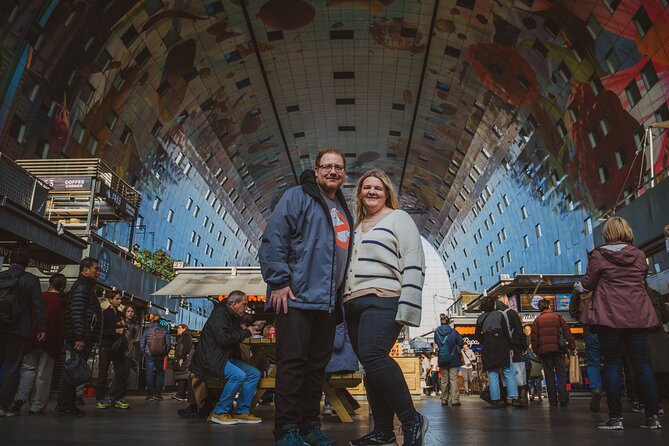
The final stop is the Markthal, Rotterdam’s large indoor market. Its arched structure and enormous interior artwork have made it one of the city’s signature buildings.
The guide explains the design and the artwork, sometimes called Rotterdam’s modern Sistine Chapel. The comparison is easy to understand once you look up: the ceiling is filled with large, colorful images of food, flowers, and market produce.
The tour ends inside the Markthal, which is a practical finish. You can continue looking around, buy something to eat, or use the location as a base for exploring the cube houses. The guide also gives suggestions about other places to visit.
I would plan extra time here rather than rushing off when the walk ends. One of the recurring practical lessons from this tour is that Rotterdam rewards a little unscheduled time. The walk gives you a framework, then the Markthal gives you a convenient place to continue on your own.
What the $49.60 price buys you
At $49.60 per person, the tour is not simply a way to be escorted between attractions. Its value comes from the connections between the stops: wartime destruction, port history, reconstruction, architecture, and present-day city life.
All nine listed stops are outdoor or public spaces, and each is shown with no admission charge. You are paying for the guide’s time, route planning, explanations, local perspective, and visual material rather than entrance tickets.
That makes the price reasonable if you are visiting Rotterdam for the first time and want a clear introduction in one morning or afternoon. It is less useful if you have already studied the city closely or prefer to spend three hours inside museums and buildings.
The group limit of 15 is another point in its favor. The group is not private, but it is small enough that you can normally hear the guide and ask questions. Group discounts may be available, which can improve the value for families or larger parties.
Timing, walking, and who will enjoy it
The stated duration is about two to three hours. The difference probably depends on group size, questions, weather, and the pace between stops. You should be ready to walk continuously between Museumpark and the Markthal, with short pauses at each landmark.
This is a good first-day activity. It gives you practical ideas for what to return to, and the finish at the Markthal makes it easy to continue sightseeing afterward. Several people specifically found that the tour encouraged them to revisit places discussed during the walk.
The tour is offered in English. Most people can participate, service animals are allowed, and the route is near public transportation. No specific accessibility details are provided, so you should ask the operator directly if you need information about surfaces, seating, or mobility support.
Rain does not automatically ruin the experience, but poor weather can lead to cancellation. Wear suitable shoes and clothing, and remember that much of the route is outside beside the river.
Free cancellation is available up to 24 hours before the start time. A later cancellation is not refunded, and a date change inside that window is not accepted. If bad weather or too few bookings cancels the tour, you are offered another date or experience, or a full refund.
Should you book this Rotterdam walk?
I would book it if you want Rotterdam to make sense quickly. The strongest feature is the link between the WWII story and the city’s modern architecture, supported by photos and clear explanations from guides such as Yoreh and Elmore.
Book it early in your stay, especially if you like collecting ideas for later. The route covers the big sights, but it also introduces the waterfront, the old harbor, the maritime boats, and the city’s architectural logic.
Skip it if your priority is long museum visits, shopping, or a private tour with a slow pace. This is a brisk overview with frequent stops, not a deep examination of each site.
For most first-time visitors, the combination of history, design, harbor views, and a useful finish at the Markthal makes the $49.60 a fair investment in getting your bearings.
FAQ
How long does the Rotterdam walking tour last?
The tour lasts approximately two to three hours.
How much does the tour cost?
The listed price is $49.60 per person.
What language is the tour offered in?
The tour is offered in English.
Where does the tour begin?
The meeting point is the Vaimoo deelfietsstation at Museumpark 20, 3015 CX Rotterdam, Netherlands.
Where does the tour end?
The walk ends inside the Markthal at Verlengde Nieuwstraat, 3011 GX Rotterdam, Netherlands.
Are admission tickets included?
The listed stops have no admission charge as part of the walk. The tour does not include entry to the Depot Boijmans Van Beuningen, the Maritime Museum, or the demo cube house.
How many people can join the tour?
The maximum group size is 15 people.
Can I cancel for a full refund?
Yes. You can cancel at least 24 hours before the start time for a full refund. Cancellations made less than 24 hours before the start time are not refunded.
What happens if the weather is poor or the minimum group size is not met?
The tour may be canceled because of poor weather or an insufficient number of participants. You will then be offered another date or experience, or a full refund.
New to the itinerary around Netherlands
- Escape Room – l’Architecte★ 4.5 · 13 reviews
- Private Rotterdam Walking Tour – guided by Architects★ 5.0 · 2 reviews
- Rotterdam Must Do Tour: Highlights, History, WW2 and Architecture★ 5.0 · 20 reviews
- Rotterdam Architecture and Highlights Walking Tour (TOP RATED)★ 4.5 · 14 reviews
- Maastricht Highlights, Architecture & Heritage Tour★ 5.0 · 7 reviews
- Gouda Private Walking Tour: History, Architecture & Cheese★ 4.5 · 8 reviews
- Amsterdam Walking Tour. All about History, Architecture, Traditions & Anecdotes.★ 5.0 · 2 reviews
- Rotterdam Architecture: Centre and South Bank with watertaxi★ 5.0 · 4 reviews
Netherlands Architecture Tours, compared.
The rise of Haarlem: Culture, History, Art and Architecture Walking Tour
Read our review →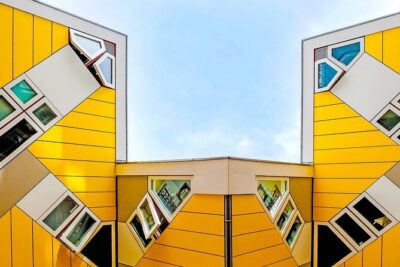
Rotterdam Must Do Tour: Highlights, History, WW2 and Architecture
Read our review →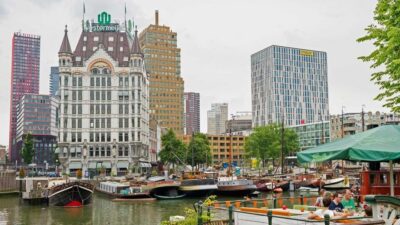
Walking Tour about Golden Age Architecture, private local guide
Read our review →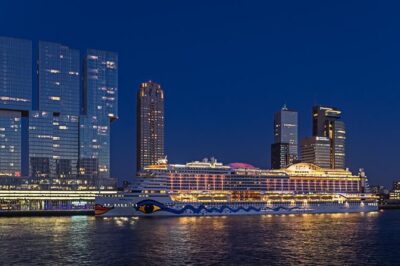
Rotterdam Architecture and Highlights Walking Tour (TOP RATED)
Read our review →Other lists with this tour