
Review · NEW ORLEANS
New Orleans French Quarter Architecture Walking Tour
New Orleans reveals its past through balconies, courtyards, shutters, ironwork, and thick masonry. This small-group architecture walk helps you read those details instead of simply admiring a pretty street, tracing the French Quarter from its early French roots through Spanish rule and into the American period.
I like the limit of 14 people, which gives you room to ask questions, and I like the way the guides connect buildings to people, especially the Creole women who helped shape the city. The $40 price is fair for a local guide and two hours of focused sightseeing.
The main caution is that the tour may feel more like a French Quarter history walk with architecture woven through it than a highly technical building survey. One guest also found it hard to hear at times, so staying close to the guide matters.
Key points to know before you book
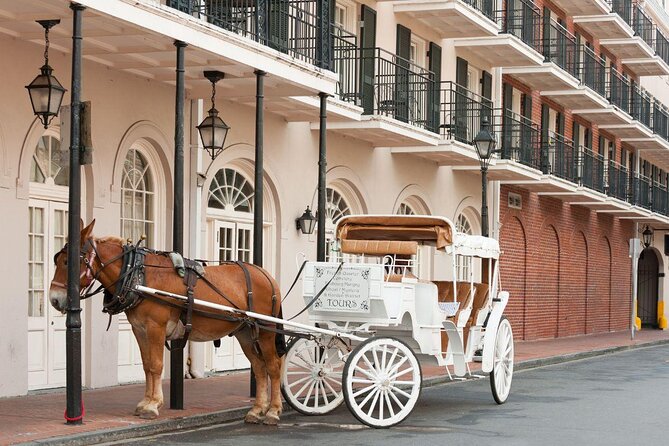
- Small group of 14 or fewer: You get a calmer walk and a better chance to ask questions.
- Seven central stops: The route covers Jackson Square, St. Louis Cathedral, the Cabildo, the Presbytere, Chartres Street, and Royal Street.
- Architecture tied to people: Guides explain how French, Spanish, Creole, and American influences shaped the buildings.
- Strong local storytelling: Caroline, Janet, Guy, Angela, Doug, and other local guides bring different personal styles and historical angles.
- Easy physical pace: The walk lasts about two hours, and one family described it as manageable even in the heat.
- Good first-day activity: You’ll leave with a visual guide to the Quarter that can help you notice more during the rest of your stay.
Why the French Quarter makes a good architecture classroom
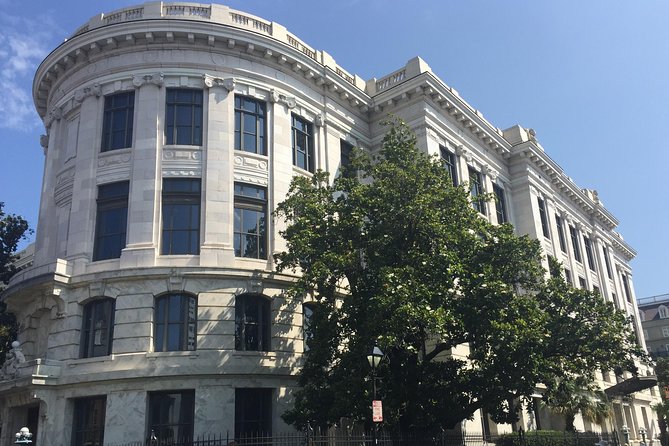
The French Quarter can look like one continuous wall of wrought iron, pastel stucco, and old balconies. Look closer, though, and the details point to different periods and cultures. This walk teaches you to separate those layers.
You’ll hear how French and Spanish rule influenced building forms, materials, and street life. You’ll also see how the American period added another chapter to the Quarter’s appearance. The point is not only to memorize styles. It is to understand why the buildings developed as they did.
That makes the experience useful for people who normally enjoy history but do not consider themselves architecture experts. Your guide explains terms in the setting where they matter, then points to actual doors, galleries, balconies, and facades. Afterward, you can continue through the Quarter with a better sense of what you are seeing.
The tour also gives people history a proper place. Several guides, especially Caroline, have placed strong Creole women at the center of the story. That focus helps correct the usual habit of telling New Orleans history only through famous male politicians, military figures, and religious leaders.
You may get a different guide depending on the date. Caroline is often praised for combining architectural detail with stories about her family’s long connection to New Orleans. Janet is described as gentle and informal, while Guy has used photographs and historical material in a binder to clarify how the Quarter changed. Angela brings a historian’s approach and a light touch, including plenty of humor. Doug has been especially attentive to heat and shade.
More Walking Tours in the USA
- The Official Art Deco Walking Tour by The Miami Design Preservation League
★ 5.0 · 1,580 reviews - Chicago in a Day: Food, History & Architecture Walking Tour
★ 5.0 · 1,153 reviews - Miami South Beach Art Deco Walking Tour
★ 5.0 · 1,039 reviews
Starting with a five-minute introduction to the Quarter
The walk begins at 523 St. Ann Street, near the heart of the French Quarter. Your guide opens with a short introduction to New Orleans history, giving you the basic timeline needed for the buildings ahead.
This first talk lasts about five minutes, so it is not a long lecture before you get moving. That is a good choice in a city where standing in one place can quickly become uncomfortable in summer. You get enough background to understand the route, then begin looking at the Quarter itself.
Arrive ready to listen closely. The group is small, but the streets can be active, and one person found it occasionally difficult to hear. Staying near the guide is a simple way to catch the names, dates, and architectural terms that make the walk useful.
Jackson Square, the city’s most concentrated history lesson
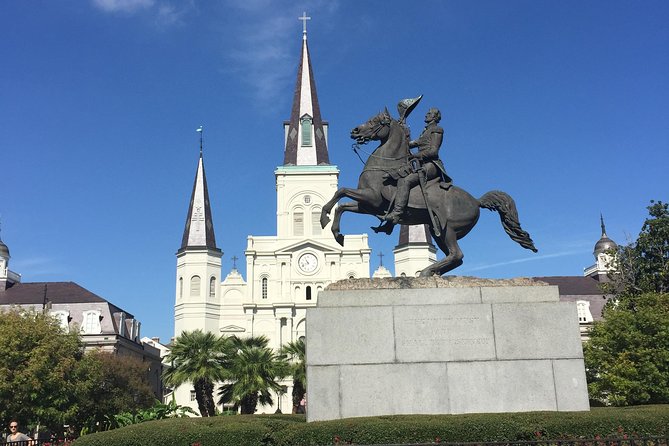
Jackson Square receives about 10 minutes of discussion, but the guide covers a lot of ground. The focus includes the buildings around the square: St. Louis Cathedral, the Cabildo, and the Presbytere. You also hear about the Pontalba Buildings, which frame the square with their long facades and iron balconies.
This is one of the best parts of the route for understanding how architecture and civic life fit together. The square is not just a scenic park with artists and visitors. Its surrounding buildings reflect religious authority, government, law, and private wealth.
Your guide will explain the different roles of the buildings and how their styles relate to changing periods of rule. Pay attention to the way the square functions as a single composition. Rather than looking at each structure in isolation, you begin to see how the buildings create a public room around the open space.
The short stop means you will not receive an exhaustive architectural analysis of every facade. Still, it gives you a practical framework for returning to the square later, when you can examine the details on your own.
St. Louis Cathedral and the long life of a landmark
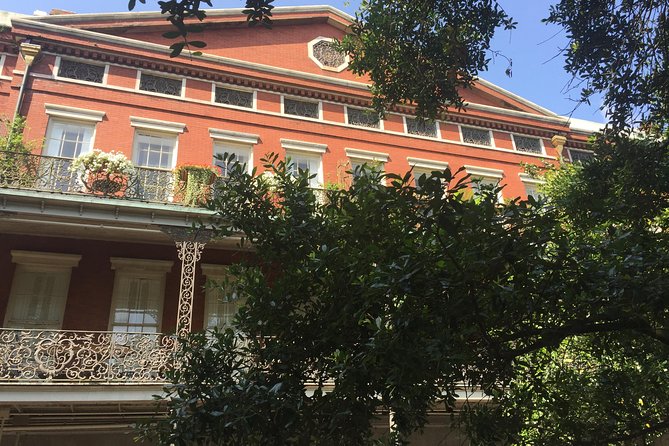
The stop at St. Louis Cathedral lasts about five minutes and follows the building from a modest wooden parish church to the cathedral you see today. That change tells you something important about New Orleans: its major buildings often reflect rebuilding, growth, disaster, and changing public importance.
The cathedral is one of the Quarter’s most recognizable sights, so it can be easy to photograph it without considering how it reached its present form. The guide’s job here is to turn the facade into a timeline.
You should not expect a long interior visit or a detailed art lecture. The stated experience focuses on telling the building’s story from outside. That keeps the walk moving and leaves time for several other sites.
Same streets, read through a different style:
- Chicago Architecture River Cruise
★ 5.0 · 15,756 reviews - Chicago River 90-Minute Architecture Tour
★ 4.5 · 9,629 reviews - Chicago River: 1.5-Hour Guided Architecture Cruise
★ 4.8 · 8,046 reviews - Chicago Architecture Center River Cruise aboard First Lady
★ 5.0 · 5,536 reviews
The Cabildo and Presbytere show two sides of civic power
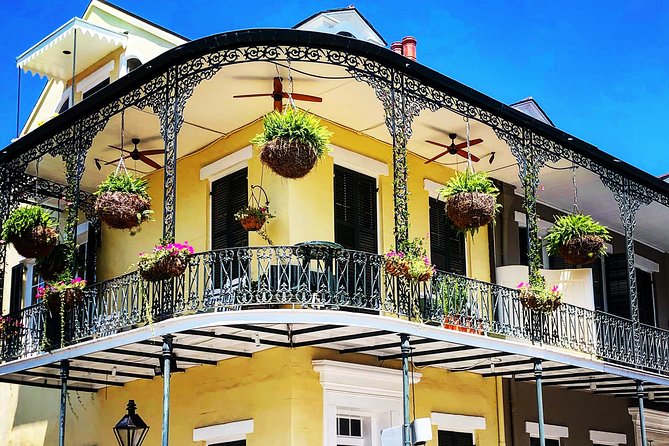
The Cabildo receives about five minutes of attention. Your guide discusses its historical role, significance, and building style, linking the structure to the period when Spanish influence shaped New Orleans.
The Presbytere follows for another five minutes. You hear about its past and current status, which helps show how an old building can shift roles over time. Together, these stops make Jackson Square more than a postcard view. They show how religion, government, and public institutions occupied the same compact center.
The timing is brisk, so listen for the main ideas rather than expecting every detail. The value comes from seeing both buildings in context and then using the guide’s explanation to compare their forms, materials, and functions.
Chartres Street and the change from Spanish rule to the American period
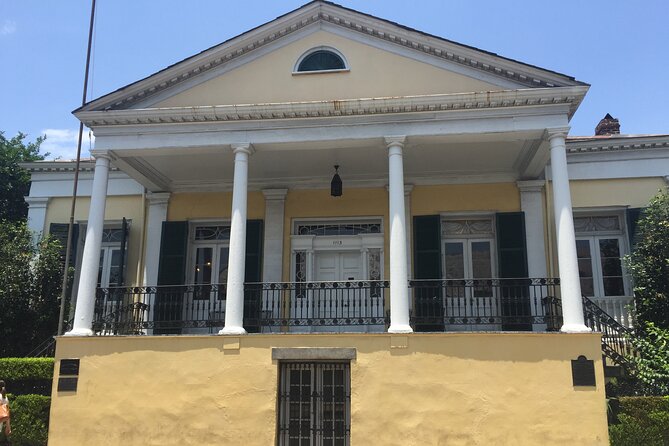
Chartres Street receives roughly 20 minutes, making it one of the fuller stops on the route. Here, your guide points out buildings tied to important periods from the Spanish era into the American period.
This is where the walk becomes especially practical. Instead of studying one famous landmark, you look along a street and learn how to compare buildings. Small details begin to matter: the shape and placement of openings, ironwork, balconies, shutters, materials, and the relationship between the building and the street.
You may also get a clearer idea of how New Orleans architecture developed as a response to local conditions and changing communities. The guide connects style to the city’s social and political past, rather than treating architecture as decoration.
Chartres Street is also a good place to ask questions. If you are curious about a feature you noticed earlier, bring it up here. The tour is designed to leave room for questions, and this longer section gives the guide more time to explain how to identify different periods.
Royal Street turns architectural lessons into a walking habit
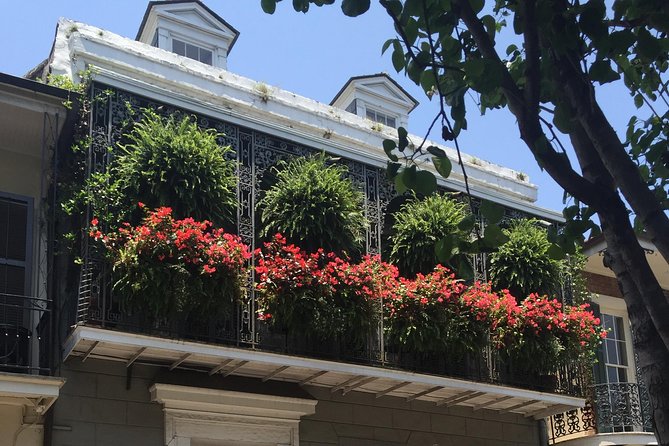
The Royal Street portion lasts about 25 minutes, the longest named stop. Royal Street is known for shops and restaurants, but the point here is not simply to browse. Your guide teaches you how to identify building types and architectural features as you continue walking.
This is where the tour’s practical value becomes clear. You are not just collecting facts about St. Louis Cathedral or the Cabildo. You are learning a method you can use on your own. Once you understand the clues, an ordinary doorway or upper-story balcony can tell you something about a building’s age, influence, and use.
Royal Street also gives the guide space to share extra recommendations. Janet has provided notes and book suggestions after the walk, and several guides offer ideas for exploring the Quarter later. Guy has even pointed people toward a Royal Street antique shop and gallery that they might otherwise have missed.
The tour ends back at the starting point. That makes it easy to continue on foot, return to a favorite building, or follow up on a restaurant, shop, or museum suggestion.
What the two-hour pace feels like
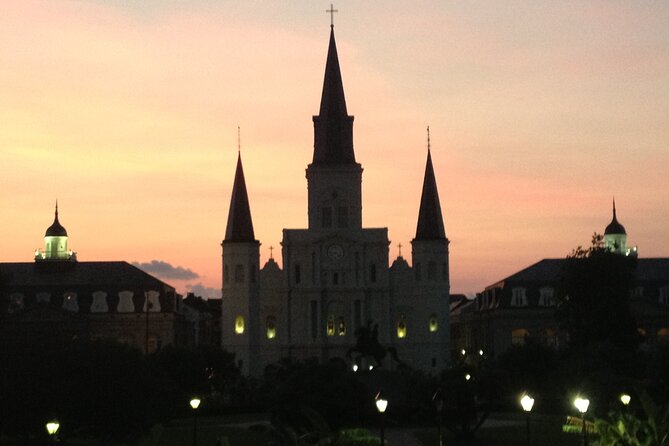
The listed stops add up to about 75 minutes of scheduled discussion, while the full experience lasts approximately two hours. The remaining time allows for walking between locations, pauses, questions, and the natural rhythm of a small group moving through the Quarter.
This is not a strenuous hike. One family found the walk manageable even in hot weather, and a separate comment described it as not involving an excessive amount of walking. Still, you will be on your feet outdoors for most of the experience, so comfortable walking shoes matter.
Weather affects the experience. Bring sunscreen and an umbrella, and dress for the forecast. Guides have made an effort to keep groups in shade during hot conditions and on the sunny side of the street during cold weather, but you should still prepare for New Orleans exposure.
Service animals are allowed, the route is near public transportation, and most people can participate. The minimum age is one year. No hotel pickup or transportation to the meeting point is included, so you need to make your own way to 523 St. Ann Street.
Is $40 a fair price?
At $40 per person, this is not the cheapest way to stroll through the French Quarter. You can walk the same streets for free, read the plaques, and look up building names yourself.
The value comes from interpretation. A local guide helps you connect architectural details to French, Spanish, Creole, and American periods, then adds stories about the people who lived and worked in these buildings. You also get the chance to ask questions in real time, something a guidebook cannot provide.
For a first visit, I think the price is reasonable, especially if you take the walk early in your stay. You can use what you learn for the rest of your trip. If you already have a strong background in New Orleans architecture and want a specialist-level study of materials and construction, the tour may feel basic in places.
The overall score is 4.9 from 290 ratings, and 98 percent of people recommend it. That fits the experience described here: the biggest strength is the quality and personality of the individual guide. The depth can vary somewhat with the guide’s style, but the route and subject remain useful.
Who should book this walk?
I would choose this tour for:
- First-time visitors who want a clear introduction to the French Quarter
- Families with older children or teenagers who may respond well to stories and visual details
- People who enjoy history but want it tied to real places
- Architecture fans who prefer an approachable introduction over a technical lecture
- Repeat visitors who want to notice details they missed before
- Anyone who wants local suggestions for the rest of the visit
It may be less suitable if you want extensive interior access, a long museum visit, or a highly specialized examination of construction methods. The walk focuses mainly on the streets and exteriors, with history and people woven through the architecture.
Booking and cancellation details
The activity is offered in English and uses a mobile ticket. It is often reserved about 23 days ahead, so you should not leave it until the last moment if your dates are fixed.
You can cancel at least 24 hours before the start time for a full refund. Cancellations or changes made within 24 hours are not refunded or accepted. Because the walk requires good weather, a cancellation by the operator due to poor conditions brings the choice of another date or a full refund.
Should you book the French Quarter Architecture Walking Tour?
I would book it, especially near the start of a New Orleans visit. The route covers the Quarter’s essential public buildings, and the guide helps you see more than balconies and bright walls. The strongest guides, including Caroline, Janet, Guy, Angela, and Doug, add personal stories, useful advice, and a clear affection for the city.
Go in expecting an accessible architecture and history walk, not a graduate seminar in building conservation. Stay close enough to hear, bring water and sun protection, and ask questions. At $40, it earns its keep by teaching you how to keep exploring after the two hours are over.
FAQ
How long does the French Quarter Architecture Walking Tour last?
The tour lasts approximately two hours. The route includes walking between stops, discussions at major buildings, time for questions, and an ending back at the meeting point.
Where does the tour begin?
The meeting point is 523 St. Ann Street, New Orleans, Louisiana 70116. The tour also ends back at this location.
What buildings and streets are included?
The walk covers the French Quarter, Jackson Square, St. Louis Cathedral, the Cabildo, the Presbytere, Chartres Street, and Royal Street.
How many people can join the tour?
The group has a maximum of 14 people. This keeps the walk relatively small and allows time for questions.
What language is the tour offered in?
The experience is offered in English.
What does the $40 price include?
The price includes a licensed, insured local guide with extensive knowledge of the area. Transportation to and from attractions and hotel pickup and drop-off are not included.
What should I bring?
Comfortable walking shoes, sunscreen, and an umbrella are recommended. You will be outdoors for much of the approximately two-hour walk.
Can children join the tour?
Yes. The minimum age is one year, and most people can participate. Service animals are also allowed.
What happens if I need to cancel?
You can receive a full refund if you cancel at least 24 hours before the start time. Cancellations and changes within 24 hours are not accepted or refunded. If poor weather cancels the activity, you can choose another date or receive a full refund.
New to the itinerary around the USA
- Washington, DC: Georgetown Architecture Walking Tour★ 5.0 · 8 reviews
- Wilmington History and Architecture Tour★ 4.8 · 18 reviews
- Washington DC: Dupont Circle & Embassy Row Architecture Tour★ 5.0 · 6 reviews
- New Orleans : Garden District Architecture Walking tour★ 4.8 · 5 reviews
- Private Colonial Williamsburg Architectural Tour★ 5.0 · 5 reviews
- Tulsa: Art Deco Walking Tour of Tulsa★ 5.0 · 8 reviews
- Castle to Capitol: Museums of the National Mall Architecture Tour★ 4.5 · 9 reviews
- Monuments and Memorials Architectural Walking Tour★ 5.0 · 17 reviews
New Orleans Architecture Tours, compared.


New Orleans: History, Culture & Architecture Guided Tour
Read our review →Other lists with this tour