
Review · NEW ORLEANS
Creole Architecture of the Marigny Tour
New Orleans reveals itself best in its side streets, and this tour takes you beyond the usual French Quarter route into Faubourg Marigny, where Creole cottages, later shotgun homes, and grand 19th-century houses share the same blocks. You’ll also hear how Creoles, Irish, Germans, and Haitians shaped the neighborhood.
I like the small group size, capped at 14, and the way the walk links buildings to people and social change. I also like the practical finish on Frenchmen Street, where you can plan an evening of music after seeing the area in daylight. The main drawback is simple: this is a two-hour walking tour with little indoor shelter, so heat, rain, and tired feet can affect the experience.
Key points to know before you book
- Old Mint opening point: Begin near the New Orleans Jazz Museum and learn why its Greek Revival building matters.
- Esplanade Avenue mansions: See grand homes built along one of the city’s most important natural ridges.
- Creole architecture focus: Spend most of the tour in Marigny, comparing several local house types and building styles.
- Small-group format: The maximum group size is 14, giving the guide room to answer questions and use visual aids.
- Frenchmen Street finale: End near clubs, dance halls, and restaurants, making this a useful pre-evening orientation.
- Guides with local insight: Kelsey, Karen, and Guy have been praised for clear explanations, personal stories, and architectural detail.
Why Marigny is worth two hours of your New Orleans time
The Marigny neighborhood sits just downriver from the French Quarter, yet it feels like a different chapter of New Orleans. Its streets tell a story of migration, family life, rebuilding, and changing taste. You are not simply looking at pretty façades. You are learning why homes were placed where they were, who built them, and how several cultures left their mark.
That makes this a good choice if you have already seen the French Quarter and want more context. It also works early in a New Orleans visit, since the walk gives you a useful sense of direction for the area east of the Quarter.
The experience lasts about two hours and returns to its starting point in the French Quarter. The route covers several outdoor stops, so wear comfortable walking shoes and expect to spend most of the time on foot. Since the group is limited to 14 people, the guide can point out details that are easy to miss in a large crowd.
This is not primarily a museum tour, and it is not an evening music crawl. Its strength is the connection between architecture and local history. If you want a fast list of famous buildings, this may feel too conversational. If you want to understand how a neighborhood developed, it offers much more.
More Architecture Tours around the USA:
- Chicago Architecture River Cruise
★ 5.0 · 15,756 reviews - Chicago River 90-Minute Architecture Tour
★ 4.5 · 9,629 reviews - Chicago River: 1.5-Hour Guided Architecture Cruise
★ 4.8 · 8,046 reviews
Starting with the Old Mint and New Orleans history
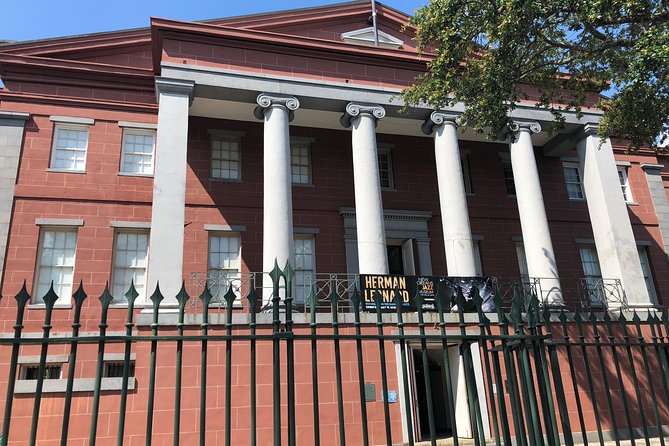
The walk begins near the New Orleans Jazz Museum, housed in the Old Mint. The building itself gives the guide an excellent first subject: Greek Revival architecture in New Orleans.
You’ll spend about 10 minutes here. Admission to the stop is included, though the tour information describes this portion as an exterior and history-focused visit rather than a full museum program. The guide uses the building to explain the downriver part of the city and to place Marigny within the wider story of New Orleans.
This opening matters because Marigny makes more sense when you know where it sits. The city’s neighborhoods are closely connected, but their architecture and populations changed at different times. A short introduction here helps you read the streets ahead instead of treating each house as an isolated curiosity.
I also like this as a meeting point because the Old Mint is a clear landmark. The stated start is in the French Quarter, and the walk ends back at that meeting point. Confirm the exact meeting instructions when booking, since the general location is given as French Quarter rather than a single named corner.
Esplanade Avenue and its grand ridge homes
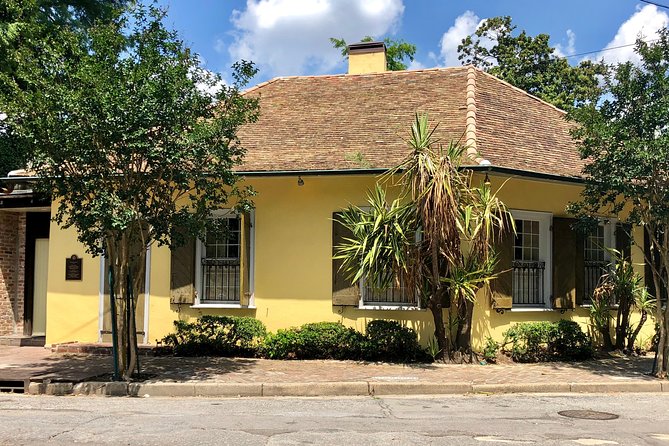
The next stop takes about 20 minutes along Esplanade Avenue. Here, the scale changes. Instead of focusing only on compact neighborhood homes, you’ll look at the large mansions built in the early and middle 19th century.
The guide explains why people built along this ridge and who those residents were. That social detail is important. A mansion tells you about wealth, but its position along Esplanade Avenue also points to land, drainage, status, and access within the growing city.
This part of the tour is especially useful for anyone interested in architecture but unsure what to look for. Karen, one of the named guides, has been praised for explaining different architectural styles and periods, and for bringing visual aids and other supporting material. That kind of help can make a big difference. New Orleans façades often combine details from several traditions, and a trained guide can show you which features matter.
Do not expect a long stop inside one of the mansions. The focus is the street and its buildings. You’ll be walking and looking upward, so comfortable shoes and a hat or water bottle make sense in warm weather. Since weather can cancel the tour, keep an eye on conditions on the day of your booking.
Entering Faubourg Marigny through its many cultures
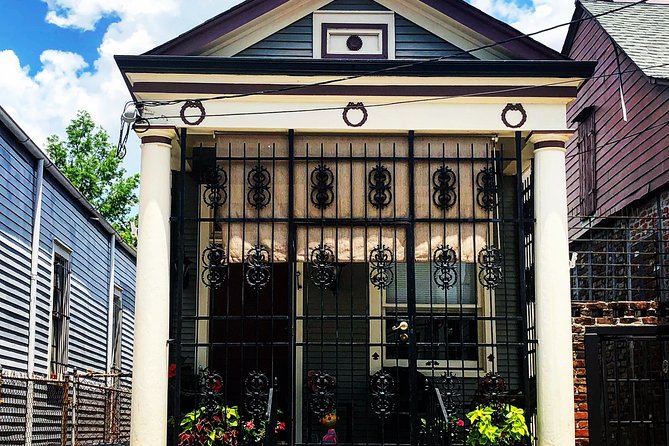
Most of the tour, about 1 hour and 20 minutes, takes place in Faubourg Marigny. This is where the experience earns its name and where the architecture becomes most varied.
The guide discusses the Creoles, Irish, Germans, and Haitians who helped shape the area. That mix is not presented as a footnote. It is the reason Marigny contains such a broad range of home types and building styles in a relatively compact area.
You may see how a street-facing home can differ from a narrow shotgun house, or how decorative details reveal changing tastes and building traditions. The exact houses discussed can vary with the guide and route, but the purpose is consistent: to teach you how to read the neighborhood.
The best guides make architecture feel practical. Guy, who has lived in the area for many years, has used personal anecdotes and local observations to explain the geography, movement of people, and design of the neighborhood. He also uses visual aids, which can help when the relationship between social migration and architecture gets complicated.
Kelsey has been praised for combining a large amount of information with an easy manner. That is useful here because Marigny has many layers. You’ll hear about buildings, cultures, and dates, but the presentation is meant to stay approachable rather than turn into a formal lecture.
I especially like the chance to ask questions in this section. With no more than 14 people, you have a better chance of hearing the guide clearly and stopping for a detail that catches your eye. A very large group would make the narrow streets and close architectural comparisons less effective.
Same streets, read through a different style:
- Chicago Architecture Center River Cruise aboard First Lady
★ 5.0 · 5,536 reviews - Chicago: Architecture River Cruise Skip-the-Ticket Line
★ 4.8 · 4,325 reviews - Chicago River 45-Minute Architecture Tour from Magnificent Mile
★ 4.5 · 2,924 reviews - Chicago Lake and River Architecture Tour
★ 4.5 · 2,308 reviews
How to look at Marigny’s buildings
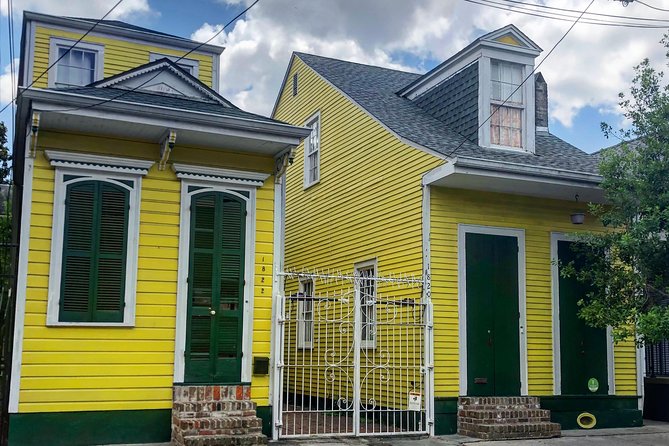
You do not need an architecture background to enjoy this walk. Start by looking at the basic shape of a house, then notice the porch, windows, roofline, materials, and decorative trim.
The guide may compare styles and periods, but you can also use the tour to build your own visual checklist:
- Look at how close the house sits to the sidewalk.
- Notice whether the front is broad or narrow.
- Compare porch supports and balcony details.
- Check how windows and doors are arranged.
- Look for signs of different building periods layered onto one home.
- Pay attention to how the street feels different from the grander Esplanade Avenue blocks.
The point is not to memorize terms. It is to understand that New Orleans architecture developed through local needs and outside influences. Climate, available materials, family structure, wealth, and cultural background all affected the way people built.
That is where the tour goes beyond a standard photo walk. You will still have plenty to photograph, but you will also leave with a method for looking. Later, when you walk through another New Orleans neighborhood, you can make your own comparisons.
Frenchmen Street gives the walk a useful finish
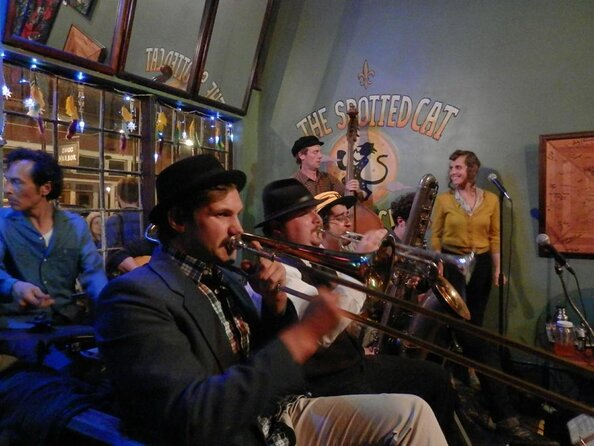
The final stop is a quick 10-minute stroll along Frenchmen Street. By then, you have spent most of the tour with residential architecture and neighborhood history. Frenchmen Street shifts the focus to present-day entertainment.
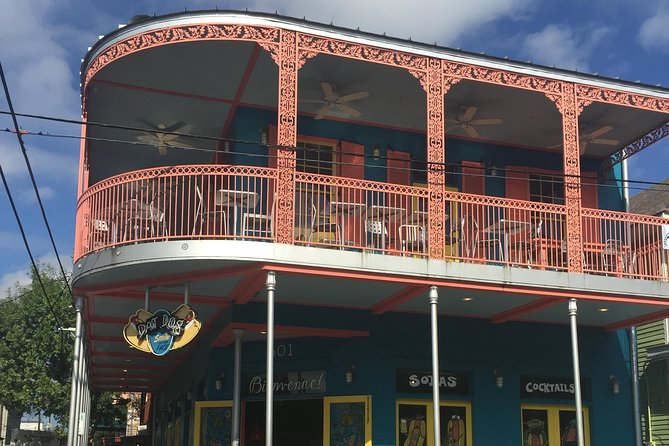
Clubs, dance halls, and restaurants line this corridor. The guide gives you a quick orientation, and you can return in the evening if music and food are part of your New Orleans plans.
This ending is brief, so do not book the tour expecting a full music history talk or club visit. Its value is practical. You see where the nightlife area is before deciding how to spend the evening, and you get a sense of how close it is to the historic neighborhoods you have just explored.
I like that the tour does not treat Marigny as frozen in the past. The walk connects old homes and migration stories with the district’s current social life. That balance makes the neighborhood easier to understand.
What the $40 price buys you
At $40 per person, this is not the cheapest way to walk around New Orleans. You can stroll through Marigny on your own without paying an admission fee. The value comes from the interpretation: two hours of guided context, architectural comparisons, local stories, and a route that ties the French Quarter to Esplanade Avenue, Marigny, and Frenchmen Street.
The small group also matters. A private tour would cost more, while a large free walk might not offer the same chance to ask questions. With a maximum of 14 people, this sits in a useful middle ground.
I would book it if architecture, history, or neighborhood culture interests you. I would skip it if you mainly want music, food, or indoor attractions. None of the listed stops requires an admission charge, so you are paying for the guide’s time and expertise rather than tickets.
The guides appear to have different strengths. Kelsey is a good fit if you want clear explanations mixed with useful local recommendations. Karen suits someone who wants close attention to styles and periods. Guy’s long connection to the neighborhood adds personal stories and a strong sense of place.
Because the tour is offered in English, you should be comfortable following a spoken explanation for two hours. Mobile tickets make the booking process simple, and the average booking lead time is about 10 days, so reserve ahead if your schedule is fixed.
Who will get the most from this walk
I recommend this experience for first-time visitors who want more than the core French Quarter. It is also a good choice for repeat visitors who have already seen Bourbon Street and want a calmer, more residential side of the city.
Architecture students, history-minded visitors, photographers, and curious walkers should find plenty to enjoy. The tour is also suitable for most people who can manage two hours of walking, and service animals are allowed. It is near public transportation, which helps if you do not want to arrange a car.
Families may enjoy it if children can handle a history and architecture walk. The guide’s visual aids and stories should help, but the route is not designed as a children’s activity. Younger children may find 80 minutes in Marigny too long if they are not interested in buildings.
This is less suitable for anyone with limited walking ability or for someone seeking air-conditioned interiors. The tour depends on good weather. New Orleans heat, humidity, or rain can make an outdoor route tiring, even when the content is strong.
Practical ways to make the morning or afternoon work
Wear shoes you can trust on city sidewalks. Bring water, especially in warm weather, and leave room in your schedule rather than placing an important reservation immediately afterward.
The tour starts in the French Quarter and ends at the same meeting point. It does not function as one-way transportation to Frenchmen Street, so plan your route accordingly. Afterward, you can return to the French Quarter, continue toward Frenchmen Street, or use public transportation nearby.
Take notes if architectural terms interest you. The guides may use visual aids, and a quick photo of a detail can help you remember the comparison later. I would also keep the evening open if Frenchmen Street appeals to you. The short final stop is a useful preview, not a substitute for spending time there after dark.
Book at least a few days ahead if possible. The experience is often reserved around 10 days in advance, and the small group limit can make popular dates fill first.
Cancellation is free up to 24 hours before the start time. Cancellations or changes made within 24 hours are not refunded, and poor weather may lead to an alternate date or a full refund.
Should you book the Creole Architecture of the Marigny Tour?
Book it if you want New Orleans to make more sense street by street. The strongest part is the long Marigny section, where the guide connects Creole life, immigrant communities, architecture, and neighborhood change. The Old Mint and Esplanade Avenue provide useful context, while Frenchmen Street gives you an easy evening plan.
The experience is especially appealing because it stays small, local, and focused. Guides such as Kelsey, Karen, and Guy bring different strengths, from visual instruction to personal stories and restaurant suggestions.
Skip it if you want a fully indoor activity, a food tour, or a dedicated jazz performance experience. For everyone else, $40 is a fair price for two hours of guided walking in a part of New Orleans that is easy to pass through without really seeing.
FAQ
How long does the Creole Architecture of the Marigny Tour last?
The tour lasts approximately two hours.
Where does the tour begin?
It begins in the French Quarter in New Orleans, Louisiana. The exact meeting point should be confirmed with your booking details.
Where does the tour end?
The tour returns to the original meeting point in the French Quarter.
What places are included on the route?
The route includes the New Orleans Jazz Museum and Old Mint, Esplanade Avenue, Faubourg Marigny, and Frenchmen Street.
Is admission to the stops included?
The listed stops have no admission charge as part of the walking route. The tour focuses on outdoor viewing and guided explanation.
How many people can join the tour?
The group has a maximum of 14 participants.
Is the tour offered in English?
Yes. The tour is offered in English.
What happens if bad weather cancels the tour?
If poor weather causes a cancellation, you will be offered another date or a full refund. You can also cancel up to 24 hours before the start time for a full refund.
New to the itinerary around the USA
- Washington, DC: Georgetown Architecture Walking Tour★ 5.0 · 8 reviews
- Wilmington History and Architecture Tour★ 4.8 · 18 reviews
- Washington DC: Dupont Circle & Embassy Row Architecture Tour★ 5.0 · 6 reviews
- New Orleans : Garden District Architecture Walking tour★ 4.8 · 5 reviews
- Private Colonial Williamsburg Architectural Tour★ 5.0 · 5 reviews
- Tulsa: Art Deco Walking Tour of Tulsa★ 5.0 · 8 reviews
- Castle to Capitol: Museums of the National Mall Architecture Tour★ 4.5 · 9 reviews
- Monuments and Memorials Architectural Walking Tour★ 5.0 · 17 reviews
New Orleans Architecture Tours, compared.

New Orleans French Quarter Architecture Walking Tour
Read our review →
New Orleans: History, Culture & Architecture Guided Tour
Read our review →Other lists with this tour