
Review · USA
Walking Tour of Houston: History, Architecture, Street Art
Houston’s downtown tells its story in layers: a nineteenth-century market square, grand 1920s towers, civic buildings, theater halls, space-program memories, and modern murals. This two-hour walking tour brings those pieces together without asking you to study a map first.
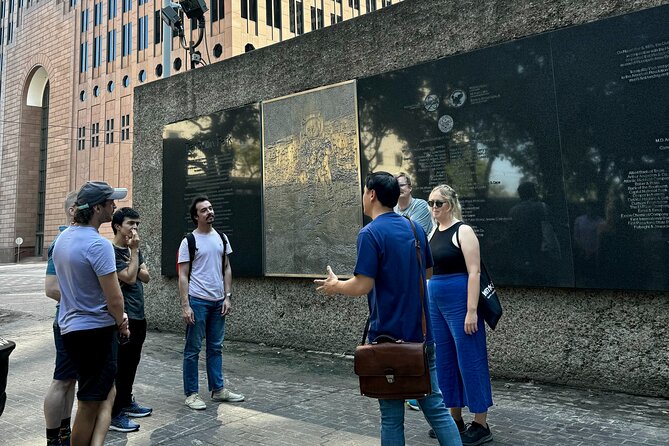
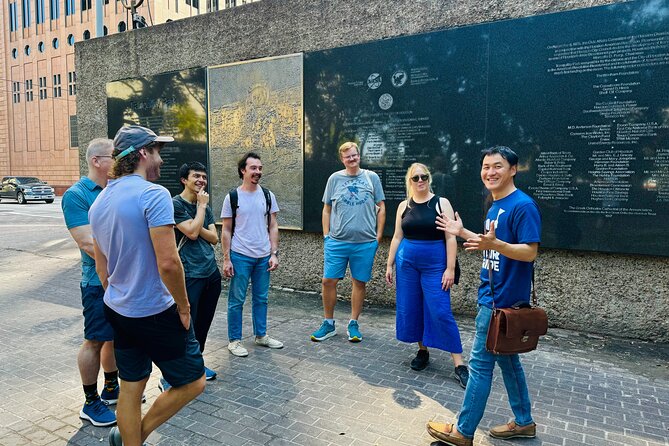
I like the clear route from Market Square to the Theater District, and I like that local guide John Gu adds stories about the city, its major figures, architecture, and mural artists. The tour is also stroller accessible, welcomes service animals, and keeps the group to 25 people or fewer.
The main drawback is the short time at each listed stop, roughly five minutes. You will get a useful introduction and plenty of outside views, but this is not a museum visit or a slow architecture sketching walk. Houston heat, rain, and the need for comfortable shoes also deserve some thought.
Key points at a glance

- Market Square sets the scene: Begin near the place where Houston was founded and photograph the popular Houston is inspired mural.
- Art Deco gets serious attention: See the Gulf Building and City Hall, two strong examples of Houston’s early twentieth-century style.
- NASA enters the story: Tranquility Park connects downtown Houston with the city’s role in the space program.
- The route ends near the theaters: Finish at Lynn Wyatt Square, close to Houston’s major performing arts venues and places to eat.
- John Gu leads the walk: Expect clear explanations, humor, and answers to questions about Houston’s buildings and people.
- The price is modest: At $25 per person, the tour offers a useful city orientation, though major indoor attractions are not included.
A useful first look at downtown Houston
I see this tour as a city orientation with an architecture focus. It does not try to cover all of Houston. Instead, it concentrates on a compact section of downtown where the city’s early commercial life, civic power, performing arts, and space connections sit within walking distance.
That focus matters in Houston, a large city where landmarks can feel spread out. In two hours, you can learn which parts of downtown deserve a longer visit and which buildings are worth photographing from the street. You also get a guide’s sense of how the pieces fit together, rather than a string of disconnected facts.
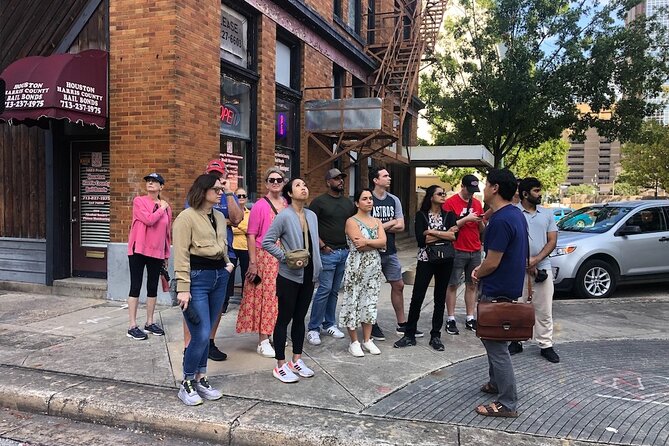
The group size, capped at 25, is worth noting. That is not a private walk, but it is small enough for John Gu to address questions and keep the group moving together. One direct account describes John speaking clearly enough for a group of about 20, an important detail when city traffic and downtown noise compete with a guide’s voice.
The walk is offered in English. Confirmation comes at booking, and the tour has free cancellation up to 24 hours before the start time. That gives you some flexibility if Houston’s weather turns unpleasant, though changes or cancellations inside that window are not accepted.
More Walking Tours in the USA
- The Official Art Deco Walking Tour by The Miami Design Preservation League
★ 5.0 · 1,580 reviews - Chicago in a Day: Food, History & Architecture Walking Tour
★ 5.0 · 1,153 reviews - Miami South Beach Art Deco Walking Tour
★ 5.0 · 1,039 reviews
Starting at Market Square and Houston’s beginnings
The meeting point is Lyric Market at 411 Smith Street. From there, the route heads toward the Downtown Historic District and Market Square, described as the birthplace of Houston.
This is a smart opening stop. Before you look up at skyscrapers, you get the basic origin story of the city and pass some of its oldest buildings. The setting helps explain why downtown Houston feels like several eras placed close together.
Allow about five minutes here as a formal stop, though the walk between points provides time for John to continue the story. You will also have a chance to photograph the Houston is inspired mural, a popular city photo spot. If you care about street art, this gives the tour an immediate visual hook instead of beginning with only dates and building names.
The mural also makes this a practical first stop for orientation. You can quickly identify the historic core, then notice how modern public art has been added to it. I would have your phone ready, since the formal stop is short and the group will continue rather than wait for an extended photo session.
The Gulf Building and Houston’s Art Deco ambition
The Gulf Building is one of the most striking stops for architecture fans. Completed in 1929, it rises 37 stories and uses the setbacks, marble, geometric decoration, and strong vertical shape associated with the Art Deco period.
It was once Houston’s tallest building. Its stepped crown still catches attention, especially because the top is lit at night. The tour presents the building from the outside, but John also discusses its mural-covered lobby, an enticing detail for anyone who wants to return and see more after the walk.
This is where a good guide adds real value. A skyscraper can look like an attractive old tower if you pass it alone. With context, you can read the building’s height, crown, materials, and decoration as signs of Houston’s ambitions during the late 1920s.
The five-minute stop will not satisfy a serious architecture enthusiast who wants every detail. Still, it gives you a strong reason to slow down and look upward. If you have time after the tour, the Gulf Building is one of the places I would put on a return list.
The Theater District’s bold mix of styles

The route continues to Houston’s Theater District, where the architecture shifts from early skyscrapers to major venues for music and theater. The Alley Theatre is noted for its bold Brutalist design, while Jones Hall is known for its marble interior and concert acoustics.
You should think of this stop as an introduction to the district, not a performance visit. No show tickets are included, and the tour does not promise entry to the venues. You will learn what makes the buildings important and see how the area functions as a cultural center.
The contrast between the Alley Theatre and Jones Hall gives the walk a useful design lesson. One has a heavy, forceful concrete character. The other is presented as a polished concert hall with an elegant interior. Houston’s cultural identity is not confined to one architectural style, and the guide helps you notice that variety.
This is also a good point in the route for planning the rest of your day. If a performance is on your schedule, you will know the district better. If not, you can use the area as a place to continue walking or stop for food after the tour.
Same streets, read through a different style:
- Chicago Architecture River Cruise
★ 5.0 · 15,756 reviews - Chicago River 90-Minute Architecture Tour
★ 4.5 · 9,629 reviews - Chicago River: 1.5-Hour Guided Architecture Cruise
★ 4.8 · 8,046 reviews - Chicago Architecture Center River Cruise aboard First Lady
★ 5.0 · 5,536 reviews
City Hall and the civic heart of Houston
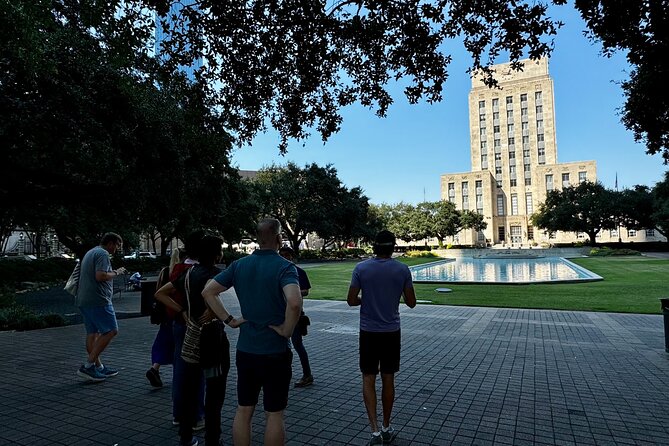
Houston City Hall, completed in 1939, is a limestone-clad Art Deco landmark in Hermann Square. Its geometric decoration and detailed friezes give the building a formal, confident look.
I like the placement of this stop because it changes the subject from private commerce to public authority. The Gulf Building represents the power of business and skyscraper growth. City Hall represents municipal government and the civic image Houston wanted to project in the 1930s.
The stop is mainly about the exterior. You should not expect a guided tour of the building’s interior or government offices. Instead, John explains the stories connected with the structure while you take in the façade and its setting in the square.
If you enjoy photographing architectural details, watch for the limestone work and geometric elements rather than treating the building as one broad picture. Five minutes passes quickly, so a closer return visit may suit you if this is your favorite style.
Tranquility Park and Houston’s space connection

Tranquility Park offers a change of pace from towers and formal civic buildings. Here, the guide explains Houston’s relationship with NASA and the park’s connection to the space program.
The stop is brief, but the subject gives the tour a wider reach. Houston’s story is not only about its nineteenth-century beginnings or its oil-era towers. The city also became closely linked with America’s space effort, and that connection remains central to how Houston is known around the world.
I find this kind of stop useful because it places a modern chapter inside the walking route. You are still in downtown Houston, yet the subject shifts from local streets and architecture to science, engineering, and national history.
Do not expect a full NASA visit here. Tranquility Park serves as a place to discuss the connection, not a substitute for a separate space-center excursion. If space exploration is your main interest, use this introduction to decide if you want to plan more time elsewhere in the Houston area.
The Niels Esperson Building’s theatrical crown
The Niels Esperson Building is another major architecture stop. Completed in 1927, it was built by Mellie Esperson in tribute to her husband, real estate figure Niels Esperson.
Its Italian Renaissance-inspired design, terracotta details, grand columns, and temple-like crown make it easy to distinguish from the Art Deco Gulf Building. This contrast is one of the strongest reasons to take the route with a guide. Within a short walk, you can compare two very different ideas of what an important Houston tower should look like.
The building also adds a personal story to the architecture. Instead of learning only the construction date, you hear why the building was created and whose name it carries. Those details make the structure easier to remember after the tour.
Again, the planned stop is short. You will see and discuss the exterior rather than spend time exploring inside. Bring your camera and look closely at the upper details, since the crown and terracotta decoration are central to the building’s character.
The 1910 Harris County Courthouse
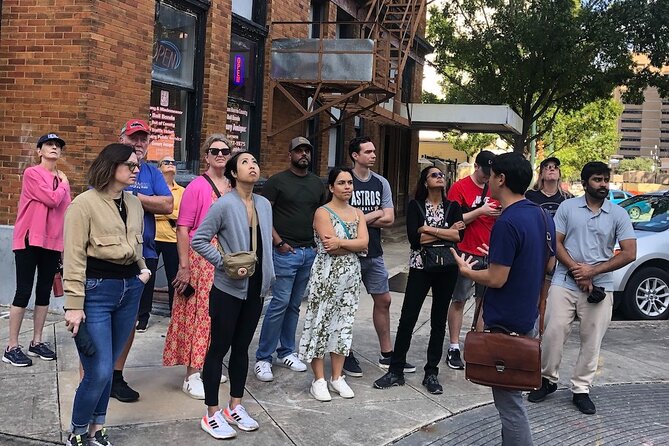
The final listed landmark is the 1910 Harris County Courthouse, described as a major example of civic architecture from Houston’s golden age.
This building gives the route another public face of the city. After commercial towers, theaters, and space history, the courthouse brings you back to law, local government, and the civic institutions that helped shape the growing county.
The courthouse is a good reminder that Houston’s older architecture is not limited to office buildings. Public structures also carried a message of permanence and authority. You will get the strongest value here if you pay attention to how the courthouse differs from City Hall in age and design.
The schedule gives this stop about five minutes, so the tour remains an overview. If you prefer slow, detailed building studies, you may want to return on your own rather than expect a long examination during the group walk.
Finishing near Lynn Wyatt Square
The published finish is at 601 Capitol Street, with the tour concluding at Lynn Wyatt Square in the heart of the Theater District. This puts you near cultural venues, cafés, and further downtown walks.
The start and finish are described as close to one another, and the starting area is near public transportation. One account specifically notes that the points are about a block apart and close to the tram line, which can make the tour easy to fit around a meeting or another downtown plan.
The end point works well because you are not simply dropped beside an isolated landmark. You can get something to eat nearby, walk back toward Lyric Market, or continue exploring the city. Snacks and bottled water are not included, so plan to carry water, especially on a warm day.
Since Houston weather can shift, I would also bring a light rain layer. The tour can still be enjoyable in rain, but the experience is entirely outside and walking comfort matters more than any indoor backup plan.
What $25 buys you
At $25 per person, this is a fairly priced introduction to central Houston. You are paying for a local guide, a planned route, historical explanation, architecture commentary, and practical orientation. You are not paying for admission to museums, shows, building interiors, snacks, or drinks.
That distinction helps you judge the value. If you want a guided first look before deciding how to spend the rest of your day, the price is easy to justify. The tour connects seven useful points and gives you a framework for exploring alone afterward.
The value is less clear if you already know downtown Houston well or mainly want extended access inside historic buildings. The stop times are short, and the walk is designed to cover ground and explain the city rather than linger at one site.
The tour’s 5 out of 5 rating from 59 reviews, with 100 percent recommending it, fits the strongest qualities here: a clear route, an engaging guide, and a good introduction to downtown. John Gu is praised for speaking clearly, answering questions patiently, and mixing humor with explanations of the city, important people, architecture, and mural artists. He also guides in a way that can feel welcoming to solo participants, making a point of including people who might otherwise get lost in a group.
Who should book this walk
I would choose this tour for a first visit to Houston, a short downtown stay, or a free morning before a meeting. It also suits you if you enjoy architecture but want the facts explained in plain language rather than reading plaques on your own.
Families can consider it because the tour is stroller accessible and service animals are welcome. Most people can participate, but you should still be comfortable walking outdoors for about two hours and keeping up with a group.
It is also a good fit for solo visitors. The group size is limited, and John’s attention to individual participants can make the experience feel more personal than a large city tour.
I would be more cautious if you dislike heat, rain, or short stops. You may also want a different experience if your main goal is a full museum visit, a theater performance, or an extended look inside Houston’s landmark buildings.
Should you book the Houston walking tour?
Book it if you want a practical introduction to Houston’s downtown character for $25. You will see early city landmarks, two memorable skyscraper styles, civic buildings, a mural, the Theater District, and a space-program connection in one compact route.
Go in with the right expectations. This is an outdoor overview led by John Gu, not a series of long building visits. Wear comfortable shoes, bring water, and leave time afterward for food or further exploration near Lynn Wyatt Square.
If you are new to Houston, I think the tour gives you a useful starting point. If you already know downtown or want deep access to interiors, spend the money elsewhere. For most first-time visitors with two hours to spare, it is a sensible way to get oriented quickly and learn what deserves a closer look.
FAQ
How long does the walking tour last?
The tour lasts about two hours.
What is the price?
The cost is $25 per person.
Where does the tour begin?
The tour begins at Lyric Market, 411 Smith Street, Houston, Texas 77002.
Where does the tour end?
The tour ends at 601 Capitol Street, at Lynn Wyatt Square in the Theater District.
Is the tour offered in English?
Yes. The tour is offered in English.
Are strollers and service animals allowed?
The tour is stroller accessible, and service animals are welcome.
How large is the group?
The tour has a maximum of 25 participants.
What is included in the price?
A local guide leads the city walking tour. Snacks, bottled water, and the cost of food and drinks are not included.
Can I cancel for a full refund?
Yes. You can cancel at least 24 hours before the local start time for a full refund. Cancellations or changes made less than 24 hours before the start time are not accepted.
More History Walks around the USA
- Charleston’s Best Highlights: History, Culture & Architecture
★ 5.0 · 422 reviews - Palm Springs Modernism Architecture & History Bike Tour
★ 5.0 · 359 reviews - Charleston: History and Architecture Guided Walking Tour
★ 4.8 · 349 reviews - Historic Georgetown: History, Gossip, & Architecture Walking Tour
★ 5.0 · 321 reviews
More Street Art Walks around the USA
- Tirana: Street Art & Modern Architecture Walking Tour
★ 4.9 · 31 reviews - Tirana: Street Art & Modern Architecture Tour
★ 5.0 · 18 reviews - Porto Tour: Street Art & Architecture Experience 3h
★ 5.0 · 4 reviews - Rione Sanità: tour among street art, architecture, folklore
★ 4.5 · 2 reviews
New to the itinerary around the USA
- Washington, DC: Georgetown Architecture Walking Tour★ 5.0 · 8 reviews
- Wilmington History and Architecture Tour★ 4.8 · 18 reviews
- Washington DC: Dupont Circle & Embassy Row Architecture Tour★ 5.0 · 6 reviews
- New Orleans : Garden District Architecture Walking tour★ 4.8 · 5 reviews
- Private Colonial Williamsburg Architectural Tour★ 5.0 · 5 reviews
- Tulsa: Art Deco Walking Tour of Tulsa★ 5.0 · 8 reviews
- Castle to Capitol: Museums of the National Mall Architecture Tour★ 4.5 · 9 reviews
- Monuments and Memorials Architectural Walking Tour★ 5.0 · 17 reviews
USA Architecture Tours, compared.
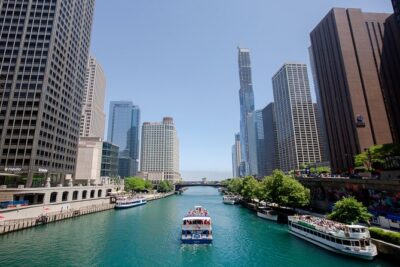
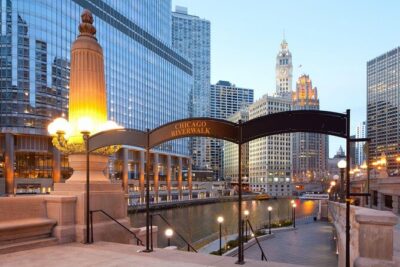

Chicago River: 1.5-Hour Guided Architecture Cruise
Read our review →
Chicago Architecture Center River Cruise aboard First Lady
Read our review →
Architecture River Cruise Skip-the-Ticket Line
Read our review →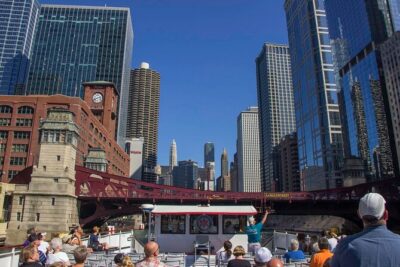
Chicago River 45-Minute Architecture Tour from Magnificent Mile
Read our review →
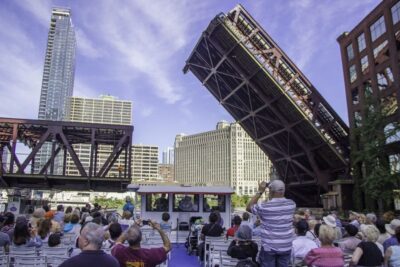
45-Minute Family-Friendly Architecture River Cruise
Read our review →Other lists with this tour