
Review · USA
Savannah: History and Architecture Homes Walk
Savannah’s old houses are the real stars here. This two-hour walk takes you through Warren Square and the Historic District, linking grand homes to the people, materials, and customs that shaped them. You’ll see the Owens-Thomas House, the Green-Meldrim House, and finish near the Juliette Gordon Low Birthplace.
I like the focus on domestic architecture, not just military dates and famous statues. I also like having a local guide who can explain why Savannah’s homes look different from one period to the next. The main caution is that the quality and tone may depend on your guide. Some walks have included ghost stories or a confusing and overly sympathetic treatment of the Confederacy and slavery.
Key points
- Two hours on foot: A compact morning walk through one of Savannah’s prettiest historic areas.
- Owens-Thomas House: See one of America’s finest Regency-style homes from the street and learn why its design matters.
- Green-Meldrim House: Hear about the mansion where General William T. Sherman stayed during the Civil War.
- Juliette Gordon Low area: End near the birthplace of the Girl Scouts founder, a National Historic Landmark built in 1818.
- Architecture over checklist sightseeing: The walk follows the changing design of Savannah homes across roughly two centuries.
- Weather matters: Wear walking shoes, carry water in summer, and bring rain protection for a walk that goes ahead in light rain.
What this Savannah homes walk is really about
This is not a house museum tour with long indoor visits. It is a guided walk through the Historic District, with attention on the outside of important homes and the way residential design developed over time.
That distinction matters. If you want to inspect furnished rooms, staircases, kitchens, and private collections, you will need separate admission to individual house museums. If you want a local guide to connect the buildings, streets, and social customs, this walk gives you a useful framework before you explore on your own.
The tour starts at Warren Square, between Congress Street and Habersham Street. From there, you move through a part of Savannah known for its squares, tree cover, and historic homes. The pace should feel manageable for most people who are comfortable walking for two hours, but Savannah’s heat can make even a gentle walk feel demanding in summer.
I would choose a morning departure when possible. The activity is usually offered in the morning, and shaded streets are far more pleasant before the Southern heat and humidity build.
More Walking Tours in the USA
- The Official Art Deco Walking Tour by The Miami Design Preservation League
★ 5.0 · 1,580 reviews - Chicago in a Day: Food, History & Architecture Walking Tour
★ 5.0 · 1,153 reviews - Miami South Beach Art Deco Walking Tour
★ 5.0 · 1,039 reviews
Warren Square sets the scene
Warren Square is a good starting point because it puts you among the building blocks of Savannah’s planned Historic District. The square itself helps you understand how homes, streets, trees, and public green space work together.
Your guide introduces the city’s old residential quarters and the idea of domestic architecture. That means the focus is not only on grand façades. You’ll consider how houses were built, what materials were used, and how the needs and habits of residents changed from the 18th century into the 19th and early 20th centuries.
This is where a strong guide can make the walk click. A row of handsome homes can look like a pleasant backdrop until someone points out the difference between an earlier house and a later one, or explains why a certain material, plan, or decorative style became popular.
The walk is also about social class. The language of gentility and leisure can sound polished, but it should not hide the labor and inequality that supported it. Savannah’s grand homes belonged to a society shaped by slavery, wealth, trade, and political power. A good historical explanation should address those forces directly.
The Owens-Thomas House and Regency design
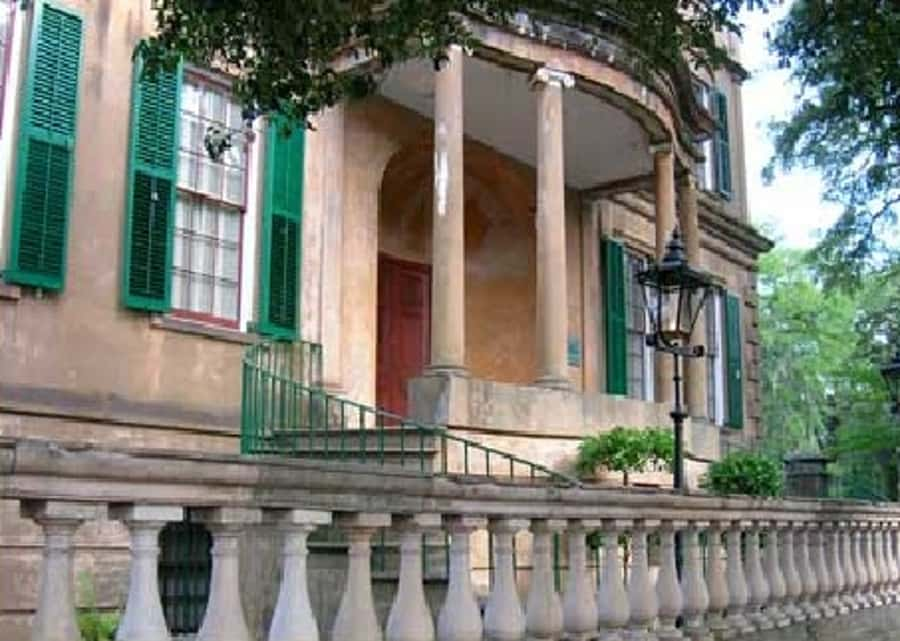
The Owens-Thomas House is one of the most important architectural stops on the route. It is widely regarded as a premier American example of Regency architecture, a style associated with elegant proportions, classical details, and a refined urban appearance.
You will normally study the house from the street rather than take a full interior tour as part of this walk. That still gives you a chance to appreciate its scale and design, while your guide explains why it is so highly regarded.
This stop is useful because it gives the tour a clear architectural anchor. Instead of hearing a string of dates, you can connect the period’s ideals to an actual home. The house reflects a culture that prized order, display, formal entertaining, and careful presentation.
I would pay attention to the details around the façade and setting. Even without entering, you can begin to see how a wealthy home announced status. The point is not simply that the building is old. It is that its design reveals what its owners wanted others to think about them.
The limitation is simple: if your main goal is to go inside the Owens-Thomas House, plan extra time and check separate admission details. This experience uses the house as part of a wider architectural walk, not as a full house museum visit.
The Green-Meldrim House and Civil War memory
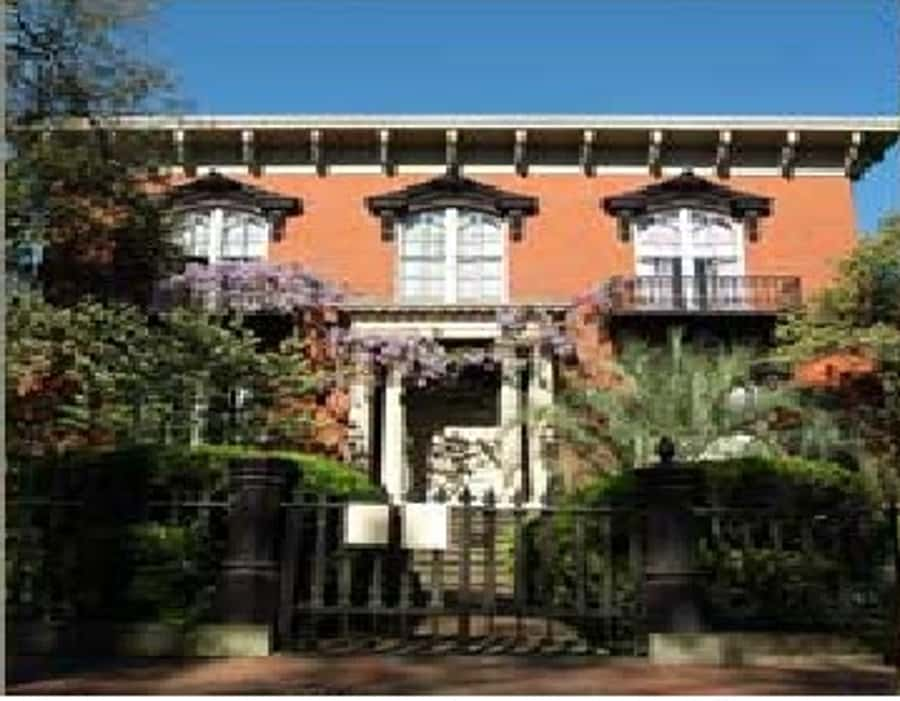
The Green-Meldrim House brings the Civil War into a walk that otherwise leans heavily toward architecture and social life. General William T. Sherman used the mansion as his headquarters and stayed there during the Civil War, giving the building a direct link to one of the most important moments in Savannah’s past.
This is a useful stop because it shows how the same house can carry several layers of meaning. It was first a private residence, then part of a wartime story, and now part of Savannah’s public memory.
Here, you should listen for how the guide handles the subject. One guide may keep the focus on the building and the military events. Another may bring in broader arguments about the Confederacy, slavery, and the war. That variation can affect the experience.
I would be especially alert to any attempt to soften slavery with sentimental language. The city’s grand homes cannot be separated from the people who built, maintained, and served them. You deserve a clear account of that system, not a version that treats enslaved people as fortunate members of a household.
A past walk led by a guide named Brad was criticized for a pro-Confederate tone and for saying enslaved people were treated like family. That is a serious concern, especially for anyone seeking careful historical interpretation. It does not prove every guide will present the same view, but it is worth knowing before you book.
Same streets, read through a different style:
- Chicago Architecture River Cruise
★ 5.0 · 15,756 reviews - Chicago River 90-Minute Architecture Tour
★ 4.5 · 9,629 reviews - Chicago River: 1.5-Hour Guided Architecture Cruise
★ 4.8 · 8,046 reviews - Chicago Architecture Center River Cruise aboard First Lady
★ 5.0 · 5,536 reviews
Two centuries of Savannah house design
The central strength of this experience is its timeline. Rather than looking at one famous mansion in isolation, you follow the development of Savannah’s homes across approximately 200 years.
The guide discusses how domestic buildings changed during the 18th and 19th centuries and into the early 1900s. You may hear about different building materials and how those choices affected the appearance and durability of houses. One especially praised part of the walk has been the explanation of materials used in Savannah homes during the 1800s and early 1900s.
That kind of detail is more useful than a long list of owner names. It teaches you how to look. After the tour, you can walk through another part of the Historic District and make your own comparisons.
I like this approach because it turns Savannah into an open-air lesson in design. You are not just collecting photographs of pretty houses. You are learning to notice changes in scale, ornament, construction, and purpose.
The social side matters too. Homes reflect the lives of the people who occupied them, but they also reflect the work of people who built them and the systems that paid for them. The best version of this walk connects architecture to both privilege and labor.
The Juliette Gordon Low Birthplace finish
The walk ends near the Juliette Gordon Low Birthplace, a house built in 1818 and recognized as Savannah’s first National Historic Landmark honoring the founder of the Girl Scouts.
This is a fitting final stop because it brings the story of Savannah’s houses into a later period and connects the city’s architecture with a nationally known figure. The location also gives you an easy point from which to continue exploring the Historic District.
Again, the wording matters. Finishing near the birthplace does not necessarily mean a full interior visit is included. If you want to tour the house, treat that as a separate plan and allow extra time.
For me, this ending works best as a transition. You have spent two hours learning how Savannah’s residential buildings changed, and you can then decide which house museum deserves your money and attention.
The guides make or break the morning
A local guide is included, and the experience has been led by people named William and Brad. The strongest guides on this walk bring dates, buildings, and personalities together without turning the morning into a lecture.
William has been praised for being entertaining and well informed. Another guide was described as exceptionally sharp on city history and dates. That kind of command is valuable in Savannah, where nearly every block has a story and it is easy to lose the thread.
The walk can also take a lighter turn. One guide included ghost and haunted-house details when a member of the group showed strong interest. That may be fun for you, especially if you enjoy Savannah’s spooky reputation. If you booked this specifically for architecture, too much ghost material could feel like a detour.
The main issue is historical balance. A guide should explain the Old South without romanticizing it. If the conversation becomes politically defensive or treats slavery as a minor footnote, the tour loses much of its value.
You can help shape the experience by asking direct questions. Ask how a home was built, who worked there, how the neighborhood changed, or how preservation decisions were made. The activity includes time for questions, so use it.
Why Savannah preservation belongs in the story
Savannah is often praised for preserving its old city center, but preservation did not happen by accident. The experience explains how Savannah helped pioneer historic preservation in the mid-1950s.
That point adds useful context. You are seeing an area that survived because people decided its buildings and street plan were worth protecting. Preservation affects what you see today, from individual houses to the larger pattern of squares and blocks.
It also raises a practical question: preservation protects beauty, but it can simplify the past if difficult stories are left out. A thoughtful walk should show both sides. You should hear why the buildings matter and also understand the labor, wealth, and conflict tied to them.
This is one reason I prefer a walking tour to a quick trolley ride for this subject. A trolley can cover more ground, but a walk lets you pause, look closely, and ask about a particular doorway or façade.
The $30 price and what you receive
At $30 per person, the tour is reasonably priced for a two-hour guided walk in central Savannah. You are paying for a local guide, a structured route, architectural interpretation, and the chance to ask questions.
The value is strongest if you are new to Savannah and want a foundation for further exploring. After the walk, individual houses and neighborhoods will make more sense because you have a basic timeline and a way to read the buildings.
The value is weaker if you want full interior access, transportation, or a specialized focus on ghosts, the Civil War, or the Girl Scouts. None of those is the main product here. Transportation is not included, and the activity itself is on foot.
I would compare it with a hop-on trolley if mobility or speed is your priority. Choose this walk instead if you want to slow down and study residential architecture from street level.
Practical advice for heat, rain, and meeting points
Wear shoes you can walk in for two hours. Savannah’s streets and sidewalks can be pleasant, but comfort matters more than fashion once the walk gets going.
Bring water in summer. Heat and humidity can be tiring, even under trees, and the tour does not include transportation or refreshments.
The walk goes ahead in light rain, so carry an umbrella or raincoat when the forecast looks uncertain. A wet morning may still be worthwhile, but you will enjoy it more if you are prepared.
Double-check the meeting location before setting out. The stated start is Warren Square between Congress Street and Habersham Street. Earlier customers lost time because an old meeting point had not been updated, so confirm the current instructions when you book and again on the day.
You can cancel up to 24 hours before the start for a full refund, and the reserve-now, pay-later option lets you hold a place without paying immediately. Those policies are helpful if your Savannah plans are still shifting.
Who should book this walk
I would recommend it to first-time visitors who enjoy architecture, local history, and a relaxed morning outdoors. It is also a good choice if you want context before paying for one or two house museums.
Families with older children may like the short length and the visual appeal of the buildings, though the value depends on how interested they are in history. People who prefer a fast overview may find a trolley better suited to them.
You should think twice if you want a strictly academic presentation. The guide can be excellent, but the tone may vary. You should also consider another activity if you dislike walking in heat or rain.
Should you book the Savannah homes walk?
Book it if you want to understand Savannah through its houses rather than simply photograph them. The Owens-Thomas House, Green-Meldrim House, and Juliette Gordon Low Birthplace area give the route strong anchors, while the wider discussion of materials and changing home design adds real substance.
Go in with sensible expectations. This is a two-hour outdoor walk, not a series of interior mansion tours. Confirm the meeting point, prepare for the weather, and ask questions if the history becomes too narrow or romanticized.
For $30, I think it is a fair introduction to Savannah’s Historic District, especially in the morning. Its success rests on the guide, so choose it for the architectural focus and local setting, while keeping in mind that the historical tone may not be perfectly consistent.
FAQ
How long does the Savannah homes walk last?
The walk lasts two hours.
Where does the tour meet?
The meeting point is Warren Square between Congress Street and Habersham Street.
What price should I expect?
The listed price is $30 per person.
Is transportation included?
No. Transportation is not included, so you need to reach Warren Square on your own.
What buildings are discussed?
The walk includes the Owens-Thomas House, the Green-Meldrim House, and the area around the Juliette Gordon Low Birthplace. It also discusses Savannah’s domestic buildings across two centuries.
Does the walk include entry inside the houses?
The provided information describes a walking tour of the Historic District and does not state that interior admission to the houses is included.
When is the walk usually available?
The walk is usually available in the morning.
Should I wear special clothing?
Wear comfortable walking shoes and dress for the weather.
Does the tour operate in light rain?
Yes. Walks depart in light rain, so bring an umbrella or raincoat if the weather looks uncertain.
Can I cancel for a refund?
You can cancel up to 24 hours in advance for a full refund. You can also reserve now and pay later.
More History Walks around the USA
- Charleston’s Best Highlights: History, Culture & Architecture
★ 5.0 · 422 reviews - Palm Springs Modernism Architecture & History Bike Tour
★ 5.0 · 359 reviews - Charleston: History and Architecture Guided Walking Tour
★ 4.8 · 349 reviews - Historic Georgetown: History, Gossip, & Architecture Walking Tour
★ 5.0 · 321 reviews
New to the itinerary around the USA
- Washington, DC: Georgetown Architecture Walking Tour★ 5.0 · 8 reviews
- Wilmington History and Architecture Tour★ 4.8 · 18 reviews
- Washington DC: Dupont Circle & Embassy Row Architecture Tour★ 5.0 · 6 reviews
- New Orleans : Garden District Architecture Walking tour★ 4.8 · 5 reviews
- Tulsa: Art Deco Walking Tour of Tulsa★ 5.0 · 8 reviews
- Private Colonial Williamsburg Architectural Tour★ 5.0 · 5 reviews
- Castle to Capitol: Museums of the National Mall Architecture Tour★ 4.5 · 9 reviews
- Monuments and Memorials Architectural Walking Tour★ 5.0 · 17 reviews
USA Architecture Tours, compared.


Chicago River: 1.5-Hour Guided Architecture Cruise
Read our review →
Chicago Architecture Center River Cruise aboard First Lady
Read our review →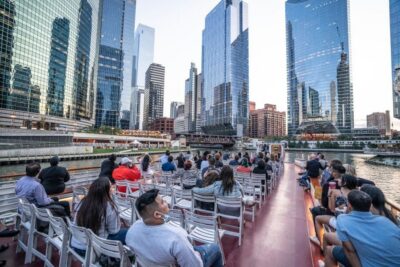
Architecture River Cruise Skip-the-Ticket Line
Read our review →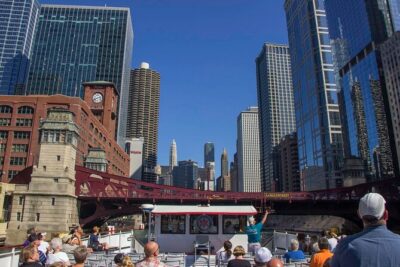
Chicago River 45-Minute Architecture Tour from Magnificent Mile
Read our review →
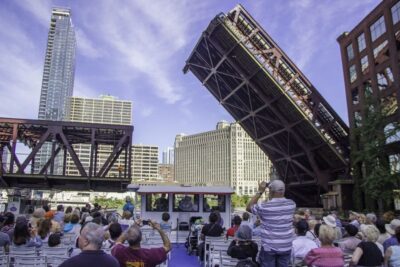
45-Minute Family-Friendly Architecture River Cruise
Read our review →Other lists with this tour