

Review · FINLAND
Helsinki: Architectural Highlights Guided Walking Tour
Helsinki makes a fine case for exploring a city through its buildings. In three hours, this small-group walk links Senate Square, Art Nouveau interiors, the Central Railway Station, Oodi library, Amos Rex, and the Kamppi Chapel, while tying architecture to Finnish politics, culture, and daily life.
I like the small group of up to six, which gives the guide room to answer questions and adjust the route. I also like the chance to go inside buildings that are easy to pass without noticing, especially libraries, cafés, and public spaces. The main consideration is the 5 to 6 kilometers of walking, often outdoors in changing weather, and some office interiors may be closed on weekends.
Key points at a glance

- A city told through its buildings: Move from neoclassical Senate Square to contemporary Oodi and Amos Rex.
- Small-group attention: With no more than six participants, you can ask questions and request a focus on a particular style.
- Strong local context: Expect architecture mixed with Finnish history, politics, culture, customs, food, and language.
- Several indoor stops: Libraries, cafés, bookstores, and public buildings break up the outdoor walking.
- A useful first-day tour: The route gives you a practical map of central Helsinki and ideas for later visits.
- Plan for the weather: The tour runs rain or shine, so proper clothing and comfortable shoes matter.
Why Helsinki works so well as an architecture walk

Helsinki’s center is compact, but its buildings cover a surprising span of styles. In a single afternoon, you can see neoclassical government buildings, Gothic Revival details, Renaissance Revival decoration, Art Nouveau forms, Nordic Classicism, Functionalism, modernist work, and bold contemporary design.
That variety gives the tour a clear purpose. You are not simply looking at attractive façades. You are watching Finland change through architecture, from a grand imperial-era center to a modern Nordic capital that gives public libraries, design, and shared spaces a major role.
The guide is described as a Sociology PhD student, which helps explain the tour’s wider angle. You can expect more than dates and architects. Guides such as Zana have connected buildings with Finnish culture, politics, language, customs, and everyday life. That is useful because architecture can otherwise become a parade of names and dates.
You can also send a request before the tour if you want to focus on a certain period or style. If you care most about Art Nouveau, modernism, public libraries, or the work of architects such as Eliel Saarinen, Alvar Aalto, Lars Sonck, or Johan Sigfrid Sirén, say so in advance.
More Walking Tours in the world:
- The Official Art Deco Walking Tour by The Miami Design Preservation League
★ 5.0 · 1,580 reviews - Lecce: Baroque Architecture and Underground Walking Tour
★ 4.6 · 1,248 reviews - Chicago in a Day: Food, History & Architecture Walking Tour
★ 5.0 · 1,153 reviews
Starting at Fazer Café on Kluuvikatu
The walk begins in front of Fazer Café on Kluuvikatu. This is a practical central meeting point, and ending at the same café makes the route easy to fit into a day of sightseeing.
Your guide will wait outside. From there, the route heads toward Helsinki’s historic center and then continues west through the central districts. Since food and drinks are not included, you can use the café before or after the walk, but the tour itself is focused on architecture rather than a food tasting.
The timing is listed as three hours, and the route covers substantial ground. It is best to arrive ready to walk, with shoes you can wear comfortably for several hours and clothing suited to the forecast.
Senate Square and the city’s grand beginning

Senate Square gives the tour a strong opening. The square presents Helsinki in its most formal mode, with a carefully arranged neoclassical setting and some of the city’s best-known buildings.
This is a useful place to learn how Helsinki’s center was shaped and why certain buildings were designed to look so imposing. The guide can point out the relationship between the square, the cathedral, and the surrounding civic architecture, rather than treating each building as an isolated sight.
The Helsinki Cathedral is covered briefly, with a guided look and a pass-by segment. It is one of the city’s most recognizable landmarks, but the visit here is short. If you want a long interior visit or time for extensive photography, this tour is not designed around that. The value is in placing the cathedral within the larger story of Helsinki’s center.
The National Library and Helsinki’s indoor treasures

The National Library of Finland is one of the more important stops because the tour goes beyond street-level views. You have time to visit for about 15 minutes, giving you a chance to appreciate the interior as well as the exterior.
This is where the architecture walk becomes more useful than a standard city stroll. A building that might seem reserved or institutional from the outside can reveal a different character inside. The guide can draw your attention to details that you might miss alone, including decoration, layout, and the way the building supports its public purpose.
Several people who took the tour especially liked entering buildings instead of only viewing them from the pavement. That is a real strength. Helsinki’s best architectural experiences are not always its most famous façades. Some are interiors you could easily walk past without realizing their importance.
The brief stop at Robert’s Coffee Jugend continues that pattern. The café is linked to the Jugend style, Finland’s version of Art Nouveau, and provides a more relaxed way to look at architectural detail. The stop is only about 10 minutes, so think of it as a focused visit rather than a full coffee break.
More Guided Tours around the world:
- Chicago River: 1.5-Hour Guided Architecture Cruise
★ 4.8 · 8,046 reviews - Park Güell: Guided Tour with Optional Gaudí Experience Entry
★ 4.1 · 832 reviews - Barcelona: Gaudi’s Casa Vicens Guided Tour
★ 4.8 · 401 reviews - Charleston: History and Architecture Guided Walking Tour
★ 4.8 · 349 reviews
Esplanadi, Kappeli, and the public face of Helsinki

Kappeli and Esplanadi shift the mood from formal civic architecture to one of Helsinki’s most familiar public settings. Esplanadi is a central park and promenade, and the walk uses it to show how buildings, open space, and city life work together.
Kappeli receives only a short visit, but its location makes it a useful part of the route. You are not being sent far from the center to chase isolated buildings. Instead, the tour shows how Helsinki layers architectural interest into streets and public spaces you are likely to use during the rest of your stay.
The stop at the Johan Ludvig Runeberg monument adds a cultural note. Runeberg is closely tied to Finnish literature, and the monument helps connect the city’s buildings with national identity. This is one of the tour’s recurring strengths: architecture is used as a doorway into Finnish culture, rather than treated as a technical subject only.
Academic Bookstore and Rautatalo
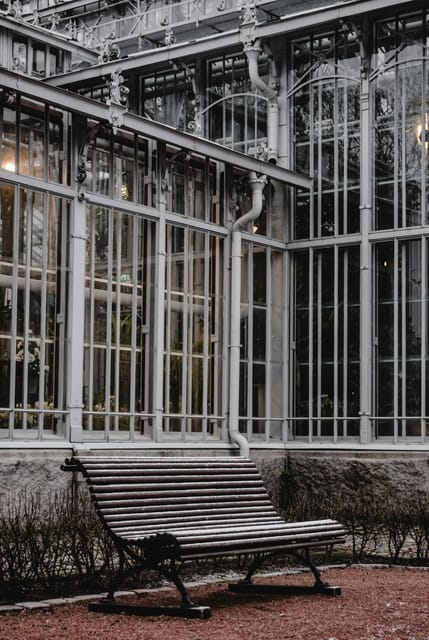
The Academic Bookstore is another indoor stop and one of the route’s more useful examples of modern Finnish design. It gives you a chance to see how a commercial building can become part of the city’s architectural story.
Rautatalo follows with a short visit. The itinerary allows only about five minutes here, so the guide will focus on selected features rather than provide a long architectural lecture. That pacing is typical of the tour. You cover many places, but not every stop receives equal time.
This is good for a first look at Helsinki. You see a broad selection and gain a list of buildings to revisit. It is less suitable if you want an expert-level study of only two or three architects. One participant wanted more detail on the different styles and their makers, and that is a fair limitation to keep in mind.
Helsinki Central Station and the Saarinen connection

Helsinki Central Station is one of the route’s major highlights. Its monumental design and distinctive exterior make it a natural stop for discussing Eliel Saarinen and the transition toward Nordic Classicism and modern Finnish architecture.
The station also works well as a practical city landmark. You can learn how to read its forms, decoration, and materials, then return later to take a closer look or catch a train. Because the tour includes several major public buildings, you are also seeing places that remain part of daily Helsinki rather than museum pieces set apart from ordinary life.
The visit lasts about 10 minutes. That is enough for an explanation and a look around, but not enough for a slow, detailed study of every feature. If the station is especially important to you, make a note to return on your own.
Sanomatalo and the move toward modern Helsinki

The route continues to Fazer Café in Sanomatalo. This provides another indoor stop and a chance to consider Helsinki’s more recent architectural development.
The walk is not limited to historic buildings. That balance matters. Helsinki’s identity comes from the conversation between old and new, formal squares and flexible public spaces, decorated façades and restrained modern design.
The café stop also helps break up the walk. Six kilometers can feel long if every minute is spent on exposed streets. Indoor pauses make the pace easier, particularly in rain, snow, or strong wind.
Kansalaistori and the remarkable Oodi library

Kansalaistori is one of the tour’s most important modern settings. The square links several major cultural buildings and shows how contemporary Helsinki uses public architecture to create shared civic space.
The main event here is Central Library Oodi. The visit lasts about 20 minutes, longer than most individual stops, and for good reason. Oodi is not simply a place to borrow books. Its wave-like form and broad community function make it one of Helsinki’s clearest statements about public life and design.
You will have time to look at the building as a whole and to notice how people use the interior. Previous participants especially valued this stop, and one called the community center in the shape of a wave a must-see. The attraction is not only the building’s appearance. It is the idea that a library can serve as a shared living room for the city.
Oodi also gives the tour a welcome change of scale. After historic squares, monuments, and commercial interiors, you reach a building that feels open, social, and unmistakably contemporary.
Amos Rex and Kamppi Chapel
Amos Rex receives a brief guided visit. The museum is known for its unusual exterior forms, and the stop adds another example of how contemporary design can reshape an urban space.
The short timing means you should not expect a full museum visit or an art exhibition tour. The point is to understand the building as part of Helsinki’s current design culture. If you want to explore the museum’s exhibitions, plan a separate visit.
Kamppi Chapel is covered as a guided pass-by stop. It is a compact, modern building with a quiet purpose in the middle of a busy area. Even from a short visit, it helps show how Helsinki uses thoughtful design for public and spiritual spaces.
The route then includes the Pohjola Insurance Building, another chance to look at architectural details and decoration before returning to Fazer Café on Kluuvikatu.
How the guide shapes the experience
The guide is central to the value here. The tour is conducted in English and limited to six people, so it has more room for conversation than a large coach or standard city group.
Zana is named in several bookings and is described as patient, attentive, personable, and keen to explain Finnish architecture and history. One detail I appreciate is the attention to carvings and small design features, including decoration on a former bank building. Those are precisely the details you are likely to miss when walking alone.
The guide also takes time for photographs and questions. That matters because the route is full, and it would be easy to feel rushed from one stop to the next. A patient guide can keep the walk moving while still allowing you to pause.
The experience is not purely architectural. Expect discussion of Finnish society, culture, politics, customs, food, and language when they help explain the city. That wider approach will suit you if you want to understand Helsinki as a place where people live, not just as an outdoor design museum.
Is $56 good value for three hours?
At $56 per person, the tour costs more than a basic free walking route, but you are paying for a small group, a local guide, a carefully connected route, and access to several interiors.
The price makes the most sense if you are short on time or want a strong introduction early in your stay. You cover a large section of central Helsinki and finish with a clearer sense of which buildings deserve a second visit.
It is also good value for architecture fans who would otherwise spend hours researching what to see. The guide brings together architects, styles, history, and public life in one walk. That saves planning time and helps you notice details on your own later.
The value drops if you want long interior visits or a specialist lecture on one architectural period. Many stops last only five or 10 minutes, and the route favors range over exhaustive study.
Practical details before you book
The tour runs rain or shine. Bring weather-appropriate clothing, and expect to spend much of the three hours outdoors despite the indoor stops.
You will walk 5 to 6 kilometers, so this is not a suitable choice for wheelchair users and may be tiring for anyone who dislikes extended walking. The route includes public buildings and cafés, but transportation and food are not included.
Weekdays may be the better choice if entering office buildings matters to you. Some interiors may be closed on weekends. You can also request a preferred period or style in advance, which is worth doing if you have a strong interest in Art Nouveau, Functionalism, modernism, or a particular architect.
Free cancellation is available up to 24 hours before the tour, and you can reserve without paying immediately under the reserve-now, pay-later option.
Who should book this Helsinki walk?
I would choose this tour for a first visit, a short stay, or an afternoon when you want more substance than a quick photo stop. It suits curious walkers, design fans, architecture students, and anyone who wants Finnish history explained through real places.
It is also a good choice for families with older children and small private groups, provided everyone can manage the distance. The limited group size makes it easier to ask questions and adjust the conversation.
I would think twice if you need step-free access, dislike poor weather, or want to spend most of the time inside one museum. I would also choose a weekday if possible, especially if your main interest is seeing office interiors.
Should you book it?
Book this walking tour if you want Helsinki’s major buildings tied into a clear story of Finnish culture and city life. The best parts are the small group, the guide’s attention to details, and the chance to enter places such as the National Library, Academic Bookstore, and Oodi rather than viewing everything from the street.
Skip it if you want a slow, specialist architecture seminar. The route is broad and active, with many short stops. For most first-time visitors, that range is the point: after three hours, you have seen much of central Helsinki, learned how its styles fit together, and gained a practical list of places worth revisiting.
FAQ
How long does the Helsinki architecture tour last?
The tour lasts three hours.
How far will I walk?
You will walk approximately 5 to 6 kilometers.
Where does the tour start?
The meeting point is in front of Fazer Café on Kluuvikatu.
Where does the tour finish?
The route returns to Fazer Café on Kluuvikatu.
What language is the tour conducted in?
The live tour guide speaks English.
How many people are in the group?
The group is limited to six participants.
Is food or drink included?
No. Food and drinks are not included in the tour price.
Does the tour run in bad weather?
Yes. The tour takes place rain or shine, so bring weather-appropriate clothing.
Can I request a particular architectural style?
Yes. You can contact the activity provider in advance to request a focus on a specific period or style.
Is the tour suitable for wheelchair users?
No. The tour is not suitable for wheelchair users.
New to the itinerary around the world
- Washington, DC: Georgetown Architecture Walking Tour★ 5.0 · 8 reviews
- Wilmington History and Architecture Tour★ 4.8 · 18 reviews
- Washington DC: Dupont Circle & Embassy Row Architecture Tour★ 5.0 · 6 reviews
- New Orleans : Garden District Architecture Walking tour★ 4.8 · 5 reviews
- Walk & Discover KL’s Architectural and Heritage Gems★ 5.0 · 7 reviews
- Unveiling Brno: History, Culture & Architectural Delights★ 5.0 · 2 reviews
- Vicenza: Palladian Architecture Private Walking Tour★ 3.3 · 3 reviews
- Private Colonial Williamsburg Architectural Tour★ 5.0 · 5 reviews
Finland Architecture Tours, compared.



Other lists with this tour