

Review · DUBAI
Dubai: Walking, Architecture and History Tour of Dubai Opera
Dubai Opera’s most interesting feature is not only its striking exterior. This one-hour tour takes you behind the performance space, where you can see dressing rooms, the trap room, and the storage area used when the auditorium changes into a flat floor. I like that the tour explains how a working venue operates, and I like the chance to see artworks and design details that are easy to miss on a normal visit.
The main consideration is that Dubai Opera remains an active building. Events can close certain areas, and the tour includes walking, standing, and stairs, so the route may not be identical every time.
Key points to know before you go
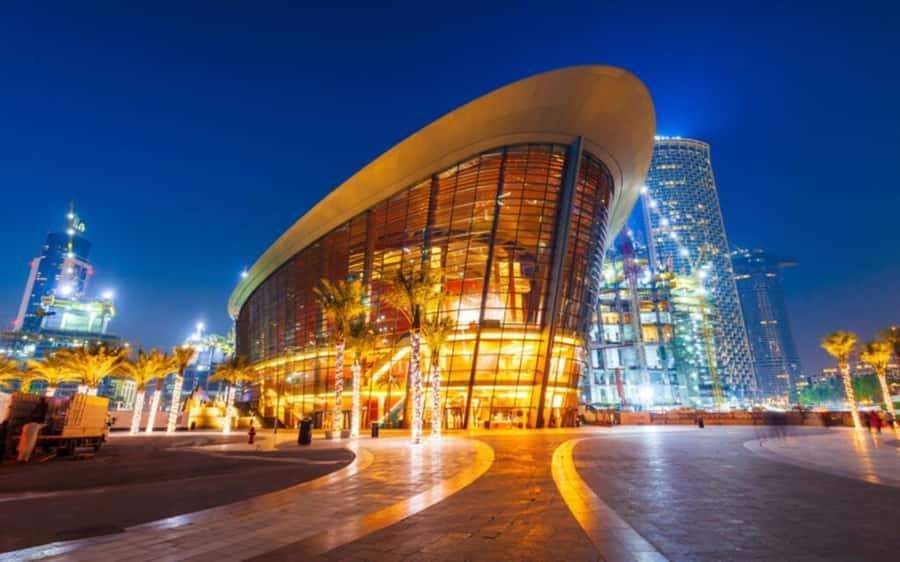
- Backstage access: Visit dressing rooms, the trap room, and the seat storage area behind the main auditorium.
- Architecture with a purpose: Learn how Dubai Opera’s design supports concerts, theater, opera, and flat-floor events.
- Strong guides: Richard is praised for his lively approach, and guides may use videos to explain backstage work.
- Short and focused: The tour lasts one hour, making it easy to fit into a Dubai sightseeing day.
- English and Arabic: Tours are offered in both languages.
- Practical limits: Some areas can close for performances, and children under 16 need an accompanying adult.
Why Dubai Opera makes a good one-hour stop
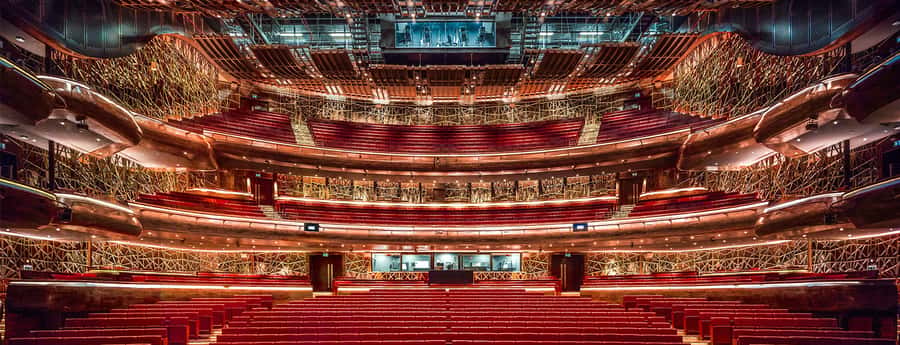
Dubai has no shortage of grand buildings, but Dubai Opera asks you to look at a different side of the city. Instead of focusing only on size and spectacle, this tour shows how a cultural building is planned, operated, and changed to suit different performances.
Dubai Opera opened in 2016 and is the only opera house in the United Arab Emirates. Its role reaches beyond opera. The venue presents music, theater, and other performing arts, so its spaces must handle very different kinds of shows.
That is why the tour’s backstage sections matter. You are not simply walking through a polished public hall. You are seeing the practical machinery behind a performance venue, including spaces that most ticket holders never enter.
I would allow one hour for the tour itself, then add time around it if you want to look at the building at an unhurried pace. The short format works well if you are also visiting other parts of Dubai, though anyone hoping for a long architectural lecture may find the schedule brisk.
More Walking Tours in the world:
- The Official Art Deco Walking Tour by The Miami Design Preservation League
★ 5.0 · 1,580 reviews - Lecce: Baroque Architecture and Underground Walking Tour
★ 4.6 · 1,248 reviews - Chicago in a Day: Food, History & Architecture Walking Tour
★ 5.0 · 1,153 reviews
Meeting at the Plaza Box Office
Your meeting point is the Plaza Box Office. This gives you a clear place to begin, rather than requiring you to search through the whole building for a guide.
Arrive ready for a walking tour, not a seated presentation. The route includes standing and stairs, and the activity information specifically advises anyone with mobility restrictions or wheelchair users to contact the provider before attending.
The tour is wheelchair accessible, but that does not mean every part of the route will be equally simple under every condition. Because Dubai Opera is a working venue, access can depend on events and building operations. A quick check before the visit is sensible if you need a particular route or backstage area.
The tour is offered in English and Arabic. That matters if you want the architectural and technical details explained clearly rather than simply receiving a quick look around.
Reading the building through its design
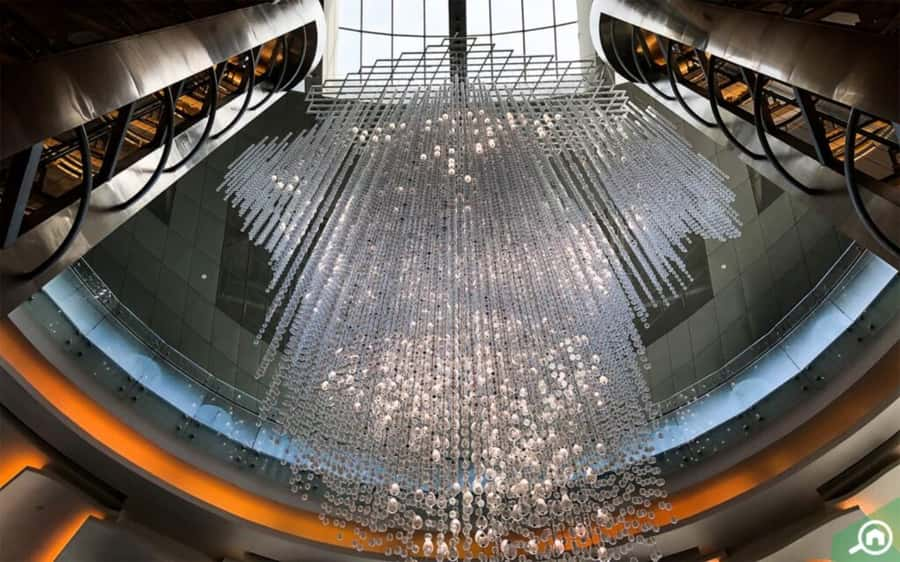
The first part of the visit focuses on Dubai Opera’s architecture and design. The point is not just to admire a handsome building. Your guide explains why various details are there and how the venue’s form relates to its role as a performance space.
The tour also includes sculptures and artworks made specifically for Dubai Opera. These pieces give the building a more local identity than a generic concert hall would have. I like this part because it connects the structure to the cultural purpose of the venue.
You may find that the guide draws your attention to details you would otherwise pass without a second glance. The activity is designed around the stories behind those details, so the value comes from interpretation as much as access.
This is particularly useful for visitors who appreciate architecture but do not want a technical course. You get enough explanation to understand the building better, while still moving through the venue and seeing the spaces in person.
Behind the dressing-room mirrors
One of the more memorable stops is the dressing-room area. You can see the mirrors used by performers before they go on stage, a simple detail that makes the backstage world feel more immediate.
A dressing room is not normally part of a public visit to a theater. Here, it helps you picture the stages of a performance before the audience ever sees it. The room itself may not take long to view, but it changes your understanding of how much preparation happens away from the spotlight.
This section should appeal to anyone who enjoys theater, music, or the practical side of live events. It is also a good reason to choose this tour instead of simply visiting the public lobby on your own.
Some guides add video clips to explain backstage processes. That can help when a particular operation is difficult to see during the visit. One German-language review specifically praised the use of interesting videos, while another visitor found the guide especially helpful when the group was small.
More History Walks around the world:
- Charleston’s Best Highlights: History, Culture & Architecture
★ 5.0 · 422 reviews - Palm Springs Modernism Architecture & History Bike Tour
★ 5.0 · 359 reviews - Charleston: History and Architecture Guided Walking Tour
★ 4.8 · 349 reviews - Historic Georgetown: History, Gossip, & Architecture Walking Tour
★ 5.0 · 321 reviews
The trap room and the working stage
The trap room is one of the tour’s more unusual stops. It is a backstage area that many people would never know to look for, and the guide explains its place within the venue.
The supplied information does not describe the room’s exact equipment or show a performance demonstration, so you should not expect a theatrical stunt. The appeal is access and explanation: you get to see a functional space that helps reveal how a performance venue is built below and around the stage.
This is where Dubai Opera feels less like a monument and more like a machine built for live events. The public sees the stage, lighting, performers, and finished production. The tour gives you a glimpse of the less visible spaces that help make that production possible.
Because the building may be preparing for an event, access to this or another backstage area can sometimes be restricted. The route is therefore best understood as a guided look at the venue, not a promise that every room will be open on every date.
How the auditorium changes for different events
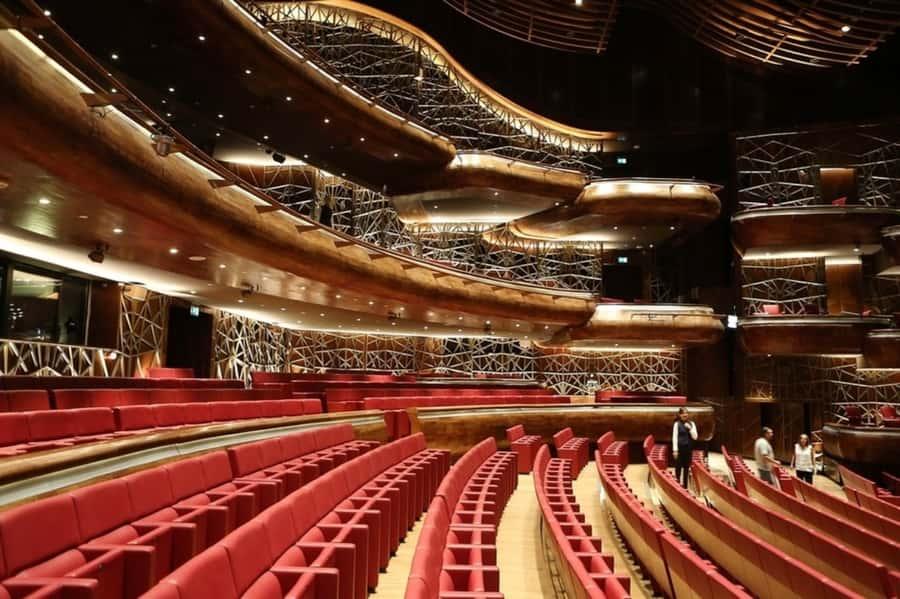
The seat storage area is another useful stop. Dubai Opera’s auditorium can transform into flat floor mode, and the tour shows where the seats are stored when that change takes place.
This detail gives you a practical sense of the venue’s flexibility. A hall that can host different formats needs more than attractive seating and a stage. It needs a way to change its layout, store equipment, and prepare for the next type of event.
For me, this is one of the strongest reasons to take the tour. A normal ticket may put you in a seat, but it will not necessarily show you how the room can be reconfigured. The storage area connects the architecture to the daily work of running performances.
The visit may not show the auditorium in every possible format. Still, seeing the storage system helps explain why Dubai Opera can accommodate more than traditional opera productions.
Guides who make the hour worthwhile
The guide has a large effect on this experience because the visit depends on stories, explanations, and access. Richard receives particularly warm praise for being entertaining, friendly, and able to explain how the building works.
One booking was moved earlier when the visitor arrived ahead of schedule, though you should not count on that as a standard service. It does show why arriving early can be useful if the venue has some flexibility on the day.
A small group can also change the feel of the tour. One visitor described having a private-feeling visit with only two people and found that especially helpful because English was not their first language. Group size is not specified, so you should not book expecting a private tour, but a quiet session may allow more time for questions.
The guides speak English or Arabic. If you need a particular language, confirm the available departure before booking rather than assuming every time slot offers both.
Is $27 a fair price?
At $27 per person, this is not the cheapest way to spend an hour in Dubai, but the price is reasonable if you care about architecture, theater, or behind-the-scenes access.
You are paying for a live guide, not just entry to the building. The strongest value comes from the areas that are normally unavailable to a casual visitor: dressing rooms, the trap room, and the seat storage area.
The price makes less sense if you only want a quick look at the exterior or a general photograph inside the opera house. You can get more from the tour if you listen closely and ask about the design, artworks, and changing auditorium.
It also works well as a compact cultural activity. A one-hour visit does not consume a full afternoon, and the central location makes it easier to combine with other Dubai plans. The exact starting times vary, so check availability before building the rest of your day around it.
What may change on the day
Dubai Opera is a working building, not a museum preserved behind glass. Performances, rehearsals, or other events can close certain areas or limit access.
That is the main source of uncertainty. The tour promises a guided look at the venue and backstage areas, but the precise route may change. If one particular room is the main reason you want to go, keep your expectations flexible.
The experience also involves stairs, standing, and walking. Wear comfortable shoes and plan for an active hour. Wheelchair users and people with mobility restrictions should contact the activity provider before attending so that assistance and route details can be discussed.
Children under 16 must be accompanied by an adult. Infants under two are free of charge. These rules are easy to manage, but they matter if you are arranging a family visit.
Cancellation is free up to three days in advance for a full refund. That gives you some room to adjust plans, especially in Dubai, where weather, events, and changing schedules can affect a sightseeing day.
Who will enjoy this Dubai Opera tour most?
I would recommend this tour to anyone interested in architecture with a working purpose, not only a photogenic facade. It is also a good fit for people who enjoy concerts, theater, opera, or the technical side of stage production.
Families can take it, provided children under 16 are accompanied by an adult. The hour-long format is manageable, though younger children may have limited interest in design explanations and backstage procedures.
It suits first-time visitors who want a cultural stop that is easy to fit into a busy itinerary. It also works for repeat visitors who have already seen Dubai’s larger landmarks and want something more focused.
You may want to skip it if stairs and standing are difficult for you and you cannot arrange assistance in advance. You may also be disappointed if you expect a full performance, a long visit, or guaranteed access to every backstage space.
Should you book the Dubai Opera walking tour?
Book it if you want to understand how Dubai Opera functions behind its polished public spaces. The dressing rooms, trap room, and seat storage area give the hour a clear purpose, while the sculptures, artworks, and architectural details add visual interest.
The strongest reason to go is the mix of design and practical theater work. Richard and other guides may add humor, videos, and personal attention, but the quality of the visit can depend on the guide and on which areas are open that day.
At $27, I consider it good value for a focused cultural activity, especially if you are already interested in performing arts or modern architecture. Go with flexible expectations, arrive at the Plaza Box Office prepared to walk and stand, and treat the route as an insider’s look at a working venue rather than a fixed museum exhibition.
FAQ
How long does the Dubai Opera walking tour last?
The guided tour lasts one hour.
Where do I meet the guide?
Meet your guide at the Plaza Box Office.
Which languages are available?
The tour is offered with a live guide in English or Arabic.
What areas can I see during the tour?
The tour can include backstage areas, dressing rooms, the trap room, the seat storage area, the auditorium, sculptures, artworks, and architectural features. Access can vary because Dubai Opera is a working building.
Is the tour wheelchair accessible?
The activity is listed as wheelchair accessible. People with mobility restrictions or wheelchair users should contact the provider before attending because the route includes walking, standing, and stairs.
Can children join the tour?
Yes. Children under 16 must be accompanied by an adult. Infants under two years old are free of charge.
New to the itinerary around the world
- Washington, DC: Georgetown Architecture Walking Tour★ 5.0 · 8 reviews
- Wilmington History and Architecture Tour★ 4.8 · 18 reviews
- Walk & Discover KL’s Architectural and Heritage Gems★ 5.0 · 7 reviews
- Washington DC: Dupont Circle & Embassy Row Architecture Tour★ 5.0 · 6 reviews
- New Orleans : Garden District Architecture Walking tour★ 4.8 · 5 reviews
- Unveiling Brno: History, Culture & Architectural Delights★ 5.0 · 2 reviews
- Vicenza: Palladian Architecture Private Walking Tour★ 3.3 · 3 reviews
- Private Colonial Williamsburg Architectural Tour★ 5.0 · 5 reviews
Dubai Architecture Tours, compared.

Guided Dubai City Tour: Modern Architecture & Sightseeing
Read our review →
Wings of Dubai: Downtown Dubai Art & Architecture Tour
Read our review →
Modernism to Traditions from UAE to OMAN with Fully Live Guided Tour- 11D / 10N
Read our review →Other lists with this tour