
Review · MALAYSIA
Walk & Discover KL’s Architectural and Heritage Gems
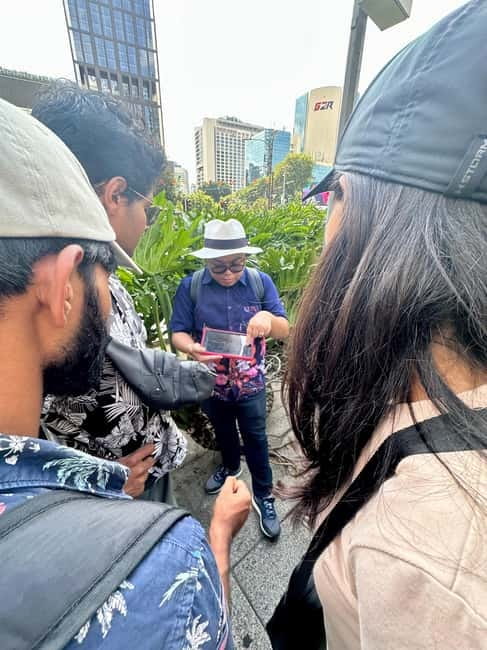
Kuala Lumpur reveals itself differently when you stop looking only at the skyline. This small-group architecture walk connects the Petronas Towers and KLCC with older buildings, side streets, public spaces, and design details you could easily pass without noticing. Guide Haziq brings a professional interest in architecture, heritage, and preservation, so you get more than a parade of photo stops.
I like the mix of famous and less obvious sights, and I like the easy pace. You can ask questions, pause for a breather, and spend time discussing how Kuala Lumpur developed. The main consideration is the walking: expect roughly 3 to 4 km outdoors, in Malaysian weather, and the route is not suitable for people with mobility impairments or pregnant women.
Key points at a glance
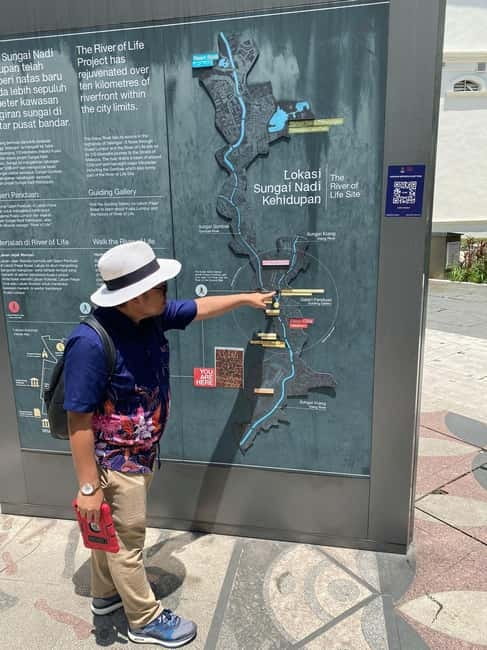
- A 3 to 4 km walk through central Kuala Lumpur: Expect pedestrian paths, city streets, photo stops, and regular sightseeing rather than a strenuous hike.
- Architecture with a human story: Haziq explains how buildings, heritage, culture, and city growth connect.
- Famous sights plus quieter corners: The route includes KLCC and the Petronas Towers, but also smaller streets and older buildings.
- A genuinely small group: With no more than 10 participants, questions and conversation are part of the experience.
- A weather-ready outing: The tour runs in rain or sunshine, with shelter along the route and a poncho supplied on rainy days.
- Useful for a first day in KL: The walk can help you understand the city’s layout before exploring on your own.
Why this walk gives Kuala Lumpur more depth
Kuala Lumpur is easy to read at a glance: gleaming towers, shopping malls, wide roads, and a fast-growing central district. The harder part is seeing how the city’s older layers fit with its new ones. That is the job of this tour.
Haziq leads the walk as an architecture and heritage specialist. His focus is not limited to technical building terms. He also connects design with Malaysian culture, society, history, art, and city planning. That broader view matters because a building is never just a facade. Its shape, materials, location, and use can tell you something about the place around it.
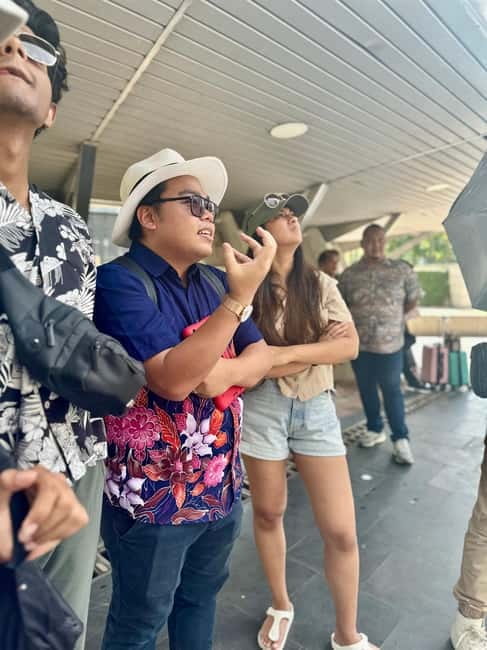
You should expect a relaxed, conversational walk rather than a formal lecture. The route covers about 3 to 4 km, although the advertised duration is three hours and some outings have lasted closer to three and a half hours. That extra time is useful. Architecture tours work best when you are not hurried from one stop to the next.
The group limit of 10 is another real advantage. A large crowd can turn a walking tour into a struggle to hear. Here, you have a better chance to ask why a building looks the way it does, how heritage protection works, or how modern Kuala Lumpur fits beside older parts of the city.
More Walking Tours in the world:
- The Official Art Deco Walking Tour by The Miami Design Preservation League
★ 5.0 · 1,580 reviews - Lecce: Baroque Architecture and Underground Walking Tour
★ 4.6 · 1,248 reviews - Chicago in a Day: Food, History & Architecture Walking Tour
★ 5.0 · 1,153 reviews
Starting beside Avenue K and the KLCC skyline
Your meeting point is the main entrance and drop-off lobby of Avenue K Shopping Mall, next to the H&M store. This is a practical start because it places you near the KLCC district and the city’s most recognizable modern architecture.
The opening section gives you an immediate sense of Kuala Lumpur’s scale. The Petronas Towers and KLCC provide the big visual statement, but the guide’s role is to help you look past the obvious photograph. You will consider the surrounding buildings, open areas, pedestrian routes, and the way the district has been designed for shopping, business, tourism, and public use.
This is a good moment to bring questions. If you are curious about why a tower has a particular form, how a major development changes a city, or how public spaces work around large buildings, ask early. A specialist walk becomes much more useful when you treat it as a conversation.
The setting also helps you get your bearings. If this is your first day in Kuala Lumpur, the KLCC area gives you a clear reference point for later exploring. You can return to the district for the towers, shopping, restaurants, and nearby sights, but after this walk you should have a better sense of how the pieces relate.
Reading the Petronas Towers beyond the postcard
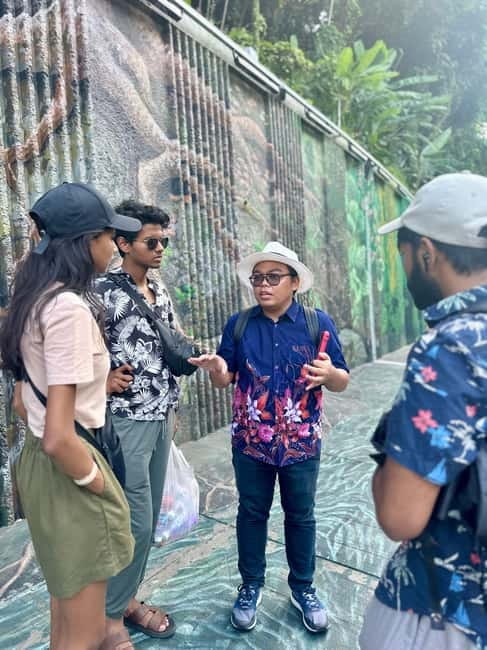
The Petronas Towers are the unavoidable stars of central Kuala Lumpur. They are also an easy place for a guide to stop at the obvious facts and move on. This experience aims to do more.
You can expect time for photographs and for looking at the towers as part of a wider urban plan. Their importance is not only visual. They represent Kuala Lumpur’s modern identity and the city’s ambition to place itself on the world stage. The useful question is how that statement works alongside older structures, local streets, and established communities.
Haziq’s background in architecture and heritage preservation gives this section more range. You can ask about design choices, the relationship between buildings and public space, or what happens when a city grows quickly. The guide also answers questions beyond technical architecture, bringing in Malaysian society and the development of the city.
Do not expect an extended interior visit to the towers. The information provided describes a walking tour with sightseeing and photo stops, not a timed visit to the observation deck or a building entry. If going up the Petronas Towers is a priority, plan that separately.
Le Nouvel and Kuala Lumpur’s modern design conversation
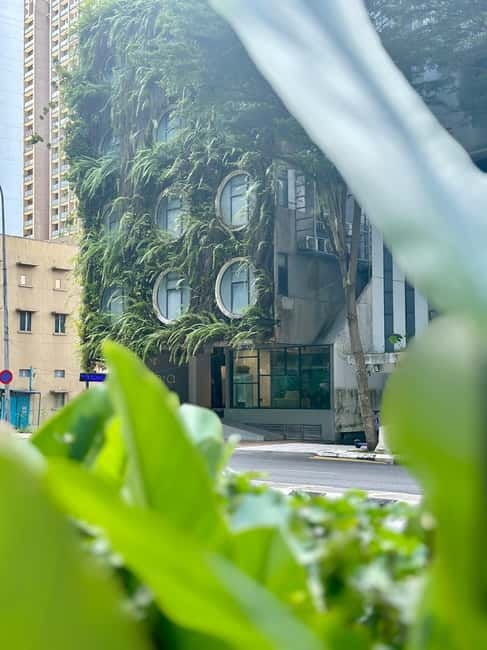
The Le Nouvel building is another named highlight. Its inclusion shows that this is not simply a general city walk with a few architectural comments added along the way.
Here, you can look at how contemporary design fits into Kuala Lumpur’s dense central district. The point is not just to admire an unusual building. It is to consider how newer architecture responds to climate, surroundings, use, and the visual identity of the city.
The exact order of stops can depend on the walking route and conditions, so think of the itinerary as a connected exploration rather than a rigid checklist. The tour includes guided sightseeing, passing by buildings, scenic views along the way, and time for photographs. You will not spend the entire three hours inside one landmark.
That format suits you if you like comparing buildings as you walk. One minute you may be considering a major modern structure, and the next you may be looking at a smaller street or older building that explains a different part of Kuala Lumpur’s story.
More History Walks around the world:
- Charleston’s Best Highlights: History, Culture & Architecture
★ 5.0 · 422 reviews - Palm Springs Modernism Architecture & History Bike Tour
★ 5.0 · 359 reviews - Charleston: History and Architecture Guided Walking Tour
★ 4.8 · 349 reviews - Historic Georgetown: History, Gossip, & Architecture Walking Tour
★ 5.0 · 321 reviews
Older buildings, smaller streets, and overlooked details
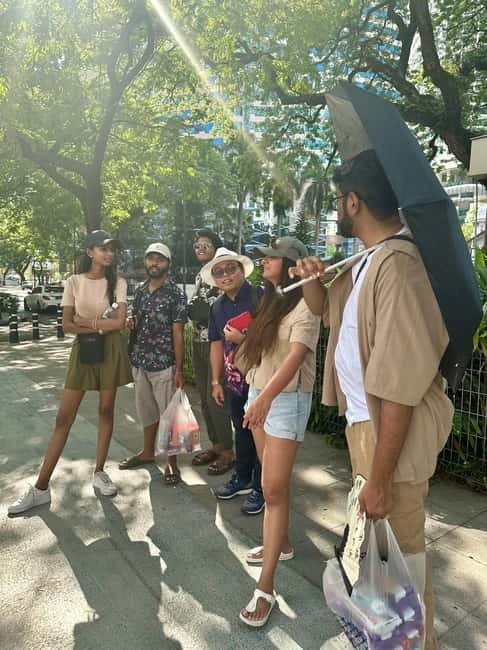
The best part of an architecture walk is often the scale change. Large landmarks tell you what a city wants the world to see. Smaller streets and older buildings tell you how the city has actually been lived in and adapted over time.
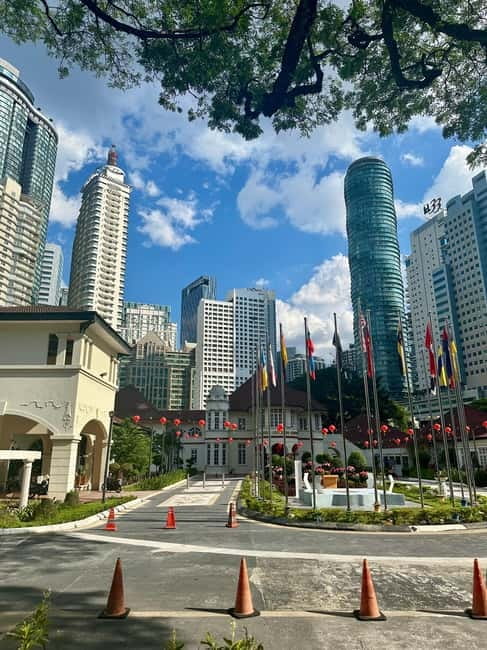
This route includes local and smaller streets, as well as old buildings that are easy to miss when you are focused on the towers. The guide draws attention to architectural features, heritage value, and the details that help explain Kuala Lumpur’s development.
I would pay close attention to transitions. Notice how pedestrian paths meet roads, how older structures sit beside newer ones, and how commercial areas change as you move through the district. Even if you are not an architecture enthusiast, these comparisons can make the city easier to understand.
The tour also covers art and design as part of the urban experience. That does not mean a dedicated museum visit or a formal art program. It means you will consider how visual choices, public areas, buildings, and everyday streets contribute to the character of the city.
This is where the specialist guide makes the largest difference. Without explanation, an old facade may look like a quick photograph. With context, it can raise useful questions about preservation, redevelopment, and what Kuala Lumpur chooses to retain.
A calm pace, with room for questions

Several features make this walk feel less rigid than a standard sightseeing circuit. Haziq is described as accommodating, and the pace allows you to stop or sit for a while if needed. That matters in Kuala Lumpur, where heat and humidity can make even a moderate distance feel longer.
The tour includes a safety briefing, guided commentary, sightseeing, and photo stops. You should expect to keep moving, but not to march. The route uses streets and pedestrian walkways, with shelter available at various points.
The small group also improves the practical side of the experience. With a maximum of 10 people, you can hear the guide more easily and ask questions without holding up a large crowd. If you have a particular interest in heritage protection, modern design, or Malaysian history, mention it to Haziq. The tour appears well suited to questions that go beyond basic facts.
The advertised time is three hours. Some outings may run about three and a half hours, depending on discussion and the group’s pace. I would not schedule a tight appointment immediately afterward.
Rain, heat, and what to bring
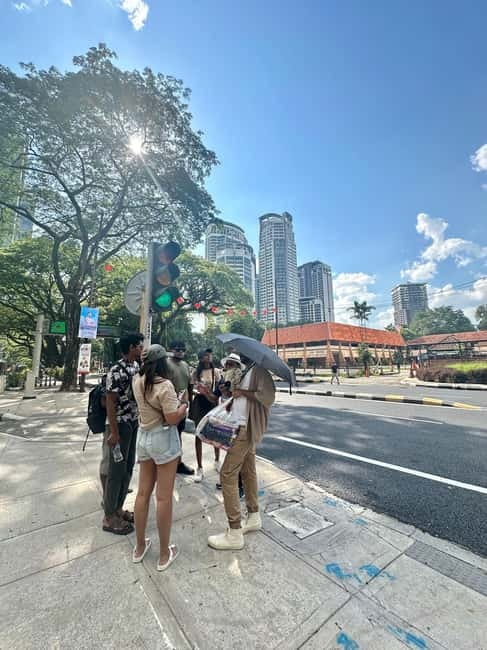
This is an outdoor tour, and it operates rain or shine. Kuala Lumpur’s weather can change quickly, so pack accordingly rather than treating rain as an unlikely nuisance.
A poncho is provided for each participant during rainy weather, and shelter areas are available along the route. Still, bring an umbrella if you have one. A hat and comfortable shoes are also specifically recommended.
Wear footwear you can manage for several hours on city streets and pedestrian paths. This is not a difficult trek, but unsuitable shoes will make the experience less pleasant. Bring cash as well, since it is listed among the recommended items.
You should carry a passport or ID card. Oversize luggage is not allowed, so leave large bags at your accommodation. Bottled mineral water is included, but you may still want to carry any additional drink you need for a three-hour outing.
The tour is not suitable for people with mobility impairments or pregnant women. That is not a criticism of the guide. It reflects the nature of a walking route with outdoor conditions, changing surfaces, and several hours on your feet.
Is $57 a fair price?
At $57 per person, this costs more than a basic orientation walk. The value depends on what you want from a guide.
If you only need directions between KLCC attractions, you can explore the area independently. The Petronas Towers, shopping centers, and central streets are easy to reach without a paid tour. The price makes more sense if you want an informed explanation of the buildings and the connection between modern Kuala Lumpur and its older heritage.
You are paying for a specialist guide, a small group capped at 10, about three hours of commentary, water, and a poncho in wet weather. The most valuable part is the guide’s interpretation. Haziq’s expertise in architecture, heritage, and preservation gives the walk a focus that a general sightseeing tour may not offer.
There is no hotel pickup or drop-off, and food, entrance tickets, and transport are not included. The tour begins and ends at Avenue K Shopping Mall, so you need to make your own way there. For a visitor already staying or sightseeing in central Kuala Lumpur, that is straightforward. For someone based far from the center, add transport time and cost.
Who will enjoy this Kuala Lumpur walk most
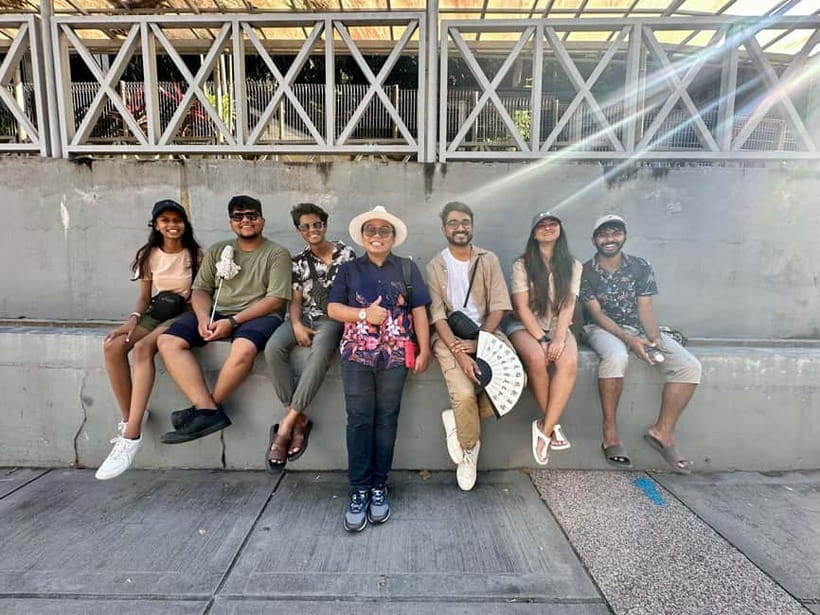
I would recommend this experience to you if you:
- Want a stronger understanding of Kuala Lumpur on your first day
- Enjoy buildings, public spaces, design, or heritage
- Prefer a small group and plenty of chances to ask questions
- Like famous sights but also want quieter streets and older structures
- Are comfortable walking outdoors for three to three and a half hours
- Want a guide who can discuss culture and society as well as architecture
It is less suitable if you want a fast list of major attractions, a fully indoor activity, or a tour centered on entering landmark buildings. It is also not the right choice if you cannot walk several kilometers or need step-free access throughout the route.
Families with young children should consider the length and the heat before booking, since no child-specific format is provided. The tour is conducted in English, so you should be comfortable following detailed spoken explanations in that language.
Booking details that affect your day
The experience is available only on weekends and Malaysian or Kuala Lumpur public holidays until further notice. That limited schedule is important when planning a short visit. Check the available starting times before arranging other activities.
You can reserve now and pay later, which helps if your schedule is still changing. Cancellation is free up to 24 hours in advance for a full refund. These terms are useful, but the bigger planning point is the limited operating schedule.
The walk begins and ends at the Avenue K meeting point. Since there is no hotel pickup, allow enough time to reach the main entrance and drop-off lobby beside H&M. Arrive ready to walk, with your ID, water plan, sun protection, and rain gear close at hand.
Should you book this architecture walk?
Book it if you want Kuala Lumpur explained rather than simply photographed. The combination of Petronas Towers, KLCC, Le Nouvel, smaller streets, old buildings, and heritage discussion gives you a fuller picture of the city than a standard landmark circuit.
I especially like the small group, the relaxed pace, and Haziq’s ability to connect architecture with Malaysian culture and urban change. The drawbacks are clear: you walk outdoors in uncertain weather, the schedule is limited, and the $57 price is harder to justify if you only want basic sightseeing.
For a first visit, an architecture fan, or anyone curious about how Kuala Lumpur mixes old and new, this is a strong choice. Bring comfortable shoes, leave your schedule flexible, and treat the walk as a way to learn how the city works.
FAQ
Where does the tour start?
It starts at the main entrance and main drop-off lobby of Avenue K Shopping Mall, next to the H&M store.
Where does the tour end?
The activity ends back at the Avenue K Shopping Mall meeting point.
How long does the walking tour last?
The advertised duration is three hours. Some outings may last about three and a half hours, depending on the pace and discussion.
How far will I walk?
The description gives two distances, about 3 km and about 4 km. Plan for roughly 3 to 4 km of walking through streets and pedestrian walkways.
What language is the tour conducted in?
The live tour guide speaks English.
How large is the group?
The tour is limited to 10 participants.
Does the tour run if it rains?
Yes. The tour takes place rain or shine. Shelter areas are available along the route, and a poncho is provided to each participant during rainy weather.
Is hotel pickup included?
No. Hotel pickup and drop-off are not included. You need to reach the Avenue K Shopping Mall meeting point yourself.
What should I bring?
Bring your passport or ID card, comfortable shoes, an umbrella, a hat, and cash. Bottled mineral water is included. Oversize luggage is not allowed.
New to the itinerary around the world
- Washington, DC: Georgetown Architecture Walking Tour★ 5.0 · 8 reviews
- Wilmington History and Architecture Tour★ 4.8 · 18 reviews
- Washington DC: Dupont Circle & Embassy Row Architecture Tour★ 5.0 · 6 reviews
- New Orleans : Garden District Architecture Walking tour★ 4.8 · 5 reviews
- Unveiling Brno: History, Culture & Architectural Delights★ 5.0 · 2 reviews
- Vicenza: Palladian Architecture Private Walking Tour★ 3.3 · 3 reviews
- Tulsa: Art Deco Walking Tour of Tulsa★ 5.0 · 8 reviews
- Private Colonial Williamsburg Architectural Tour★ 5.0 · 5 reviews