Review · NEW YORK CITY
TriBeCa Architecture & History Walking Tour
TriBeCa’s big surprise is how much New York history hides behind its quiet streets. This 2.5-hour walking tour follows the neighborhood from farmland to warehouses, luxury homes, and some of the city’s boldest modern buildings. I like the clear story arc, and I like that the route includes odd, easy-to-miss sights such as the Staple Street sky bridge and the Ghostbusters firehouse. The main drawback is simple: you are outside for the full tour, rain or shine.
I also like the human touch. Guide Meghan Sara is praised for making architecture lively, explaining air rights, and answering questions without rushing. The tour is priced at $40, which is fair if you want context rather than a quick photo stop, though visitors mainly interested in major attractions may find a neighborhood walk less exciting than an observation deck or museum.
Key points to know before you go
- TriBeCa’s story runs from farmland to industry: You will see how streets and buildings changed as New York grew.
- The route moves south to north: Starting near the southern edge gives the walk a natural sense of progress.
- Architecture is the main subject: Expect stories about warehouses, hotels, residences, air rights, and modern construction.
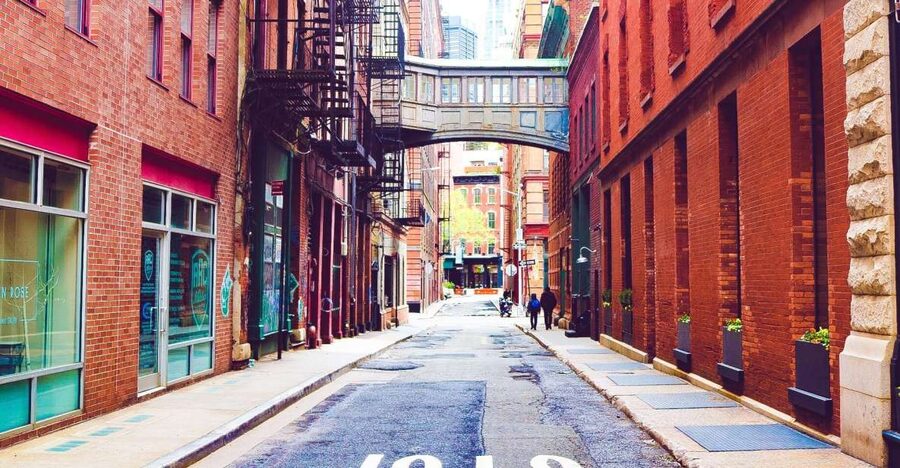
- The Staple Street sky bridge is a special stop: It is one of those city sights you can easily miss on your own.
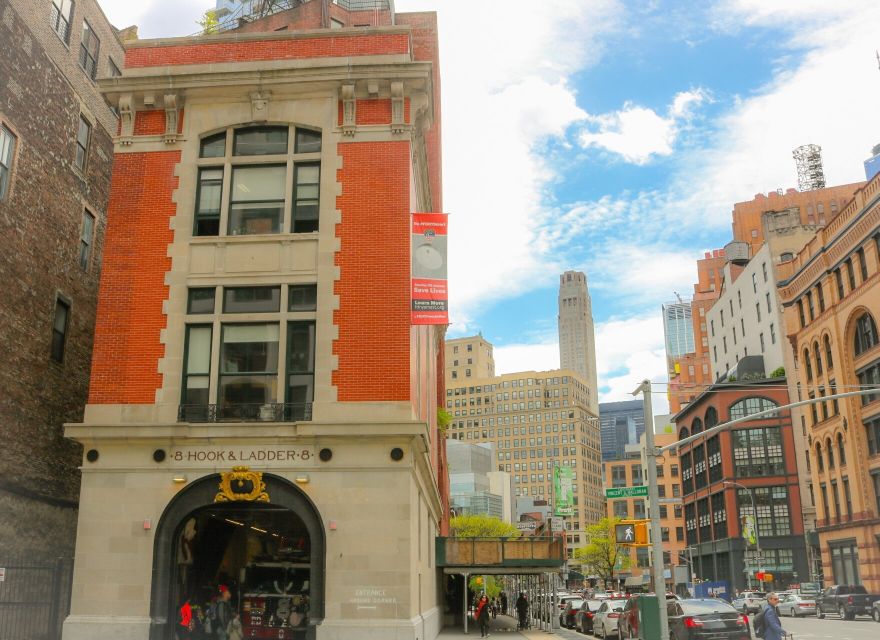
- The Ghostbusters firehouse adds pop-culture fun: The stop links a famous film location with the neighborhood’s built environment.
- You get practical neighborhood advice: The guide can suggest affordable brunch, speakeasies, and good photo spots.
Why TriBeCa makes such a good walking tour
TriBeCa is not the New York of grand museum halls and packed avenues. Its appeal comes from looking upward, slowing down, and noticing how old commercial buildings fit beside expensive new residences.
The neighborhood’s name comes from Triangle Below Canal Street. That name is useful on this tour because geography explains much of TriBeCa’s character. The walk begins at the southernmost point and heads north, letting you see the area as a changing zone rather than a collection of unrelated addresses.
I find that approach more useful than a list of famous buildings. You learn why the district developed where it did, why warehouses appeared, and how later construction changed the neighborhood again. The guide’s job is to connect those pieces, and Meghan Sara’s style, based on the supplied feedback, leans toward lively explanation rather than a dry lecture.
You should expect a fair amount of standing while the guide talks. The streets themselves are part of the lesson, so this is not a tour built around entering every building. Its value comes from seeing details in context, then understanding why they matter.
More Walking Tours in New York City
- Tribeca Architecture And History Walking Tour
★ 5.0 · 141 reviews - Midtown Manhattan Art and Architecture Walking Tour
★ 5.0 · 32 reviews - Holdouts: A NYC Architecture Walking Tour
★ 5.0 · 31 reviews
From farmland to a 19th-century industrial center
The first part of the walk sets up TriBeCa’s earliest transformation. It was once countryside, a sharp contrast with the dense blocks you see today. As New York expanded, the neighborhood took on a working role tied to trade, storage, and manufacturing.
That change explains the broad, sturdy buildings that define much of TriBeCa. Former dry goods warehouses were built for business, not for fashionable living. Their shape, materials, and large floor areas reflected the needs of commerce.
Over time, many of those buildings changed use. Warehouses became luxury residences, and industrial spaces gained a new market value. This is one of the most useful ideas on the tour because it helps you read TriBeCa without needing an architecture degree. A handsome loft is not simply an old building with expensive furnishings. It is part of a long cycle of adaptation.
The guide also covers buildings that represent New York firsts. The A. T. Stewart Building and the Frederick Hotel anchor this section of the walk. Their stories help place TriBeCa within the city’s wider growth, especially the shift from small-scale trade toward larger commercial systems.
Do not expect every stop to look dramatic at street level. Some buildings are most interesting when the guide points out a design choice, a former purpose, or a change in ownership and use. Bring your attention, not just your camera.
The A. T. Stewart Building and early New York firsts
The A. T. Stewart Building is one of the tour’s useful historical markers. The stop is less about checking off a landmark and more about understanding how New York’s early commercial leaders shaped the city.
The tour presents TriBeCa as a place where business history and architectural history meet. A building can tell you about retail, wealth, transportation, construction, and changing taste all at once. That wider view gives the walk more substance than a simple old-building stroll.
The Frederick Hotel adds another layer. Hotels reveal how a neighborhood welcomed people, handled commerce, and responded to New York’s growing importance. Together, these stops show why TriBeCa mattered beyond its immediate streets.
One strength of having a certified New York City guide is the chance to ask questions as you go. Meghan is repeatedly described as patient, funny, and willing to explain details such as air rights and architectural styles. Air rights can sound technical, but they are central to understanding how buildings grow upward and how development affects old neighborhoods.
The information is presented in small portions, with two short breaks during the walk. Those pauses matter. They give you a chance to rest, take photographs, and reset before the next group of buildings.
Dry goods warehouses turned into luxury homes
TriBeCa’s former warehouses are where the neighborhood’s past and present sit closest together. The tour explores buildings that once stored goods and now serve as high-end residences. That shift tells you a lot about New York’s property market and about the appeal of large old structures.
The buildings offer practical clues. Look for the scale of the windows, the height of the floors, and the solid street presence. These features made sense for storage and business, but they also became desirable when residents wanted open interiors and a central Manhattan address.
The guide helps you see the difference between preservation and simple nostalgia. The buildings did not remain frozen in their industrial role. They changed because the city changed. That is a useful lesson for anyone interested in urban planning, architecture, or the price of central land.
At $40, this is where the tour earns its fee. You are paying for interpretation, not admission to a single site. If you walked the same blocks alone, you could photograph the façades, but you would miss much of the reason they look the way they do.
The tradeoff is that the tour may appeal less to someone who wants interiors. The supplied details do not promise entry into private residences or every building discussed. Think of this as an outdoor architectural reading of the neighborhood.
More Walking Tours in the USA
- Midtown North NYC Architecture Walking Tour
★ 5.0 · 28 reviews - Financial District NYC Architecture Walking Tour
★ 5.0 · 26 reviews - Chelsea and the High Line NYC Architecture Walking Tour
★ 5.0 · 6 reviews - Manhattan Architecture & Urban Design Walk
★ 4.5 · 2 reviews
Modern construction and the price of air rights
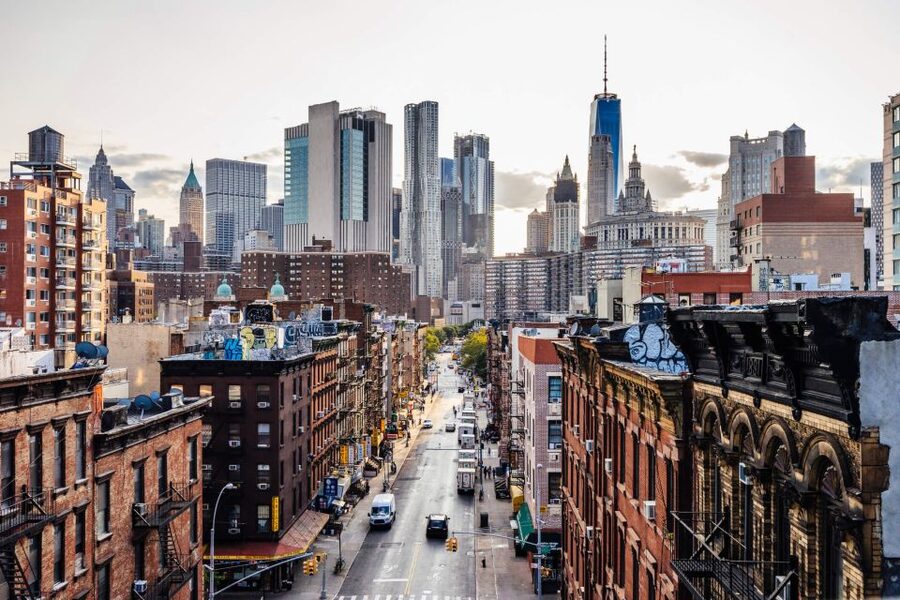
TriBeCa is not only a preserved district. Modern buildings have helped shape its current identity, and the tour sets those newer structures beside the older warehouse blocks.
That contrast is important. New construction can change a street’s height, light, views, and property values. The discussion of air rights gives you a way to understand why some buildings rise higher than others and how development can take place above existing structures or within strict limits.
You do not need to know planning terms before you arrive. The guide explains the subject while pointing to actual buildings, which makes the idea easier to grasp. This is one reason the tour suits curious first-time visitors as well as people already interested in architecture.
I would pay attention during this part even if modern design is not your main interest. It explains how TriBeCa moved from a working district to one of the most expensive residential areas in the United States. The tour describes it as the wealthiest zip code in the country, a striking final chapter in the neighborhood’s change from farmland.
That claim also gives the walk a useful question to consider: who benefits when old industrial areas become fashionable? The tour focuses on buildings and history rather than offering a full social study, but the subject naturally raises questions about cost, access, and preservation.
The Ghostbusters firehouse and other unexpected stops
The Ghostbusters firehouse is the tour’s most obvious pop-culture stop. Even if you are not a devoted fan, it adds a lighter moment to a walk filled with dates, building types, and development patterns.
The value of the stop is that it connects TriBeCa’s real streets with the way New York appears on screen. You see how a working building can become a piece of popular memory. It is also a good photo opportunity, though the tour is not presented as a film-location tour from start to finish.
This mix works well. Serious architectural history can become tiring when every stop demands close attention to dates and design. A recognizable location breaks up the material and makes the route easier to remember.
The guide also offers advice on photo spots around the neighborhood. That is useful because TriBeCa rewards careful framing. The most interesting view may be a narrow street, a bridge overhead, or the meeting point between old brick and new glass rather than a single grand façade.
Finding the Staple Street sky bridge
The Staple Street sky bridge is one of the strongest reasons to choose this walk instead of exploring alone. It is described as one of New York City’s hardest attractions to find, and its unusual form makes it a memorable stop.
A sky bridge changes the way you read a street. Instead of seeing buildings as separate blocks, you notice how they can connect above the sidewalk. It is the kind of detail that may not appear on a standard sightseeing route, especially when you are focused on reaching the next major attraction.
This is also a good example of the tour’s overall method. The guide is not only taking you to famous addresses. You are being shown architectural features that reward patience and local knowledge.
Be considerate when photographing residential areas. The tour information does not promise private access, so plan to appreciate the bridge from public space and follow the guide’s direction. The unusual sight is worth seeing, but it is still part of a lived-in neighborhood.
TriBeCa’s less visible fight against slavery
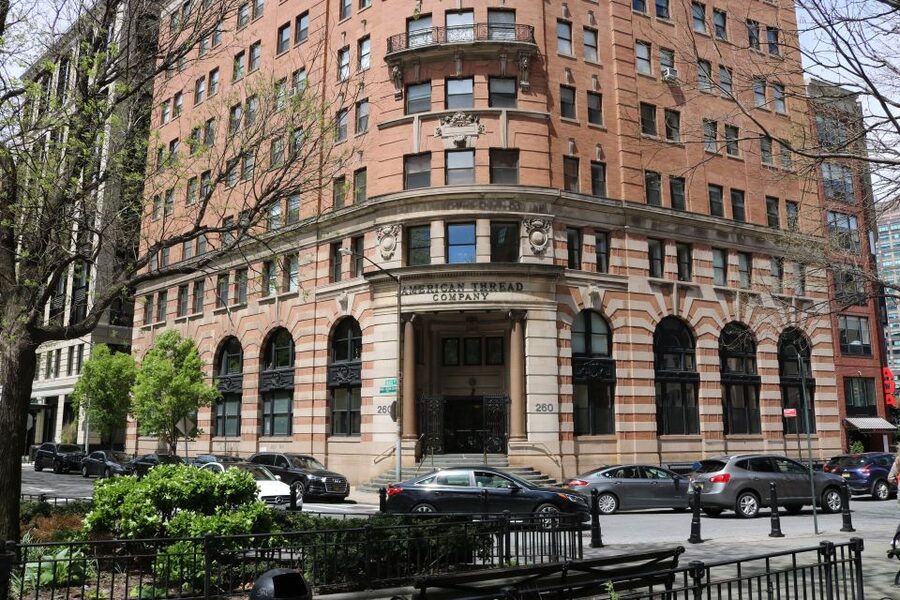
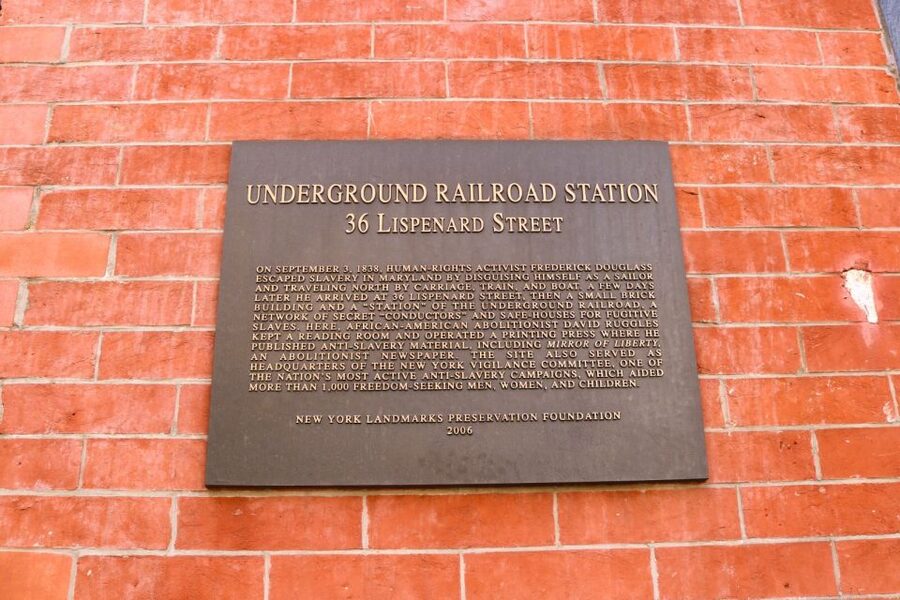
The final historical thread concerns TriBeCa’s role in the fight against slavery during the 19th century. This gives the neighborhood a moral and civic dimension beyond architecture and real estate.
The subject is described as part of TriBeCa’s invisible history. That phrase points to an important weakness in city sightseeing: streets can preserve buildings while hiding the actions, conflicts, and people connected to them. A walk that brings those stories forward gives you a fuller sense of the area.
This section may be especially valuable if you have already seen New York’s best-known landmarks and want local history that is less obvious. It also prevents the tour from treating TriBeCa as only a wealthy district of converted lofts and celebrity addresses.
Expect the guide to connect events to streets and buildings rather than lead you through a separate museum exhibit. The experience remains a walking tour, so the story unfolds outdoors and as part of the neighborhood itself.
Timing, comfort, and practical value at $40
The tour lasts 2.5 hours and is usually offered in the morning. Morning timing can work well if you want to pair it with lunch or another downtown activity afterward. The included neighborhood suggestions cover affordable brunch, hidden speakeasies, and photo locations, giving you ways to continue exploring after the walk.
At $40 per person, the price is reasonable for a live, guide-led tour of this length. It makes the most sense if you care about architecture, New York history, or seeing a district beyond the usual checklist. You are getting a focused route and interpretation from a New York City certified guide.
The value is lower if you prefer to move quickly or stop only at famous landmarks. You could walk through TriBeCa for free, but you would need to research the buildings and piece together the neighborhood’s development yourself.
Wear comfortable shoes. You will be on foot for 2.5 hours, with short breaks but no promise of indoor shelter. Tours run rain or shine, so bring clothing suited to the forecast, plus sunscreen or an umbrella as needed.
The activity is wheelchair accessible, an important practical point for anyone planning a downtown route. If weather becomes too severe, you are notified by email, phone, or text and offered the option to rebook or receive a full refund.
Cancellation is free up to 24 hours before the tour, and you can reserve now and pay later. Those terms are useful in New York, where weather and crowded schedules can change your plans.
Who will enjoy this TriBeCa walk
I would recommend this tour to you if you like to understand how a city works. It suits people who enjoy architecture, urban change, local history, and stories that connect ordinary streets to wider events.
It is also a good choice for repeat visitors. If you have already seen the Statue of Liberty, Times Square, and the major observation decks, TriBeCa offers a quieter side of Manhattan. The tour gives you a reason to look closely instead of simply passing through.
Families with older children may enjoy the Ghostbusters stop and sky bridge, though the historical material requires attention. Film fans will have one recognizable location, but should not book this expecting a full movie tour.
The walk may not suit you if you dislike outdoor activities, need frequent indoor seating, or want access inside private buildings. Its best moments come from listening on the street and noticing details that are easy to miss.
Should you book the TriBeCa Architecture and History Walking Tour?
Book it if you want a thoughtful neighborhood walk with strong storytelling and unusual stops. The route covers farmland, industry, commerce, converted warehouses, modern development, popular culture, and the fight against slavery in a compact downtown area.
The strongest reason to go is the guide-led interpretation, especially with Meghan Sara’s lively, patient approach. The Staple Street sky bridge and Ghostbusters firehouse add visual interest, while the A. T. Stewart Building, Frederick Hotel, and air-rights discussion give the tour real substance.
Skip it if your New York plans are already packed with ticketed attractions and you only want major landmarks. But if you can spare a morning and want to see how one neighborhood changed with the city, $40 is a fair price for a well-focused walk.
FAQ
Where does the TriBeCa Architecture and History Walking Tour meet?
Meet under the black Metro Tours umbrella. The nearest subway stations are Brooklyn Bridge City Hall on the 4, 5, 6, J, and Z lines, City Hall on the R and W lines, and Park Place on the 2 and 3 lines.
How long does the tour last?
The walking tour lasts 2.5 hours and is usually available in the morning.
What language is the tour offered in?
The live guided tour is offered in English.
Who leads the tour?
The tour is led by a New York City certified guide. Meghan Sara is one of the named guides associated with the experience.
Is the tour wheelchair accessible?
Yes, the activity is listed as wheelchair accessible.
What should I wear or bring?
Wear comfortable shoes and clothing suited to the weather. Since the tour goes out rain or shine, bring items such as sunscreen or an umbrella when needed.
Does the tour run in bad weather?
Tours go out rain or shine. If conditions become too severe, you are notified by email, phone, or text and offered the choice to rebook or receive a full refund.
What buildings and sights are included?
The route includes the A. T. Stewart Building, the Frederick Hotel, former dry goods warehouses, modern buildings, the Ghostbusters firehouse, and the Staple Street sky bridge.
Does the tour discuss TriBeCa’s history beyond architecture?
Yes. The tour covers TriBeCa’s change from farmland to an industrial center and wealthy residential district, as well as the neighborhood’s role in the fight against slavery during the 19th century.
Can I cancel for a refund?
Yes. You can cancel up to 24 hours in advance for a full refund. You can also reserve the tour and pay later.
More History Walks around New York City
- New York City: Flatiron Food, History, and Architecture Tour
★ 4.8 · 43 reviews - The Story Behind NY’s Evolving Skyline An Architectural Journey Through History
★ 5.0 · 18 reviews - Chelsea Galleries and High Line; Art, Architecture and History
★ 5.0 · 14 reviews - Private Flatiron Food, History and Architecture Tour
★ 5.0 · 8 reviews
New to the itinerary around New York City
- Race to the Sky: NYC Architecture Tour With SUMMIT One Ticket★ 5.0 · 3 reviews
- Private Flatiron Food, History and Architecture Tour★ 5.0 · 8 reviews
- New York Soho and the Village Art and Architecture Tour★ 5.0 · 4 reviews
- Chelsea and the High Line NYC Architecture Walking Tour★ 5.0 · 6 reviews
- New York Upper West Side Art and Architecture Tour★ 5.0 · 4 reviews
- New York Midtown South Art and Architecture Tour★ 5.0 · 2 reviews
- New York Upper East Side Art and Architecture Tour★ 5.0 · 3 reviews
- Chelsea Galleries and High Line; Art, Architecture and History★ 5.0 · 14 reviews
New York City Architecture Tours, compared.
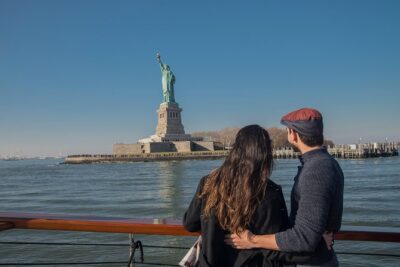

Around Manhattan Official NYC Architecture Cruise
Read our review →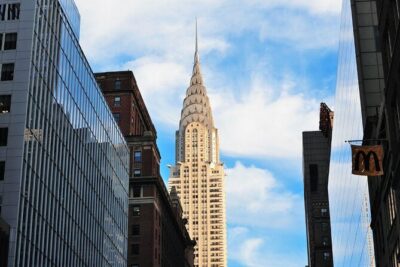
Art Deco and Architecture Midtown Landmarks Tour
Read our review →
New York City The Official Rockefeller Center Tour
Read our review →