

Review · USA
History and Architecture Walking Tour
Wilmington’s past is written across its streets, porches, churches, and old commercial buildings. This 90-minute walk connects the city’s Civil War story with the architectural styles that followed, including Greek Revival and Italianate homes. You’ll see Bellamy Mansion and Burgwin-Wright House and Gardens from the outside, while moving through residential and commercial districts.
I like two things here. First, the small group, limited to 10 people, gives the guide room to answer questions and adjust the pace. Second, the tour covers about a mile and a half, so you get a useful introduction to central Wilmington without giving up a whole morning. The main caution is sound: traffic and street noise can make the guide hard to hear at times, especially if the microphone is not used consistently.
Key points to know before you book
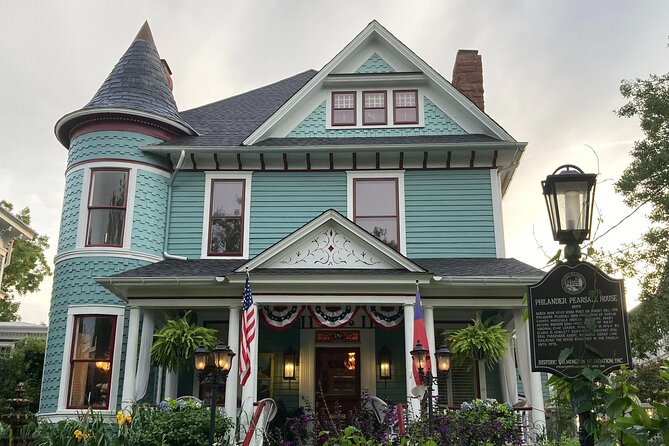
- See two of Wilmington’s best-known historic properties: Bellamy Mansion and Burgwin-Wright House and Gardens are part of the walk, but the tour does not include interior visits.
- Connect architecture with local events: The guide explains how Wilmington’s past, including its Civil War era, relates to the homes and public buildings along the route.
- Expect about 1.5 miles on foot: The pace is generally easy, with stops for discussion, but comfortable shoes are still essential.
- Small groups help the conversation: A maximum of 10 people makes it easier to ask questions and stay close to the guide.
- Amanda Leese leads the experience: Her style is described as clear, warm, funny, and enthusiastic, though guides and delivery can vary.
- Plan for the weather: Bring water, sunscreen, and shoes suited to pavement. Poor weather can lead to a new date or a full refund.
Why Wilmington’s buildings tell the story

This is not simply a stroll past pretty houses. The point is to read the city through its buildings. A Greek Revival doorway, an Italianate cornice, or a deep front porch can tell you when a structure was built, what style was fashionable, and how Wilmington’s fortunes changed over time.
That approach gives the tour more purpose than a list of dates. You are not only hearing that a house is old. You are learning to notice its columns, roofline, windows, proportions, and decorative details. The guide also places those features within Wilmington’s past, including the city’s Civil War connections and the families who shaped its neighborhoods.
I especially like this format if you are new to architecture. You do not need to know the difference between Greek Revival and Italianate before you arrive. The guide points out the clues, and once you see them on one building, you begin spotting them on the next.
The balance between architecture and history can vary with the guide. Amanda Leese is often described as especially strong at linking architectural change with Wilmington’s wider story. One guide may focus more heavily on buildings and design, while another may give more attention to events and local families. If your main interest is political or military history, make that clear early and ask questions as you walk.
More Walking Tours in the USA
- The Official Art Deco Walking Tour by The Miami Design Preservation League
★ 5.0 · 1,580 reviews - Chicago in a Day: Food, History & Architecture Walking Tour
★ 5.0 · 1,153 reviews - Miami South Beach Art Deco Walking Tour
★ 5.0 · 1,039 reviews
Starting at Front Street Inn
The tour begins at Front Street Inn, at 215 South Front Street. This location puts you in the historic downtown area from the start, rather than spending the opening part of the walk on a long transfer to the sights.
Arrive ready to walk. The tour returns to the meeting point at the end, so you do not need to arrange a ride from a separate finish location. A nearby coffee stop at Concorde Espresso Bar may be useful before the walk, especially if you want something warm or cold before setting out. That is a practical pre-tour choice, not part of the tour itself.
The group size matters at the beginning. With no more than 10 people, the guide can usually keep the opening talk personal and respond to individual interests. Still, stand close enough to hear. Traffic, passing vehicles, and general street noise are the most consistent weakness noted about this experience.
The residential streets and historic homes
The residential portion is where the tour’s architectural focus comes alive. Wilmington’s historic streets offer an eclectic mix rather than one tidy architectural theme. That variety lets you compare one building with the next and see how tastes changed over time.
Greek Revival details may include formal proportions, columns, and a strong, symmetrical front. Italianate buildings can have taller windows, brackets, and more decorative trim. The tour helps you look past the paint color and overall charm to the parts that identify each style.
You will also hear about the people connected with these homes and the families who helped shape the city. That personal layer keeps the walk from becoming a dry design lecture. A house becomes easier to remember when you know why it mattered, who lived there, or how it fit into Wilmington’s growth.
The route is not described as a difficult hike. The pace is slow, with frequent stops, and the total distance is about 1.5 miles. Even so, the pavement, heat, and sun can make the walk feel harder than the mileage suggests. Bring water, use sunscreen, and wear shoes you can comfortably walk in for at least 90 minutes.
Shade is not guaranteed at every point, but the guide may choose shaded places for talks when possible. Summer conditions deserve particular attention. One outing lasted closer to two hours, so leave some space in your schedule rather than booking a tight lunch or transport connection immediately afterward.
Bellamy Mansion from the street
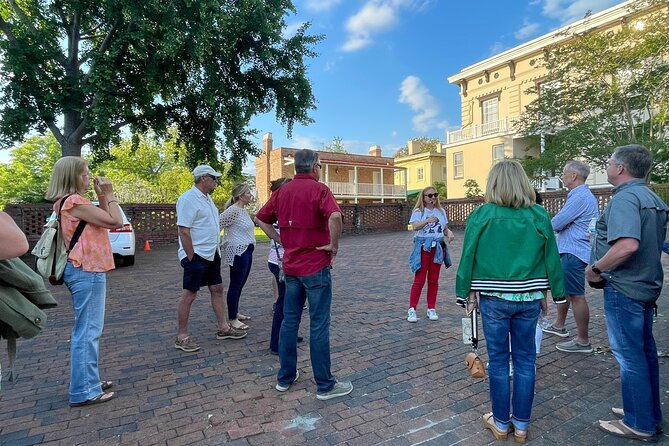
Bellamy Mansion is one of the tour’s major visual anchors. The building gives the guide a strong setting for discussing Wilmington’s architecture, local families, and the city’s changing fortunes.
The important limitation is that this experience does not include a home tour. You see the exterior and hear about its place in Wilmington’s story, but you are not buying admission to explore the rooms inside. If you want a detailed interior visit, you will need to arrange that separately.
That limitation is not necessarily a flaw. A walking tour has a wider purpose. Instead of spending a long period at one property, you see several districts and building types in a compact route. For a first look at Wilmington, that broader view may offer better value than a single-house visit.
Take your time at the exterior. Look at the scale of the building, its symmetry, its trim, and the way it fits into the surrounding streetscape. The guide’s explanation gives those details a reason to matter.
Same streets, read through a different style:
- Chicago Architecture River Cruise
★ 5.0 · 15,756 reviews - Chicago River 90-Minute Architecture Tour
★ 4.5 · 9,629 reviews - Chicago River: 1.5-Hour Guided Architecture Cruise
★ 4.8 · 8,046 reviews - Chicago Architecture Center River Cruise aboard First Lady
★ 5.0 · 5,536 reviews
Burgwin-Wright House and Gardens
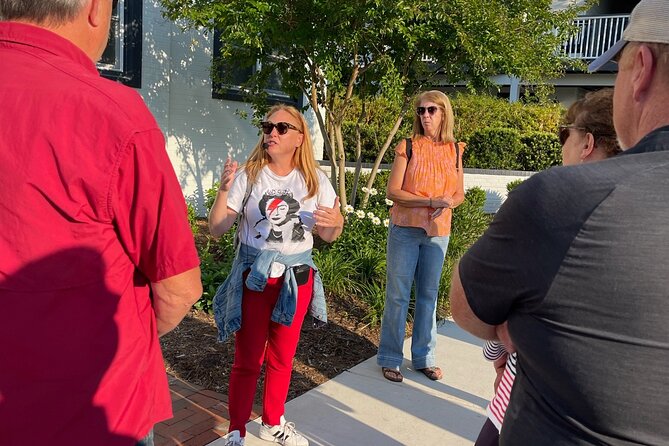
Burgwin-Wright House and Gardens adds another important stop. Like Bellamy Mansion, it is seen as part of the outdoor route, not as an interior tour.
The property helps show that Wilmington’s architectural story is not limited to one period or one type of grand residence. Its presence alongside other homes, churches, and commercial buildings gives you a chance to compare how different structures served different purposes.
This is where the tour’s mix of stops works well. You are not looking at isolated landmarks with no connection between them. You are moving through a working downtown and residential area, seeing how older buildings sit among ordinary streets and businesses.
If you are expecting every stop to involve entry, this tour will disappoint. If you are happy to study façades, gardens from the public approach, street plans, and exterior details while listening to a local account, the stop fits the tour well.
Commercial and church districts along the way
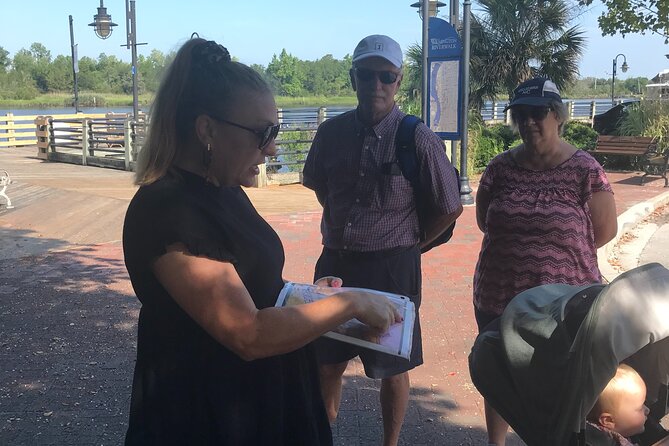
The route also passes through commercial and church districts. That variety is valuable because Wilmington’s character cannot be understood from large houses alone.
Commercial buildings show the practical side of the city. Their fronts, scale, and placement reflect businesses and daily movement, not just private display. Churches add another kind of civic presence and help widen the story beyond wealthy residences.
The walk through these areas also keeps the tour connected to present-day Wilmington. You are not transported into a sealed museum zone. You see historic buildings in the middle of a living city, with traffic and modern activity around them.
That has two sides. It makes the experience feel more real, but it can also create noise. If hearing every word is important to you, stay close to the guide and politely ask for repetition when needed. Some visitors have found the microphone difficult to hear, and one guide did not always use it.
How much history will you get?
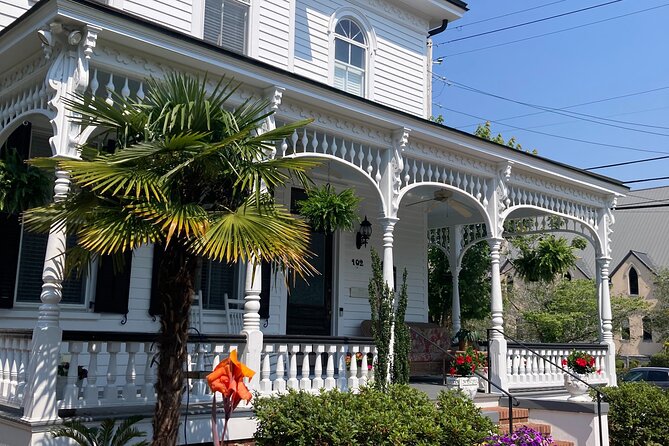
The title promises both history and architecture, and the mix depends partly on your guide. The strongest version of the tour links the two subjects well: Wilmington’s history explains why buildings look the way they do, and the buildings make the history easier to picture.
Amanda Leese receives particular praise for her clear delivery, enthusiasm, and ability to answer questions. Her talks may cover more than Wilmington alone, including the way coastal cities changed across several centuries. She also brings attention to preservation and the reasons architectural styles developed.
The experience is less suitable if you want a tightly scripted lecture devoted only to the Civil War. The Civil War is part of the tour, but the route also spends substantial time on architectural periods, historic homes, families, and city development.
You may also find some variation in pacing and presentation. Most accounts describe an easy, informative walk, but a few found the delivery less smooth or the energy too low. That is worth keeping in mind if you prefer a highly theatrical guide. This tour is at its best when you enjoy asking questions and examining details rather than expecting constant entertainment.
Value at $25 per person
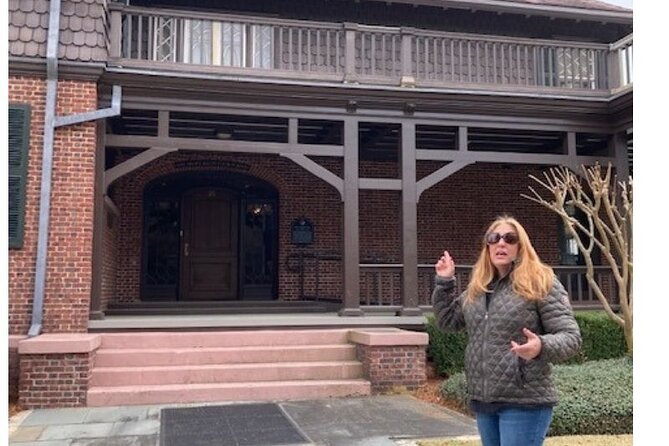
At $25 per person, this is a reasonable price for a small-group introduction to Wilmington. You get about 90 minutes with a local guide, a route through several historic districts, and context for two major properties plus a range of homes, churches, and commercial buildings.
The value is strongest if you are visiting Wilmington for the first time. A good walking tour helps you understand the city before you explore on your own. It also gives you a better eye for details that you might otherwise pass without noticing.
The value is less clear if you only want to enter historic houses. Admission to interiors is not included, so you should think of this as an outdoor orientation rather than a house museum experience.
A private tour would likely cost more, while a free self-guided walk would provide no guide to explain the buildings or answer questions. This experience sits between those choices: affordable, personal, and focused, but not designed for a full-day history program.
The 97 percent recommendation rate and 4.9 rating from 169 ratings point to a very strong overall response. Still, the lower ratings are useful because they identify the same practical issues more than once: sound, uneven delivery, and occasional emphasis on architecture over history. Those are not reasons to avoid the tour, but they are good reasons to set realistic expectations.
Who should take this walk?
I would choose this tour if you like:
- Historic homes and architectural details
- Short walking tours with regular stops
- Local stories tied to buildings and neighborhoods
- Small groups rather than large bus tours
- A first introduction to Wilmington
- A relaxed pace over a packed schedule
It also suits people who think they are not interested in history but enjoy seeing how a city developed. The buildings give you something concrete to look at, while the guide supplies the meaning behind them.
You may want a different experience if you need indoor attractions, guaranteed shade, or a strong focus on military history. It is also not ideal for anyone who cannot comfortably walk about 1.5 miles on city streets.
The tour is offered in English, and most people can participate. You should be able to walk the full route, manage ordinary street conditions, and stay on your feet for the duration.
Smart ways to prepare
Wear comfortable walking shoes. This is simple advice, but it matters more than dressing for photographs. Bring a bottle of water and sunscreen, especially in hot weather.
Arrive a little early at Front Street Inn. That gives you time to find the meeting point, use the nearby coffee option if you wish, and position yourself close to the guide. Staying near the front of the group can make a real difference when traffic noise rises.
If you have a strong interest in Civil War events, preservation, architecture, or a particular Wilmington family, mention it at the start. The group is small enough that your question may shape part of the conversation.
Allow extra time after the scheduled 90 minutes. Most tours may finish close to the stated duration, but one ran nearer to two hours, and a few extra minutes are useful for questions or a slow pace in hot weather.
Cancellation is free up to 24 hours before the start time for a full refund. Changes or cancellations inside that window are not accepted for a refund. The tour needs good weather, and if poor conditions cancel it, you can choose another date or receive a full refund.
Should you book it?
Book this walk if you want a compact, good-value introduction to Wilmington’s historic center, with architecture at the heart of the experience and local history woven through it. Amanda Leese is an especially appealing guide if you value clear explanations, warmth, and plenty of context.
Go in expecting exterior views, not access to house interiors. Also expect some street noise and a style that may be more conversational than theatrical. If you stay close, ask questions, and prepare for the weather, the tour gives you a useful way to see Wilmington’s homes and districts with sharper eyes.
FAQ
Where does the tour begin?
It begins at Front Street Inn, 215 South Front Street, Wilmington, North Carolina 28401.
Where does the tour end?
The activity ends back at the meeting point.
How long does the walking tour last?
The stated duration is approximately 1 hour and 30 minutes. You should allow extra time in case the walk runs longer.
How far do I need to walk?
You must be able to walk about 1.5 miles. Comfortable shoes are recommended.
Does the tour include entry to Bellamy Mansion or Burgwin-Wright House?
No. The tour passes these properties and discusses their architecture and history, but home interiors are not included.
How many people can join the tour?
The group has a maximum of 10 people.
What happens if bad weather cancels the tour?
You will be offered a different date or a full refund. You can also cancel up to 24 hours before the start time for a full refund.
More History Walks around the USA
- Charleston’s Best Highlights: History, Culture & Architecture
★ 5.0 · 422 reviews - Palm Springs Modernism Architecture & History Bike Tour
★ 5.0 · 359 reviews - Charleston: History and Architecture Guided Walking Tour
★ 4.8 · 349 reviews - Historic Georgetown: History, Gossip, & Architecture Walking Tour
★ 5.0 · 321 reviews
New to the itinerary around the USA
- Washington, DC: Georgetown Architecture Walking Tour★ 5.0 · 8 reviews
- Wilmington History and Architecture Tour★ 4.8 · 18 reviews
- Washington DC: Dupont Circle & Embassy Row Architecture Tour★ 5.0 · 6 reviews
- New Orleans : Garden District Architecture Walking tour★ 4.8 · 5 reviews
- Private Colonial Williamsburg Architectural Tour★ 5.0 · 5 reviews
- Tulsa: Art Deco Walking Tour of Tulsa★ 5.0 · 8 reviews
- Castle to Capitol: Museums of the National Mall Architecture Tour★ 4.5 · 9 reviews
- Monuments and Memorials Architectural Walking Tour★ 5.0 · 17 reviews
USA Architecture Tours, compared.

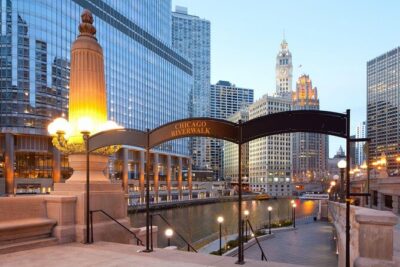

Chicago River: 1.5-Hour Guided Architecture Cruise
Read our review →
Chicago Architecture Center River Cruise aboard First Lady
Read our review →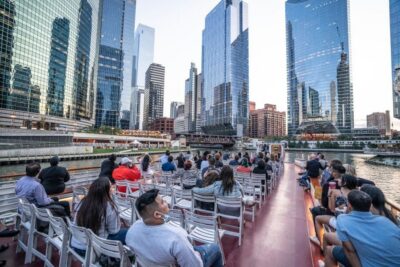
Architecture River Cruise Skip-the-Ticket Line
Read our review →
Chicago River 45-Minute Architecture Tour from Magnificent Mile
Read our review →
45-Minute Family-Friendly Architecture River Cruise
Read our review →Other lists with this tour