
Review · PARIS
Bastille’s Architecture & Artisans Self-Guided Walking Tour
Bastille’s old artisan quarter gives you a different way to read Paris. This self-guided walk links the Revolution, furniture makers, covered passages, fountains, a small garden, local food stalls, and the Coulée Verte. The audio, recorded by local historian Juan, adds context while you move at your own pace.
I like the freedom to stop and explore, rather than keeping step with a guide. I also like the low price, $17.88 per person, for a route that covers several parts of eastern Paris and works from morning until late evening.
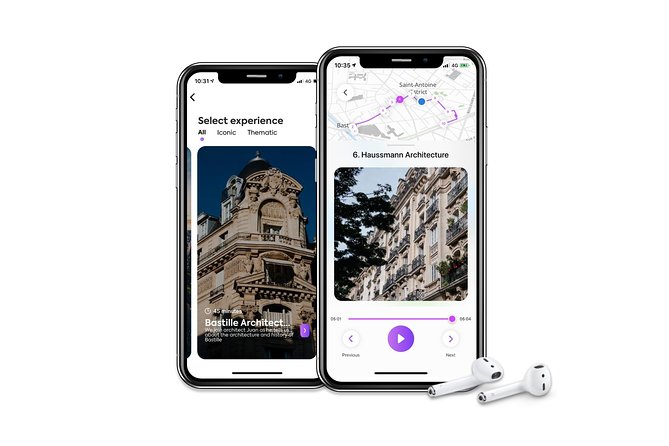
The main catch is simple: this is an app-based tour, not a person waiting at the square. A past booking went wrong when the starting point and download links were unclear, so you should install the Vidi Guides app, enter your code, and load the tour before reaching Place de la Bastille.
Key points to know before you go
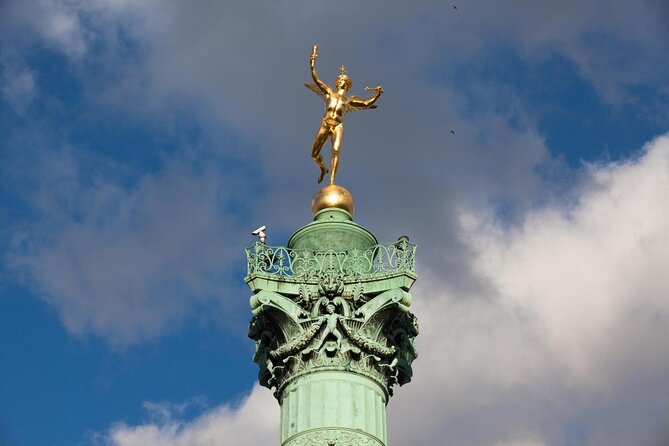
- Start at Place de la Bastille: The walk begins at the symbolic center of the French Revolution and ends at Coulée Verte René-Dumont.
- Follow Juan’s local history: The English audio explains how artisans, workshops, and neighborhood life shaped Bastille.
- Allow 45 minutes to one hour: The listed stops are short, but you can pause longer at the market, gardens, or side streets.
- Bring your own setup: You need a mobile device and earphones. Offline downloads help if your connection is weak.
- Expect a flexible route: GPS guidance helps you move between stops, though you still need to check that the tour has loaded correctly.
- Best for independent walkers: This suits you if you like history in small pieces and do not need a live guide.
Why Bastille makes a good walking-tour subject
Place de la Bastille is more than a large Paris intersection. It marks the site of the prison stormed in 1789, an event that helped ignite the French Revolution. Starting here gives the audio tour a clear point of reference before it leads you into streets shaped by work, trade, and neighborhood life.
I like this opening because it connects a famous national event with the less famous streets nearby. You do not spend the whole walk looking at monuments. Instead, you hear how the district’s artisans and workshops helped create the social pressure behind the Revolution.
The route is also compact. Its seven stops fit into roughly 45 minutes to an hour, though the timing depends on how long you linger. The listed stop times add up to about 40 minutes, so the extra time allows for walking between points, checking the map, and making a pause of your own.
The tour is available every day from 7:00 AM to 10:00 PM during the stated operating period, which runs through July 12, 2026. That broad window is useful in Paris, where you may want a short walk before breakfast, after lunch, or as a lead-in to an evening meal.
More Self-Guided Audio Tours in France:
- Gaudi and La Sagrada Familia Exterior Self-Guided Audio Tour
★ 3.5 · 25 reviews - Self-Guided Tour of Ísafjörður: Art, History, and Architecture
★ 5.0 · 23 reviews - Palau Guell by Gaudi with Audio Guide in Barcelona
★ 4.5 · 13 reviews
Place de la Bastille sets the historical frame
At the first stop, the audio introduces the place where the French Revolution began. You receive about five minutes of commentary, with no admission fee and no need to enter a museum or monument.
This is a good opening for a short walk because the square gives you the political backdrop for everything that follows. The next stops are not just a parade of old buildings. They show how work and daily life shaped this part of Paris.
I would give yourself a moment to get oriented before pressing play. The starting point is listed as Place de la Bastille, but a self-guided tour does not provide the same visual handoff as a guide holding a sign. The GPS map should help, but it is wise to confirm that the app recognizes your location before leaving the square.
Rue du Faubourg Saint-Antoine reveals the artisan roots
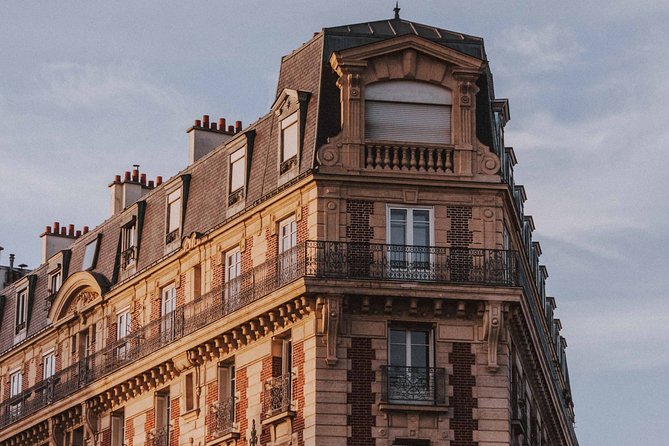
The second stop moves onto Rue du Faubourg Saint-Antoine, where the focus turns to the area’s artisans. The audio explains how workshops and trades helped shape the neighborhood and contributed to the conditions that inspired the French Revolution.
This is one of the route’s strongest ideas. You hear about Bastille as a working district, not only as a place connected to a textbook event. The five-minute stop is brief, but it gives you a reason to look closely at the street as you walk.
The tour does not promise entry into workshops or private spaces. You are listening outdoors and reading the street through historical context. That makes the experience affordable, but it also means the quality of your visit depends on your attention. Look up from the phone, notice the building fronts, and let the audio explain what is easy to miss.
Passage du Chantier puts architecture in focus
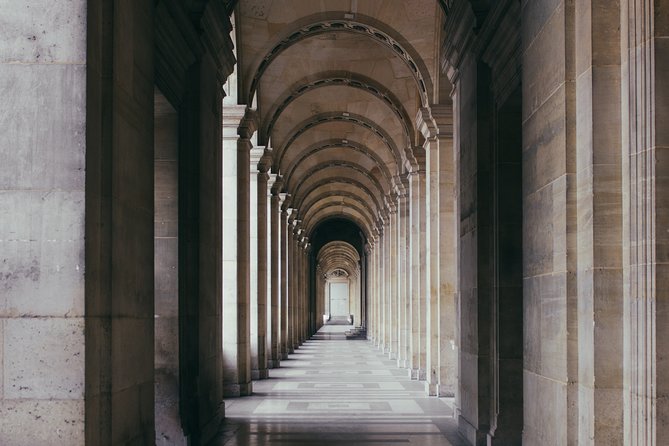
At Passage du Chantier, Juan discusses the older architectural style of the Faubourg Saint-Antoine and explains why it matters. The stop lasts about five minutes and is free to visit.
Passages can reward a slower pace. They often feel more intimate than a broad boulevard, and here the point is to look at how the neighborhood’s buildings reflect its working past. The audio gives you a reason to examine details instead of simply passing through on the way to the next famous sight.
This is also where the self-guided format makes sense. You can pause the recording, look around, and replay a section without holding up a group. If you are the kind of person who likes to take photos or compare old and new details, that control is useful.
The limit is that the tour offers interpretation through your phone rather than a live exchange. You cannot ask Juan a question or request a longer explanation on the spot. For some people, that is a fair trade for the price and flexibility. For others, a live guide would add more warmth.
More Walking Tours in France:
- Strasbourg : Neustadt Architecture Walking Tour
★ 5.0 · 14 reviews - Neoclassical Paris Architecture 2-Hour Private Walking Tour
★ 5.0 · 7 reviews - The Official Art Deco Walking Tour by The Miami Design Preservation League
★ 5.0 · 1,580 reviews - Lecce: Baroque Architecture and Underground Walking Tour
★ 4.6 · 1,248 reviews
Fontaine de Charonne blends old and present-day Paris
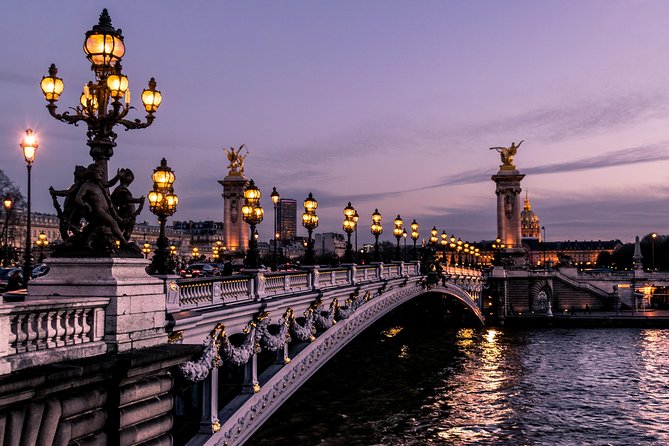
The fourth stop is Fontaine de Charonne, where the audio points out how an older fountain has been preserved within the modern neighborhood. The stop takes about five minutes.
This is a small-scale sight, which is part of its appeal. You are not being sent only to headline attractions. Instead, the walk directs your attention to a piece of public architecture that you might otherwise pass without understanding.
I like the way this stop breaks up the historical material. After hearing about revolution and artisans, you get a closer look at the physical details that remain. The fountain becomes a bridge between the area’s past and the Paris you see now.
Do not expect a long visit here. The supplied timing is short, and the value comes from the explanation rather than from a large site with many rooms or displays. Think of it as a focused pause along a neighborhood walk.
Square Trousseau offers a quiet change of pace
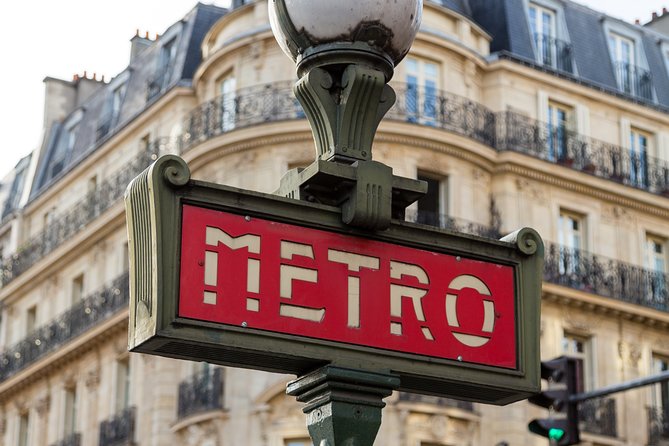
The fifth stop brings you to Square Trousseau, described as a green oasis with its own local story. Juan explains the square’s history during another five-minute section.
This pause matters because a walking route needs rhythm. Bastille can feel busy and urban, so a small garden gives you a place to slow down while the audio shifts from streets and workshops to public space and neighborhood life.
You can use this stop as a natural break. Pause the tour if you want to sit, take photos, or simply listen without moving. The walk is not a race, and the ability to choose your own pace is one of its best features.
The description does not promise special access, a guided garden visit, or a long rest period. You are visiting a public square as part of the route. Still, it adds variety and keeps the experience from becoming seven straight history lectures on busy streets.
The market stop adds food and everyday Paris
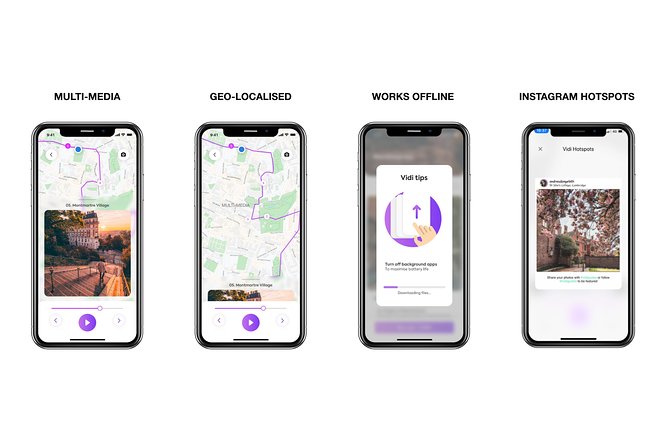
The sixth stop is the longest, at about 10 minutes, and takes you toward the Bastille market area, including Marché d’Aligre and Marché Beauvau. Here the focus shifts to brocantes, local food, and the atmosphere Juan considers worth experiencing.
This is likely the most sensory part of the walk. The earlier stops ask you to think about political history and architecture. The market asks you to notice what people buy, eat, and browse today.
The mention of brocantes is useful for shoppers who enjoy old objects and flea-market finds more than polished retail streets. You can also use the stop to sample local food, though food purchases are not included in the tour price.
Timing matters here. The stated tour hours run from 7:00 AM to 10:00 PM, but the route information does not guarantee that every market stall will be operating throughout that full window. If the market is a priority, plan this section with care rather than assuming the same experience at every hour.
Because this is a self-guided walk, you can pause the audio while you browse. That is better than trying to listen while making a purchase or inspecting a stall. The market is also a good place to end the historical portion of the route before the final greenway section.
Coulée Verte René-Dumont closes with a poetic note
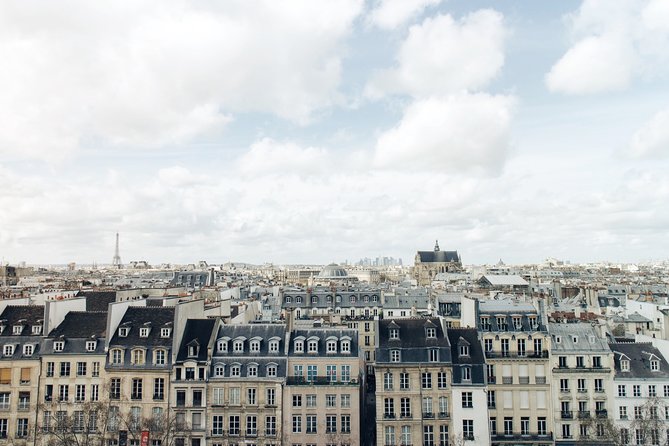
The final stop is at Coulée Verte René-Dumont, where the audio recounts the site’s past and its present-day character. The route ends at 1 Coulée Verte René-Dumont, 75012 Paris.
This ending gives the walk a clear finish instead of dropping you at an ordinary intersection. The Coulée Verte is a fitting last stop because it carries the story forward. The tour begins with revolution and old trades, then ends with a public space shaped by later changes in the city.
The five-minute closing section is short, but the location may tempt you to continue walking on your own. The tour itself does not include a longer guided visit or an onward route. You simply finish the audio at the stated endpoint and decide what to do next.
For me, that is a strength. A good self-guided walk should leave you with room to keep exploring rather than locking you into another scheduled activity.
What $17.88 buys you
At $17.88 per person, this is priced below many live walking tours, but the comparison needs care. You are paying for recorded interpretation, GPS guidance, offline access, and the freedom to choose your start time. You are not paying for a person to meet you, answer questions, or manage the route in real time.
That makes the value strongest for two people or a small group who already like walking independently. You can move at your own speed, stop for photos, pause at the market, and replay the sections that interest you.
The audio is offered in English, and the experience has a stated maximum of 10 participants. Since it is self-guided, the group limit may matter less than it would on a conventional walking tour, but you should still expect the booking to be structured for a small group rather than an unlimited public crowd.
The price is less attractive if you mainly want a live conversation or a tightly led route. It is also not an all-inclusive outing. Earphones and the mobile device are not provided, and admission to any other attraction or food purchased at the market is not included.
How to avoid the tour’s main technical problem
The most important practical step is to prepare before you arrive. Confirmation is sent at booking, and the tour uses a unique code to download the experience in the Vidi Guides app.
One booking failed because the participant could not work out where the walk began. Another problem involved download links arriving only after the customer contacted the provider. The provider says the automatic email includes the code, but I would not leave this until the last minute.
Before heading to the square, you should:
- Check your confirmation email for the Vidi Guides code.
- Download the app and the tour in advance.
- Use the offline mode so the audio is available without WiFi.
- Bring charged phones and your own earphones.
- Open the GPS map and confirm the starting point at Place de la Bastille.
These steps take only a few minutes and remove the biggest risk with an app-based walk. If the download does not arrive, contact Vidi Guides before the scheduled start, not after you have already left the area.
The tour allows service animals, is near public transportation, and is described as suitable for most participants. You should still remember that this is a walking route through city streets, with outdoor stops and no live guide to adjust the pace.
Who will enjoy this Bastille walk most
I would choose this for an independent visitor who wants history without spending half a day indoors. It works especially well if you like short audio sections, neighborhood details, old architecture, markets, and the freedom to stop whenever something catches your eye.
It also suits repeat visitors to Paris. If you have already seen the major sights, this route gives you a reason to spend time east of the most visited central areas. The focus on artisans, passages, fountains, squares, and markets feels more local than a standard monument checklist.
Families and mixed-age groups may appreciate the control over timing. You can pause the narration, shorten a stop, or take a break at Square Trousseau. Couples can also treat the route as a loose neighborhood outing rather than a formal tour.
I would be cautious if you are uncomfortable with smartphone navigation or expect a guide to meet you at a precise place. The $17.88 price reflects the fact that you provide the technology and solve the basic orientation yourself.
Free cancellation is available if you cancel at least 24 hours before the experience start time. Changes or cancellations inside that window are not accepted for a refund.
Should you book it?
Book this Bastille walk if you want an affordable, flexible introduction to the district and are willing to prepare the app before you arrive. Its best qualities are the local-history focus, the mix of political and everyday subjects, and the freedom to pause at the market, garden, or architectural stops.
Skip it if you need a live guide, personal questions answered, or a fully managed start. The tour can offer real value, but only after the download and starting point are sorted out. For an independent walker with a charged phone and earphones, it is a practical way to connect Bastille’s revolutionary past with the streets and public spaces of today.
FAQ
Where does the Bastille walking tour start?
The tour starts at Place de la Bastille, Pl. de la Bastille, Paris, France.
Where does the tour finish?
It finishes at 1 Coulée Verte René-Dumont, 75012 Paris, France.
How long does the tour take?
The expected duration is about 45 minutes to one hour. The seven stops have listed audio times ranging from five to 10 minutes, with additional time needed to walk between them.
Is the tour guided in person?
No. It is a self-guided English audio tour. The recording is provided by a local or historian, and Juan explains several parts of the route.
What do I need to bring?
You need your own mobile device and earphones. You should download the Vidi Guides tour in advance so you can use its offline mode without WiFi.
Can I cancel for a refund?
Yes. You can receive a full refund if you cancel at least 24 hours before the experience start time. Cancellations or changes made less than 24 hours before the start time are not refunded.
New to the itinerary around France
- Architectural Strasbourg: Private Tour with a Local Expert★ 5.0 · 2 reviews
- Architectural Paris: Private Tour with a Local Expert★ 5.0 · 2 reviews
- Architectural Bourgeois Paris 19th Century★ 4.0 · 4 reviews
- Discovery Tour of Château Haut Breton Larigaudière★ 5.0 · 2 reviews
- Strasbourg : Neustadt Architecture Walking Tour★ 5.0 · 14 reviews
- Marseille Belvedere: The city through architecture★ 5.0 · 3 reviews
- Contemporary Architecture in Bordeaux city center!★ 5.0 · 2 reviews
- Neoclassical Paris Architecture 2-Hour Private Walking Tour★ 5.0 · 7 reviews
Self-Guided Audio Tours, compared.
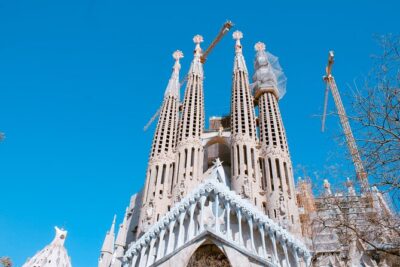
Gaudi and La Sagrada Familia Exterior Self-Guided Audio Tour
Read our review →
Self-Guided Tour of Ísafjörður: Art, History, and Architecture
Read our review →
Palau Guell by Gaudi with Audio Guide in Barcelona
Read our review →
Self-Guided Audio Tour-The Surrealist Barcelona of Dalí and Gaudí
Read our review →

Riga’s Architecture: A self-guided audio tour of the city’s art nouveau history
Read our review →
Woodlawn Cemetery: A Self-Guided Audio Tour of Gilded Age Art and Architecture
Read our review →
Philadelphia Architecture: Discover Every American Style on a GPS Audio Tour
Read our review →Other lists with this tour