
Review · NEW YORK CITY
Chelsea Galleries and High Line; Art, Architecture and History
The best thing about this tour is the way it links Chelsea’s galleries with the High Line instead of treating them as separate sights. You walk from the southern end toward West 30th Street, stopping for public art, modern buildings, and the story of how an abandoned freight railway became a public park.
I like the chance to visit two selected exhibitions with an art educator who can explain what you are seeing. I also like the private format, since you can ask direct questions and shape the conversation around your interests. The main caution is crowd control: the High Line can be narrow, and a large group may have trouble hearing or keeping out of the way on busy days.
Key points to know before booking
- Two gallery visits are included: The tour enters two Chelsea exhibitions beneath the High Line, with the exact choices tied to what is showing.
- The walk runs south to north: You begin at 812 Washington Street and finish near 10th Avenue and West 30th Street.
- Art comes from a working artist’s point of view: Guides such as Maya, Shahar, and Daniel explain artists, materials, ideas, and work processes.
- The High Line story is part of the tour: You hear how two young men fought demolition plans in the early 2000s and pushed for a public park.
- The final view faces 10th Avenue: The tour ends at a High Line viewpoint with a major sculptural project and a broad city outlook.
- It is a two-hour private experience: The tour is offered in English, runs Tuesday through Saturday from 10:00 a.m. to 5:00 p.m., and requires good weather.
Why this Chelsea walk works so well
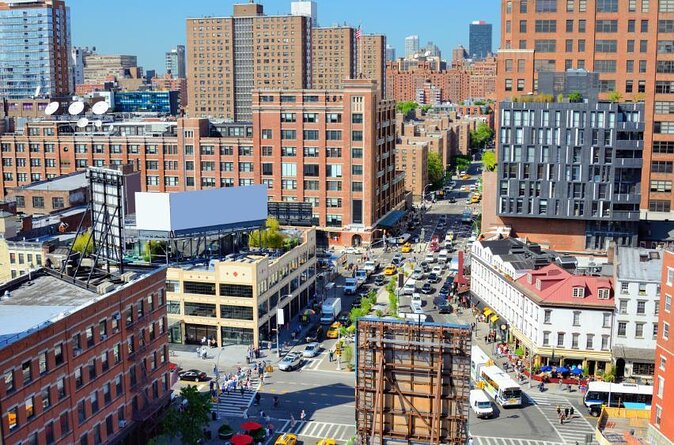
Chelsea is one of New York’s best places to see how art, real estate, public space, and city history collide. The galleries sit in the former industrial district below the High Line, while new towers rise around the old rail route. This tour gives you a way to read all of those layers together.
You are not simply walking on the High Line and then popping into a gallery. The guide connects the art on the promenade with the exhibitions indoors, then adds the architectural and political story that makes the area more meaningful.
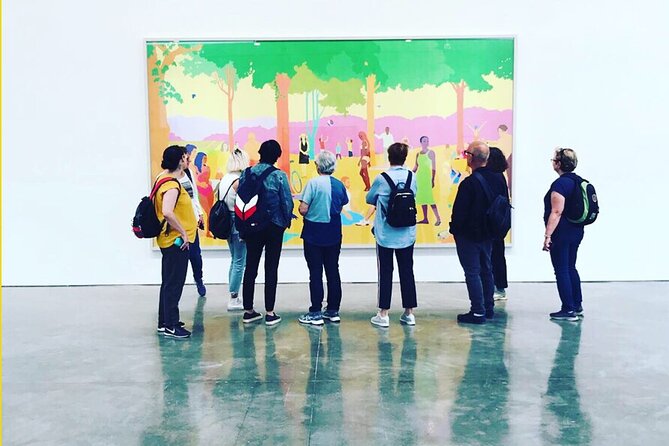
The art focus is also more specific than a standard sightseeing walk. You stop to look at works along the route, discuss the artists, and consider how the pieces were made. At the galleries, you get time with two exhibitions rather than a quick glance through a large museum.
Past participants have especially praised Maya’s gallery choices and her explanations of different artistic ideas. Daniel has also received warm comments for his gallery selections and for offering useful New York suggestions during the walk. Shahar is noted for explaining all sides of the tour, including art, buildings, and local history.
More Museum Visits around New York City:
- Barcelona: Park Güell and Gaudí House Museum Entry Ticket
★ 4.5 · 6,326 reviews - Private Edo-Tokyo Open Air Architectural Museum Tour
★ 4.8 · 15 reviews - Castle to Capitol: Museums of the National Mall Architecture Tour
★ 4.5 · 9 reviews
Starting at 812 Washington Street
The meeting point is 812 Washington Street, New York, New York 10014. It is near the southern end of the High Line, and the walk proceeds north from there.
This starting point matters because you begin in the lower Chelsea and Meatpacking District area, where the old industrial character of the neighborhood meets newer shops, restaurants, and apartment buildings. The tour then follows the elevated route toward the newer architecture around Hudson Yards.
Bring comfortable shoes. The distance is manageable within roughly two hours, but the experience includes standing, walking, pausing for explanations, and entering galleries. You will get more from the art discussion if you are not rushing to keep up.
The tour is offered in English. Since it is private for your group, you can ask about a particular medium, artist, building, or movement without waiting for a large public group to move on.
Public art on the High Line
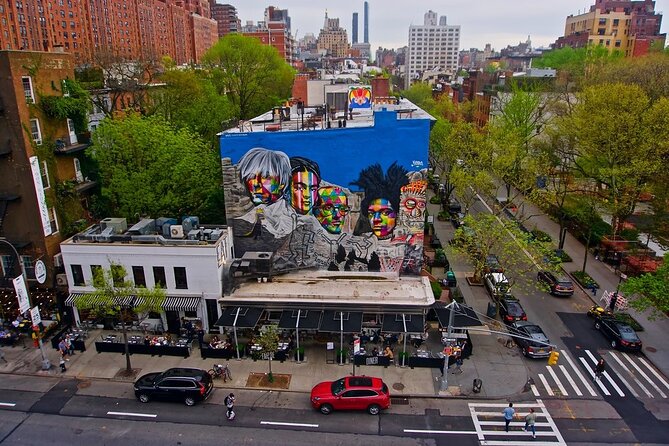
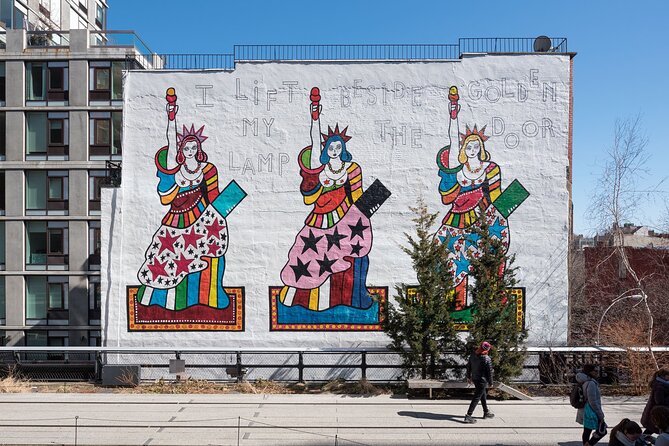
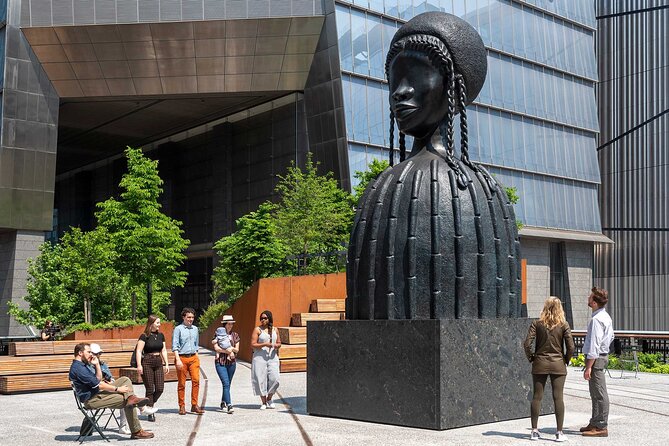
The High Line section is not just a stroll with a few photo stops. The guide points out selected pieces and explains the artists and their working methods.
That context can change how you look at public art. A sculpture on the High Line is experienced from several angles, with buildings, sky, plants, and passing pedestrians around it. The guide can help you consider why a work was placed there, how its scale affects the promenade, and what choices went into making it.
The route is also useful for photographers. The raised path gives you unusual angles toward Chelsea streets and modern buildings, while the art provides clear subjects for photos. Still, be considerate with your camera and position. The High Line is a public walkway, not a private gallery, and stopping in its narrowest areas can obstruct other people.
The tour operator says this High Line portion is only a small part of the overall experience, around six to eight minutes of the main tour according to its response to one unhappy participant. That means you should not book this expecting a long, slow botanical walk. The real focus is the combination of art discussion and gallery visits.
How an abandoned railway became a public park
The High Line’s history gives the tour a useful backbone. The elevated railway was once used to move freight through Manhattan. After it was abandoned, demolition became a serious possibility.
In the early 2000s, two young men began a public campaign to save the structure. Their proposal was not simply to preserve an old railway as a monument. They argued that it could become a public park.
That civic fight helps explain why the High Line feels different from a planned plaza or ordinary city park. It was built around an existing piece of infrastructure, and its design responds to the old rail line rather than erasing it.
The guide explains this story while you are on or near the structure, which makes the history easier to picture. You can look at the path under your feet and understand that the route once served freight trains, not joggers, art installations, and photo stops.
More History Walks around New York City:
- Tribeca Architecture And History Walking Tour
★ 5.0 · 141 reviews - New York City: Flatiron Food, History, and Architecture Tour
★ 4.8 · 43 reviews - TriBeCa Architecture & History Walking Tour
★ 5.0 · 37 reviews - The Story Behind NY’s Evolving Skyline An Architectural Journey Through History
★ 5.0 · 18 reviews
Architecture above and below the tracks
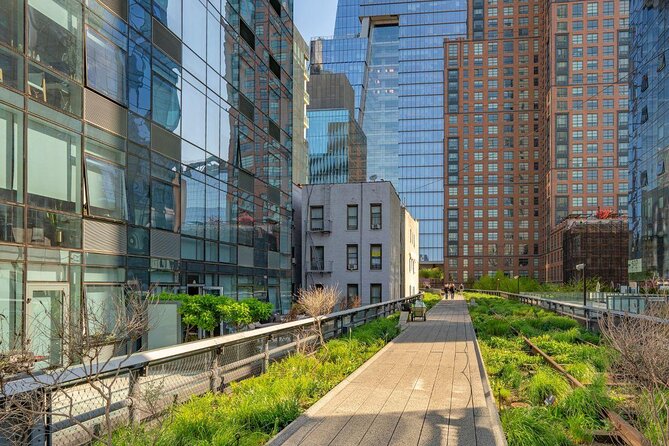
The High Line has become one of the clearest places in New York to see contemporary architecture close up. From the elevated path, you look toward buildings that use the district’s industrial past as a reference while also pushing new forms and materials.
Your guide points out buildings described as leading examples of present-day design. The value here is not just learning an architect’s name. You hear how the structures relate to the High Line, the street grid, the views, and the surrounding public space.
The park itself is also part of the architecture discussion. Its route, planting design, seating areas, sight lines, and transitions between old rail elements and new construction were all carefully planned. The guide explains how the High Line’s design works rather than treating it as a simple elevated path.
This section may appeal even if you do not normally seek out architecture. You do not need a technical background to notice how buildings frame the route or how the park changes your view of Chelsea. The guide’s job is to make those choices visible.
Two Chelsea exhibitions beneath the High Line
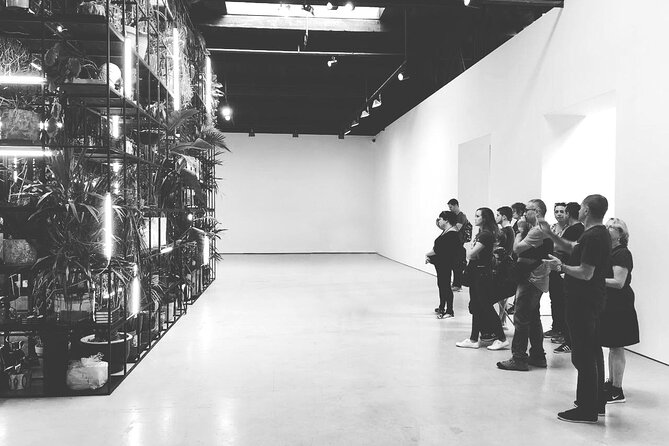
The gallery visits are the heart of the experience for anyone who wants more than city views. Chelsea’s galleries occupy spaces beneath and around the High Line, so you move from outdoor public art into indoor exhibitions without a long transfer.
The tour visits two selected shows. Since gallery programs change, the exact exhibitions are not specified in advance. That is both a strength and a limitation. The selection can reflect what is currently on view, but you cannot book this expecting one named artist or a permanent collection.
The best use of this time is to ask questions. You can discuss an artist’s process, the ideas behind a piece, the materials used, or why one work feels different from another. The guides are professional art educators from top art schools, and the experience is designed around conversation rather than a fixed lecture.
Maya has been praised for choosing exhibitions with varied types of work and for explaining difficult concepts in a clear way. Daniel has also been praised for thoughtful gallery choices and useful comments about the broader New York art scene.
One practical point: gallery acoustics can be difficult. A large group may not hear every word, especially in a room with other visitors. The tour’s private format helps, but if your booking is large, ask the guide to gather everyone before an explanation begins. One past participant specifically felt that a group of 20 would have benefited from a headphone system.
The final stop at 10th Avenue and West 30th Street
The walk ends at 10th Avenue and West 30th Street, next to the entrance to Mercado Little Spain. The final viewpoint looks over 10th Avenue and features one of the High Line’s most impressive sculptural projects.
This is a strong ending because it brings together the tour’s main subjects. You have seen public art outdoors, discussed gallery work indoors, looked at new buildings, and heard how the High Line survived demolition plans. The final view gives you a chance to take photos and consider the whole district from above.
The end point is also practical. Since the tour finishes in the Hudson Yards area, you can continue exploring nearby or use public transportation. The activity does not return you to Washington Street, so plan your next stop from the northern end rather than assuming you will finish where you began.
What the private format really adds
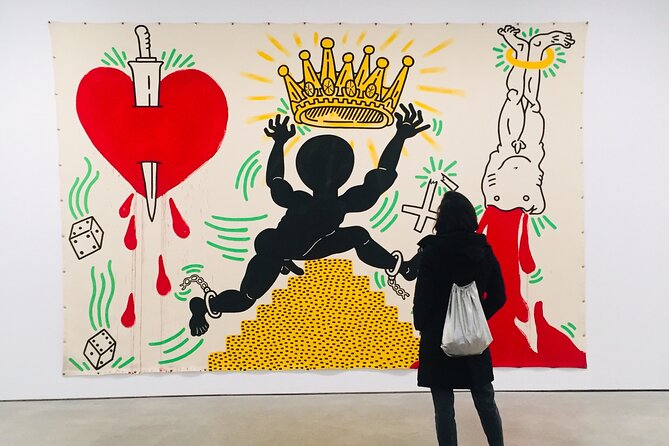
The private setup is more than a marketing label. It means only your group participates, and the guide can adjust the conversation to your questions.
That is particularly useful for a subject like contemporary art, where one person may want to discuss technique while another cares more about politics, history, or urban design. You can ask for clarification without worrying that you are holding up a large public group.
The experience has also worked well for different ages. One booking was arranged for parents visiting New York, and the guide was praised for making the information accessible while covering art, buildings, and history.
There is one important qualification. Private does not always mean tiny. The critical account involving a group of 20 shows that a private booking can still be large enough to create problems on a narrow public walkway. If your group is big, listen for the meeting points and keep the High Line pauses short.
Guide style and the value of the commentary
The strongest part of this experience is the guide’s interpretation. Maya is repeatedly praised for her art knowledge, pleasant manner, and ability to create a setting where questions feel welcome. Daniel is noted for insightful explanations and New York recommendations. Shahar is described as delightful and strong across the tour’s different subjects.
The tone appears to be relaxed rather than formal. You are not expected to know art history before arriving, and the guide can explain an unfamiliar work without making you feel foolish for asking.
You should also keep your expectations realistic. The guides may use a phone or tablet to show supporting images when useful, but the main focus is the art and buildings in front of you. One participant was unhappy when a guide could not locate an iPad and used a phone instead. If visual reference material is important to you, ask about it at the start.
Timing, weather, and cancellation details
The experience lasts about two hours and operates Tuesday through Saturday between 10:00 a.m. and 5:00 p.m. The listed date range runs from October 29, 2021, through December 7, 2026, though you should confirm the available time when booking.
The tour requires good weather because part of it takes place outdoors. If poor weather forces a cancellation, you are offered another date or a full refund. A minimum number of participants is also required, and if that condition is not met, you are offered another experience, another date, or a full refund.
Free cancellation is available up to 24 hours before the scheduled start time. Cancellations made less than 24 hours ahead are not refunded, and changes inside that period are not accepted.
Service animals are allowed, and the activity is near public transportation. The information provided says most people can participate, but you should be comfortable with walking and standing on the route.
Is the price fair?
One past booking refers to a price of $50 per person. The current price is not provided here, so check the live rate before deciding.
At that level, the value depends on how much you want interpretation. If you only want to walk the High Line, you can do that without a guide. If you want two gallery visits, a private art conversation, public art analysis, architectural context, and the history of the railway’s rescue, the package offers more than a basic sightseeing stroll.
The price is harder to justify if your main goal is a long walk through the park or if you already know Chelsea’s galleries well. The High Line portion is relatively brief, and the exhibitions are selected based on what is showing rather than promised by name.
I would see this as an art education experience with a city walk attached, not a standard High Line tour with a few gallery stops.
Who should book this experience
I would recommend it to first-time New York visitors who want a clear introduction to Chelsea’s art district. It also suits returning visitors who have walked the High Line before but never understood the gallery scene beneath it.
Art students, architecture fans, photographers, and curious families should find plenty to discuss. The private format is especially helpful if your group has mixed interests or if you want to ask many questions.
I would be more cautious if you dislike contemporary art, need a fully indoor activity, or want a quiet walk with no scheduled discussion. I would also think twice about booking a very large group unless you are prepared to keep everyone together and speak up when the surroundings are noisy.
Should you book the Chelsea Galleries and High Line tour?
Book it if you want to understand Chelsea through its art, buildings, and public history rather than simply check the High Line off your list. The strongest reasons are the two gallery visits, the chance to talk directly with an artist guide, and the clear connection between the old railway and today’s public space.
Skip it if you only want scenic photos or a longer High Line stroll. For the right audience, especially a small private group interested in art, this is a focused and useful way to spend two hours in Chelsea.
FAQ
Where does the tour begin?
It begins at 812 Washington Street, New York, NY 10014, near the southern end of the High Line.
Where does the tour finish?
It finishes at 10th Avenue and West 30th Street, next to the entrance to Mercado Little Spain.
How long does the experience last?
The tour lasts approximately two hours.
What language is the tour offered in?
The tour is offered in English.
Is this a private tour?
Yes. Only your group participates in the private activity.
Does the tour include gallery visits?
Yes. The tour includes visits to two selected art exhibitions in the Chelsea gallery district beneath the High Line.
Will the guide discuss architecture?
Yes. The guide points out contemporary buildings and explains the High Line’s design, including its route and planting design.
Does the tour operate every day?
No. It is offered Tuesday through Saturday, with operating hours listed from 10:00 a.m. to 5:00 p.m.
Is the tour accessible by public transportation?
The experience is near public transportation.
What happens if the weather is poor?
If the tour is canceled because of poor weather, you are offered a different date or a full refund.
New to the itinerary around New York City
- Race to the Sky: NYC Architecture Tour With SUMMIT One Ticket★ 5.0 · 3 reviews
- Private Flatiron Food, History and Architecture Tour★ 5.0 · 8 reviews
- New York Upper West Side Art and Architecture Tour★ 5.0 · 4 reviews
- New York Soho and the Village Art and Architecture Tour★ 5.0 · 4 reviews
- Chelsea and the High Line NYC Architecture Walking Tour★ 5.0 · 6 reviews
- New York Midtown South Art and Architecture Tour★ 5.0 · 2 reviews
- New York Upper East Side Art and Architecture Tour★ 5.0 · 3 reviews
- Custom Private New York Architecture, Art and City Tour★ 5.0 · 3 reviews
New York City Architecture Tours, compared.
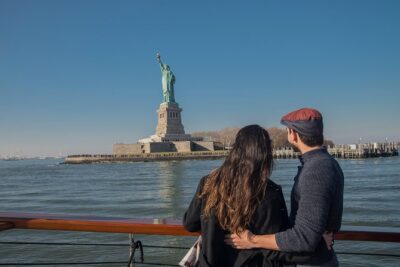

Around Manhattan Official NYC Architecture Cruise
Read our review →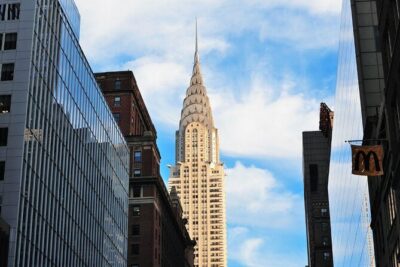
Art Deco and Architecture Midtown Landmarks Tour
Read our review →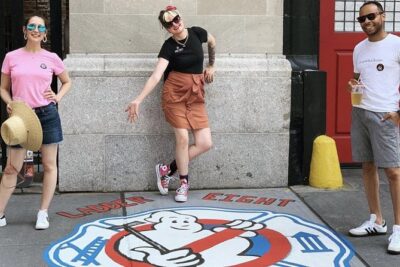
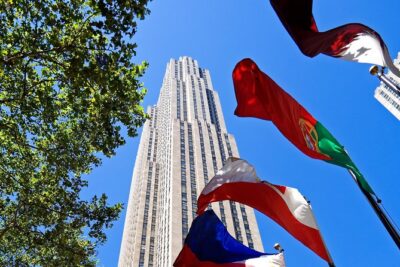
New York City The Official Rockefeller Center Tour
Read our review →

Midtown Manhattan Art and Architecture Walking Tour
Read our review →Other lists with this tour