Review · NEW YORK CITY
Custom Private New York Architecture, Art and City Tour
New York makes more sense when you look up. This private tour puts the city’s buildings at the center, from colonial-era streets and tenements to SANAA’s New Museum, the High Line, Hudson Yards, and Midtown’s skyscraper canyon. Dr. Ivan Shumkov, an architect and academic guide, leads the walk with close attention to how each neighborhood changed.
I like the custom route, since you can focus on one district instead of racing across Manhattan. I also like the professional headsets, a small but useful touch when street noise is loud. The main drawback is simple: this is a serious walking tour, and the $299 per-person price can feel high unless you value expert architectural context and a private experience.
Key points to know before booking
- Dr. Ivan Shumkov leads the tour, bringing an architect’s eye to New York’s buildings, streets, and public spaces.
- You choose the area and length, with options ranging from about 2 to 8 hours.
- Four major routes are available: the Financial District, East Village, Chelsea, and Midtown.
- The focus is on architecture and urban change, not just quick photo stops at famous landmarks.
- Private means only your group participates, with no strangers added to your walk.
- Bring a camera or sketchbook, since the tour encourages close observation and drawing.
Why this tour works for architecture-minded visitors
Many New York sightseeing walks give you a list of names, dates, and photo stops. This experience takes a different route. It asks you to notice why a building looks the way it does, what stood there before it, and how a neighborhood’s purpose changed over time.
That approach matters in New York. A cast-iron building in SoHo, a narrow tenement on the Lower East Side, a glass tower near the World Trade Center, and an old church on Broadway all belong to different chapters of the city. Seeing them together helps you read Manhattan as a living record rather than a collection of isolated attractions.
The guide is Dr. Ivan Shumkov. His background in architecture shapes the walk, and the supplied comments about the experience repeatedly point to his city insight, useful background, and ability to make the subject enjoyable. One account also describes him as a gentleman who added an unexpected final surprise, although the exact nature of that surprise is not provided, so I would not book expecting a particular extra.
The private format gives you room to ask questions. If one building catches your eye, you can stay with it instead of moving on because a larger group is waiting. You can also choose a route that matches your interests, such as modern design, art galleries, urban renewal, or New York’s older commercial streets.
More Private Architecture Tours in the USA
- Private Flatiron Food, History and Architecture Tour
★ 5.0 · 8 reviews - NYC Awesome Architecture Private Tour by Foot and Subway
★ 5.0 · 2 reviews - Best of Chicago: Architecture & Highlights City Private Tour
★ 5.0 · 94 reviews
Washington Square Park and the custom starting point
The listed meeting point is Washington Square Park, at Washington Square in New York. That puts you at a useful starting place for the West Village, Greenwich Village, and nearby NYU buildings, even if your chosen focus later shifts toward Chelsea, Midtown, or another part of Manhattan.
Because the experience is custom and may last from 2 to 8 hours, you should confirm the exact route and timing when you book. The four areas described are best understood as possible tour themes. A two-hour walk is suited to one compact district. An extended booking can cover more ground, but you should not assume that every site from all four routes will fit into one short outing.
Washington Square Park also gives the tour an immediate sense of place. The area connects public space, university buildings, residential streets, and the cultural life of the West Village. The tour’s treatment of NYU and nearby architecture is especially useful if you want to understand how an academic institution fits into an older neighborhood instead of occupying one isolated campus.
Financial District: old Manhattan beside the new towers
At Manhattan’s southern tip, the Financial District gives you the clearest contrast between the city’s early roots and its modern commercial identity. The route covers Battery Park City, Wall Street, Fraunces Tavern, Stone Street, Trinity Church, the World Trade Center, the 9/11 Memorial, Fulton Station, and the renewed East River waterfront.
That is a lot for a two-hour walk, so expect a selective discussion rather than an interior tour of every site. The value lies in the connections. You can compare the scale and materials of older streets with the high-rise structures that now define the southern skyline.
Stone Street and Fraunces Tavern point toward New York’s colonial and early commercial past. Trinity Church adds another layer, with an older religious landmark set amid office towers. Wall Street shows how a narrow historic street became shorthand for global finance.
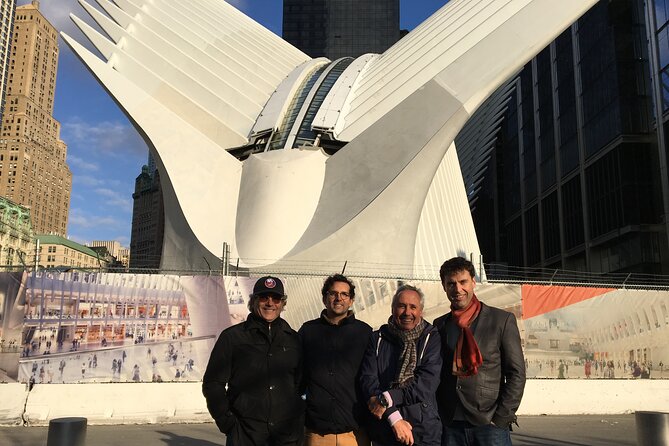
Battery Park City and the East River waterfront shift the discussion toward planning and public space. The World Trade Center area brings architecture, memory, and redevelopment into the same conversation. The 9/11 Memorial is not simply another landmark stop, and the guide’s role here is to help you consider the buildings and public spaces with care.
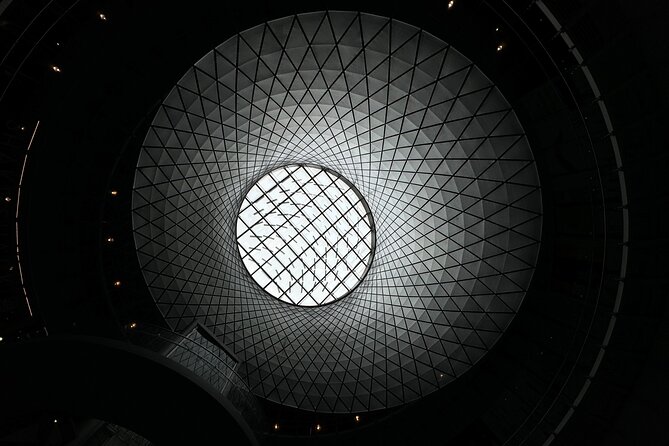
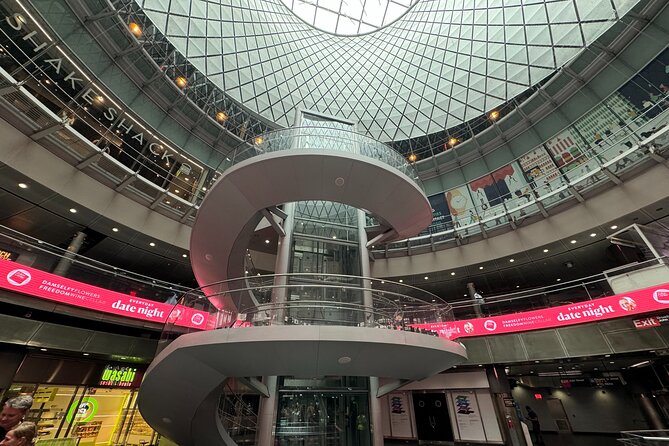
Fulton Station adds a modern transportation hub to the route. It is a useful example of how infrastructure can become architecture in its own right. If you want a tour that explains how New York keeps placing new systems and buildings beside old ones, this is one of the strongest route choices.
East Village and Lower Manhattan’s changing streets
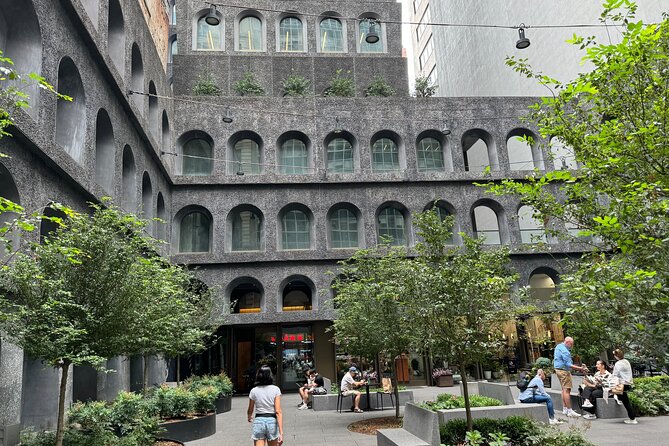
The East Village route also reaches the Lower East Side, the Bowery, and SoHo. Its main strength is the range of building types. You look at tenement apartments, cast-iron industrial buildings, newer museums, retail architecture, and contemporary academic design.
The tenements of the Lower East Side offer a direct way to discuss density and immigration-era housing. The buildings are not just old façades. Their narrow lots, repeated windows, and compact forms show how many people once lived in a small part of the city and how urban housing was shaped by land value.
SoHo provides a sharp contrast. Its cast-iron structures were tied to manufacturing and commercial use, but many now serve different purposes. This change helps explain why the neighborhood feels architecturally distinct and why preservation can shape a district’s present-day identity.
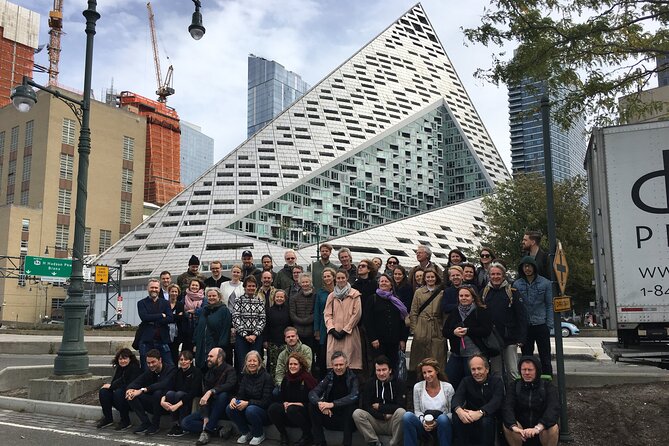
Contemporary examples give the route a modern edge. The New Museum by SANAA, Rem Koolhaas’s Prada flagship, and Morphosis’s Cooper Union building each offer a different response to structure, façade, retail, education, and public presence. These are good subjects for a guide with design training because you can ask about form and function rather than stopping for a quick exterior photograph.
The main consideration is geography. The Lower East Side, Bowery, and SoHo are not one tiny pocket, so the exact route matters. Ask how much of this area your chosen time allows. If you want a focused look at tenements and cast iron, two hours may work well. If you also want serious time at the newer buildings, a longer booking makes more sense.
More Private Architecture Tours in New York City:
- Sagrada Familia & Gaudi Tour Private or Small Group with Tickets
★ 4.5 · 1,188 reviews - Barcelona 1.5h Private Old Town, Gothic & Ramblas Walking Tour
★ 5.0 · 318 reviews - Treasures of Barcelona: Private Gaudi Walking Tour
★ 5.0 · 128 reviews - Sagrada Familia & Gaudi Guided Tour Private or Small Groups
★ 4.7 · 106 reviews
Chelsea: galleries, the High Line, and new city building
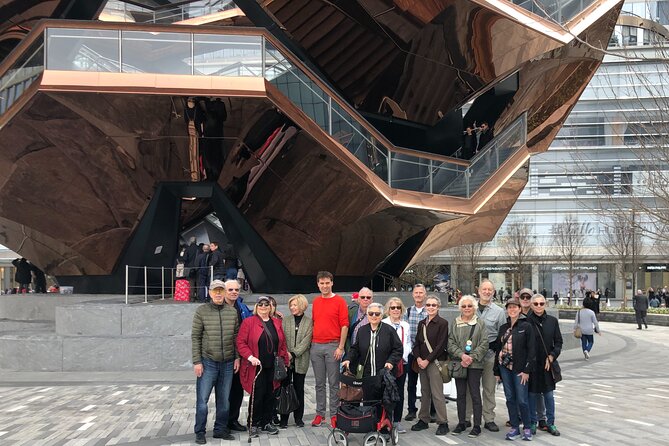
Chelsea combines art and architecture better than almost any route offered here. Former warehouses and factories now hold galleries, while the High Line, the Whitney Museum, the Standard Hotel, Hudson Yards, and the Javits Center show several different approaches to public life and redevelopment.
The gallery district is useful because the buildings themselves are part of the art story. Converting industrial spaces into galleries changes how people encounter art and how a neighborhood functions. You can look at the relationship between large floor plates, old industrial construction, and the needs of contemporary exhibitions.
The High Line brings public space into the discussion. It is not merely a pleasant elevated walk. It represents a change in how New York treats former infrastructure, unused rail corridors, and access to open space. The surrounding blocks also show how one major project can influence nearby development.
The Whitney Museum, the Standard Hotel, Hudson Yards, and the Javits Center offer different scales and purposes. One is a museum, one a hotel, one a large new development, and one a convention center. Together, they let you compare how architecture serves culture, hospitality, business, and public events.
This route may be especially appealing if you want art-world context without spending the entire day inside museums. Keep in mind that the experience is described as a walking tour with free admission to the stops, not a ticketed museum visit. You should not assume that admission to the Whitney or any other interior site is included.
Chelsea is also a route where timing matters. A short walk can introduce the main ideas, while a longer version gives you more time to examine buildings and ask questions. If you are carrying art supplies, a camera, or a sketchbook, allow for the fact that a full walking route can be tiring.
Midtown: skyscrapers from early towers to new additions
Midtown gives you the classic New York skyline, but the tour aims to go beyond a quick look at Times Square. The route traces the district through early twentieth-century examples and newer buildings, with the bright core of Times Square and the tall business district as key points of reference.
This is a good choice if you want to understand how Midtown developed as a center of commerce, entertainment, and vertical building. The area’s energy comes from the way offices, hotels, theaters, shops, transport, and public spaces crowd together. Architecture here is not separate from city movement. Buildings shape the streets, and the streets shape how you experience the buildings.
The supplied comments describe the Midtown walk as both fun and educational, with particular attention to the architectural history and design of famous buildings. That balance is important. A technical guide can make a city feel like a classroom, but the best version of this route should keep you connected to the spectacle around you.
Times Square can be noisy and crowded, which is where the individual headsets matter. Each guest receives a professional headset, so you should be able to hear the guide without standing shoulder to shoulder around a single speaker. The equipment will not remove the crowds, but it should make the explanation easier to follow.
Midtown is a strong pick for a first architecture walk because the subject is easy to see all around you. It is also the route most likely to feel intense. If you dislike heavy foot traffic or prefer quiet streets, Chelsea or the Financial District may be more comfortable.
What the private format and headsets mean in practice
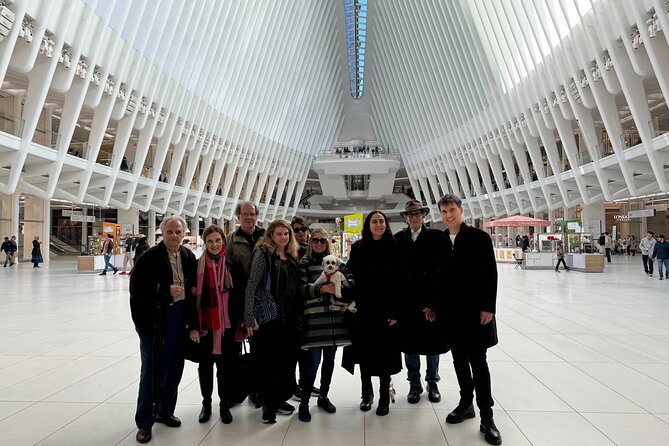
This is a private activity, so only your group participates. That changes the pace. You can ask for more explanation at a building, spend less time on a subject that does not interest you, or shape the route around art, historic structures, or new design.
The guide service is offered in English, Spanish, French, and Italian. That gives you a practical choice if one of those languages will help you follow architectural terms and historical detail more easily.
The headsets are included for every guest. This is especially helpful in Midtown and along busy downtown streets. You should still expect an outdoor city walk, with traffic noise, changing pavement, and normal Manhattan crowds.
The tour accepts mobile tickets, and confirmation is provided when you book. Service animals are allowed, and the meeting point is near public transportation. Most people can participate, but the tour is not recommended if you have trouble walking. The experience requires good weather, so a poor-weather cancellation may lead to a different date or a full refund.
Is $299 per person a fair price?
At $299 per person, this is not a budget sightseeing walk. The price makes the most sense when you use the private format well. A custom route, an expert architecture guide, language choice, and personal headsets offer more control than a standard group walk.
The value improves for people who already have a clear interest. If you want to understand why the New Museum looks the way it does, compare old and new buildings in the Financial District, or study the link between art and former industrial spaces in Chelsea, you get more from this than from a general city highlights tour.
The price is harder to justify if you simply want to see famous places and take photographs. The tour does not include special admission to museums, and the listed stops have no admission charge as part of the walk. You are paying mainly for the guide’s time, interpretation, and the private setting.
Since the length can range from 2 to 8 hours, ask yourself how much time you want to spend on foot. A focused two-hour route may offer better value than booking a long day without a clear subject. If you are traveling with a group that shares an interest in architecture, the private arrangement may feel more worthwhile because everyone can shape the discussion.
Who should book this New York architecture walk?
I would recommend it to visitors who want more than landmark names. It suits architecture students, artists, photographers, urban design fans, museum-minded visitors, and anyone who enjoys understanding how a city changes.
It also works for repeat visitors who have already seen the Empire State Building, Times Square, or the World Trade Center and now want a different way to read Manhattan. The chance to bring a sketchbook makes it appealing to people who prefer to study a façade or street plan rather than hurry through a checklist.
I would be more cautious about booking it for young children or anyone who needs frequent rest stops, since the tour is built around walking and is not recommended for people with walking problems. I would also choose a shorter route if your group has mixed energy levels.
Should you book it?
Book this tour if you want a private, architecture-led look at New York and are willing to pay for personal guidance. Dr. Ivan Shumkov’s architectural background, the choice of four detailed route themes, and the ability to ask questions give it a clear purpose.
Choose the route carefully. The Financial District is best for old and new New York beside each other. The East Village and SoHo suit visitors interested in housing, cast iron, and modern design. Chelsea is the strongest art and redevelopment route, while Midtown offers the city’s biggest concentration of skyscraper drama.
Skip it if you only want a quick orientation or if a $299 per-person walking tour is outside your budget. For the right audience, though, this is a thoughtful way to look past the postcard view and understand why New York’s buildings matter.
FAQ
Where does the tour start?
The tour starts at Washington Square Park, Washington Square, New York, NY 10012, USA.
Where does the tour end?
The activity ends back at the meeting point.
How long does the tour last?
The experience lasts approximately 2 to 8 hours, depending on the private route and format you choose.
Which New York areas can the tour cover?
The listed areas are the Financial District, East Village, Chelsea, and Midtown. The private format allows the experience to be tailored to your selected interests and route.
Is this a private tour?
Yes. Only your group participates in the activity.
Which languages are available?
The guide service is available in English, Spanish, French, and Italian.
Are museum admissions included?
The tour includes all fees and taxes, but the supplied details do not list separate admission to museums or other interior attractions. The stops are described as free-admission tour points.
Is the tour suitable for people with walking problems?
No. The experience is not recommended for people who have problems walking.
What happens if the weather is poor?
The experience requires good weather. If it is canceled because of poor weather, you can receive a different date or a full refund. You can also cancel at least 24 hours before the start time for a full refund.
New to the itinerary around New York City
- Race to the Sky: NYC Architecture Tour With SUMMIT One Ticket★ 5.0 · 3 reviews
- Private Flatiron Food, History and Architecture Tour★ 5.0 · 8 reviews
- New York Soho and the Village Art and Architecture Tour★ 5.0 · 4 reviews
- Chelsea and the High Line NYC Architecture Walking Tour★ 5.0 · 6 reviews
- New York Upper West Side Art and Architecture Tour★ 5.0 · 4 reviews
- New York Midtown South Art and Architecture Tour★ 5.0 · 2 reviews
- New York Upper East Side Art and Architecture Tour★ 5.0 · 3 reviews
- Chelsea Galleries and High Line; Art, Architecture and History★ 5.0 · 14 reviews
Private Architecture Tours, compared.
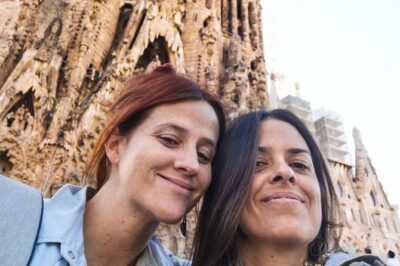
Sagrada Familia & Gaudi Tour Private or Small Group with Tickets
Read our review →
Barcelona 1.5h Private Old Town, Gothic & Ramblas Walking Tour
Read our review →
Treasures of Barcelona: Private Gaudi Walking Tour
Read our review →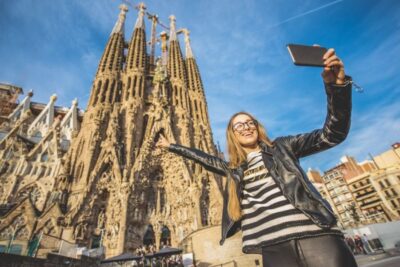
Sagrada Familia & Gaudi Guided Tour Private or Small Groups
Read our review →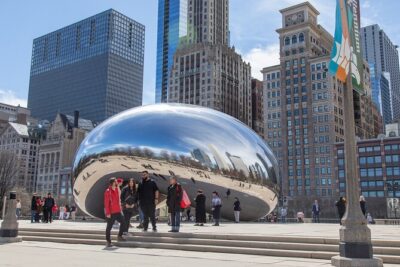
Best of Chicago: Architecture & Highlights City Private Tour
Read our review →
Private Harajuku Omotesando Architecture Walking Tour
Read our review →
Private Santa Barbara History and Architecture Walking Tour
Read our review →