
Review · USA
Salem Merchants and Mansions Guided Architecture Walking Tour
Salem’s best stories are often built into its streets, not hidden behind a witch-themed souvenir shop. This walking tour uses homes, churches, wharves, and public spaces to show how Salem grew from a colonial settlement into a wealthy seaport. You’ll hear about spice trading, shipbuilding, merchant families, and the city’s changing taste in architecture.
I like the way the tour moves beyond the usual witch lore, and I like that guides such as Topher, Seán, and Henry bring different personalities to the same material. The main drawback is practical: you stay outside for the entire tour, and a group of up to 40 people may feel large during busy periods.
Key Points
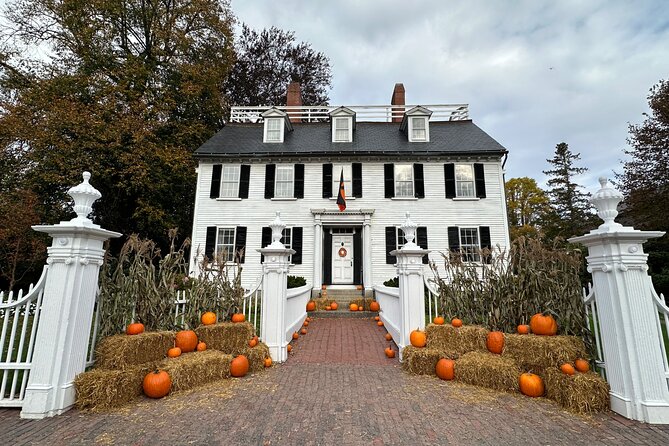
- Architecture tells Salem’s story: See Georgian, First Period, Greek Revival, and Second Empire buildings in their city setting.
- A useful first look at Salem: The route connects the waterfront, historic center, Salem Common, and McIntire District.
- More than witch history: You’ll hear about spice trade, shipbuilding, religion, urban growth, and merchant wealth.
- Hocus Pocus gets a small role: The old school near Salem Common is pointed out without taking over the tour.
- Outdoor-only format: You do not enter buildings or cemeteries, so comfortable shoes and weather-ready clothing matter.
- Good practical value: For $36, you get a 90-minute to two-hour guided introduction with a licensed guide and an architectural guide of Salem.
Salem’s Story Begins With Its Buildings
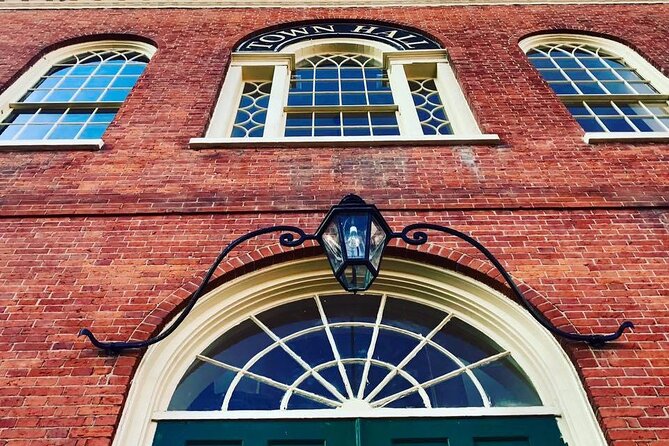
Meet at Salem Old Town Hall in Derby Square at 11:00 am. The opening is brief, but it places you in the center of the old city before the walk heads toward the waterfront.
That starting point matters. You are not beginning with a single famous house and a narrow story. You are starting with Salem as a town, then moving through the forces that shaped it. The route links trade, faith, family fortunes, public spaces, and changing building styles.
This is a good tour to take early in your visit. After 90 minutes to two hours with the city laid out in front of you, later walks through Salem’s streets make more sense. You’ll know why certain houses look grand, why the waterfront mattered, and why the Common became fashionable much later than the first colonial settlement.
The tour is conducted in English and includes a licensed guide plus an architectural guide of Salem. The focus is not on entering sites. It is on looking closely at what is visible from the street and understanding why it was built that way.
More Walking Tours in the USA
- The Official Art Deco Walking Tour by The Miami Design Preservation League
★ 5.0 · 1,580 reviews - Chicago in a Day: Food, History & Architecture Walking Tour
★ 5.0 · 1,153 reviews - Miami South Beach Art Deco Walking Tour
★ 5.0 · 1,039 reviews
From Derby Square to Salem’s Working Waterfront
The early stops bring Salem’s maritime past into view. At the Custom House, the guide explains the city’s spice trade and its motto, including why that motto exists. You’ll also hear where the old shipbuilding yard once stood, near the Adirondack chairs at the far end of the open waterfront space.
This is one of the more useful parts of the walk because it connects architecture with business. A handsome merchant house means more when you understand the ships, cargo, and international trade that helped pay for it. Salem’s grand buildings were not simply decorative. They reflected money earned through a port economy.
From near Derby Wharf, the guide points out mansions visible across the area. The view helps you read Salem as a trading city rather than a collection of isolated old homes. You see the relationship between wharf, warehouse, public space, and private house.
The Custom House stop lasts about 10 minutes. Admission is not included, and the tour does not take you inside. If you want interior exhibits, plan a separate visit, but do not expect this walk to provide that experience.
Derby House and the Rise of Merchant Salem
At the Derby House, the subject turns to Georgian architecture. This is where the tour explains how a relatively orderly, formal style reflected the growing power of Salem and New England merchants.
The value here is in learning how to look. Instead of simply hearing that a house is old, you begin to connect its design with the people who commissioned it and the society they wanted to present. The Derby House discussion lasts around 10 minutes, enough time to set the style in context without turning the walk into a technical lecture.
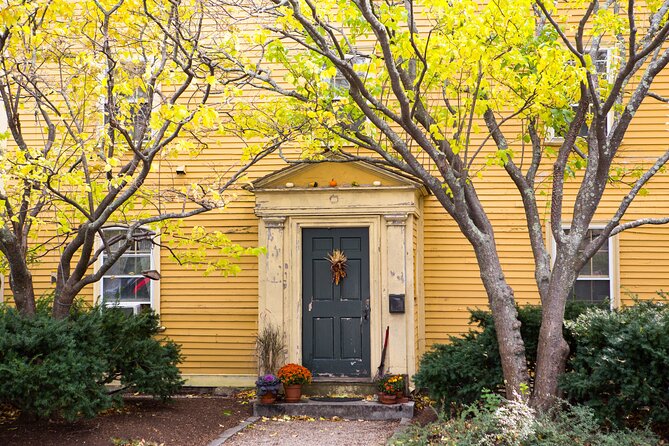
Next comes Narbonne House, a useful contrast. The guide uses it to show how a 17th-century First Period house could be enlarged and altered over time. Old buildings were not frozen museum pieces when their owners lived in them. Families added rooms, changed layouts, and adapted homes as needs and fortunes shifted.
That point gives the tour a welcome practical edge. Salem’s architecture is not just a parade of perfect facades. It also shows repair, expansion, compromise, and reuse. You’ll spend about 10 minutes here, mostly learning how the building changed.
The Daniels House Historic Site adds another short architectural discussion. At roughly five minutes, it is not a full stop for detailed inspection, but it helps keep the focus on how early houses fit into the wider town.
Salem Common and the City’s Late Fashionable District
Salem Common is one of the most revealing stops because its story is about land use as much as architecture. The area began as a collection of marshy pools and poor ground that was not very useful in the 17th and early 18th centuries. By the 19th century, it had become a manicured pleasure park.
That change tells you a great deal about Salem’s growth. Public land can shift from unwanted edge space to a prized center as a town gains money, population, and leisure time. The Common later helped draw a fashionable residential district, including large Greek Revival and Second Empire buildings.
The guide also points out the old school associated with Hocus Pocus. This pop-culture connection is handled as a small part of the stop, not the main event. If you know the film, it adds a fun visual reference. If you do not, the broader story of Salem’s urban development still carries the stop.
Plan on about 10 minutes here. Salem Common is an included stop, but the route remains outdoors. The Hawthorne Hotel follows with another short architecture discussion, lasting about five minutes. Together, these stops show Salem’s shift from colonial settlement to a city with public parks, hotels, and imposing homes.
Same streets, read through a different style:
- Chicago Architecture River Cruise
★ 5.0 · 15,756 reviews - Chicago River 90-Minute Architecture Tour
★ 4.5 · 9,629 reviews - Chicago River: 1.5-Hour Guided Architecture Cruise
★ 4.8 · 8,046 reviews - Chicago Architecture Center River Cruise aboard First Lady
★ 5.0 · 5,536 reviews
The McIntire District, Churches, and Changing Taste
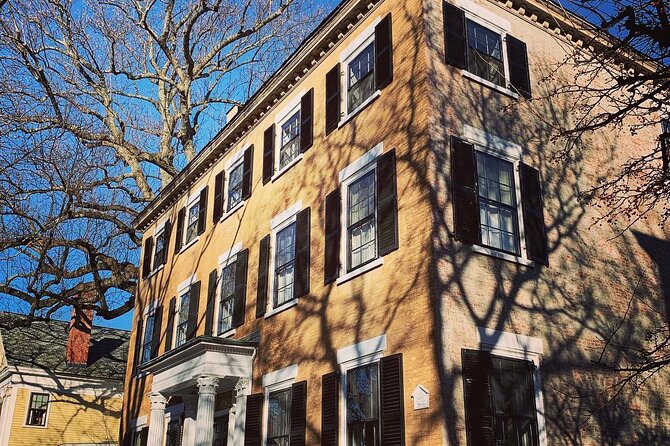
The walk continues toward the Peabody Essex Museum, where the guide discusses the variety of collection homes connected with the area. The stop lasts about 10 minutes and helps you see how several architectural periods can sit close together.
The tour also passes through Church Street, where the discussion returns to architecture. This is a short five-minute stop, but it adds another street-level example of how Salem’s historic center is arranged.
At Saint Peter’s Episcopal Church, the subject broadens to Salem’s unusual religious heritage. This is important because the city’s story cannot be reduced to the 1692 witch trials. Religious divisions, congregations, and civic life all shaped the town’s buildings and neighborhoods.
The church discussion lasts around 10 minutes. Admission is not included, and you do not enter the church on this walk. If you want to see interiors, you’ll need to arrange that separately.
The Witch City Mall and the Bewitched statue come near the end. These stops are brief, about five minutes each, and give you a clear contrast between old Salem and the modern tourist city. The tour ends at the Bewitched sculpture of Elizabeth Montgomery, a practical finish if you want to continue exploring downtown shops, restaurants, or other attractions afterward.
What the Guides Add to the Walk
The guide is the main reason to choose this experience over a self-guided architecture stroll. A street can look impressive while its meaning remains unclear. A good explanation connects the roofline, building materials, social class, trade, religion, and city planning.
Topher has led the walk with a friendly style and a clear focus on Salem beyond spooky stories. Seán has been praised for bringing architecture and property stories to life, while Henry has been described as fun and well informed across many parts of Salem’s past. Guide assignments can vary, so you should not book on the assumption that one particular person will lead your departure.
The strongest quality to look for is the balance between facts and storytelling. The walk covers more than two dozen sites according to the tour description, but the listed stops are grouped into short discussions rather than long building visits. That keeps the pace moving and suits you if you want a broad introduction instead of a specialist lecture on one house.
Some people may prefer a smaller group. The maximum is 40 people, and that is a meaningful consideration in a historic district with narrow sidewalks and busy public areas. A larger group can make it harder to hear or see the guide, especially near popular landmarks. On the other hand, the format is simple and social, and the route covers enough ground to spread the group out.
Is $36 a Fair Price?
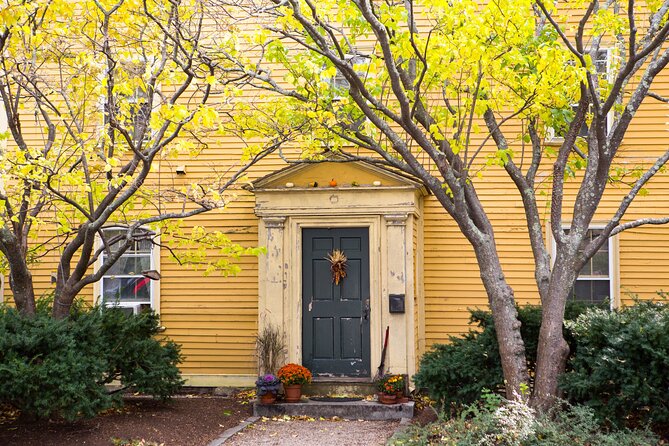
At $36 per person, the tour offers solid value if you want a guided overview of Salem’s architecture and urban story. You are paying for a licensed guide, roughly 90 minutes to two hours of interpretation, and a route that reaches the waterfront, historic homes, Salem Common, churches, and downtown.
The price does not include admissions, but that is less of a problem here because the tour does not enter buildings or cemeteries. You are not paying for access you will not use. The tradeoff is that the tour works best as an outdoor orientation, not as a substitute for visiting the Peabody Essex Museum, the Custom House, or historic house interiors on your own.
I would consider it especially worthwhile if you are new to Salem, have limited time, or want more context before choosing which sites to enter. If you already know the city’s architectural history and have studied the main houses, the introductory nature may feel less useful.
Timing, Weather, and Comfort
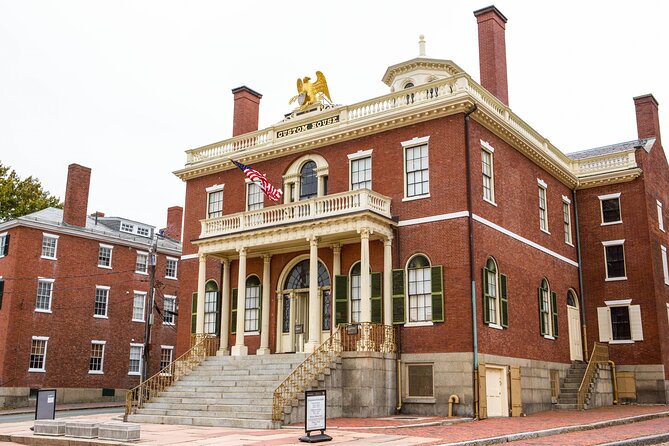
The tour starts at 11:00 am at 32 Derby Square. Confirmation is provided when you book, and the route ends at the Bewitched sculpture in Salem.
Wear comfortable shoes. The tour runs rain or shine and does not cancel because of weather, so bring clothing suited to the forecast. Because the walk is entirely outdoors, heat, rain, cold, or strong sun can change how enjoyable it feels.
There are no public restrooms on the tour route. Plan ahead before meeting the group. You should also be prepared to stand for long periods, since the itinerary is built around outdoor explanations rather than indoor seating.
Service animals are allowed, and the tour is dog friendly. Children must be with a ticketed adult. Most people can take part, but the standing and walking make this a poor choice if you have trouble remaining upright for extended periods.
The experience is near public transportation, which helps if you are arriving without a car. The group can include up to 40 people, so arrive with enough time to find the meeting point and settle in.
Who Will Get the Most From This Salem Walk?
I would recommend this tour to you if you want Salem’s witch-trial story placed inside a larger picture. You’ll learn about commerce, architecture, religion, public space, and the families who shaped the city.
It also suits families with older children and teenagers who may respond to the mix of mansions, film locations, seafaring stories, and local legends. The Hocus Pocus reference adds a familiar hook without turning the whole walk into a movie-location tour.
Architecture fans will get the most from the explanations of Georgian, First Period, Greek Revival, and Second Empire design. You do not need a technical background. The guide’s job is to show why those styles matter and what they tell you about Salem.
I would hesitate if you want indoor access, a very small group, or a tour devoted only to witch-trial history. You should also think twice if poor weather or long periods of standing will make an outdoor walk uncomfortable.
Should You Book the Merchants and Mansions Tour?
Book it if you want a clear, well-organized introduction to Salem that treats the city as more than a spooky brand. The route links the waterfront and its spice trade to merchant houses, early homes, churches, public parks, and later mansions. That gives you a better sense of how Salem changed over several centuries.
The best time to take it is near the start of your visit, when the city’s streets and landmarks are still unfamiliar. Bring comfortable shoes, check the weather, use a restroom beforehand, and expect to remain outside. At $36, it is a sensible purchase for a first look at Salem’s architecture and past, especially if a lively guide such as Topher, Seán, or Henry leads your group.
FAQ
Where does the Salem Merchants and Mansions Tour begin?
The tour begins at Salem Old Town Hall, at 32 Derby Square, Salem, Massachusetts 01970.
What time does the tour start?
The scheduled start time is 11:00 am.
How long does the walking tour last?
The tour lasts approximately 1 hour 30 minutes to 2 hours.
Where does the tour end?
The walk ends at the Bewitched sculpture of Elizabeth Montgomery in Salem.
Does the tour enter historic buildings or cemeteries?
No. This is an outdoor activity, and the tour does not enter buildings or cemeteries.
Is the tour suitable for children and dogs?
Children must be accompanied by a ticketed adult. Dogs are allowed, and the tour is dog friendly. Service animals are also allowed.
Can I cancel for a full refund?
Yes. You can cancel at least 24 hours before the start time for a full refund. Cancellations or changes made less than 24 hours before the tour are not accepted for a refund.
New to the itinerary around the USA
- Washington, DC: Georgetown Architecture Walking Tour★ 5.0 · 8 reviews
- Wilmington History and Architecture Tour★ 4.8 · 18 reviews
- Washington DC: Dupont Circle & Embassy Row Architecture Tour★ 5.0 · 6 reviews
- New Orleans : Garden District Architecture Walking tour★ 4.8 · 5 reviews
- Private Colonial Williamsburg Architectural Tour★ 5.0 · 5 reviews
- Tulsa: Art Deco Walking Tour of Tulsa★ 5.0 · 8 reviews
- Castle to Capitol: Museums of the National Mall Architecture Tour★ 4.5 · 9 reviews
- Monuments and Memorials Architectural Walking Tour★ 5.0 · 17 reviews
USA Architecture Tours, compared.


Chicago River: 1.5-Hour Guided Architecture Cruise
Read our review →
Chicago Architecture Center River Cruise aboard First Lady
Read our review →
Architecture River Cruise Skip-the-Ticket Line
Read our review →
Chicago River 45-Minute Architecture Tour from Magnificent Mile
Read our review →
45-Minute Family-Friendly Architecture River Cruise
Read our review →Other lists with this tour