Review · CHICAGO
Small Group History And Architecture Walking Tour of Chicago
Chicago’s best stories are written in stone, steel, and polished terra cotta. This 2.5-hour walk ties them together, starting with Cloud Gate and Millennium Park, then moving through the Pedway, the Chicago River, Michigan Avenue, and the Magnificent Mile before finishing at Navy Pier.
I like two things right away: the small group limit of 10 should make questions easier, and the route mixes famous sights with less obvious city spaces. I also like that guides such as Andrew bring a personal, thoughtful touch, including extra care for older walkers.
The main consideration is the long route and uneven pace. You’ll cover a lot of downtown on foot, and coffee or food stops cost extra. One serious safety complaint also appears in the tour record, so confirm your guide and use your judgment if anything feels uncomfortable.
Key points to know before you book
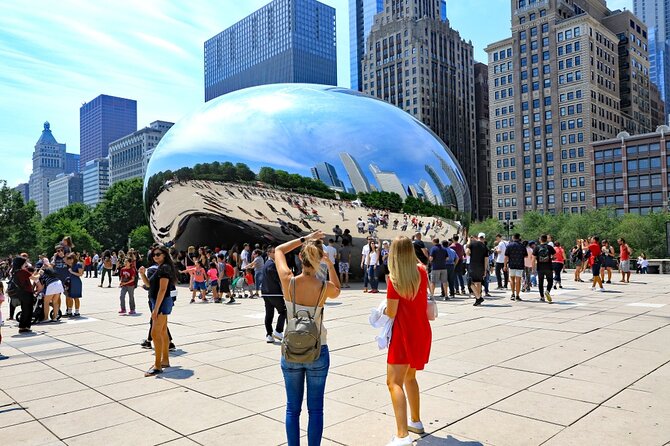
- Cloud Gate starts the story: You get the classic Millennium Park photo and a quick look at Chicago’s public-art program.
- The Pedway adds a less familiar side of downtown: This underground network offers shelter from bad weather, though it can feel confusing without a guide.
- Architecture gets the spotlight: Tribune Tower, the Wrigley Building, the InterContinental Chicago, and Michigan Avenue provide strong examples of changing design styles.
- The group is capped at 10 people: That is a useful size for conversation and questions.
- The tour ends at Navy Pier: You can continue exploring there or consider an architecture cruise afterward, at your own cost.
- Coffee and snacks are not included: Budget separately for a drink or Chicago food stop.
A city walk that connects art, engineering, and old Chicago
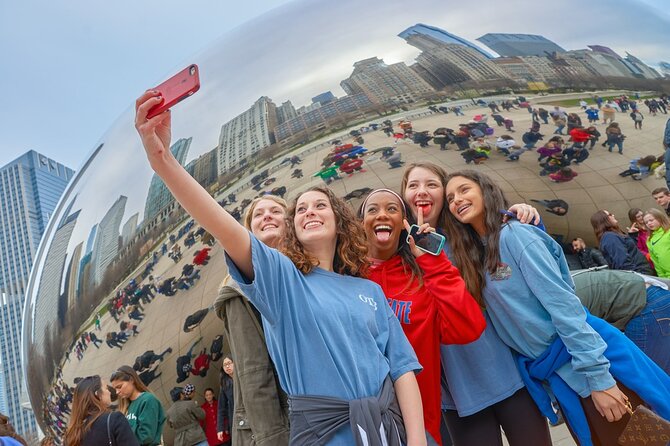
This is not simply a parade of photo stops. The route gives you several ways to read Chicago. Millennium Park shows the city using art and open space to reshape its center. The Chicago River points to commerce and engineering. Michigan Avenue brings in department-store grandeur, newspaper power, hotel history, and modern tourism.
That range is the tour’s main strength. In about two and a half hours, you get a broad introduction rather than a close study of one building. If you are new to Chicago, I like this approach because it helps you place major sights on a mental map.
The starting point is McCormick Tribune Plaza at 1 N Michigan Avenue, near Millennium Park. The endpoint is Navy Pier at 600 E Grand Avenue. Since the walk crosses much of the downtown core, wear comfortable shoes and expect to spend most of the time standing or walking. The operator recommends a moderate level of fitness.
The price is $64.99 per person. That is fair if you want a guide to explain the city as you move through it, especially with a small group. It is less attractive if you prefer to pause for long museum visits or explore each stop at your own pace. Admission fees and taxes are included, but coffee, tea, and snacks are not.
More Walking Tours in Chicago
- Chicago in a Day: Food, History & Architecture Walking Tour
★ 5.0 · 1,153 reviews - Chicago’s Secret Interiors Architectural Walking Tour
★ 5.0 · 635 reviews - Chicago: Secret Interiors Architecture Walking Tour
★ 4.9 · 498 reviews
Cloud Gate and Millennium Park set the tone
Cloud Gate, better known as The Bean, is an easy place to begin. Anish Kapoor’s polished stainless-steel sculpture reflects the skyline, the park, and your own image in a curved surface. The effect is playful, but the sculpture also gives you a quick lesson in how Chicago uses public art to change the feel of a busy downtown block.
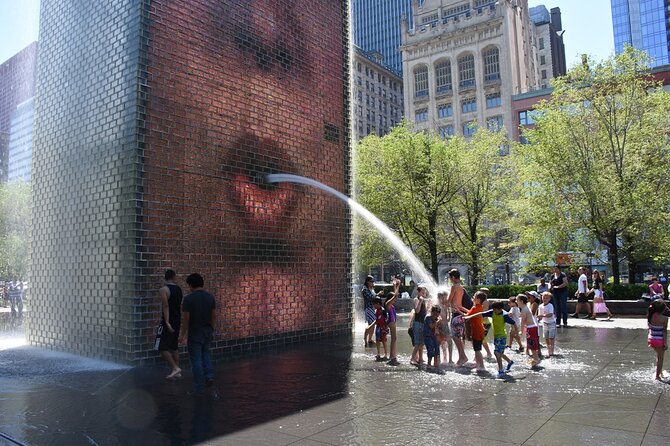
The scheduled stop is about 15 minutes. That is enough for photographs and a short explanation, but not enough for a slow tour of every corner of Millennium Park. You’ll also hear about the park’s other major features, including the Jay Pritzker Pavilion and Crown Fountain.
Millennium Park opened in 2004 and hosts concerts, art installations, and other cultural events. I like beginning here because the park places modern design beside the older buildings of Michigan Avenue. You can see, within a short distance, how Chicago has kept adding new ideas to its center.
Do not expect a full park tour. The route uses Millennium Park as an opening chapter, then moves on. If Cloud Gate is your top priority, arrive with enough time for photos before the scheduled start.
The Chicago Pedway reveals downtown below street level

The Chicago Pedway is one of the more unusual parts of the walk. It is a network of tunnels, sky bridges, and indoor concourses connecting buildings, hotels, offices, transit points, and other downtown destinations. The system extends across more than 40 blocks.
The tour allows about 20 minutes here. That is enough to introduce the concept and point out how Chicago works below the sidewalks. In cold, rainy, or windy weather, the Pedway also gives you a practical break from the elements.
The tradeoff is that the Pedway is not a single polished attraction with one clear entrance and exit. It is an urban network, and parts of it can feel more functional than scenic. That is exactly why a guide can help. Without context, you might simply see corridors. With an explanation, you begin to understand how the city connects large buildings and public transport beneath the streets.
This stop also gives the walk some variety. You are not looking upward at towers the entire time. You are seeing a different layer of downtown life, one shaped by weather, work, and convenience.
The Riverwalk and Chicago Architecture Center explain the city’s edge
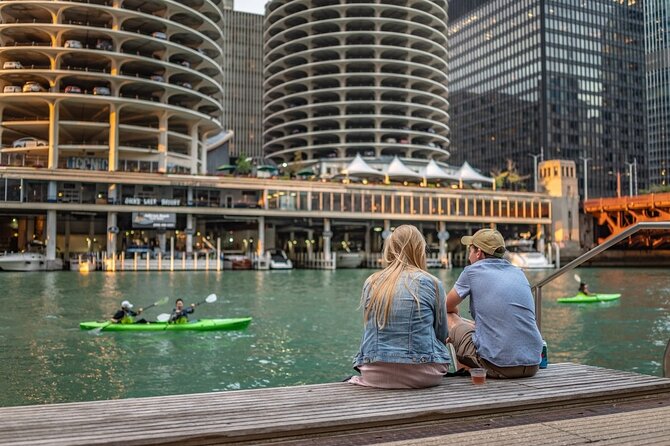
The Chicago Riverwalk brings you back outside, with paths, seating, dining, and views of the riverfront buildings. The river is one of the best places in downtown Chicago to look at architecture because the water gives you room to see full facades rather than just the bases of towers.
The Riverwalk has changed from a less inviting edge into a popular public route with food, boat tours, and kayaking. On this walk, the main value is the view and the chance to connect the city’s buildings with its river traffic and engineering story.
The Chicago Architecture Center is scheduled for about 30 minutes. Located beside the river, it is devoted to Chicago buildings, design, exhibits, tours, and educational programs. The tour data does not promise a specific exhibit or paid interior admission, so think of this as a guided architecture stop rather than a full museum visit.
That distinction matters. If you are passionate about architecture, you may want a separate visit to the center or one of its dedicated programs. On this walking tour, you get a useful introduction within a wider route.
More Walking Tours in the USA
- Chicago Walking Tour: Art Deco Skyscrapers Loop
★ 5.0 · 138 reviews - Chicago Architecture Walking Tour: Incredible Art Deco Interiors
★ 5.0 · 85 reviews - Chicago Architecture Walking Tour: What’s New
★ 5.0 · 64 reviews - Chicago Walking Tour: Art Deco Skyscrapers Riverfront
★ 5.0 · 53 reviews
Crossing the DuSable Bridge puts Michigan Avenue in context
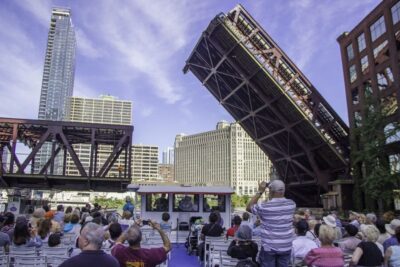
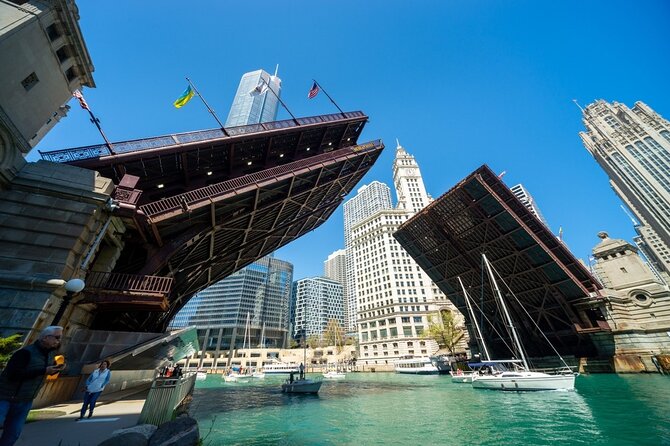
The DuSable Bridge carries Michigan Avenue over the main branch of the Chicago River. It is a moving bridge, and its location connects with early Chicago history. Crossing it gives you one of the route’s clearest transitions: the riverfront opens into the grand corridor of Michigan Avenue.
This is a good point to look back toward the water and ahead toward the Magnificent Mile. The bridge is not just a passage between stops. It helps explain why this section of downtown developed as a major commercial and civic route.
The walk continues toward Tribune Tower, with views that also include the Wrigley Building. You’ll want to keep your eyes above street level here. The most interesting details are often in the upper stories, rooflines, and facade materials.
Tribune Tower turns newspaper history into architecture
Tribune Tower was completed in 1925 as the home of the Chicago Tribune newspaper. Its neo-Gothic design gives it a very different character from the smooth glass towers that define much of modern downtown.
One of its best-known features is the use of stones from famous landmarks around the world in the facade. That detail gives the building a strong sense of place while also showing how institutions once used architecture to project authority and identity.
The stop lasts about 10 minutes. That is short, but it works for an exterior explanation and photographs. You will not have time for a long interior visit, and no interior admission is included. I would treat this as a focused stop within the broader architecture story.
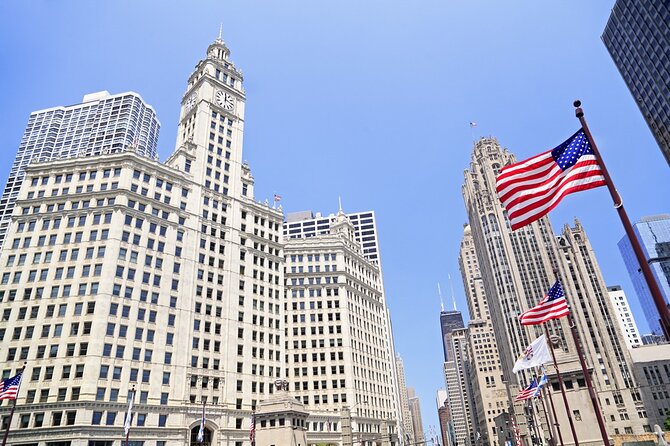
The nearby Wrigley Building adds another useful comparison. Built in the 1920s for the Wrigley Company, it is known for its white terra-cotta exterior and Spanish Colonial Revival style. Tribune Tower feels Gothic and imposing. The Wrigley Building feels lighter and more decorative. Seeing both on the same stretch of Michigan Avenue makes the contrast easy to understand.
The InterContinental Chicago adds hotel history
The InterContinental Chicago Hotel occupies the former Medinah Athletic Club, built in 1929. Its story brings a different kind of architecture into the walk: not a newspaper headquarters or commercial tower, but a grand private club turned luxury hotel.
The building is known for its elegant design, Grand Ballroom, and junior Olympic-size swimming pool. The scheduled stop is about 15 minutes, and the tour passes by the property rather than promising a full hotel tour or access to its facilities.
This is still a worthwhile addition. Chicago’s architectural story is not only about skyscrapers. Hotels and clubs also reveal how people once spent leisure time, displayed wealth, and used large urban buildings. The InterContinental helps broaden the route beyond office towers and public landmarks.
Starbucks Reserve Roastery gives the route a modern pause
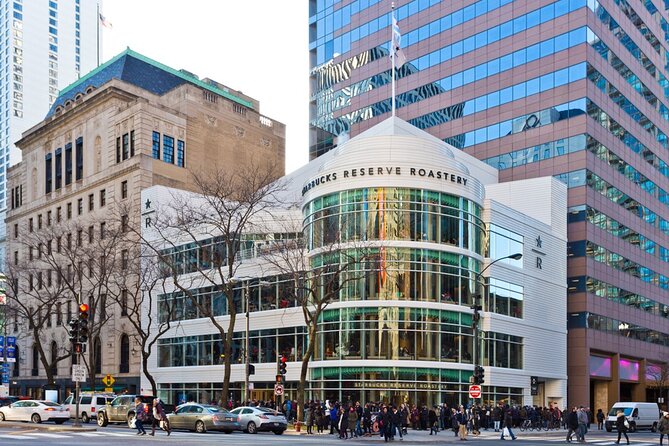
The Starbucks Reserve Roastery on the Magnificent Mile occupies five stories and opened in 2019. It offers on-site roasting, Reserve coffee blends, and food made for the location. The design is meant to make coffee production part of the visit rather than something hidden behind a counter.
The stop is allotted 30 minutes, making it one of the longer breaks. You can buy coffee or a snack here, but those purchases are not part of the $64.99 price. That extra cost is worth keeping in mind, especially if you have already paid for lunch or plan to sample a Chicago specialty.
I like the contrast this stop provides. After historic towers, bridges, and old hotel architecture, you get a look at present-day retail and food culture. It also gives you a chance to sit or slow down, although the information provided does not guarantee seating or a reserved tasting.
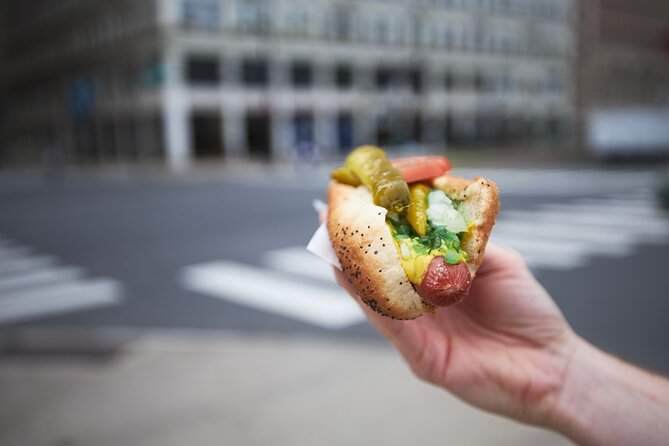
The tour description also points to a classic Chicago savory treat at additional cost. The exact food item is not specified, so ask your guide what is planned before counting on a particular dish.
Navy Pier is a useful ending, not just a finish line
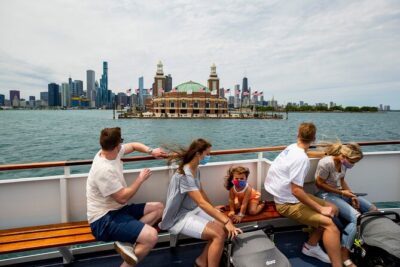
Navy Pier is the endpoint, with about 30 minutes assigned to the stop. Opened in 1916, it now combines lakefront views, food, entertainment, cultural attractions, a Ferris wheel, theaters, museums, and seasonal events.
The advantage of ending here is flexibility. You can keep exploring the pier after the guide leaves, or consider an architecture cruise. The cruise is optional and not included in the tour price.
Navy Pier is also a practical place to end because it gives you several choices. You can stay near the lake, find food, visit an attraction, or make your own way onward. The drawback is that the pier can feel more commercial and activity-focused than the quieter architectural stops earlier in the walk. If you want a calm finish, you may prefer to leave soon after arrival.
The Wrigley Building is another landmark covered along this part of the route, even though the stop details focus more directly on Tribune Tower. Its white exterior is one of the easiest buildings in Chicago to recognize, and it helps complete the Magnificent Mile portion of the walk.
What the guide can add to the experience
The strongest praise is directed at Andrew, who is described as passionate, kind, clear, and attentive. One account specifically says he took care with older participants and answered questions well. That matters on a history walk, because the quality of the explanation can make a familiar building feel worth stopping for.
Other positive comments describe the experience as fun, memorable, and a good introduction for both first-time visitors and locals. The overall rating is 4.5 from eight reviews, with six five-star ratings and one one-star rating.
The one-star account raises a serious concern about a guide contacting the customer by phone, discussing personal information, and leaving the person feeling unsafe. I cannot brush that aside. The tour provider is See Sight Tours USA, and you should confirm the meeting details before starting. If the person meeting you behaves in a way that feels intrusive or threatening, do not continue simply because you have paid.
That warning does not erase the strong feedback about Andrew, but it does mean you should use basic judgment. A legitimate guide should make you feel at ease, explain the route clearly, and respect personal boundaries.
Who will get the most from this Chicago walk?
I would recommend this experience most to someone visiting Chicago for the first time, especially if you want a guided orientation before exploring on your own. The route introduces the city’s best-known public art, riverfront, bridges, historic buildings, and lakefront attractions in one outing.
It also suits you if architecture interests you but you do not want to spend an entire day in a museum. You get exterior views, historical context, and a few modern contrasts without committing to a longer specialist tour.
Older participants can join if they are comfortable with a moderate amount of walking and standing. One positive account specifically praises the guide’s attention to senior walkers. Still, ask about the exact pace at the start and speak up if you need a pause.
This is less suited to you if you want extensive interior access, a slow photography session, or a deep focus on one architectural period. The route covers a lot of ground, so each stop gets a limited amount of time.
The group maximum of 10 is a real advantage. It should be easier to hear the guide, ask questions, and stay connected than on a large coach-style outing. The tour uses a mobile ticket and is near public transportation. Service animals are allowed.
Free cancellation is available until 24 hours before the start time for a full refund. Cancellations or changes made within 24 hours are not refunded or accepted, and the cut-off uses Chicago local time.
Should you book this $64.99 experience?
Book it if you want a broad, guided introduction to central Chicago and value clear stories more than long visits inside individual buildings. The route is well chosen, the group is small, and the finish at Navy Pier gives you room to continue on your own.
Skip it if you dislike walking, want every food and coffee purchase included, or prefer to explore without a set pace. Also confirm the guide and meeting details before you go, given the serious safety complaint attached to one experience.
For most first-time visitors, the best use of this tour is as an opening chapter. Take notes on the buildings you want to revisit, stay alert for the architectural details above street level, and plan extra time at Navy Pier afterward.
FAQ
How long does the walking tour last?
The tour lasts approximately 2 hours and 30 minutes.
Where does the tour begin?
The meeting point is McCormick Tribune Plaza, 1 N Michigan Avenue, Chicago, Illinois 60602.
Where does the tour end?
The tour ends at Navy Pier, 600 E Grand Avenue, Chicago, Illinois 60611.
How many people can join the tour?
The group has a maximum of 10 participants.
Are food and drinks included?
No. Coffee, tea, snacks, and the optional Chicago savory treat cost extra. All fees and taxes for the tour itself are included.
Is an architecture cruise included after the tour?
No. You may choose to take an architecture cruise after reaching Navy Pier, but it is optional and not included in the tour price.
What is the cancellation policy?
You can cancel at least 24 hours before the start time for a full refund. Cancellations or changes made less than 24 hours before the start time are not accepted and are not refunded.
More History Walks around Chicago
- Historical and Architectural Chicago Fireboat River & Lake Cruise
★ 5.0 · 246 reviews - Chicago: Food, History and Architecture Tour
★ 4.8 · 104 reviews - Chicago River Architecture Tour Aboard a Historic Yacht
★ 5.0 · 45 reviews - Chicago: Historic Architecture Chicago River Small Boat Tour
★ 4.6 · 26 reviews
New to the itinerary around Chicago
- Private Chicago Architecture Tour★ 5.0 · 5 reviews
- Private Frank Lloyd Wright Architectural Tour by Luxury Vehicle★ 3.5 · 7 reviews
- Chicago Luxury Minibus City Tour and Architecture River Cruise★ 4.5 · 8 reviews
- Chicago History and Architecture Walking Tour with Boat Cruise★ 4.5 · 10 reviews
- Private Chicago Architecture Walking Tour★ 5.0 · 6 reviews
- Chicago Walking Tour: See Inside Art Deco Masterpieces★ 4.9 · 8 reviews
- Chicago: History and Architecture Guided Kayak Tour★ 5.0 · 3 reviews
- Chicago History and Architecture Walking Tour★ 4.6 · 13 reviews
Chicago Architecture Tours, compared.
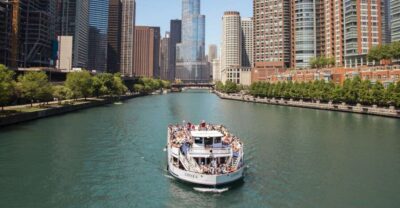
Chicago River: 1.5-Hour Guided Architecture Cruise
Read our review →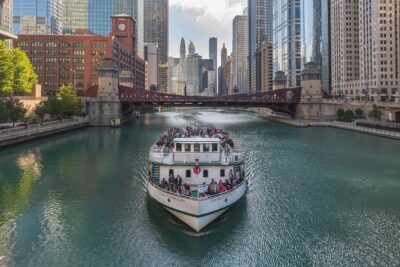
Chicago Architecture Center River Cruise aboard First Lady
Read our review →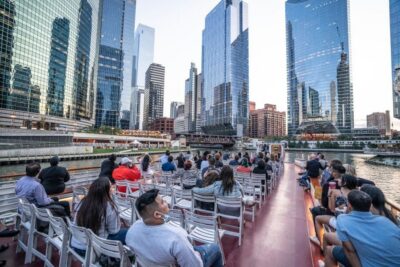
Architecture River Cruise Skip-the-Ticket Line
Read our review →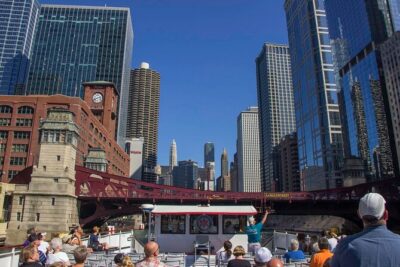
Chicago River 45-Minute Architecture Tour from Magnificent Mile
Read our review →