
Review · BARCELONA
Barcelona Beyond Gaudí: Modernism, Rooftops, and Hidden Gems
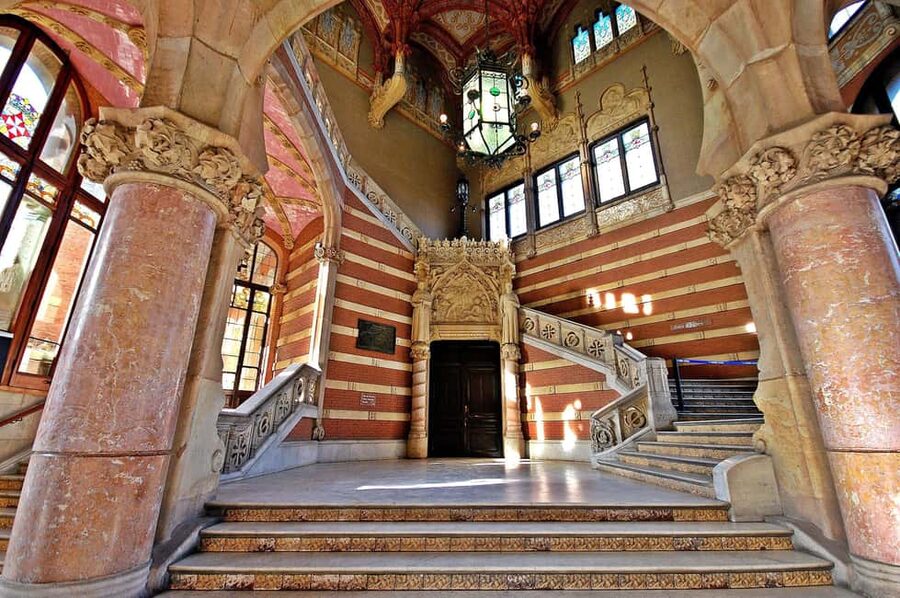
Barcelona’s Modernist story is much bigger than Gaudí, and this private tour makes that clear from the start. You’ll enter Hospital de Sant Pau, a UNESCO World Heritage Site designed by Lluís Domènech i Montaner, then connect its tiled pavilions and gardens with the grand buildings along Passeig de Gràcia.
I like the balance of serious architecture and small pleasures: you get a guided look at two UNESCO sites, but also a glass of cava on Casa Fuster’s rooftop. I also like the access to the ground or first-floor interiors of Casa Amatller and Palau de la Música, since simply walking past their façades does not tell the whole story.
The main consideration is pace. The tour is advertised as three hours, while the detailed schedule describes about three and a half hours, and it covers several sites across central Barcelona. Some stops are exterior views rather than full building visits, and the rooftop drink depends on availability.
Key Points to Know Before Booking
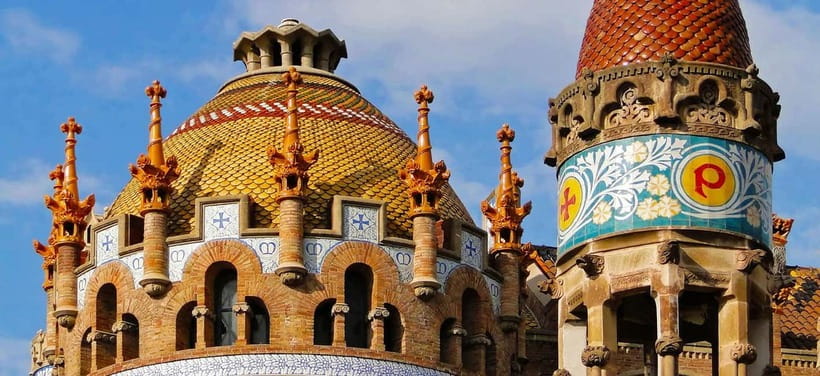
- Hospital de Sant Pau opens the story: Explore Domènech i Montaner’s former hospital complex, with gardens, decorated pavilions, and a clear look at Catalan Modernism beyond Gaudí.
- Cava comes with a view: Stop at Casa Fuster’s rooftop terrace for a drink and views over Passeig de Gràcia and Barcelona.
- Gaudí is part of the walk, not the whole tour: See Casa Milà and Casa Batlló from the boulevard while learning about the wider Modernist movement.
- Casa Amatller adds a chocolate connection: Enter part of the house and hear about the Amatller family’s link to architecture, art, and chocolate making.
- Palau de la Música ends the route: Visit the decorated first floor of this concert hall, another UNESCO World Heritage Site.
- Private guiding keeps it personal: An English-speaking guide leads the group, with whisper headsets when needed and private transport during part of the tour.
Why Hospital de Sant Pau Is the Right Starting Point
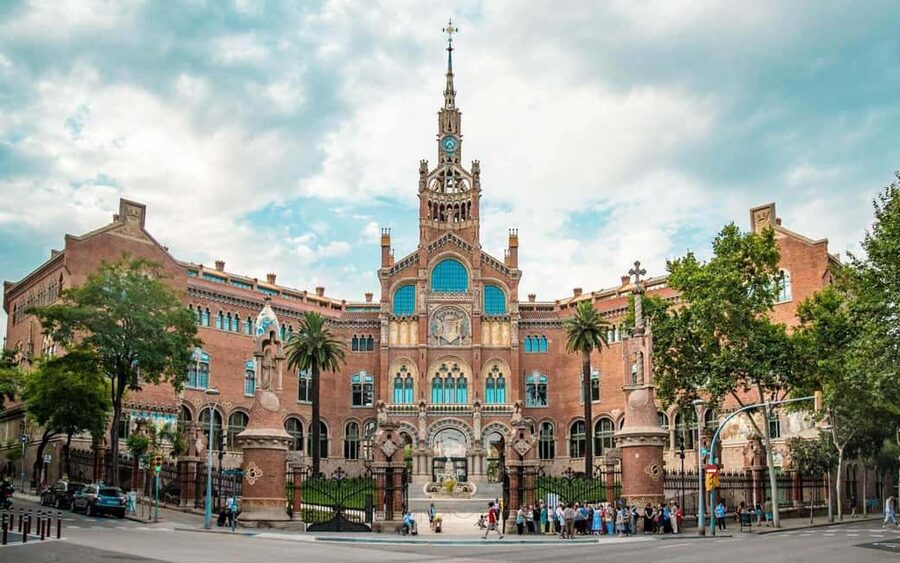
Begin at the Hospital de la Santa Creu i Sant Pau, one of Barcelona’s most important Modernist works. It was designed by Lluís Domènech i Montaner, the same architect responsible for Palau de la Música Catalana, which gives this tour a useful thread from its first stop to its last.
The complex is not a single grand building. You walk through a group of pavilions and gardens, each part of a larger plan. That matters because the hospital was designed as a place of care, not simply as a showpiece. The tour gives you a chance to see how art, architecture, and practical innovation were combined in a working institution.
Your guide explains the complex as you move through it, pointing out the ornament, layout, and design choices that are easy to miss on your own. The gardens also give you room to pause between the decorated buildings. I find this a better introduction to Barcelona’s Modernism than starting with the most famous Gaudí façade, because it shows how broad the movement was.
You receive entry tickets to Hospital de Sant Pau, with an express security check listed for the activity. Wear comfortable shoes. Even though the route is guided and private, you will be moving through several locations rather than sitting in one place.
More Gaudí Tours in Barcelona:
- Barcelona: Park Güell and Gaudí House Museum Entry Ticket
★ 4.5 · 6,326 reviews - Barcelona: Gaudi’s Casa Vicens Skip-the-Line Entrance Ticket
★ 4.7 · 4,541 reviews - Barcelona: Gaudí’s Park Güell Tour with Fast-Track Ticket
★ 4.8 · 4,512 reviews
Casa Fuster and a Rooftop Cava Break
The next major stop is Casa Fuster, another Modernist landmark, now home to one of Barcelona’s elegant hotels. The highlight here is the rooftop terrace, where you enjoy a glass of cava while looking across Passeig de Gràcia and toward the city skyline.
This is a smart pause in a tightly packed architecture tour. You can take in the city from above, collect your thoughts, and enjoy something local without adding a separate restaurant stop to the day. The drink is included, but other food and drinks are not.
The rooftop is subject to availability. If it cannot be used, another option is arranged. That flexibility is useful, but it also means you should not treat the exact terrace setting as guaranteed. If the rooftop is a key reason for booking, ask about availability before you go.
Casa Fuster also helps you see how Modernist buildings have found new lives. You are not touring a preserved hospital alone or looking at abandoned façades. The route shows architecture that still forms part of Barcelona’s daily city life, including a building now used as a hotel.
Passeig de Gràcia, Where Barcelona’s Famous Façades Meet
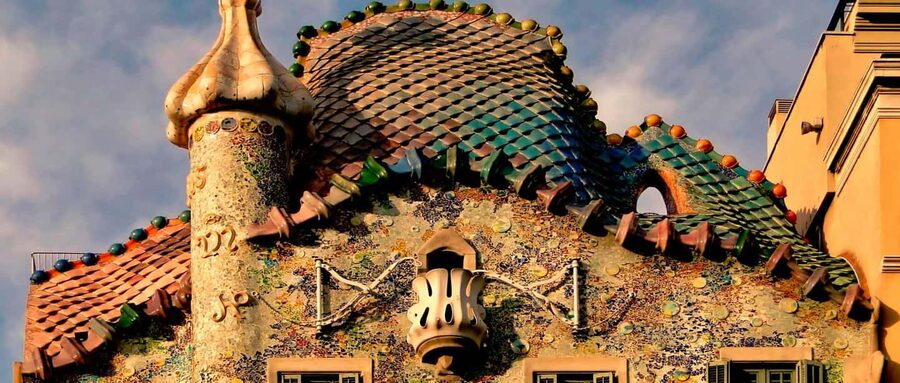
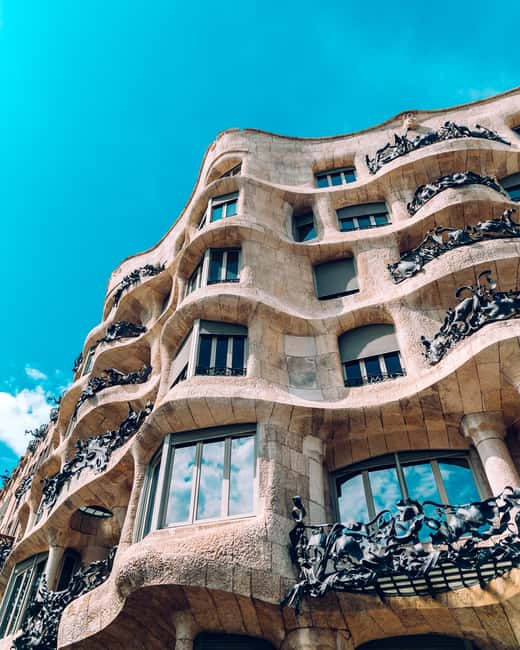
From Casa Fuster, the tour continues along Passeig de Gràcia, Barcelona’s best-known boulevard for Modernist architecture. This is where you see two of Antoni Gaudí’s most famous works, Casa Milà, also called La Pedrera, and Casa Batlló.
The tour focuses on the walk and exterior views rather than full visits inside these two buildings. That distinction is important. If you want to explore La Pedrera’s roof or Casa Batlló’s rooms, you will need separate admission and more time. Here, the value comes from seeing the buildings in relation to one another and hearing your guide explain the architectural setting.
Passeig de Gràcia also includes work by architects beyond Gaudí. Look up as you walk. The boulevard presents a mix of façades, balconies, stonework, and decorative details that show how Barcelona’s wealthy families used architecture to express taste and status in the early 20th century.
I like this part because it gives you a practical way to compare styles. Gaudí gets most of the attention, but Domènech i Montaner and other Modernist architects helped shape the same city. With a private guide, you can ask why one façade feels playful, another formal, and another more closely tied to medieval Catalan design.
The walk also gives the tour its strongest sense of place. You are not viewing architecture in isolation. You are moving along one of Barcelona’s main avenues, with the buildings arranged as part of the city rather than inside a museum.
Casa Amatller and the Story Behind the Chocolate
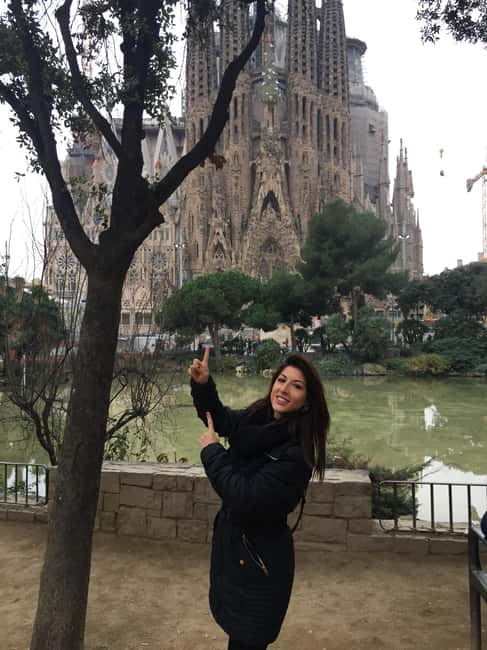
Casa Amatller sits close to Casa Batlló, but its story is different. The tour includes entry to the first floor, sometimes described as the ground-floor interior, so check the exact access details when booking. You will see part of the building from inside rather than only photographing its exterior.
Casa Amatller connects architecture with the Amatller family’s chocolate business. That link gives the visit a more personal angle. The house was not just an architectural commission. It also reflected the family’s place in Barcelona’s commercial and cultural life.
This stop is especially useful if you enjoy the human side of architecture. Your guide can connect the building’s design with the people who lived there and with the city’s growing interest in art, business, and Modernist style. The chocolate connection keeps the explanation grounded in everyday life rather than turning the tour into a list of architects and dates.
The interior access is limited to part of the house, so do not book this expecting a full building tour. Still, even a single interior section can change how you read the exterior. Windows, ornament, and room design make more sense once you have seen how the building works from inside.
More Hidden Gems Architecture Tours in Barcelona:
- Barcelona: Exploring Gaudí’s Hidden Gem, Bellesguard Tower
★ 4.7 · 37 reviews - Chicago’s Secret Interiors Architectural Walking Tour
★ 5.0 · 635 reviews - Chicago: Secret Interiors Architecture Walking Tour
★ 4.9 · 498 reviews - Tokyo: Shibuya Highlights Walking Tour & Secret View Spot
★ 5.0 · 287 reviews
Palau de la Música’s Decorated First Floor
The final major stop is Palau de la Música Catalana, another UNESCO World Heritage Site and one of Barcelona’s most ornate concert halls. It was designed by Domènech i Montaner, linking it directly to the Hospital de Sant Pau at the beginning of the route.
The tour includes the first floor. Inside, you can expect a strong display of mosaic, sculpture, and stained glass. This is a place where surface decoration is not a minor detail. The walls, ceiling, and fittings work together to create a complete visual setting for music.
Because you visit part of the building rather than attending a concert, you can focus on its design. Your guide helps explain how the decorative program supports the purpose of the hall and reflects Catalan Modernist ideas. The stop is a fitting finish because it brings together many themes from the tour: public life, local identity, craft, and architecture made for human use.
Palau de la Música can be visually intense. Give yourself a moment to look up and around instead of rushing after the guide. Whisper headsets are available when necessary, which should make it easier to hear without forcing the guide to speak loudly in a crowded interior.
A Private Format With Useful Practical Comforts
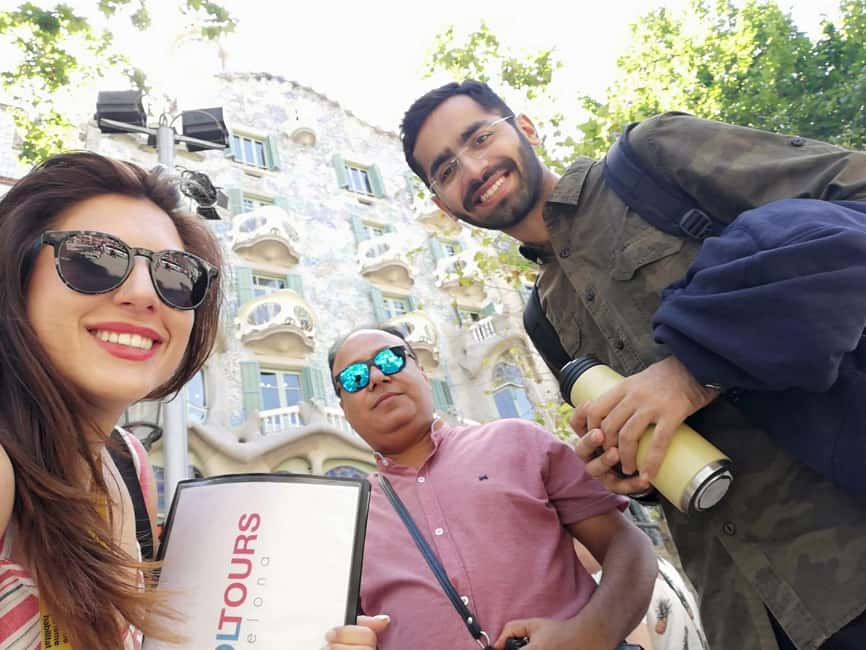
This is a private group experience with a licensed professional guide and English as the listed language. A private format is useful here because the route contains several buildings with different stories. You can ask about a particular façade, spend a little more time on a detail, or request clarification without competing with a large group.
Private transport is included during part of the tour. The exact portion is not specified, so you should not assume the entire route is by vehicle. Much of the experience is built around walking, especially along Passeig de Gràcia, so comfortable shoes are essential.
Whisper headsets are included when needed. These are helpful in busy streets and decorated interiors, where a guide’s normal speaking voice can be hard to follow. They also allow the guide to speak more naturally instead of shouting.
The meeting point is Hospital de la Santa Creu i Sant Pau. Look for the guide wearing a license with a blue lanyard. The tour finishes at C. Sant Francesc de Paula, 2C, in Ciutat Vella. Since the start and finish are in different parts of Barcelona, plan your next activity with the final location in mind.
One guide named for this experience is Bernat. If he is leading your visit, you can expect a guide who explains the development of Barcelona’s Modernism beyond Gaudí. Guide assignments can change, so do not assume he will lead every departure.
Is $112 a Fair Price?
At $112 per person, this is not a budget walking tour. The price includes a private guide, admission to Hospital de Sant Pau, access to part of Casa Amatller, entry to the first floor of Palau de la Música, a rooftop drink when available, and private transport during part of the route.
The value improves if you already planned to visit two or more of these sites. Buying separate tickets and arranging your own explanations can take time, and you would lose the connection between Domènech i Montaner’s buildings, the boulevard architecture, and the Modernist families behind the façades.
The price is less compelling if you mainly want a quick exterior walk or if you plan to enter Casa Milà and Casa Batlló separately. Those two Gaudí buildings are admired from outside on this route, not explored in full. You are paying for the guided connection between several sites, not for deep access to every building named.
I see this as a good fit for someone who wants context, comfort, and a private pace. It is also useful for a first Barcelona visit when you want an organized introduction to Modernism without spending a full day on museum-style visits.
Who Should Book This Modernist Route?
I would recommend it to architecture fans, first-time visitors, couples, families wanting a private guide, and anyone who has already seen Gaudí’s most famous works and wants a wider view of Barcelona’s artistic period.
It suits you especially well if you value guided explanation more than long periods of free exploration. The route is compact but full, with two UNESCO sites, a rooftop stop, a boulevard walk, and interior access at two additional locations.
You may want another plan if your top priorities are shopping on Passeig de Gràcia, entering Casa Batlló and La Pedrera, or spending a relaxed morning at one site. The schedule covers a lot, and the advertised duration varies between three and three and a half hours.
Cancellation is allowed up to 24 hours before the activity for a full refund, and you can reserve while paying later. The tour is listed as wheelchair accessible, though the route includes several sites and some walking, so confirm the exact access arrangements before booking.
Should You Book It?
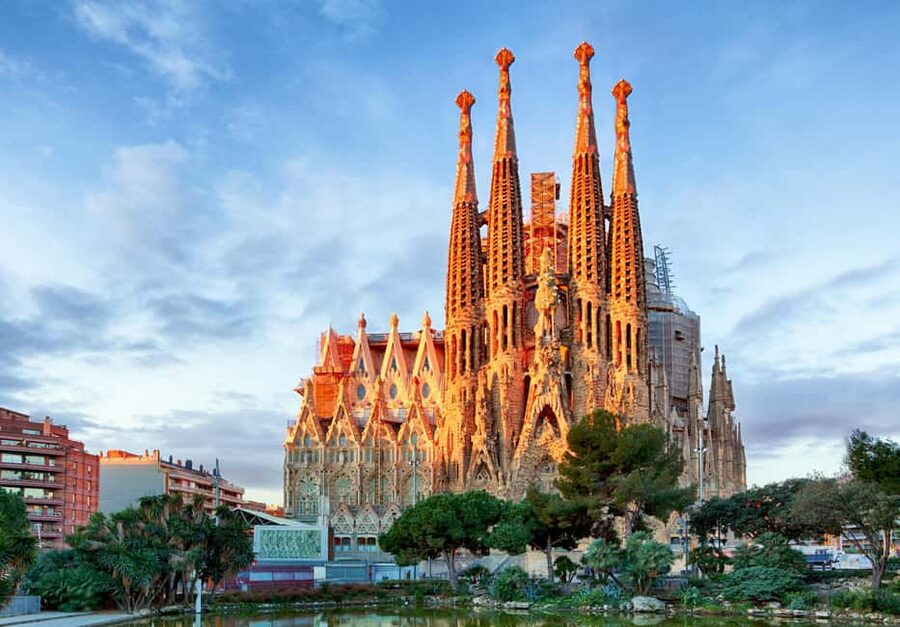
Book this tour if you want Barcelona’s Modernism explained as a citywide movement rather than a short list of Gaudí buildings. Hospital de Sant Pau and Palau de la Música give the route real architectural weight, while Casa Fuster’s cava stop and Casa Amatller’s chocolate connection keep it from feeling like a lecture.
Skip it if you want full interior visits to Casa Milà and Casa Batlló, or if $112 feels high for a three-hour experience. For the right audience, the private format, included admissions, rooftop drink, and guide-led connections make the cost reasonable. Bring comfortable shoes, keep your camera ready, and confirm the rooftop arrangement if that part matters most to you.
FAQ
How long does the tour last?
The activity is listed as three hours, while the detailed schedule describes about three and a half hours. Check the available starting time and current duration when booking.
Where does the tour begin?
It begins at Hospital de la Santa Creu i Sant Pau.
Where does the tour finish?
It finishes at C. Sant Francesc de Paula, 2C, in Barcelona’s Ciutat Vella.
What language is the tour offered in?
The listed tour language is English.
Is this a private tour?
Yes. It is offered for a private group.
Which UNESCO World Heritage Sites are included?
The tour includes Hospital de Sant Pau and Palau de la Música Catalana.
Is the rooftop drink guaranteed?
A rooftop drink with views is included when the rooftop is available. If it is unavailable, another option is arranged.
Are Casa Milà and Casa Batlló visited inside?
The tour includes a stroll along Passeig de Gràcia with views of Casa Milà and Casa Batlló. Full interior admission to those buildings is not listed.
What is included at Casa Amatller?
Entry to the first floor of Casa Amatller is included.
Is food included besides the rooftop drink?
No. Other food and drinks are not included.
What should I bring?
Bring comfortable shoes and a camera.
Can I cancel for a refund?
You can cancel up to 24 hours in advance for a full refund.
New to the itinerary around Barcelona
- Roman & Gotic & Gaudi in Barcelona: private walking tour★ 4.5 · 2 reviews
- Visit to the Modernist houses of the Americans★ 5.0 · 2 reviews
- Barcelona Gaudi Tour: Sagrada Familia, Casa Batllo & Casa Mila★ 5.0 · 4 reviews
- Barcelona Street Escape: Gaudi and the Hidden Treasure★ 5.0 · 17 reviews
- Gaudí & Catalan Modernism Private Walking Tour★ 5.0 · 11 reviews
- Self-Guided Audio Tour-The Surrealist Barcelona of Dalí and Gaudí★ 3.5 · 8 reviews
- Gaudi’s Casa Batlló and La Pedrera with Chocolate Tasting★ 5.0 · 5 reviews
- Gaudí and Barcelona Legends – Private Tour★ 5.0 · 4 reviews
Gaudí Tours, compared.
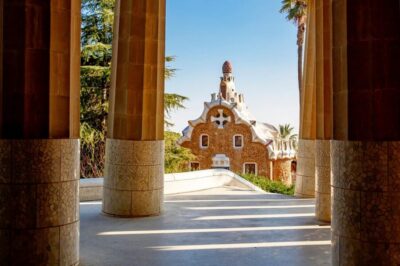
Park Güell and Gaudí House Museum Entry Ticket
Read our review →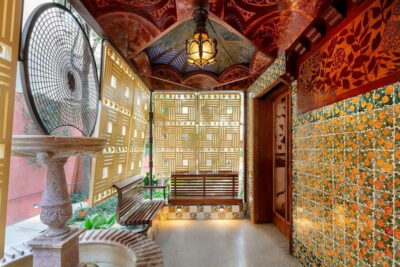
Gaudi’s Casa Vicens Skip-the-Line Entrance Ticket
Read our review →
Gaudí’s Park Güell Tour with Fast-Track Ticket
Read our review →
Sagrada Familia & Gaudi Tour Private or Small Group with Tickets
Read our review →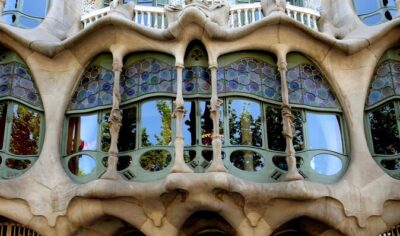
Complete Gaudi Tour: Casa Batllo, Park Guell & Sagrada Familia
Read our review →
Park Güell: Guided Tour with Optional Gaudí Experience Entry
Read our review →
Barcelona e-Bike Tour: Gaudí & Old Town Small Group
Read our review →
Ramblas, Old Town, Gothic and Gaudi Architecture Walking Tour
Read our review →Other lists with this tour