
Review · LOS ANGELES
Downtown Los Angeles Architecture Walking Tour
Downtown Los Angeles reveals its best details at walking speed. In two hours, this tour links the Central Library, old Broadway theaters, the Jewelry District, and several landmark towers, showing how a young city borrowed styles from Europe and then made them its own. The most rewarding part is seeing buildings you might miss from a car, especially the Eastern Columbia Lofts and the James Oviatt Building.
I like the clear mix of architecture and city history. I also like the small group limit of 20, which makes it easier to hear the guide and ask questions. Guide Phil is often praised for his memory, humor, and ability to explain what separates Beaux Arts from Renaissance Revival or Art Deco.
The main drawback is the pace. The tour covers a lot of ground in only two hours, and one stop at the Central Library takes about 20 minutes. If you want to enter several buildings or hear detailed commentary on every façade, this may feel more like a focused introduction than a full architectural survey.
Key points for your Downtown LA walk
- Starts at the Central Library at 10:30 am, a useful downtown meeting point near public transportation.
- Covers several architectural styles, including Beaux Arts, Renaissance Revival, Art Deco, and modernism.
- Includes the Broadway Theater District, the Fine Arts Building, Jewelry District, NoMad Hotel, and Oviatt Building.
- Guide Phil brings strong historical context, with an easy, conversational style and room for questions.
- Small groups are capped at 20 people, keeping the walk more personal than a large city tour.
- Ends at the James Oviatt Building, about a 10-minute walk from the starting point.
Why this two-hour tour gives Downtown LA a clearer shape
Downtown Los Angeles can feel scattered when you first arrive. The streets contain grand old theaters, office towers, jewelry shops, civic buildings, hotels, and modern high-rises, but the connections are not always obvious.
This walk gives you a useful framework. Instead of treating downtown as a string of unrelated sights, the guide traces its growth through building styles and changing fortunes. You see how early civic ambition led to the Central Library, how theaters shaped Broadway, how artists and jewelers found a place in the city, and how Art Deco gave Los Angeles some of its sharpest façades.
The experience works especially well for a first visit because it gives you a mental map. You finish near Olive Street with a better sense of how the central business district fits together. You also get a list of buildings and streets worth revisiting on your own.
At $38 per person, the value depends on how much you want explanation rather than simple sightseeing. The buildings are free to view from the street, but the price pays for a guide who can point out architectural details, connect them to city history, and answer questions as you walk. For anyone interested in design, urban history, or old Los Angeles, that is a fair price for a compact introduction.
More Walking Tours in the USA
- The Official Art Deco Walking Tour by The Miami Design Preservation League
★ 5.0 · 1,580 reviews - Chicago in a Day: Food, History & Architecture Walking Tour
★ 5.0 · 1,153 reviews - Miami South Beach Art Deco Walking Tour
★ 5.0 · 1,039 reviews
The Central Library: a strong opening, with plenty to notice
The tour begins at the Los Angeles Central Library on West Fifth Street. You spend about 20 minutes here, learning how the building’s design uses architectural symbolism.
This is an important opening because the library is more than a convenient meeting point. It gives the guide a place to explain how public buildings communicate civic pride. Look closely at the tower, decorative elements, and formal composition while listening for the links between design and Los Angeles identity.
The library stop is also the longest scheduled visit, and that will suit some people more than others. Several tour participants found this part especially stimulating because it combined architecture with history. Others felt that 20 minutes was too much time in one place, particularly when the tour could have shown more interiors elsewhere.
My advice is to arrive ready to look up and around. The tour is not simply about naming the building. It is about learning how to read it. Once you understand the symbols and style here, later stops become easier to interpret.
The Fine Arts Building and Los Angeles’s artist colony
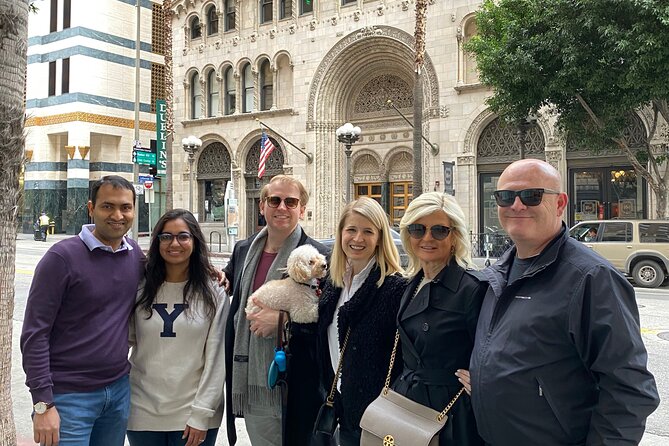
The next stop is the Fine Arts Building, once the original artist colony of Los Angeles. The visit lasts about 10 minutes.
This stop adds a human side to the architecture. The building is not presented only as an attractive façade or a piece of old construction. Its importance comes from the people who worked there and from the role it played in the city’s early creative life.
The Fine Arts Building also helps balance the grand civic scale of the library. You move from public symbolism to a place tied to artists, studios, and working life. That shift makes the route feel less like a parade of monuments and more like a look at how downtown functioned.
You should expect an exterior-focused discussion rather than a long interior visit. If you want to explore every building from inside, this tour may leave you wanting more time. Its strength is the selection of sites and the stories that connect them.
The Jewelry District: five minutes with a major downtown trade
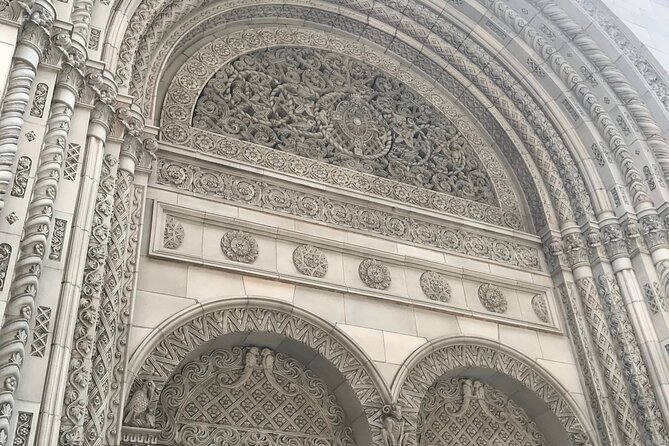
The Jewelry District gets a short five-minute stop. It is identified as America’s largest jewelry district, and its role gives you a quick look at a different side of downtown commerce.
This is not a long architectural examination. Instead, it shows how the district’s buildings and streets serve a specialized trade. The stop is brief, but it helps explain why Downtown LA developed as a collection of distinct commercial areas rather than one uniform office center.
You may find this part less satisfying if you want detailed building-by-building commentary. Still, it adds useful context. Architecture makes more sense when you understand what happened inside the buildings, and the Jewelry District provides that working-city perspective.
Same streets, read through a different style:
- Chicago Architecture River Cruise
★ 5.0 · 15,756 reviews - Chicago River 90-Minute Architecture Tour
★ 4.5 · 9,629 reviews - Chicago River: 1.5-Hour Guided Architecture Cruise
★ 4.8 · 8,046 reviews - Chicago Architecture Center River Cruise aboard First Lady
★ 5.0 · 5,536 reviews
Broadway’s historic theaters and the old entertainment core
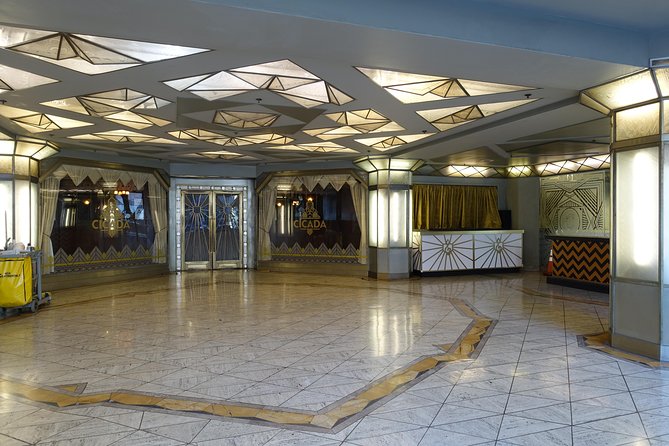
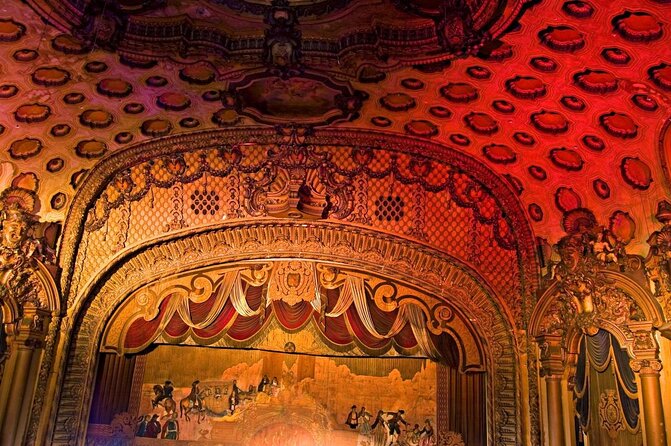
The tour spends about 25 minutes in the southern section of the Historic Broadway Theater District. This is one of the route’s best stretches because so many façades are close together.
Broadway gives you a strong lesson in scale. These theaters were designed to attract attention, and their fronts often use elaborate ornament, bold signs, and grand entrances. Even from the sidewalk, you can sense how entertainment once shaped this part of town.
The guide discusses the theaters as part of the city’s past and present. Some buildings have been restored, while others show the wear of changing use and time. That contrast matters. You are not looking at a frozen museum district. You are seeing an area that has gone through decline, repair, and renewed interest.
The 25-minute stop is long enough to compare façades and hear how the district developed. It is also a good place to ask questions, particularly if you want help identifying Beaux Arts, Renaissance Revival, or Art Deco details.
Eastern Columbia Lofts: the Art Deco highlight
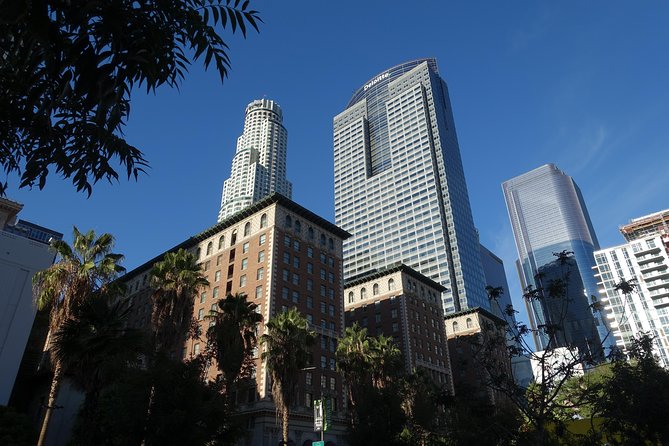
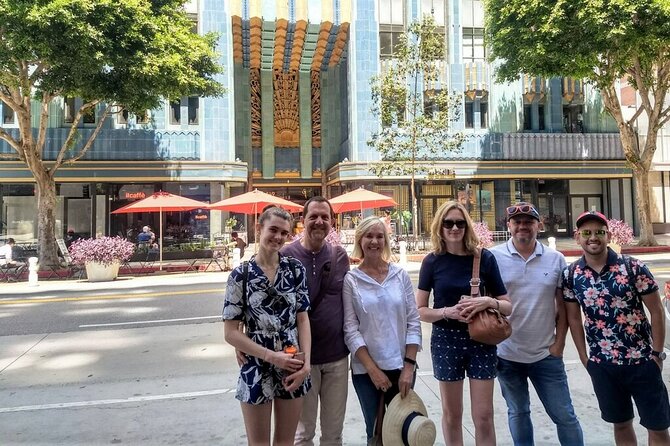
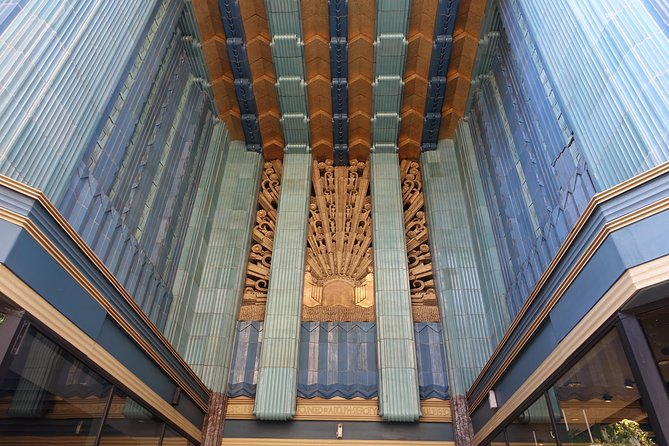
The Eastern Columbia Lofts receive about 10 minutes, and this is likely to be one of the tour’s most memorable exteriors. It is known as the Jewel of Art Deco, a fitting description for a building designed to catch the eye.
Here, the guide can help you separate Art Deco from the more classical styles seen earlier. Look for the strong geometry, decorative pattern, and sense of vertical movement that make Art Deco feel different from Beaux Arts formality.
The stop is exterior-based, and admission is not included. That matters because you should not expect a scheduled interior tour of the lofts. The reward comes from seeing the façade in context and learning why it matters in the story of Los Angeles architecture.
This is also where a good guide earns the fee. A quick photo is easy. Understanding why the building looks the way it does, and how it fits into the city’s development, gives the stop more staying power.
The NoMad Hotel and the former Bank of Italy
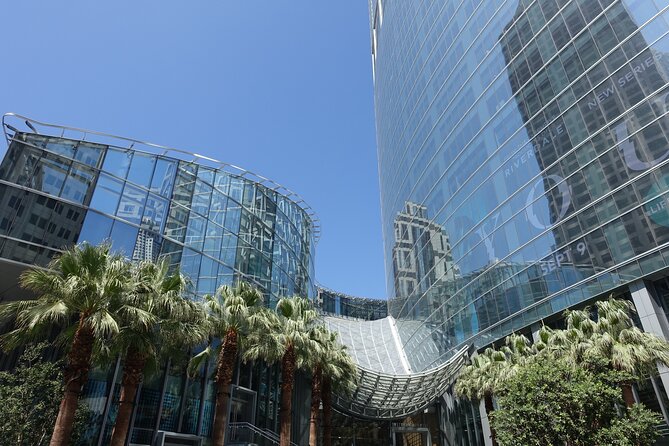
The NoMad Hotel occupies the former home of the Bank of Italy Los Angeles. The group spends about 10 minutes here, again with no admission included.
The building represents a different type of civic ambition. A bank needed to appear solid, prosperous, and trustworthy, and its architecture helped deliver that message. The later hotel use adds another chapter to the building’s life.
This stop is useful because it shows how downtown buildings can change purpose without losing their architectural identity. You are not just seeing an old bank or a modern hotel. You are seeing one structure pass through different eras of city life.
The tour does not promise a hotel interior visit, so treat this as an exterior and historical stop. If you are hoping to see the inside of every landmark, adjust your expectations before booking.
The Oviatt Building: a fitting finish on Olive Street
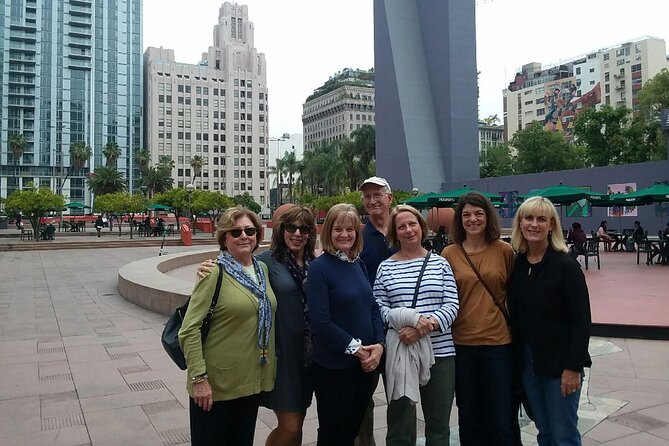
The route ends at the James Oviatt Building at 617 South Olive Street. The building is described as Los Angeles’s oldest standing Art Deco building, making it a logical final stop.
Ending here gives the walk a clear architectural finish. After seeing classical civic buildings, theaters, commercial districts, and the Eastern Columbia façade, you reach a structure that lets the guide return to Art Deco and explain its place in the city.
The tour ends outside rather than back at the library. You are about a 10-minute walk from the starting point, and the guide can point you in the right direction. This is simple but important planning information. If you have a timed reservation immediately afterward, allow for that extra walk.
The Oviatt stop also leaves you in a practical position for continuing around downtown. You can use the guide’s directions to return to the library or plan your next activity from Olive Street.
What the guide adds to the buildings
The guide is central to the experience. Phil is repeatedly singled out for being articulate, friendly, funny, and able to answer questions without sounding locked into a script.
That matters on an architecture walk. A list of dates and styles can become dry very quickly. The strongest moments come when the guide explains small differences between styles, links a building to its original purpose, or turns a façade into part of a larger city story.
Phil’s approach also seems to suit both specialists and beginners. You do not need to arrive knowing the difference between Renaissance Revival and Art Deco. At the same time, someone who already follows architecture can ask questions and get more than a basic sightseeing talk.
One useful strength is the balance between past and present. Downtown LA is not treated as a collection of old buildings disconnected from modern life. The route shows how older structures have been restored, reused, or left beside newer construction. That makes the city easier to understand as a place that keeps changing.
Group size, walking demands, and practical planning
The group is limited to 20 people. That is small enough to keep the guide within earshot and large enough to retain the social feel of a city walk.
The tour lasts about two hours and begins at 10:30 am. You should wear comfortable shoes and expect to spend the full time on foot, moving between downtown stops. The tour description does not provide a total distance, so I would not plan it as a strenuous hike, but you should be comfortable walking and standing for two hours.
The starting point is the Central Library at 630 West Fifth Street. It is near public transportation, which makes the meeting point easier to reach without arranging a car. The ending point is the Oviatt Building, and the guide can help you navigate back.
A mobile ticket is accepted, and confirmation arrives at booking. Service animals are allowed, and most people can participate. The tour requires good weather and a minimum number of participants. If poor weather or low enrollment cancels the experience, you can receive a full refund or choose another date or experience.
For cancellations, you can receive a full refund if you cancel at least 24 hours before the start time. Changes or cancellations inside that window are not accepted for a refund.
Who will get the most from this walk
I would choose this tour if you are visiting Los Angeles for the first time and want more than the usual movie-related sights. It is also a good fit for anyone who likes urban history, historic preservation, or the way buildings reveal a city’s ambitions.
The tour suits visitors who prefer a compact introduction. Two hours is long enough to cover major ground without taking up an entire morning, and the route gives you useful ideas for later independent exploring.
It may not suit you if your main goal is extensive interior access. Several stops are viewed from outside, and the schedule allows only short visits at some buildings. It may also feel too quick if you want technical architectural analysis at every stop.
Should you book the Downtown LA Architecture Walking Tour?
Book it if you want to understand why Downtown Los Angeles looks the way it does. The strongest reasons are the carefully chosen route, the mix of architectural styles, the Broadway theater section, and Phil’s ability to connect design with city history.
At $38, I consider it good value for a focused two-hour introduction, especially if you are new to downtown or would otherwise pass these buildings without noticing them. Just remember that this is a walking overview, not a series of interior visits.
If you want a guided look at old Los Angeles, enjoy asking questions, and like seeing the city through its buildings, this is an easy recommendation. If you need extensive access inside landmarks, choose a longer or more specialized experience instead.
FAQ
How long is the Downtown Los Angeles Architecture Walking Tour?
The tour lasts approximately two hours.
Where does the tour begin?
It begins at the Los Angeles Central Library, 630 W 5th St, Los Angeles, California 90071.
What time does the tour start?
The scheduled start time is 10:30 am.
Where does the tour end?
The tour ends at the James Oviatt Building at 617 S Olive Street. It is about a 10-minute walk back to the Central Library, and the guide can provide directions.
How much does the tour cost?
The listed price is $38 per person.
Is the tour suitable for most people?
Most people can participate, and service animals are allowed. The tour is near public transportation and requires walking and standing for about two hours.
What happens if the weather is poor or the tour does not reach its minimum group size?
You will be offered a different date or experience, or a full refund.
New to the itinerary around the USA
- Washington, DC: Georgetown Architecture Walking Tour★ 5.0 · 8 reviews
- Wilmington History and Architecture Tour★ 4.8 · 18 reviews
- Washington DC: Dupont Circle & Embassy Row Architecture Tour★ 5.0 · 6 reviews
- New Orleans : Garden District Architecture Walking tour★ 4.8 · 5 reviews
- Private Colonial Williamsburg Architectural Tour★ 5.0 · 5 reviews
- Tulsa: Art Deco Walking Tour of Tulsa★ 5.0 · 8 reviews
- Castle to Capitol: Museums of the National Mall Architecture Tour★ 4.5 · 9 reviews
- Monuments and Memorials Architectural Walking Tour★ 5.0 · 17 reviews
Los Angeles Architecture Tours, compared.
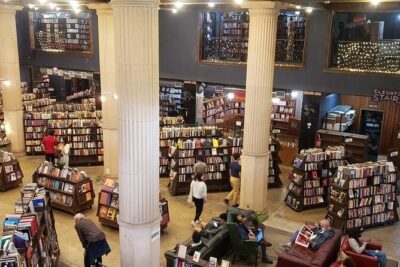
The History and Architecture of Downtown Los Angeles
Read our review →
Downtown Los Angeles History and Architecture Walking Tour
Read our review →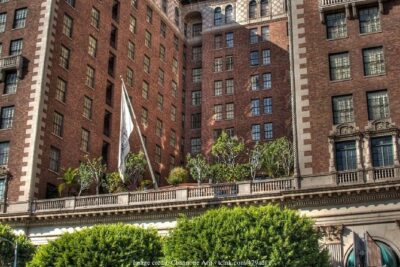
LA’s Art Deco & Beaux Art Architecture: Private Walking Tour
Read our review →
Downtown LA’s History & Architecture: Private Walking Tour
Read our review →Other lists with this tour