
Review · USA
Santa Fe: Architectural Walking Tour & Wine Tasting
Santa Fe’s architecture tells its story without a museum wall. On this three-hour walk, you’ll move through the Canyon Road Gallery district and nearby residential lanes, where Pueblo, Spanish Territorial, and Northern New Mexico styles sit close together. I like the way the tour connects buildings to social and cultural change, rather than treating them as pretty façades. I also like the acequia lesson, since this working watercourse shows how daily life in old Santa Fe depended on shared irrigation.
The Gruet wine tasting gives the walk a pleasant finish and adds a local food-and-drink angle. The main consideration is pace: three hours on foot, with time spent looking closely at architecture, may feel slow if you want a quick city overview or prefer a bus-based tour.
Key points to know before you go
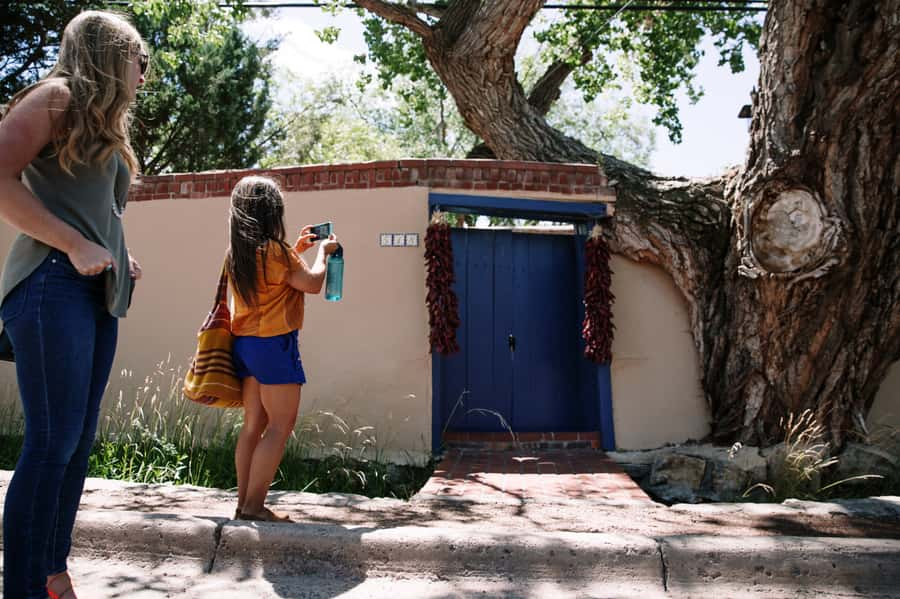
- Three New Mexican styles: Compare Pueblo, Spanish Territorial, and Northern New Mexico architecture during one focused walk.
- A working acequia: Learn how the historic watercourse still carries controlled irrigation water to private gardens.
- Canyon Road setting: Follow small residential backroads near Santa Fe’s well-known Gallery district.
- Personal guiding: Sandy leads the experience with an engaging, approachable style and strong knowledge of Santa Fe’s past.
- Wine to finish: Taste local wines at the Gruet Tasting Room after the walking portion.
- Small-group format: The tour is limited to eight people, which suits travelers who prefer questions and conversation.
Why Santa Fe architecture makes a good walking lesson
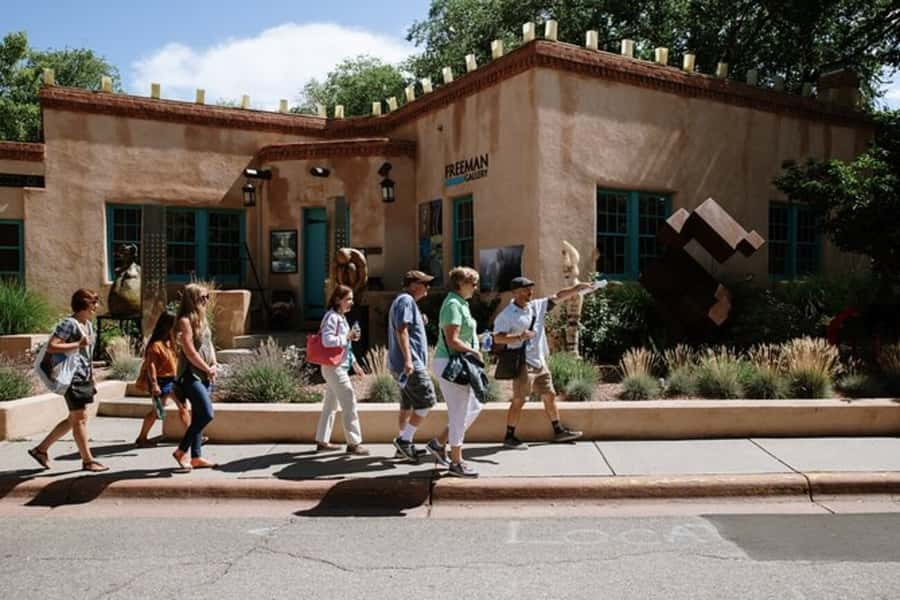
I find Santa Fe easiest to understand at street level. Its buildings reflect climate, materials, Spanish settlement, Indigenous traditions, and later design choices. A guide can point out details that blend into the view when you walk alone, then explain why they appear where they do.
This tour focuses on three broad architectural styles. The names help you sort what you see, but the real value is learning how each style expresses a different period and way of life. You are not simply ticking off façades. You are learning to read the town.
The walking route includes the Canyon Road Gallery district and smaller residential backroads. That setting matters. Gallery streets can feel polished and commercial, while residential lanes offer a closer look at how architectural traditions work in everyday homes and gardens.
I would choose this experience early in a Santa Fe visit if architecture, history, or local culture matters to you. Once you know what to look for, later walks through town become more rewarding.
More Walking Tours in the USA
- The Official Art Deco Walking Tour by The Miami Design Preservation League
★ 5.0 · 1,580 reviews - Chicago in a Day: Food, History & Architecture Walking Tour
★ 5.0 · 1,153 reviews - Miami South Beach Art Deco Walking Tour
★ 5.0 · 1,039 reviews
Pueblo style, built for place and climate
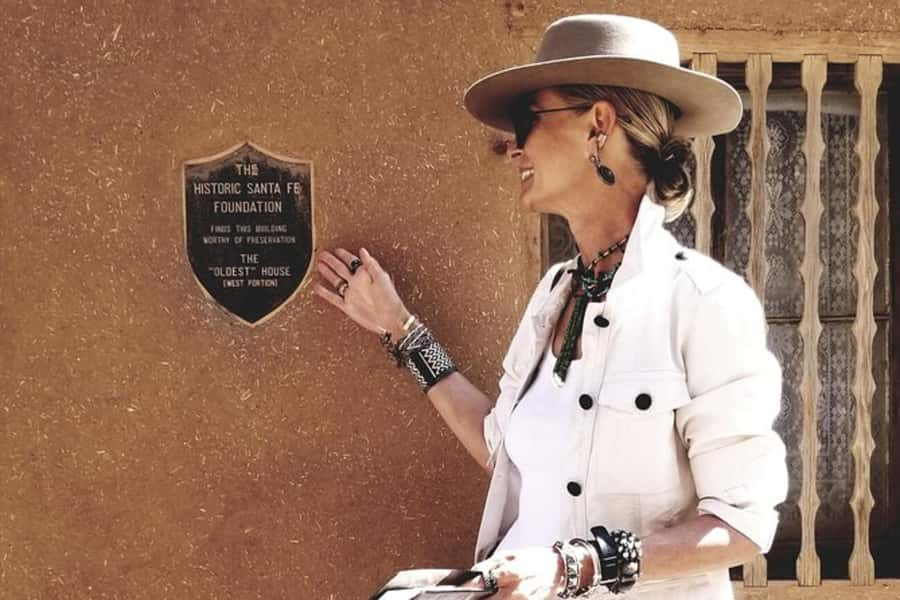
The Pueblo style is the most immediately recognizable of the three. Its traditional appeal comes from earthen-looking forms, softened edges, and a close relationship with the dry New Mexican setting. The style is tied to Indigenous building traditions and remains central to the city’s visual identity.
The important lesson is not simply that Pueblo buildings look a certain way. You’ll learn how architecture can respond to local materials, weather, and community traditions. A good guide helps you notice the broad shapes and surfaces first, then links them to the people and movements that shaped Santa Fe.
I like this part of the walk because it gives you a clear starting point. Once you begin spotting Pueblo features, you can compare them with the other styles instead of seeing Santa Fe as one uniform architectural scene.
The tour description does not promise entry into private buildings, so expect the emphasis to be on exterior views and explanation along the route. That is also why comfortable walking shoes matter. The experience is about observing details from the street, not touring a series of indoor rooms.
Spanish Territorial style and Santa Fe’s changing identity
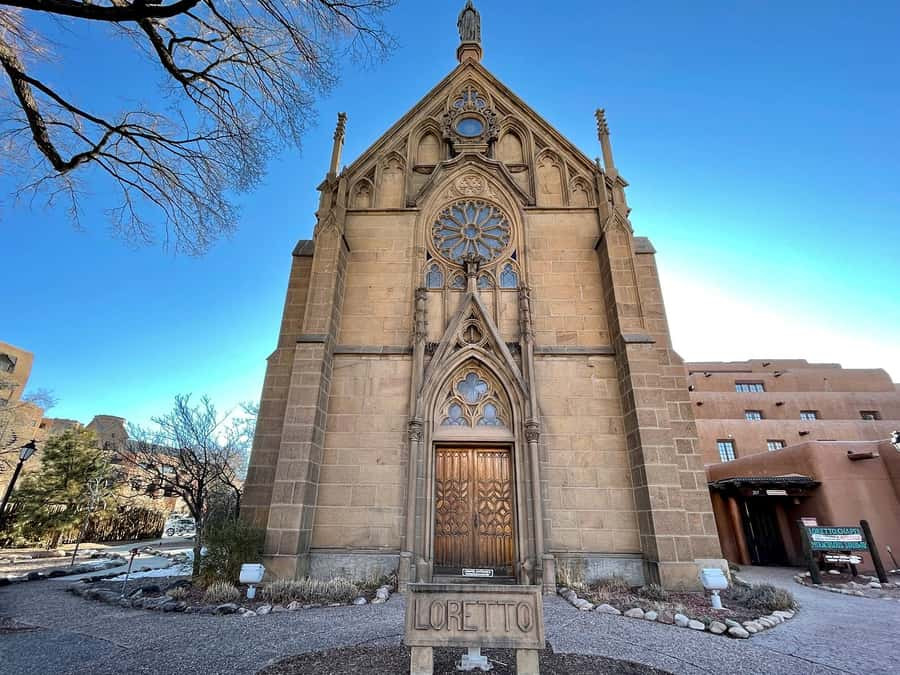
Spanish Territorial architecture brings a different character to the comparison. It has a more formal, classic quality than the traditional Pueblo style, reflecting another phase in New Mexico’s development and its Spanish cultural roots.
The guide places the style within wider historical and social movements. That context is useful because architectural labels can otherwise become a memory test. You will get more from the tour if you ask how each style relates to Santa Fe’s changing population, institutions, and sense of identity.
For me, this is where the experience becomes more than a pleasant stroll. You start to see the town as a record of overlapping cultures and time periods. A doorway, roofline, or wall can carry clues about the values and practical needs of the people who built it.
The classic quality of Spanish Territorial buildings may appeal most to visitors who enjoy symmetry and formal design. If you prefer only dramatic landmarks, some of the smaller details may require patience. This is a close-looking tour, not a checklist of major monuments.
Northern New Mexico roofs and regional detail
The Northern New Mexico style adds another useful contrast. Its tall, narrow pitched roofs differ from the flatter, more earthen forms associated with Pueblo architecture. Seeing the three styles in one outing helps you understand that New Mexican design is not one fixed look.
I appreciate that the tour includes this distinction. Many quick visits reduce Santa Fe architecture to adobe walls and rounded corners. The pitched roofs show another regional response and another chapter in the area’s architectural story.
You’ll spend time on small winding residential roads near Canyon Road, so this portion should feel quieter than a standard downtown sightseeing route. The information provided does not specify every stop or building, and that is worth keeping in mind. The experience is guided by the styles and the story of the neighborhood, rather than by a published list of named interiors.
That flexibility can work well in a small group. With no more than eight participants, the guide can pause when a feature raises a question or when the group wants a closer look.
Same streets, read through a different style:
- Chicago Architecture River Cruise
★ 5.0 · 15,756 reviews - Chicago River 90-Minute Architecture Tour
★ 4.5 · 9,629 reviews - Chicago River: 1.5-Hour Guided Architecture Cruise
★ 4.8 · 8,046 reviews - Chicago Architecture Center River Cruise aboard First Lady
★ 5.0 · 5,536 reviews
The acequia lesson: water, gardens, and shared responsibility
The acequia may be the tour’s most distinctive subject. This watercourse parallels the walkway and still serves private residential gardens. Water moves through a system of controlled flow, continuing a long-standing local tradition.
I like the acequia because it shifts the focus from appearance to function. Buildings catch your eye, but water explains how people maintained homes and gardens in a dry region. The channel also points to shared systems and community management, not just individual property.
You’ll learn why the acequia mattered and how its use continues. That link between past and present makes the stop especially useful. Santa Fe’s history is not presented as something sealed away. An old practice remains part of daily life.
The acequia is also a reminder to look down as well as up. Architecture gets most of the attention on walking tours, but the watercourse shows how streets, homes, gardens, and natural limits fit together. I would pay close attention here, since it is the sort of detail you could easily miss on your own.
Canyon Road beyond the galleries
Canyon Road is known for galleries, but this tour uses the area for more than an art stop. The route turns onto small residential backroads, giving you a chance to see how the architectural styles appear outside a gallery setting.
That choice adds balance. A gallery district can present Santa Fe in a carefully polished way. Residential streets show how design traditions shape ordinary spaces, gardens, and private homes. You may find the route more revealing than a walk that stays only on the main commercial path.
The tour description does not promise gallery admissions or shopping time. If you want to browse art, plan that separately. Here, the focus is architecture, history, and the acequia, with wine tasting saved for the end.
The route also makes the activity a good choice for people who want a city walk without a large crowd. The group limit is eight, and the English-speaking guide can keep the discussion more personal than a large scheduled tour.
Finishing at the Gruet Tasting Room
The final stop is a wine tasting at the Gruet Tasting Room. Local wines from the area provide a natural close to a walk centered on place and tradition.
I like the order of the experience. You first spend time looking at buildings and learning how Santa Fe developed, then sit down for a taste connected to the region. The tasting gives you a change of pace after the walking portion, though the available information does not specify the number of wines, tasting format, or whether food is included.
That lack of detail is worth noting if wine is your main reason for booking. The tasting is one part of a larger experience, not a stand-alone winery visit. You should choose this tour for the combination of architecture, local history, acequia knowledge, and wine.
Gruet is also a practical endpoint because it gives the tour a clear finish. You are not left with an open-ended walk or an added transfer. Still, the meeting point is at the Heritage Inspirations Travel Hub and E-Bike Shop inside the Inn & Spa at Loretto, so check the location before setting out.
What the guide adds to the walk
Sandy is the named guide associated with this experience. Her style comes across as engaging, charming, and relatable, with a clear interest in connecting each person to the subject. That matters on an architecture tour, where a dry lecture can make even fine buildings blur together.
I would expect Sandy to be especially useful for travelers who want explanation rather than a simple route. The tour covers historical, social, and cultural forces, so the guide’s ability to connect facts and places is central to the value.
Because the group is capped at eight, you should have a better chance to ask about a style, building, or acequia feature that catches your eye. The tour is conducted in English, and no other language is listed.
The guide also appears to be the main reason this experience works as more than a self-guided walk. Santa Fe has plenty to see for free, but a local perspective can help you notice why the town looks the way it does.
Time, group size, and overall value
The activity lasts three hours. That is long enough to give the three architectural styles proper attention, explain the acequia, and include the wine tasting without turning the outing into a rushed photo stop.
The small group is another strong point. A limit of eight people makes it easier to hear the guide and keep the conversation moving. It also means the experience may suit solo visitors, couples, and small families who prefer a calmer pace.
No price is provided in the available details, so I cannot judge the exact dollar value. In practical terms, the package combines a guided walking tour, an English-speaking local guide, bottled water, and a wine tasting. If you were planning to pay separately for a city tour and tasting, having both in one three-hour activity could be efficient.
The value is strongest for you if you want interpretation. If you only want a short orientation to downtown or a full winery experience, another activity may fit better. This tour earns its keep through the explanations and the connection between architecture, water, and local life.
Who should book this Santa Fe walk
I would recommend it to travelers who enjoy architecture but do not want a technical lecture. You do not need prior knowledge of Pueblo or Territorial design. The three-style structure gives you an easy way to follow along.
It also suits visitors interested in cultural history and how older traditions remain in use. The acequia makes the tour more specific than a general city walk, while the wine tasting gives it an easy social finish.
Art lovers staying near Canyon Road may find the location convenient, especially if they want to look beyond the galleries. People who dislike walking tours, need a fast overview, or want extensive indoor access should consider the format carefully.
The experience is also a good fit for a first or second day in Santa Fe. It can give you a visual framework for later sightseeing, and the small group allows you to ask practical questions about the town.
You can cancel up to 24 hours ahead for a full refund, and you can reserve now and pay later. Those terms help if your schedule is still taking shape, though you should confirm the available starting time when booking.
Should you book the architectural walking tour?
Book this tour if you want to understand why Santa Fe looks the way it does, not just photograph it. The combination of three architectural styles, a still-used acequia, Canyon Road’s residential lanes, and a Gruet tasting gives the three hours a clear sense of place.
I would be less likely to choose it if wine is your only goal or if you want a broad tour covering many distant sights. For architecture, local customs, and a personal guide, it is a focused choice. Sandy’s engaging approach is an added reason to consider it, especially if you learn best through conversation.
FAQ
How long does the Santa Fe architectural walking tour last?
The tour lasts three hours.
Where does the tour meet?
You meet at Heritage Inspirations Travel Hub & E-Bike Shop, located inside the Inn & Spa at Loretto.
What architectural styles will I learn about?
The tour covers New Mexican Pueblo, Spanish Territorial, and Northern New Mexico architectural styles.
Does the tour explain Santa Fe’s acequia?
Yes. You’ll learn about the history and importance of the acequia that parallels the walking route and still irrigates private residential gardens.
Is wine tasting included?
Yes. The experience includes a wine tasting at the Gruet Tasting Room.
Is bottled water included?
Yes. Bottled water is included with the walking tour.
What language is the tour conducted in?
The tour is conducted in English, and the live guide speaks English.
How many people can join the group?
The tour is limited to eight participants.
Can I cancel the booking?
Yes. You can cancel up to 24 hours in advance for a full refund. You can also reserve now and pay later.
New to the itinerary around the USA
- Wilmington History and Architecture Tour★ 4.8 · 18 reviews
- Washington, DC: Georgetown Architecture Walking Tour★ 5.0 · 8 reviews
- Washington DC: Dupont Circle & Embassy Row Architecture Tour★ 5.0 · 6 reviews
- New Orleans : Garden District Architecture Walking tour★ 4.8 · 5 reviews
- Private Colonial Williamsburg Architectural Tour★ 5.0 · 5 reviews
- Tulsa: Art Deco Walking Tour of Tulsa★ 5.0 · 8 reviews
- Castle to Capitol: Museums of the National Mall Architecture Tour★ 4.5 · 9 reviews
- Monuments and Memorials Architectural Walking Tour★ 5.0 · 17 reviews
USA Architecture Tours, compared.
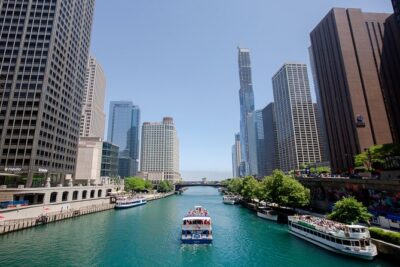
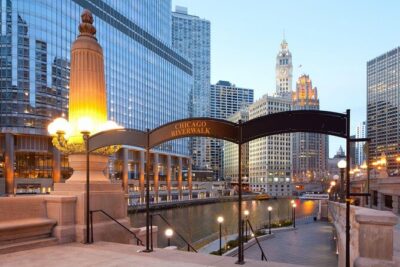
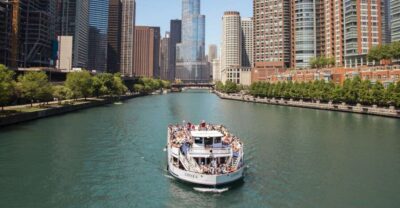
Chicago River: 1.5-Hour Guided Architecture Cruise
Read our review →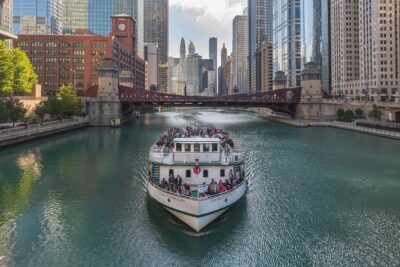
Chicago Architecture Center River Cruise aboard First Lady
Read our review →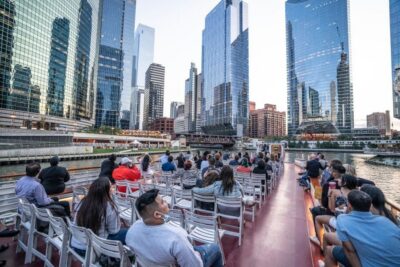
Architecture River Cruise Skip-the-Ticket Line
Read our review →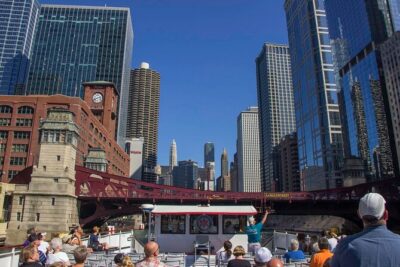
Chicago River 45-Minute Architecture Tour from Magnificent Mile
Read our review →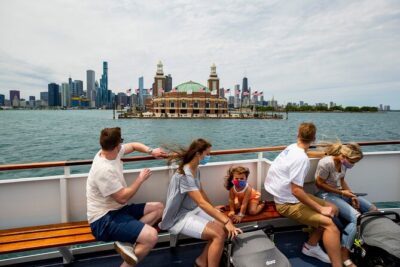
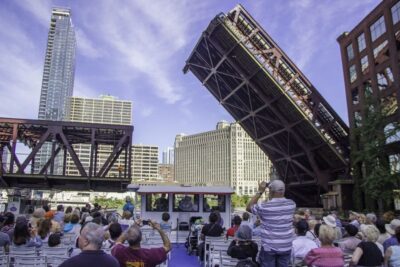
45-Minute Family-Friendly Architecture River Cruise
Read our review →Other lists with this tour