
Review · MEXICO
Puebla Architecture Walking Tour
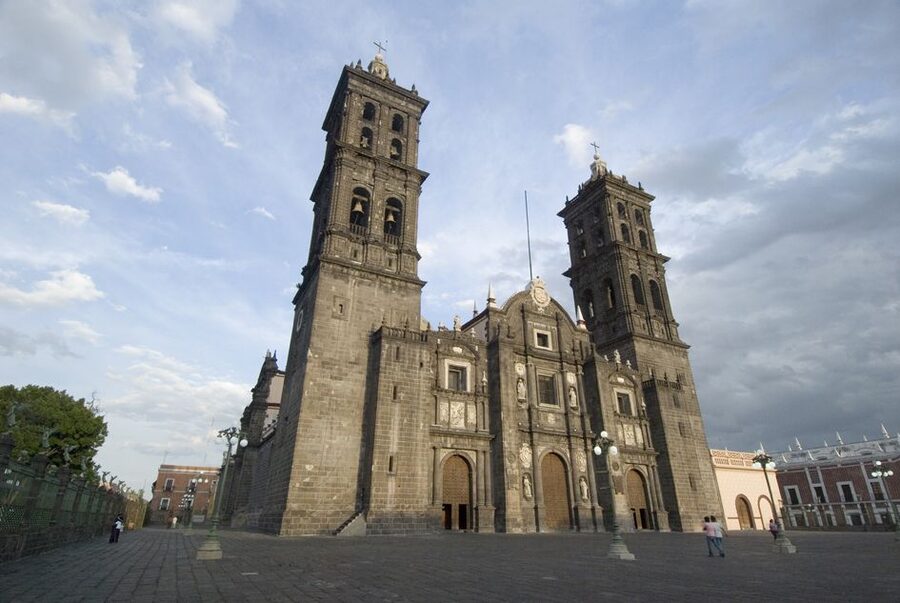
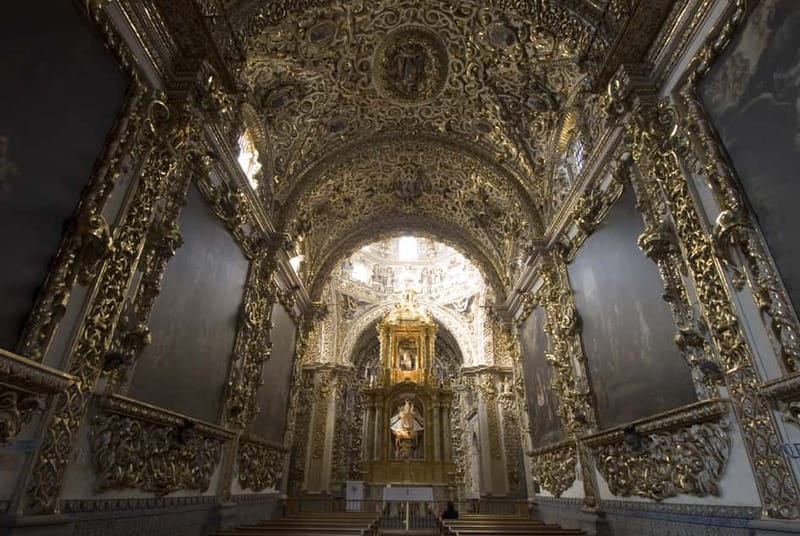
Puebla’s architectural story comes into focus one street at a time, from the cathedral’s towering silhouette to the gold-covered Rosario Chapel and the tiled lanes around Sapos alley. The three-hour route gives you a useful introduction to the city’s historic center without turning the day into a long lecture.
I like the private format, which gives you room to ask questions, and I like the crossword puzzle that turns details into a small game. The main consideration is simple: you will walk for three hours, and transportation to the meeting point at Portal Hidalgo is not included.
Key points to know before booking
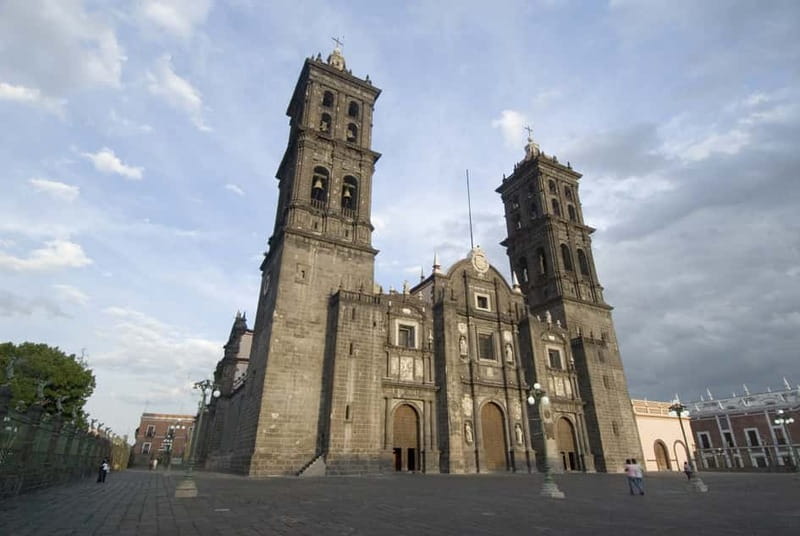
- The cathedral is the grand opening stop: See Puebla’s gilded cathedral, built over more than 300 years and known for its very high towers.
- Rosario Chapel is the visual showstopper: Gold-colored stucco and Mexican Baroque decoration make this a major highlight.
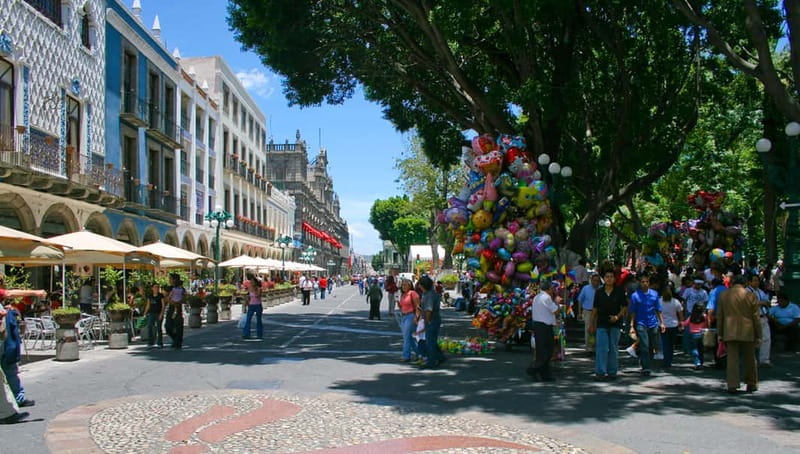
- The route covers more than grand monuments: Candy street, Sapos alley, artist neighborhoods, and the Parian handcraft market add everyday color and local character.
- The crossword keeps you involved: You gather answers from the guide as you move through the city.
- You get a private three-hour tour: Spanish and English are available, and the route is listed as wheelchair accessible.
- The $59 price includes admission: You still need to make your own way to the starting point, and insurance is not included.
Why Puebla works so well on foot
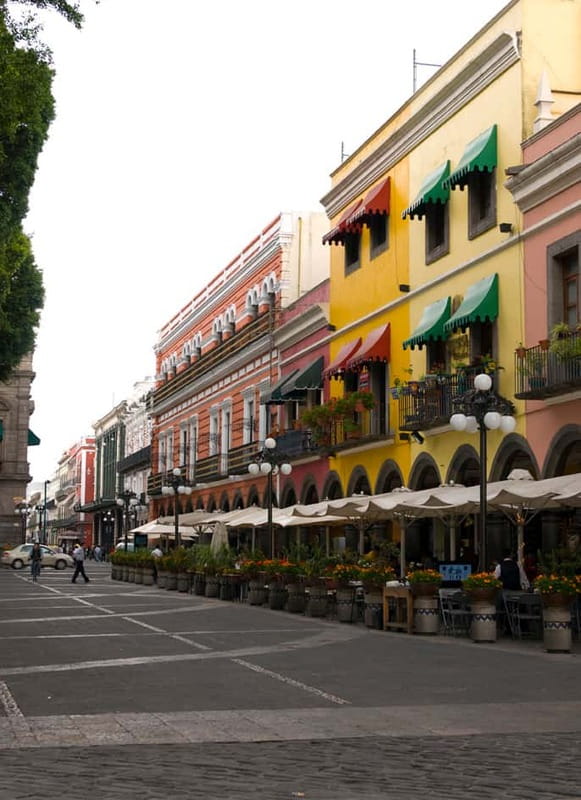
Puebla is a rewarding city for a walking tour because the historic center packs many architectural styles into a relatively compact area. A short turn can take you from a formal plaza to a narrow lane lined with decorative facades, small shops, and handcraft stalls.
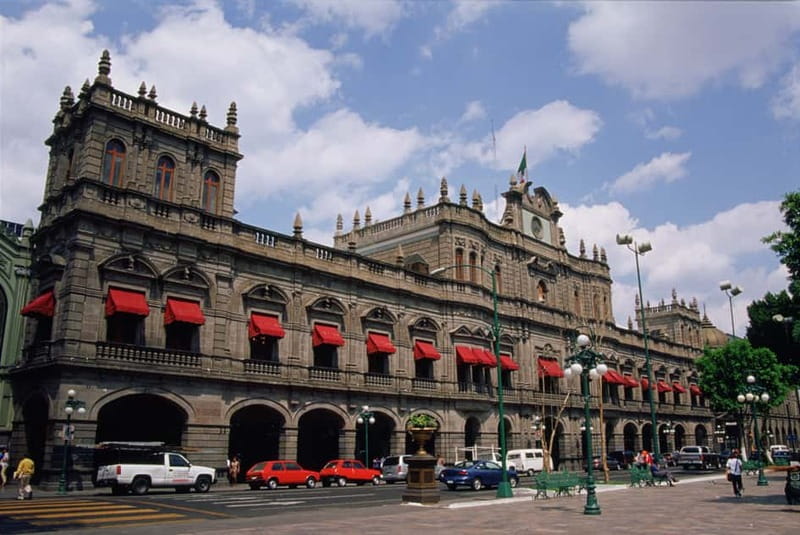
The city was named a UNESCO Human Heritage City, and this tour helps explain why. You are not simply checking off one church and one market. You are seeing how Puebla’s streets, religious buildings, commercial lanes, and neighborhood corners fit together.
The tour catalog includes more than 5,000 buildings. You will not study all of them in three hours, of course, but that number gives you a sense of the city’s scale and consistency. The real value of a guide is helping you notice the details that are easy to miss when you walk alone: decorative stonework, different building methods, church interiors, and the way public spaces connect.
I also like that the route includes places with different moods. The cathedral and Rosario Chapel are formal and highly decorated. Candy street is more commercial. Sapos alley and the artist neighborhoods feel more intimate, while the Parian market gives you a chance to browse Mexican crafts.
More Walking Tours in the world:
- The Official Art Deco Walking Tour by The Miami Design Preservation League
★ 5.0 · 1,580 reviews - Lecce: Baroque Architecture and Underground Walking Tour
★ 4.6 · 1,248 reviews - Chicago in a Day: Food, History & Architecture Walking Tour
★ 5.0 · 1,153 reviews
Starting at Portal Hidalgo and Puebla’s main square
The meeting point is at Av. Juan de Palafox y Mendoza 14, Portal Hidalgo. You will find the Tip Tours & DMC booth at the visitor center. This is a practical starting point because the main square puts you near several of Puebla’s key sights.
Beginning in the main square gives your guide a natural place to explain the city’s layout and introduce its architectural character. You can expect the first part of the walk to focus on the historic center and the buildings around the plaza before the route moves into the cathedral.
You should arrive with comfortable walking shoes and enough time to locate the visitor center. Since hotel transportation is not included, plan your route to Portal Hidalgo in advance. That is especially useful if you are staying outside the historic center.
The private-group setup is helpful here. You can ask the guide to pause over a detail, clarify a Spanish term, or explain why one facade looks different from the next. Guides named Ronnie and Guadalupe have led this experience, and both are praised for clear explanations, friendly communication, and a strong command of Puebla’s story.
Puebla Cathedral and its enormous towers
The cathedral is the tour’s biggest architectural stop. Construction took more than 300 years, so the building reflects a long period of artistic and religious development rather than a single moment in time.
Its towers are described as the highest on the continent. Even before you enter, the scale gives you a sense of Puebla’s importance during the colonial period. Your guide can help you read the building as more than a postcard view, pointing out how its exterior and interior work together.
Inside, the cathedral contains major cultural, sculptural, and pictorial works. The gilded decoration adds warmth to the otherwise formal setting, and the interior rewards a slower look. I would pay attention to the contrast between the broad architectural structure and the smaller details in the artwork and ornament.
This is also a good place to use the crossword. Rather than trying to remember every date and name, you can listen for details that answer the puzzle. That gives the cathedral visit a clear purpose and helps you stay engaged during the more information-heavy parts of the tour.
One practical note: the cathedral can be the most demanding stop for visitors who prefer a casual stroll with little explanation. The guide-led approach is best for you if you enjoy context and questions. If you only want photographs, three hours may feel longer than necessary.
Rosario Chapel and Mexican Baroque decoration
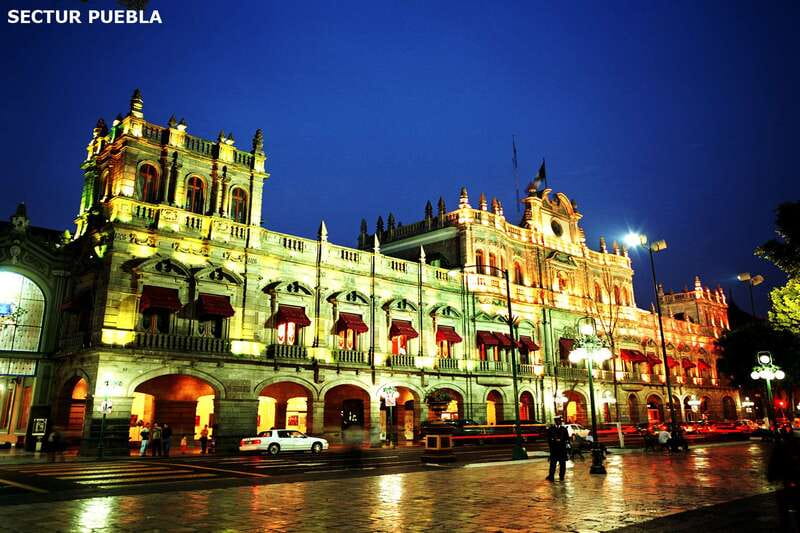
The Rosario Chapel is likely to be the tour’s most concentrated burst of decoration. Its gilded stucco and elaborate Mexican Baroque design once led people to call it the eighth wonder of the world.
The chapel is valuable because it shows a different side of Puebla’s architecture from the cathedral. The cathedral gives you scale and formal grandeur. Rosario Chapel gives you density, surface, and detail. Gold-toned ornament seems to cover every available space, making this a stop where you will want to look slowly rather than simply walk through.
Your guide’s explanation matters here. Baroque decoration can seem overwhelming at first, especially when many figures, patterns, and sculptural elements compete for attention. A good guide gives you a way to sort the scene, explaining what you are seeing and why the chapel has such an important place in Mexican art.
The chapel may also be the point where the walking tour feels most like an art lesson. That is a strength for architecture fans and anyone who wants more than a quick city orientation. Families and younger visitors may appreciate the crossword as a way to turn the visual overload into a search for clues.
More Architecture Tours around the world:
- Chicago Architecture River Cruise
★ 5.0 · 15,756 reviews - Chicago River 90-Minute Architecture Tour
★ 4.5 · 9,629 reviews - Chicago River: 1.5-Hour Guided Architecture Cruise
★ 4.8 · 8,046 reviews - Barcelona: Park Güell and Gaudí House Museum Entry Ticket
★ 4.5 · 6,326 reviews
Candy street and the city’s sweeter side
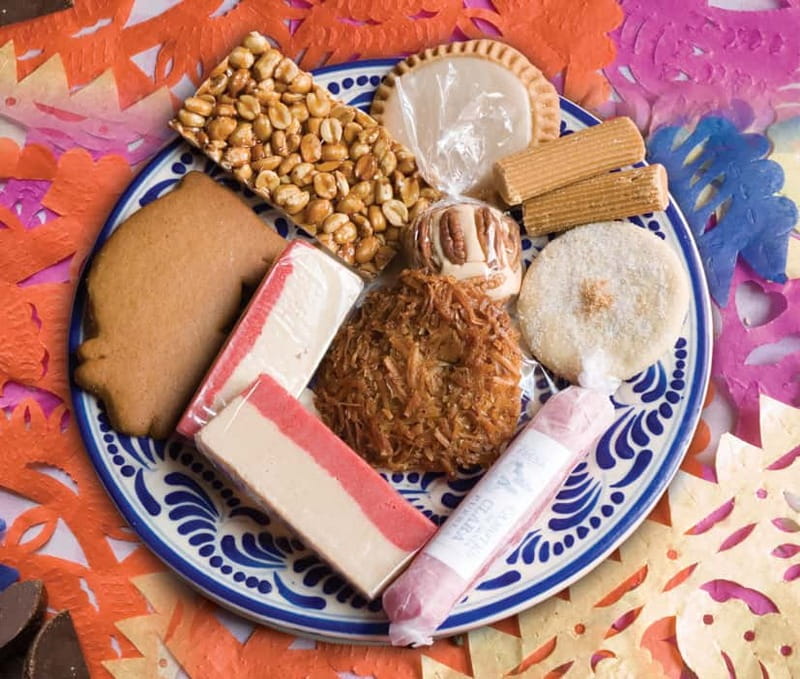
The tour then moves beyond major churches into Puebla’s famous candy street. This is one of the route’s useful choices because it shows that the historic center is not only about monuments.
Candy street connects architecture with daily commerce. The lane gives you a chance to see how a traditional specialty can shape a neighborhood’s identity. You might find the atmosphere more relaxed than at the cathedral, with small shops and local products adding a different rhythm to the walk.
The provided information does not promise tastings, so you should not book this tour expecting a formal food experience. Think of candy street as a cultural and architectural stop, with the chance to browse if time and shop hours allow.
I like this part of the itinerary because it breaks up the church visits. After studying carved stone, gilded stucco, and religious art, a commercial lane makes Puebla feel like a living city rather than an open-air museum.
Sapos alley and the artist neighborhoods
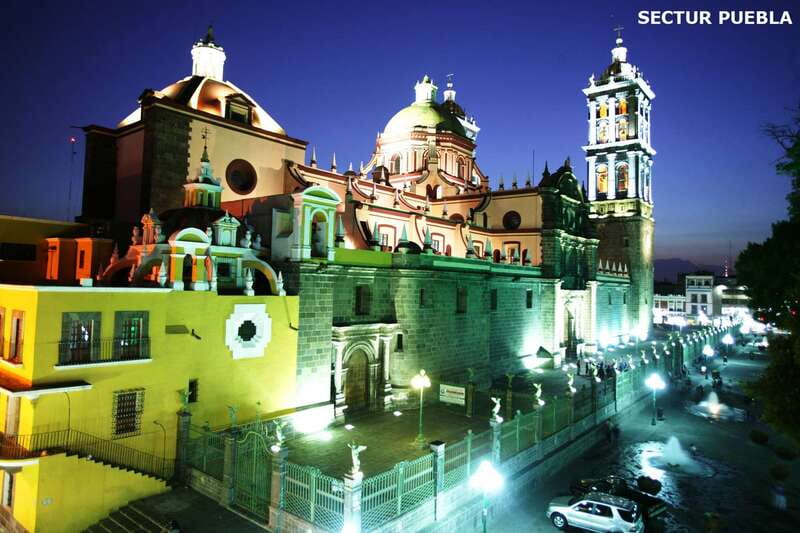
Sapos alley adds another change of pace. Its intricate setting is one of the more distinctive parts of the route, and the nearby artist neighborhoods bring attention to smaller streets and creative work.
You can expect your guide to point out how architectural details shift as you move away from the grand religious buildings. Here, the interest lies in the combination of lanes, facades, local shops, and artistic activity. These are places where you can look at the city at eye level.
The artist neighborhoods are also useful for understanding how Puebla’s historic center functions today. The architecture is not frozen in the past. It supports shops, galleries, and neighborhood life, even as the city protects its older buildings.
Sapos alley may appeal most to people who enjoy atmosphere and visual detail. If you want a strict list of famous landmarks, it may feel less important than the cathedral. I think it improves the tour by giving you a sense of scale and variety.
Parian handcraft market and a practical finish
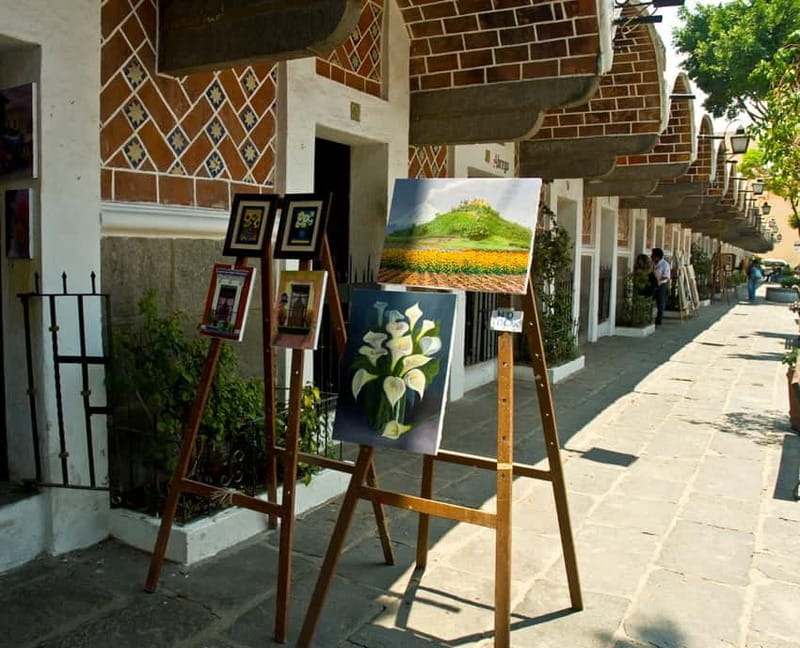
The Parian handcraft market brings the walk to a natural shopping stop. You can browse Mexican crafts and see how local design traditions are presented for residents and visitors.
A market is a useful final stop because it lets you shift from listening to looking and browsing. You may find something to take home, but you do not need to buy anything to benefit from the visit. The market also gives your guide a chance to explain craft traditions or point out items connected to the region.
Keep your expectations clear: this is not described as a dedicated shopping tour, and the three-hour schedule may limit how long you spend at individual stalls. If you want time to compare prices and shop carefully, plan to return on your own after the tour.
The Parian market also makes the route feel complete. You begin with Puebla’s major civic and religious architecture, move through specialty streets and neighborhood lanes, and finish among handmade goods. That progression gives you a broader picture of the city than a monument-only tour.
How the crossword changes the experience
The crossword is a small feature, but it can make a real difference. Architecture tours sometimes leave you with a blur of names, dates, styles, and decorative details. A puzzle gives you a reason to listen for specific facts.
You can treat it as a family activity, a memory aid, or a light challenge for yourself. It also creates natural moments for questions. If a clue is not clear, you have an immediate reason to ask the guide for help.
I would not choose this tour solely because of the crossword. Its main value comes from the route and the guide. Still, the puzzle is a smart addition, especially for children, teenagers, or anyone who prefers active learning to a standard lecture.
The guide, language, and private-group advantage
The tour is offered in Spanish and English. You should select the language that lets you ask questions comfortably, since the explanations are a central part of the experience.
The private-group format is more personal than a large shared walk. You can keep the pace focused on your interests, within the fixed three-hour length. If you care about church art, you can ask for more explanation there. If markets and neighborhood architecture matter more, you can steer some of your questions in that direction.
Past guides Ronnie and Guadalupe are specifically praised for being clear, welcoming, and ready to answer questions. Those qualities matter in Puebla because the route includes both broad historical context and small visual details.
Guide assignments can vary, so you should not assume one particular person will lead your departure. The useful point is that the experience has been led by guides who combine clear communication with a friendly approach.
Is $59 a fair price?
At $59 per person, the tour is not the cheapest way to walk around Puebla. You are paying for a private guide, three hours of focused explanation, and entrance fees to the sites visited.
That can be good value if you are new to Puebla and want a clear introduction in one outing. The cathedral and Rosario Chapel alone can be difficult to understand fully without context, and the added streets and market give you more than a church tour.
The value is less clear if you already know Puebla’s historic center or prefer to explore at your own speed. You would still need to pay for your own transport to Portal Hidalgo, and insurance is not included.
For a couple, family, or small private group that wants questions answered along the way, the price is easier to justify. For a solo visitor focused on keeping costs low, a shared walking tour or self-guided route might make more financial sense.
Who should book this Puebla walking tour?
I would recommend it to first-time visitors who want a strong orientation to the historic center. It also suits architecture fans, church-art enthusiasts, families who like a puzzle, and travelers who prefer a private guide to a large group.
You should be comfortable walking for three hours. The experience is listed as wheelchair accessible, which makes it a useful option for many visitors, but the route still takes place in a historic urban center with streets and buildings that may require practical planning.
You may want a different experience if your main goal is food tasting, shopping, or transportation from your hotel. Those needs are not the focus here. This is an architecture and city-history walk with several cultural side stops.
Reservations must be made at least 24 hours before the tour date. You can reserve now and pay later, and free cancellation is available up to 24 hours in advance. Those terms give you some flexibility, but they do not remove the need to plan your meeting point.
Final verdict: a smart first look at Puebla
Book this tour if you want to understand why Puebla’s center earned international recognition, see its most important religious buildings, and add a few local streets and markets to the usual sightseeing list. The combination of cathedral, Rosario Chapel, candy street, Sapos alley, artist neighborhoods, and Parian market gives you a well-rounded three hours.
The strongest reasons to choose it are the private format, the guide-led explanations, and the mix of grand architecture with ordinary city life. Skip it if you want a food tour, a relaxed shopping outing, or a very cheap self-guided walk.
At $59, it works best as a first-day orientation. You will leave with a map of Puebla’s center in your head, a few architectural clues to look for later, and a better idea of which streets deserve a return visit.
FAQ
How long is the Puebla Architecture Walking Tour?
The tour lasts three hours.
How much does the tour cost?
The price is $59 per person.
Where does the tour meet?
The meeting point is Av. Juan de Palafox y Mendoza 14, Portal Hidalgo, at the visitor center. Look for the Tip Tours & DMC booth.
What languages are available?
The tour is offered in Spanish and English.
Is this a private tour?
Yes. The tour is operated for a private group.
Is the tour wheelchair accessible?
Yes. The activity is listed as wheelchair accessible.
Are entrance fees included?
Yes. Entrance fees to the sites visited are included.
Is transportation from my hotel included?
No. Transportation from your hotel to the meeting point is not included.
What is the cancellation policy?
You can cancel up to 24 hours before the tour for a full refund. Reservations must be made at least 24 hours before the tour date.
New to the itinerary around the world
- Wilmington History and Architecture Tour★ 4.8 · 18 reviews
- Washington, DC: Georgetown Architecture Walking Tour★ 5.0 · 8 reviews
- Walk & Discover KL’s Architectural and Heritage Gems★ 5.0 · 7 reviews
- Washington DC: Dupont Circle & Embassy Row Architecture Tour★ 5.0 · 6 reviews
- New Orleans : Garden District Architecture Walking tour★ 4.8 · 5 reviews
- Unveiling Brno: History, Culture & Architectural Delights★ 5.0 · 2 reviews
- Vicenza: Palladian Architecture Private Walking Tour★ 3.3 · 3 reviews
- Private Colonial Williamsburg Architectural Tour★ 5.0 · 5 reviews
Mexico Architecture Tours, compared.
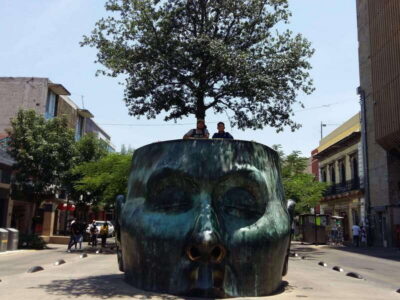
Guadalajara: Culture, Architecture, and Market Walking Tour
Read our review →
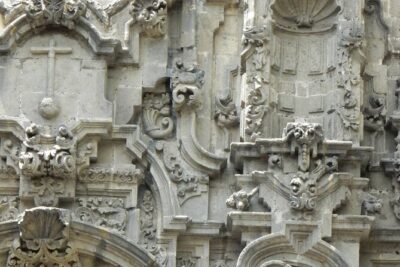
Architecture and History of Mexico City – Small Groups
Read our review →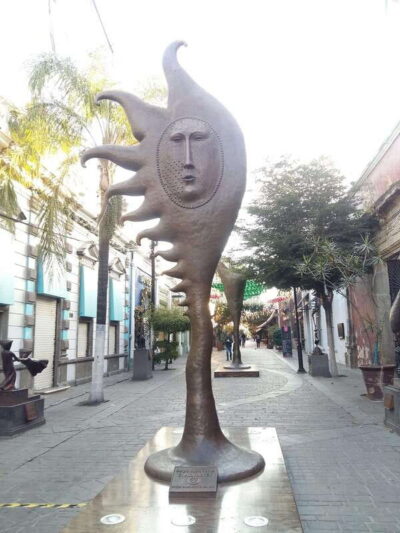
Tlaquepaque Magic Town: Artisans, Traditions, Architecture
Read our review →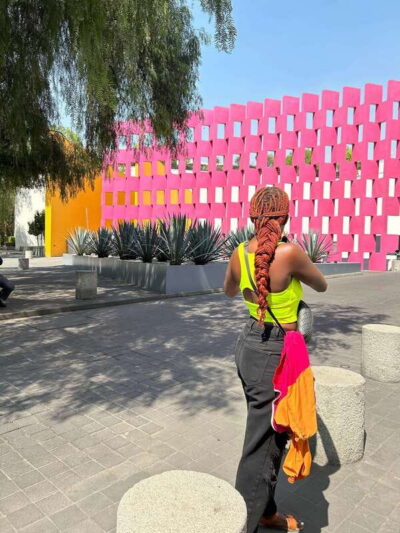
Mexico City: 1960s &1970s Mexican Architecture Walking Tour
Read our review →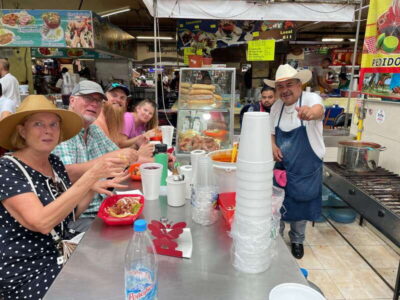
Guadalajara: Private Food Tour and Architecture Sightseeing
Read our review →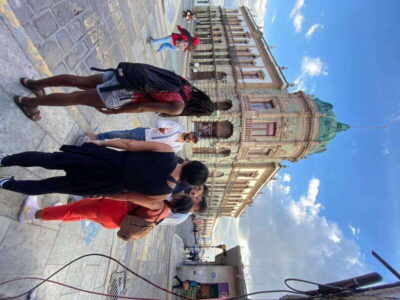

Other lists with this tour