
Review · PORTUGAL
Porto Tour: Street Art & Architecture Experience 3h
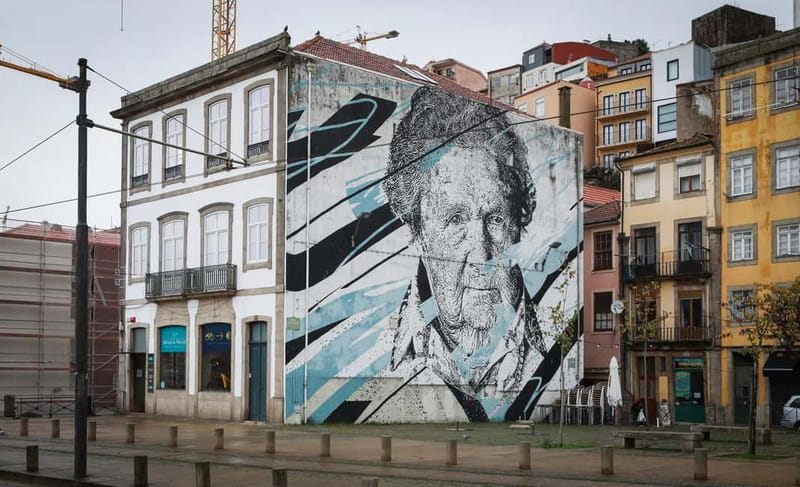
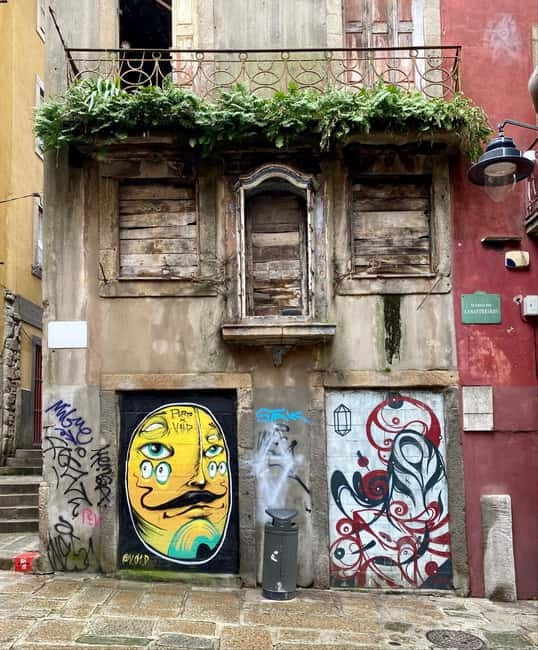
Porto’s most striking contrast is not found in one monument. It appears when a tiled old facade meets a carved Vhils portrait, or when a baroque church rises beside clean modern lines. This private tuk tuk tour gives you a quick, lively way to follow that contrast through several parts of the city.
I like the mix of street art and architecture, since you get more than a mural-hunting ride. I also like the small-group format for up to three people, along with guides such as Filipe, Gonzalo, and Duarte, who are praised for clear explanations, flexibility, and strong knowledge of Porto’s art scene. The main consideration is the price: at $233 per group, it makes the most sense for two or three people who want a focused introduction rather than a low-cost city ride.
Key points to know before booking
- Vhils and Odeith murals: Look for carved portraits by Vhils and 3D graffiti linked to Odeith.
- Three neighborhoods in one outing: The route connects the historic center with Cedofeita and Bonfim, with Miguel Bombarda and Baixa adding more creative stops.
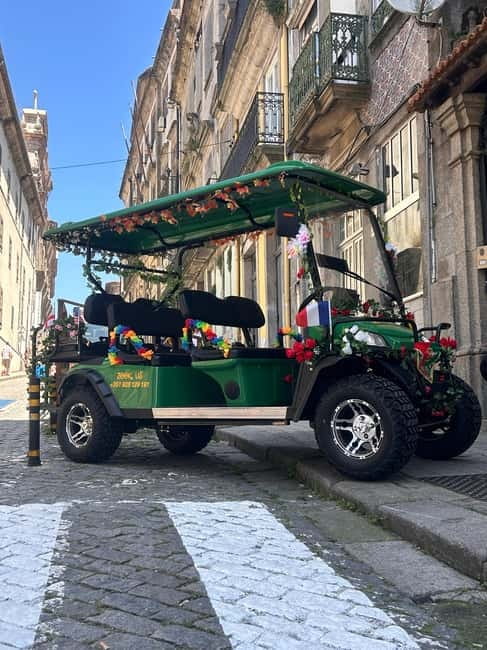
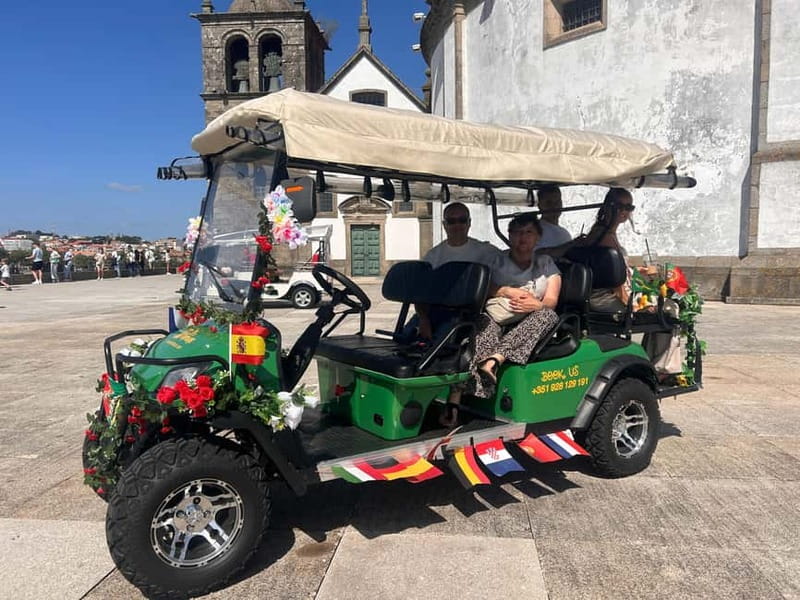
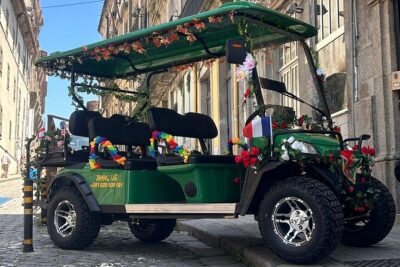
- A private tuk tuk ride: Your group has its own multilingual guide and transport, rather than joining a large coach.
- Strong guide focus: Filipe, Gonzalo, and Duarte have each been praised for enthusiasm, flexibility, local detail, and helpful answers.
- Best for a short stay: Three hours gives you a broad view of Porto when your time is limited.
- Practical comfort: Hotel pickup and drop-off are included, and the activity is listed as wheelchair accessible.
Why this tour feels different from a standard Porto city ride
A typical first look at Porto centers on churches, tiled buildings, river views, and the old streets around the Douro. Those sights matter, but they do not tell the whole story. Porto is also a city where artists use walls, building fronts, and public spaces to comment on identity, politics, change, and daily life.
This experience puts that newer side of Porto beside its older one. You may move from blue-and-white tiles and neoclassical stonework to a large wall painting or an unexpected piece of graffiti. The point is not simply to collect photographs. Your guide explains how each work fits into the city and why some artists have become important beyond Porto.
The tuk tuk matters here. It lets you cover ground between districts without spending the entire three hours on foot. You still have walking at the stops, so bring sensible shoes, but the vehicle gives you a practical way to connect places that would otherwise require more planning.
The group limit is three people. That is a useful size for asking questions, changing the pace when possible, and hearing the guide without the noise of a large party. If you are traveling alone, the fixed group price is less attractive. For a couple or a trio, the cost works out more reasonably.
More Street Art Walks around the world:
- Walking Tour of Houston: History, Architecture, Street Art
★ 5.0 · 59 reviews - Tirana: Street Art & Modern Architecture Walking Tour
★ 4.9 · 31 reviews - Tirana: Street Art & Modern Architecture Tour
★ 5.0 · 18 reviews
Starting at Estatua de Vimara Pérez
The listed starting point is the Estatua de Vimara Pérez, near Porto’s historic center. Hotel pickup and drop-off are included, so confirm the exact meeting arrangement when you book, particularly if you are staying outside the central area.
The opening section sets the tone. Porto’s old center gives you tiled facades, neoclassical buildings, and stone streets, but the guide also points toward newer design. You begin to see that the city is not divided neatly into old Porto and new Porto. The two often share the same block.
This is a useful start for first-time visitors because it gives context before the art stops begin. Instead of seeing a mural as an isolated picture, you can consider it against the buildings around it. The guide may explain how public art changes the feeling of a street, how a wall becomes a canvas, or how new architecture fits into a historic setting.
Do not expect a formal museum introduction or a fixed lecture. This is a moving tour, and the information comes as you pass through the city. If you care about a particular artist, ask early. One of the clear strengths of guides such as Filipe, Gonzalo, and Duarte is their willingness to answer questions and add local detail.
Baixa and the meeting of old stone with new design
Baixa gives the tour a central urban frame. Here, you see Porto’s familiar historic materials, including patterned tiles, old stone, and formal facades. The guide then draws attention to less obvious design choices, including modern buildings such as the Fine Arts Faculty and other contemporary structures.
That contrast is one of the best reasons to book this experience. Architecture fans get more than a list of famous buildings, while street art fans learn how the surrounding structures shape the work. A bold mural can look very different on a plain modern wall than it does beside worn stone or ornate detailing.
The route is also a good way to understand Porto’s ongoing change. Historic buildings carry the marks of age, while newer projects signal a city adapting to present needs. Street art becomes part of that conversation. Some pieces may feel playful, while others raise harder questions about identity, resistance, or the direction of the city.
You should keep your camera ready, but do not treat every stop as a quick photo break. Look at the wall, then look across the street. The relationship between the artwork and its surroundings is often the more interesting picture.
Cedofeita and Miguel Bombarda’s creative streets
Cedofeita is one of the main art-focused parts of the route. The district is associated with galleries, independent creative spaces, street interventions, and large wall pieces. Miguel Bombarda adds to that atmosphere with streets that have become known for contemporary art and changing public displays.
The route information combines visits and guided touring here, so expect stops where you can look closely and hear the story behind the work. The exact pieces can change. Street art is not a permanent museum collection, and walls may be painted over, altered, or replaced. That uncertainty is part of the character of the subject, though it also means no tour can promise every specific artwork on every date.
This is where the experience should appeal most to artists, design students, photographers, and anyone tired of postcard-only sightseeing. You get a look at Porto’s creative side without needing to research locations or map a route yourself. The guide helps separate a major work from a random painted wall and explains the local setting.
The drawback is that street art can be uneven. One wall may be memorable, while another may seem ordinary. If you prefer a predictable list of famous monuments, this tour may feel less tidy than a traditional architecture walk. A previous participant specifically wished for a written list of the sights, so bring a notes app if you want to record artist names and locations as you go.
More Three-Hour Tours around the world:
- Munich 3-Hour Segway Tour: Nazi Munich & Royal Architecture
★ 4.9 · 194 reviews - Barcelona: 3-Hour Discover Gaudí GoCar Tour
★ 4.5 · 123 reviews - 3 Hour Midtown Manhattan Architectural Tour
★ 5.0 · 81 reviews - Barcelona 3-hour Bike or E-Bike Tour: Gaudí By Bike
★ 5.0 · 24 reviews
Meeting Vhils and Odeith through their walls
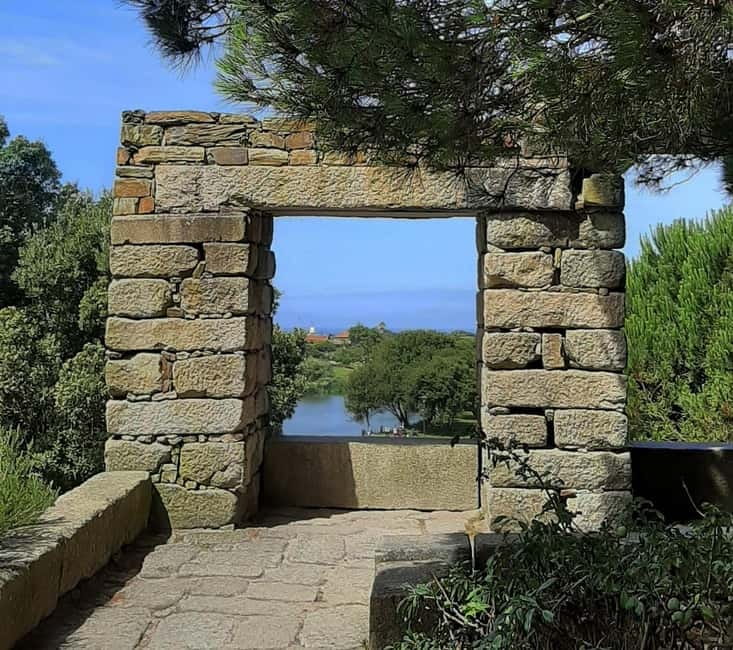
The tour highlights works associated with Vhils and Odeith, two names that give the route real artistic weight.
Vhils is known for carving human faces into walls. Rather than applying paint only to the surface, his method removes layers of material. The result can look weathered, sculptural, and tied to the building itself. Your guide can explain how this technique changes the usual idea of a mural and why Vhils has become recognized far beyond Porto.
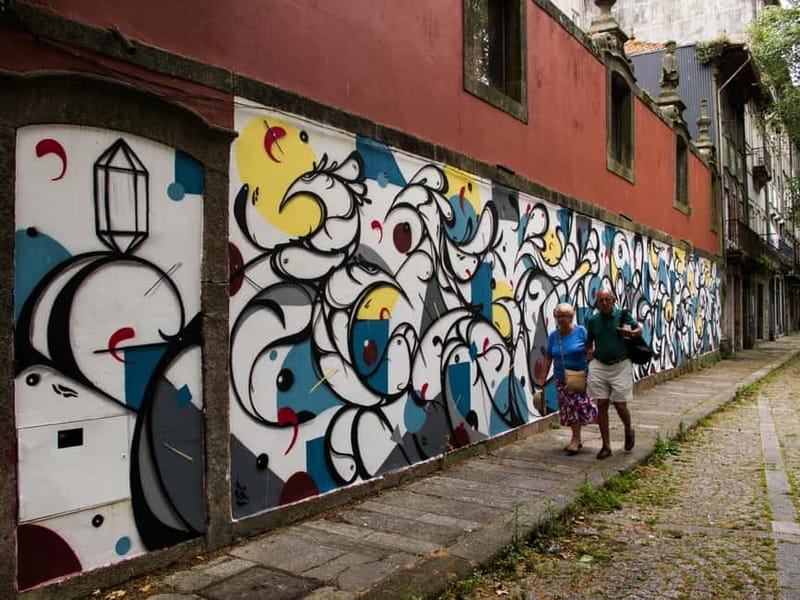
Odeith is known for large 3D graffiti. His work plays with perspective, shadow, and lettering, often making a wall seem to project into the street. It is the kind of art that rewards a few seconds of careful looking. From one angle it may read as a flat painting, while from another it appears to push outward.
You may also see community projects, less polished pieces, and works with direct social messages. That range is important. Porto’s street-art culture is not only about internationally known names. It includes local voices, temporary interventions, and art that makes more sense once someone explains the neighborhood and its concerns.
If you want specific details about an artist, ask the guide to pause before moving on. The tour is designed to be fast and cover a lot of ground, so the amount of discussion at each piece may depend on the group’s interests and the time available.
Bonfim and Porto’s changing urban identity
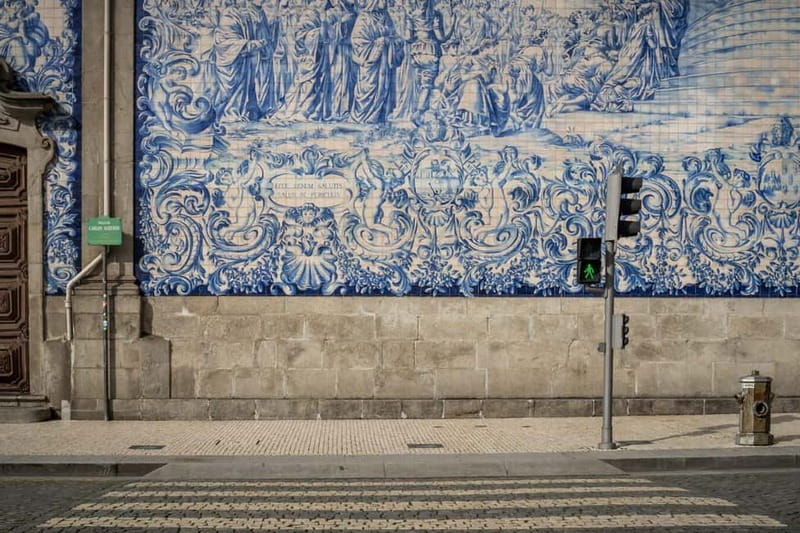
Bonfim forms another important part of the itinerary. The stop is not presented simply as a sightseeing landmark. It helps show how Porto’s creative energy reaches beyond the most familiar central streets.
Your guide connects the art to the city’s wider changes, including the move from historic forms toward contemporary design and public expression. You may see a mixture of older facades, newer interventions, and walls that carry messages about daily life or social change.
Bonfim is especially useful for readers who want a broader view of Porto. The tour does not keep you inside one polished center. It moves through areas with different textures and moods, then returns to the Estatua de Vimara Pérez. That wider range gives the three-hour outing more substance than a short loop around the main monuments.
Again, keep expectations sensible. The supplied information does not promise a particular mural at every stop, and street art changes over time. Think of Bonfim as part of the city story, not just a checklist of fixed attractions.
What the tuk tuk adds, and what it cannot do
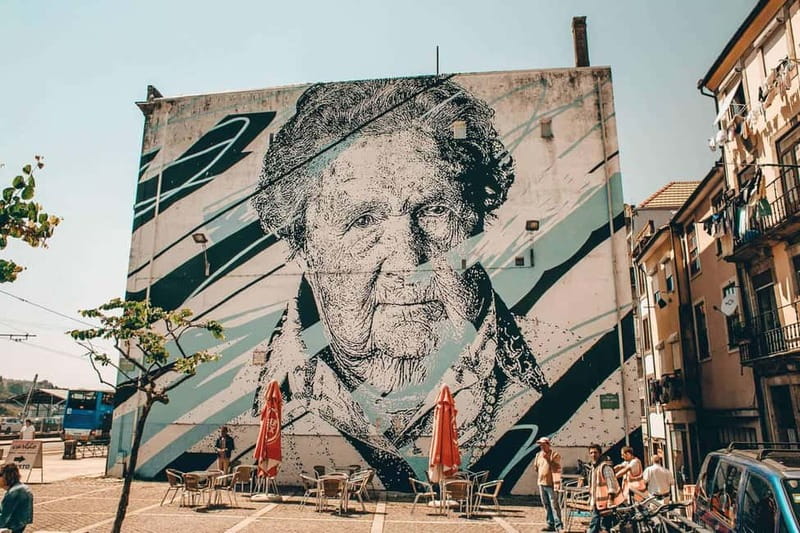
The tuk tuk is a practical compromise. You can cover Baixa, Cedofeita, Miguel Bombarda, and Bonfim in three hours without committing to a long walking route. It also gives you a moving view of the streets between stops, which helps you notice how one district shifts into another.
At the same time, a tuk tuk is not a quiet private car or a full sightseeing coach. You are close to the street, which suits an urban-art tour, but conditions may feel less sheltered than in a standard vehicle. The experience includes walking, and comfortable shoes are specifically recommended.
The private format helps. You can ask the guide to explain a technique, identify an artist, or give more background on Porto’s neighborhoods. The available guide languages are Portuguese, English, Spanish, and French. If you need a particular language, check availability before selecting a time.
Wheelchair access is listed, which is helpful, but the tour still includes city stops and walking. If you use a wheelchair, confirm the practical details of the tuk tuk and each stop before booking. That is sensible for any route through older urban streets.
The guides are a major part of the value
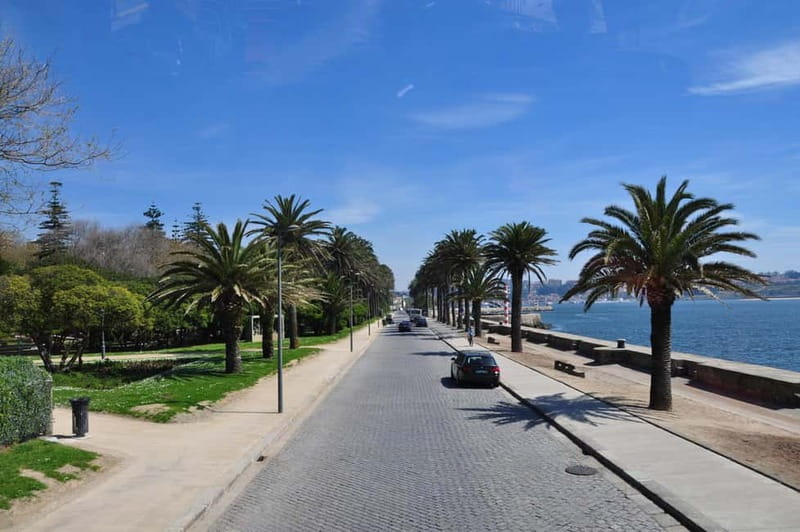
The strongest praise is directed at the guides, not just the vehicle or the route. Filipe is described as responsive before the tour, attentive, enthusiastic, and able to make a short stay in Porto count. That matters if you have only a day or two and want orientation without wasting time finding the art districts yourself.
Gonzalo, also referred to as Gonzo, is singled out for his strong grasp of Porto’s street-art scene and for adding plenty of information about the city and local life. He is also described as willing to answer questions. Oana’s experience with Gonzalo highlights his flexibility, which is useful on a private outing where your interests can shape the conversation.
Duarte is described as helpful and well informed. The suggestion to provide a list of sights is worth noting, but it does not undermine the guide’s role. If you want a record of the tour, ask for names as you go and take a few notes.
Guide assignments can change, so you should not book on the assumption that one named person is guaranteed. Still, the repeated emphasis on preparation, local knowledge, enthusiasm, and flexibility points to the human side of this experience as its main strength.
Is $233 good value for three hours?
The price is $233 per group of up to three people. That is not a bargain city tour, especially for one person. For two or three people, the cost becomes easier to justify because you are paying for a private vehicle, a dedicated guide, hotel pickup and drop-off, and a route that combines several districts.
I see the value in three cases. First, you have limited time and want to cover more ground than a walking tour allows. Second, you care about street art and would rather have context than search for murals on your own. Third, you are traveling as a couple or trio and want the freedom to ask questions without joining a large group.
The value is weaker if you want a cheap overview of Porto, plan to spend most of your time inside museums, or already know the city’s art districts well. Museum tickets and other activity tickets are not included, although the tour itself is focused on outdoor art and architecture.
Free cancellation up to 24 hours before the activity and reserve-now, pay-later booking add flexibility. Starting times depend on availability, so check the schedule against your arrival and departure plans.
Who should book this Porto art tour?
You should consider it if you are:
- Interested in murals, graffiti, public art, or modern design.
- A photographer or content creator looking for unusual city views.
- A design student, artist, or architecture fan.
- Visiting Porto for a short time and wanting a fast orientation.
- Traveling with one or two companions who enjoy asking questions.
- Looking for Porto beyond churches, riverfront views, and standard postcard stops.
You may want another format if you prefer a slow walking tour, a formal museum visit, or a tightly fixed list of monuments. The tuk tuk covers more territory, but it cannot give every artwork a long, quiet viewing period.
Bring water, comfortable shoes, and a camera. Stay alert between stops, since some of the best details may be on a side street or above eye level. I would also keep a note on your phone for artist names, districts, and pieces you want to find again.
Should you book the Street Art and Architecture Experience?
Book this tour if you want Porto’s creative side explained by a local guide and you are traveling with enough people to share the private-group price. The combination of Vhils, Odeith, Miguel Bombarda, Cedofeita, Bonfim, and old-new architecture gives you a strong three-hour introduction to the city’s visual culture.
I would be more cautious if you are alone and watching every euro, or if you want a slow, detailed art study. For a couple, a trio, or a short-stay visitor, the private tuk tuk format is a practical way to see more of Porto and understand why its walls matter.
FAQ
How long does the Porto Street Art and Architecture Experience last?
The tour lasts three hours.
Where does the tour start and finish?
The listed starting and return point is Estatua de Vimara Pérez in Porto.
Is hotel pickup and drop-off included?
Yes. Hotel pickup and drop-off are included.
Which areas does the tour visit?
The route includes Porto’s historic center, Baixa, Cedofeita, Miguel Bombarda, and Bonfim.
Which artists may I see during the tour?
The experience highlights works by Vhils and Odeith. The exact street-art pieces may vary.
What languages are available?
The live guide languages are Portuguese, English, Spanish, and French.
Is this a private tour?
Yes. It is a private group experience for up to three people.
Is the tour wheelchair accessible?
Yes, the activity is listed as wheelchair accessible. Since the route includes city stops and walking, confirm the practical details for your needs before booking.
New to the itinerary around the world
- Washington, DC: Georgetown Architecture Walking Tour★ 5.0 · 8 reviews
- Wilmington History and Architecture Tour★ 4.8 · 18 reviews
- Walk & Discover KL’s Architectural and Heritage Gems★ 5.0 · 7 reviews
- Washington DC: Dupont Circle & Embassy Row Architecture Tour★ 5.0 · 6 reviews
- New Orleans : Garden District Architecture Walking tour★ 4.8 · 5 reviews
- Unveiling Brno: History, Culture & Architectural Delights★ 5.0 · 2 reviews
- Vicenza: Palladian Architecture Private Walking Tour★ 3.3 · 3 reviews
- Private Colonial Williamsburg Architectural Tour★ 5.0 · 5 reviews
Portugal Architecture Tours, compared.
Faro Private Walking Tour: Uncovering its Architectural Legacy
Read our review →
Street Art and Architecture:Porto Speaks Through Its Streets
Read our review →Other lists with this tour