
Review · USA
Honolulu: Liljestrand House Architectural Tour
The Liljestrand House is not a museum filled with unrelated objects. It is a preserved home where Vladimir Ossipoff’s Hawaiian modern architecture still works as intended, with views, wood, art, and daily life tied together. I like that the tour lets you see design principles in their original setting rather than through photographs or a lecture hall.
I also like the small group limit of 10 and the personal thread connecting the house to the Liljestrand family. Docent Perry, who knew Ossipoff and lived on the mountain, has offered especially useful insight. The main drawback is practical: the house is not air-conditioned, and you must remove your shoes, leave large bags and camera gear behind, and be at least 10 years old.
Key things to know before visiting
- Ossipoff’s view management: Learn how the house frames its surroundings instead of treating windows as simple wall openings.
- Original furnishings and artwork: See the design as a complete home, not an empty shell.
- A small 10-person group: The size gives the docent room to answer questions and point out fine details.
- A direct link to the architect: The Liljestrand family’s friendship with Ossipoff adds a personal side to the architectural story.
- A preservation-minded visit: Your admission helps the Liljestrand Foundation care for and share the house.
- Shoes and heat matter: Remove your shoes to protect the wood floors, and prepare for warm conditions in summer and fall.
Why the Liljestrand House matters in Honolulu
Many architecture tours show you a building from the outside, then explain what it once meant. The Liljestrand House offers something more useful: you enter a preserved residence and see how the ideas function from room to room.
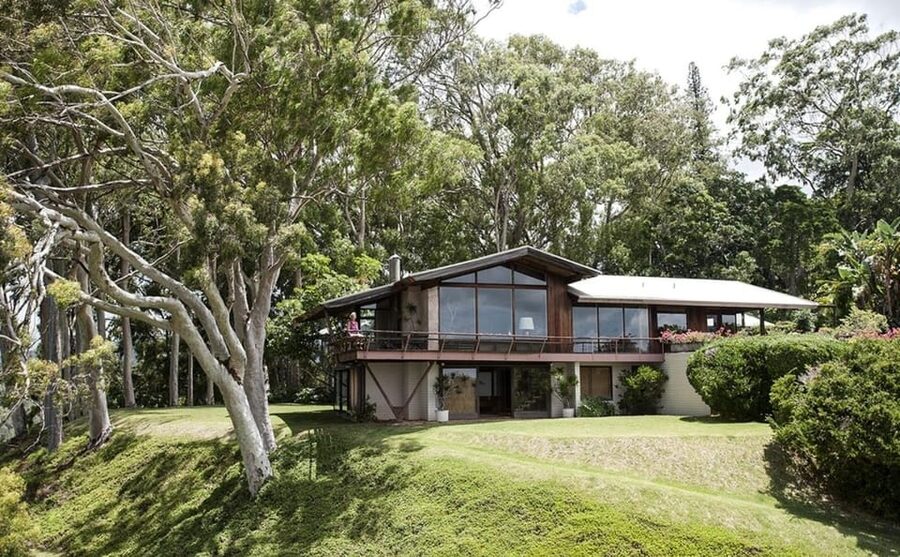
The house is associated with Vladimir Ossipoff, one of the key figures in Hawaiian modern architecture. The tour focuses on the way he worked with the setting, used natural materials, and arranged views. That matters because Hawaiian modern design is not simply a local version of a style imported from elsewhere. It responds to climate, vegetation, light, terrain, and the way people live in Hawaii.
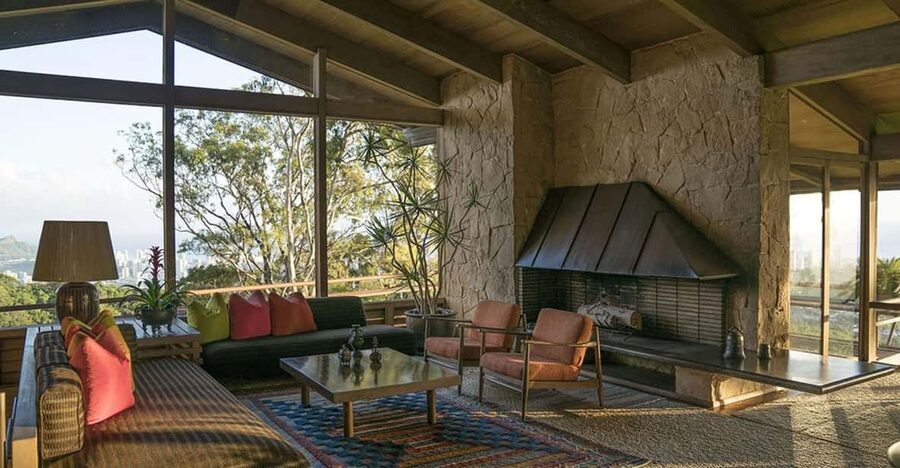
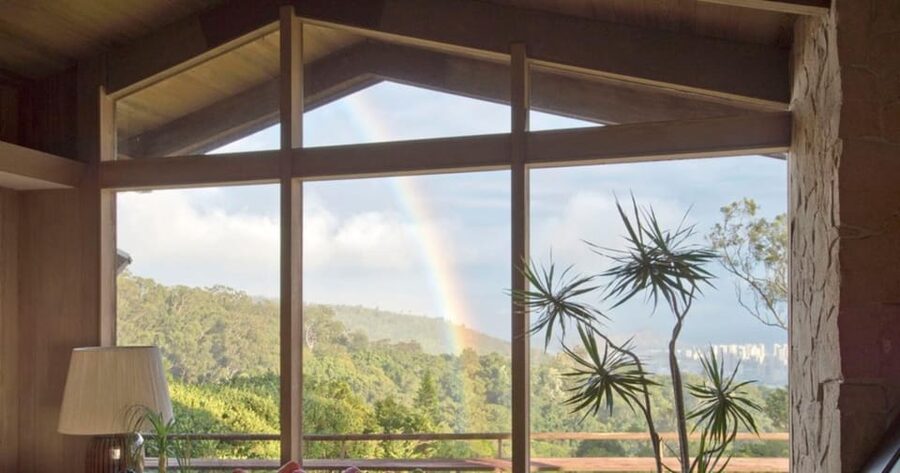
I find the idea of view management especially interesting. Rather than opening every wall to every direction, the design controls what you see and when you see it. A framed view can make the outside feel close, while another wall or angle gives a room privacy and calm. You may begin noticing that the house directs your attention with great care.
The building is also valuable because it remains connected to the people who commissioned and lived in it. The Liljestrand family’s long friendship with Ossipoff gives the tour a human center. You are not only studying a famous architect’s methods. You are also considering how a family lived with those choices over time.
More Architecture Tours around the USA:
- Chicago Architecture River Cruise
★ 5.0 · 15,756 reviews - Chicago River 90-Minute Architecture Tour
★ 4.5 · 9,629 reviews - Chicago River: 1.5-Hour Guided Architecture Cruise
★ 4.8 · 8,046 reviews
What the 90-minute tour covers
The experience lasts 90 minutes, which is long enough to move beyond a quick look but short enough to fit into a busy Honolulu schedule. The tour is led in English by a live docent, and the group is limited to 10 people.
You can expect the visit to focus on three linked subjects. First comes the house itself: its planning, materials, views, and relationship to the Hawaiian setting. Next is Ossipoff’s approach to design, including the way he used natural materials and controlled sight lines. Finally, the home’s furnishings, artwork, and family story help show how the architecture operated as a lived space.
The exact emphasis can depend on the docent. Perry, one of the named docents associated with the tour, knew Ossipoff and lived on the mountain. That kind of firsthand connection can add details that are hard to get from a standard architectural survey. If Perry leads your visit, it is worth asking about Ossipoff’s working methods and his relationship with the Liljestrand family.
The tour is not designed as a free-roaming visit. The guide provides the structure and points out details you could easily miss on your own. That is a good reason to choose this experience over simply seeing photographs of the house.
Entering a preserved mid-century home
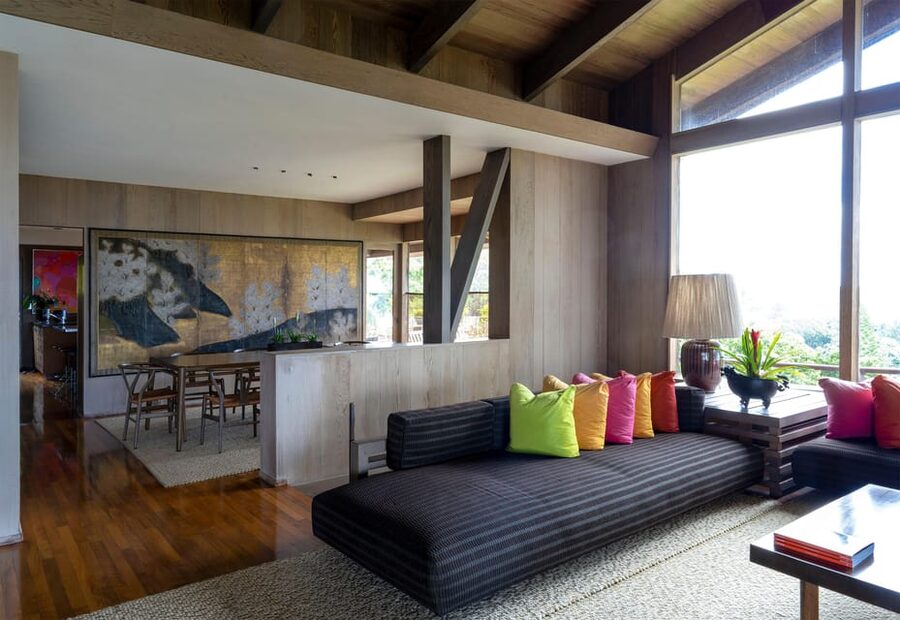
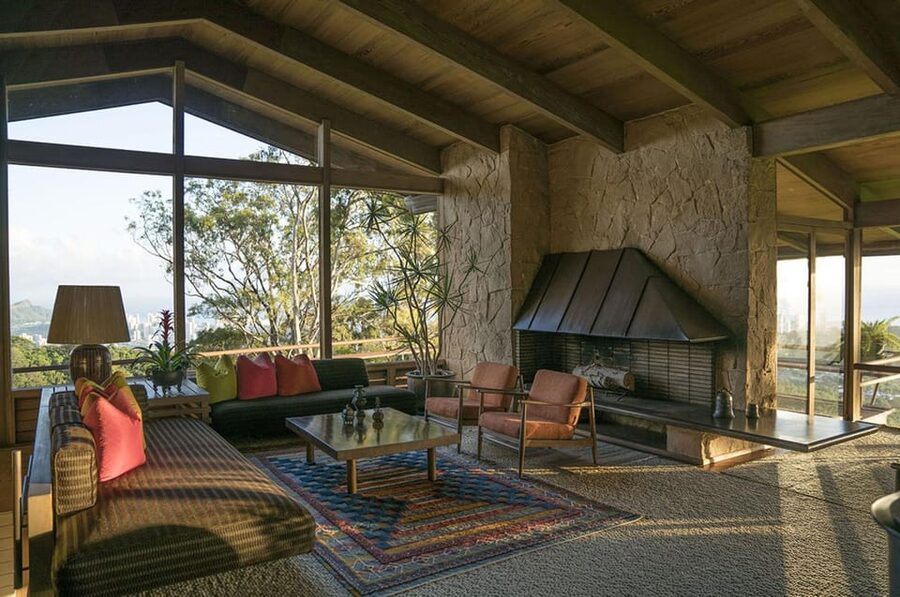
The first thing to understand is that the Liljestrand House is a preserved residence, not a modern attraction built to imitate the past. Its original furnishings and artwork remain part of the story. That gives the rooms a sense of purpose, since the objects help explain how the architecture and interior design were meant to work together.
Look for the connection between the materials and the feeling of each space. Natural materials are not just decoration here. They are part of Ossipoff’s design language, and the docent explains how they support the house’s relationship with its surroundings.
Original furniture can also reveal the scale and rhythm of a room. A bare room tells you about dimensions. A room with its intended furnishings shows how people were expected to sit, look, move, and spend time. That is a major reason the $78 admission is more than a simple entry ticket.
You should resist the urge to treat the home as a photo backdrop. The point is to understand the decisions behind the rooms. The tour rewards patient looking, especially if you enjoy noticing how furniture, artwork, building materials, and views support one another.
Ossipoff’s design principles in plain language
You do not need a background in architecture to follow the tour. The main ideas are easy to grasp when they are tied to what you can see.
Ossipoff’s use of natural materials helps the house feel connected to Hawaii rather than sealed off from it. The materials add texture and warmth, while the design keeps the focus on the surroundings. A docent can show you where those choices matter and how they shape the experience of the rooms.
The idea of managing views is just as important. A good view is not always the biggest possible view. Sometimes a carefully placed opening gives you a particular slice of the outside world, creating a stronger effect than a wall of glass would. You will likely get more from the tour if you pay attention to what the house hides as well as what it reveals.
This is where an in-person visit has real value. Photographs often flatten architecture into attractive angles. Inside the house, you can better understand proportion, movement, light, and the relation between one space and the next. The docent’s explanations help turn those observations into a clear picture of Ossipoff’s methods.
Same streets, read through a different style:
- Chicago Architecture Center River Cruise aboard First Lady
★ 5.0 · 5,536 reviews - Chicago: Architecture River Cruise Skip-the-Ticket Line
★ 4.8 · 4,325 reviews - Chicago River 45-Minute Architecture Tour from Magnificent Mile
★ 4.5 · 2,924 reviews - Chicago Lake and River Architecture Tour
★ 4.5 · 2,308 reviews
The family story behind the architecture
The Liljestrand family’s friendship with Ossipoff gives the visit a personal layer. Architecture can feel distant when it is discussed only through dates, styles, and famous names. Here, the connection between architect and family helps explain why the house has been cared for and shared rather than treated as an ordinary property.
That relationship also makes the house feel less like a single-author work. Ossipoff shaped the building, but the family lived with it. Their furnishings, artwork, and daily routines formed part of its continuing life.
The tour’s strongest moments are likely to come when design choices and family history meet. A room can show a principle, while a story explains why that principle mattered to the people who used it. You get both the architectural idea and its human effect.
Perry’s connection to Ossipoff is particularly useful here. Since he knew the architect and lived on the mountain, he can provide a more personal view of the man behind the plans. That does not replace the formal architectural explanation. It adds context that makes the building easier to understand.
Why the small group size improves the visit
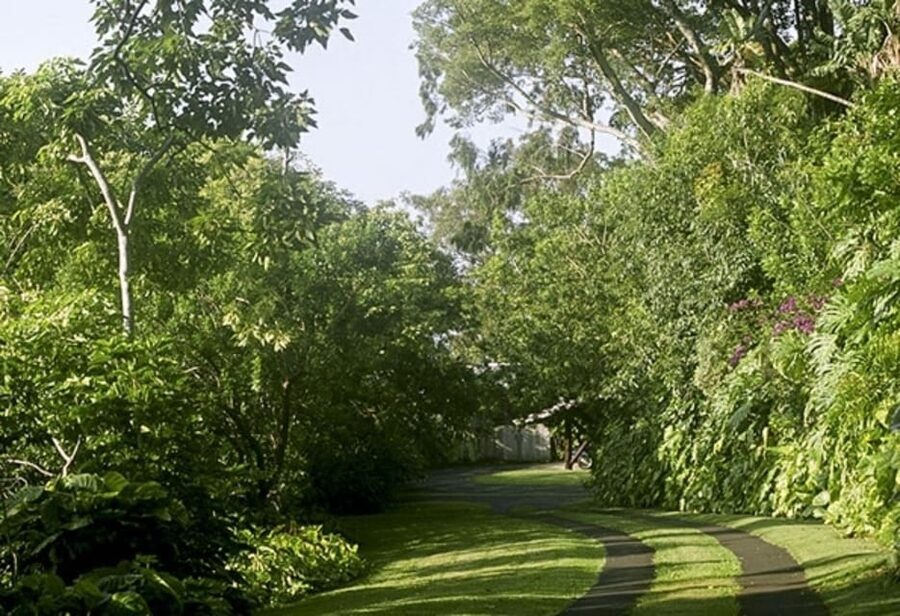
The maximum group size is 10 people. That is a practical advantage in a private home, where a large crowd would make it harder to hear, move through rooms, or examine details.
A small group also suits the subject. Architecture tours work best when you can pause for a question about a material, a view, or a piece of furniture without holding up a busload of people. The format should give you a better chance to stay close to the guide and follow the explanation.
There is no promise that every tour will feel identical. The docent’s style and the questions asked by the group will shape the discussion. Still, the limited size gives the visit an intimate scale that fits the house.
The English-only format is worth noting. If you are comfortable with English, you will receive the full explanation directly from the docent. No other languages are listed for this activity.
Is $78 a fair price?
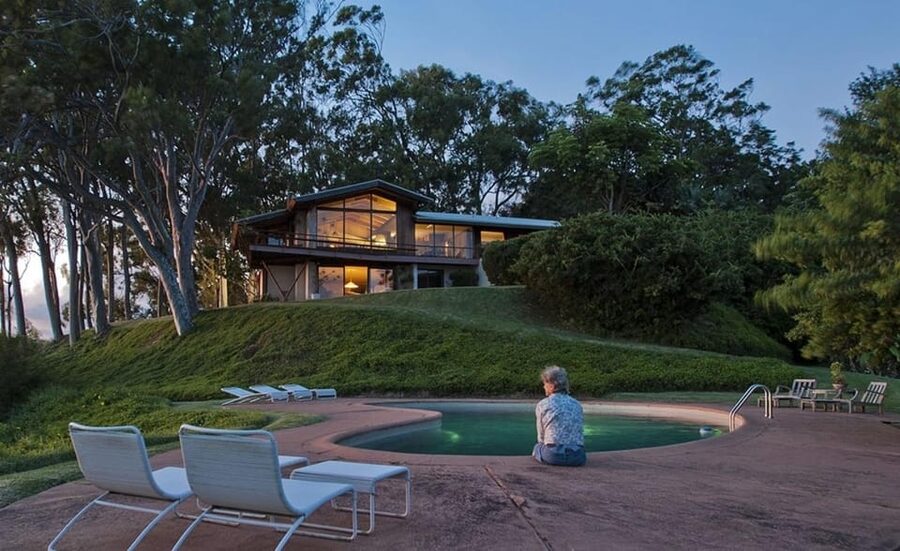
The price is $78 per person. That is not a casual add-on for a day of sightseeing, but it is reasonable if you care about architecture, design, preservation, or Honolulu’s cultural history.
You are paying for more than access to a house. The fee includes entrance and a live 90-minute tour, with a group capped at 10 people. At roughly $52 per hour before considering the preservation work supported by the visit, the cost compares favorably with a private architectural experience rather than a basic self-guided admission.
The value depends on your interests. If you mainly want broad Honolulu views or a fast look at a famous home, this may feel expensive. If you enjoy original interiors, modern design, and the details of how a building relates to its surroundings, the price is easier to justify.
Your admission also supports the Liljestrand Foundation’s work to preserve the house and make it available for education and cultural use. That gives the experience a useful purpose beyond your own visit. You help keep the building accessible for future study and tours.
Practical limits you should plan around
The house has fragile wood floors, so you will be asked to remove your shoes. Wear clean, comfortable footwear that is easy to take off and put back on. This is a small step, but it can affect your comfort if you are not expecting it.
The building has no air-conditioning. Conditions can be quite hot during summer and fall, so choose light clothing and bring water if permitted by the site’s rules. The heat is the clearest tradeoff of visiting a preserved home rather than a climate-controlled museum.
Smoking and vaping are not allowed. Pets, backpacks, large bags, tripods, extension poles, and selfie sticks are also prohibited. Pack lightly and leave bulky camera equipment behind.
Children under 10 cannot take part. The tour is best suited to adults and older children who can listen, move carefully through a preserved home, and appreciate architecture without needing an activity built around them.
Free cancellation is available up to three days in advance for a full refund. Check the available start times before booking, since the tour lasts 90 minutes and the small group limit may affect which time works for you.
Who will enjoy this architectural tour?
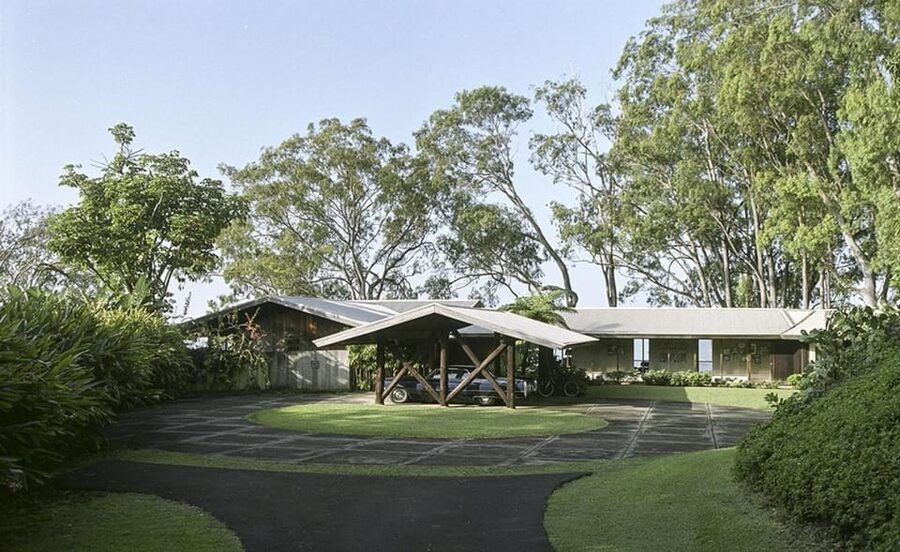
I would choose this tour if you like mid-century design, historic houses, interior details, or the way buildings respond to climate and place. It is also a strong fit if you want something more focused than a general Honolulu sightseeing stop.
The experience suits architecture students, design professionals, photographers who can work without a tripod, and curious visitors who enjoy learning how a house was planned. It can also work for anyone who wants to support local preservation while seeing a meaningful piece of Hawaii’s modern design story.
I would be more cautious if you dislike removing your shoes, struggle in warm indoor conditions, or prefer a flexible visit without a guide. The rules are not difficult, but they shape the experience. You also need to be 10 or older.
The strongest reason to go is the combination of setting, original contents, and interpretation. You are not looking at an empty modernist structure. You are seeing a home where Ossipoff’s ideas, the family’s life, and the foundation’s preservation work remain connected.
Should you book the Liljestrand House tour?
Book it if you want a close look at Hawaiian modern architecture and appreciate the chance to see a preserved home as a complete work of design. The small group, original furnishings, and personal connection to Ossipoff make this more useful than a quick exterior stop.
Skip it if you need air-conditioning, want a child-friendly activity for younger children, or prefer a low-cost sightseeing option. For everyone else, the $78 price is defensible because it combines access, interpretation, and support for the house’s future.
FAQ
How long does the Liljestrand House tour last?
The tour lasts 90 minutes.
How much does the tour cost?
The price is $78 per person.
What language is the tour offered in?
The live tour is offered in English.
How many people can join the tour?
The group is limited to 10 participants.
Who designed the Liljestrand House?
The house is a celebrated work of architect Vladimir Ossipoff.
What will I learn about during the tour?
You will learn about Hawaiian modern architecture, Ossipoff’s design principles, view management, natural materials, the Liljestrand family, and the home’s original furnishings and artwork.
Do I need to remove my shoes?
Yes. Visitors are asked to remove their shoes to protect the fragile wood floors.
Are children allowed on the tour?
Children under 10 are not permitted to participate.
Is the house air-conditioned?
No. The house is not air-conditioned and can sometimes be hot during summer and fall.
New to the itinerary around the USA
- Washington, DC: Georgetown Architecture Walking Tour★ 5.0 · 8 reviews
- Wilmington History and Architecture Tour★ 4.8 · 18 reviews
- Washington DC: Dupont Circle & Embassy Row Architecture Tour★ 5.0 · 6 reviews
- New Orleans : Garden District Architecture Walking tour★ 4.8 · 5 reviews
- Private Colonial Williamsburg Architectural Tour★ 5.0 · 5 reviews
- Tulsa: Art Deco Walking Tour of Tulsa★ 5.0 · 8 reviews
- Castle to Capitol: Museums of the National Mall Architecture Tour★ 4.5 · 9 reviews
- Monuments and Memorials Architectural Walking Tour★ 5.0 · 17 reviews
USA Architecture Tours, compared.

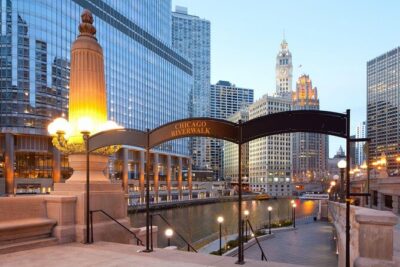

Chicago River: 1.5-Hour Guided Architecture Cruise
Read our review →
Chicago Architecture Center River Cruise aboard First Lady
Read our review →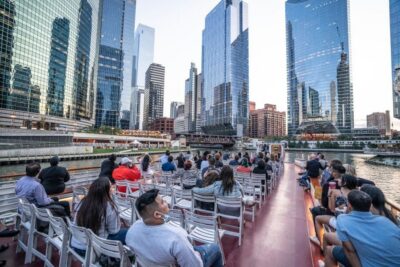
Architecture River Cruise Skip-the-Ticket Line
Read our review →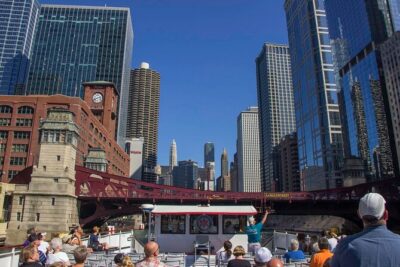
Chicago River 45-Minute Architecture Tour from Magnificent Mile
Read our review →
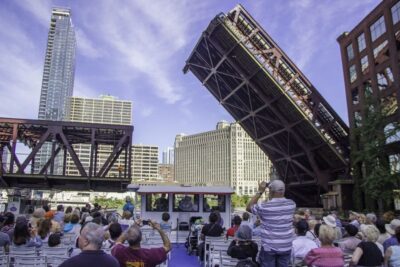
45-Minute Family-Friendly Architecture River Cruise
Read our review →Other lists with this tour