
Review · WASHINGTON DC
Embassy Row: Architecture, Mansions & International Intrigue
Washington’s Embassy Row is where diplomatic power meets old-money display. On this two-hour walk, you pass more than 20 embassies, grand private clubs, former millionaires’ mansions, and streets where Washington’s elite once spent their winters. The best stories concern the people behind the façades: diplomats, presidents, society figures, and a few scandals.
I like the strong mix of architecture and gossip, since the buildings make more sense when you know who paid for them and why. I also like the route from Dupont Circle through Sheridan Circle and Kalorama, which gives you several different faces of central Washington. The main drawback is value: at $49, this is a story-led walk, not an attraction tour with guaranteed interior access.
I also like the chance to see places that are easy to miss on your own, including Anderson House, the Cosmos Club, the Spanish Steps, and Woodrow Wilson House. Guides Dan and Eli have earned especially warm praise for being fun, clear, and easy to follow, though the guide assigned to your departure may be different.
Key points to know before you book
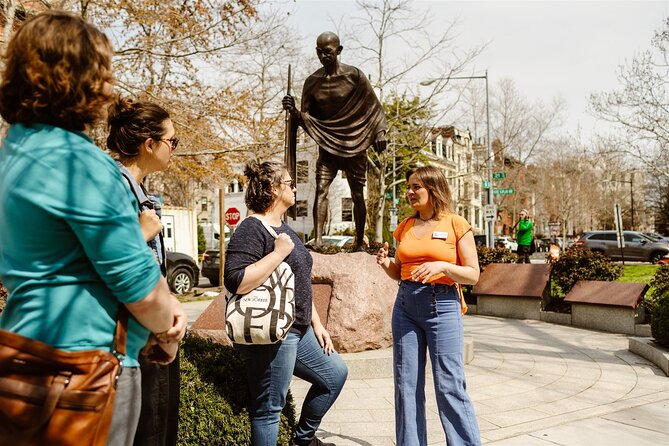
- More than 20 embassies on Massachusetts Avenue: You will see diplomatic buildings from the street, but embassy entry is not part of the standard tour.
- A close look at Gilded Age mansions: Beaux-Arts and Italian Renaissance Revival façades tell the story of Washington’s former Millionaire’s Row.
- A route through three distinct areas: The walk links Dupont Circle, Sheridan Circle, and the quieter streets of Kalorama.
- Occasional access inside an embassy or residence: This can happen, but it is never guaranteed.
- Two hours with live English commentary: The tour begins at the Dupont Circle Fountain and ends near the Dupont Circle Metro.
- A fair but not automatic value at $49: The price makes the guide’s storytelling central to the experience.
Starting at the Dupont Circle Fountain
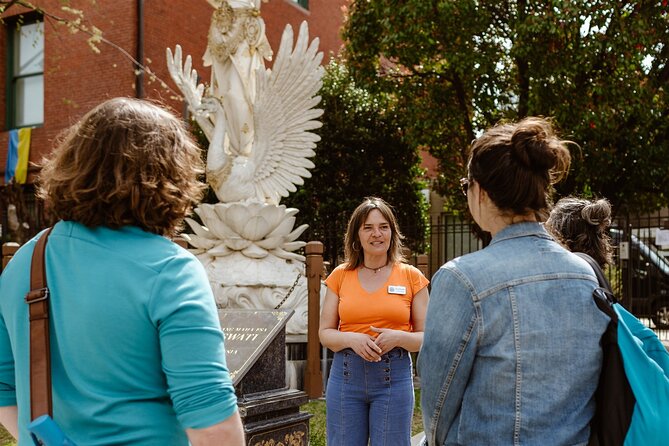
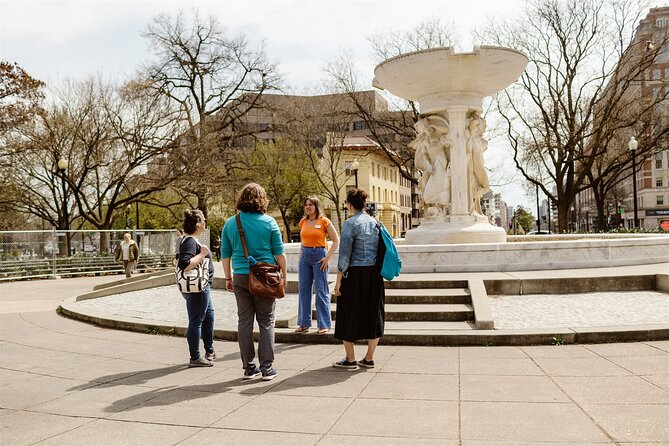
Meet at the fountain in the center of Dupont Circle, where your guide wears orange. This is a practical meeting point, since Dupont Circle is easy to recognize and the tour finishes near the Dupont Circle Metro.
The fountain itself is part of the story. Designed in 1921 by Daniel Chester French and Henry Bacon, it gives the neighborhood a formal center, though the circle around it feels much more social than ceremonial. Parks, cafés, markets, and street performers make this one of Washington’s best places to watch local life before or after your walk.
I would arrive a little early. You can get your bearings, find the guide in orange, and look around the circle before the commentary begins. The tour is usually offered in the morning, which is useful for fitting it into a day that also includes the National Mall or one of Washington’s museums.
Dupont Circle is not just a backdrop. It helps explain the neighborhood’s appeal. Grand houses sit close to lively public spaces, so this is not a remote district of sealed-off official buildings. You get a mix of local Washington and international Washington from the first few minutes.
More Architecture Tours around the USA:
- Chicago Architecture River Cruise
★ 5.0 · 15,756 reviews - Chicago River 90-Minute Architecture Tour
★ 4.5 · 9,629 reviews - Chicago River: 1.5-Hour Guided Architecture Cruise
★ 4.8 · 8,046 reviews
Massachusetts Avenue and Washington’s Millionaire’s Row
From Dupont Circle, the route follows Massachusetts Avenue toward Embassy Row. This stretch once attracted some of the city’s wealthiest figures, who built houses large enough to signal both money and social rank.
Look for details in the façades rather than expecting one uniform style. The mansions reflect Beaux-Arts planning, Italian Renaissance Revival influences, and other early 20th-century designs. Their scale can feel surprising beside the modern city. These were private homes before many became diplomatic missions, clubs, or historic sites.
This is where the guide’s role matters most. You can walk along Massachusetts Avenue alone and admire the stonework, columns, balconies, and formal entrances. You cannot easily know which millionaire lived where, which building changed purpose, or how the street became tied to diplomacy. The tour connects those facts with stories about power, ambition, social life, and scandal.
The architectural appeal is strongest if you enjoy looking up. Some of the most interesting details are above eye level, and the tour is built around exterior viewing. I would not expect to enter each building or receive a long interior presentation at every stop.
The term Millionaire’s Row gives the street a useful frame. It was not simply a line of pretty houses. It was a display of status. The people who lived here wanted their homes to project importance, taste, and access. Later, embassies took over many of these grand addresses, giving the same buildings a new connection to foreign governments.
Seeing more than 20 embassies from the street
Embassy Row offers a rare chance to see many international missions in a compact area. The buildings represent different countries, architectural tastes, and national identities, even when you are only viewing them from the sidewalk.
The tour does not include entry into the embassies as a normal part of the route. On occasion, the group may be invited inside an embassy or ambassador’s residence, but you should treat that as a bonus rather than part of what you are buying.
That distinction matters at $49. If you want guaranteed interior access, this is not the right kind of tour. If you like reading façades, hearing diplomatic anecdotes, and seeing how foreign missions fit into Washington’s residential fabric, the exterior route makes sense.
International embassies also make this neighborhood feel different from a standard mansion district. These buildings are working places, not only preserved monuments. They host diplomatic affairs and can hold events tied to their countries’ culture and traditions, though this walking tour does not promise attendance at such an event.
Your guide may discuss the people and incidents connected to the area, including diplomatic scandals and the personal habits of wealthy residents. The supplied information gives only a broad outline of those stories, so the exact mix will depend on the guide. Dan and Eli have been singled out by name for strong tours, but neither is guaranteed on every departure.
The Cosmos Club and Washington’s private world
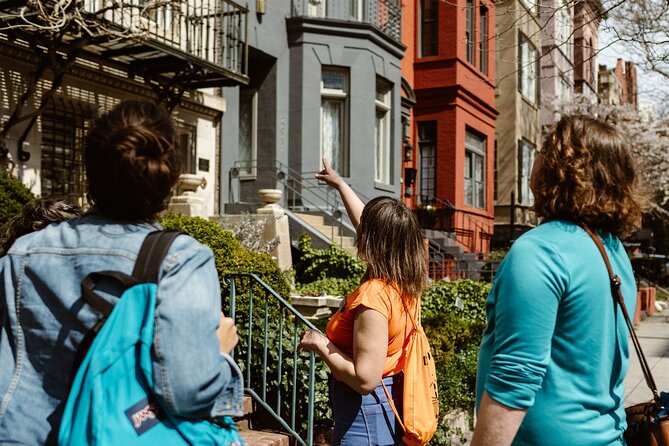
One stop brings you to the Cosmos Club, a private club dating to 1878. It occupies a grand mansion and has long been associated with intellectual, artistic, scientific, and political circles.
For you, the value here is mainly visual and social context. The building helps show how Washington’s elite created private places for conversation, influence, and shared interests. Its decorated interiors and large façade suggest the level of formality that shaped this part of the city, even if you view the club from outside.
Because it is a private club, do not plan on entering. That limitation is common throughout the route, and it is worth keeping in mind as you compare this experience with house museums that sell admission and promise indoor displays.
Still, the Cosmos Club adds a useful layer to the tour. Embassy Row is not only about national governments. It is also about the private networks of academics, artists, public figures, and wealthy residents that helped shape Washington society.
Same streets, read through a different style:
- Chicago Architecture Center River Cruise aboard First Lady
★ 5.0 · 5,536 reviews - Chicago: Architecture River Cruise Skip-the-Ticket Line
★ 4.8 · 4,325 reviews - Chicago River 45-Minute Architecture Tour from Magnificent Mile
★ 4.5 · 2,924 reviews - Chicago Lake and River Architecture Tour
★ 4.5 · 2,308 reviews
Anderson House and the art of showing off
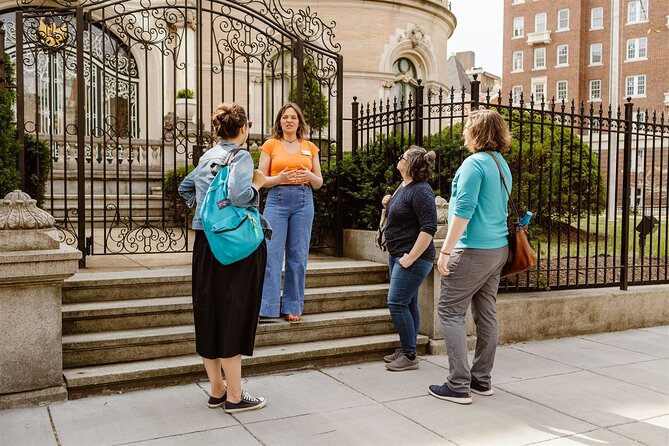
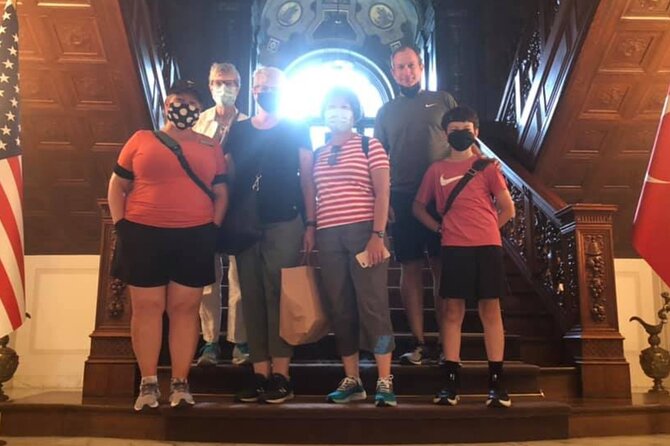
Anderson House is one of the most decorative stops on the route. It was the winter residence of Larz and Isabel Anderson and now serves as the headquarters of the Society of the Cincinnati.
Its interiors are known for Italian murals and carved woodwork, details linked to the Andersons’ travels and taste. From the street, the house reinforces the idea that these residences were designed as personal statements. Inside, the decoration would offer a fuller picture, but you should confirm the day’s plan if interior access matters to you, since the tour description does not promise admission.
I find Anderson House especially useful for understanding the difference between a diplomatic building and a private mansion. An embassy represents a country. Anderson House first represented a couple, their wealth, their travels, and their place in Washington society.
This stop may appeal most to you if you enjoy decorative arts and historic houses. If your main interest is government or current diplomacy, the embassy façades and guide’s stories may hold your attention more than the mansion details.
Sheridan Circle and the move toward Kalorama

The route continues to Sheridan Circle before turning toward Kalorama. This change is one of the walk’s better features because the surroundings shift as you go.
Massachusetts Avenue feels formal and prominent, with large institutions, residences, and embassies close together. Kalorama is calmer, with historic homes and quieter streets. The change helps you see that Embassy Row is not one single type of place. It is a chain of connected neighborhoods with different moods.
Sheridan Circle also gives the guide another setting for stories about Washington’s powerful residents and international connections. The tour is not simply a straight march down one avenue. It uses the circles and side streets to build a broader picture of how the area developed.
You should expect a steady walking tour rather than a stop-and-go vehicle ride. The full experience lasts two hours, so wear comfortable shoes and be ready to spend most of that time outdoors. The information provided does not specify the total distance or accessibility details, so ask the operator if those points affect your plans.
The Spanish Steps and a quieter Washington
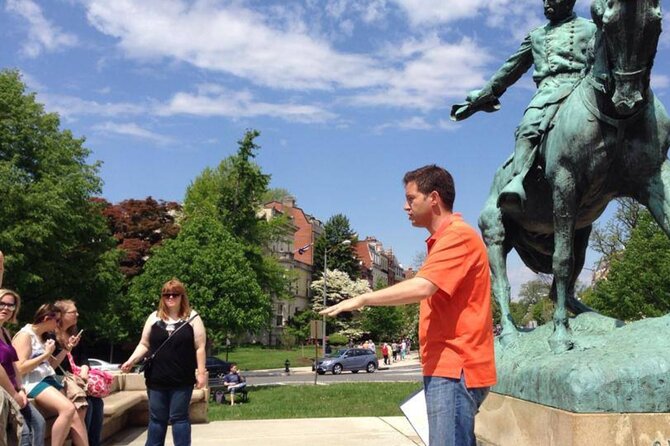
The Spanish Steps offer a change of pace. Modeled after the famous steps in Rome, this staircase is tucked among greenery and historic homes, giving you a quieter pause after the grand avenues and diplomatic façades.
I like this stop because it shows Washington at a smaller scale. Embassy Row can feel formal and imposing. The Spanish Steps offer a more intimate view of the city, with a picturesque setting that suits a short photo stop.
Do not expect a major monument or a long visit here. The appeal is atmosphere and contrast. You get a place to pause, look around, and see how residential Washington can feel only a few blocks from a major diplomatic corridor.
The stop also adds a useful photo opportunity. The tour includes the best photo spots among the 20th-century mansions, and the Spanish Steps provide a different kind of picture from the grand stone houses.
Woodrow Wilson House and the end of the route

The walk continues through Kalorama to the Woodrow Wilson House, preserved as a record of the former president’s life. The property includes period furnishings, personal objects, and displays about Wilson’s presidency and legacy.
The house gives the tour a more personal ending. Earlier stops focus on wealth, diplomacy, clubs, and public image. Here, the subject is a specific president and the private setting connected to him.
The supplied details describe a visit to the historic house, but they do not clearly promise admission inside as part of this two-hour walking tour. I would treat the site as an important stop on the route and ask before booking if interior entry is essential to you.
Wilson’s legacy is also more complicated than a simple presidential success story. The tour description indicates that the house includes displays about his presidency and legacy, so you can expect some attention to the historical record rather than only domestic decoration.
From there, the walk concludes back near the Dupont Circle Metro. Ending at the Metro is convenient. You can continue exploring Dupont Circle, return to your hotel, or connect with another part of the city without arranging a separate ride.
What $49 gets you
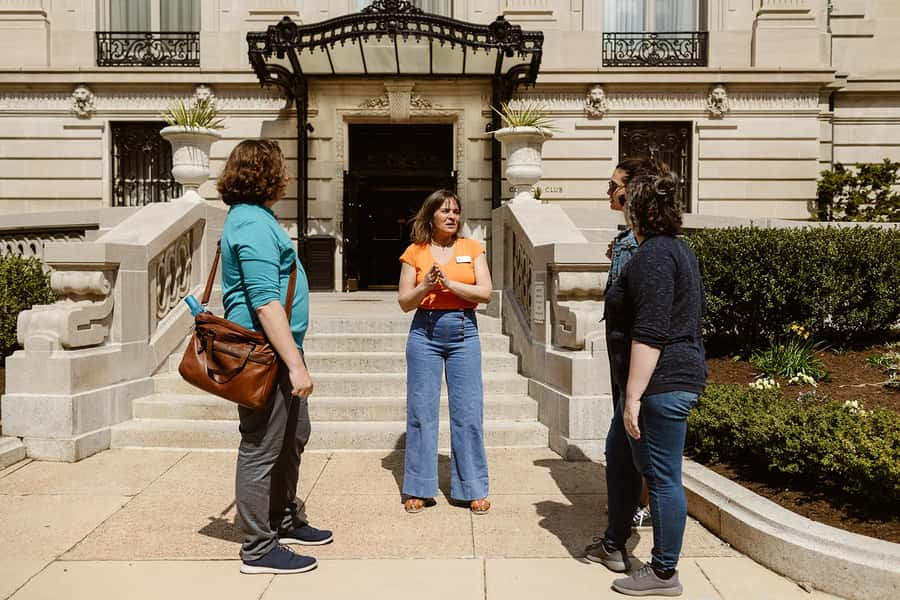
The price is $49 per person. That places the tour in the category of paid guided walks where the guide’s interpretation is the main product.
You are paying for two hours, a live English-speaking guide, a small-group format, a planned route, and stories that connect more than 20 embassies and historic buildings. You are not paying for guaranteed embassy entry, a meal, transportation, or a formal admission package to every site.
I think the price works best for you if you care about context. A self-guided walk can show you the façades, but it cannot easily explain the social world behind Millionaire’s Row or point out why the Cosmos Club, Anderson House, and Wilson House matter.
The value is weaker if you mainly want to enter historic interiors. One direct assessment of the cost found the stories interesting but not numerous enough to justify the full price. That is a fair warning. Two hours can feel short if the commentary is light, and the experience depends heavily on the guide’s ability to keep the stories specific.
The feedback on individual guides is encouraging. Dan was praised warmly, and Eli was described as fun, relatable, and well informed. Those comments suggest the best departures turn a row of buildings into a lively story, but you cannot choose either guide unless the operator confirms availability.
Free cancellation up to 24 hours before the tour and reserve-now, pay-later booking make it easier to fit this into a changing Washington schedule. Gratuity is not included, so plan for that extra cost if you feel the guide delivered a good tour.
Who should take this Embassy Row walk?
I would recommend it to first-time visitors who want a side of Washington beyond the National Mall. It also suits locals who know Dupont Circle but have never looked closely at the mansions and diplomatic buildings along Massachusetts Avenue.
Architecture fans will get the most from the route, especially if you enjoy comparing Beaux-Arts and Italian Renaissance Revival details. History-minded visitors may also like the mix of Gilded Age wealth, private clubs, presidential memory, and international affairs.
This is less suitable for you if you need frequent indoor breaks, guaranteed house entry, or a tour built around current embassy operations. The walk is outdoors, and the central promise is commentary while moving through the neighborhood.
I would also choose it for a second or third day in Washington, after seeing the major monuments. It offers a more local, residential view of the capital and helps explain how power can operate through homes, clubs, social circles, and diplomatic addresses.
Should you book Embassy Row?
Book this tour if you want architecture with stories attached and you are happy to view most places from outside. The route is well chosen, the subjects are varied, and the praise for guides Dan and Eli suggests that a strong guide can make the two hours memorable.
Skip it if $49 feels high for a walk with no guaranteed interior access. You can see many façades on your own, and the tour’s value depends on how detailed and lively the commentary is.
For the right visitor, this is a smart addition to a Washington visit: not a grand monument tour, but a close look at the city’s old money, foreign missions, private clubs, and political memory.
FAQ
Where does the Embassy Row tour begin?
The tour begins at the fountain in the center of Dupont Circle. Look for the guide wearing orange.
How long does the walking tour last?
The tour lasts two hours and usually takes place in the morning.
What language is the tour offered in?
The live guided tour is offered in English.
Does the tour enter the embassies?
No embassy entry is included as a standard feature. The group may occasionally be invited into an embassy or residence, but this is not guaranteed.
What places are included along the route?
The route includes Dupont Circle, Massachusetts Avenue and more than 20 embassies, Sheridan Circle, Kalorama, the Cosmos Club, Anderson House, the Spanish Steps, and Woodrow Wilson House.
What is included in the $49 price?
The price includes a two-hour small-group walking tour, live commentary from a licensed guide, and photo opportunities at historic 20th-century mansions. Gratuity is not included.
New to the itinerary around the USA
- Washington, DC: Georgetown Architecture Walking Tour★ 5.0 · 8 reviews
- Wilmington History and Architecture Tour★ 4.8 · 18 reviews
- Washington DC: Dupont Circle & Embassy Row Architecture Tour★ 5.0 · 6 reviews
- New Orleans : Garden District Architecture Walking tour★ 4.8 · 5 reviews
- Private Colonial Williamsburg Architectural Tour★ 5.0 · 5 reviews
- Tulsa: Art Deco Walking Tour of Tulsa★ 5.0 · 8 reviews
- Castle to Capitol: Museums of the National Mall Architecture Tour★ 4.5 · 9 reviews
- Monuments and Memorials Architectural Walking Tour★ 5.0 · 17 reviews
USA Architecture Tours, compared.
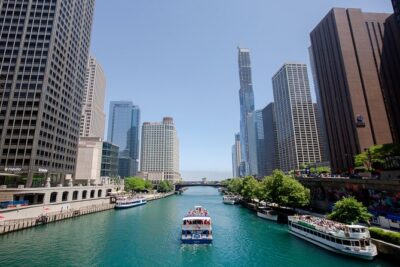
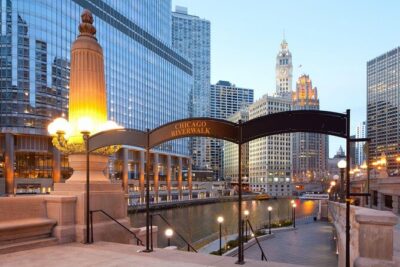
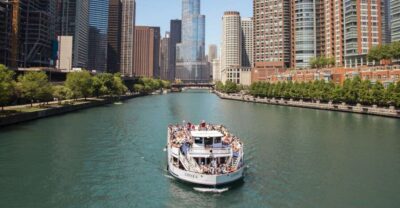
Chicago River: 1.5-Hour Guided Architecture Cruise
Read our review →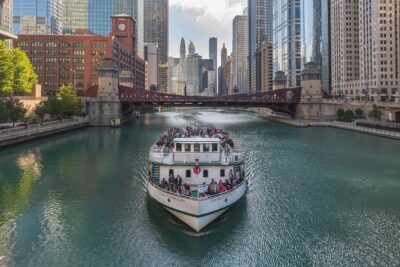
Chicago Architecture Center River Cruise aboard First Lady
Read our review →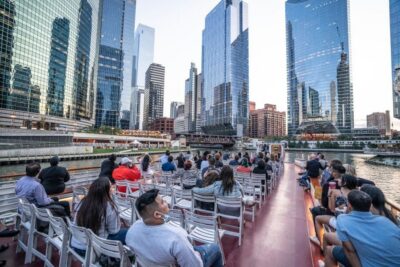
Architecture River Cruise Skip-the-Ticket Line
Read our review →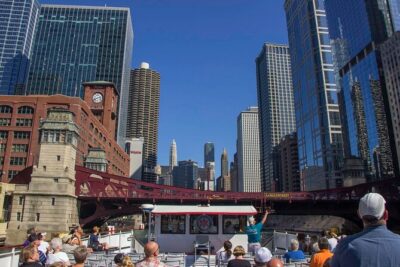
Chicago River 45-Minute Architecture Tour from Magnificent Mile
Read our review →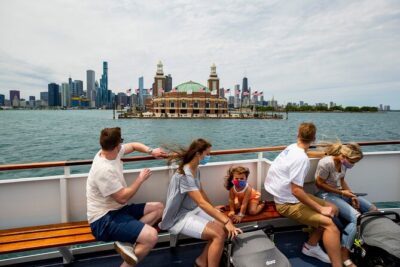
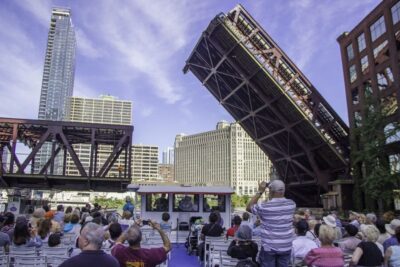
45-Minute Family-Friendly Architecture River Cruise
Read our review →Other lists with this tour