
Review · WASHINGTON DC
Washington DC: Dupont Circle & Embassy Row Architecture Tour
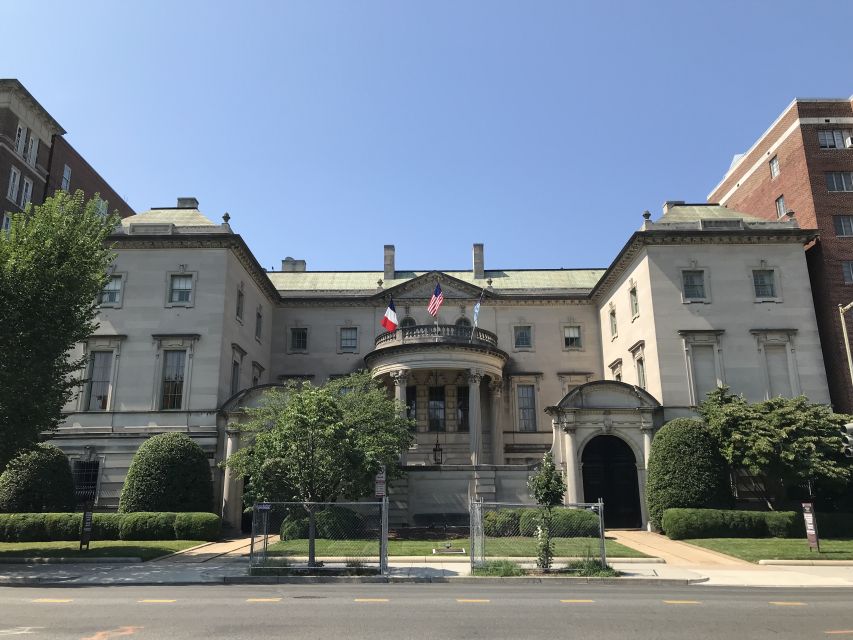
Washington’s grandest homes are not all around the National Mall. Along Embassy Row, Gilded Age mansions and foreign embassies line broad streets in Dupont Circle, creating a very different view of the capital. This two-hour walk looks at the buildings from the sidewalk, then adds the human stories that make their stone facades matter.
I like the small group of no more than 10 people, which makes it easier to hear your guide and ask questions. I also like the range of architecture, from Neoclassical and Beaux-Arts buildings to Queen Anne houses. The main drawback is simple: you must walk 1 to 2 miles outdoors, and the tour runs in rain unless conditions become unsafe.
Key things to know before you book
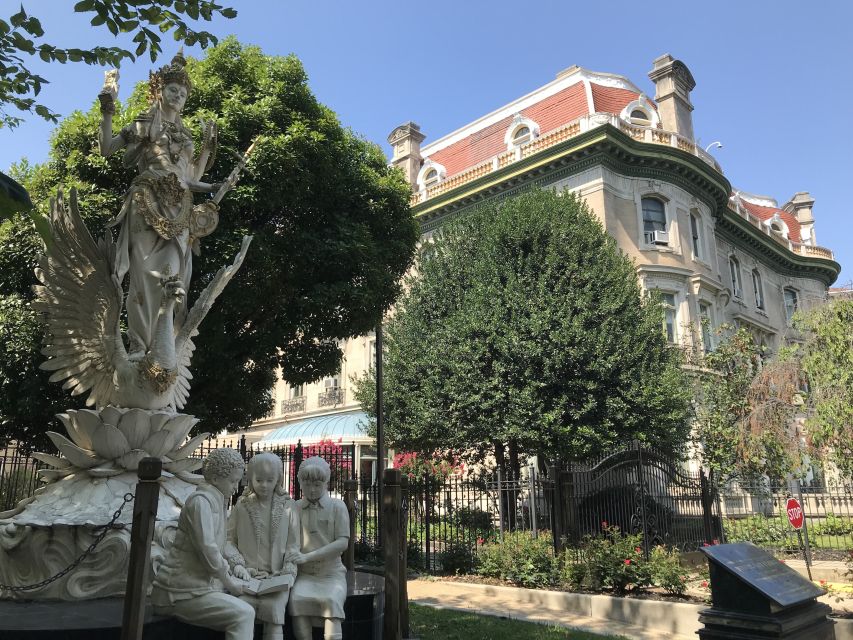
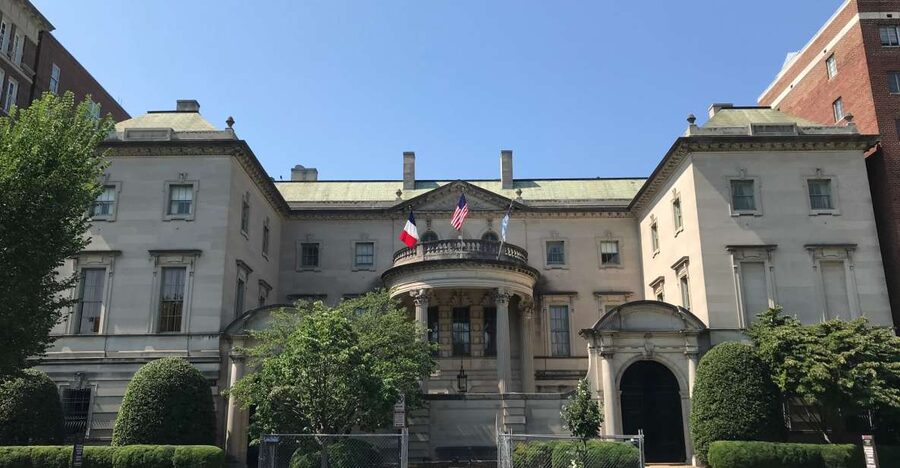
- The Walsh-McLean House is now the Embassy of Indonesia, giving you a look at how a private Gilded Age mansion became a diplomatic residence.
- Embassy Row is as much about people as buildings, with stories of wealthy owners, political figures, scandals, and national ambition.
- The architecture changes from block to block, covering Neoclassical, Beaux-Arts, and Queen Anne styles.
- The group is capped at 10 people, a useful size for a sidewalk tour where the guide needs to point out details overhead.
- The walk begins at the Dupont Circle fountain, an easy central meeting point in one of DC’s most interesting neighborhoods.
- Comfortable shoes and weather-ready clothing matter, since the tour covers up to two miles and takes place outdoors.
Why Dupont Circle is the right place to start
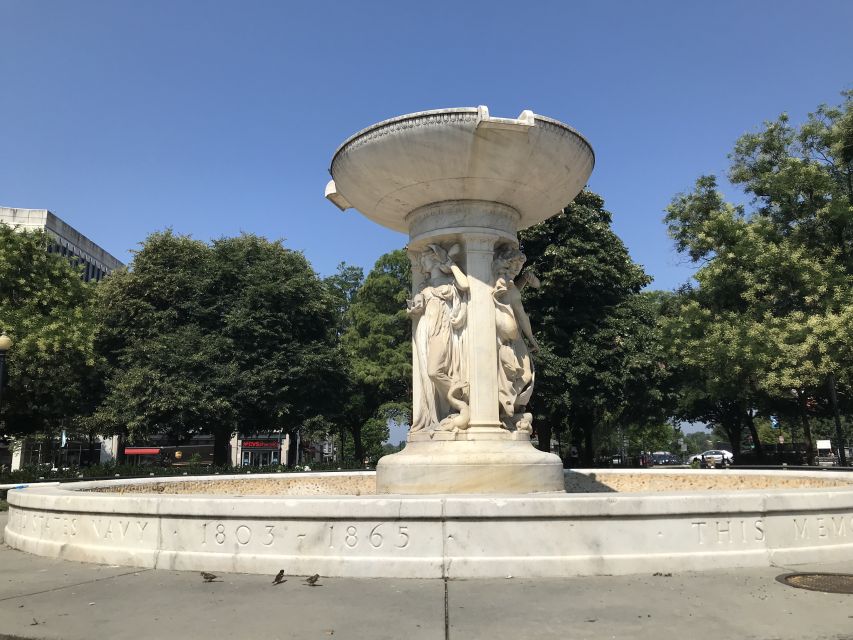
Dupont Circle gives you a quick lesson in Washington’s social geography. The neighborhood is not just a convenient starting point. It is the setting for the entire story: a fashionable district where wealthy American families built showy homes, and where foreign governments later established embassies.
You meet your guide at the base of the fountain in the center of the circle. That location is hard to miss, but give yourself enough time to reach the middle of the traffic circle safely. The tour usually runs in the morning and lasts two hours, so it can fit neatly before an afternoon museum visit or a longer day around the capital.
Your guide speaks English, and the small group format should help you follow the commentary without the usual crowd noise. Guides such as Carolyn and Natalie have led this walk, with a style that mixes architectural explanation, humor, and stories about the people who lived behind these doors.
The opening part of the walk helps you look past the general impression of wealth. Instead of seeing only large houses, you begin to notice materials, proportions, entrances, windows, rooflines, and decorative choices. That shift is useful because Washington’s grand residences can blur together at first. A guide gives each building a reason to hold your attention.
More Architecture Tours around the USA:
- Chicago Architecture River Cruise
★ 5.0 · 15,756 reviews - Chicago River 90-Minute Architecture Tour
★ 4.5 · 9,629 reviews - Chicago River: 1.5-Hour Guided Architecture Cruise
★ 4.8 · 8,046 reviews
Walking Embassy Row one mansion at a time
Embassy Row is the tour’s central stretch. You walk along streets lined with impressive properties, many of them now used by foreign governments. From the sidewalk, you can study the exterior architecture and learn how the buildings connect to Washington’s political and social past.
The tour includes the Embassy of Indonesia, housed in the Walsh-McLean House. This is one of the most important stops because it brings together two sides of the neighborhood. The building began as an extravagant private residence, but its current diplomatic role shows how Dupont Circle changed over time.
The name Walsh-McLean points to the home’s original owners and to the wealth that made such a residence possible. Your guide explains the people connected with the house and the social world that produced these enormous properties. You will not be touring the embassy’s interior, so the value of this stop comes from the exterior details and the story attached to them.
The Anderson Mansion provides another useful comparison. Washington’s grand homes were not all built to the same plan or with the same taste. Looking at several residences in a row lets you see where one owner preferred restraint and another wanted a more theatrical display.
The walk also includes the Woodrow Wilson House. It adds a presidential connection and gives the tour a political thread. The house helps move the discussion beyond anonymous millionaires and decorative facades. Here, the building is tied to a major national figure and to the way former leaders are remembered in Washington.
The exact order of the stops can depend on the guide and the flow of the walk, but the point is consistent: you see several important properties rather than stopping at one famous address. That variety is what makes the tour more useful than a quick stroll through the neighborhood on your own.
From Neoclassical columns to Queen Anne detail
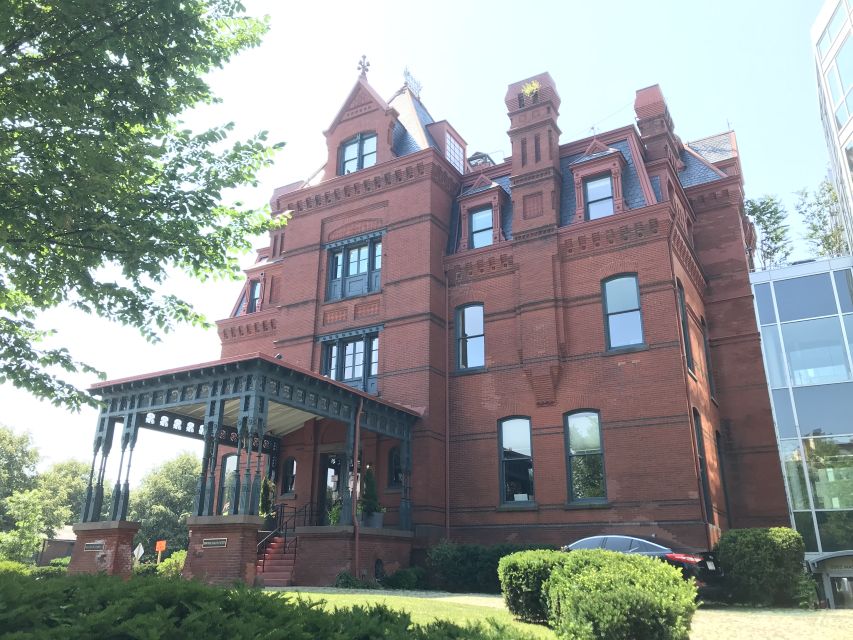
The architectural range is one of the strongest reasons to choose this experience. You will see Neoclassical buildings with formal lines and classical references, Beaux-Arts designs with a heavier sense of ceremony, and Queen Anne homes with more varied shapes and decoration.
You do not need a background in architecture to enjoy the differences. A good guide makes the styles practical by showing you what to look for. Neoclassical buildings often feel ordered and official. Beaux-Arts properties can appear grander and more theatrical. Queen Anne houses tend to offer a more playful mix of forms and surface detail.
That comparison matters because the buildings reflect more than fashion. They show how owners wanted to present themselves, how much money they had to spend, and what kind of image they wanted to project in the capital. A mansion was a home, but it was also a public statement.
Take your time looking upward. Rooflines, upper windows, cornices, and carved details are easy to miss when you focus only on the sidewalk ahead. The tour takes place in a city neighborhood, not inside a museum, so some of the best features are above eye level.
You should also expect a certain amount of standing while the guide explains a property. The walk is not a fast march, but two hours outdoors can feel long if you wear poor shoes or arrive without water. Comfortable footwear is not a minor suggestion here.
The people and scandals behind the stone
Architecture gives this tour its shape, but the personal stories give it life. The guide discusses the owners and residents connected with the mansions, along with the scandals and social conflicts that surrounded them.
This is where the experience differs from simply reading a plaque. The buildings were tied to ambition, money, politics, marriage, social status, and sometimes embarrassing behavior. Those stories help explain why a house was built in such a grand form and why its history still attracts attention.
The tone appears to be lively rather than academic. One guide has been praised for a good sense of humor, while another was described as a wealth of information about the people who built and lived in the mansions. That combination suits the subject. A purely technical architecture tour could become dry, while a story-only walk might leave you unsure what you are looking at.
You will hear about the people behind the addresses, but the experience remains an exterior walking tour. Do not book it expecting access to private rooms or embassy interiors. Many of these buildings still serve diplomatic or residential purposes, so the sidewalk is the appropriate viewpoint.
That limitation is also part of the appeal. You are looking at working parts of Washington, not just preserved exhibits. Embassies continue to represent foreign governments, and the houses still function within the city’s daily life.
Same streets, read through a different style:
- Chicago Architecture Center River Cruise aboard First Lady
★ 5.0 · 5,536 reviews - Chicago: Architecture River Cruise Skip-the-Ticket Line
★ 4.8 · 4,325 reviews - Chicago River 45-Minute Architecture Tour from Magnificent Mile
★ 4.5 · 2,924 reviews - Chicago Lake and River Architecture Tour
★ 4.5 · 2,308 reviews
What the two-hour pace feels like
Two hours is enough time to cover a useful section of Dupont Circle without turning the outing into an exhausting half-day commitment. The tour requires about 1 to 2 miles of walking, with pauses for explanations and photographs.
The small group limit of 10 is important. On a large tour, a guide may need to repeat every point, and you can lose the details while trying to stay near the back. Here, the group should be close enough for the guide to point out architectural features and answer brief questions.
The walk is listed as wheelchair accessible, but the practical ease of the route can still depend on street conditions, weather, and the pace of the group. If you use a wheelchair or have mobility concerns, confirm the route details before booking. The stated distance also matters for anyone who finds extended outdoor walking difficult.
Weather can shape the experience. The tour runs in all weather unless conditions are dangerous, so rain is possible. A drizzly morning will not erase the buildings, but it can make note-taking and photography less pleasant. Bring water, dress for the forecast, and wear shoes with good support.
Summer heat and winter cold can affect your comfort more than the schedule does. Since the tour usually takes place in the morning, you may find that timing helpful in warmer months, though the weather policy still applies.
Is $44 a fair price?
At $44 per person, this is not the cheapest way to spend two hours in Washington, but the price is reasonable if you want interpretation rather than a self-guided walk. You can see the outside of Embassy Row for free. What you are paying for is the guide’s selection of buildings, the architectural comparisons, and the stories behind the addresses.
The value improves if you are curious about design or American social history. A guide can point out details you would likely pass without noticing, then connect them to the families, politicians, and diplomatic institutions associated with the property.
The price also includes a small group rather than a large crowd. That matters on a neighborhood walk, where hearing the guide clearly is part of what you bought. Tips are not included, so plan for that extra cost if you feel the guide has earned it.
I would not choose this tour if your main goal is to enter historic interiors. It is better suited to someone who enjoys seeing buildings from the street and learning why they look the way they do.
Who will enjoy this Dupont Circle walk?
This experience fits first-time visitors who want a break from the major memorials and museums. It also works well for repeat visitors who have already seen the National Mall and want to understand another side of Washington.
You will get the most from it if you like:
- Historic homes and diplomatic buildings
- Architecture explained in plain language
- Stories about wealthy families and political figures
- Small groups rather than large guided crowds
- Outdoor sightseeing at a relaxed walking pace
Families with older children may enjoy the scandal and personality in the stories, especially if a formal architecture lecture sounds too serious. Young children who dislike walking or stopping to listen may find the format slow.
It is also a good choice for people who want a focused neighborhood experience. You will not cover all of Washington, and that is the point. For two hours, the tour stays with one area and examines it closely.
Practical advice for a better morning
Meet at the Dupont Circle fountain, not simply somewhere in the surrounding neighborhood. The circle is large, and the traffic pattern can make a last-minute meeting stressful.
Wear comfortable shoes and bring water. The route covers 1 to 2 miles, and you will spend the entire tour outside. Weather-appropriate clothing is essential because the walk continues in rain unless conditions become unsafe.
Keep your camera ready, but listen before rushing to the next picture. The most useful details may be on upper floors, door surrounds, rooflines, or decorative stonework. If you only photograph the full facade, you can miss what makes one building different from the next.
Plan your day around the tour’s morning schedule. Since it lasts two hours, you can pair it with lunch in the neighborhood or continue to another Washington attraction afterward. The supplied details do not specify a restaurant stop or transportation, so bring anything you need for the walk and do not expect food to be part of the experience.
The booking terms are flexible: you can cancel up to 24 hours before the tour for a full refund, and you can reserve without paying immediately. That is helpful when weather or a changing Washington schedule is a concern.
Should you book it?
Book this tour if you want architecture with a human story attached. The Walsh-McLean House, Anderson Mansion, Woodrow Wilson House, and other properties provide plenty to see, but the guide’s explanation is what turns a street walk into a worthwhile experience.
Skip it if you want indoor access, a short stroll, or a tour centered on national monuments. Choose it if you can comfortably walk 1 to 2 miles, enjoy outdoor sightseeing, and want to hear how wealth, politics, diplomacy, and scandal shaped Dupont Circle.
At $44, the strongest value comes from the small group and the guide’s commentary. For a compact, story-filled look at one of Washington’s most impressive residential districts, this is a sensible choice.
FAQ
Where does the Dupont Circle and Embassy Row tour meet?
The tour meets at the base of the fountain in the center of Dupont Circle.
How long does the tour last?
The walking tour lasts two hours.
How much walking is involved?
You must be able to walk about 1 to 2 miles during the tour.
What language is the tour offered in?
The live tour guide speaks English.
What buildings can you see?
The walk includes the Embassy of Indonesia, also known as the Walsh-McLean House, Anderson Mansion, Woodrow Wilson House, and other notable homes and embassies.
Is the tour wheelchair accessible?
The tour is listed as wheelchair accessible. The route still involves outdoor walking, so you may wish to confirm practical route details before booking.
What happens if it rains?
The tour takes place in all weather unless conditions make it dangerous. Bring weather-appropriate clothing and comfortable shoes.
What is included in the price?
A professional guide is included. Tips are not included.
Can you cancel the booking?
You can cancel up to 24 hours in advance for a full refund. You can also reserve now and pay later.
New to the itinerary around the USA
- Washington, DC: Georgetown Architecture Walking Tour★ 5.0 · 8 reviews
- Wilmington History and Architecture Tour★ 4.8 · 18 reviews
- New Orleans : Garden District Architecture Walking tour★ 4.8 · 5 reviews
- Tulsa: Art Deco Walking Tour of Tulsa★ 5.0 · 8 reviews
- Private Colonial Williamsburg Architectural Tour★ 5.0 · 5 reviews
- Castle to Capitol: Museums of the National Mall Architecture Tour★ 4.5 · 9 reviews
- Monuments and Memorials Architectural Walking Tour★ 5.0 · 17 reviews
- Saint Augustine Evening Architectural Photo Tour★ 5.0 · 15 reviews
USA Architecture Tours, compared.
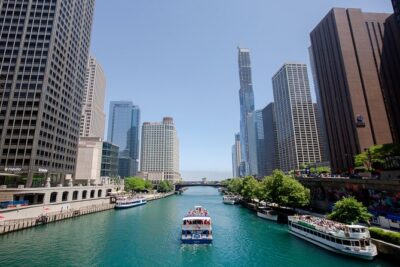
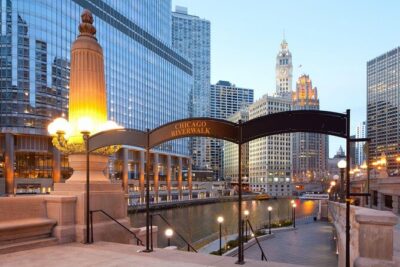

Chicago River: 1.5-Hour Guided Architecture Cruise
Read our review →
Chicago Architecture Center River Cruise aboard First Lady
Read our review →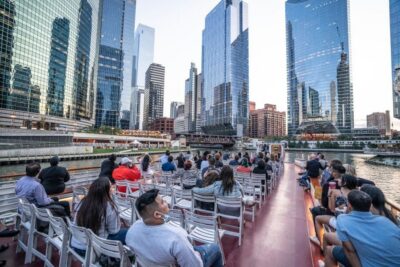
Architecture River Cruise Skip-the-Ticket Line
Read our review →
Chicago River 45-Minute Architecture Tour from Magnificent Mile
Read our review →
45-Minute Family-Friendly Architecture River Cruise
Read our review →Other lists with this tour