
Review · USA
San Francisco Architecture Walking Tour
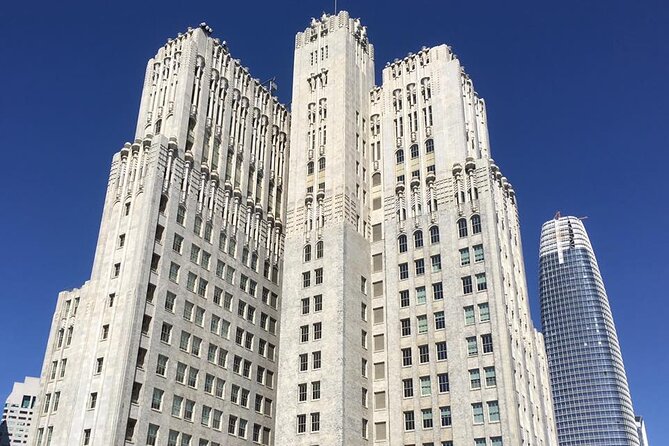
San Francisco’s Financial District can look like a wall of glass and stone until someone shows you how to read it. This 2.5-hour architecture walk begins at SFMOMA and uses the streets themselves as a classroom, with attention to classic buildings, newer design, public spaces, and the city’s past and future plans.
I like the small group of no more than 10 and the detailed handout that identifies the buildings along the route. I also like that guide Rick brings an architect’s eye to the city, helping you find the best angles for viewing buildings instead of simply pointing them out as you hurry past.
The main consideration is focus. This is an architecture tour, not a general San Francisco highlights walk, and admission to SFMOMA is not included. You’ll also need to walk between the starting point and the Financial District end point without included transportation.
Key points to know before you book
- Starts at SFMOMA: Meet at the front entrance at 151 3rd Street at 2:00 p.m.; the museum itself is not part of the admission.
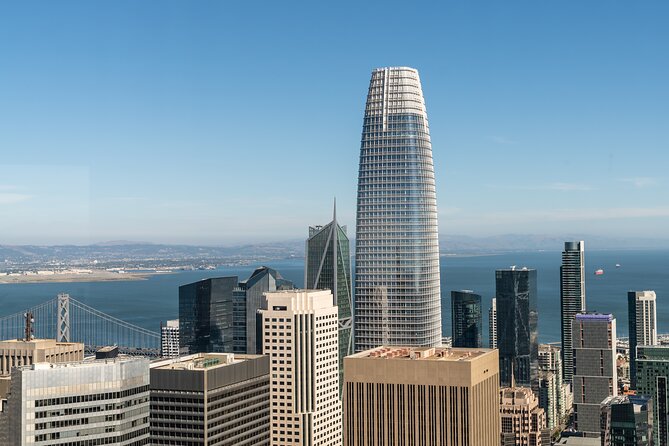
- Covers the Financial District: The route focuses on classic and modern buildings and urban spaces not usually covered on standard city walks.
- Led by Rick: Rick’s approach combines architecture, San Francisco history, city planning, and useful viewing tips.
- Small-group format: The maximum group size is 10, which makes it easier to hear explanations and ask questions.
- Includes a building handout: You receive written information about the buildings on the route, useful for later reference.
- Requires steady walking: No transportation is included, and a moderate level of fitness is advised.
Why this walk changes the way you see downtown
The best architecture walks do more than name buildings. They teach you how to notice proportion, materials, setbacks, entrances, street walls, open space, and the way older structures relate to newer ones.
That is the promise here. San Francisco’s Financial District is often treated as a place to pass through on the way to another attraction. This walk asks you to slow down and look up. The city’s commercial core becomes a record of changing taste, technology, planning ideas, and economic ambition.
You’ll study both classic and modern architecture, rather than getting a tour limited to one period. That mix matters because San Francisco’s downtown is not a single-style district. Older buildings and newer towers share the same streets, and the contrast can tell you a great deal about how the city has changed.
The tour also places architecture within the wider question of urban planning. You’ll hear about San Francisco’s earlier plans as well as ideas shaping its future. That gives the walk more substance than a simple list of façades.
More Walking Tours in the USA
- The Official Art Deco Walking Tour by The Miami Design Preservation League
★ 5.0 · 1,580 reviews - Chicago in a Day: Food, History & Architecture Walking Tour
★ 5.0 · 1,153 reviews - Miami South Beach Art Deco Walking Tour
★ 5.0 · 1,039 reviews
Meeting Rick at SFMOMA at 2:00 p.m.
The starting point is the front entrance of the San Francisco Museum of Modern Art, at 151 3rd Street. The listed start time is 2:00 p.m., so plan to arrive a little early rather than trying to locate the group at the last second.
SFMOMA is a sensible meeting place because it puts you near a major concentration of contemporary design and close to the streets south of Market Street. The first listed stop allows about 10 minutes, but this is not a museum admission visit. Your ticket covers the walking experience, not entry to SFMOMA.
That distinction is important if you were hoping to spend part of the afternoon inside the museum. You can certainly plan a separate museum visit, but you should not count on the architecture walk including its galleries or exhibitions.
The area is near public transportation, which helps if you are staying elsewhere in San Francisco. Since no transportation is included, you are responsible for getting to SFMOMA and arranging your own return from the end point.
The opening stop: SFMOMA and the shift into the city
The SFMOMA meeting point gives the tour an immediate connection to modern design. From there, the walk moves into the city, where buildings are experienced at street level rather than from a museum label or a distant viewpoint.
The value of beginning here is the change in scale. Inside a museum, architecture is often viewed as an object. Outside, it becomes part of your daily surroundings: it frames a sidewalk, shapes a corner, controls light, and influences how people move through the city.
You should expect Rick to establish the larger themes early, including how San Francisco has planned its urban areas and how those plans affect the buildings around you. The detailed handout is especially useful at this stage because it gives you something concrete to follow as the route develops.
The 10-minute time allocation means the opening stop is brief. If you want an extended look at SFMOMA’s collection, schedule that separately and allow enough time before or after the walk.
Exploring the Financial District on foot
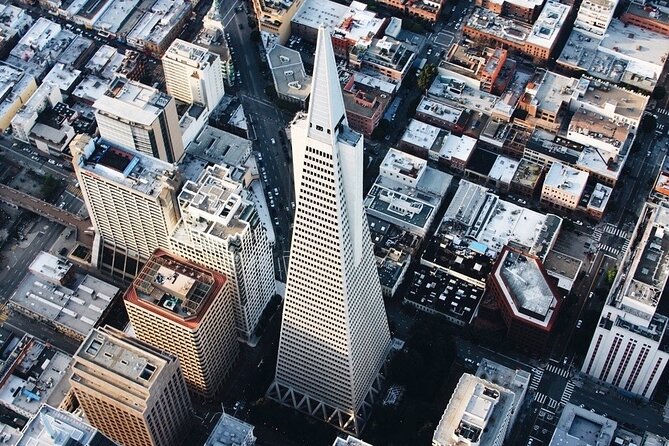
The main portion of the experience takes place in the Financial District. The supplied details do not list every building by name, so I would not book this expecting a fixed checklist of famous landmarks. The emphasis is on a selected group of classic and modern structures, along with urban spaces that standard sightseeing routes may skip.
That can be a real advantage. A tour built around less familiar buildings may give you a fresher view of downtown than a walk that simply moves from one famous address to the next.
Rick’s role is central here. The strongest parts of an architecture walk are often the explanations that connect a building to its setting. You may learn why a certain corner works, how a façade should be viewed, or how the building’s position relates to nearby streets and open areas.
The tour specifically includes guidance on the best vantage points for seeing buildings at their strongest angles. That is a practical detail, not just a nice extra. A tall structure can look flat from one side and carefully composed from another. Small changes in where you stand can reveal symmetry, depth, entrances, rooflines, or the relationship between a building and the street.
Because you are walking rather than riding, you can make those small changes in position. You can stop, look upward, compare nearby structures, and ask questions while the subject is directly in front of you.
Same streets, read through a different style:
- Chicago Architecture River Cruise
★ 5.0 · 15,756 reviews - Chicago River 90-Minute Architecture Tour
★ 4.5 · 9,629 reviews - Chicago River: 1.5-Hour Guided Architecture Cruise
★ 4.8 · 8,046 reviews - Chicago Architecture Center River Cruise aboard First Lady
★ 5.0 · 5,536 reviews
Classic buildings, modern design, and city planning
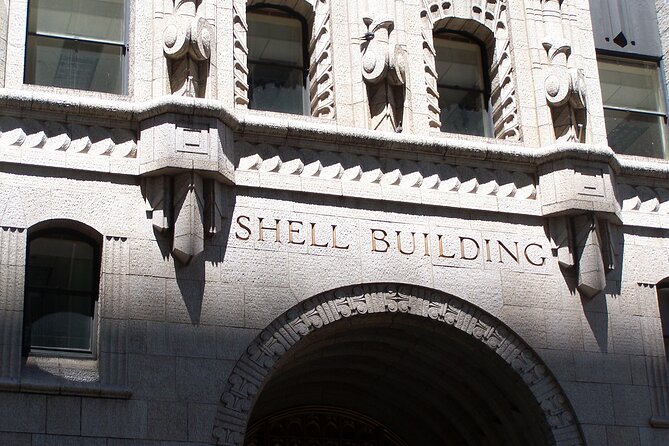
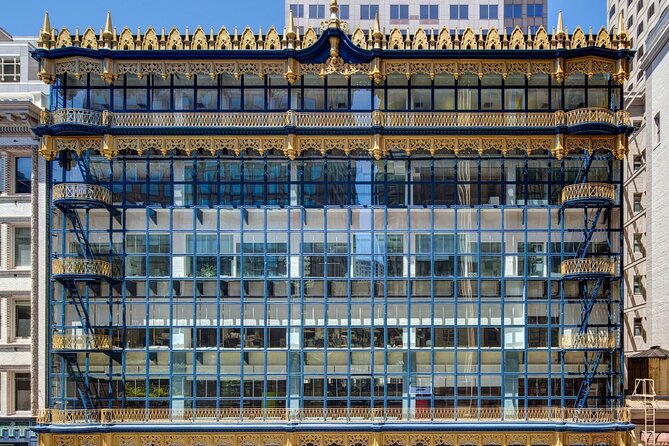
The tour’s mix of older and newer buildings should suit you if you like seeing architecture as an ongoing conversation. Classic structures show earlier ideas about materials, scale, decoration, and civic presence. Modern buildings bring different answers to questions of space, technology, density, and function.
The point is not simply to decide which style you prefer. You’ll be encouraged to see how each period responds to the city around it. A building may relate to a street in a way that was common decades ago, while a newer structure may reflect a different approach to public space or the movement of pedestrians.
The discussion of San Francisco’s past and future urban plans adds another layer. Planning affects more than where buildings are placed. It influences the width and feel of streets, the amount of open space, the way districts connect, and the balance between private development and public life.
This is also where the tour may appeal to repeat visitors. You do not need to be seeing San Francisco for the first time to benefit. A person who already knows the main downtown streets can still gain a new way to interpret them.
One past participant who identified as an architect found the walk worthwhile after many visits to the city. That is a useful signal about the level of detail: the tour is not limited to basic facts for first-time sightseers.
Urban spaces receive as much attention as façades
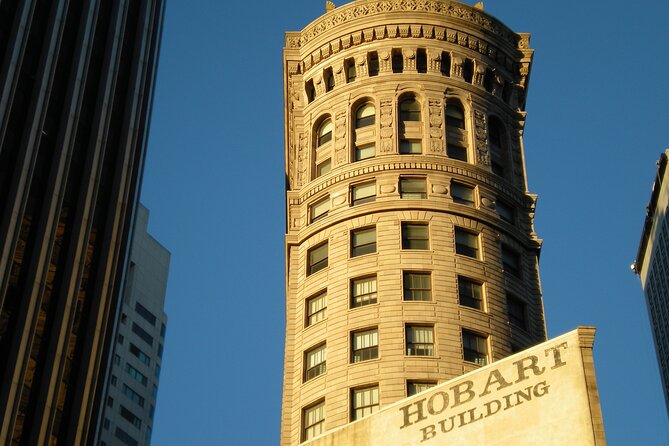
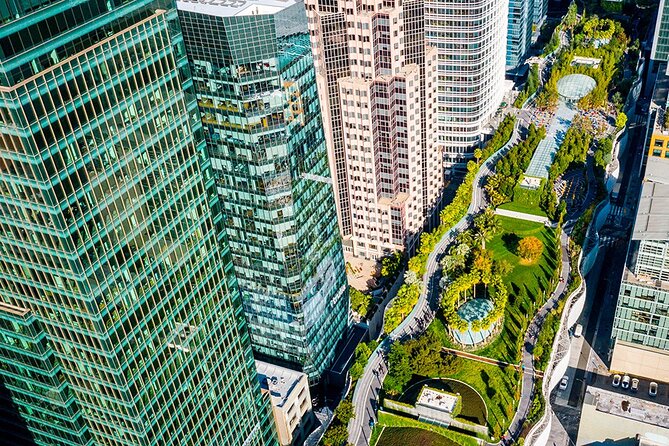
Many architecture tours focus almost entirely on buildings. This one also includes beautiful urban spaces, which helps explain why the city feels the way it does from the sidewalk.
An urban space can be a plaza, a setback, a passage, or another place where buildings and public movement meet. The supplied information does not name each space, so I would avoid expecting a particular famous square. The useful idea is that the tour treats the spaces between buildings as part of the architecture.
That approach makes sense in the Financial District. A tower does not exist in isolation. Its entrance, forecourt, neighboring structures, street edge, and open areas all affect your experience of it.
You’ll also get insider information that is not usually found in guidebooks. Here, insider information should be understood as interpretation and local context rather than access to private interiors. The payoff is a sharper eye: after the tour, you may notice design choices in other parts of San Francisco on your own.
Rick’s teaching style and what the handout adds
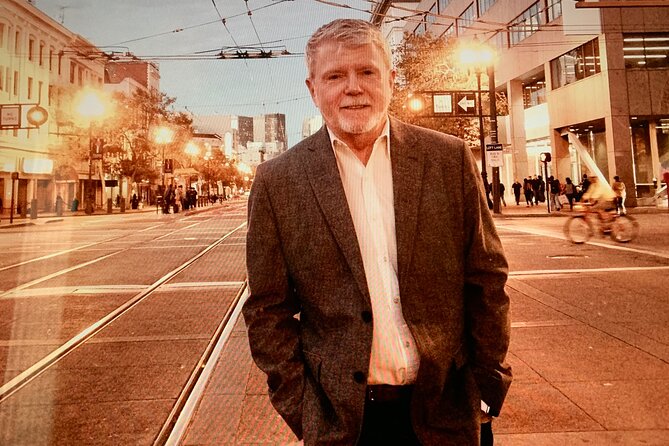
Rick is identified as the guide, and the experience depends heavily on his ability to explain what you are seeing. The available comments describe his approach as enthusiastic, educational, and full of San Francisco facts. One person with an architecture background still found the walk fascinating, while another found the easy pace made the two and a half hours pass quickly.
Those details suggest a tour that takes its subject seriously without turning into a technical lecture. That balance is important. Architecture can become dry when every explanation is reduced to dates and styles, but it can also become vague when the guide offers only broad opinions.
The handout gives the experience lasting value. You receive a detailed description of the buildings on the tour, so you do not have to remember every name or explanation while walking. You can use it later to revisit the route or compare what you learned with buildings elsewhere in the city.
A small group also helps. With a maximum of 10 people, you should have a better chance of hearing clearly and asking a question than you would on a large coach-style outing. The tour is not private, but it is intimate enough for direct contact with the guide.
Walking pace, comfort, and the route’s practical limits
The walk lasts about two hours and 30 minutes. You should be comfortable standing and walking for that period, as the tour recommends a moderate level of physical fitness.
The pace has been described as easy, which is encouraging if you want time to look at buildings rather than rush between stops. Still, easy does not mean effortless. San Francisco is a walking city, and you should wear comfortable shoes and be ready to spend much of the afternoon outdoors.
No transportation is included. That is normal for a downtown architecture walk, and it is part of the experience, but it affects your schedule. You need to reach SFMOMA independently and make your own way onward after the tour.
The published information gives the end point as 264 Bush Street in the Financial District. It also refers to 130 Bush Street near the corner of Market and First Street in the meeting-point details. Because those location references do not match perfectly, confirm the final meeting information and route instructions when booking.
Weather is another practical factor. The experience requires good weather, so poor conditions can lead to a different date or a full refund. Bring a layer suitable for San Francisco’s changeable conditions, though the exact weather policy means you should still check the forecast before setting out.
Who will get the most from this San Francisco walk?
I would choose this tour if you enjoy architecture, urban planning, or the small details that make one city feel different from another. It is especially well suited to repeat visitors who have already covered the usual San Francisco sights and want a more focused afternoon.
It also works for an architect, design student, history fan, or curious city walker. You do not need formal training. The handout and guide’s explanations are meant to give you a way into the subject, not test you on technical terms.
If your main goal is the Golden Gate Bridge, cable cars, Chinatown, or panoramic views, this is not the right choice. Those sights are not the focus here. You are booking a close look at downtown buildings and public spaces.
Families can consider it if everyone is comfortable with a two-and-a-half-hour walking activity, but the supplied information does not promise child-specific material. The small group and moderate pace may help, yet the subject is most rewarding for people who genuinely want to study the built city.
Is the experience good value?
No price is provided, so I cannot judge the exact cost against competing tours. I can still explain what you are paying for: a focused guide-led walk, a small group, interpretation of buildings and planning, recommended viewing angles, and a detailed handout.
That is good value for someone who would otherwise walk through the Financial District without understanding what they were seeing. The tour’s worth comes from interpretation, not transportation or admission tickets.
The value is less clear if you prefer a broad sightseeing tour or want included access to SFMOMA. You would need to pay for any museum admission separately, and you must also arrange your own transport to the starting point.
The strongest reason to book is the quality of attention. A small group allows the guide to explain details that are easy to miss on your own, while the written material helps the lessons stay with you after the walk ends.
Should you book the San Francisco Architecture Walking Tour?
Book it if you want to look at San Francisco through its buildings rather than simply pass by them. Rick’s enthusiasm, the small group, the easy pace, and the handout make this a thoughtful choice for architecture and city-planning fans.
Skip it if you want a fast list of famous sights, an indoor museum visit, or included transportation. Also check the start and end details carefully, especially the conflicting Bush Street references.
For the right audience, this is a useful way to see a familiar downtown area with sharper eyes. You may leave with fewer postcard snapshots than on a standard city tour, but you’ll have a better sense of how San Francisco’s streets and buildings fit together.
FAQ
Where does the tour begin?
The tour begins at the front entrance of the San Francisco Museum of Modern Art, 151 3rd Street, San Francisco, California 94103.
What time does the tour start?
The scheduled start time is 2:00 p.m.
How long does the architecture walk last?
The experience lasts approximately two hours and 30 minutes.
Is admission to SFMOMA included?
No. Admission to SFMOMA is not included. The museum is the meeting point for the walking tour.
Where does the tour end?
The published end point is 264 Bush Street, San Francisco, California 94104. The meeting details also refer to 130 Bush Street near Market and First Street, so confirm the final location information before the tour.
How large is the group?
The experience has a maximum of 10 people.
What happens if bad weather cancels the tour?
If poor weather causes a cancellation, you’ll be offered a different date or a full refund. Free cancellation is available when you cancel at least 24 hours before the start time.
New to the itinerary around the USA
- Washington, DC: Georgetown Architecture Walking Tour★ 5.0 · 8 reviews
- Wilmington History and Architecture Tour★ 4.8 · 18 reviews
- New Orleans : Garden District Architecture Walking tour★ 4.8 · 5 reviews
- Washington DC: Dupont Circle & Embassy Row Architecture Tour★ 5.0 · 6 reviews
- Private Colonial Williamsburg Architectural Tour★ 5.0 · 5 reviews
- Tulsa: Art Deco Walking Tour of Tulsa★ 5.0 · 8 reviews
- Castle to Capitol: Museums of the National Mall Architecture Tour★ 4.5 · 9 reviews
- Monuments and Memorials Architectural Walking Tour★ 5.0 · 17 reviews
USA Architecture Tours, compared.
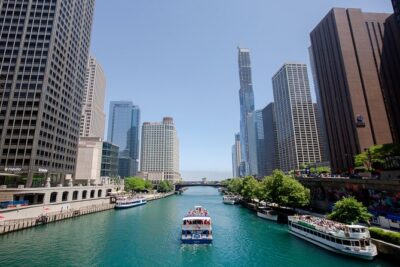
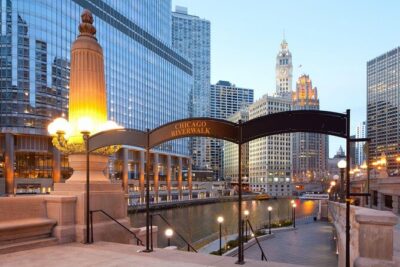
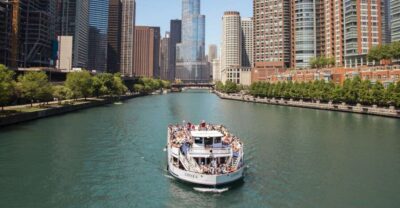
Chicago River: 1.5-Hour Guided Architecture Cruise
Read our review →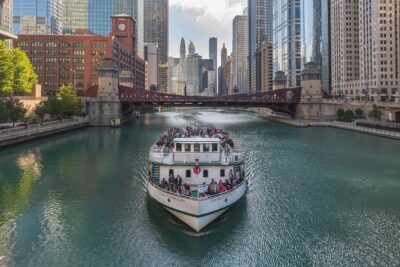
Chicago Architecture Center River Cruise aboard First Lady
Read our review →
Architecture River Cruise Skip-the-Ticket Line
Read our review →
Chicago River 45-Minute Architecture Tour from Magnificent Mile
Read our review →
45-Minute Family-Friendly Architecture River Cruise
Read our review →Other lists with this tour