

Review · NEW YORK CITY
The Story Behind NY’s Evolving Skyline An Architectural Journey Through History
New York’s skyline is not one style or one era. It is a record of changing ambitions, building methods, fortunes, and city rules. This nearly two-hour presentation by Kitt Garrett shows you how to read that record, from early Georgian and Federal buildings to Gothic Revival churches, Renaissance Revival towers, and today’s glass skyscrapers. I like the way it connects architecture with daily life, including parks, transportation, housing, and the working waterfront.
I also like the freedom of the format. You can watch the video before your trip, use the downloadable PDF as a street guide, or enjoy the presentation from home if New York is not on your calendar yet. The main consideration is that this is an on-demand self-guided experience, not a live walk with a guide beside you, so you will need to manage your own route and sightseeing time.
Key points to know before you book
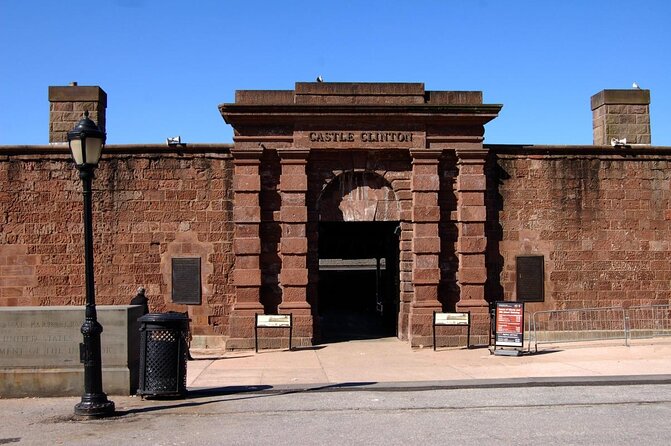
- Castle Clinton begins the story: The tour starts at this harbor landmark and uses New York’s waterfront as a doorway into the city’s past.
- Nearly two hours of architecture and history: The 1-hour, 58-minute presentation covers styles, materials, architects, zoning, transportation, and neighborhood change.
- The PDF turns the video into a street companion: Download it to your device so you can refer to addresses and locations while walking around New York.
- The route reaches 20 Hudson Yards: The modern development provides a practical ending point with shops, restaurants, and restrooms.
- Useful for locals as well as first-time visitors: The presentation is designed to help you identify when buildings were made, who shaped them, and why they look the way they do.
- A strong group value: The $25 price covers a private group of up to 15 people, which can make it a low-cost shared activity.
Reading New York through its changing buildings
The best idea here is simple: look at buildings as evidence. A cornice, a stone facade, a tower top, or a change in materials can tell you when a building was made and what New York needed at that time.
Kitt Garrett’s presentation follows the city across roughly 400 years. It begins with the period when Henry Hudson entered New York Harbor and the area developed from a Dutch settlement into a major center of trade. From there, it moves through the architectural styles that appeared as New York grew in wealth, population, technology, and ambition.
You will hear about Georgian, Federal, Greek Revival, Romanesque Revival, Italianate, Renaissance Revival, Gothic Revival, Queen Anne, Neo-Classical, and modern design. The value is not just in memorizing names. You learn what to look for, including building materials and decorative details that can help you recognize an era when you are walking down an ordinary city block.
I especially like this approach for New York because the city often places several periods side by side. A modern tower may rise behind a landmarked row of older buildings. A former industrial waterfront may now hold parks and public spaces. Once you understand the clues, a walk that seemed like a simple trip from one neighborhood to another becomes a lesson in city planning.
More Skyscraper Tours in New York City:
- Chicago Premium Driving Tour with River Boat Cruise and Sky Deck
★ 4.5 · 165 reviews - Chicago Walking Tour: Art Deco Skyscrapers Loop
★ 5.0 · 138 reviews - Chicago Walking Tour: Art Deco Skyscrapers Riverfront
★ 5.0 · 53 reviews
Starting at Castle Clinton and the harbor
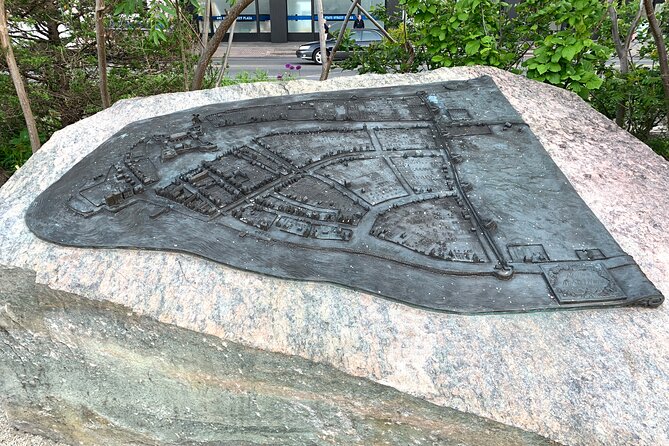
The stated starting point is Castle Clinton National Monument in Battery Park, at the southern end of Manhattan. Admission to the monument is free, and the itinerary allows about 10 minutes here.
Castle Clinton is a smart starting place because it links architecture to the harbor. New York’s growth depended on ships, trade, immigration, commerce, and access to the water. The location helps set up the larger question running through the presentation: how did a small settlement become a city capable of building one of the world’s most recognizable skylines?
You should not expect a long, live interpretation at the monument itself. The experience is delivered through the on-demand video, while the location gives you a physical place to begin looking around. If you are in New York, arrive with the video and PDF ready, then use Battery Park and the waterfront as your first real-world reference point.
This format works well for independent visitors who prefer to pause, take photographs, or return to a detail later. It is less ideal if you want someone to lead you through the streets, answer questions in real time, or keep the group moving.
From early styles to the modern city
The middle of the presentation is a broad architectural survey. You move from early American styles through the building traditions that shaped nineteenth and early twentieth century New York.
The discussion of Georgian and Federal architecture helps establish the city’s early period. Greek Revival reflects the era’s interest in classical forms, while Italianate and Romanesque Revival designs show how architects used ornament, masonry, arches, and heavy forms to give commercial and civic buildings a sense of importance.
Renaissance Revival, Gothic Revival, Queen Anne, and Neo-Classical buildings bring another set of clues. You will start noticing pointed arches, classical columns, varied rooflines, decorative stonework, and carefully planned entrances. The presentation also considers why architects selected particular designs and materials, rather than treating style as decoration without a purpose.
That is where the tour earns its price. It does not simply point at famous buildings and name an architect. It explains the choices behind them and places each style in a larger story about New York’s growth. The format is especially useful if you have visited the city many times but still tend to walk past buildings without looking up.
Several people who watched the presentation had lived in New York for many years and still found new facts to use on later walks. That makes sense. New York rewards repeated visits, and architectural details are easy to miss when you are focused on traffic, subway entrances, restaurants, or your next appointment.
Architects, materials, and the clues above street level
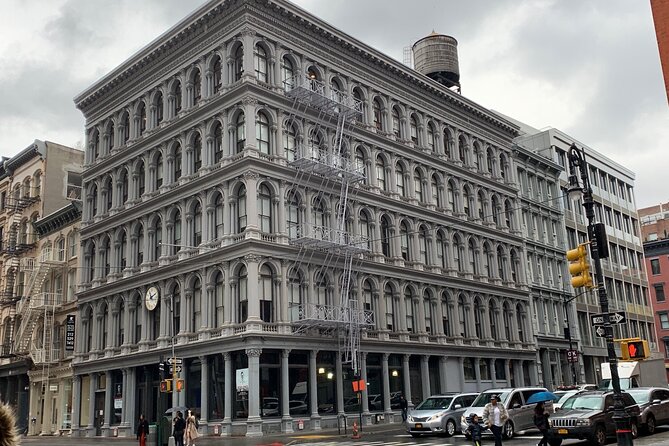
You will get practical help identifying architectural designs and building materials. That may sound academic, but it has a direct payoff. You can use the information while walking through Manhattan neighborhoods, looking at a facade, and asking what period or design tradition it suggests.
The presentation pays attention to small details. Rooflines and building tops matter, not just the street-level entrance. Materials matter too. Stone, brick, metal, and glass create different visual effects and reflect different periods of construction and technology.
I like that the tour encourages you to look upward. In New York, the most telling details are often above the shop signs and street traffic. A building’s upper floors may preserve the strongest evidence of its original design, even when the ground floor has changed.
The PDF adds practical value here. You can download it to your phone or another device and use the listed locations as prompts for your own walks. It is not a substitute for a map or a live guide, but it gives you something to consult when you want to connect the video’s ideas to actual streets and buildings.
More History Walks around New York City:
- Tribeca Architecture And History Walking Tour
★ 5.0 · 141 reviews - New York City: Flatiron Food, History, and Architecture Tour
★ 4.8 · 43 reviews - TriBeCa Architecture & History Walking Tour
★ 5.0 · 37 reviews - Chelsea Galleries and High Line; Art, Architecture and History
★ 5.0 · 14 reviews
Zoning, air rights, and why the skyline rises
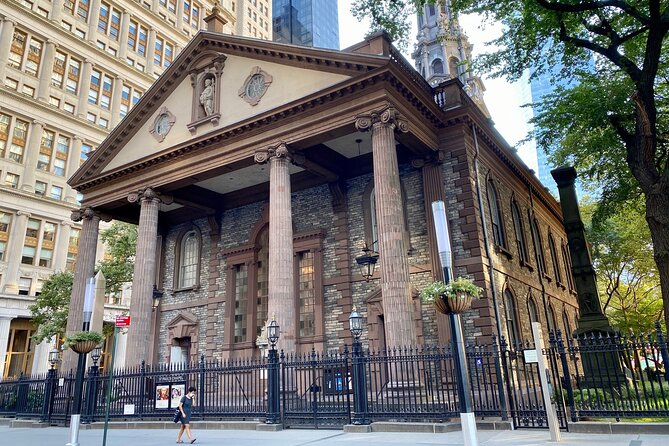
The experience also moves beyond architectural style into urban planning. This is one of its more useful features because New York’s appearance is shaped by rules as much as by architects.
You will learn about zoning and the needs of people who work and live beside tall office towers and landmarked neighborhoods. The presentation also addresses air rights, a subject many visitors never consider when they look at the skyline.
Air rights help explain why development can be complicated in a city where land is limited and buildings may be protected. The subject gives you a better sense of why some areas grow upward, why others keep a lower profile, and how new construction must fit into an existing city.
This part may appeal most to people who want more than a list of famous buildings. You will see that architecture is tied to housing, business, preservation, transportation, and political choices. A skyline is not simply the result of architects competing to build taller. It reflects arguments about who gets space and how the city should use it.
The only caution is pace. The tour covers a large amount of material in under two hours. If you are new to architecture, you may want to pause the video or revisit sections rather than trying to remember every style on one viewing.
Waterfront change and the route to Hudson Yards
The presentation tracks how New York’s waterfront has shifted from industrial use toward recreation and new neighborhood development. That change is important because it shows the city in motion, not as a museum of old buildings.
You will hear about public and private partnerships creating new destinations and about redevelopment from neighborhood to neighborhood. The route ends at 20 Hudson Yards, a logical place to discuss the city’s newest building activity and changing relationship with the Hudson River.
Hudson Yards gives the presentation a modern counterpoint to Castle Clinton. You begin with a harbor landmark connected to the city’s early commercial life and finish in a major contemporary development with tall buildings, retail, restaurants, and public amenities.
The ending is practical as well as symbolic. Twenty Hudson Yards is a useful stopping point because you can find shopping, food, and restrooms there. If you are walking the route in person, this gives you an easy place to pause after the architectural discussion.
Keep your expectations realistic. The supplied itinerary names Castle Clinton as the formal stop, while the overall route connects the southern tip of Manhattan with Hudson Yards. The experience is best understood as a video-led city study that you can follow physically, not as a tightly managed street walk with a guide waiting at each location.
What the self-guided format feels like
The tour is sold as a mobile ticket and is available on demand. You can watch it before arriving in New York, during a trip, or from home. That flexibility is its biggest practical strength.
If you are visiting New York for the first time, I would watch the presentation before setting aside time for neighborhood walks. It can give you a framework for noticing details that might otherwise pass without comment. You can then use the PDF to choose locations and revisit sections when you are near them.
If you already live in the city, the experience can change familiar routes. A daily walk may reveal an architectural period you had never noticed, or a building may gain meaning once you understand what was happening when it was built.
The private format covers only your group, with up to 15 people included. Since the price is $25 per group rather than per person, the value improves sharply when several people share it. A group of two pays more per person than a group of 10, but even a small group receives nearly two hours of material and a downloadable reference document.
You should also note that most people can participate, service animals are allowed, and the starting and ending areas are near public transportation. The tour is non-refundable and cannot be changed after booking, so make sure an on-demand video experience suits your plans before paying.
Who will get the most from this tour

I would recommend it most strongly to people who enjoy architecture, urban history, photography, and independent sightseeing. It is also a good choice for repeat visitors who have already seen the major attractions and want a more thoughtful way to walk through familiar neighborhoods.
The experience suits:
- First-time visitors who want context before exploring New York on foot
- Long-time New Yorkers who want fresh reasons to look at familiar buildings
- Architecture students and design-minded visitors
- History fans interested in how trade, technology, zoning, and population growth shape a city
- Families or small groups seeking a low-cost activity they can watch together
- People planning a New York visit from outside the city
It may not suit you if you want a live guide, a social group walk, or a tour built around entering many interiors. The focus is on the story of the city as seen through buildings, neighborhoods, planning decisions, and the skyline.
Is $25 good value?
At $25 for up to 15 people, this is inexpensive compared with most private New York tours. The cost is especially reasonable if you share it with family or friends. You receive nearly two hours of instruction and a PDF you can use later while exploring.
The value depends on how you use it. If you only watch the video once and never look at the PDF, it functions as a short architecture lecture. If you use it before and during a New York visit, it becomes a planning tool that can shape several walks.
I would not book it expecting admission to paid attractions or a live escort through the city. Castle Clinton has free admission, and the experience itself is built around viewing the presentation and exploring independently. Its value comes from interpretation, context, and the ability to continue the lesson on your own streets.
Should you book New York’s Evolving Skyline?
Book it if you want to understand why New York looks the way it does, not just photograph the tallest buildings. Kitt Garrett’s organized presentation brings together architectural styles, materials, local history, zoning, waterfront redevelopment, and modern construction in a format you can use at your own pace.
I would choose it before a New York trip, especially if you plan to walk around lower Manhattan, the waterfront, or Hudson Yards. I would also recommend it to locals who feel they have seen the city many times but want a reason to look up again.
Skip it if your priority is a live guide, spontaneous conversation, or a packed schedule of interior visits. For an affordable, portable introduction to New York architecture and urban change, though, it offers a useful way to see the city with sharper eyes.
FAQ
How long does the tour last?
The presentation lasts approximately 1 hour and 58 minutes.
Where does the experience begin?
The stated starting point is Castle Clinton National Monument in New York, New York 10004.
Where does the experience end?
The endpoint is 20 Hudson Yards, New York, New York 10001. The area has shopping, restaurants, and restrooms.
Is this a live guided walking tour?
No. It is an on-demand video and self-guided experience. You can watch it from home or use it while exploring New York on your own.
How much does the tour cost?
The price is $25 per group, for up to 15 people.
Is a mobile ticket available?
Yes. The experience includes a mobile ticket, and a document from the virtual tour can be downloaded to your device.
New to the itinerary around New York City
- Race to the Sky: NYC Architecture Tour With SUMMIT One Ticket★ 5.0 · 3 reviews
- Private Flatiron Food, History and Architecture Tour★ 5.0 · 8 reviews
- New York Soho and the Village Art and Architecture Tour★ 5.0 · 4 reviews
- Chelsea and the High Line NYC Architecture Walking Tour★ 5.0 · 6 reviews
- New York Upper West Side Art and Architecture Tour★ 5.0 · 4 reviews
- New York Midtown South Art and Architecture Tour★ 5.0 · 2 reviews
- New York Upper East Side Art and Architecture Tour★ 5.0 · 3 reviews
- Chelsea Galleries and High Line; Art, Architecture and History★ 5.0 · 14 reviews
Skyscraper Tours, compared.

Chicago Premium Driving Tour with River Boat Cruise and Sky Deck
Read our review →
Chicago Walking Tour: Art Deco Skyscrapers Loop
Read our review →

Other lists with this tour