
Review · CHINA
Explore Ancient Chinese Architecture & Meet its People
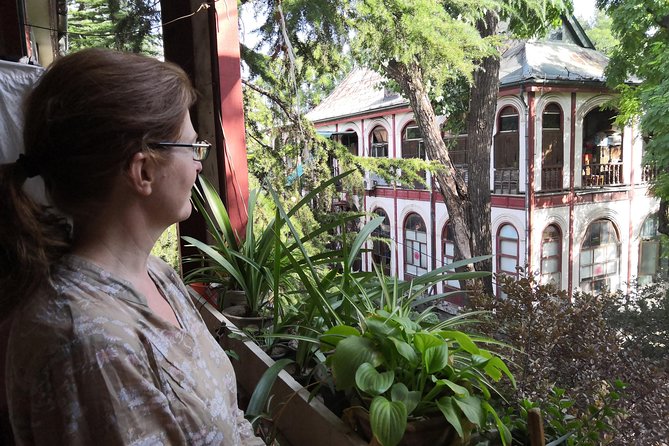
The most special part of this Beijing experience is the chance to enter a traditional courtyard house in Dongsi Hutong and meet people who are working to protect these old homes. Yuhua, who grew up in a former Prince Mansion, brings a personal connection to the buildings, not just a guidebook explanation.
I like the clear introduction to ancient Chinese architecture, especially because it helps you understand details you may otherwise walk past. I also like the hands-on Dougong activity and the chance to meet ordinary Beijingers who are making unusual efforts to preserve their neighborhood. The main consideration is the price: at $95.20 per person for roughly three hours, this is not a cheap hutong walk.
Key points to know before booking
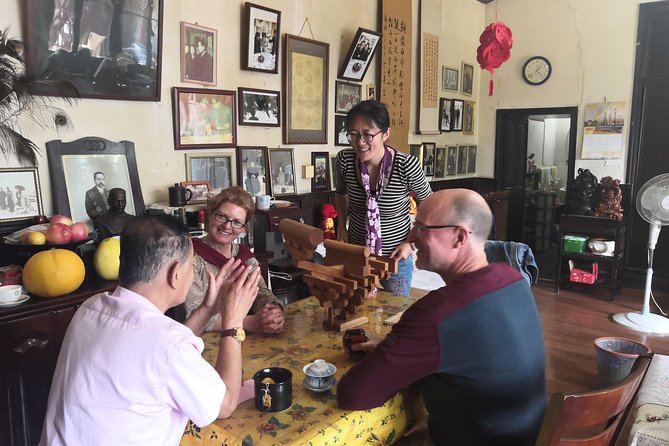
- Enter a real courtyard home in Dongsi Hutong: You receive access to a traditional house in one of Beijing’s old hutong areas.
- Learn with Yuhua: Her connection to a former Prince Mansion gives the architecture lesson a personal edge.
- Try assembling Dougong: You do more than look at old buildings. You handle pieces connected with traditional Chinese construction.
- Meet local preservationists: The visit includes people making practical efforts to protect their homes and architectural heritage.
- Keep the group private: Only your own party takes part, which allows the pace and discussion to stay personal.
- Start early at 9:00 a.m.: The tour begins near Dongsi and finishes near Zhangzizhong Road after about three hours.
Why Dongsi Hutong makes a strong setting
Beijing’s hutongs are more than narrow lanes between old houses. They are residential districts shaped by courtyard living, local customs, and layers of rebuilding. The experience focuses on Dongsi Hutong, an area where you can look at old architectural forms while also considering what happens when those homes are threatened or disappear.
That focus gives the walk a purpose. You are not simply stopping for photographs of tiled roofs and gates. Yuhua explains how to look at the buildings, then connects those details with the people who still live in or work to protect them.
The setting also keeps the experience close to everyday Beijing. This is not a grand palace visit with large crowds and formal displays. You are introduced to a neighborhood and to residents who care about its future. That can make the architecture feel less like a museum subject and more like part of a living city.
More Architecture Tours around the world:
- Chicago Architecture River Cruise
★ 5.0 · 15,756 reviews - Chicago River 90-Minute Architecture Tour
★ 4.5 · 9,629 reviews - Chicago River: 1.5-Hour Guided Architecture Cruise
★ 4.8 · 8,046 reviews
What Yuhua adds to the experience
Yuhua’s background is central to the tour. She describes herself as a girl who grew up in a former Prince Mansion, while making clear that she is not a princess. That small bit of humor tells you something about the tone: personal, warm, and interested in the human side of old buildings.
Her attachment to traditional houses helps explain why the experience is about preservation as much as design. She has explored many less familiar parts of Beijing and wants to show the beauty, daily life, and people connected with the hutongs.
The introductory architecture lesson is useful for first-time visitors and repeat visitors alike. Beijing has plenty of historic structures, but without basic context, you may notice only the broad shapes. Here, you learn the key features that help you read what you see in Beijing and elsewhere in China.
I especially like this approach for anyone who has already visited the Forbidden City, the Temple of Heaven, or other major sights and wants a better sense of how Chinese architectural ideas appear outside imperial monuments. The emphasis shifts from famous buildings to homes and neighborhoods.
Entering a traditional courtyard house
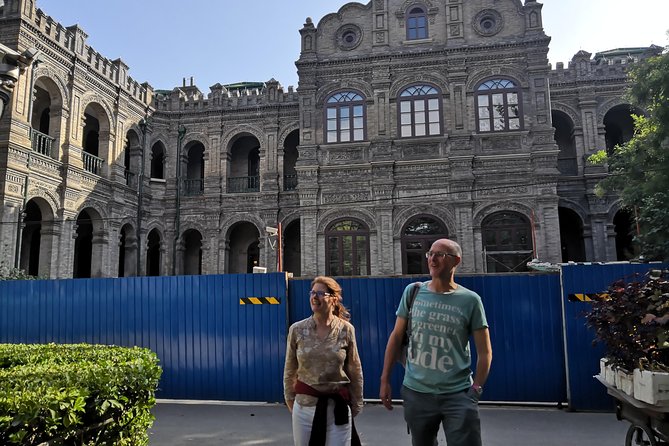
The most valuable access comes when you enter a traditional courtyard house in the Dongsi area. The specific home and its residents are part of the experience, so you should expect a personal visit rather than a standard public attraction.
Courtyard houses help explain how space, family life, and privacy worked in older Beijing. Even without a long lecture, the arrangement gives you a way to think about how people lived together and how an enclosed home related to the lane outside.
The visit also places preservation in practical terms. Old houses can be admired, but they require people willing to protect them. Meeting local people who make that effort gives you a clearer idea of what is at stake when hutongs change or disappear.
This part may appeal most to you if you prefer real neighborhoods to polished cultural displays. It is also the part least suited to anyone who wants a fast checklist of major sights. The attraction here is access and conversation, not a long list of monuments.
The Dougong activity makes the lesson memorable
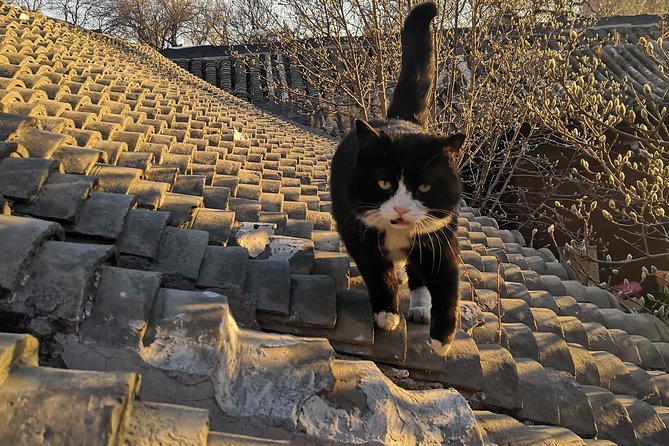
A useful feature of the tour is the chance to try taking apart and putting together Dougong. Instead of only hearing architectural terms, you handle the pieces and see how the system works through direct practice.
The activity gives the lesson a physical side. Traditional construction can feel abstract when it is explained only with words, but assembling and disassembling a structure helps you pay attention to how parts fit together.
I would not book this expecting a full workshop in carpentry. The experience lasts about three hours and includes several different parts, so the Dougong activity is one element of a wider visit. Still, it is a smart addition because it breaks up the talking and gives you something concrete to remember.
It also works well for families with older children, architecture students, and anyone who enjoys learning by doing. The physical activity should be understood as an introduction, not professional instruction.
Same streets, read through a different style:
- Barcelona: Park Güell and Gaudí House Museum Entry Ticket
★ 4.5 · 6,326 reviews - Chicago Architecture Center River Cruise aboard First Lady
★ 5.0 · 5,536 reviews - Barcelona: Gaudi’s Casa Vicens Skip-the-Line Entrance Ticket
★ 4.7 · 4,541 reviews - Barcelona: Gaudí’s Park Güell Tour with Fast-Track Ticket
★ 4.8 · 4,512 reviews
Meeting the people who protect old Beijing
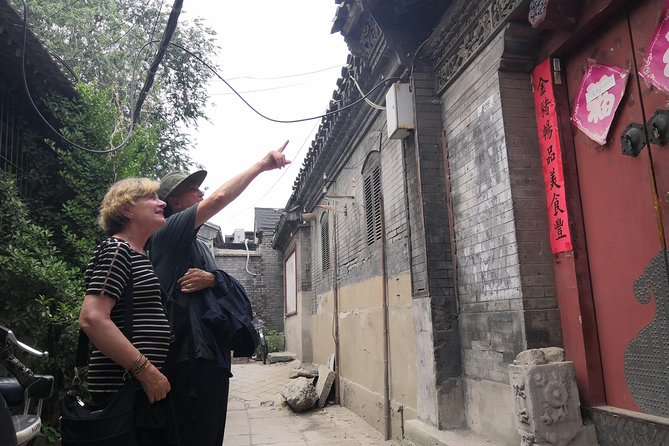
The human side of the experience is one of its strongest features. You meet Yuhua’s friends, described as ordinary Beijingers who make extraordinary efforts to protect architectural heritage and their homes.
That language matters because preservation is not presented as an issue handled only by officials, architects, or historians. It is also shaped by residents who care about the buildings around them. Their involvement gives the subject a personal face.
The experience has also included visits with people referred to as Grandpa Li and Uncle Zhu. Those connections suggest that the tour is built around real relationships, not a staged performance for visitors. You should expect conversation and personal stories to matter as much as the architecture lesson.
One percent of the payment supports the Beijing Cultural Heritage Protection Center, a nonprofit organization that helps residents preserve their cultural heritage. That contribution will not transform the city by itself, but it gives the booking a direct link to the preservation theme at the heart of the experience.
A private tour with a focused pace
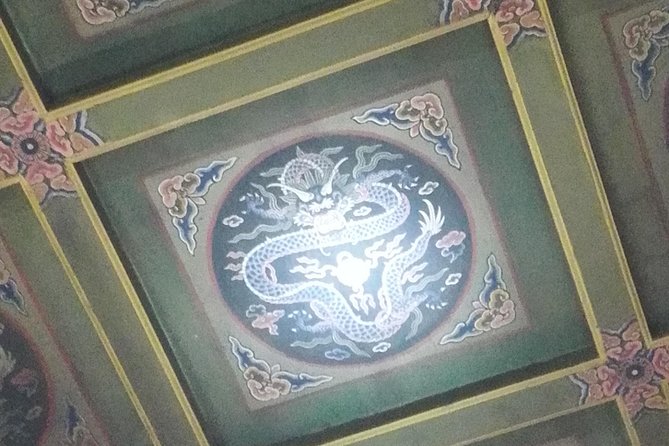
This is a private activity, so only your group participates. That is important at this price. You do not have to adjust to a large crowd, and you can ask questions about details that interest you.
A private format is particularly useful for an architecture-focused visit. You may want to stop and examine a doorway, ask about a courtyard, or return to a point from the opening lesson. The information provided does not promise a custom route, but a private group generally makes personal questions easier.
The schedule begins at 9:00 a.m. and lasts about three hours, with the overall description giving a range of three to four hours. I would keep the rest of your morning fairly open, especially if you want time to continue exploring around Dongsi or Zhangzizhong Road afterward.
The starting point is in Dongsi Subdistrict. The ending point is near Zhangzizhong Road, close to Zhangzizhonglu Station on Subway Line 5, Exit A. Since the start and end are different, check the meeting instructions carefully and allow time to get to Dongsi for the 9:00 a.m. departure.
Is $95.20 a fair price?
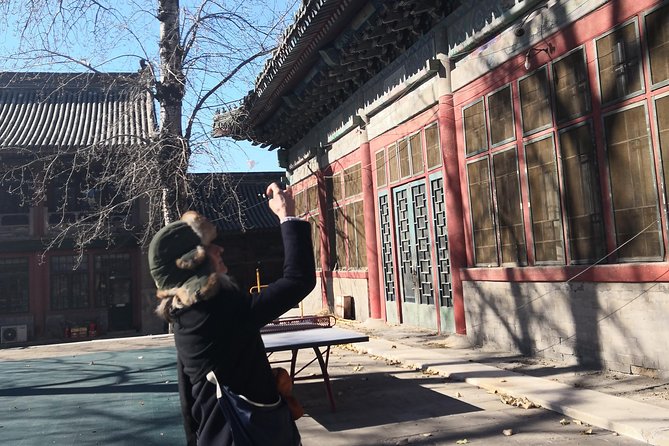
At $95.20 per person, this costs more than a basic hutong stroll. The value comes from the combination of private guiding, entry to a traditional courtyard house, the architecture lesson, hands-on Dougong practice, and meetings with people involved in preservation.
You are paying for access and interpretation rather than transportation or a long list of admissions. The admission included in the price is useful, but the real question is how much you value a small-scale cultural experience with personal connections.
I think the price makes the most sense for someone with a serious interest in Chinese architecture, local history, or cultural preservation. It is also a reasonable choice if you have already seen Beijing’s major imperial sights and want a different angle on the city.
For a first-time visitor with only one day in Beijing, the calculation is harder. You may prefer a broad overview of the city’s main sights. This experience gives you depth in one neighborhood, not a survey of Beijing.
Who should book this experience?
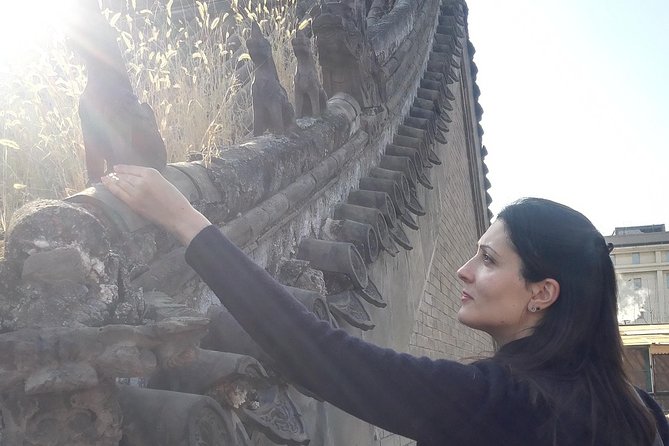
I would recommend it to you if you enjoy learning how places work, not just photographing them. Architecture students, history fans, repeat visitors to Beijing, and people who prefer local encounters will find plenty to think about.
It should also suit anyone curious about hutong life and the pressures facing old neighborhoods. The subject is not only beauty. It includes loss, change, and the work required to protect cultural heritage.
Families may like the Dougong activity, provided everyone can manage a moderate level of physical activity. Service animals are allowed, and the tour is near public transportation. No detailed accessibility information is provided, so anyone with specific mobility needs should confirm arrangements before booking.
You may want to skip it if you prefer large landmarks, panoramic views, or a packed sightseeing schedule. The experience asks you to slow down, listen, look closely, and care about buildings that may not appear on a typical Beijing highlights list.
Practical details that affect your morning
The mobile ticket makes entry and meeting arrangements simple, but you still need to reach the starting point in Dongsi on time. The tour begins at 9:00 a.m., and the stated meeting area is Dongsi Subdistrict in Beijing’s Dongcheng District.
The activity requires moderate physical fitness. Exact distances and surfaces are not specified, so wear comfortable shoes and be prepared for walking through a residential hutong area.
The experience requires good weather. If poor weather forces cancellation, you are offered another date or a full refund. You can cancel for a full refund up to 24 hours before the local start time. Changes or cancellations made less than 24 hours before departure are not accepted for a refund.
Booking confirmation is normally sent at once. If you book within one day of the experience, confirmation arrives as soon as possible and depends on availability.
Should you book Explore Ancient Chinese Architecture and Meet Its People?
Book it if you want a close look at Beijing’s traditional homes and the people trying to protect them. The combination of Yuhua’s personal connection, a courtyard-house visit, Dougong practice, and local conversations gives the experience more substance than a standard hutong walk.
Think twice if $95.20 feels high for a three-hour activity or if your main goal is to cover as many famous sights as possible. This is a focused cultural visit, not a general Beijing tour.
For the right person, it offers something valuable: a way to understand old Beijing through its homes and residents, while making a small contribution to cultural preservation. That is a worthwhile choice when you want your time in the city to include more than imperial monuments.
FAQ
Where does the tour begin?
The tour begins in Dongsi Subdistrict in Beijing’s Dongcheng District.
Where does the tour end?
It ends near Zhangzizhong Road, close to Zhangzizhonglu Subway Station on Line 5, Exit A.
What time does the tour start?
The scheduled start time is 9:00 a.m.
How long does the experience last?
The main itinerary lasts about three hours, while the overall duration is listed as approximately three to four hours.
Is this a private tour?
Yes. Only your own group participates in the activity.
What will I see and do?
You enter a traditional courtyard house, learn about key features of ancient Chinese architecture, meet people involved in preserving hutong homes, and try taking apart and assembling Dougong pieces.
Is admission included?
Yes. Admission to the included experience is covered.
Is the tour suitable for people with limited mobility?
The activity requires a moderate level of physical fitness. Specific accessibility details are not provided, so contact the provider if you have particular mobility needs.
Can I cancel for a refund?
You can cancel at least 24 hours before the local start time for a full refund. Cancellations or changes made less than 24 hours before the start are not accepted for a refund. If poor weather causes cancellation, you are offered another date or a full refund.
New to the itinerary around the world
- Washington, DC: Georgetown Architecture Walking Tour★ 5.0 · 8 reviews
- Wilmington History and Architecture Tour★ 4.8 · 18 reviews
- Walk & Discover KL’s Architectural and Heritage Gems★ 5.0 · 7 reviews
- Washington DC: Dupont Circle & Embassy Row Architecture Tour★ 5.0 · 6 reviews
- New Orleans : Garden District Architecture Walking tour★ 4.8 · 5 reviews
- Unveiling Brno: History, Culture & Architectural Delights★ 5.0 · 2 reviews
- Vicenza: Palladian Architecture Private Walking Tour★ 3.3 · 3 reviews
- Private Colonial Williamsburg Architectural Tour★ 5.0 · 5 reviews
China Architecture Tours, compared.
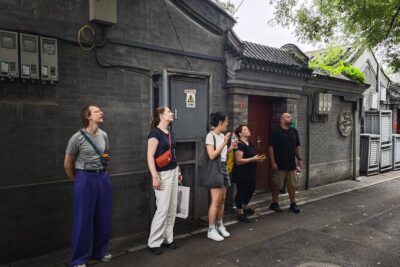
Beijing Hutong Walking Tour History, Architecture and Local Life
Read our review →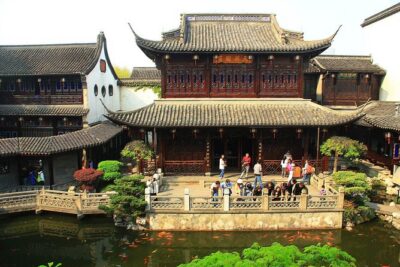
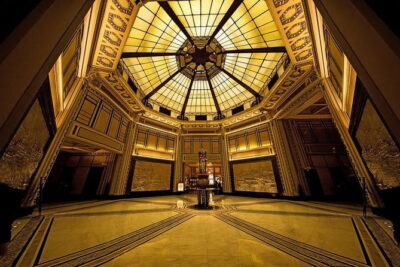
3-Hour Shanghai Art Deco Walking Tour With City Master
Read our review →Other lists with this tour