
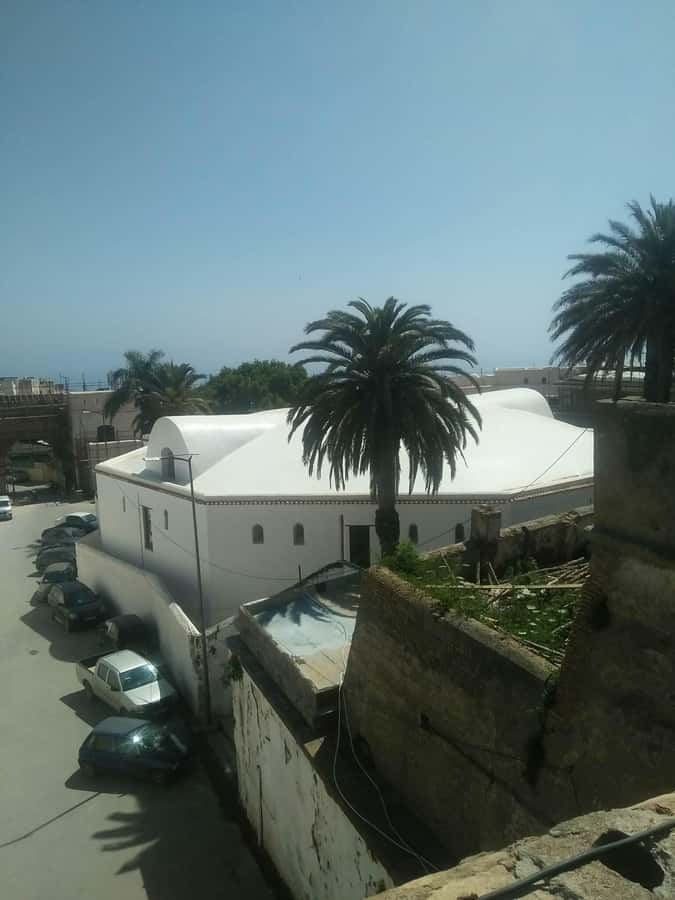
Review · ALGERIA
Casbah of Algiers : Guided tours Architecture and Urban plan
The best part of this Casbah tour is the guide’s architectural eye. Instead of simply pointing out old buildings, your guide explains how the city grew, how homes were arranged, and how politics, society, and protection efforts shaped the streets. I especially like the traditional house visit with lunch and the chance to study the Casbah with an architect who has 12 years of guiding experience. The main consideration is the amount of walking on narrow streets, with no transportation included.
I also like the mix of famous monuments and quieter corners, from the Palace of the Dey and Ketchaoua Mosque to the Ali la Pointe Museum and small openings toward the sea. Zineb, a heritage architect mentioned by name in the tour details, has guided visitors through both well-known and less obvious parts of the Casbah. The route is private, available in four languages, and includes museum entry, but the day may feel long if you prefer a short sightseeing stop rather than a close look at urban design.
Key points
- Architect-led interpretation: Learn how the Casbah’s buildings, lanes, patios, and urban plan fit together.
- Traditional lunch included: Visit a medieval-style house with a central patio, then eat a traditional meal with tea.
- Nearly six hours of listed visits: The route covers palaces, mosques, museums, a religious site, and Martyrs’ Square.
- Private group format: You can ask questions and adjust the pace more easily than on a large group tour.
- Four guide languages: Tours are offered in French, Arabic, English, and Spanish.
- Walking-focused route: Comfortable shoes matter, and transportation is not included.
Why an architect changes the Casbah experience
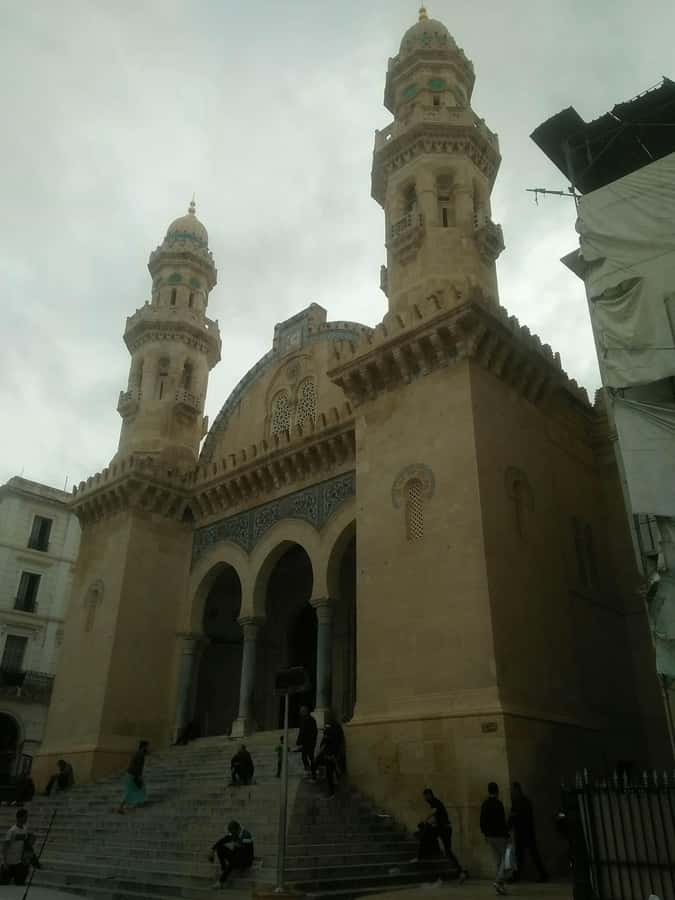
The Casbah is not best understood as a string of old façades. It is a town built on slopes, shaped by religion, defense, trade, domestic life, colonial change, and modern preservation work. An architect can help you read those layers in the spaces between the monuments.
Your guide explains architectural typologies, or the repeated ways houses and public buildings were designed. The central patio of a traditional home, the tight street pattern, and the views that suddenly open toward the sea all become part of one larger story.
This approach suits you if you like to understand how a place works. If you only want photographs of famous buildings, the tour may feel more detailed than necessary. The route gives you time to ask about urban development, conservation, and the pressures facing an old city.
The tour is private, which is a real advantage here. Narrow lanes and compact interiors are easier to handle with a small group, and you can ask the guide to explain a doorway, a courtyard, or a street corner without holding up a large party.
More Guided Tours around the world:
- Chicago River: 1.5-Hour Guided Architecture Cruise
★ 4.8 · 8,046 reviews - Park Güell: Guided Tour with Optional Gaudí Experience Entry
★ 4.1 · 832 reviews - Barcelona: Gaudi’s Casa Vicens Guided Tour
★ 4.8 · 401 reviews
Starting beside Bologhine ibn Ziri
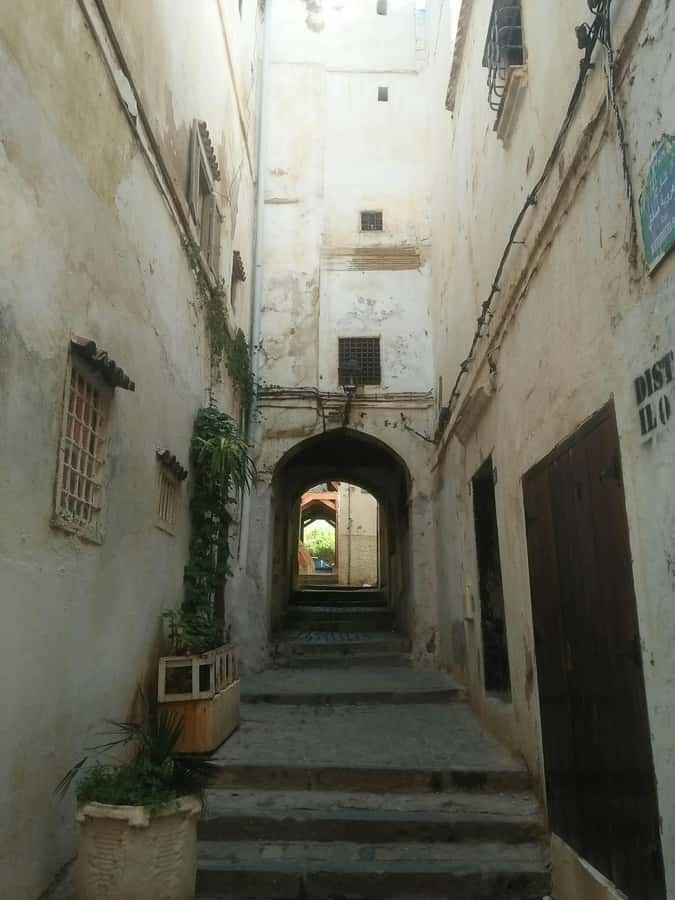
The meeting point is next to the Statue of Bologhine ibn Ziri, near Barbarossa Prison. Look for the guide wearing a white cap. This clear visual marker should make the initial meeting simple, especially since the tour does not include transportation to the starting point.
From here, you begin on foot. Bring comfortable shoes, as the route moves through narrow streets and includes repeated walks between monuments, museums, shops, and viewpoints. Water is not included, so carry a bottle.
The tour is valid for one day, but the exact starting time depends on availability. The listed stops total about five hours and 45 minutes, before allowing for movement, questions, lunch, and any pauses. Plan for a substantial day rather than a quick morning outing.
Palace of the Dey: the first major lesson
The Palace of the Dey receives about an hour, making it one of the more substantial stops. You get a photo opportunity, a visit, and a guided explanation rather than a quick look from outside.
This is a useful opening because a palace gives your guide a clear way to explain authority and urban organization. You can expect discussion of how political power occupied space within the Casbah and how the palace related to the surrounding city.
The longer stop also sets the tone. This is not a tour that rushes past every building for a photograph. The guide has room to explain details and connect the palace to later stops.
Streets, shops, and the view at ستاح البهجة
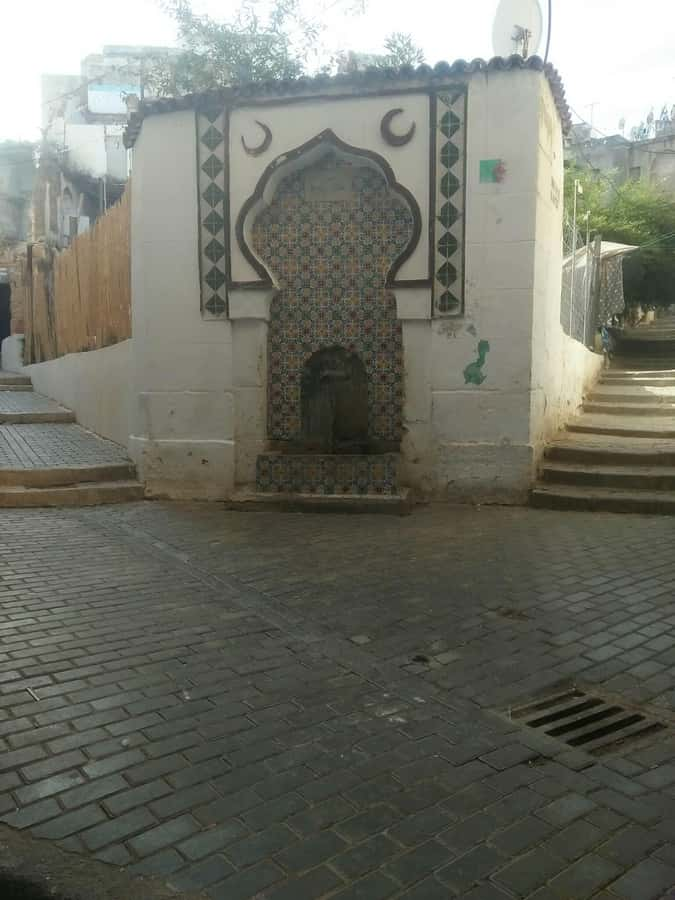
The next stop, written as ستاح البهجة, combines a photo stop, walking, and sightseeing over about 45 minutes. The route takes you into the everyday street pattern of the Casbah, with shops and openings toward the sea.
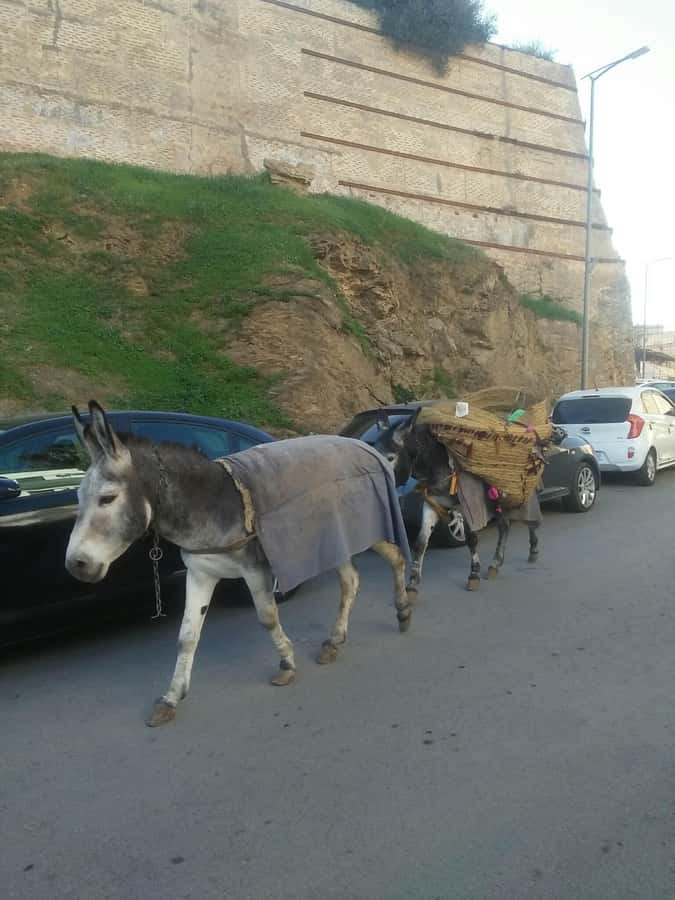
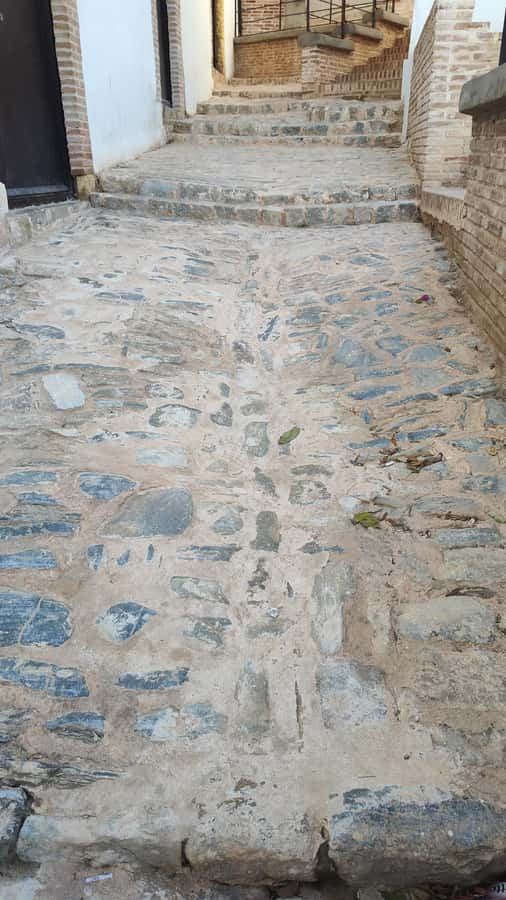
These moments between major monuments may be the most useful part of the day. You see how a medieval town feels at street level, rather than only through museum displays. The narrow lanes make the city’s scale clear, while the sea views remind you that Algiers is closely tied to its coastal setting.
This is also where comfortable footwear matters most. The route is not a coach tour with long stretches of sitting. You are moving through a living urban district, so the walking itself is part of the subject.
More Architecture Tours around the world:
- Chicago Architecture River Cruise
★ 5.0 · 15,756 reviews - Chicago River 90-Minute Architecture Tour
★ 4.5 · 9,629 reviews - Barcelona: Park Güell and Gaudí House Museum Entry Ticket
★ 4.5 · 6,326 reviews - Chicago Architecture Center River Cruise aboard First Lady
★ 5.0 · 5,536 reviews
Sidi Ramadan Mosque and Meqam Sidi Abderrahmane
At Sidi Ramadan Mosque, the guided visit lasts about 30 minutes. The stop adds a religious and community layer to the architectural story, showing that the Casbah is not only a collection of palaces and monuments.
You then visit Meqam Sidi Abderrahmane for another 30 minutes. The program identifies this as a visit rather than a long guided walking section, so expect a more focused stop.
The value here is the variety. Palaces explain political life, while mosques and religious sites help you see how faith shaped the city’s public spaces and daily routines. Your guide can connect these places to the wider urban plan instead of treating each building as an isolated attraction.
Ali la Pointe Museum and the Battle of Algiers
The Ali la Pointe Museum receives about 30 minutes and is tied to the district associated with a major scene from the Battle of Algiers. This gives the tour a modern political layer after its focus on medieval and Ottoman-era architecture.
For many people, this will be one of the most important stops. The Casbah is not only an old quarter preserved for its buildings. It also played a major role in Algeria’s modern political story, and the museum helps place the streets you have been walking through within that period.
The visit is relatively short, so do not expect a long museum session. Its strength is the connection between the exhibits and the surrounding district. You are seeing the physical setting as well as learning about the events linked to it.
Ketchaoua Mosque and Dar Mustapha Pacha
Ketchaoua Mosque receives about 30 minutes of guided walking. It is another chance to examine how religious buildings fit into the compact Casbah plan and how the city’s different historical periods appear in its architecture.
Dar Mustapha Pacha follows with a 15-minute visit. This is a brief stop, but it keeps the route moving through another important domestic or administrative setting. Since the tour includes entry tickets to the museums and the Citadel, you do not have to budget separately for those admissions.
The short timing at Dar Mustapha Pacha may feel quick if you enjoy interiors and architectural detail. On the other hand, it prevents the day from becoming fixed in one building for too long. The guide’s explanations are especially useful here because you can get context even during a compact visit.
Lunch inside a traditional patio house
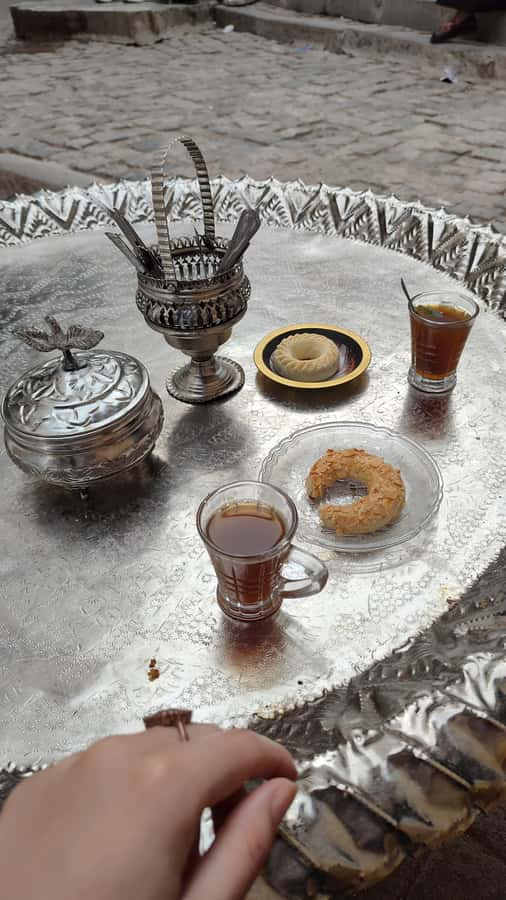
The traditional home visit is the most distinctive part of the experience. You enter a house dating from the medieval period, study its typology and central patio, and eat a traditional meal with tea.
This is more than a convenient lunch break. The house gives you a direct way to understand domestic architecture. A patio is not just a decorative feature. It helps organize the home and gives the interior a shared center, and your guide explains how this type of dwelling fits the Casbah’s social and urban pattern.
The meal also connects architecture with local culture. You are not eating in a generic restaurant between sightseeing stops. You are using a traditional property as a setting for the meal and learning about the city through culinary customs as well as buildings.
The tour includes the meal and tea, but it does not include water, street food, or purchases. If you like sampling snacks as you walk, budget separately. Alcohol and drugs are not allowed.
The National Museum of Arts and Popular Traditions
The National Museum of Arts and Popular Traditions is scheduled for a 15-minute visit. That is enough for a concentrated look, but not enough for a slow museum afternoon.
Its place in the route makes sense. After seeing houses, mosques, palaces, and political sites, you get a chance to consider domestic objects and popular culture. The museum helps connect formal architecture with the traditions of ordinary life.
Keep your expectations measured because of the short stop. If a particular display catches your attention, you may need to move on rather than spend a long time reading every label. The guide’s commentary can help you focus on the most relevant details.
Raïs Palace and the final sea-facing views
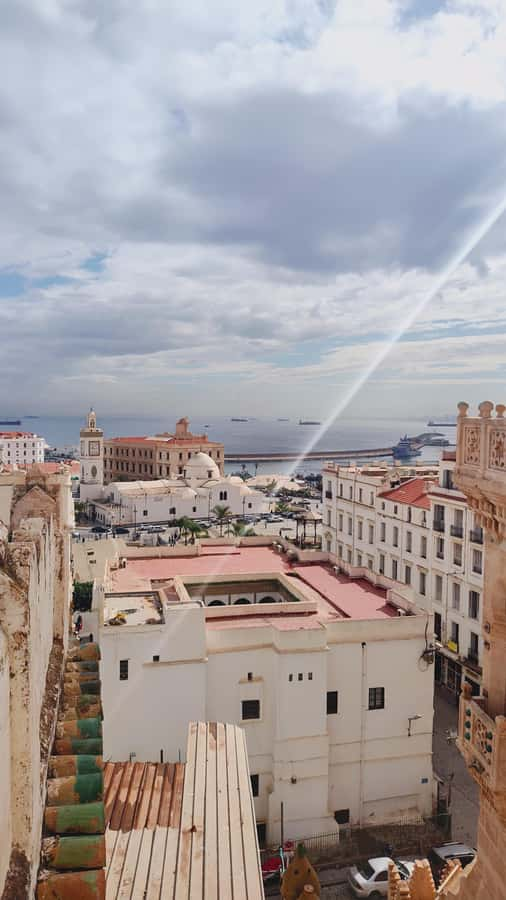
Raïs Palace receives about 30 minutes and includes a visit, guided tour, walking, and sightseeing. It is one of the day’s fuller monument stops and a good place to continue the conversation about power, residence, and the relationship between the Casbah and the sea.
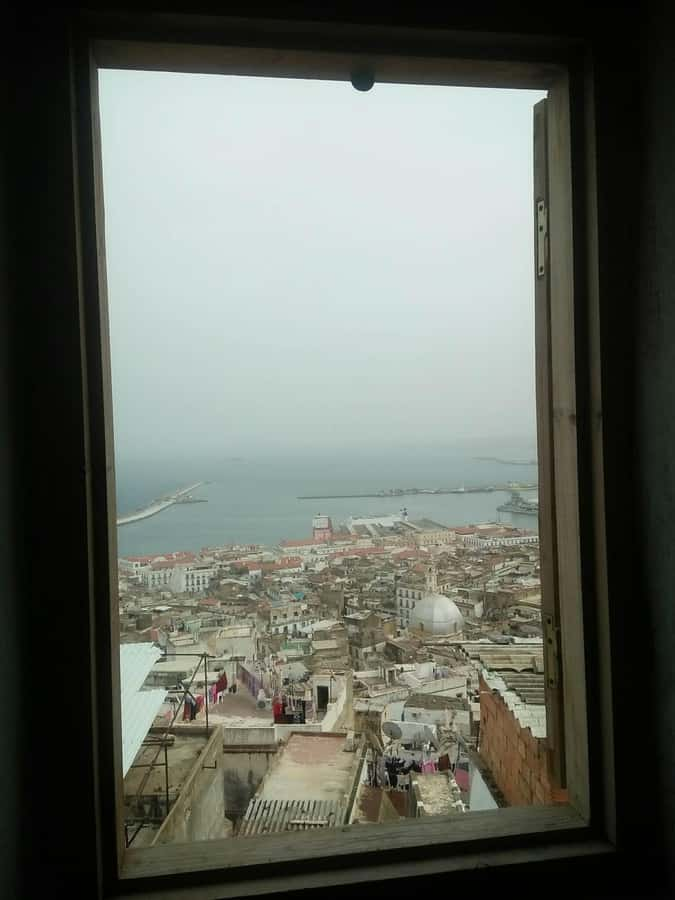
The route’s sea views are a useful counterpoint to the enclosed lanes. One moment you are in a tight street with shops and walls close by. The next, an opening gives you a wider view. These changes help you understand the city’s position and the way its urban fabric works on different scales.
You get both architecture and orientation here. The palace is a building to examine, while the view helps you place the Casbah within Algiers as a whole.
The Great Mosque and Martyrs’ Square
The Great Mosque appears near the end of the route, with about 30 minutes of sightseeing and walking. It gives the final section another major religious landmark before you leave the old quarter.
The tour finishes at Martyrs’ Square. This is a practical endpoint for a route through the Casbah because it provides a clear place to finish after the final walk. The day moves from a named meeting point near Bologhine ibn Ziri through the old quarter and its monuments, then ends in a central public space.
You should not expect the tour to return you to the starting point. Transportation is not included, so plan your onward arrangements from the finish at Martyrs’ Square.
What the $69 price covers
At $69 per person, the value depends on how much you want from a guide. The price includes a private guided tour led by an architect, entry tickets to the museums and Citadel, and the traditional meal with tea.
That is a fair package for a full day of interpretation and admission-covered visits. The architect’s role is the key value. You are paying for explanations about building types, city growth, conservation, and historical change, not simply for someone to lead you from one address to another.
The price does not cover transportation, water, souvenirs, or street food. Those costs are easy to manage, but they matter when you compare this experience with a shorter walking tour. If you already plan to visit the Casbah independently and mainly want exterior photographs, you may prefer to save the money. If you want the buildings explained and the traditional meal included, the package makes more sense.
Languages, pace, and practical details
Guiding is available in French, Arabic, English, and Spanish. English-speaking visitors should note that Ed specifically praised the guide’s spoken English and the amount of detail provided. That is useful information if you are choosing this tour for architectural explanation rather than basic orientation.
A private group allows a more personal pace. You can ask questions about architecture, urban planning, or preservation, and you are less likely to feel rushed by a large crowd. Still, the schedule contains many stops, so the overall day has a clear structure.
The tour offers free cancellation up to 24 hours before the start, and you can reserve now and pay later. Check the available starting times before booking. The stated restriction is that the experience is not suitable for people over 95 years old.
The most practical advice is simple: wear comfortable shoes, carry water, and arrive at the statue with enough time to identify the guide in the white cap. No special equipment is listed, but a phone or camera will be useful for the street views and architecture.
Who should book this Casbah tour
I would choose this experience if you like history explained through buildings, streets, and daily life. It is also a strong fit if you want a private guide, need English, French, Arabic, or Spanish, and prefer a full route with museum entries already covered.
The tour suits first-time visitors who want the Casbah put into context. It also works for people with a specific interest in heritage protection and urban design, since the guide discusses how the site is protected and how the city developed.
I would hesitate if you dislike extended walking, want a relaxed meal with little sightseeing around it, or prefer to explore at your own pace. The schedule is broad, and the short museum visits may not satisfy someone who wants to study every exhibit.
Should you book it?
Book this tour if you want the Casbah explained by an architect rather than simply photographed. The combination of the Palace of the Dey, mosques, museums, political history, sea-facing streets, and a traditional patio-house meal gives you a full picture of the old city.
The strongest reasons to go are the guide’s architectural focus, the private format, and the included lunch. The main tradeoff is the walking and the amount of ground covered in one day. Bring water, wear good shoes, and make sure you are ready for a detailed route. For many visitors, that detail is exactly what makes the Casbah come alive.
FAQ
How long does the Casbah tour last?
The activity is valid for one day. The listed sightseeing and visit times add up to about five hours and 45 minutes, before allowing for walking, questions, and the included meal.
Where does the tour begin?
You meet next to the Statue of Bologhine ibn Ziri, near Barbarossa Prison. The guide will be wearing a white cap.
Where does the tour finish?
The tour finishes at Martyrs’ Square.
Is transportation included?
No. Transportation is not included, so you need to arrange your own way to the meeting point and from Martyrs’ Square after the tour.
Which languages are available?
The live guide can conduct the tour in French, Arabic, English, or Spanish.
Is lunch included?
Yes. The experience includes a traditional meal with tea in a traditional house. Water, street food, souvenirs, and other purchases are not included.
New to the itinerary around the world
- Washington, DC: Georgetown Architecture Walking Tour★ 5.0 · 8 reviews
- Wilmington History and Architecture Tour★ 4.8 · 18 reviews
- Walk & Discover KL’s Architectural and Heritage Gems★ 5.0 · 7 reviews
- Washington DC: Dupont Circle & Embassy Row Architecture Tour★ 5.0 · 6 reviews
- New Orleans : Garden District Architecture Walking tour★ 4.8 · 5 reviews
- Unveiling Brno: History, Culture & Architectural Delights★ 5.0 · 2 reviews
- Vicenza: Palladian Architecture Private Walking Tour★ 3.3 · 3 reviews
- Tulsa: Art Deco Walking Tour of Tulsa★ 5.0 · 8 reviews