
Review · BERLIN
Berlin: Guided Architectural Walking Tour of Hansaviertel
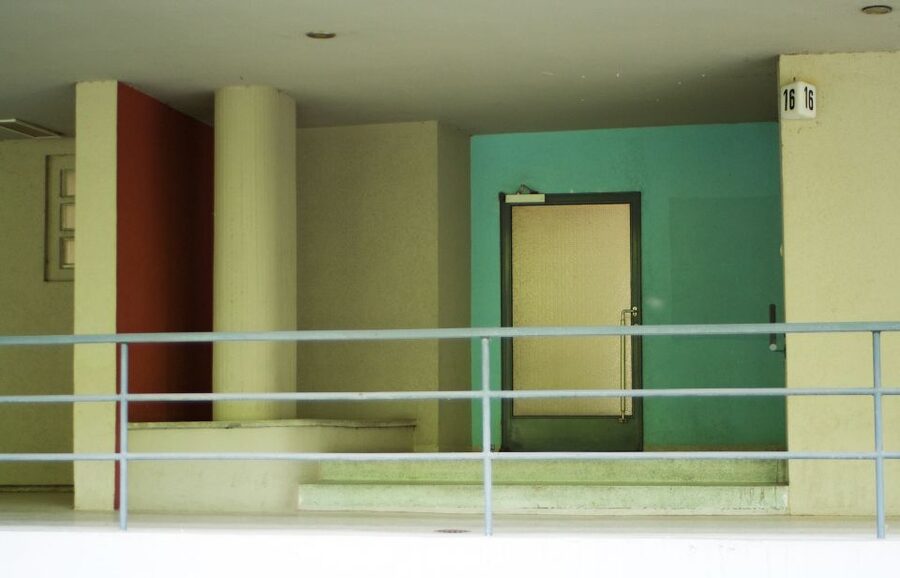
Hansaviertel is one of Berlin’s most striking open-air architecture lessons. Bombing nearly erased the district, and its rebuilding brought together major names such as Le Corbusier, Oscar Niemeyer, Alvar Aalto, and Walter Gropius. I like that this tour explains the ideas behind the buildings instead of leaving you to admire them in silence. I also like its setting beside Tiergarten, where city noise, trees, and modern housing meet.
The main drawback is simple: this is a German-language walking tour, with 2.5 hours on foot and no wheelchair access. If you want Berlin’s best-known landmarks or a quick overview of the whole city, this is not the right outing. If you enjoy architecture, urban planning, and the stories behind rebuilt neighborhoods, it offers strong value for $24.
Key points at a glance
- A nearly erased district: Learn how wartime bombing changed Hansaviertel and shaped what you see today.
- Modernist names in one neighborhood: See work linked to Le Corbusier, Oscar Niemeyer, Alvar Aalto, and Walter Gropius.
- A city-and-park setting: Walk beside Tiergarten while taking in the sounds of everyday Berlin.
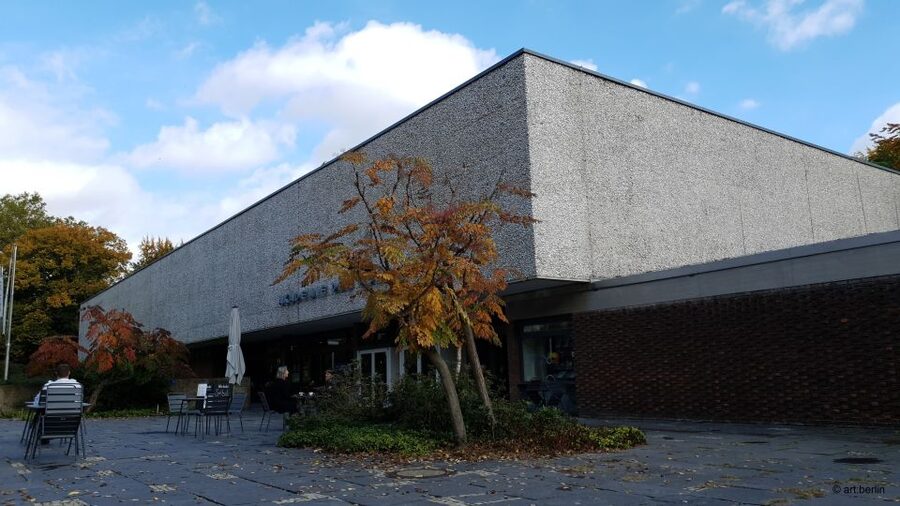
- More than exterior views: The tour may include the Hansa Library and Kaiser Friedrich Memorial Church.
- Stories about local residents: Hear extra details about the people who live in Hansaviertel today.
- A focused price: At $24 for 2.5 hours, the tour gives architecture fans a close look at one Berlin district without a museum admission fee.
Why Hansaviertel deserves a guided walk
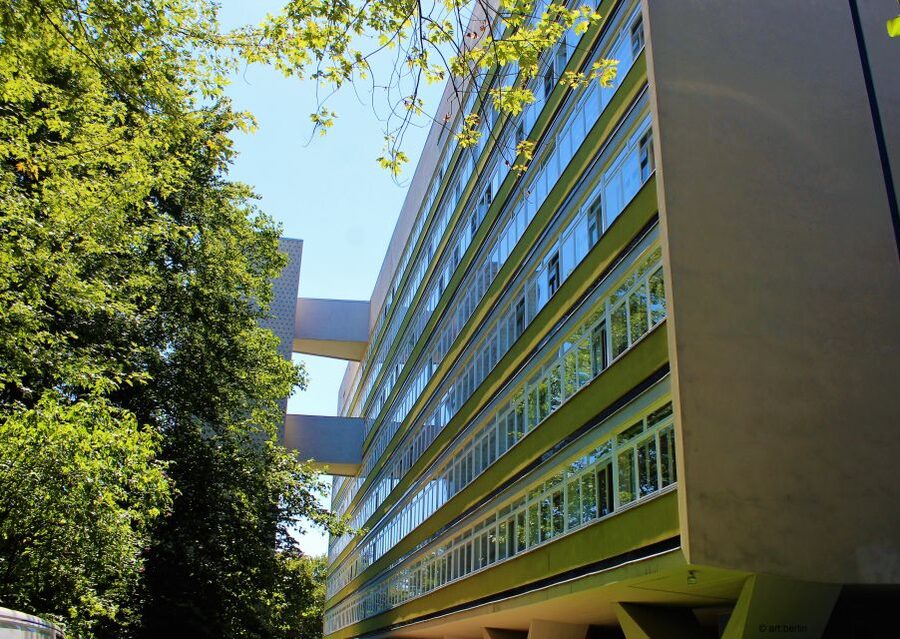
Hansaviertel is not a district you visit mainly for a single famous monument. Its appeal comes from the way several buildings, public spaces, and design ideas work together. You see a neighborhood shaped by destruction, then rebuilt through ambitious architectural work.
That history gives the walk more weight than a simple building-spotting tour. The guide explains how the area was nearly completely destroyed by bombing during the Second World War, so the modern buildings are not just stylish additions. They are part of the district’s answer to a difficult past.
I find that context especially useful in Berlin. The city has many places where war, rebuilding, and new design sit close together. Without a guide, you might notice unusual blocks and spacious paths but miss why the neighborhood looks so different from older parts of Berlin.
You will also hear the sounds of present-day city life near Tiergarten. That contrast matters. Hansaviertel is not presented as a frozen architecture display. It remains part of Berlin, with people living in the buildings and moving through the district each day.
More Walking Tours in Germany:
- Düsseldorf: Guided City Architecture Walking Tour
★ 4.6 · 61 reviews - Potsdam: Guided Walking Tour of UNESCO Site and Architecture
★ 4.7 · 49 reviews - Private walking Tour: Berlin Architecture Tour
★ 5.0 · 14 reviews
Starting outside Grips-Theater
The meeting point is outside the main entrance of Grips-Theater. This gives you a clear place to find the guide, but you should plan to arrive with enough time to identify the entrance and settle in before the start.
The tour lasts 2.5 hours, so comfortable shoes are essential. Bring water, a camera, and clothing suited to the weather. You will be outside for much of the experience, and Berlin weather can change quickly.
The tour is offered in German. That is the most important booking point for many people. If you understand German well, the language allows the guide to explain architectural terms, local stories, and small details at a natural pace. If you do not understand German, you may still enjoy the buildings, but the historical side of the walk will be difficult to follow.
Walking through a district rebuilt by design
The central story is Hansaviertel’s destruction and reconstruction. Your guide sets the neighborhood in context, then points out how its buildings reflect a new approach to housing and city planning.
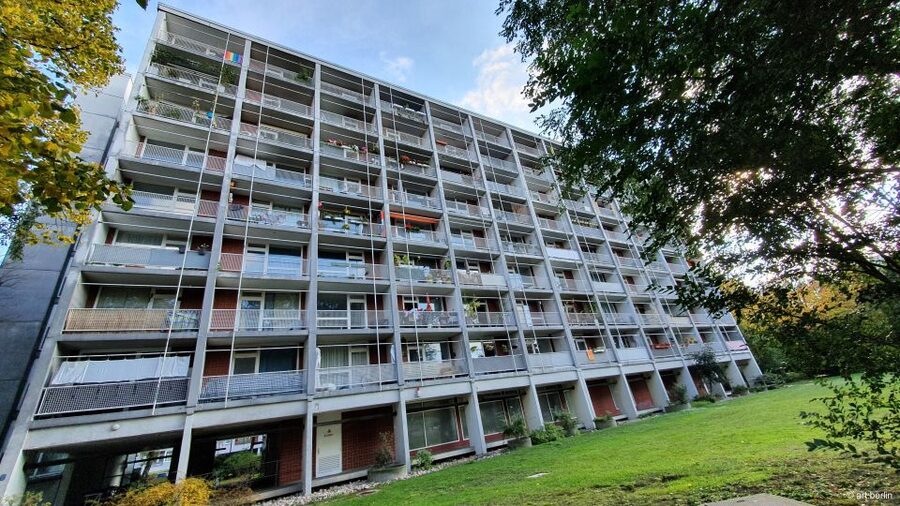
The architects connected with the area include Le Corbusier, Oscar Niemeyer, Alvar Aalto, and Walter Gropius. Their names alone make this a worthwhile stop for anyone interested in 20th-century architecture, but the value comes from seeing their work in one walk rather than studying each architect separately.
I like tours that explain what you are looking at before rushing on to the next stop. Here, you can pay attention to the way each building fits into the district and ask why such notable architects were involved. The tour is not only about taking photos. It is about understanding why Hansaviertel became an important example of modern architectural thinking.
Do not expect a parade of grand facades in the old European style. Modernist architecture often rewards patience. A building may look plain at first, then reveal its appeal through its proportions, open areas, windows, or relationship to the surrounding buildings. A guide can direct your eye to those features and help you see more than you would on a self-guided stroll.
The architects behind the buildings
The presence of several major architects gives the tour a useful range. Le Corbusier, Niemeyer, Aalto, and Gropius each bring a different name and design tradition to the district. You will not simply hear a list of famous figures. The guide connects their work to the wider story of Hansaviertel.
For you, that means the walk can work at two levels. Architecture fans can focus on the buildings and design choices. Casual visitors can follow the broader question of how a nearly destroyed neighborhood was rebuilt and given a new identity.
I would bring a camera, but do not let photography take over. The best part of this kind of tour is often the explanation that comes just before you frame a building. Take a few pictures, then listen. The guide’s comments about construction and the people who live in the district today add a human side that exterior photos cannot provide.
The available feedback points to a guide who is punctual, friendly, humorous, and highly informed. Those qualities matter here because the subject can become technical. A clear guide keeps the walk lively and makes room for questions without turning the experience into a dry lecture.
More Guided Tours around Germany:
- Lübeck: Architecture and Local Craft Private Guided Tour
★ 4.0 · 6 reviews - Munich Your Way: Private Tour with Architect & Guide
★ 5.0 · 2 reviews - Chicago River: 1.5-Hour Guided Architecture Cruise
★ 4.8 · 8,046 reviews - Naples: San Gaudioso Catacombs Guided Tour
★ 4.7 · 1,105 reviews
The Hansa Library and Kaiser Friedrich Memorial Church
A particularly useful feature is the possibility of going beyond street-level views. The tour can include a look through the windows of the Hansa Library and access to Kaiser Friedrich Memorial Church.
These details give the walk more variety. You are not only moving from one exterior to another. You may get a closer sense of how the district’s public buildings function and how architecture shapes daily life.
The Hansa Library is mentioned in connection with viewing its windows, while the Kaiser Friedrich Memorial Church may be entered during the tour. Since access can depend on the day and the guide’s arrangements, I would treat these as valuable additions rather than guaranteed highlights.
That small note is worth keeping in mind when you book. The core experience is the guided walk through Hansaviertel. Any interior access makes it better, but you should not choose the tour only for one possible room or building.
Stories about the people of Hansaviertel
Architecture can feel distant if a tour discusses only designers and materials. This walk adds information about residents of present-day Hansaviertel, which helps connect the district’s grand design to ordinary life.
I especially like that angle. A neighborhood is more than its architects. People live in the buildings, use the public spaces, and give the area its daily rhythm. Hearing about current residents helps you see Hansaviertel as a working part of Berlin rather than a display of famous names.
The guide may also share extra local information that you would not find by simply walking around with a map. That is where the $24 price makes sense. You are paying for interpretation, not transport or admission to a major museum.
If you are already familiar with modernist architecture, these resident stories may be the part that gives you something new. If you are new to the subject, they provide a welcome break from technical details.
What the 2.5-hour format feels like
Two and a half hours is long enough to build a proper story but short enough to fit into a day of Berlin sightseeing. You get time to look carefully, listen, and move between sites without the rushed feeling of a one-hour introduction.
The tradeoff is physical. This involves a lot of walking, and there is no wheelchair access. Anyone with mobility concerns should consider that before booking. Comfortable shoes are not a minor suggestion here. They are part of making the experience enjoyable.
The open-air format also means weather matters. Bring water and wear clothing suited to the forecast. A camera is useful, but the most important item is clothing that lets you stay comfortable while standing and walking.
There is no indication of a meal, drink, transport, or separate museum package being included. You are booking a guided architecture walk, and that focused format is part of its appeal. You can pair it with your own plans before or after, instead of spending a full day on a large organized excursion.
Is $24 a fair price?
At $24 per person, I consider this good value for an architecture-focused tour. You receive 2.5 hours with a live guide, a focused look at one of Berlin’s most unusual districts, and historical context that would take effort to assemble on your own.
The value depends on your interests. If you mainly want famous Berlin sights, the price may feel less useful because Hansaviertel is a specialist subject. If you enjoy design, city planning, postwar rebuilding, or local history, the cost is modest for the amount of time and explanation involved.
The strongest value comes from the guide. Buildings are free to view from the street, so the paid part is the story, the route, and the ability to notice details you might miss. The highly positive comments about the guide’s expertise, humor, punctuality, and warmth suggest that the human side of the tour is central to its success.
Free cancellation up to 24 hours before the start and the option to reserve now and pay later also make the booking less rigid. Those policies are useful if your Berlin schedule is still shifting, but the real reason to choose this walk should be the subject itself.
Who should book this Hansaviertel tour?
I would recommend it to you if you:
- Enjoy modern architecture and want to see buildings by major international designers.
- Have already visited Berlin’s main sights and want a less obvious district.
- Like learning how war and rebuilding shape a city.
- Understand German well enough to follow a live guided tour.
- Can comfortably walk for 2.5 hours.
- Prefer a small, focused subject to a broad city overview.
You may want to skip it if you need an English-language tour, use a wheelchair, dislike long walks, or want interiors and major attractions as the main focus. This is also not the best choice for a first Berlin activity if you have limited time and want to cover the city’s best-known landmarks.
For architecture students, design fans, and repeat visitors, it can be one of the more useful ways to spend part of an afternoon. You get a district with a clear story, serious design credentials, and enough local detail to keep the walk from feeling like a classroom lesson.
Should you book it?
Book this tour if Hansaviertel’s modern buildings, wartime destruction, and rebuilding interest you more than another standard city-center sightseeing route. The combination of major architects, Tiergarten surroundings, possible access to the Hansa Library and Kaiser Friedrich Memorial Church, and stories about current residents gives the walk real substance.
I would be more cautious if you do not speak German or if walking for 2.5 hours will be tiring. For the right audience, though, $24 is a fair price for a well-led look at a distinctive part of Berlin that is easy to pass by without understanding.
FAQ
Where does the Hansaviertel walking tour meet?
Meet your guide outside the main entrance of the Grips-Theater.
How long does the tour last?
The guided walk lasts 2.5 hours.
What language is the tour offered in?
The live tour guide speaks German, and the activity is offered in German.
What architects can I learn about during the walk?
The tour covers work by German architects and major modernist figures including Le Corbusier, Oscar Niemeyer, Alvar Aalto, and Walter Gropius.
Is the tour suitable for wheelchair users?
No. The tour is not suitable for wheelchair users and involves a lot of walking.
What should I bring?
Bring comfortable shoes, water, a camera, and clothing suitable for the weather.
New to the itinerary around Germany
- Munich Your Way: Private Tour with Architect & Guide★ 5.0 · 2 reviews
- Hidden Architectural Gems of Munich (Max. 16 guests)★ 5.0 · 2 reviews
- Architectural Frankfurt: Private Tour with a Local Expert★ 5.0 · 2 reviews
- Berlin Architecture/River Spree Full Day Photography Tour★ 5.0 · 2 reviews
- Private Taxi Tour of City East History and Architecture 2-3h★ 5.0 · 2 reviews
- Architectural Berlin: Private Tour with a Local Expert★ 4.0 · 3 reviews
- Lübeck: Architecture and Local Craft Private Guided Tour★ 4.0 · 6 reviews
- Lübeck: Private Historical and Architectural Walking Tour★ 4.5 · 6 reviews
Berlin Architecture Tours, compared.
Private Taxi Tour City East & West History and Architecture 3-4h
Read our review →
Karl-Marx-Allee Tour: Life and Architecture in East Berlin
Read our review →


Karl-Marx-Allee Tour of Life and Architecture in GDR
Read our review →
Berlin Architecture/River Spree Full Day Photography Tour
Read our review →Other lists with this tour